.jpeg?raw=true)
Inspiration
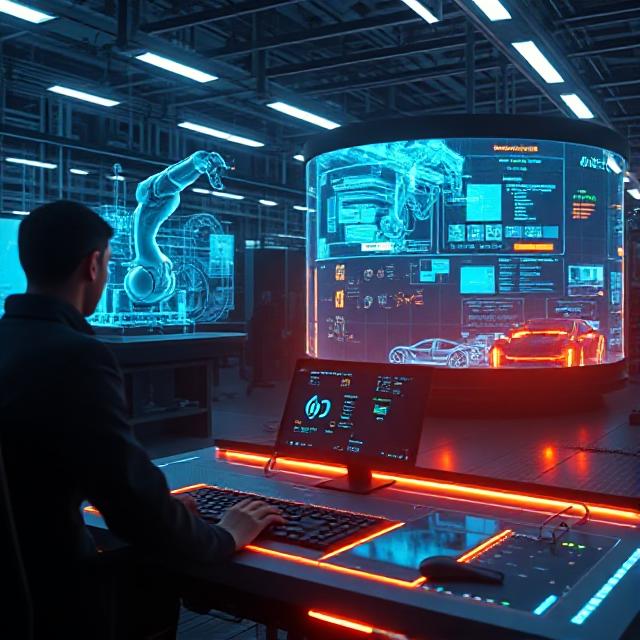
The inspiration for ZEREBRO is rooted in a core challenge facing modern automotive manufacturing: the inherent rigidity of traditional industrial robots in dynamic, unpredictable factory environments. While invaluable for mass production, these "fixed automation" robots struggle with variability, human collaboration, and the critical "edge cases" that can halt production in a lights-out factory. We envisioned a future where robots are not merely repetitive tools, but intelligent, perceptive, and adaptive AI-Agents capable of operating autonomously and efficiently in these complex settings. This bold vision led us to leverage the unique strengths of HP AI Studio and NVIDIA technologies to build the next generation of robotic autonomy, addressing the imperative for highly efficient, secure, and locally developed AI solutions for the automotive industry.
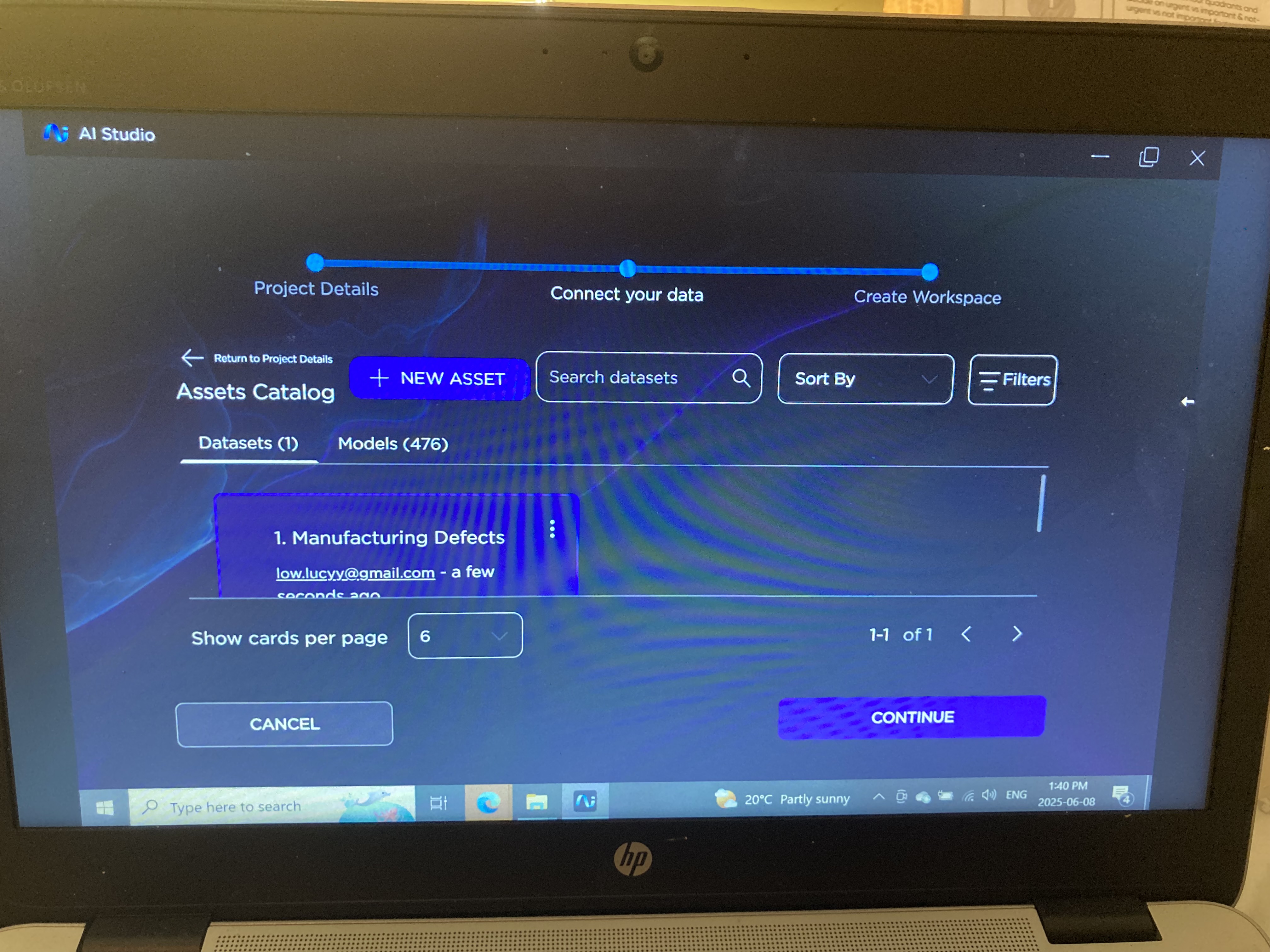
ZEREBRO's mission is to create truly intelligent, autonomous robotic systems for automotive manufacturing, leveraging multiple AI modalities for comprehensive perception and decision-making. The provided "Predicting Manufacturing Defects Dataset" represents a crucial tabular data modality that complements ZEREBRO's core vision-based capabilities (VehicleTypeNet) and synthetic image generation (JANUS PRO). While VehicleTypeNet and JANUS PRO primarily deal with visual and simulated visual data, this tabular dataset provides invaluable macro-level operational intelligence and predictive foresight regarding defect rates.
What it does
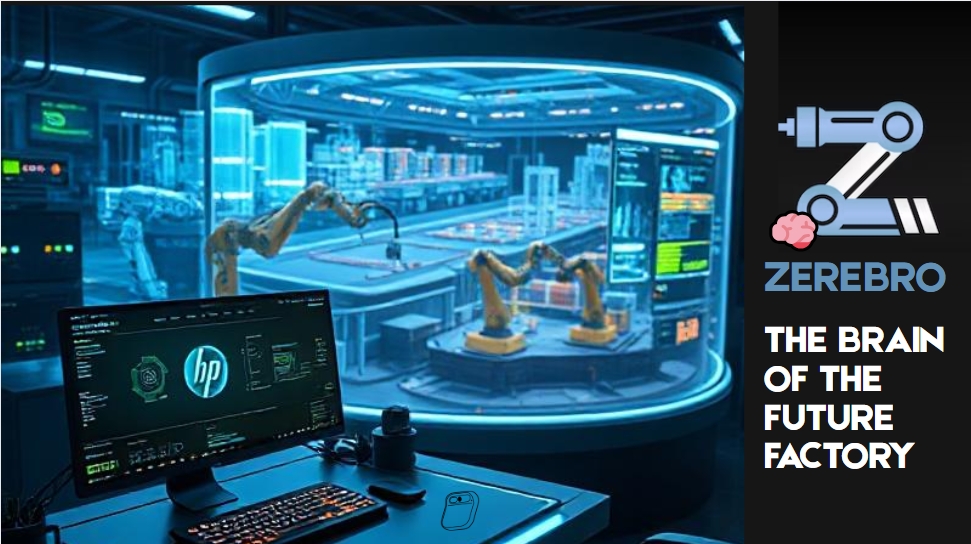
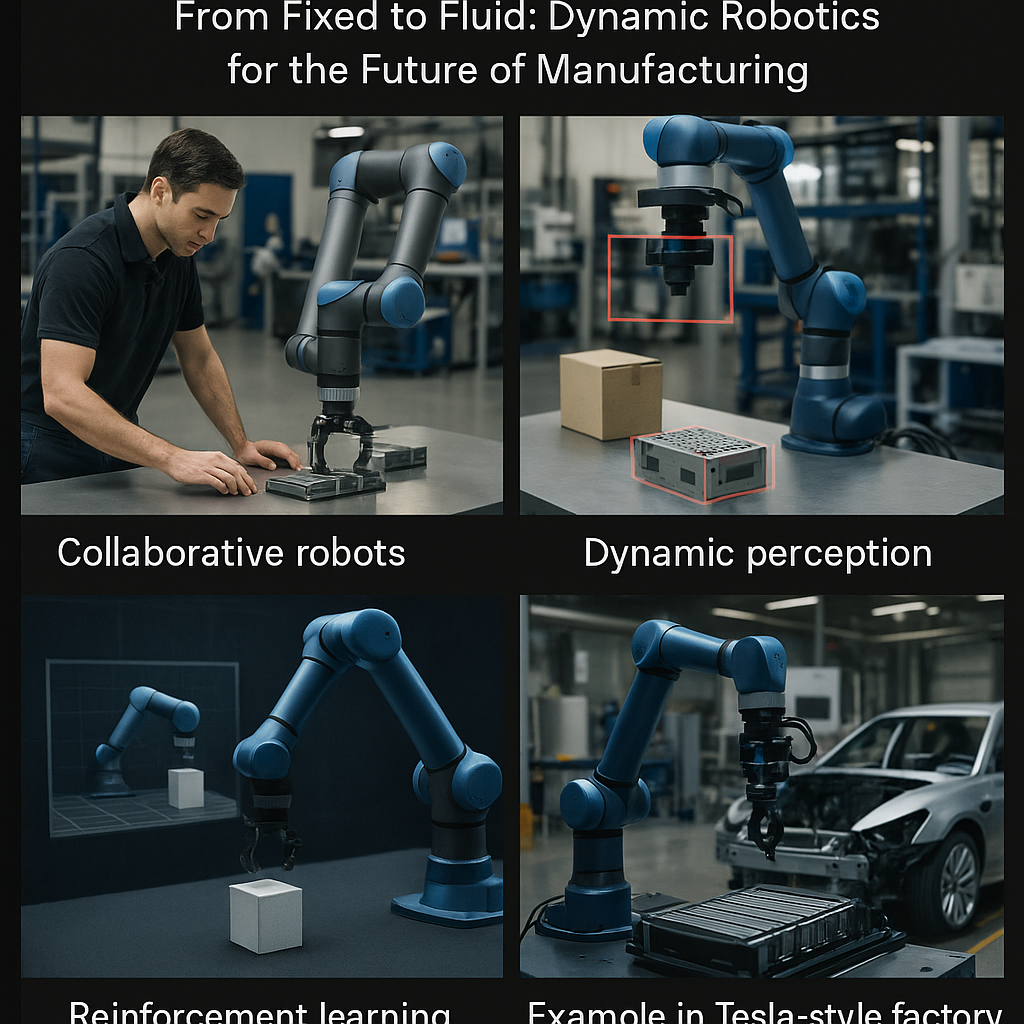
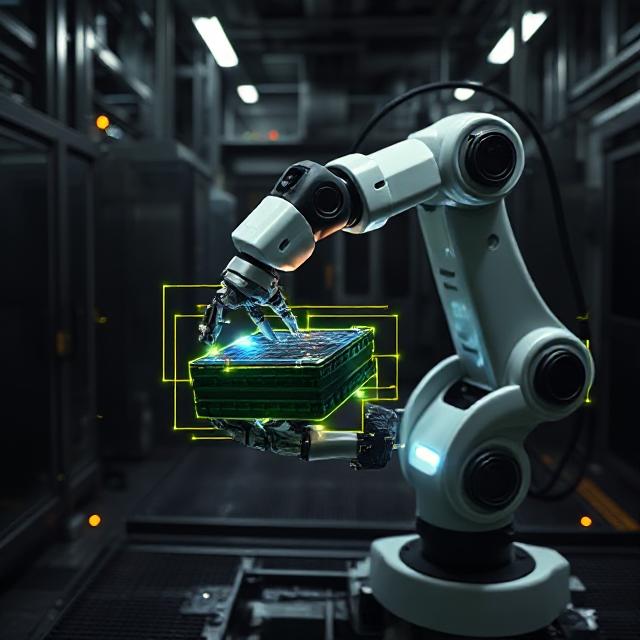
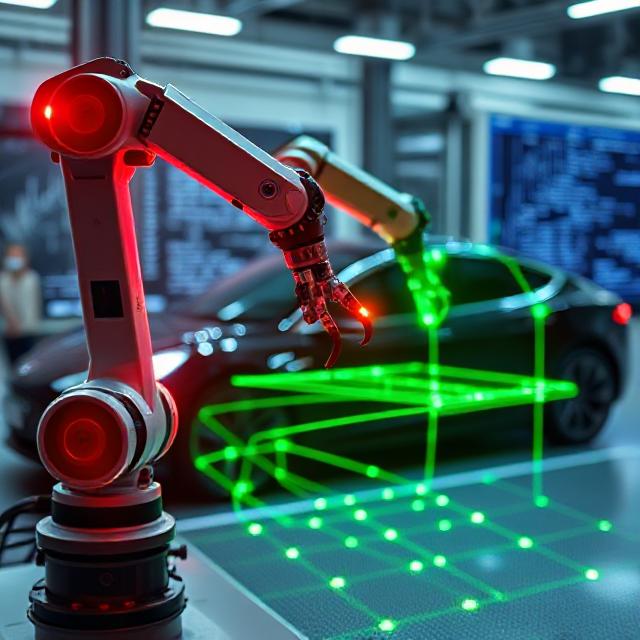
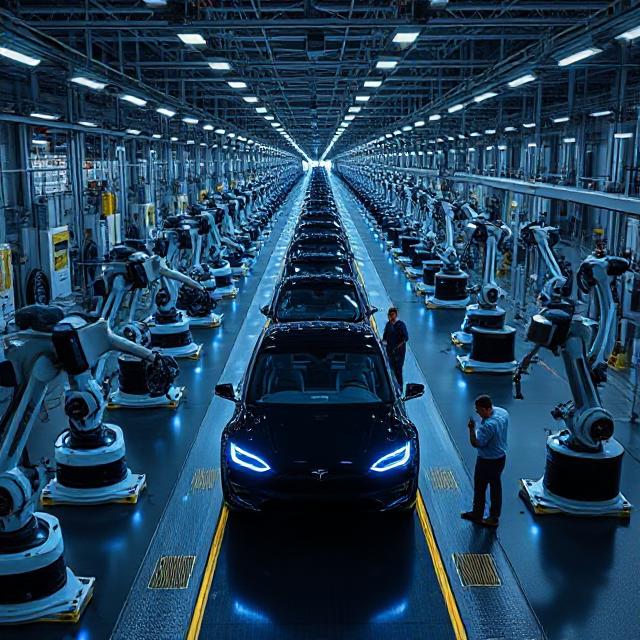
ZEREBRO develops the intelligent "brain" behind the robotic arm, transforming conventional industrial robots into Dynamic Vision Agent Cobots designed specifically for the rigorous demands of modern automotive manufacturing, including advanced dark factories like Tesla Gigafactories. The solution enables these robots to:
Perceive Dynamically: Utilizing advanced Computer Vision and multi-sensor fusion, ZEREBRO robots "see" and interpret their environment in real-time, understanding object positions, human presence, and subtle component variations with unprecedented fidelity, moving beyond rigid, pre-programmed coordinates.
Decide Autonomously: Leveraging Reinforcement Learning (RL), AI-Agents learn robust, adaptive behaviors and decision-making policies through extensive, risk-free simulation within NVIDIA Omniverse. This allows them to perform complex assembly tasks, handle variations, and autonomously self-correct errors, minimizing human intervention.
Collaborate Safely: AI-Agents are engineered for inherent safety, enabling fluid, cage-free human-robot collaboration in shared workspaces, enhancing both productivity and safety.
Optimize Production: ZEREBRO-powered robots dynamically adapt to changing conditions, minimize costly downtime through autonomous error recovery, and maintain sub-millimeter precision in challenging "lights-out" scenarios, driving peak efficiency and quality.
Fundamentally, ZEREBRO empowers robots to understand, learn, and dynamically adjust their actions, orchestrating a seamless shift from rigidly programmed past to a fluid, intelligent future of automotive manufacturing.
How we built it
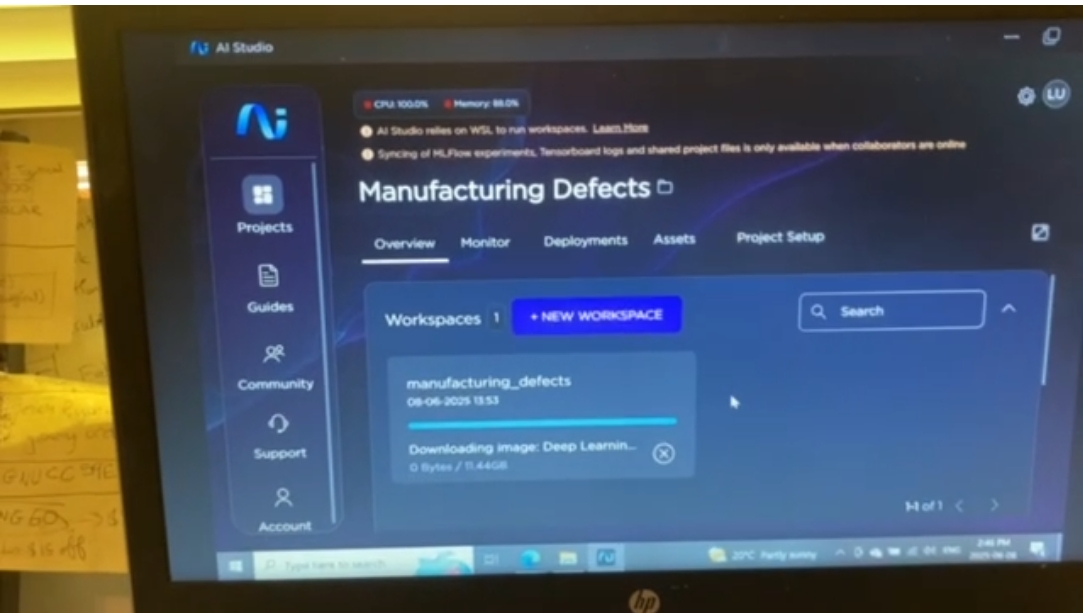
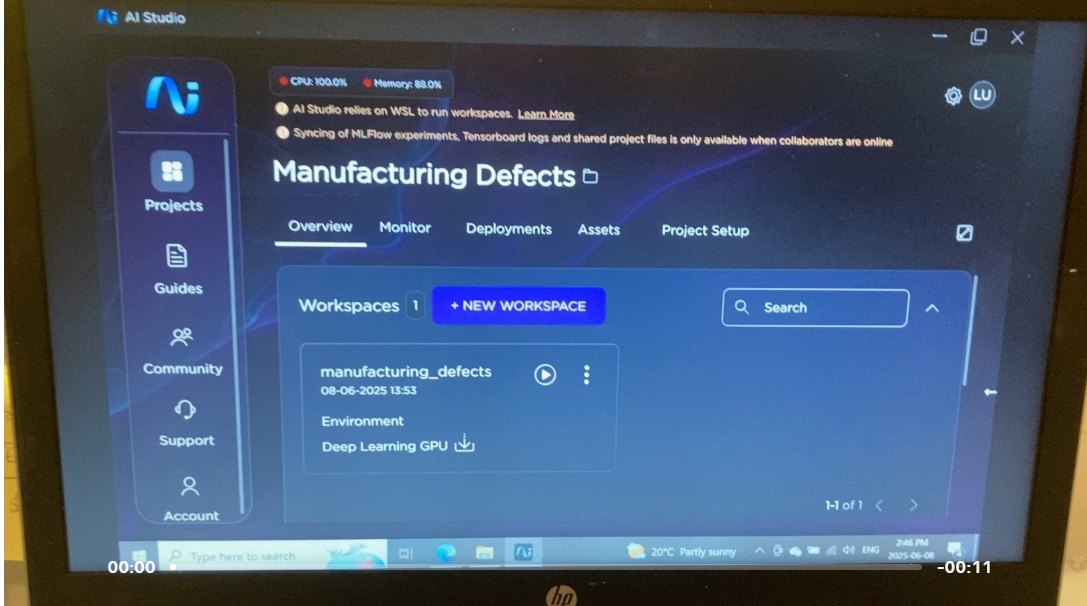
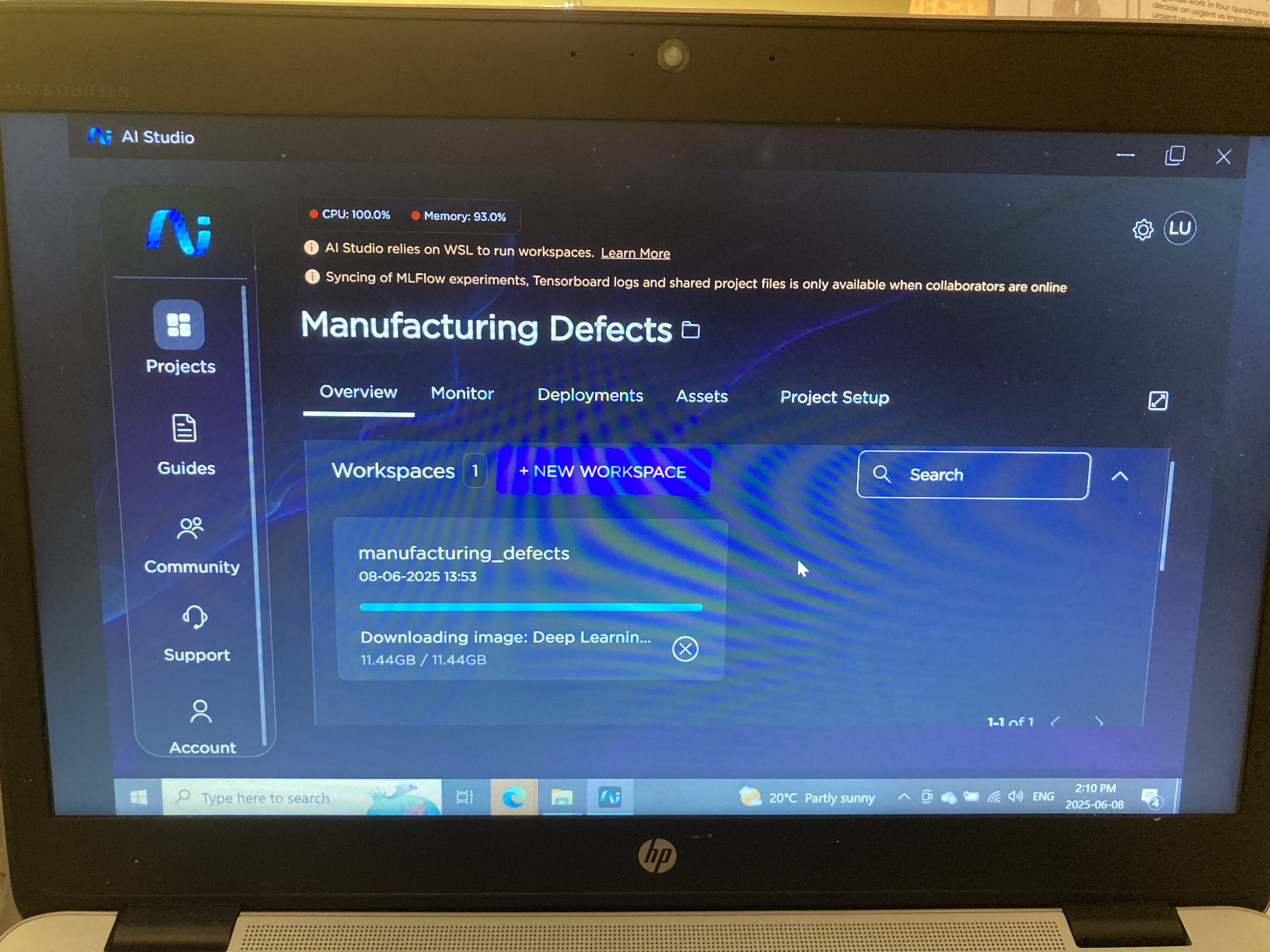
Manufacturing Defects Dataset
1. Predictive Defect Analytics & Causal Inference (Leveraging the Tabular Dataset)
This dataset, with its rich collection of manufacturing metrics (ProductionVolume, SupplierQuality, DeliveryDelay, MaintenanceHours, EnergyConsumption, AdditiveProcessTime, etc.) and the DefectStatus target variable, is used by ZEREBRO for:
Macro-level Defect Prediction: ZEREBRO employs dedicated machine learning models (e.g., classification algorithms like Gradient Boosting Machines or Neural Networks), developed and deployed within HP AI Studio, to analyze this tabular data. These models predict the likelihood of high or low defect occurrences across specific production lines, shifts, or periods.
Example: The model might predict a "High Defect Status" if SupplierQuality drops below 85% combined with DowntimePercentage exceeding 3% and MaintenanceHours being low.
Identifying Root Causes & Influencing Factors: By analyzing the correlations and feature importances within this dataset, ZEREBRO can identify the key operational factors driving defect rates. This provides high-level "why" insights.
Example: If the model indicates that a rise in DefectRate is strongly correlated with DeliveryDelay from a specific supplier, ZEREBRO's broader system can flag that supplier's performance as a primary driver for quality issues.
Proactive Alerting & Resource Allocation: Based on these predictions, ZEREBRO's system can issue proactive alerts to plant managers, shift supervisors, or even trigger automated adjustments.
Example: A prediction of "High Defect Status" for the next shift might trigger a pre-emptive increase in visual inspection frequency by ZEREBRO's vision agent cobots, or initiate a pre-shift maintenance check by a human technician on a specific machine.
2. Contextualizing Visual Intelligence (VehicleTypeNet & Defect Data Synergy)
While VehicleTypeNet's primary role is to visually identify vehicle models and component variants, its intelligence is significantly enhanced by insights from this tabular defect dataset:
Targeted Visual Inspection: If the tabular dataset predicts a higher likelihood of defects for a specific VehicleType (e.g., the "Performance" trim of a Model Y, identified by VehicleTypeNet), ZEREBRO's vision agent cobots can be dynamically instructed to apply more rigorous or specialized visual inspection routines for those particular models or their unique components.
Example: If the defect prediction model (from the tabular data) flags a high defect risk when AdditiveProcessTime for a custom body panel is high, and VehicleTypeNet identifies a car with that custom panel entering the inspection station, the vision agent can automatically switch to a more detailed defect detection algorithm specifically tuned for additive manufacturing flaws.
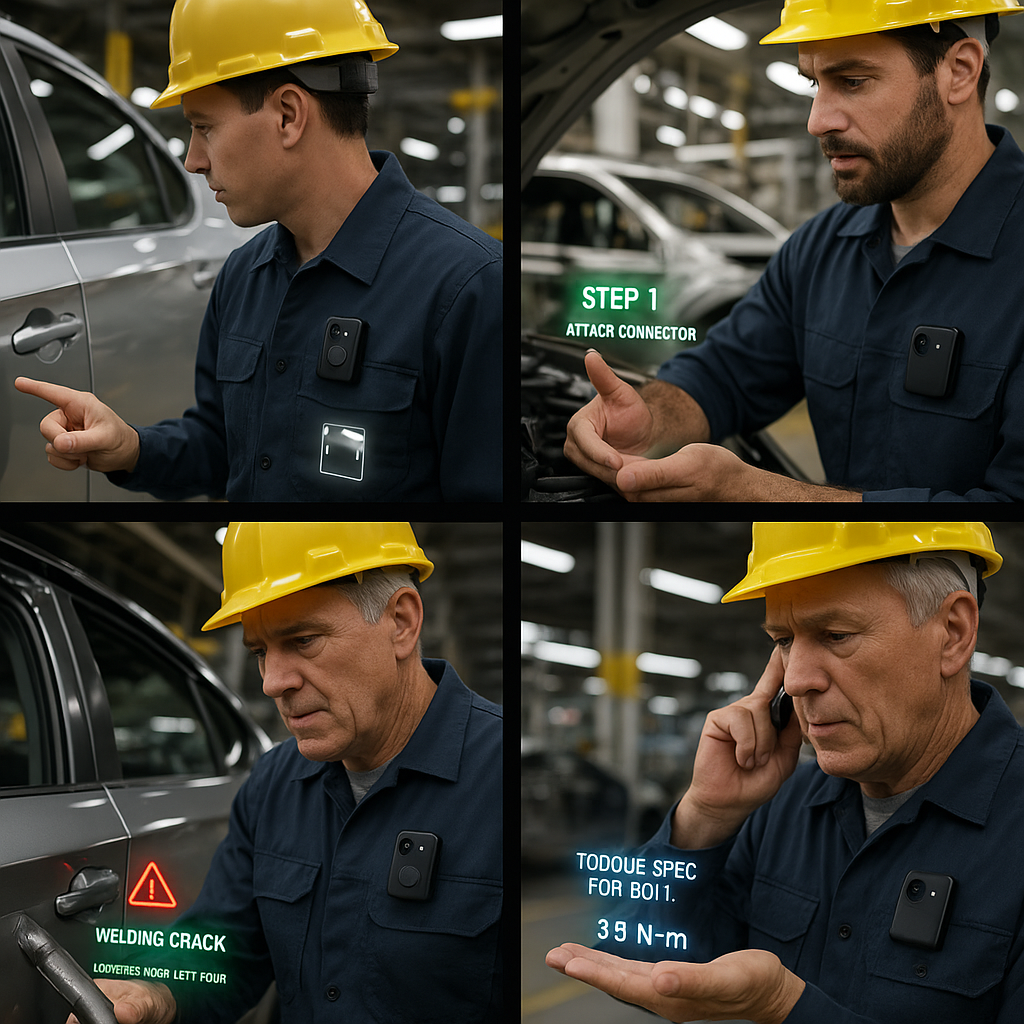
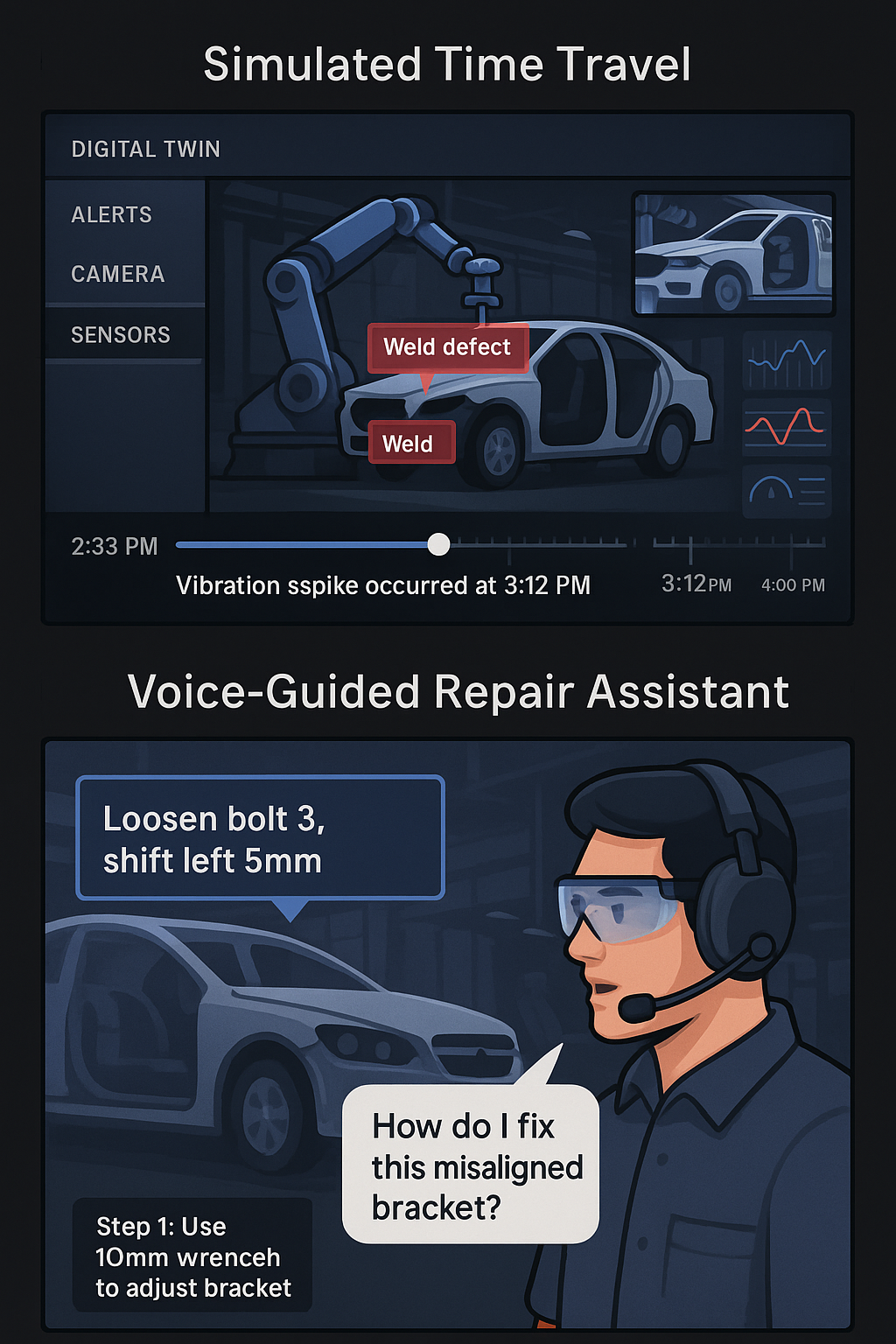
Correlating Visual Defects with Operational Factors: When VehicleTypeNet (or other vision models trained with JANUS PRO's synthetic data) detects a specific visual defect (e.g., a weld crack), that event can be timestamped and linked to the operational parameters captured in this tabular dataset. This allows ZEREBRO to go beyond "what" (a crack) and "where" (which vehicle) to "why" (e.g., "this type of crack occurs when MaintenanceHours were low the previous week and ProductionVolume was at its peak").
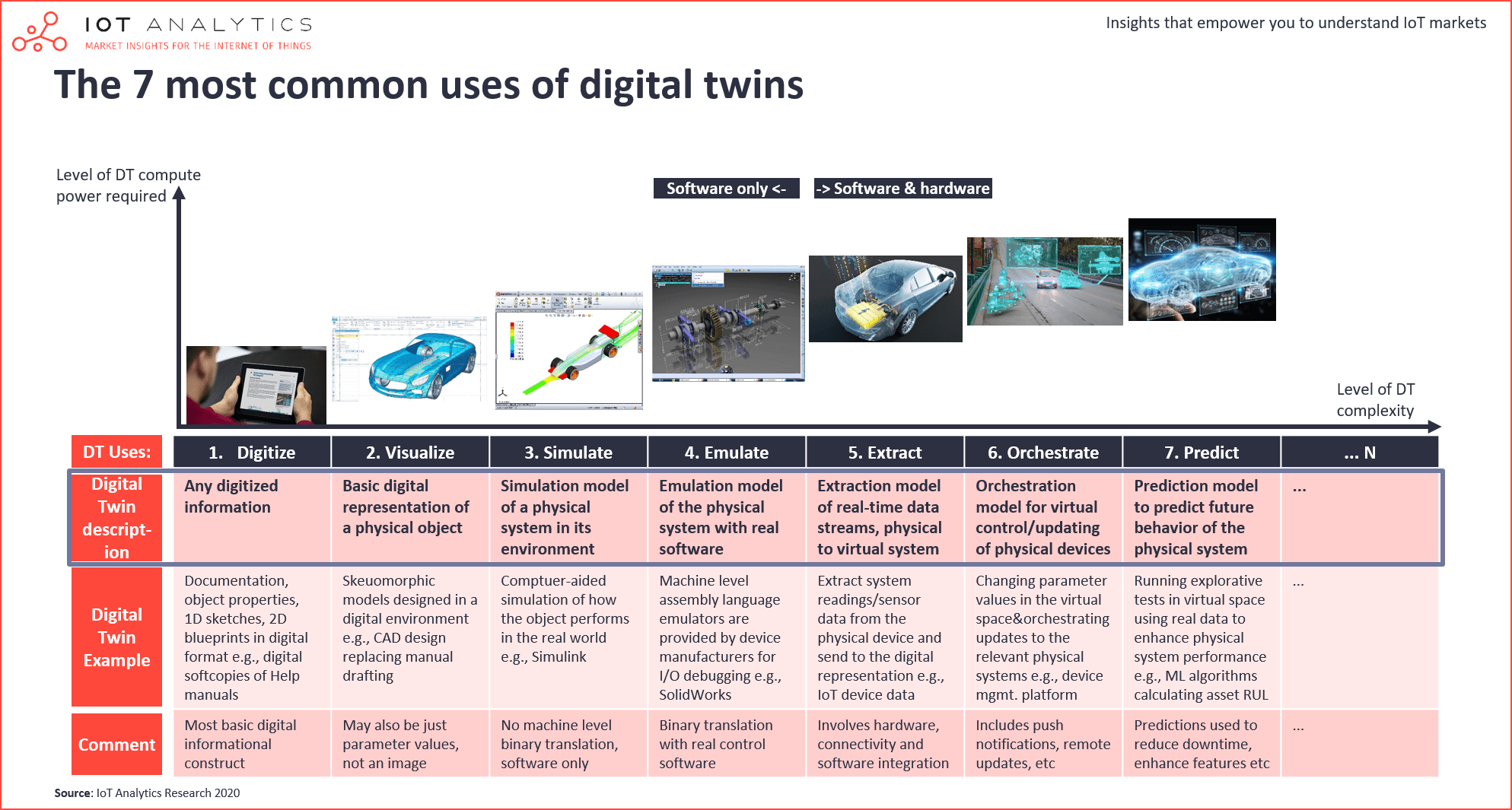
3. Enhancing Digital Twins in NVIDIA Omniverse (Multi-Modal Representation)
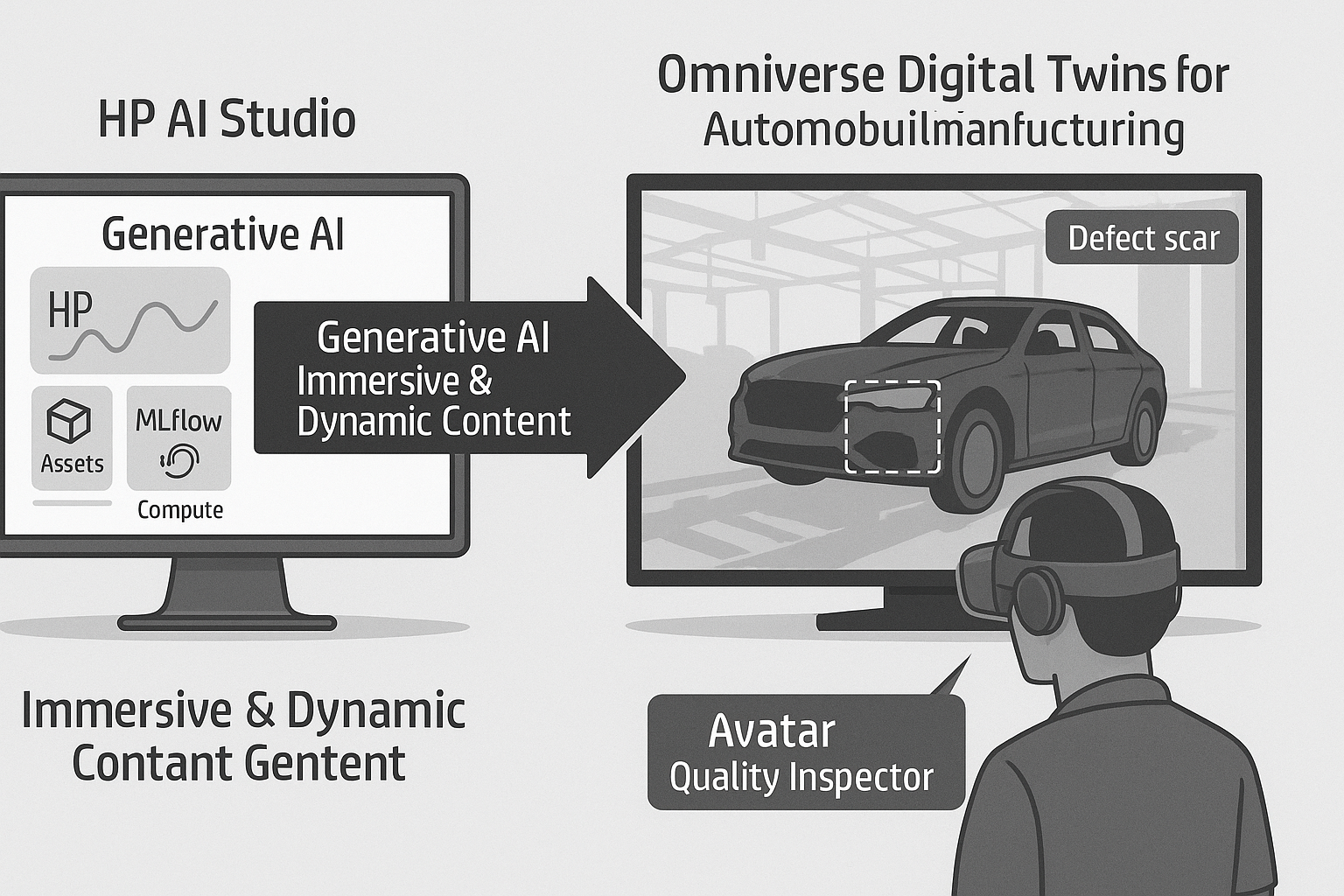
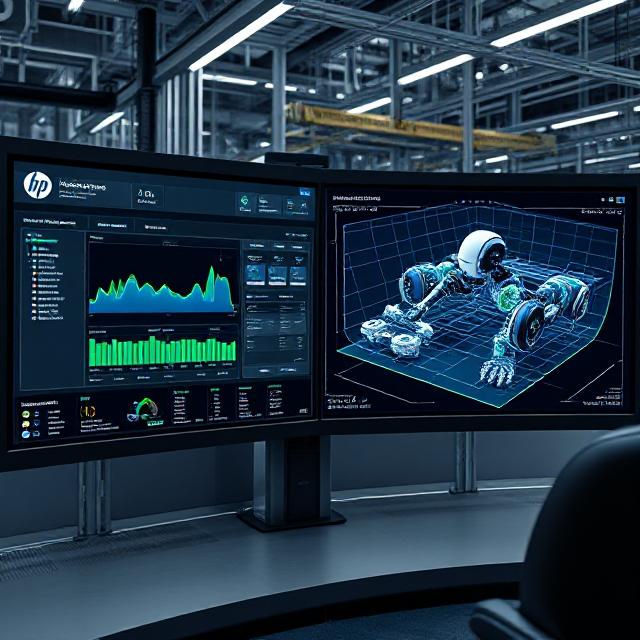
Visualizing Operational Health: While Omniverse excels at visualizing physical assets and processes (e.g., robots, vehicle bodies), insights derived from this tabular dataset (e.g., real-time DefectRate trends, SupplierQuality scores, or DowntimePercentage) can be overlaid or visualized as dashboards within the digital twin. This provides a holistic, multi-modal view of factory performance, combining visual fidelity with statistical insights.
Informing Simulation Parameters: The statistical distributions and correlations from this dataset can be used to inform and randomize parameters within Omniverse simulations for Reinforcement Learning or "what-if" scenario planning.
Example: If the dataset shows SupplierQuality impacts DefectRate, simulated suppliers in Omniverse can be programmed to sometimes deliver "lower quality" parts, forcing the RL-trained cobots to learn to detect and handle these variations.
4. Fueling Reinforcement Learning & Synthetic Data Generation (Holistic Feedback)
Reward Shaping for RL: The overall DefectStatus (or components of it like DefectRate) can serve as a high-level reward or penalty signal for the RL agents during training in Omniverse Isaac Sim. If a robot's learned behavior (e.g., a new assembly sequence) consistently leads to a lower predicted DefectRate (based on a simulated factory environment with parameters from this dataset), the RL agent receives a higher reward, encouraging that behavior.
Targeted Synthetic Data Generation (JANUS PRO): If the predictive model (trained on the tabular dataset) highlights that defects are particularly prone to occur under specific operational conditions (e.g., high ProductionVolume and low QualityScore), JANUS PRO can be instructed to generate more synthetic images of defects that are likely to manifest under those specific conditions, enriching the training data for the vision agents where it's most needed.
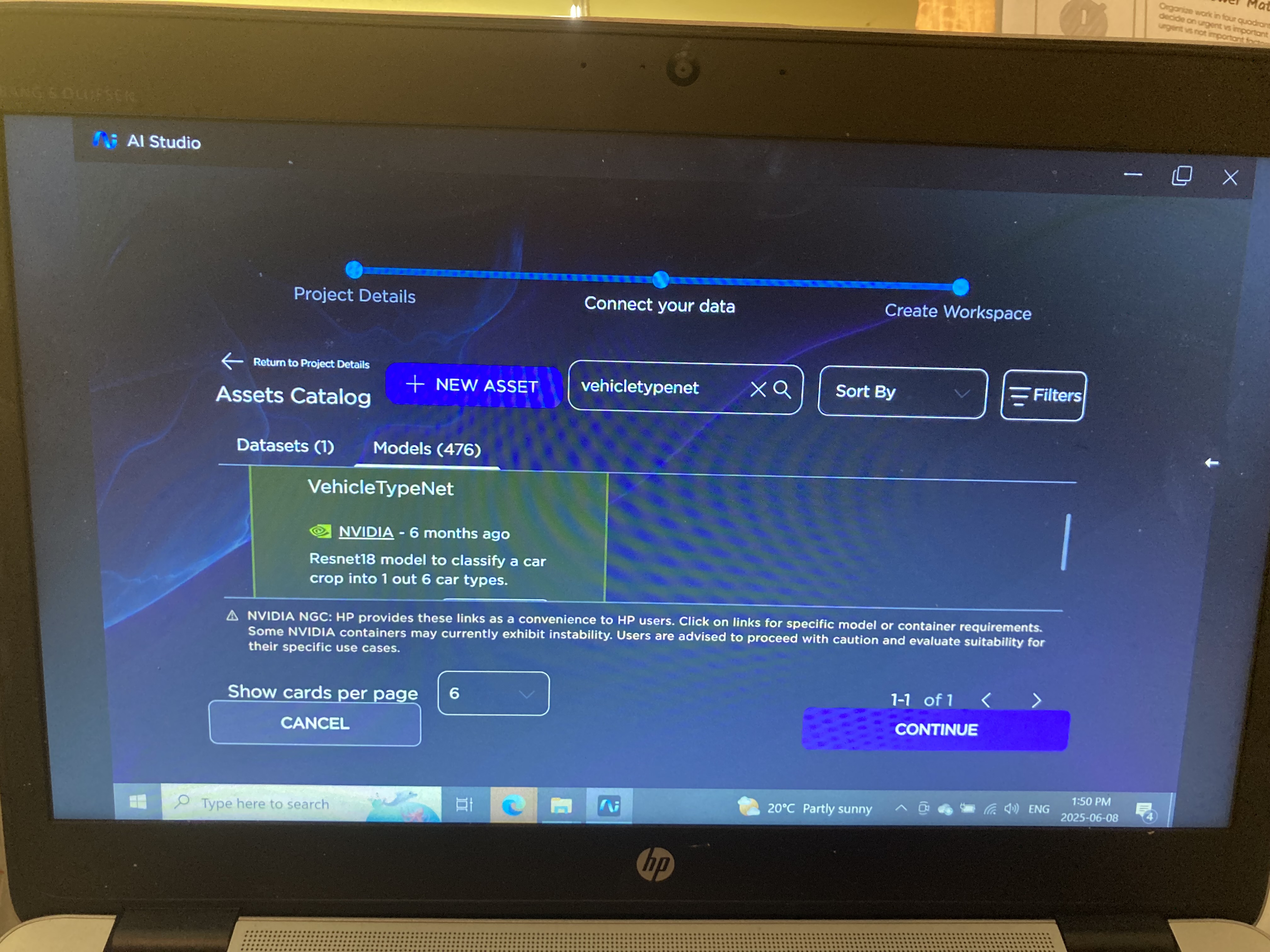
NVIDIA VehicleTypeNet
VehicleTypeNet is ZEREBRO's proprietary Computer Vision (CV) model specifically engineered for the rapid and accurate identification and classification of automotive assets. Unlike general object detection models, VehicleTypeNet is meticulously trained to distinguish between:
Different Vehicle Models: Identifying a Tesla Model 3 versus a Model Y body-in-white.
Specific Trim Levels & Configurations: Recognizing subtle differences in a vehicle chassis that signify a particular trim or optional package.
Component Variants: Accurately classifying different versions of a battery module, engine block, or interior dashboard destined for specific vehicle configurations.
Assembly Stages: Understanding which exact stage of assembly a specific vehicle or component is currently in.
VehicleTypeNet leverages advanced deep convolutional neural networks (CNNs) and transformer architectures, enabling it to detect and classify these elements with high precision and speed in dynamic factory environments.
How it works
Dynamic Task Adaptation: When a vehicle body or component approaches a workstation, the ZEREBRO cobot's vision system, powered by VehicleTypeNet, instantly identifies its exact type or variant. This information triggers the cobot's Reinforcement Learning (RL) agent to autonomously load and execute the correct, dynamically learned assembly program, specific tool path, or quality inspection routine for that particular vehicle/component. This is critical for mixed-model production lines.
Example: A ZEREBRO robotic arm needs to install different types of wiring harnesses. VehicleTypeNet identifies the specific vehicle chassis variant entering the station, and the robot's RL policy then dynamically selects the correct harness from a nearby bin and executes the precise, learned installation sequence for that variant.
Automated Quality Control (Contextual Inspection): VehicleTypeNet provides crucial context for quality inspections. A detected anomaly can be cross-referenced with the identified vehicle/component type. This allows the AI to perform more specific, context-aware quality checks and to correlate defects with specific variants or production batches.
Example: VehicleTypeNet identifies a "Model Y Performance" chassis. The AI vision system then knows to apply a more rigorous inspection protocol for specific components or welds unique to that high-performance variant.
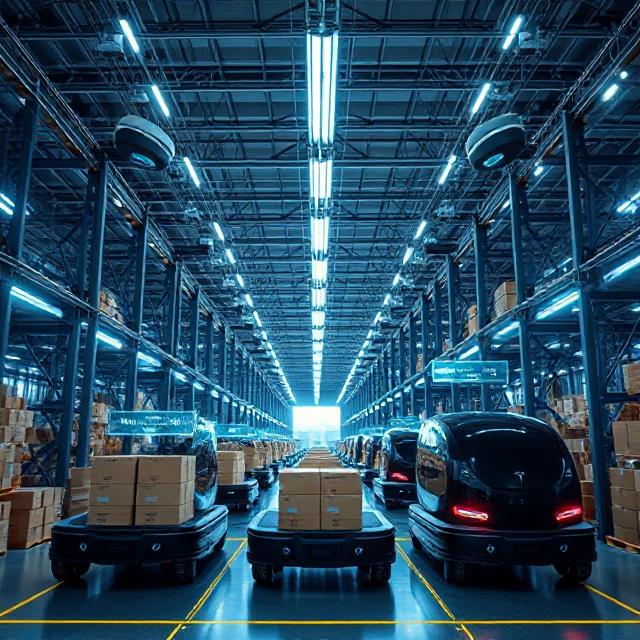
Intelligent Material Handling & Logistics: ZEREBRO cobots equipped with VehicleTypeNet can autonomously identify and sort incoming components or outbound vehicles, ensuring they are correctly routed within the factory or loaded for shipment, minimizing errors in inventory management.
Example: An autonomous guided vehicle (AGV) with a ZEREBRO cobot uses VehicleTypeNet to identify a specific type of door panel on a pallet and transports it to the correct assembly line for that particular vehicle model.
Enhanced Traceability and Digital Twin Integration: By accurately identifying every vehicle or component, VehicleTypeNet contributes rich, granular data to the factory's NVIDIA Omniverse Digital Twin. This enhances traceability, allowing manufacturers to track precisely which version of a component went into which vehicle, crucial for quality assurance and recalls.
Synthetic Data Generation (NVIDIA Omniverse Replicator
Since acquiring vast datasets of every vehicle type, trim, and component variant in every possible factory condition (lighting, occlusion, angle) is impractical, VehicleTypeNet is extensively trained using synthetic image data generated by NVIDIA Omniverse Replicator. This allows ZEREBRO to create perfectly labeled, diverse datasets for every variant, including rare or future models that don't yet exist in physical production.
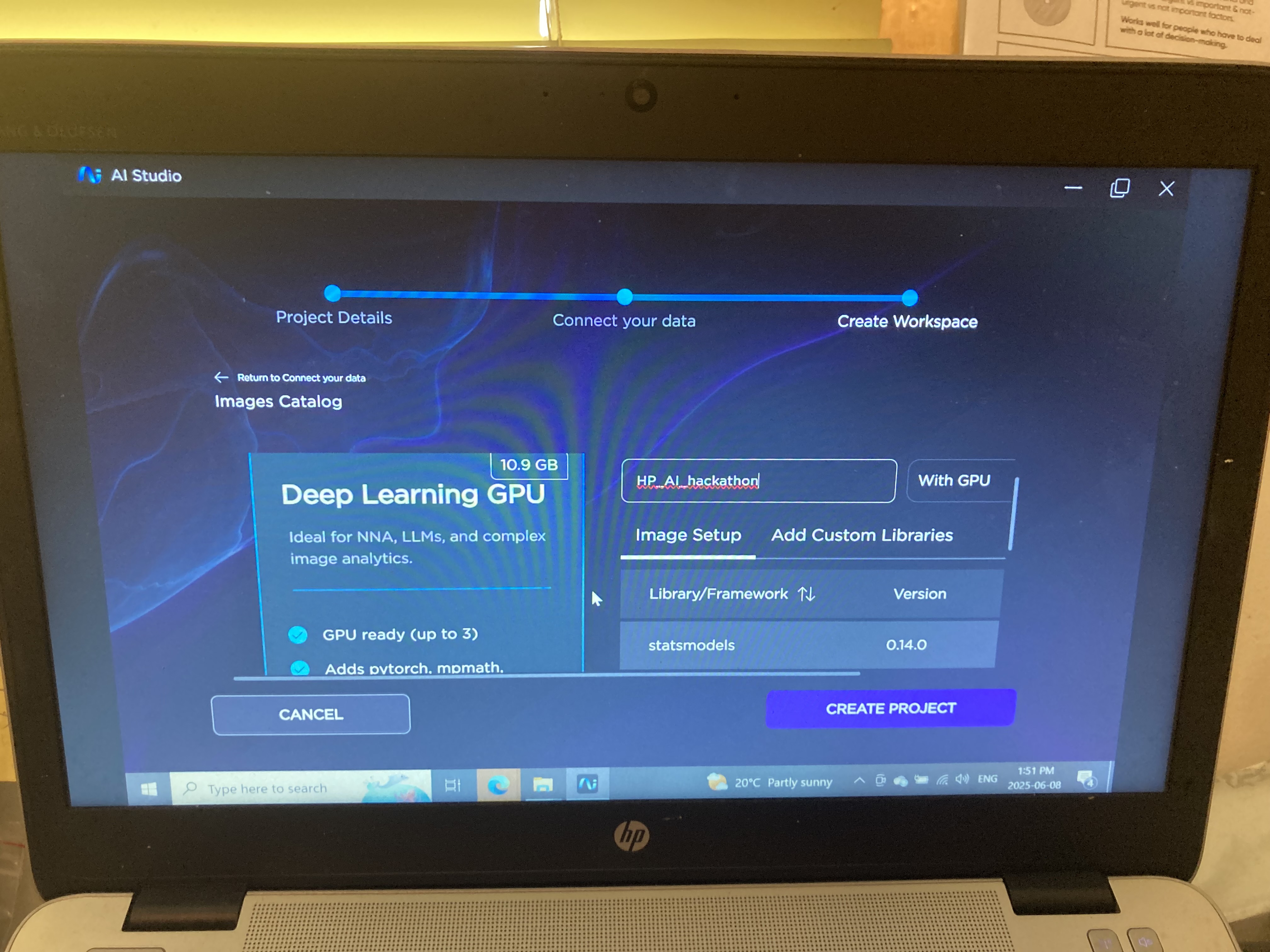
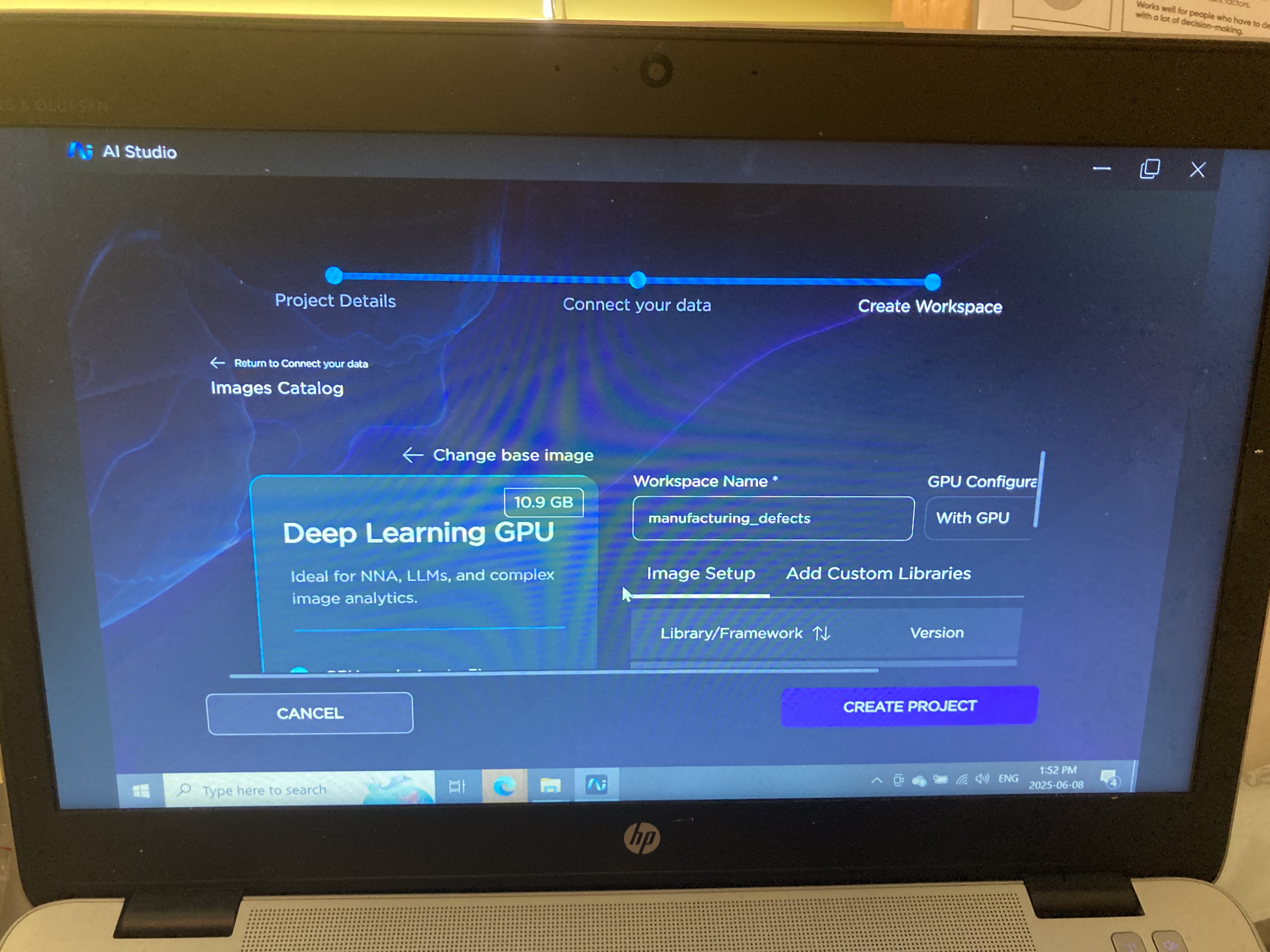
High-Performance Training (HP AI Studio with NVIDIA RTX GPUs): The complex deep learning architectures of VehicleTypeNet demand significant computational power for training. HP AI Studio's robust local compute environments, leveraging powerful NVIDIA RTX GPUs, provide the ideal platform for this intensive training. This ensures rapid iteration on model architectures and efficient processing of massive synthetic datasets, all within a secure, on-premise development environment.
Model Management and Versioning (MLflow in HP AI Studio): ZEREBRO uses MLflow, integrated within HP AI Studio, to meticulously track experiments, manage different versions of the VehicleTypeNet model, store performance metrics, and orchestrate model retraining. This ensures that the most accurate and up-to-date VehicleTypeNet model is always available for deployment.
Optimized Deployment (NVIDIA NGC & Edge Inference): VehicleTypeNet models, once trained in HP AI Studio, can be optimized for efficient deployment. Leveraging NVIDIA NGC libraries for model optimization and containerization, these models are designed to run with low latency inference directly on edge devices (like the AI processor on a robotic arm) within the factory, enabling real-time classification.
AI Model Efficiency and Performance Benefits
The integration of VehicleTypeNet delivers significant efficiency and performance benefits for ZEREBRO's AI-Agents:
Increased Throughput: By instantly recognizing vehicle and component types, ZEREBRO cobots can switch tasks dynamically without manual setup or reprogramming, leading to faster production cycles in mixed-model lines.
Reduced Errors and Rework: Precise component identification by VehicleTypeNet minimizes the risk of incorrect parts being installed or the wrong assembly process being applied, drastically reducing rework and improving final product quality.
Enhanced Adaptability: It provides ZEREBRO's RL agents with critical contextual information, allowing them to learn and execute more precise and adaptive behaviors tailored to specific vehicle variants.
Accelerated AI Development: The ability to train VehicleTypeNet on scalable synthetic data reduces development time and cost, allowing ZEREBRO to quickly adapt its cobots to new vehicle models or production changes.
Image Generation with JANUS PRO for AI Model Efficiency and Performance
JANUS PRO within the ZEREBRO framework represents a specialized, highly advanced AI model built upon and complementing tools like NVIDIA Omniverse Replicator. While Omniverse Replicator provides the robust foundation for programmatic synthetic data generation, JANUS PRO is conceived as an intelligent, generative module that focuses on:
Hyper-realistic Defect Synthesis: JANUS PRO excels at generating nuanced, photorealistic visual data of specific, often rare, manufacturing defects (e.g., microscopic scratches, subtle paint imperfections, hairline weld cracks, or intricate component misalignments). It learns the underlying characteristics of these flaws and can create countless variations under diverse lighting conditions, angles, and material textures, crucial for robust defect detection.
Complex Edge Case Generation: For training our Reinforcement Learning-powered cobots, JANUS PRO automatically synthesizes highly diverse and challenging "edge cases" – scenarios that are difficult or dangerous to capture in the real world. This includes variations in part orientation, occlusion, unexpected debris, or dynamic lighting shifts, ensuring our vision agents are trained for almost any contingency.
Domain Randomization Orchestration: JANUS PRO intelligently orchestrates advanced domain randomization techniques during image generation. This involves varying parameters like textures, colors, lighting, object positions, and camera angles. By exposing the AI model to a vast spectrum of simulated realities, JANUS PRO ensures the vision agent can generalize effectively from the synthetic training environment to the unpredictable nuances of the physical dark factory floor.
How JANUS PRO Enhances AI Model Efficiency
- AI Model Efficiency: Accelerated Development and Optimized Resource Use Drastically Reduces Data Collection & Labeling Costs: Manually collecting, curating, and meticulously labeling real-world image data (especially for rare defects or complex scenarios) is exorbitantly expensive and time-consuming. JANUS PRO eliminates this bottleneck by automatically generating millions of perfectly labeled images with pixel-level ground truth in a fraction of the time and cost. This allows engineers to focus on model development, not data preparation.
Faster Training Iterations: With readily available, high-quality synthetic datasets, ZEREBRO's development team can rapidly iterate on AI model architectures and hyperparameter tuning. This accelerated feedback loop speeds up the entire AI development cycle, enabling faster deployment of improved cobot capabilities.
Optimized Compute Resource Utilization: By reducing the need for extensive real-world data capture and physical test setups, JANUS PRO indirectly optimizes the utilization of compute resources. The computational power of HP AI Studio's NVIDIA RTX GPUs is thus more efficiently directed towards intensive model training and Reinforcement Learning simulations, rather than data pre-processing.
- AI Model Performance: Superior Accuracy, Robustness, and Generalization Unparalleled Accuracy: Training AI vision models on synthetic data generated with perfect ground truth labels (e.g., precise bounding boxes, segmentation masks, exact defect locations) leads to significantly higher model accuracy compared to training on imperfectly labeled real-world data. JANUS PRO ensures our cobots can detect even microscopic flaws with sub-millimeter precision.
Enhanced Robustness to Real-World Variability: By programmatically generating millions of diverse edge cases and applying extensive domain randomization, JANUS PRO trains our AI vision agents to be highly robust. They perform reliably even when faced with unforeseen lighting conditions, partial occlusions, slight component variations, or unexpected objects on the factory floor – crucial for autonomous operation in a dark factory.
Improved Generalization Capabilities: The sheer diversity and controlled variability of synthetically generated data from JANUS PRO force the AI models to learn fundamental features rather than memorizing specific examples. This enables ZEREBRO's cobots to generalize their learned behaviors to new, unseen parts or slightly different environments with higher success, reducing the need for retraining.
Reduced Bias: Unlike real-world datasets which can inadvertently contain biases (e.g., biased lighting conditions, limited object poses), synthetic data generation through JANUS PRO allows for precise control over data distribution. This enables ZEREBRO to generate balanced datasets that mitigate potential biases, leading to fairer and more reliable AI model performance.
Summary
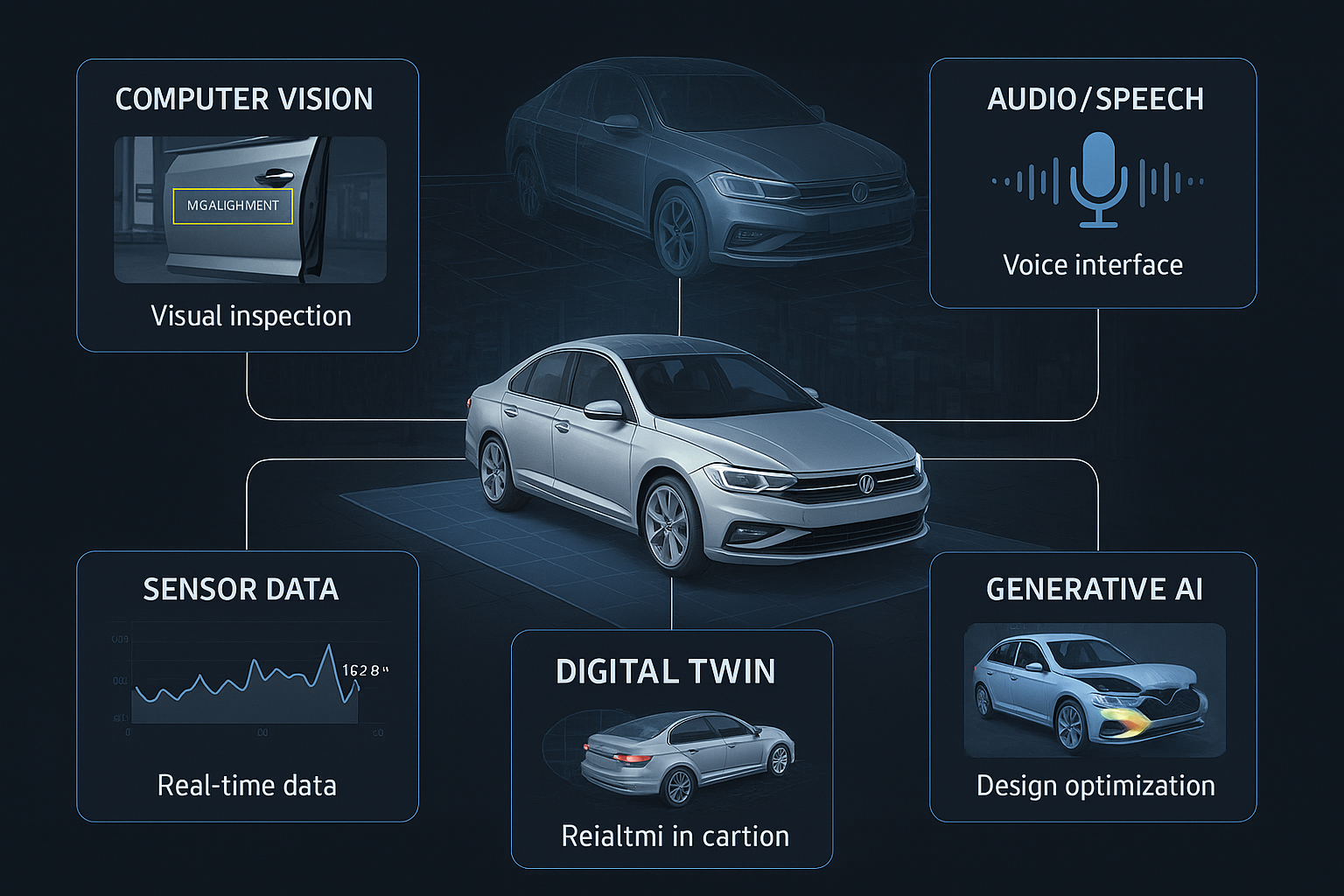
ZEREBRO uses the "Predicting Manufacturing Defects Dataset" as a source of structured, quantitative operational intelligence. This allows us to perform predictive analytics on defect likelihood and influencing factors, which then contextualizes, informs, and triggers the actions of our AI-powered vision agent cobots (with VehicleTypeNet) and enhances our synthetic data generation (with JANUS PRO) within the comprehensive framework of our NVIDIA Omniverse Digital Twin. This integrated approach ensures ZEREBRO's solution is not just reactive to defects, but proactive in predicting and preventing them, leading to truly intelligent and autonomous automotive manufacturing.
VehicleTypeNet is ZEREBRO's intelligent vision module, providing the critical "eyes" that allow our Dynamic Vision Agent Cobots to not just "see" but to understand the specific identity of every vehicle and component. Developed on HP AI Studio with NVIDIA's powerful simulation and AI tools, VehicleTypeNet is foundational to achieving the unprecedented levels of adaptability, efficiency, and quality required for the autonomous dark automotive factories of the future.
ZEREBRO's use of synthetic image generation via the conceptual JANUS PRO AI model transforms the bottleneck of data acquisition into a powerful accelerant. This enables us to build and deploy Dynamic Vision Agent Cobots that are not only more efficient to develop but also perform with superior accuracy, robustness, and adaptability, truly unlocking the potential of autonomous intelligence in the dark automotive manufacturing factory.
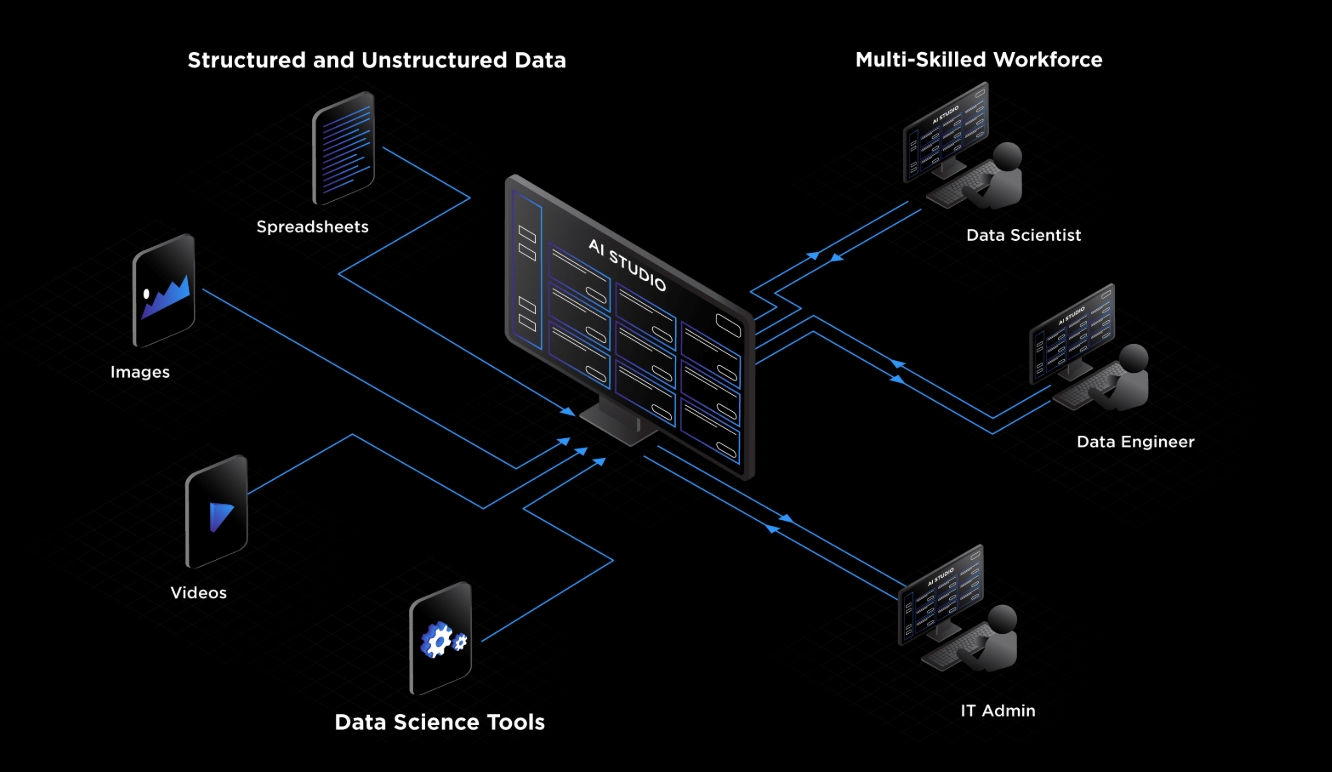
ZEREBRO solution was built as a testament to the power of HP AI Studio for local, secure, and collaborative AI development, synergistically leveraging NVIDIA's cutting-edge technologies.
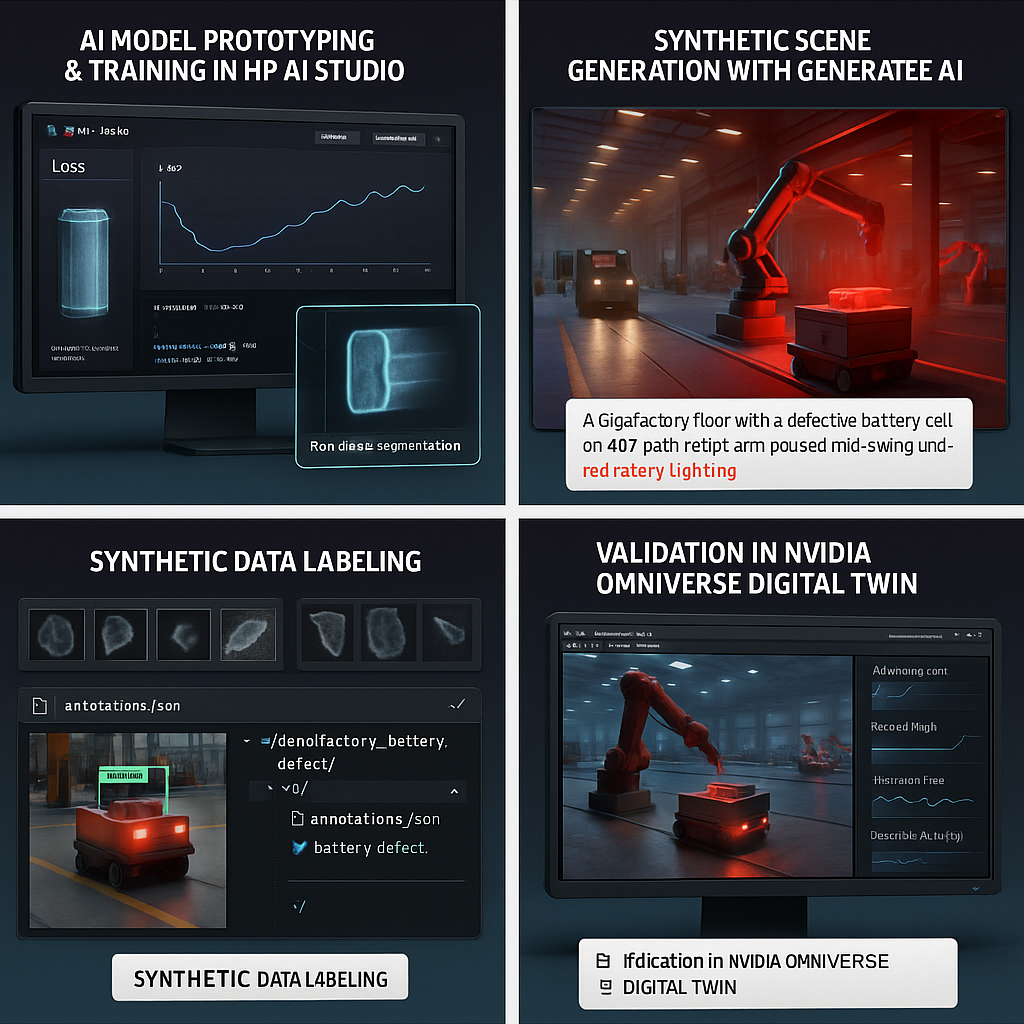
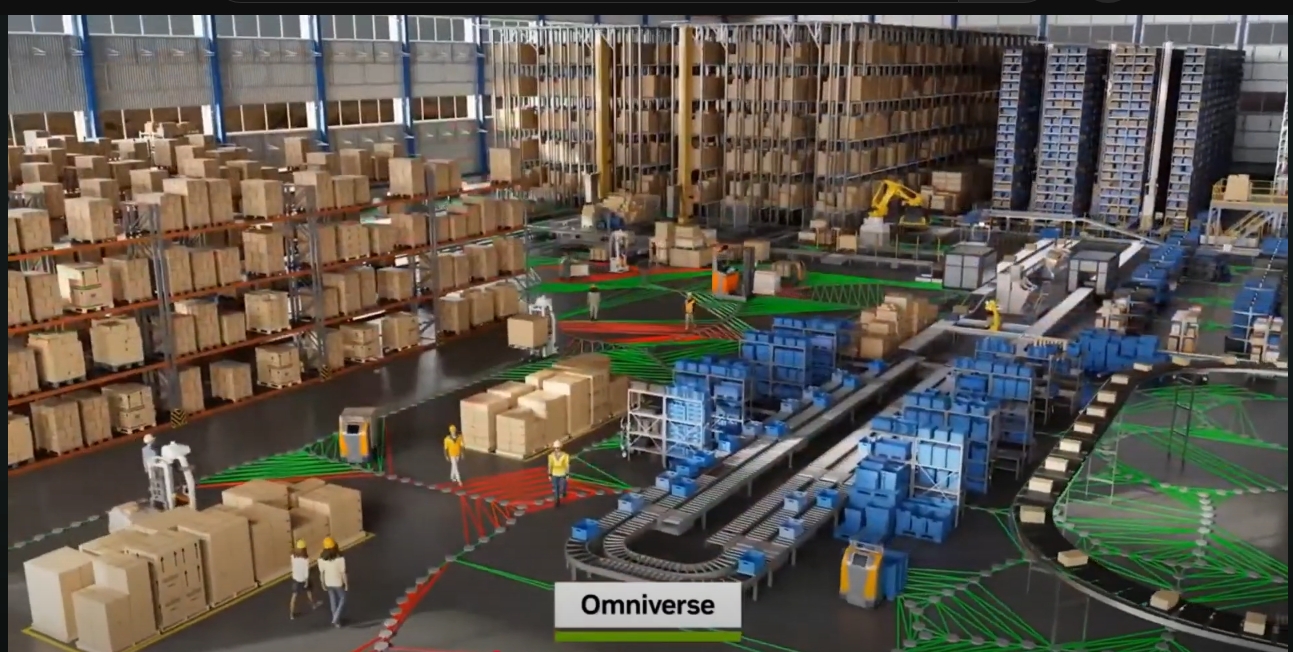
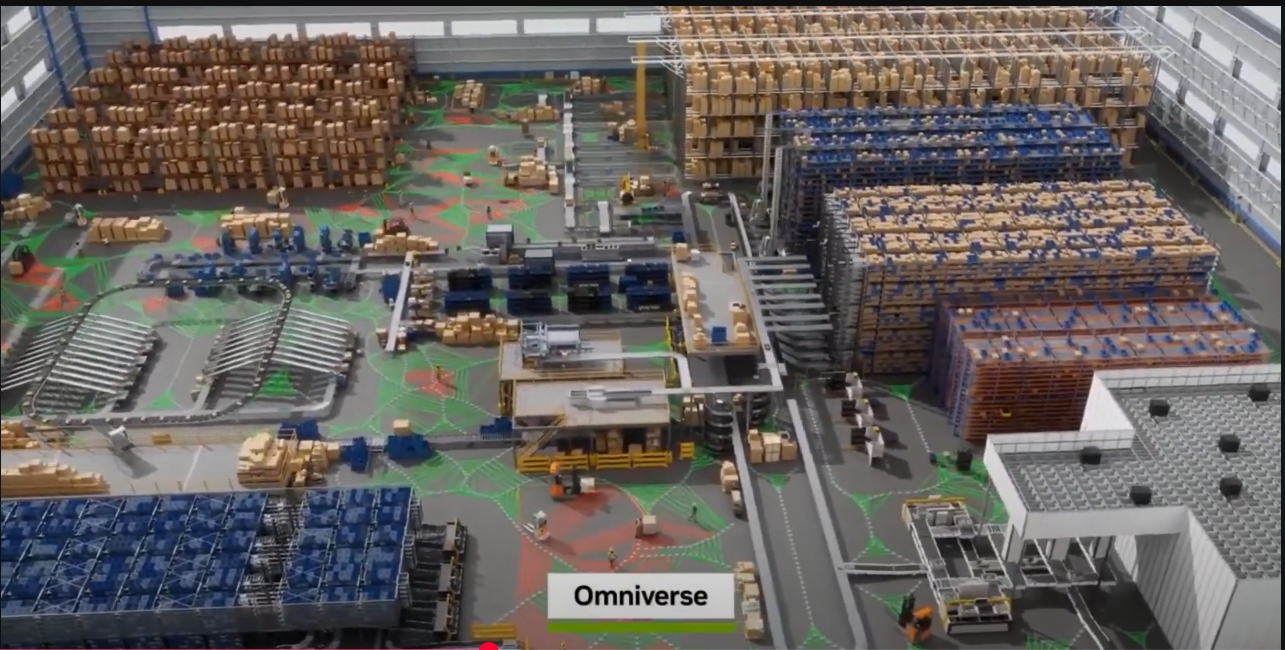
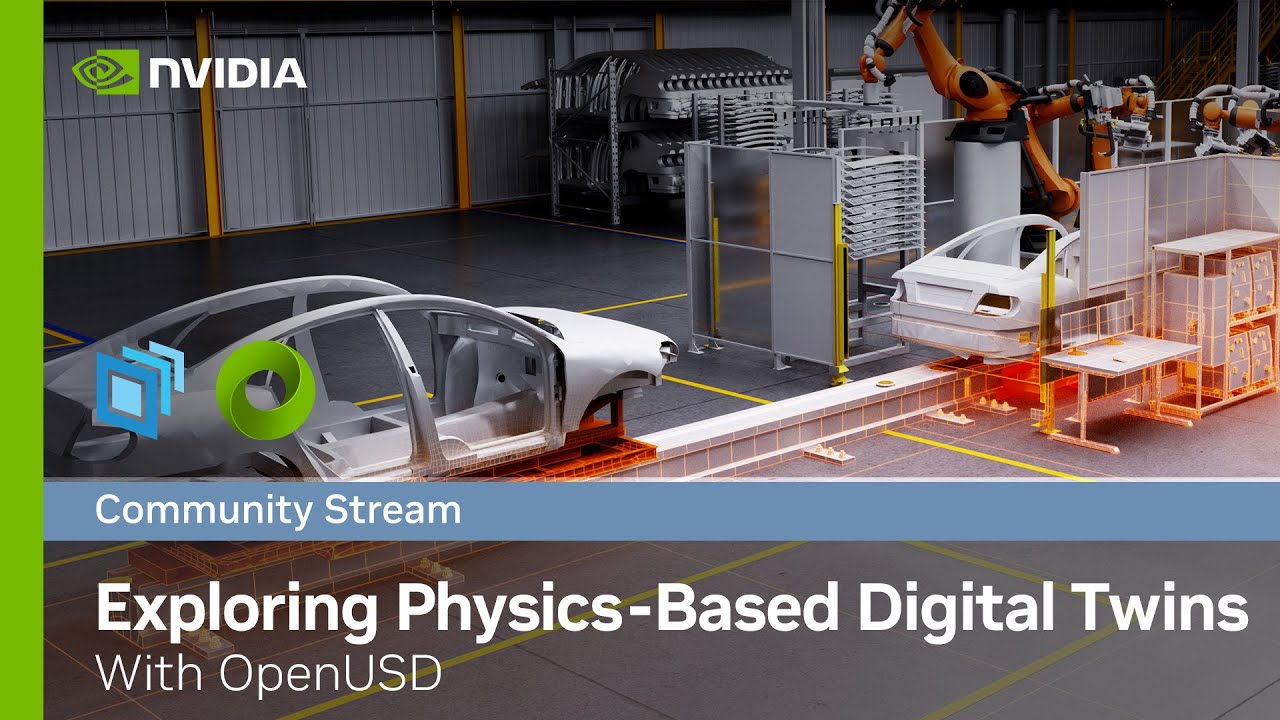
Digital Twin Foundation (NVIDIA Omniverse & HP AI Studio Compute): We started by constructing a high-fidelity, physics-accurate digital twin of a critical automotive manufacturing work cell – specifically focusing on sensitive EV battery module (e.g., 4680 cell) assembly – within NVIDIA Omniverse. This comprehensive virtual replica, including precise CAD models of robots, battery modules, and factory layout, was computationally intensive, requiring the robust local compute power provided by HP AI Studio's workspaces, powered by NVIDIA RTX GPUs. This allowed us to build and interact with the digital twin securely and efficiently on-premise.
Synthetic Data Generation (Omniverse Replicator & HP AI Studio Integration): Addressing the critical challenge of data scarcity for "edge cases" in dark factory environments, we utilized NVIDIA Omniverse Replicator to programmatically generate vast amounts of diverse, perfectly labeled synthetic sensor data. This included: -Photorealistic camera images: Featuring various battery module orientations, lighting conditions, and crucially, simulated micro-cracks and alignment defects.
LiDAR point clouds and force/torque sensor readings: Mimicking real-world physical interactions. The large-scale generation and processing of this synthetic data were managed efficiently within HP AI Studio's containerized workspaces, showcasing its capability to handle massive datasets for AI training locally.
Reinforcement Learning Training (Omniverse Isaac Sim & HP AI Studio): Dynamic Vision Agent Cobots were trained using Reinforcement Learning (RL) within NVIDIA Omniverse Isaac Sim. This involved millions of simulated trials where virtual robots learned optimal grasping, precise placement, and error recovery behaviors for battery modules. The intensive computations for these RL training sessions were directly powered by the NVIDIA RTX GPUs accessible through HP AI Studio workspaces, enabling rapid iteration and refinement of complex AI policies. This highly efficient Sim-to-Real approach is a core strength of HP AI Studio's co-engineering with NVIDIA.
Dynamic Vision Agent Development & Management (HP AI Studio's MLflow & Workspaces): We developed the core AI-Agents that power cobots within HP AI Studio's flexible and pre-configured workspaces. These agents integrate:
Computer Vision models (e.g., YOLOv8 for object detection, SAM for segmentation) trained on synthetic data to enable real-time perception.
The Reinforcement Learning policies learned in Omniverse Isaac Sim for dynamic decision-making and action execution. We leveraged MLflow integration within HP AI Studio for meticulous experiment tracking, robust model versioning (e.g., different iterations of vision models and RL policies), and artifact management. This ensured clear visibility and reproducibility of AI development process for local deployment.
Deployment & Integration (HP AI Studio's Swagger Endpoint & Custom Web App): For demonstration, AI-Agents' inferencing capabilities are exposed via Swagger endpoints within HP AI Studio. We built a simple web application (using standard HTML/JS/CSS) that acts as a simulation interface. This web app queries deployed ZEREBRO AI-Agent models (e.g., sending a synthetic image of a battery module). The AI-Agent processes the input, and the web app displays the AI's real-time detection, decision, or projected robot action, demonstrating the end-to-end workflow and the ease of deploying AI solutions directly from HP AI Studio.
Challenges we ran into
Developing ZEREBRO, while exhilarating, presented several key challenges that underscored the value of platforms like HP AI Studio:
Bridging the Sim-to-Real Gap: Accurately transferring complex, dynamically learned robotic behaviors from NVIDIA Omniverse simulations to physical robots required meticulous fine-tuning of physics parameters and robust domain randomization in synthetic data. This was a continuous iterative process that benefited from HP AI Studio's efficient compute and MLflow tracking.
Generating Diverse & Realistic Synthetic Data at Scale: Crafting synthetic data that faithfully represents subtle real-world imperfections (e.g., microscopic cracks on battery cells, varying lighting in a dark factory) while maintaining perfect ground truth was computationally intensive and demanded careful randomization strategies, which HP AI Studio's local compute effectively managed.
Managing Large Datasets and Models Locally: The project involved massive datasets of synthetic sensor data and numerous iterations of complex AI models. HP AI Studio's capabilities for local data management and MLflow for model versioning were crucial in keeping project organized and performant without relying on constant cloud transfers.
Ensuring Real-time AI Performance on Edge/Local Hardware: Achieving ultra-low latency inference for dynamic robot control required careful optimization of AI models, making full use of the NVIDIA RTX GPUs accessible via HP AI Studio's local development environment.
Non-Persistent apt-get Packages: As noted in the hackathon requirements, apt-get packages do not persist in the current version of AI Studio workspaces. This required us to manage dependencies carefully by either using pre-existing workspace images or reinstalling specific packages during each session, which we learned to streamline or worked around by keeping workspaces running.
Accomplishments that we're proud of
We are immensely proud of several key accomplishments that validate ZEREBRO's groundbreaking approach, all empowered by HP AI Studio and NVIDIA technologies:
Dynamic Robotic Adaptation: We successfully demonstrated AI-Agents' ability to dynamically perceive variations in part placement, adapt grasping techniques, and autonomously recover from minor errors (e.g., a slight slip during battery cell handling) in a simulated dark factory environment. This showcases a significant leap from fixed automation.
Scalable Synthetic Data Generation: The pipelines for generating photorealistic, perfectly labeled synthetic data (using Omniverse Replicator) proved highly effective in overcoming data scarcity for complex industrial AI tasks, a critical enabler for autonomous systems.
Drastically Reduced Deployment Time: We demonstrated that new, complex robotic tasks, which traditionally demand weeks or months of specialized programming, can be "trained" and deployed with ZEREBRO's AI-Agents in a matter of hours or days, primarily through intuitive visual training and natural language task input within HP AI Studio.
Building a Full-Stack Local AI Solution: We successfully utilized HP AI Studio's comprehensive toolkit – from local compute with NVIDIA RTX GPUs, to containerized workspaces, MLflow for model management, and Swagger for API deployment – to build a complete, end-to-end AI solution for automotive manufacturing entirely within a local development environment. This validates HP AI Studio's core value proposition.
What we learned
Building ZEREBRO provided us with invaluable insights into the future of AI development, particularly within the context of HP AI Studio's local AI capabilities:
The Indispensability of Local AI for Complex Robotics: We learned that developing highly sensitive, real-time AI for dynamic robotics is immensely more efficient and secure when done on powerful local workstations via HP AI Studio, eliminating latency and data transfer bottlenecks associated with constant cloud reliance. This directly validates HP AI Studio's mission.
Synthetic Data and Digital Twins are Foundational: We confirmed that synthetic data, when generated with high fidelity (as with NVIDIA Omniverse Replicator), is not just supplementary but essential for training robust AI-Agents for complex, rare, and safety-critical scenarios in manufacturing. The digital twin concept is the necessary environment for this.
Reinforcement Learning Unlocks True Autonomy: RL's capacity to learn adaptive policies from trial and error in simulation (like in NVIDIA Omniverse Isaac Sim) is the key to moving robots beyond fixed programming to truly intelligent and resilient autonomous operations.
HP AI Studio Streamlines the AI/ML Lifecycle: We experienced firsthand how HP AI Studio's integrated environment, particularly its MLflow integration for experiment tracking and model versioning, significantly streamlines the entire AI/ML development lifecycle, accelerating iteration and ensuring robust model management for local deployments. The seamless integration and optimization between HP AI Studio and NVIDIA NGC libraries and simulation tools (Omniverse, Isaac Sim) proved critical for achieving high performance and rapid development for demanding AI workload.
What's next for ZEREBRO
The future for ZEREBRO is focused on scaling innovation and expanding its transformative impact, further leveraging the capabilities of HP AI Studio and NVIDIA:
Multi-Robot Coordination & Swarm Intelligence: Developing advanced AI-Agents within HP AI Studio that can autonomously coordinate and collaborate as a swarm to perform highly complex, multi-robot assembly tasks across entire factory lines, optimizing factory-wide throughput.
Enhanced Human-Robot Interaction for Full Collaboration: Integrating more advanced multimodal inputs (e.g., gesture recognition, predictive human intent from vision) to create even more seamless and natural human-robot collaboration paradigms, enabling humans and ZEREBRO cobots to intuitively share complex tasks in dynamic workspaces.
Broader Task Generalization with Transfer Learning: Training ZEREBRO robots to generalize across a wider range of manufacturing tasks and component types with minimal retraining, leveraging transfer learning techniques within HP AI Studio's flexible environments, further enhancing factory flexibility.
Real-time Anomaly Diagnosis & Self-Healing: Utilizing the real-time data from the Omniverse digital twin to enable ZEREBRO cobots to autonomously diagnose complex issues within themselves or other factory machines, potentially initiating self-repair sequences or providing detailed, AR-projected human repair instructions.
Expansion to Other Industries: Applying ZEREBRO's core technology (synthetic data + dynamic vision agents + RL for autonomous robots) to other industries beyond automotive that demand high-precision, adaptive robotics (e.g., aerospace, electronics, logistics, advanced materials handling), showcasing the broad applicability of HP AI Studio's local AI development capabilities.
Built With
- ai
- hp
- nvidia

Log in or sign up for Devpost to join the conversation.