-
-
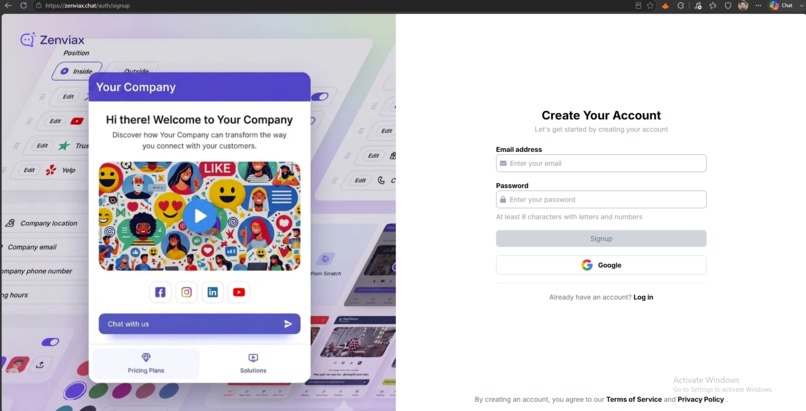
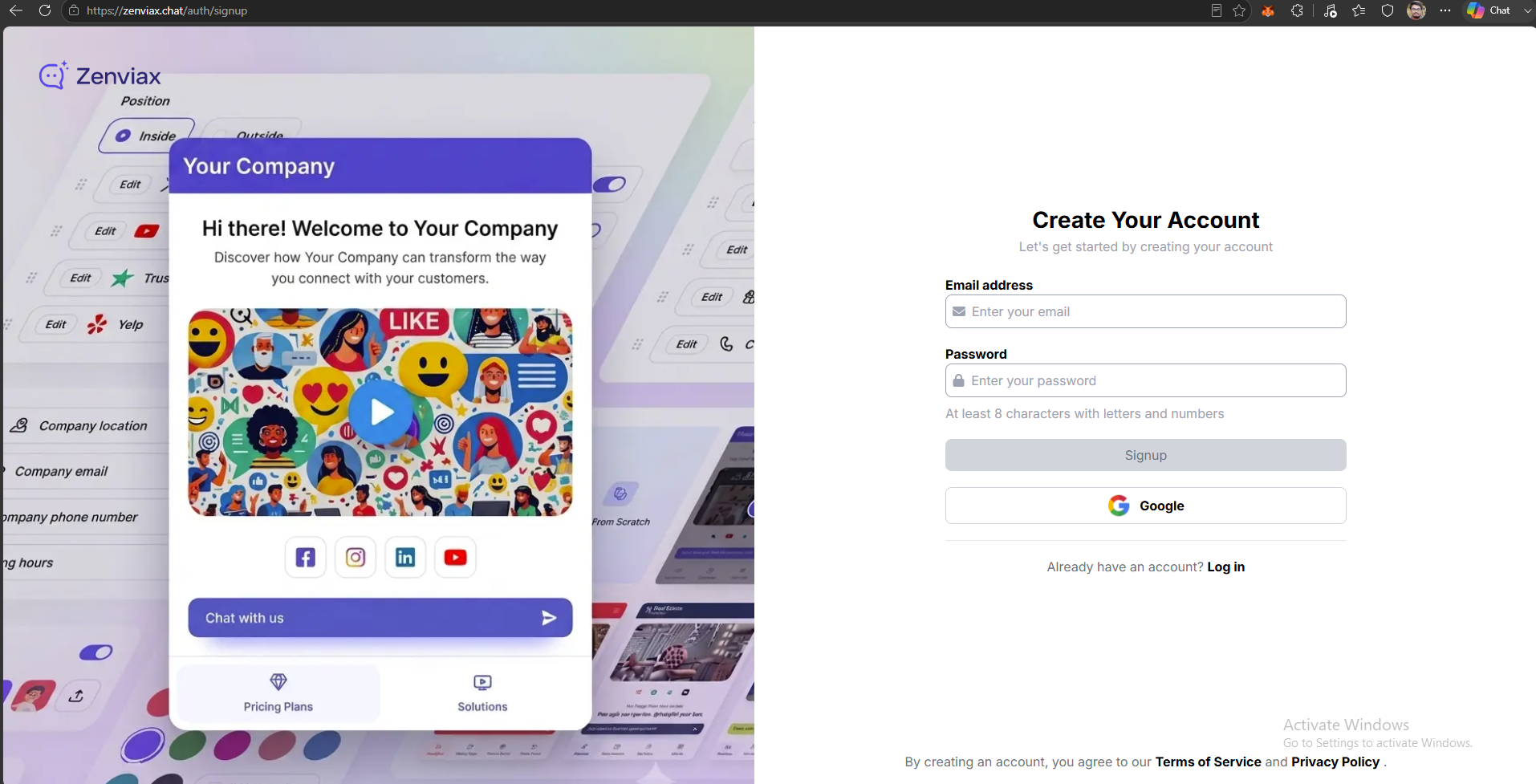
New business registration
-
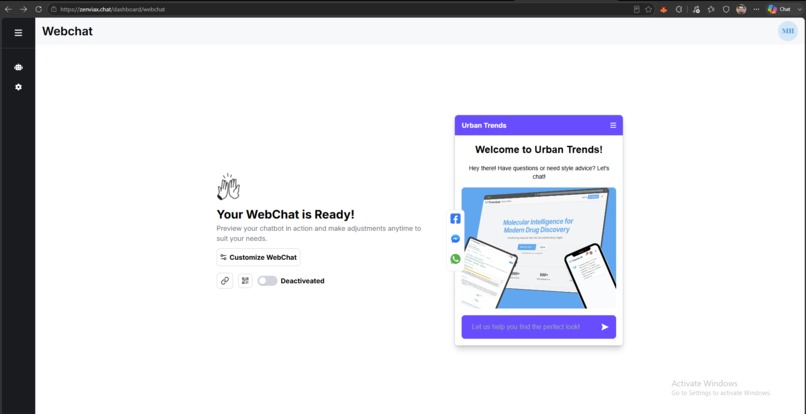
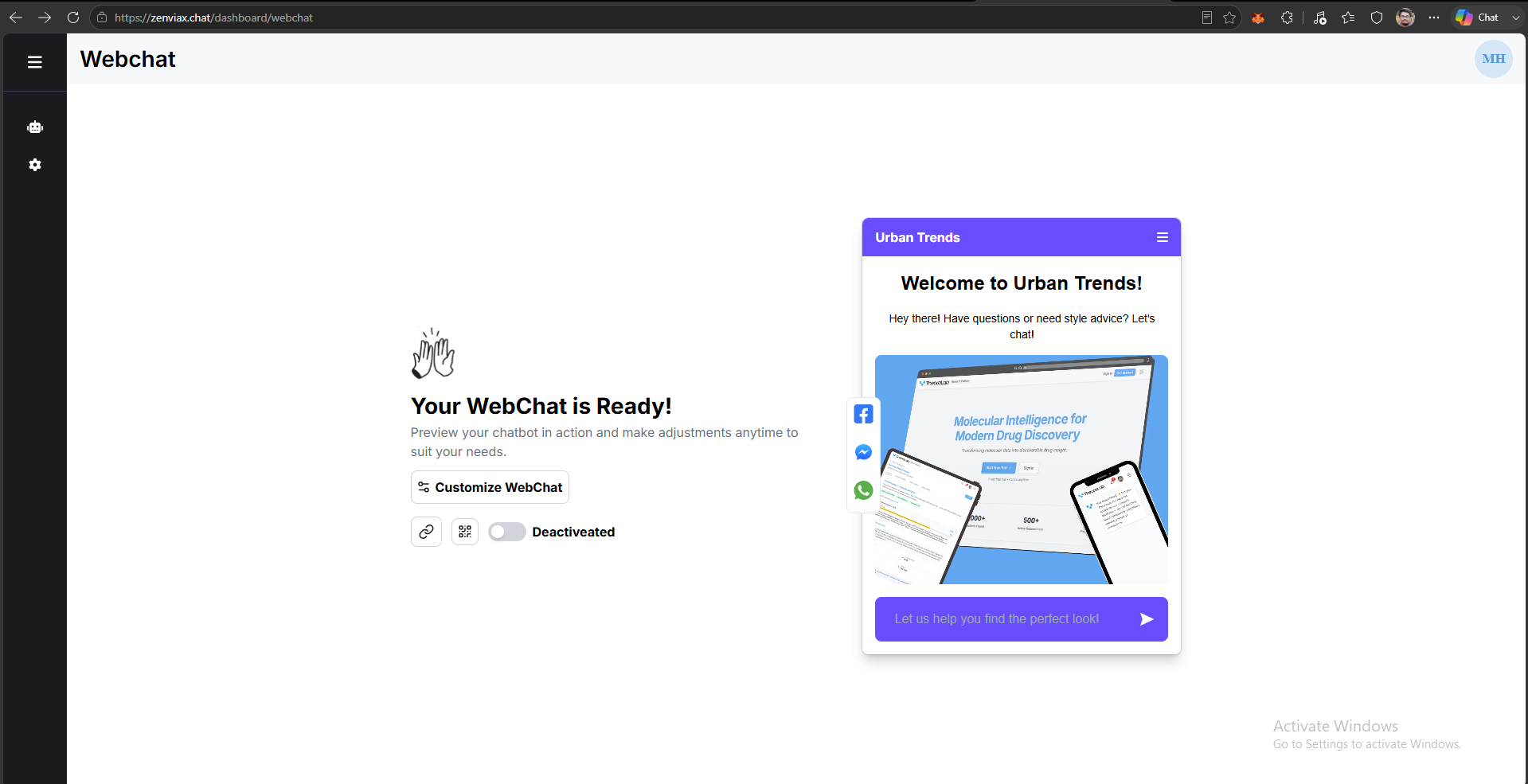
Dashboard
-
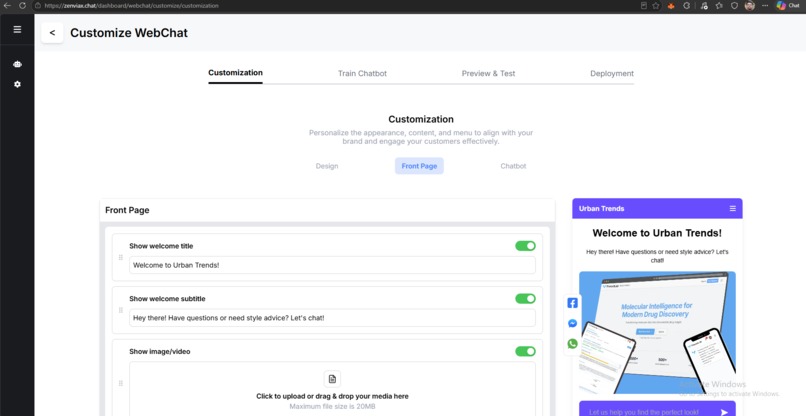
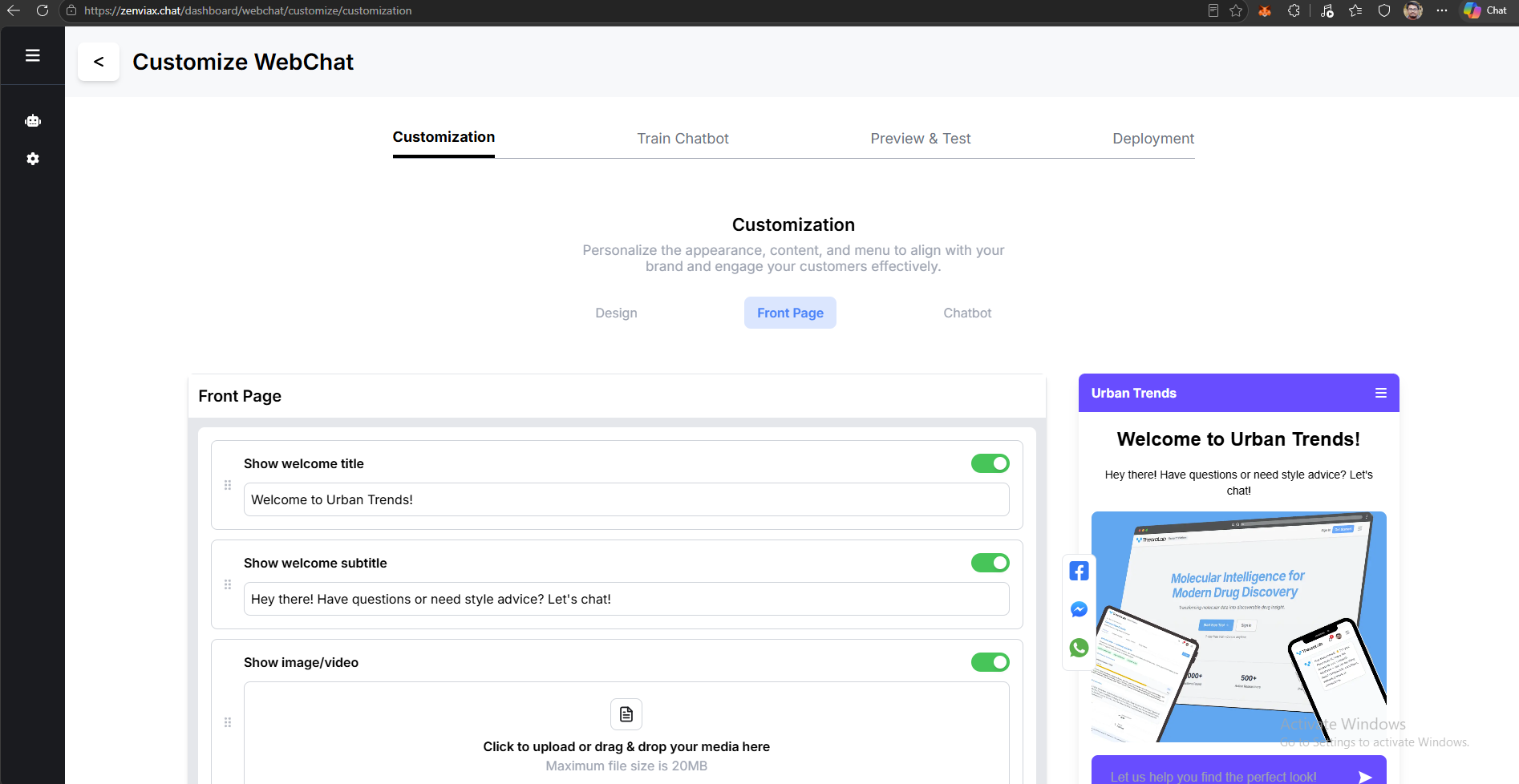
Customizing chatbot
-
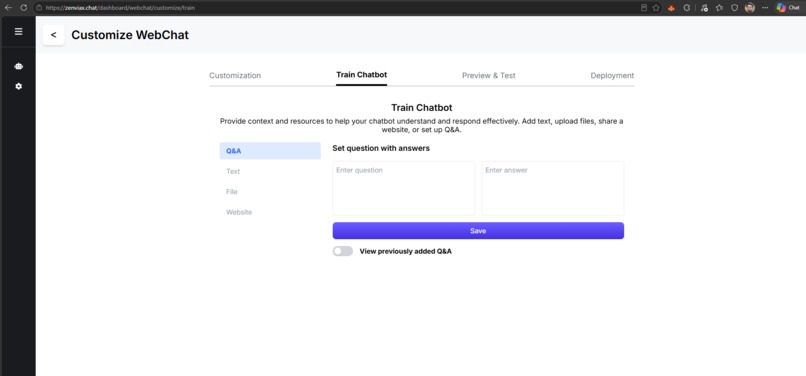
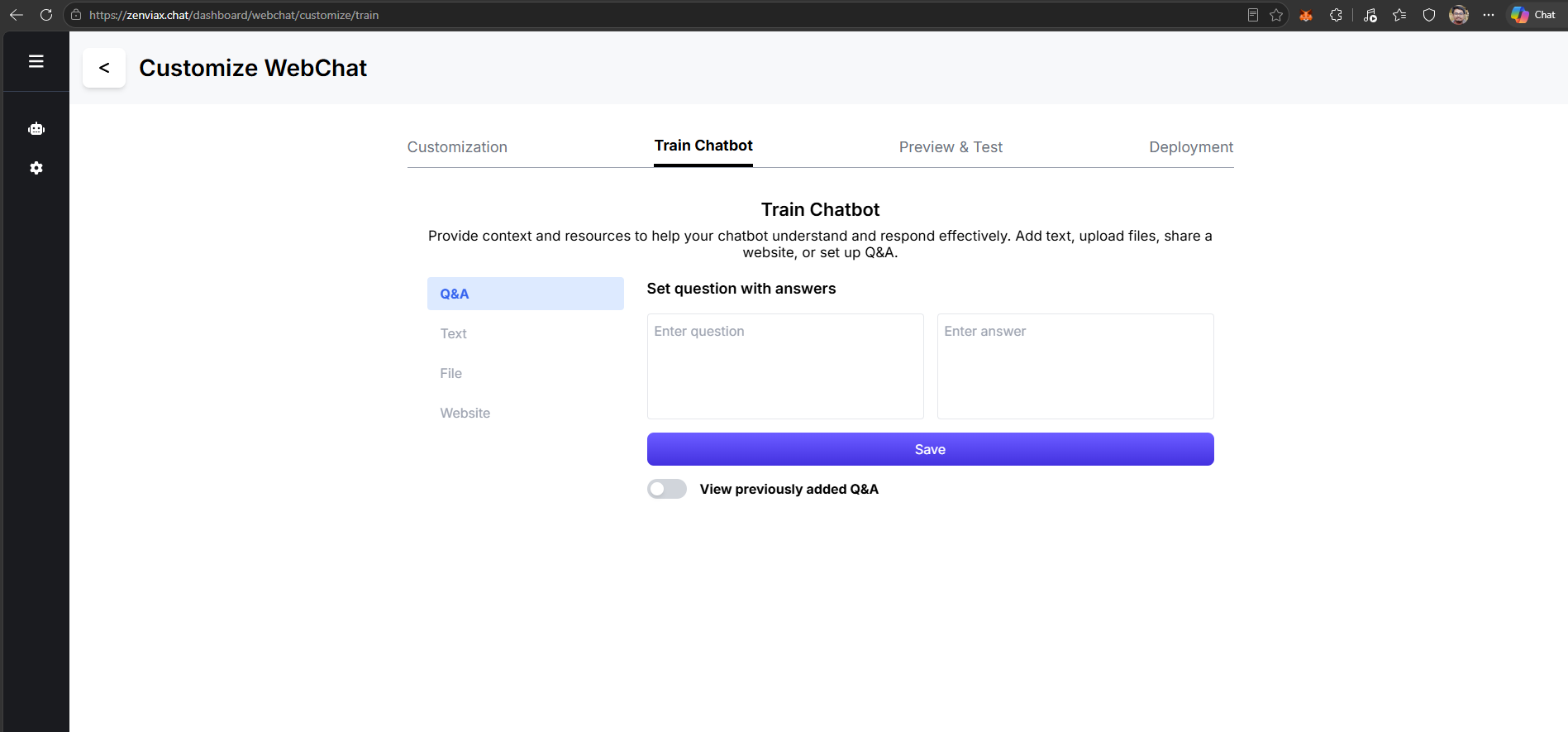
Training chatbot
-
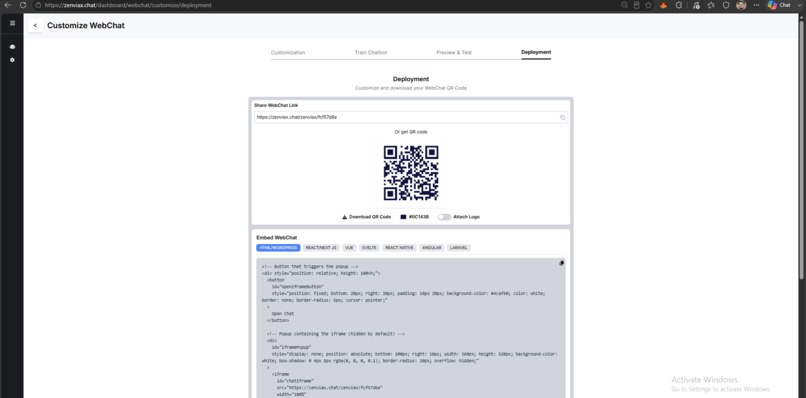
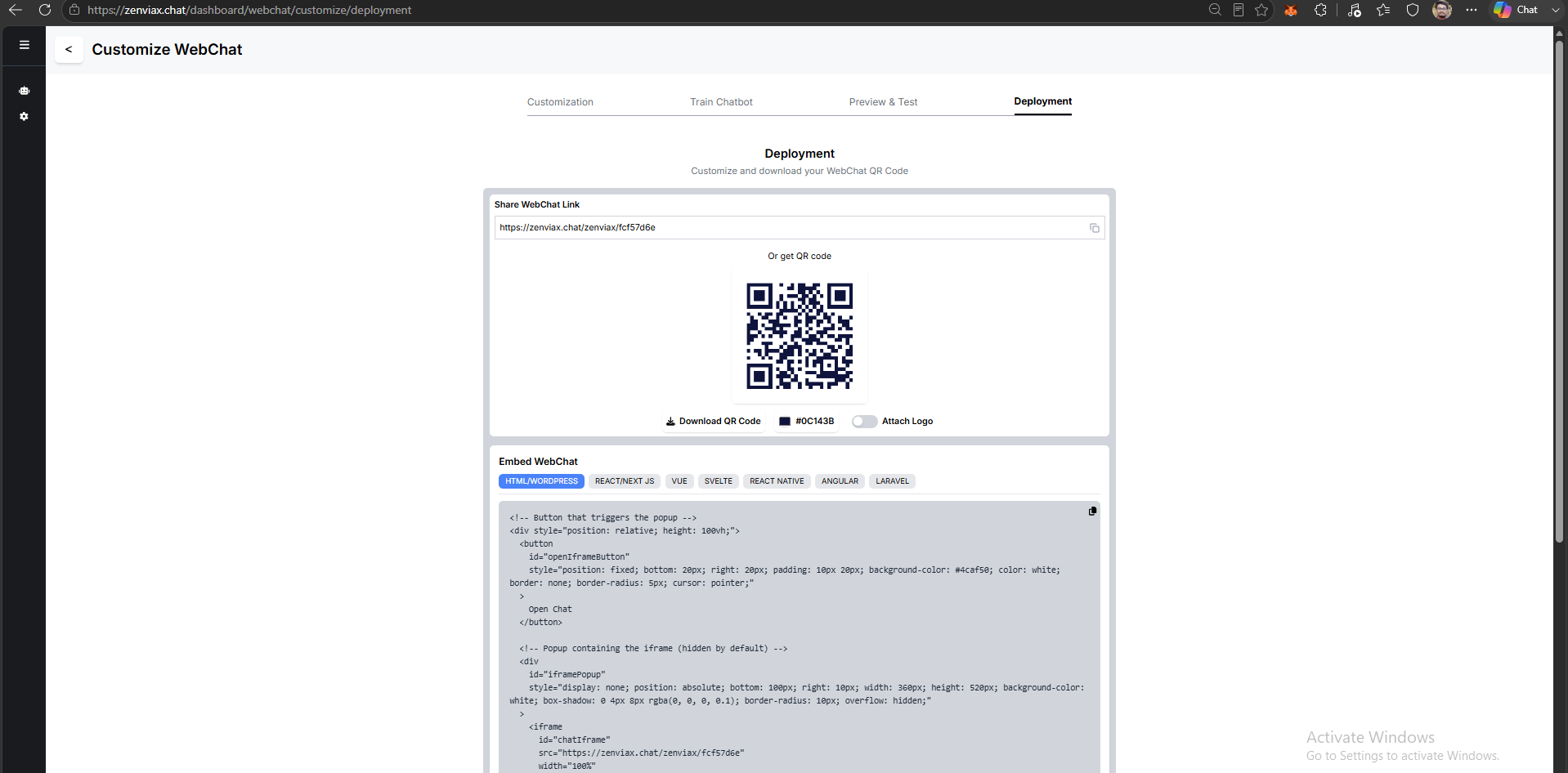
Deployment section
-
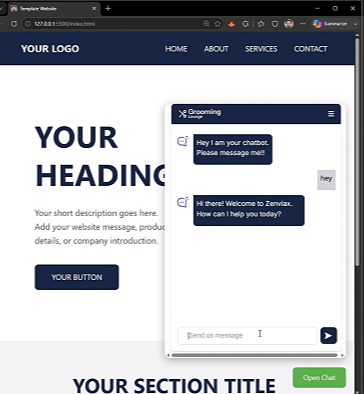
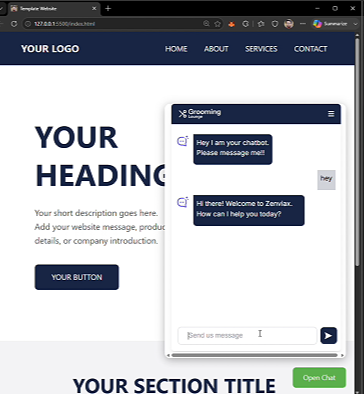
After deploying on a website
-
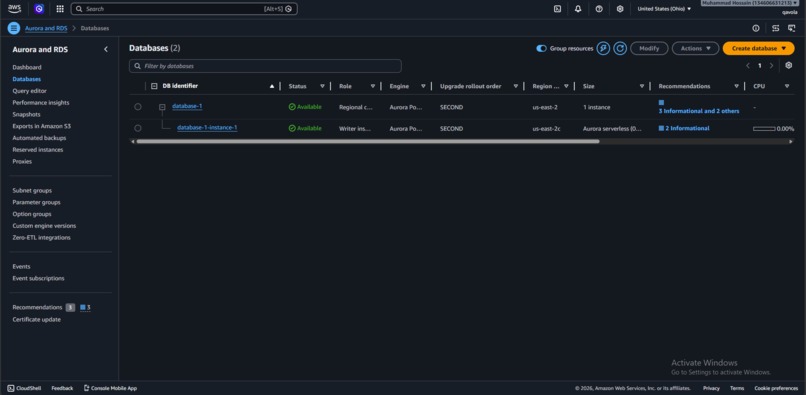
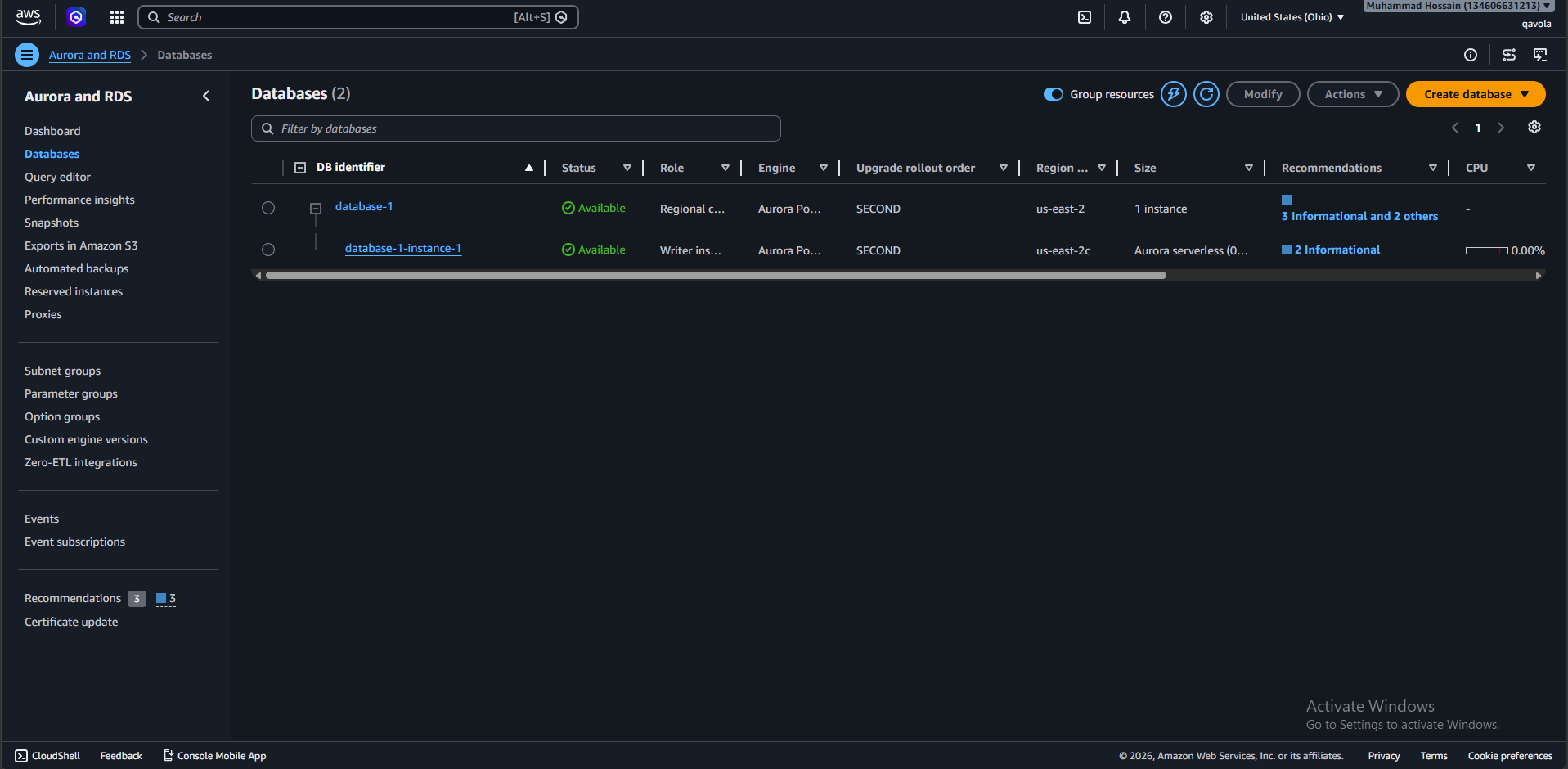
AWS console screenshot showing Aurora
-
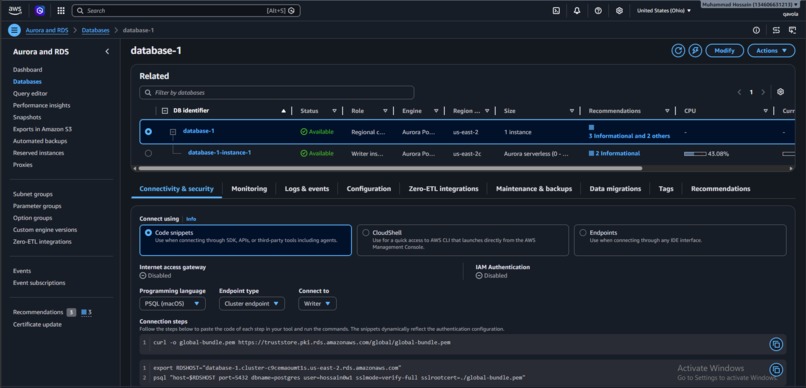
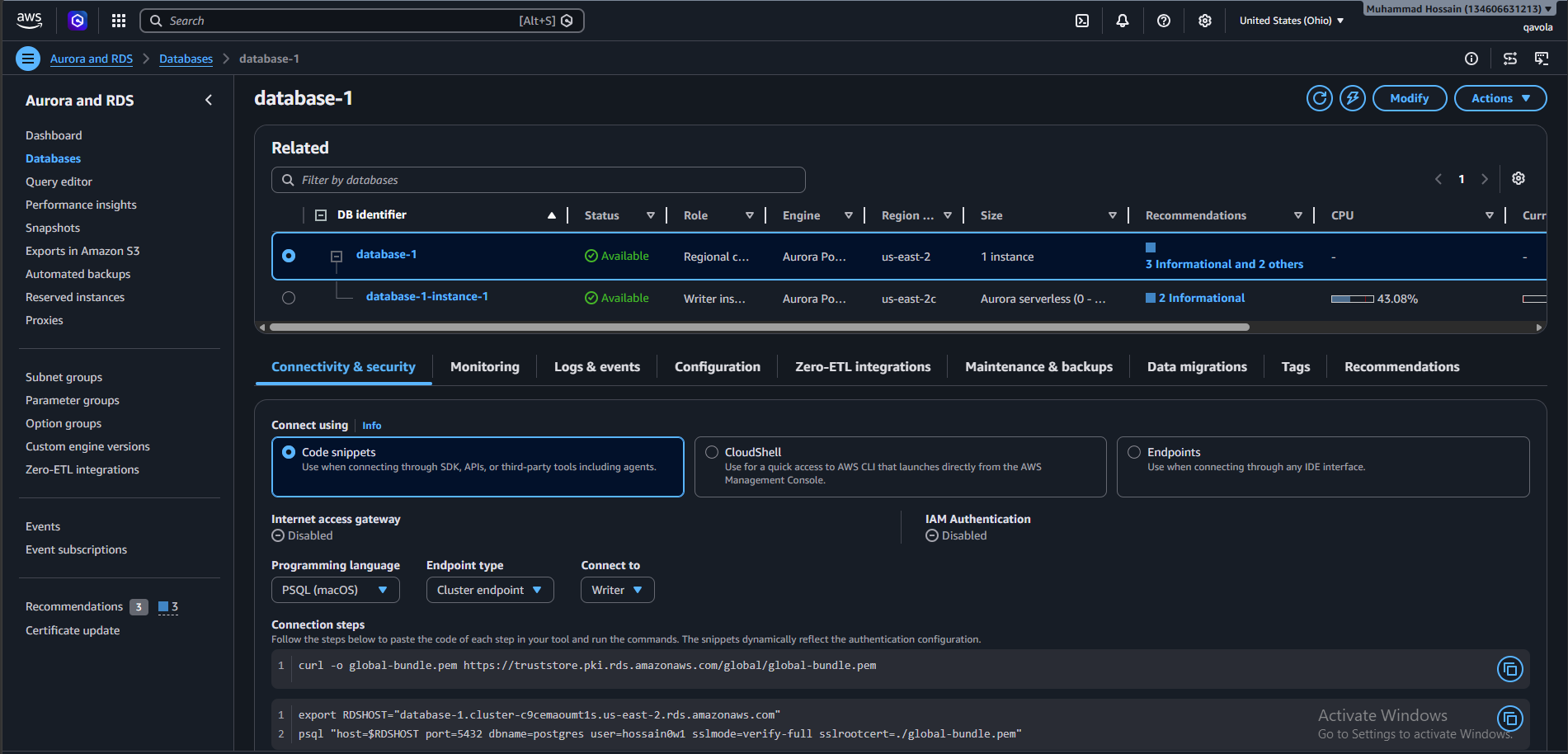
AWS console screenshot showing Aurora
-
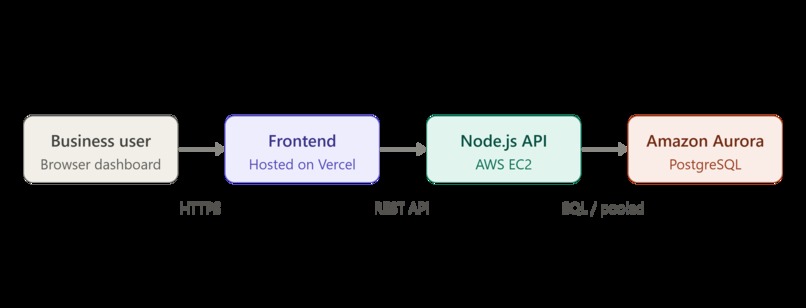
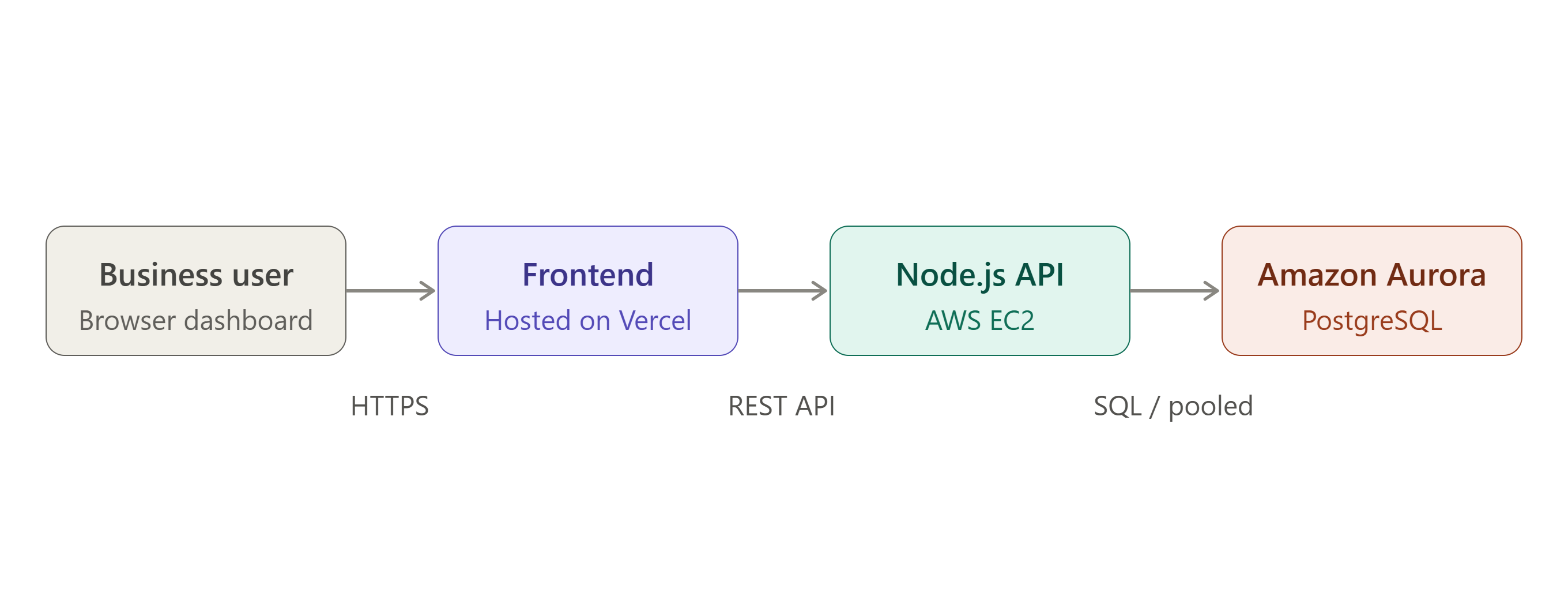
Architecture diagram
-
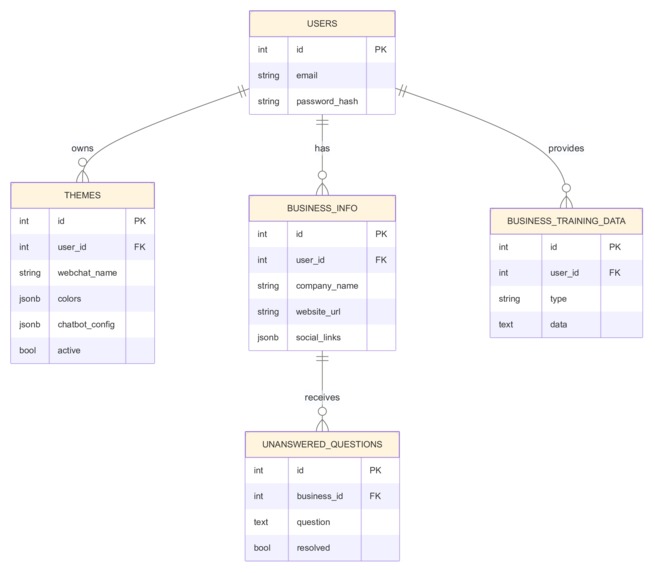
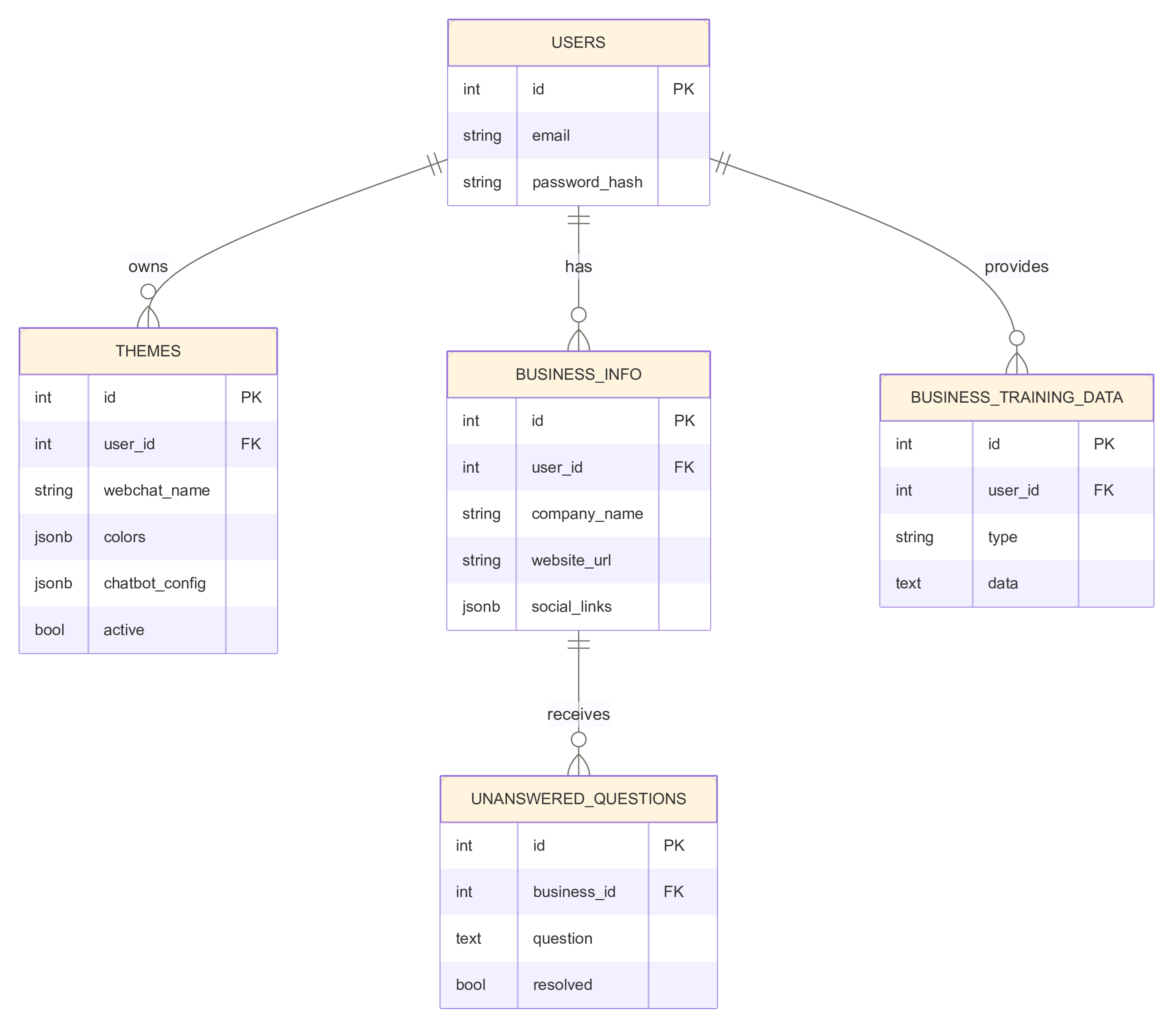
ERD / database schema diagram
Inspiration
I kept noticing the same gap whenever a small business wanted an AI chatbot: either they pay an agency thousands of dollars, or they try to wire something together themselves and get stuck the moment they need to retrain it or change the branding. There wasn't a middle ground — something a non-technical business owner could actually run themselves. That gap is what I built Zenviax to fill.
What it does
Zenviax lets any business create, brand, train, and deploy their own AI chatbot without writing code. A business signs up and gets a chatbot instantly. From there, they can fully customise it — colours, logo, welcome message, social links, quick replies — all from a dashboard. They train it using whatever data they already have: plain text, Q&A pairs, PDFs, or just a link to their website. The chatbot only answers using that data, so it stays accurate to the business instead of hallucinating generic answers. Once it's trained, deployment is a single copy-paste embed code into their existing website.
How we built it
The frontend is built with Next.js and hosted on Vercel. It talks to a Node.js API running on an AWS EC2 instance, which connects to Amazon Aurora Serverless PostgreSQL for all persistent data. The schema is fully relational and multi-tenant: every business has isolated rows across themes, business_info, and business_training_data, all scoped by user_id. Creating a new chatbot runs inside a single database transaction — checking that the chatbot name is unique for that user, inserting the theme configuration, and upserting the business profile, all atomically. If any step fails, the whole transaction rolls back, so no business ever ends up with a half-created chatbot or orphaned data. I chose Aurora Serverless specifically because I didn't know what traffic patterns to expect. Some businesses using Zenviax will get almost no chatbot traffic, others could see real spikes. Serverless scales database capacity up and down automatically instead of me guessing at a fixed instance size and either overpaying or bottlenecking under load. For training and answering, I'm currently using DeepSeek. Whatever a business feeds in — text, PDFs, website content — gets processed and used to answer customer questions within that scope, so each business's chatbot only ever speaks from its own data. Zenviax is live and deployed at zenviax.chat.
Challenges we ran into
Getting the data model right for a true multi-tenant system was harder than I expected going in. Early on, it would have been easy to take shortcuts with tenant isolation — but I wanted to make sure one business could never accidentally see or affect another's chatbot, config, or training data. That meant being deliberate about transactions and foreign keys instead of just inserting rows ad hoc. Deploying and connecting everything end-to-end — Vercel frontend, EC2 backend, Aurora Serverless database — also took real debugging time, especially around SSL configuration and connection pooling under the Aurora Serverless connection model.
Accomplishments that we're proud of
I'm proud that Zenviax isn't just a demo — it's a real, live product at zenviax.chat that a business could sign up to today. The transactional, multi-tenant database design is something I'd be comfortable explaining to a senior engineer, not something bolted on just to use an AWS database for this hackathon.
What we learned
Building this pushed me to think more seriously about when a relational, ACID-compliant database is the right call versus a NoSQL alternative. Multi-tenant SaaS with real referential integrity needs is a genuinely relational problem, and Aurora Serverless PostgreSQL fit that without forcing me to manage fixed infrastructure I didn't have usage data to size correctly.
What's next for Zenviax
Right now, every chatbot runs on DeepSeek. Next, I want to let businesses choose and configure their own LLM provider — OpenAI, DeepSeek, or others — directly from their dashboard, along with model-specific settings, so businesses aren't locked into one provider as their needs or budgets change.
I also didn't have time during this hackathon to build out a subscription and billing system, so that's a priority next — letting businesses pick a plan and pay directly through Zenviax instead of it being free-form. Beyond that, there are still UI/UX rough edges, a few backend and frontend bugs, and security hardening I want to go through carefully before pushing this toward a real market launch.
Built With
- amazon
- aurora
- aurora-postgresql
- deepseek
- ec2
- express.js
- jwt
- nextjs
- node.js
- postgresql
- react
- vercel

Log in or sign up for Devpost to join the conversation.