Inspiration
What it does
About the Project — Zener Diode Virtual Lab
Inspiration
The Zener Diode Virtual Lab was inspired by the challenges students face while learning electronics—limited access to physical lab equipment, time constraints in college labs, and difficulty visualizing abstract circuit behavior. Traditional learning often restricts experimentation, making concepts feel theoretical rather than intuitive.
We wanted to create a virtual-first, interactive lab where learners can freely experiment, make mistakes, visualize outcomes instantly, and truly understand how Zener diodes behave in real-world circuits—anytime, anywhere.
What We Learned
Through building this project, we learned:
- How to simulate real-world electronic behavior in a browser environment
- Translating electrical equations into interactive visual logic
- Designing drag-and-drop interfaces for technical users
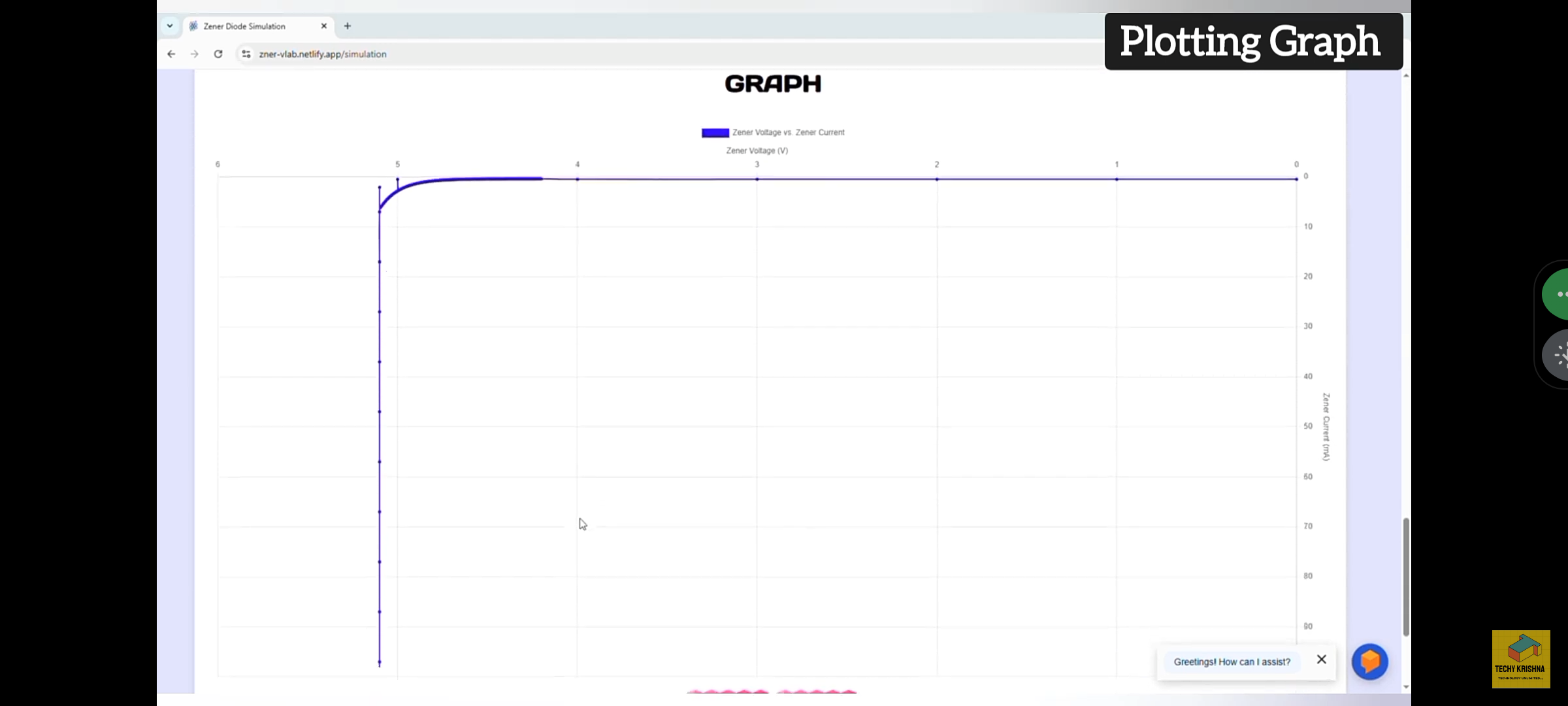
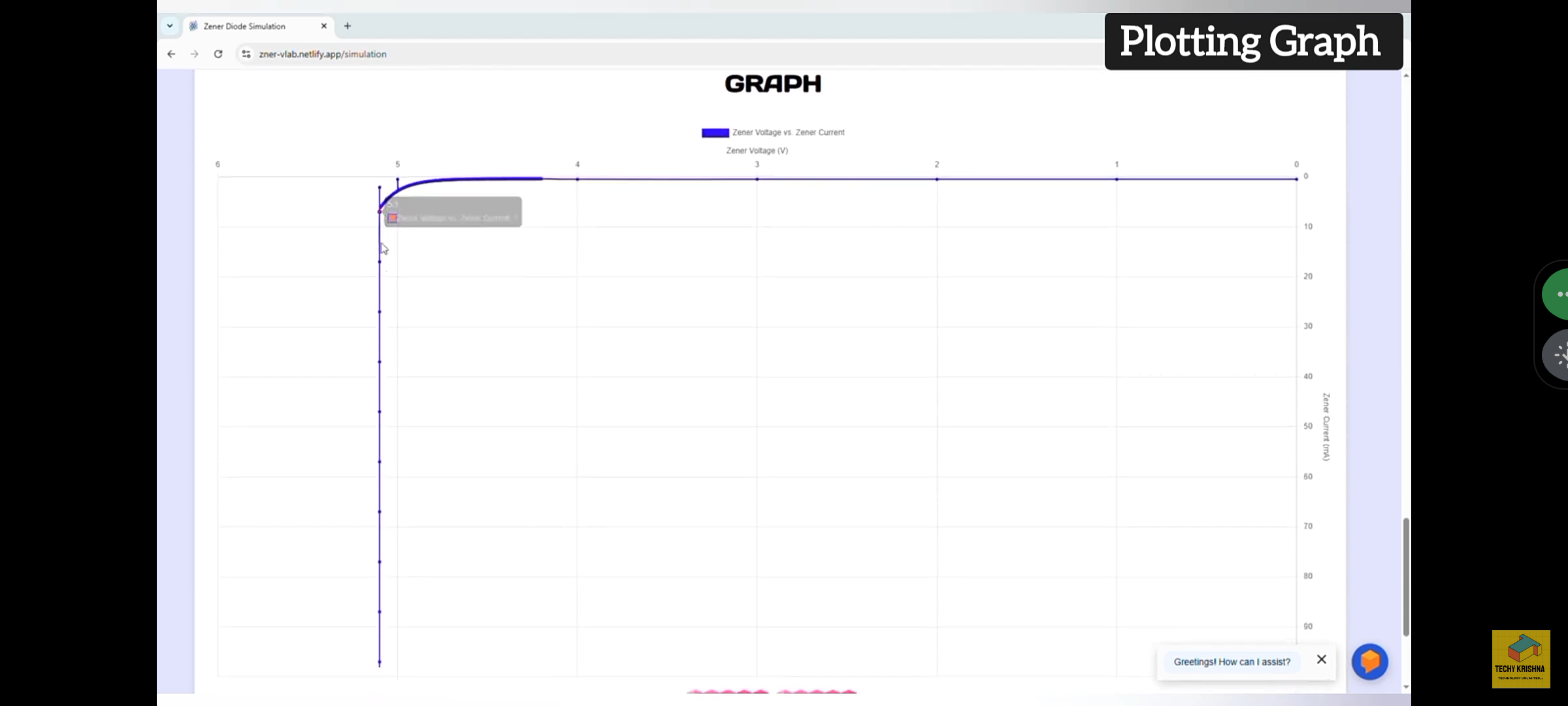
- Rendering real-time graphs for voltage-current characteristics
- Enhancing learning outcomes through gamification and AI assistance
- Making complex electronics concepts accessible and engaging
This project strengthened our understanding of both electronics fundamentals and frontend-driven simulations.
How We Built the Project
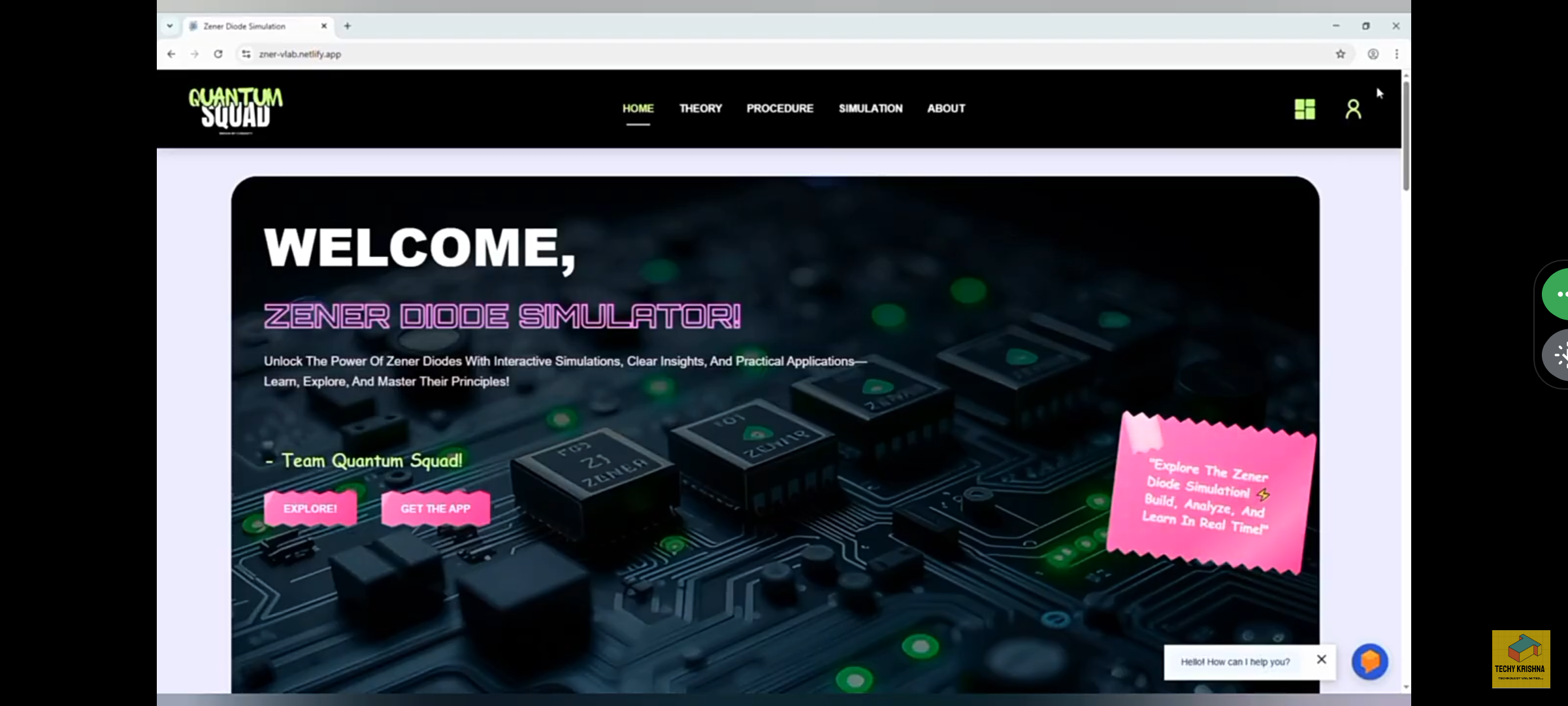
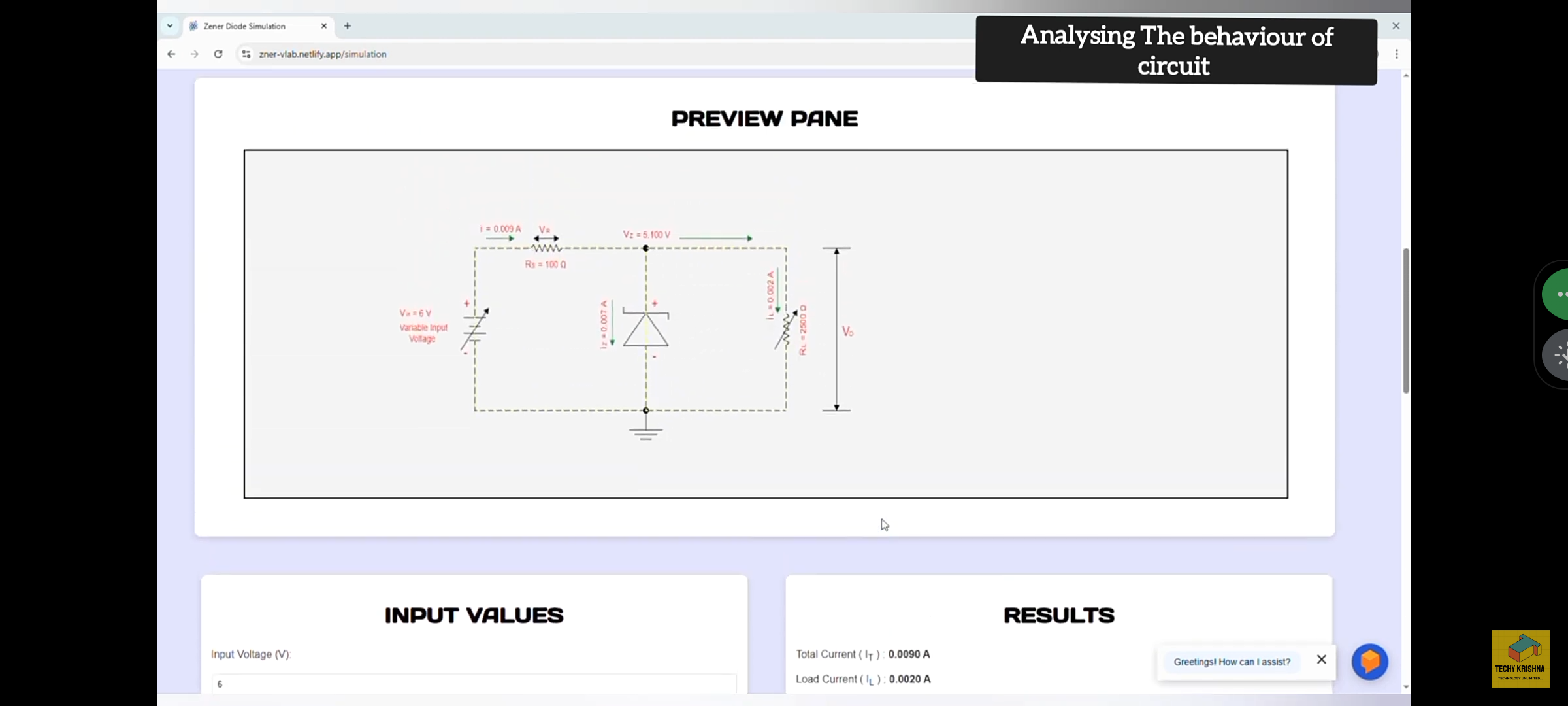
Zener Diode Virtual Lab is a browser-based simulation platform that allows users to build and analyze Zener diode circuits without physical components.
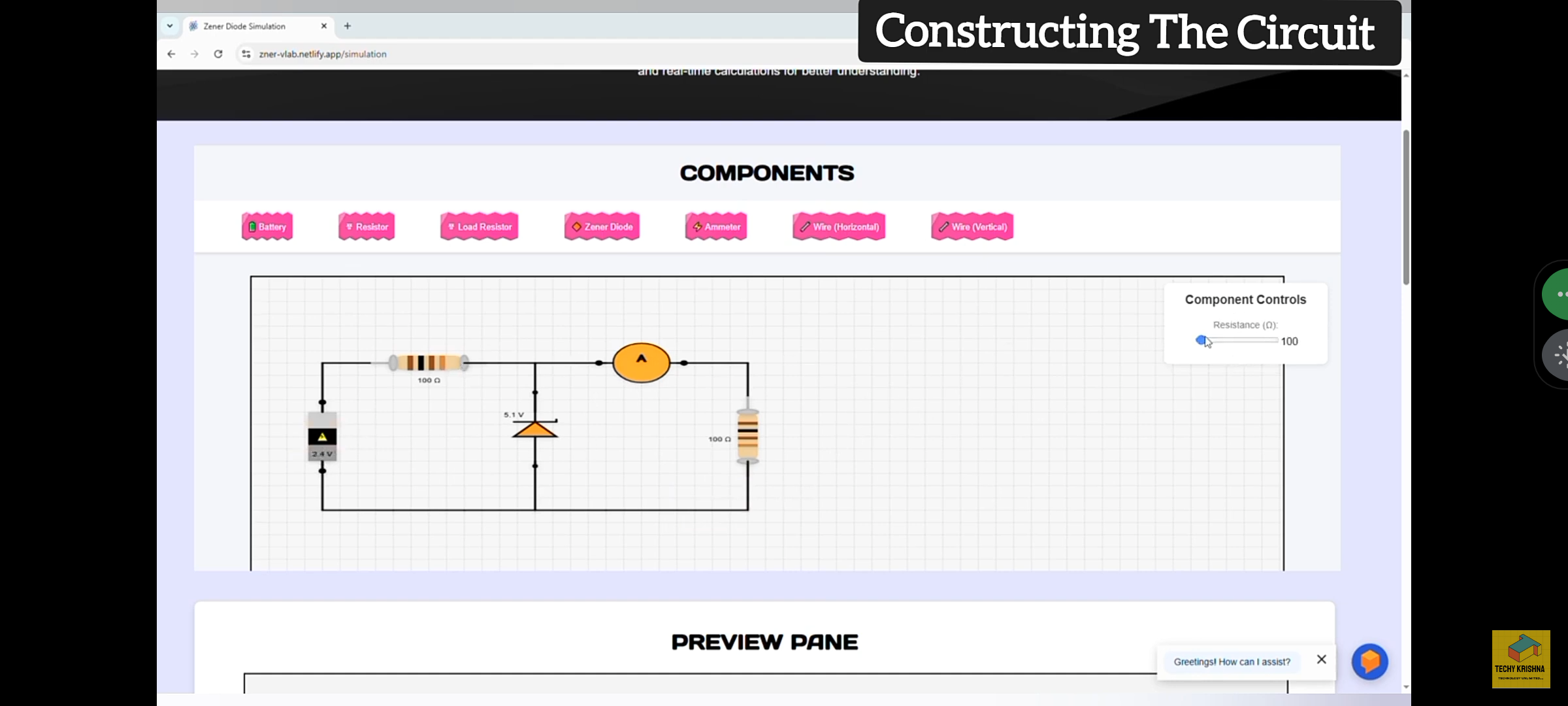
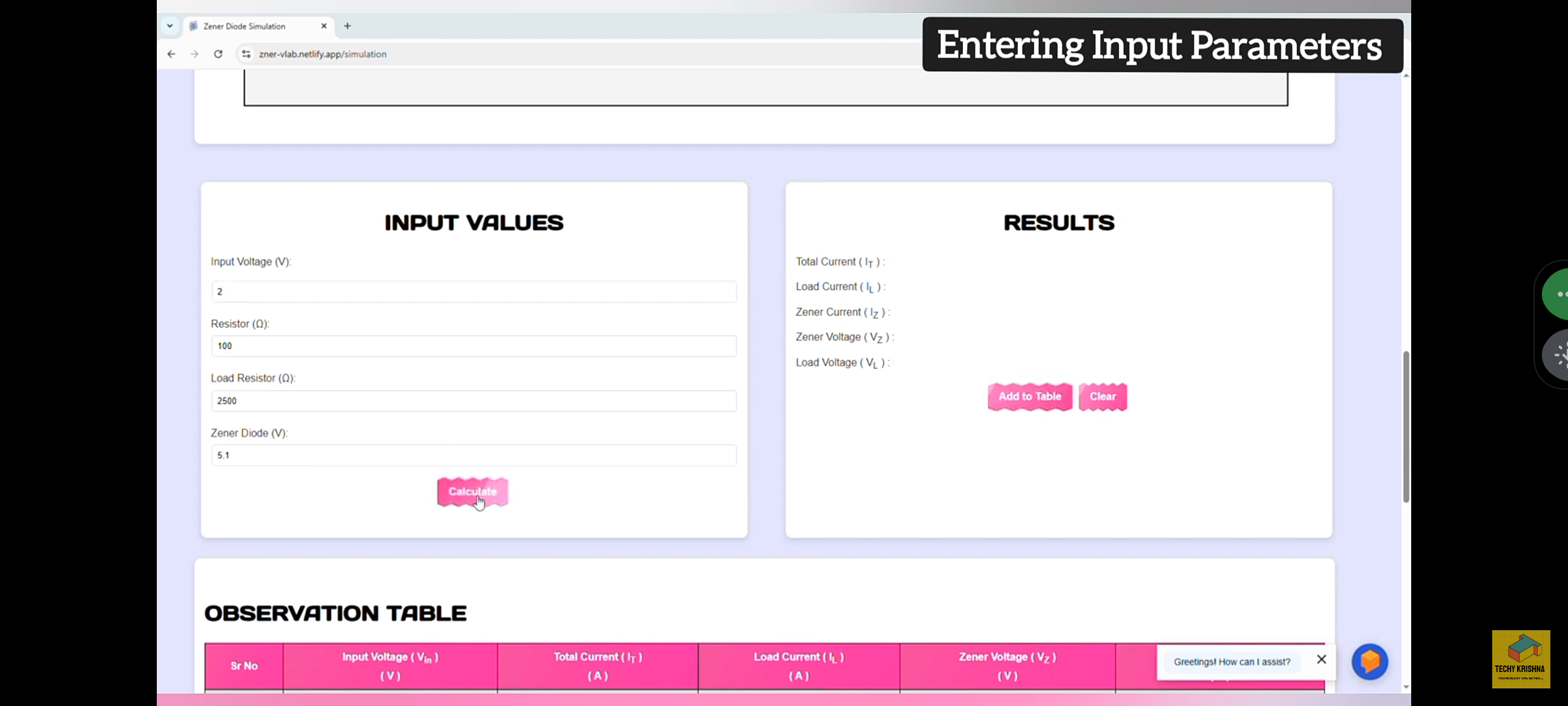
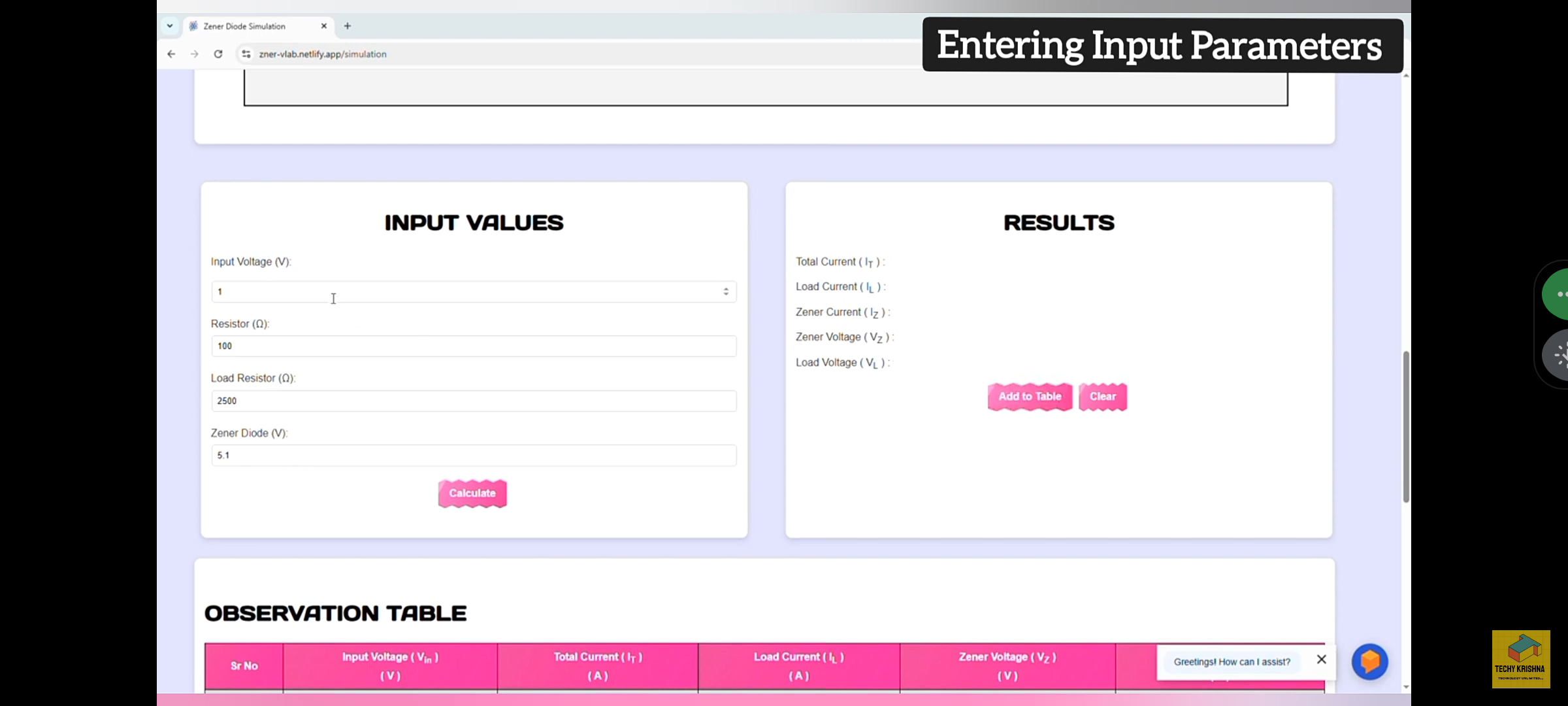
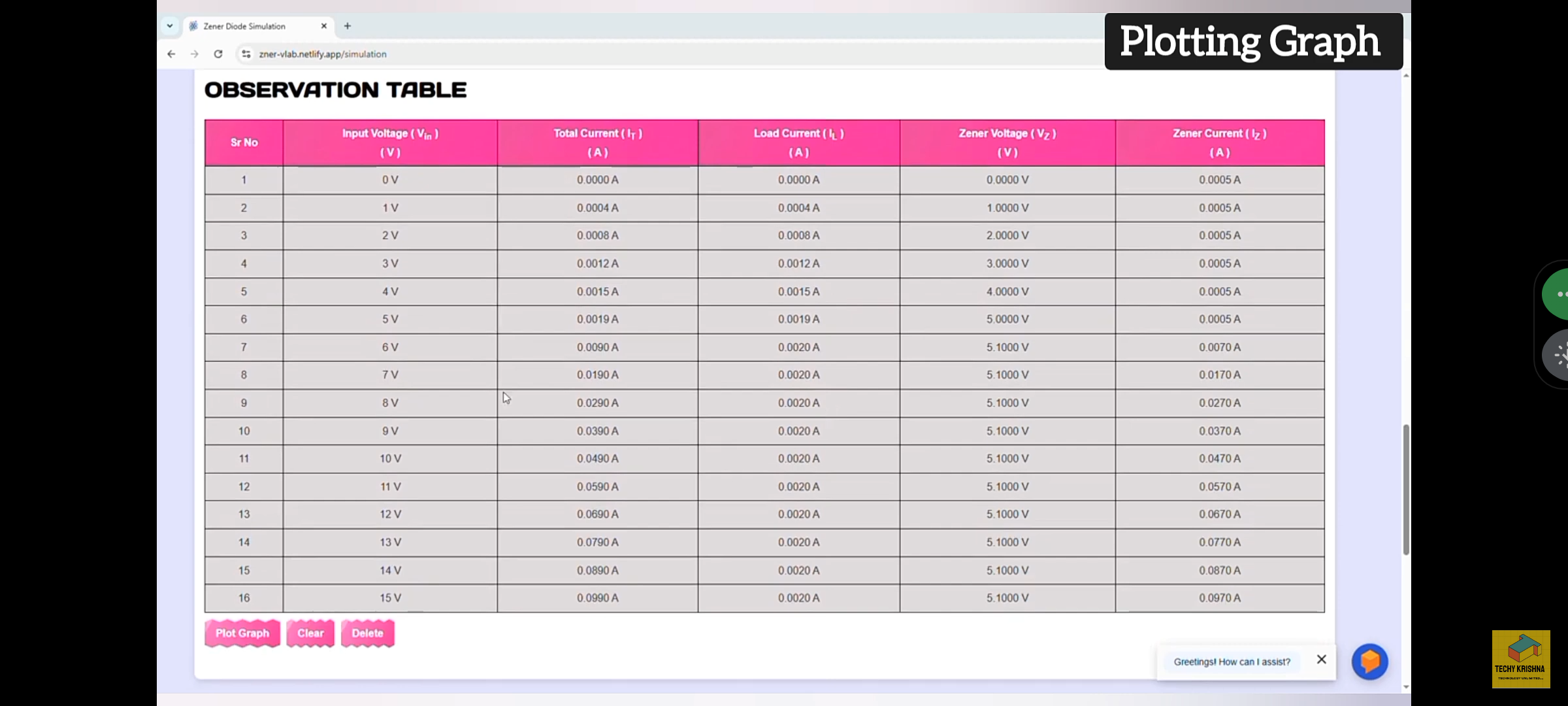
Users construct circuits using a drag-and-drop interface, set parameters such as voltage and resistance, and observe real-time outputs. The simulation engine dynamically calculates electrical behavior based on standard electronics principles and updates graphs instantly.
Key calculations, such as Zener regulation behavior, are visualized live through interactive plots, helping users understand breakdown voltage, current regulation, and load performance. An AI-powered assistant, ZenerBot, provides contextual guidance, troubleshooting tips, and conceptual explanations.
Gamified challenges and quizzes reinforce learning by encouraging experimentation rather than rote memorization.
Challenges We Faced
- Accurately simulating Zener diode behavior in real time
- Keeping calculations efficient while updating graphs dynamically
- Designing an intuitive UI for both beginners and advanced users
- Balancing educational depth with performance in a browser environment
- Ensuring responsiveness across devices and screen sizes
Each challenge pushed us to refine the simulation logic and user experience.
Impact Metrics
- Zero Hardware Dependency: Eliminates the need for physical lab kits
- Instant Feedback: Reduces learning cycle time from hours to seconds
- Concept Clarity: Improves understanding of Zener regulation and breakdown behavior
- Scalability: Supports unlimited users simultaneously via the web
- Accessibility: Enables electronics learning from any device with a browser
Future Scope
- Support for additional components like Transistors, Capacitors, and Inductors
- Multi-component circuit simulations beyond Zener regulation
- Step-by-step guided lab experiments aligned with university syllabi
- Advanced AI tutor with adaptive learning paths
- Multiplayer and collaborative simulation modes
- Exportable lab reports for academic submissions
🛠 Built With
Languages & Frameworks
- HTML5
- CSS3
- JavaScript (Vanilla JS)
Backend & Cloud
- Firebase Realtime Database
- Firebase Authentication
Visualization
- Chart.js (Dynamic & responsive graphing)
🔗 Try It Out
- 🌐 Live Simulator: https://zenersim.netlify.app
- 📱 App Access: https://rb.gy/0aigtz
🎓 Ideal For
- Engineering & Physics Students
- Electronics Educators & Lab Instructors
- Hobbyists & Tinkerers
- Developers exploring simulation-based learning
Conclusion
Zener Diode Virtual Lab transforms electronics education from static theory into interactive, hands-on discovery. By combining real-time simulation, visualization, and AI guidance, the platform empowers learners to experiment freely and master electronics concepts with confidence.
Explore the lab: https://zenersim.netlify.app
Built With
- ai
- chartjs
- css3
- dialog
- firebase
- flow
- html5
- javascript


Log in or sign up for Devpost to join the conversation.