Zen Virtual Piano: Turning a Personal Challenge into a Musical Platform
Inspiration
My journey began last year, when my interest in playing the piano returned. I had tried to master the instrument before but had never succeeded. Determined to try again, I purchased a digital piano online. Because it took approximately seven days to arrive, I used the waiting period to study music theory and watch tutorials on piano practice techniques.
During my research, I discovered the concept of a virtual piano—a way to play music using a computer keyboard. It immediately caught my attention. As an engineer with many years of experience, I was already highly familiar with the QWERTY keyboard, and the level of musical expression a virtual piano offered exceeded my expectations.
My latest attempt at learning the piano therefore took an unexpected turn. Rather than returning to traditional piano practice, I became increasingly fascinated by the possibilities of the virtual piano. I began to see it not merely as an alternative instrument but as an accessible introduction to music-making.
I also realized that many people may be interested in playing music but are not yet ready to become dedicated pianists or invest significant time and money in traditional training. For these users, a virtual piano offers a quick and accessible way to play music, practice songs, and explore their interest in the instrument. This realization eventually inspired the product I am building today.
Identifying the Market Gap
I began looking for a virtual piano tool that met my needs. During this process, I noticed two opposite approaches in the existing market.
VirtualPiano.net appeared to hold a significant share of the market, attracting millions of visitors each month. However, I found its interface and overall user experience dated to 2000s. Its performance was also inefficient: a dedicated browser tab could consume nearly 1 GB of memory.
Other products, including a Chrome piano extension with more than 100,000 users, offered the opposite experience. They were lightweight, fast, and available offline. However, they were also too limited and lacked the range of features and immersive experience provided by larger platforms.
This gap motivated me to create a product that could combine the strengths of both approaches:
- Modern and intuitive design
- Fast, optimized performance
- A rich and engaging set of features
- An accessible experience for both beginners and experienced users
That is how Zen Virtual Piano was born.
How I Built the Project
I developed Zen Virtual Piano iteratively, beginning with a clear focus on performance, usability, and musical expression. My goal was to create an application that felt lightweight and responsive without sacrificing the depth of the user experience.
As the user base grew, I learned that people wanted more than a tool for playing songs. Many users also needed a way to create and manage their own music sheets. Based on this need, I expanded the application beyond its original virtual-piano functionality.
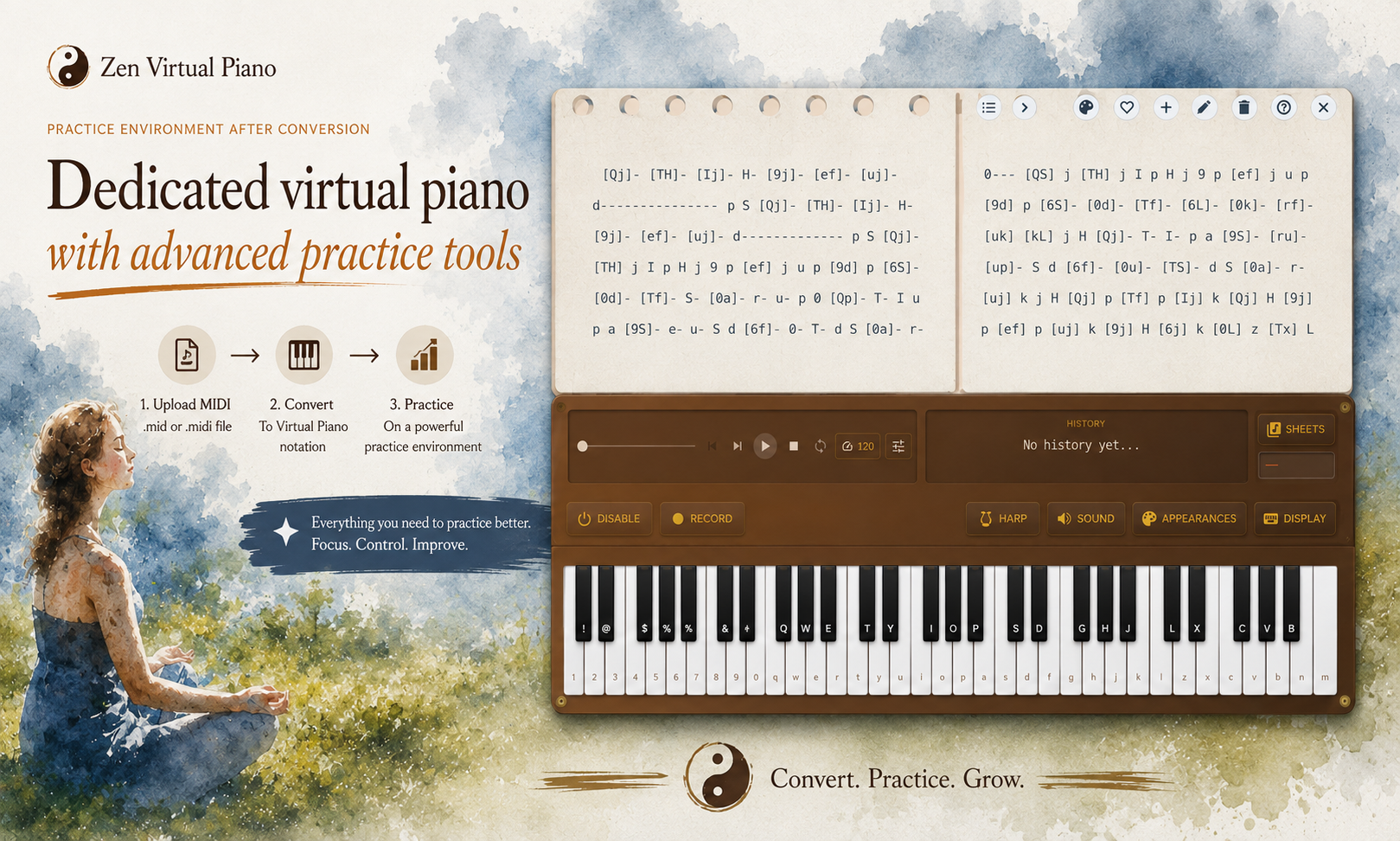
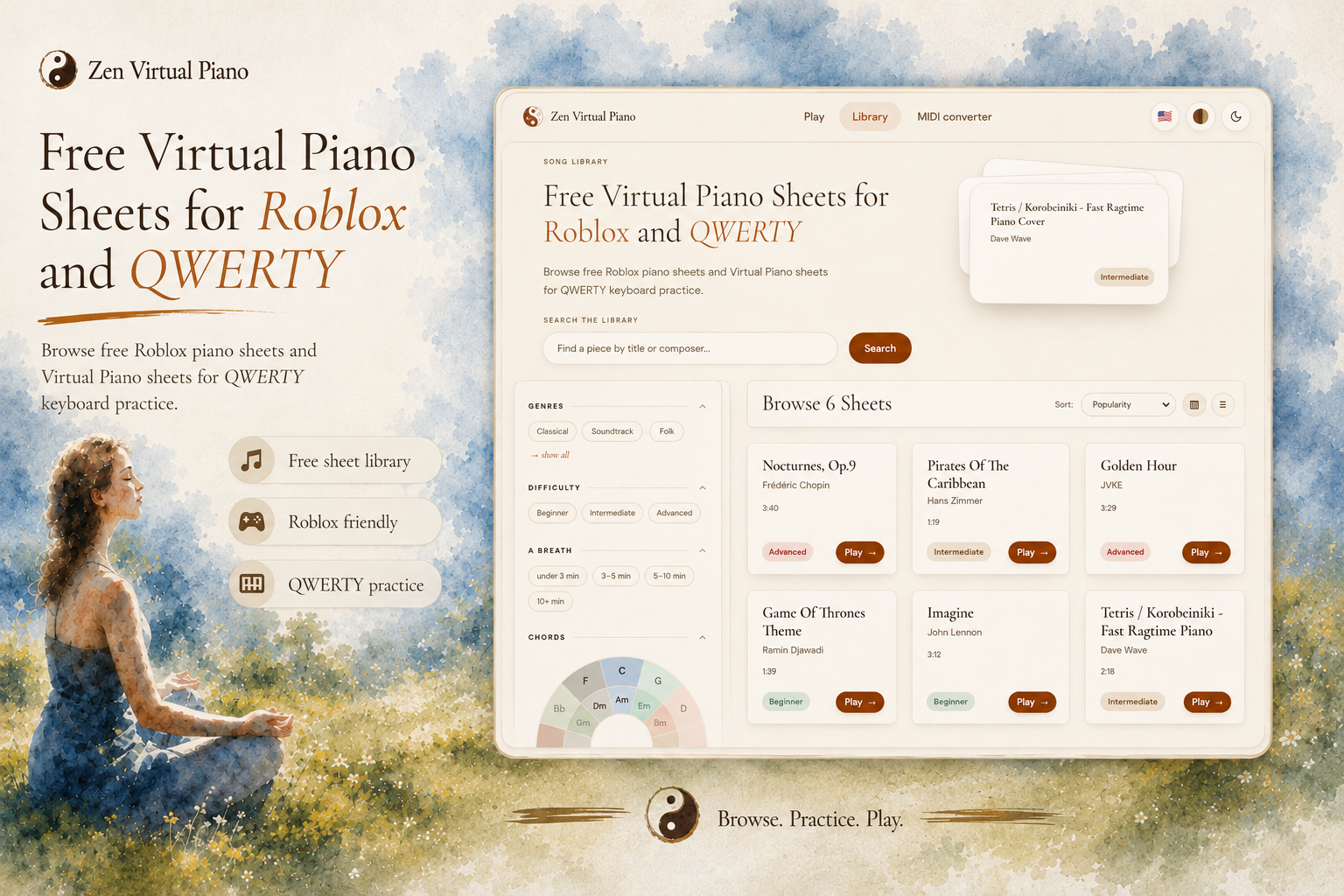
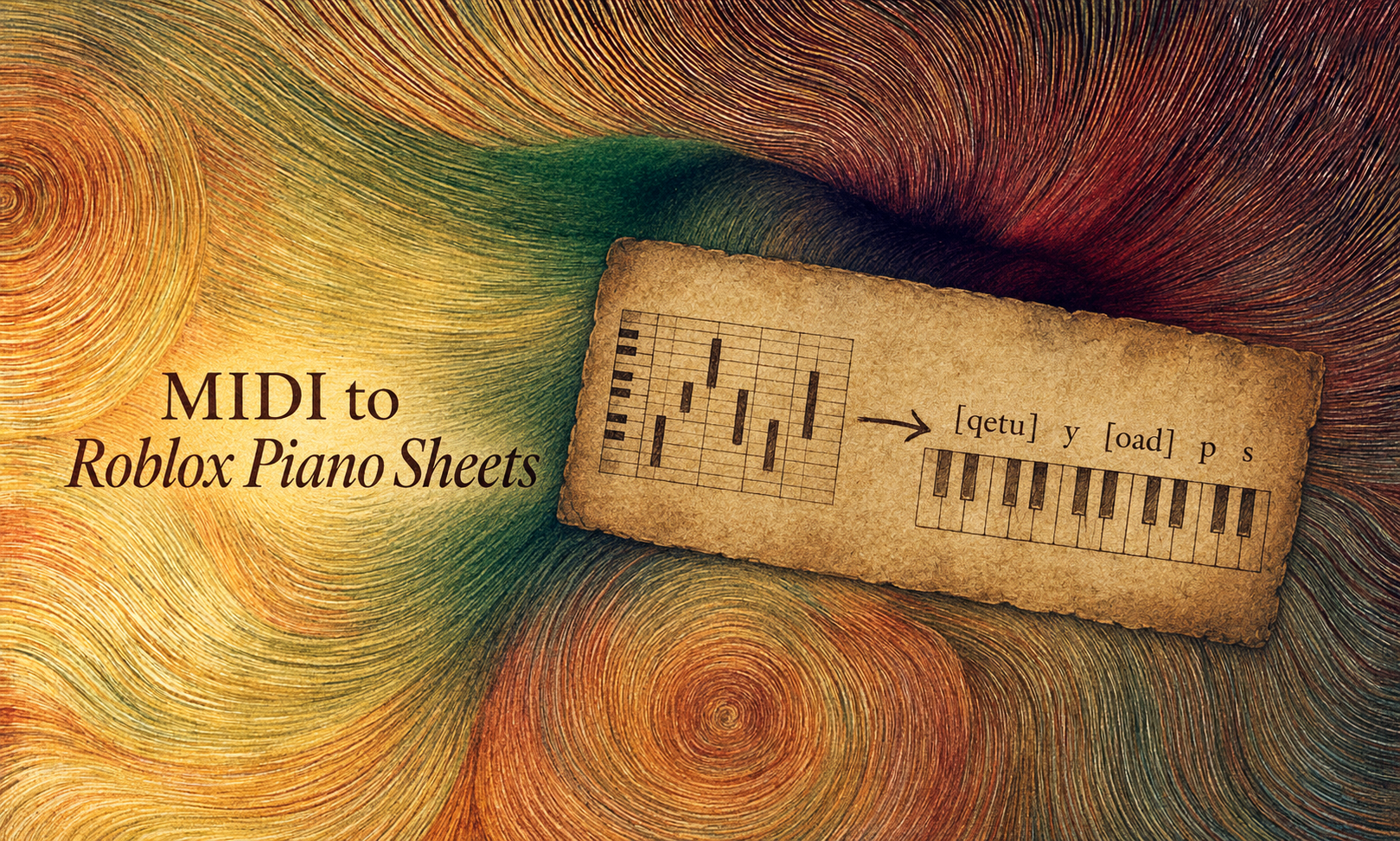
Over time, Zen Virtual Piano has evolved into a broader musical ecosystem, featuring a MIDI converter, a MIDI analyzer, and a virtual piano sheet-music library containing thousands of songs.
Challenges
I view challenges as a necessary part of personal growth. Throughout the project, I have tried to welcome each difficulty as an opportunity to learn and improve.
One of my most significant challenges was balancing the development of Zen Virtual Piano with my freelance software engineering work.
Eight months after launch, the application had attracted more than 4,000 users, with approximately 200–300 daily active users. Each user spent an average of around eight minutes per session, which suggested meaningful engagement with the application's features.
These results gave me confidence that the concept was working and had the potential to grow. However, the project had not yet generated revenue.
My estimate was that, under a planned business model based on advertising and subscriptions, the application would need to grow to approximately 3 to 5 times its current user base before it could generate significant revenue. For that reason, I continued working remotely while developing Zen Virtual Piano in parallel.
Over time, however, the project demanded more of my attention and energy. What had started as a side project was becoming increasingly serious, while the remote job that had once been my primary focus began to feel like a distraction from it.
Last month, I told my employer about the project and decided to leave my position so that I could dedicate my full energy to Zen Virtual Piano.
It was not an easy decision. The job had provided me with financial stability and a supportive environment for personal development for approximately seven years. After leaving, I initially felt confused, uncertain, and without a clear sense of direction.
Deep down, however, I felt that it was the right decision.
Although there is not yet a clear financial outcome, the internal change has been significant. After overcoming the initial discomfort, I became more focused on the project. I felt happier, more motivated, and more productive.
As one slightly unconventional measure of this change, my daily token usage increased from approximately 300 million tokens across two jobs to as much as 1 billion tokens devoted to Zen Virtual Piano—perhaps a sign that greater focus has created room for many more ideas to explore and build.
What I Learned
This project has taught me that a meaningful product can begin with a simple personal problem. My own difficulty with traditional piano practice led me to discover an alternative approach that may also help many other people.
Finally, I learned that fully committing to a project can change the way I work. Leaving a stable position created uncertainty, but have the courage to look deeply into it directly also gave me the focus and energy to move the project forward.
Zen Virtual Piano has gained an initial foothold in the market and built an early user base. Many questions remain, particularly around growth, monetization, and the project's long-term direction.
However, throughout this process, I have learned, adapted, and expanded my capabilities. Regardless of the final outcome, that personal and professional growth is already a meaningful reward.
Built With
- chatgpt
- cloudflare
- codex
- electron
- kimi
- opencode
- react
- supabase
- tailwindcss
- vercel


Log in or sign up for Devpost to join the conversation.