-
-
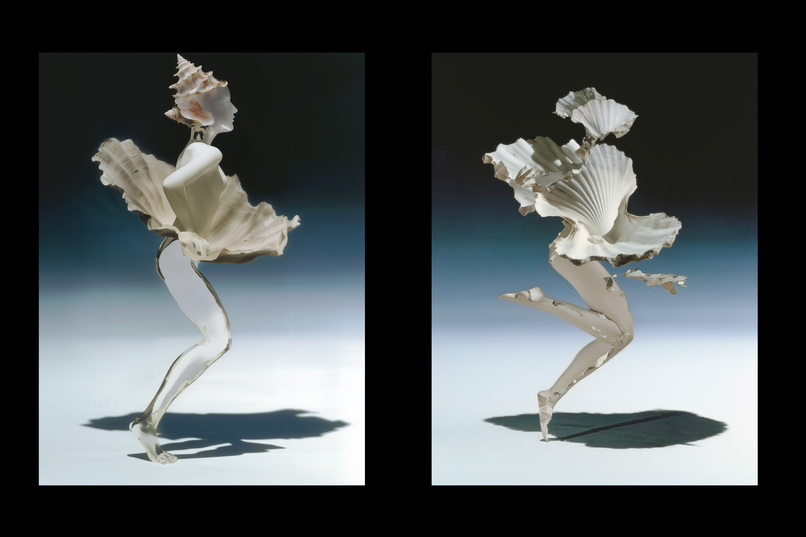
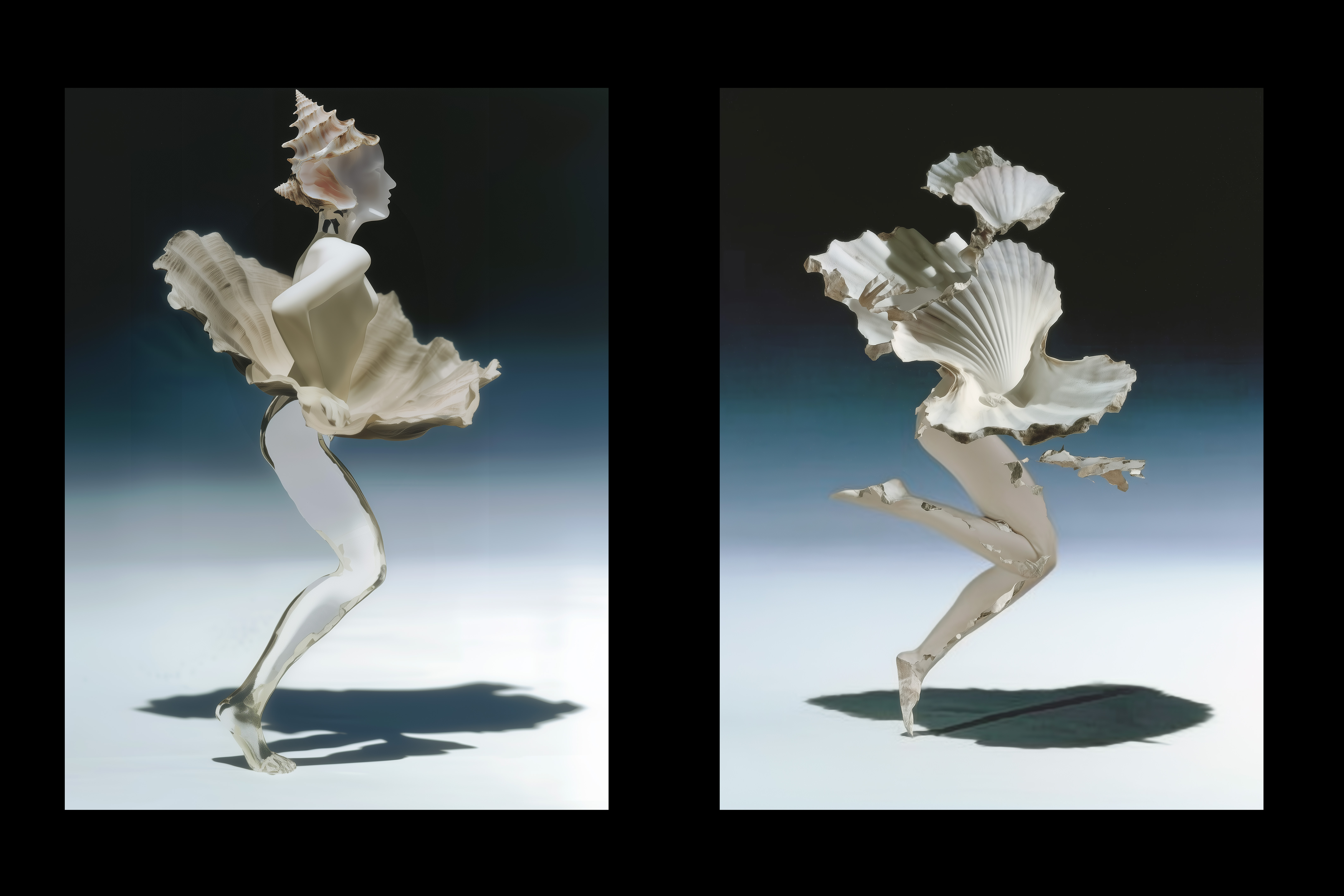
The Dance of the Snail Maiden
-
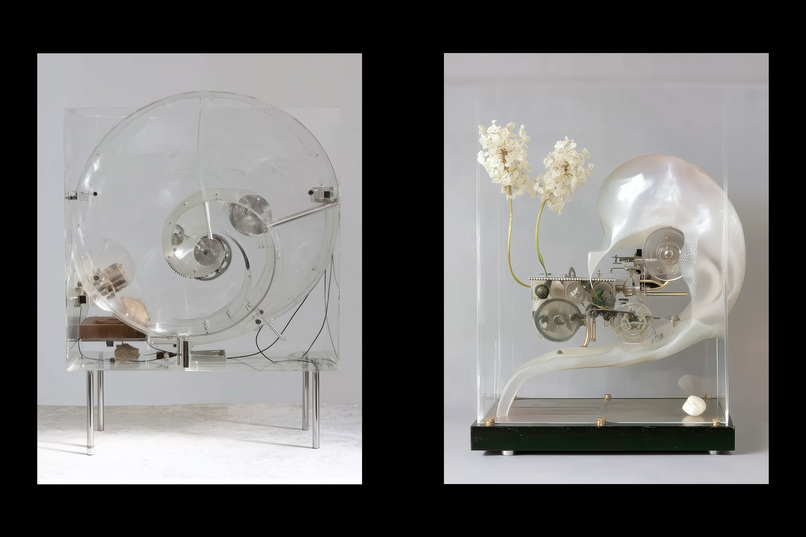
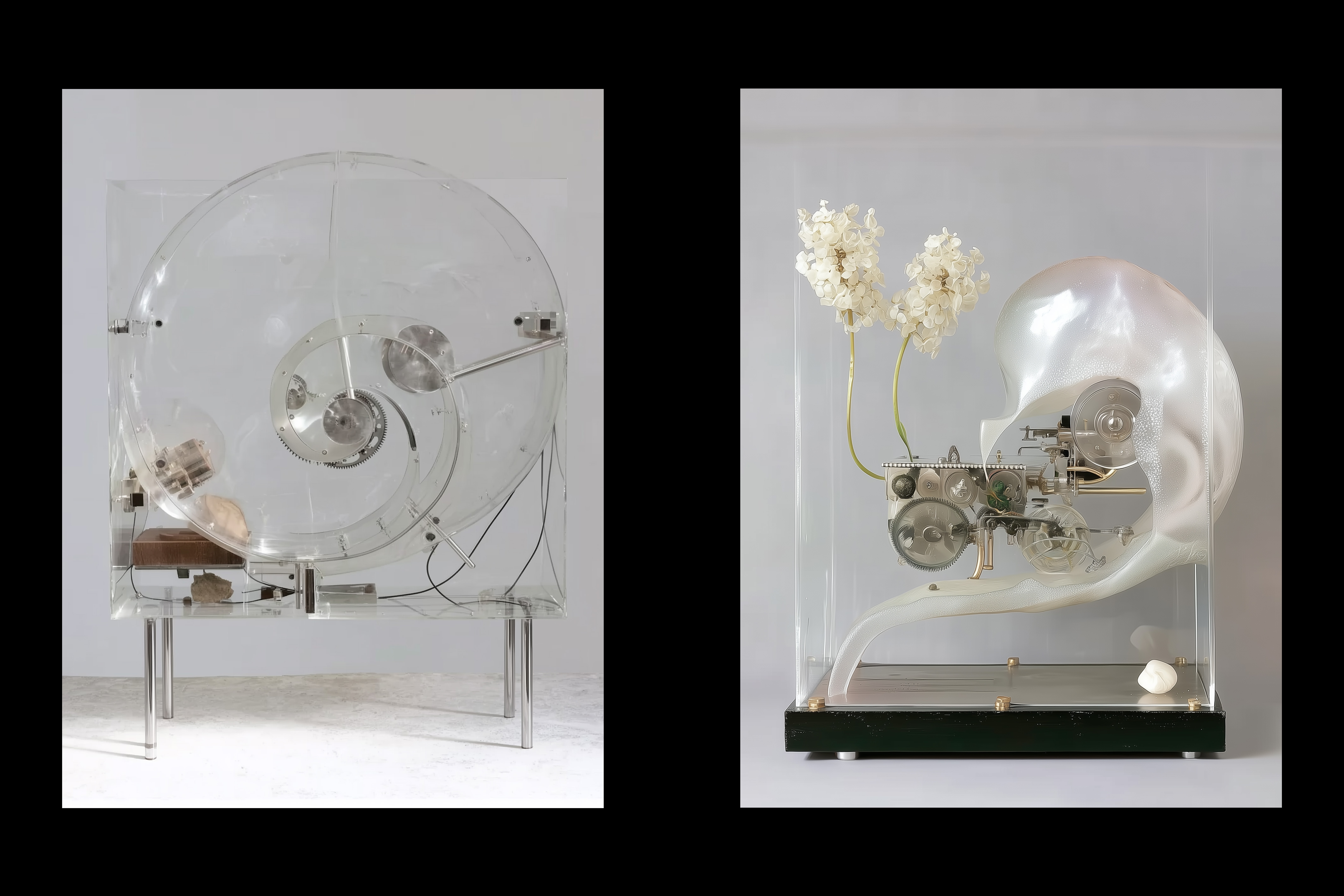
Spiral of Silent Echoes
-
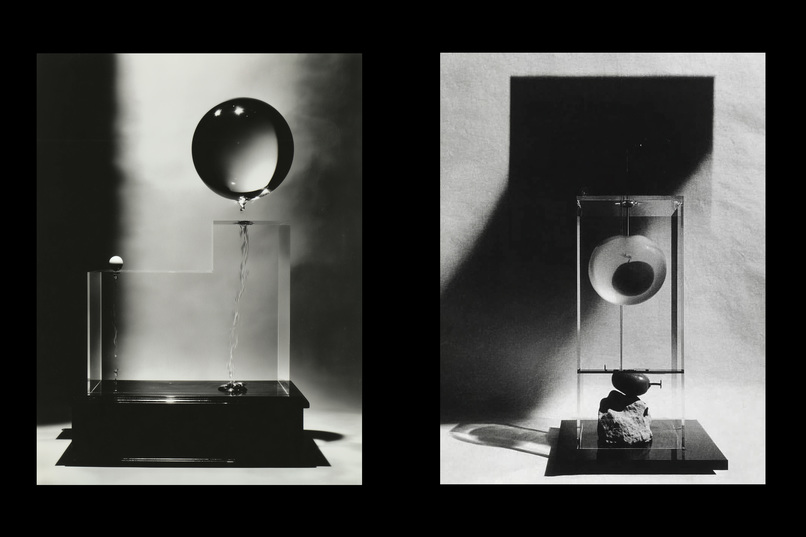
Vessel of Returning Currents
-
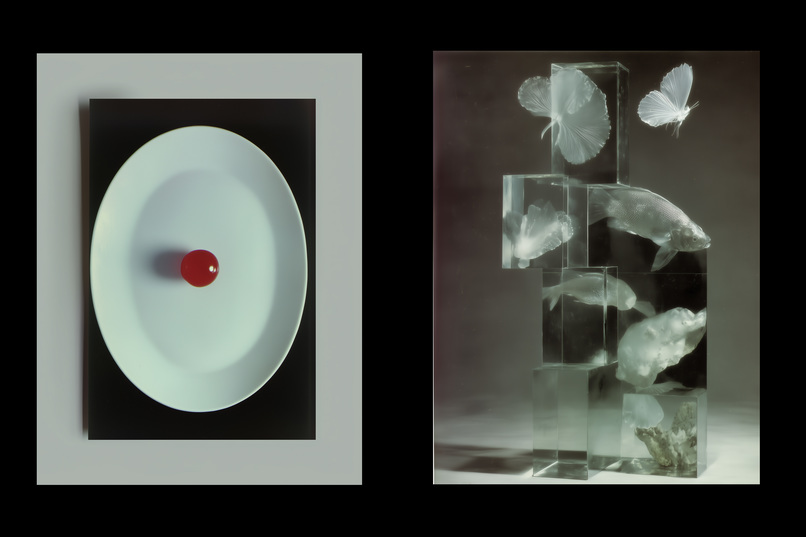
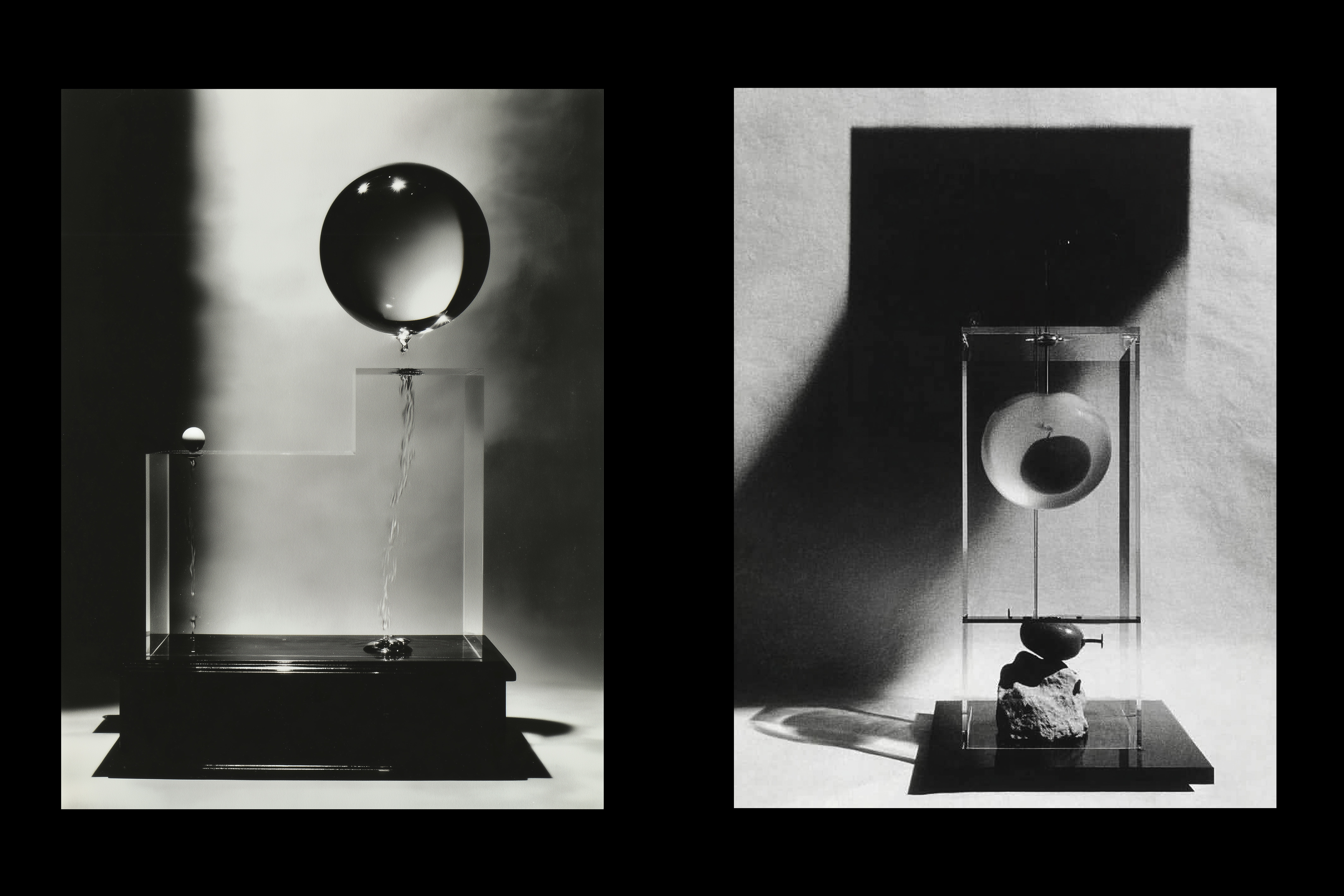
Container
-
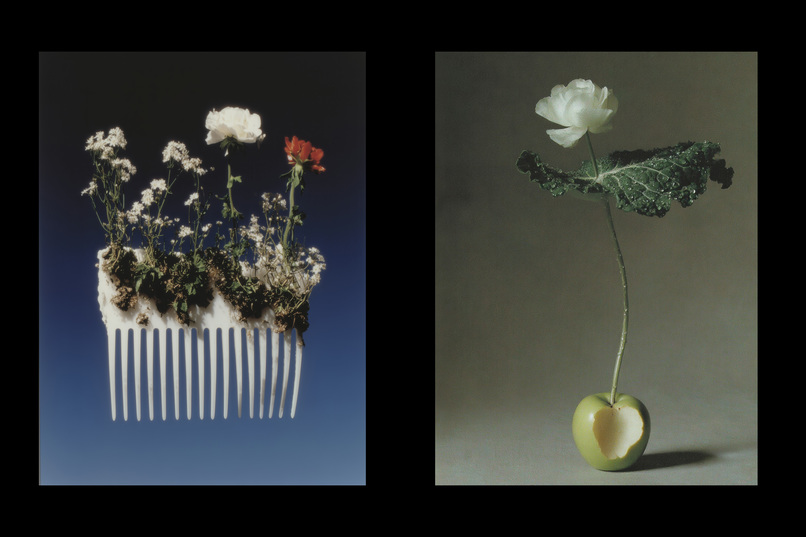
Flora of Stillness
Inspiration
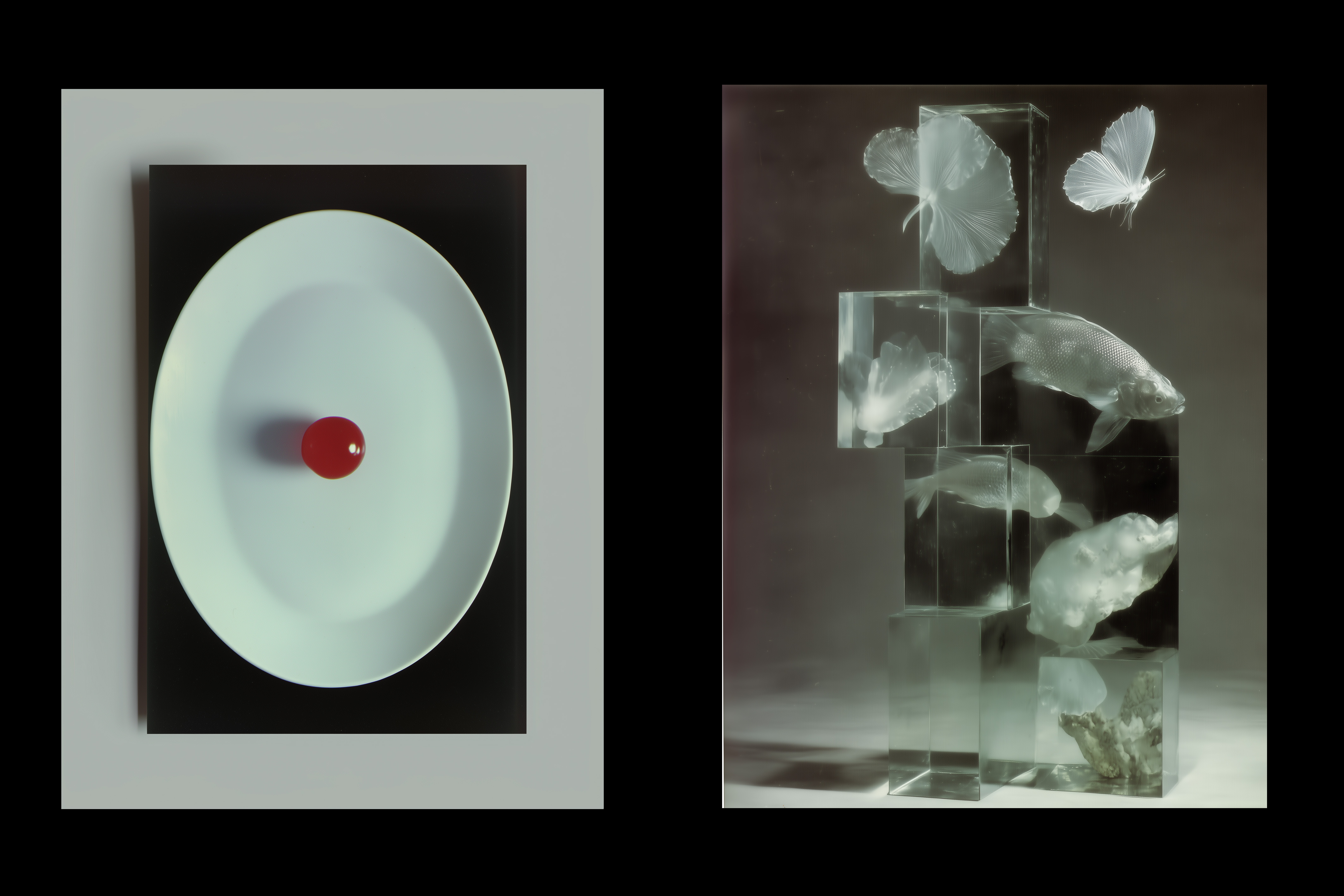
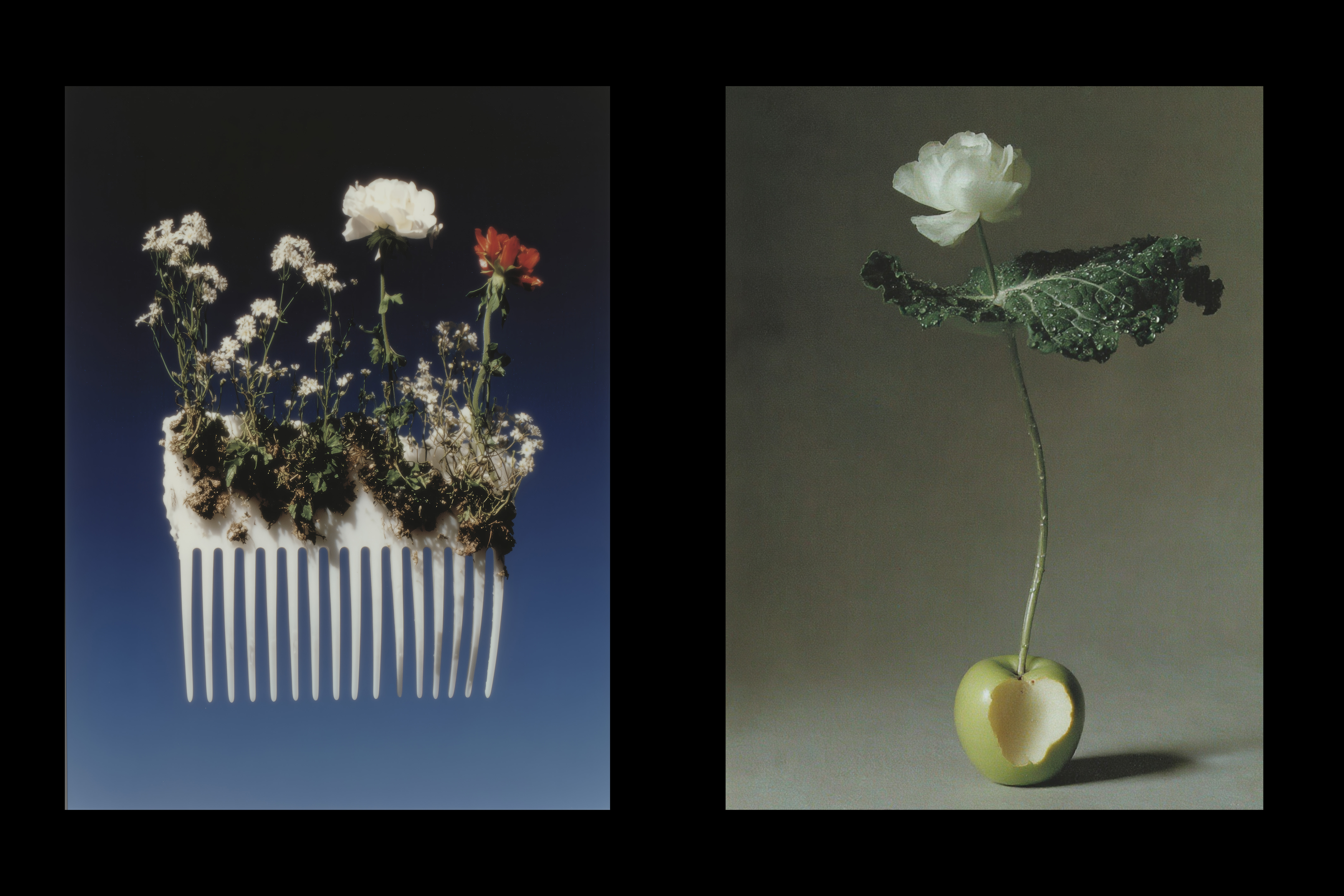
The concept was born from a profound personal experience during deep meditation. In that state of stillness, my mind felt not like a void, but like a "Zen machine" in motion—a complex, transparent apparatus processing silence and awareness. I saw a series of ephemeral, Zen-like moments where mechanical precision met organic softness, reminding me of the visceral power of quietude.
I wanted to externalize this internal state, creating a work where "space is the heart’s vessel and objects are the outward form of thought."
What it does
"Zen - Spiral of Silent Echoes" is a digital synthesis of AI generation and installation art aesthetics. It unfolds as a visual journey of inward contemplation, set within a space of austere minimalism and deliberate negative space.
- Visual Stream of Consciousness: The camera acts as a wandering mind, guiding viewers between the real and the illusory.
- The Dialogue of Form: Transparent mechanics and organic blooms interact to answer one another, composing a contemplative dialogue between the self and the world.
- Emotional Resonance: Each frame crystallizes a moment of self-reflection. It invites the viewer to experience the flux of self-awareness and the "wordless beauty" of the present moment.
How we built it
This project utilizes a pure AI-native workflow to simulate physical art installations.
The creative equation was: $$Experience = \int (\text{Minimalism} \times \text{AI}_{fluidity}) + \text{Silence}$$
- Static Conceptualization (Midjourney): We started by generating high-resolution still frames. The challenge was prompting for "white-on-white" textures, transparency, and subtle light refraction without the AI adding unnecessary clutter.
- Dynamic Animation (Jimeng & Kling): To bring the "Zen machine" to life, we used Jimeng (即梦) and Kling (可灵). We focused on specific motion parameters to ensure the movement was not robotic, but "breathing"—smooth, continuous, and hypnotic.
- Curation & Flow: We curated the clips to ensure a seamless stream of consciousness, treating the transitions as shifting phases of inner perception.
Challenges we ran into
- The "cleanliness" of AI: Generative models often try to fill empty space with detail. Forcing the AI to respect negative space and maintain a clean, minimal composition was technically difficult and required rigorous negative prompting.
- Transparent Textures: Simulating consistent light refraction through clear plastic and glass materials in a video format (using Img2Vid) often leads to artifacts. We had to generate many iterations to achieve that pristine, "museum-quality" clarity.
Accomplishments that we're proud of
We are proud of the textural reality we achieved. The glass looks cold, the petals look soft, and the movement feels weightless. We successfully translated an abstract, spiritual feeling—the "Zen machine"—into a tangible visual format without losing the subtle "power of silence" that inspired it.
What we learned
- Less is More: In AI art, restraint is the hardest skill. We learned that the most powerful visuals often come from removing elements, not adding them.
- All things may enter Zen: We discovered that even cold, synthetic subjects (like gears and plastic) can evoke a sense of spiritual peace if framed with the right intention and lighting.
What's next for Zen-Spiral of Silent Echoes
We envision expanding this project from a 2D screen into a physical immersive installation. By using projection mapping on semi-transparent scrims, we hope to allow viewers to physically walk inside this "Zen machine," turning the digital stream of consciousness into a shared spatial experience.
Built With
- duration?1:49
- ration:9:16
- video


Log in or sign up for Devpost to join the conversation.