Inspiration
Burnout is becoming increasingly common among students and professionals, but it often goes unnoticed until it significantly impacts mental and physical health, especially our brain wellness. It usually starts quietly in late-night thoughts, stressful journals, and your mind never gets a break with all the anxiety and overwhelming responsibilities.
This project was inspired by our own experiences and the experiences of people around us who struggle to balance academic life, extracurricular activities, and personal life. We realized that many students like us already use journaling to process their thoughts and emotions, but few people notice these early indicators of stress.
For this reason, we wanted to transform these personal journal entries into a supportive wellness tool that integrates lifestyle factors such as sleep and work habits.
What it does
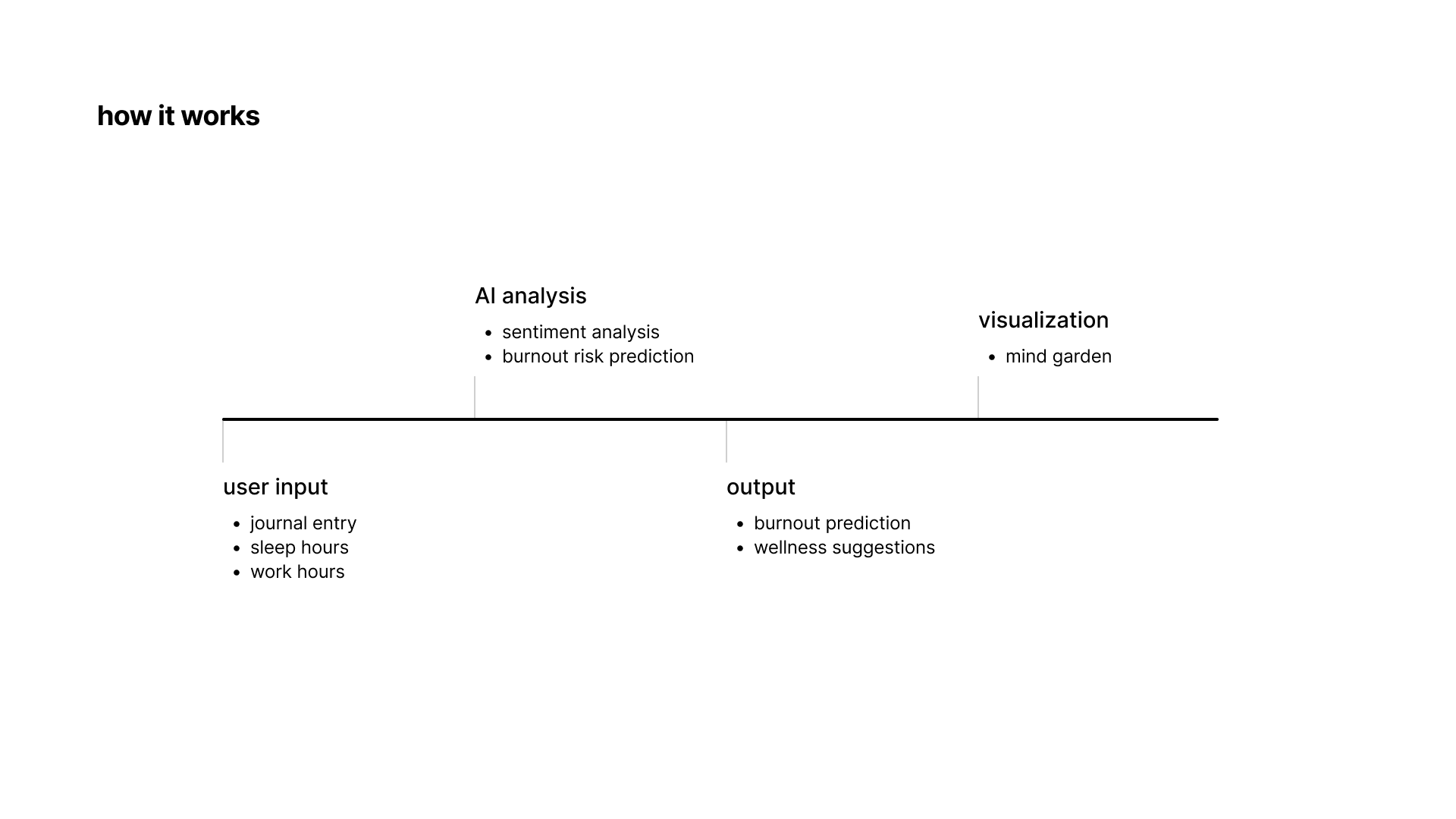
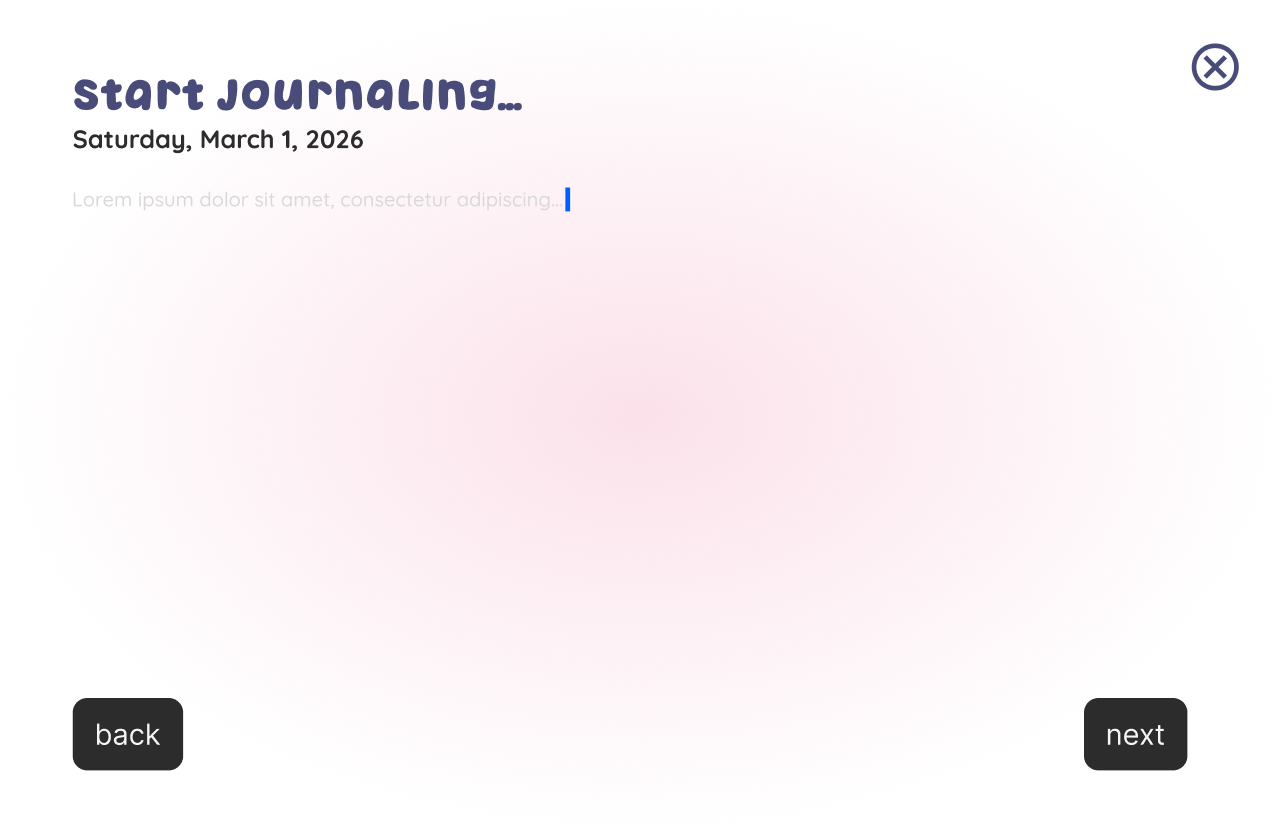
Journaling is a form of personal telling that reveals emotional patterns over time. It allows people to reflect on their thoughts and emotions after a long day. By combining journal reflections with life, while considering their sleep and work habits, to give them signs about burnout and how to prevent it effectively every day.
How we built it
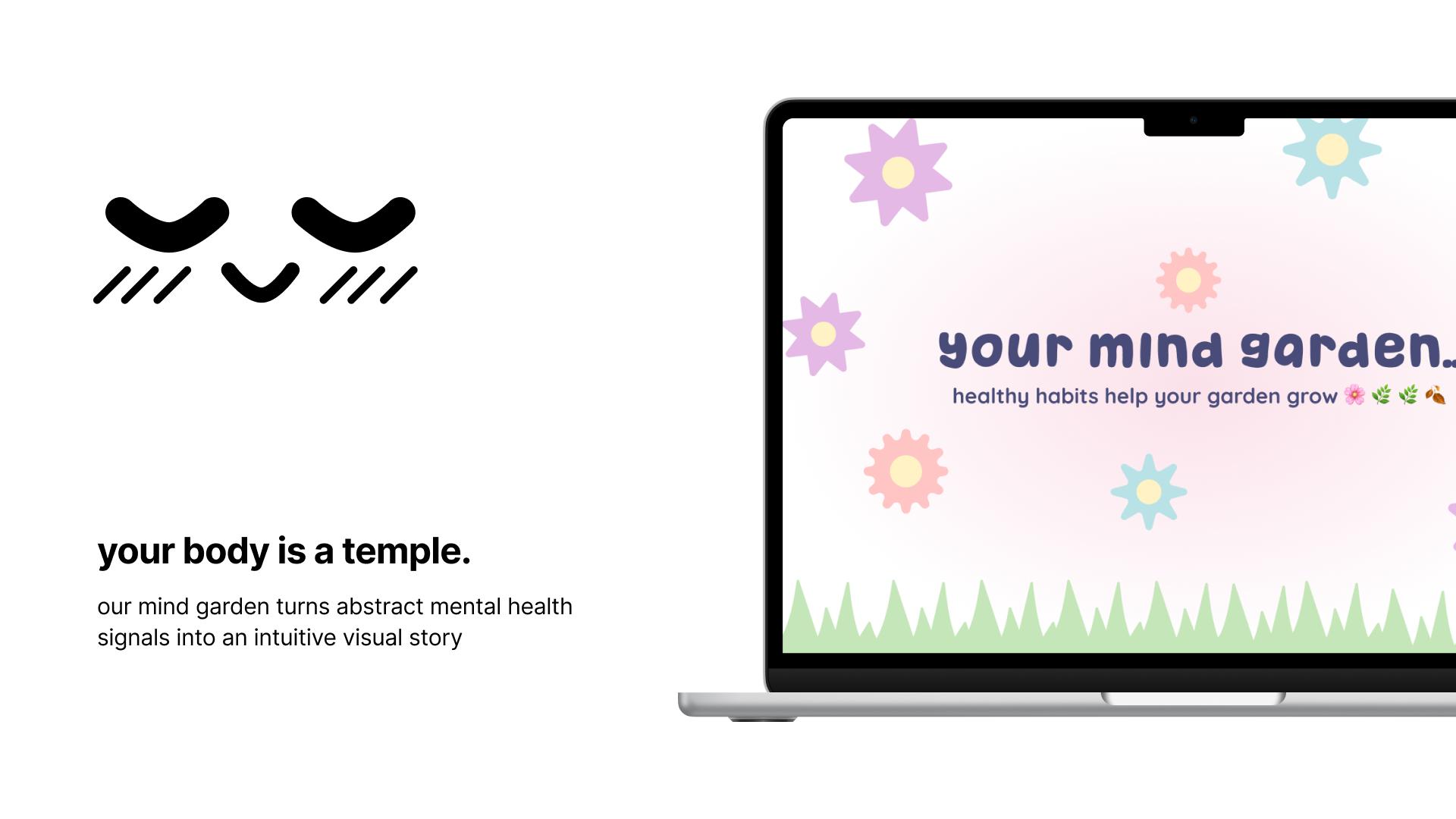
For the interface, we built it with NextJS and TailwindCSS to create a lively, easy-to-navigate experience that helps you grow your mental well-being like a garden.
For burnout prediction, we first used the Sentiment140 dataset to train a custom sentiment score using IF-IDF vectorization and Logistic Regression. Then we built another custom model to predict burnout risk using the Synthetic HR Burnout Dataset and obtain the burnout score. After that, we incorporated sleep hours with a penalty based on hours and created a custom final formula in which 50% depends on the journal entry's mood and 20% on the sleep hours, 30% on work factors.
Challenges we ran into
One of our biggest challenges was designing a system that could translate technical language into something intuitive and meaningful for users. We wanted to avoid overwhelming users with raw data and instead create a gentle, understandable experience.
Accomplishments that we're proud of
We're proud to have turned complex wellness data into a visual, reflective experience using the mind garden concept. By combining journal sentiment analysis, behavioural signals, and artistic visualization, we created a system that helps users understand their mental well-being in a more human-centred way.
What we learned
We learned how important design and storytelling are when building wellness-focused technology.
We also gained experience working with...
- Sentiment analysis and basic machine learning pipelines
- Building a full-stack application using modern web technologies
What's next for Zen Garden
- Garden growth animations that evolve with healthier habits
- Mood-based visual environments that reflect emotional trends
Built With
- fastapi
- gemini
- machine-learning
- next.js
- python
- react
- tailwindcss

Log in or sign up for Devpost to join the conversation.