Inspiration
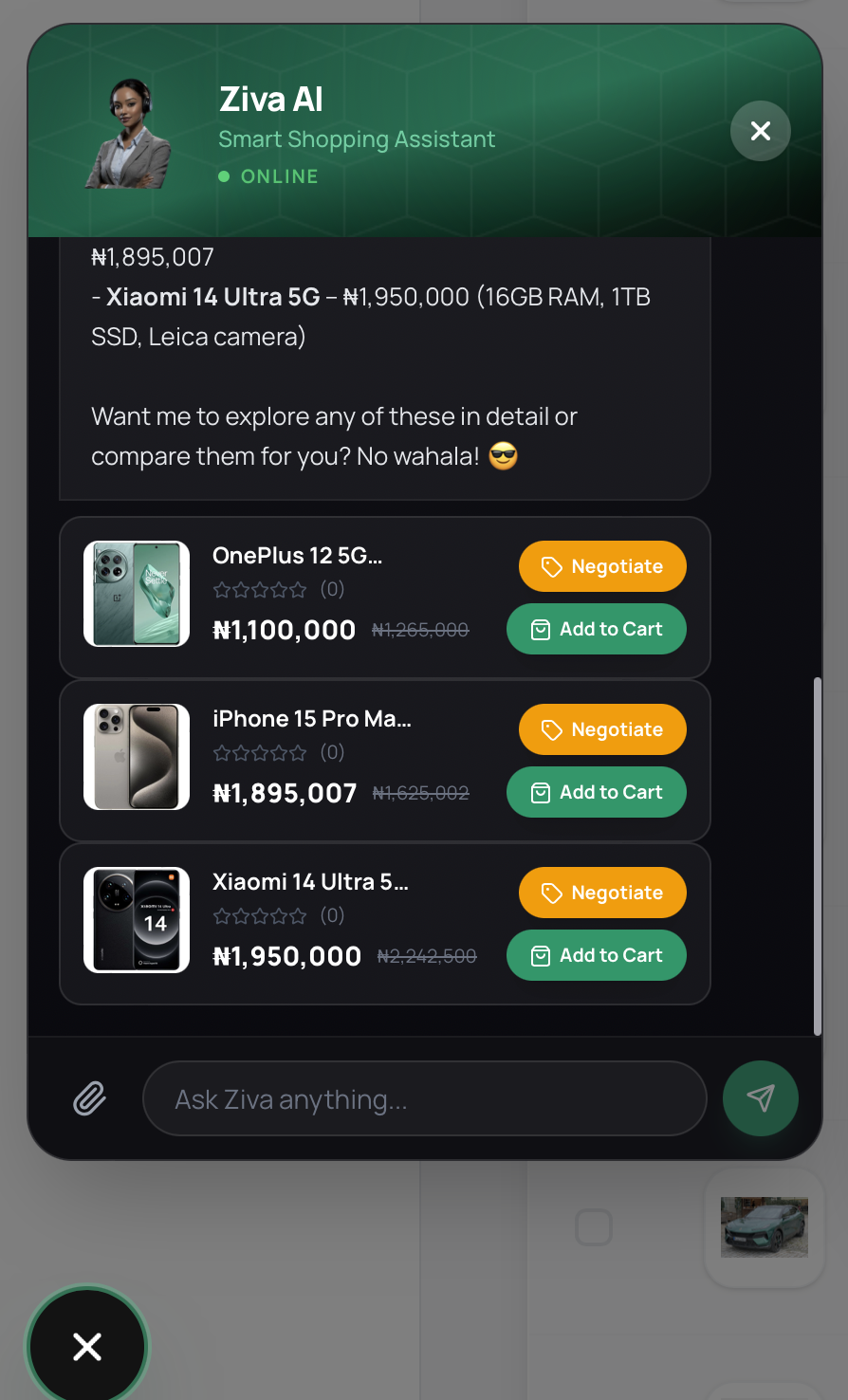
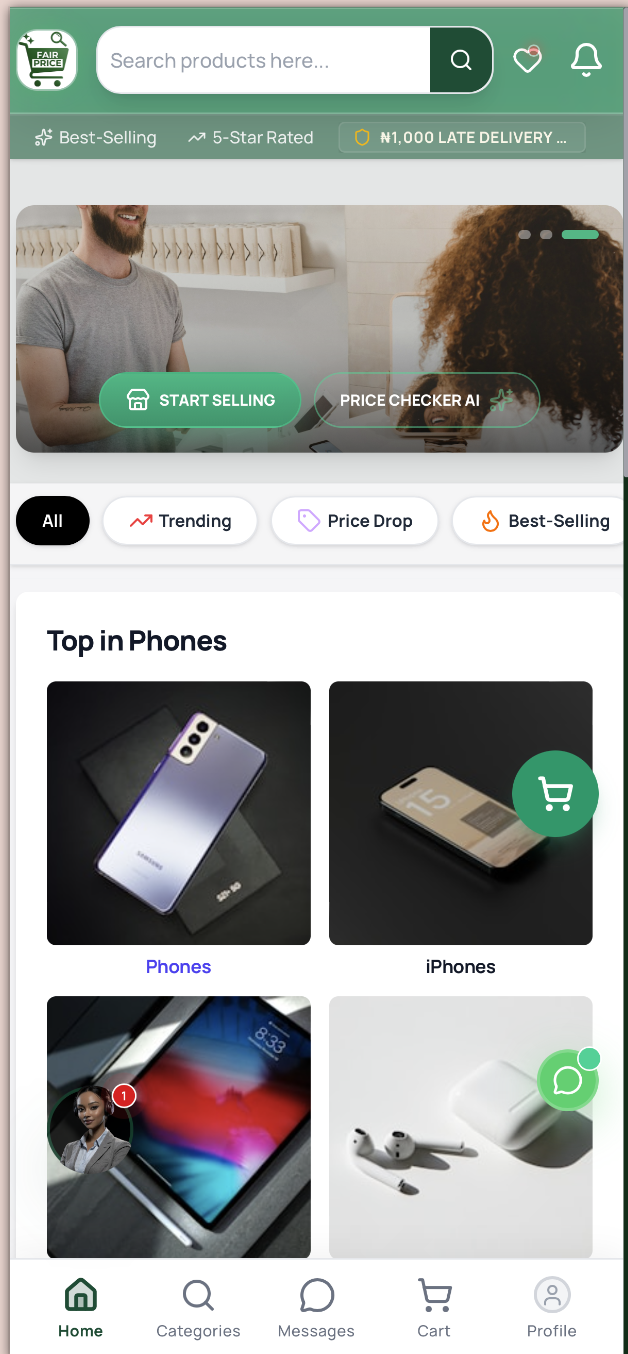
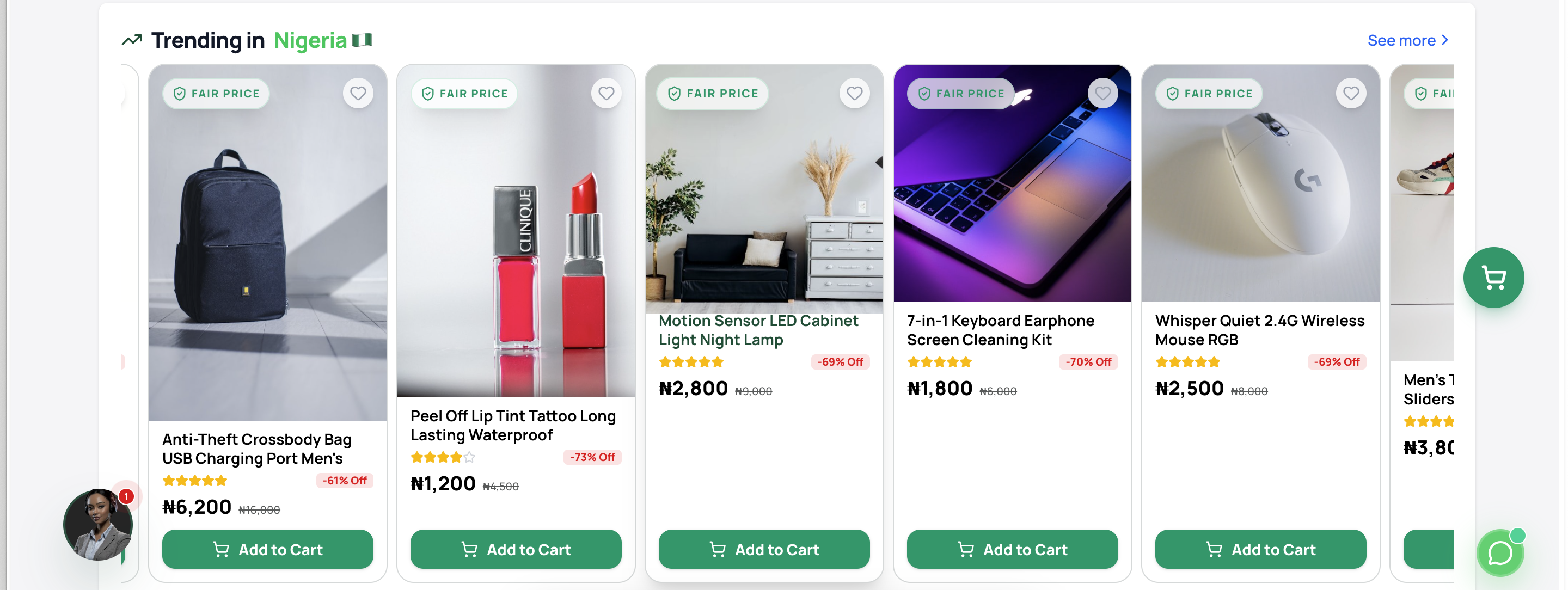
Nigeria's informal commerce runs on trust, speed, and human relationships — but the back-office that supports it is still manual. Sellers on FairPrice.ng, our live escrow marketplace, were losing hours every day to repetitive order processing: checking stock, updating tracking, releasing escrow, sending Paystack payouts, and notifying buyers. A missed step meant a delayed payout or a frustrated customer.
We asked: what if the entire commerce back-office ran itself — with humans only stepping in at the moments that truly matter?
What it does
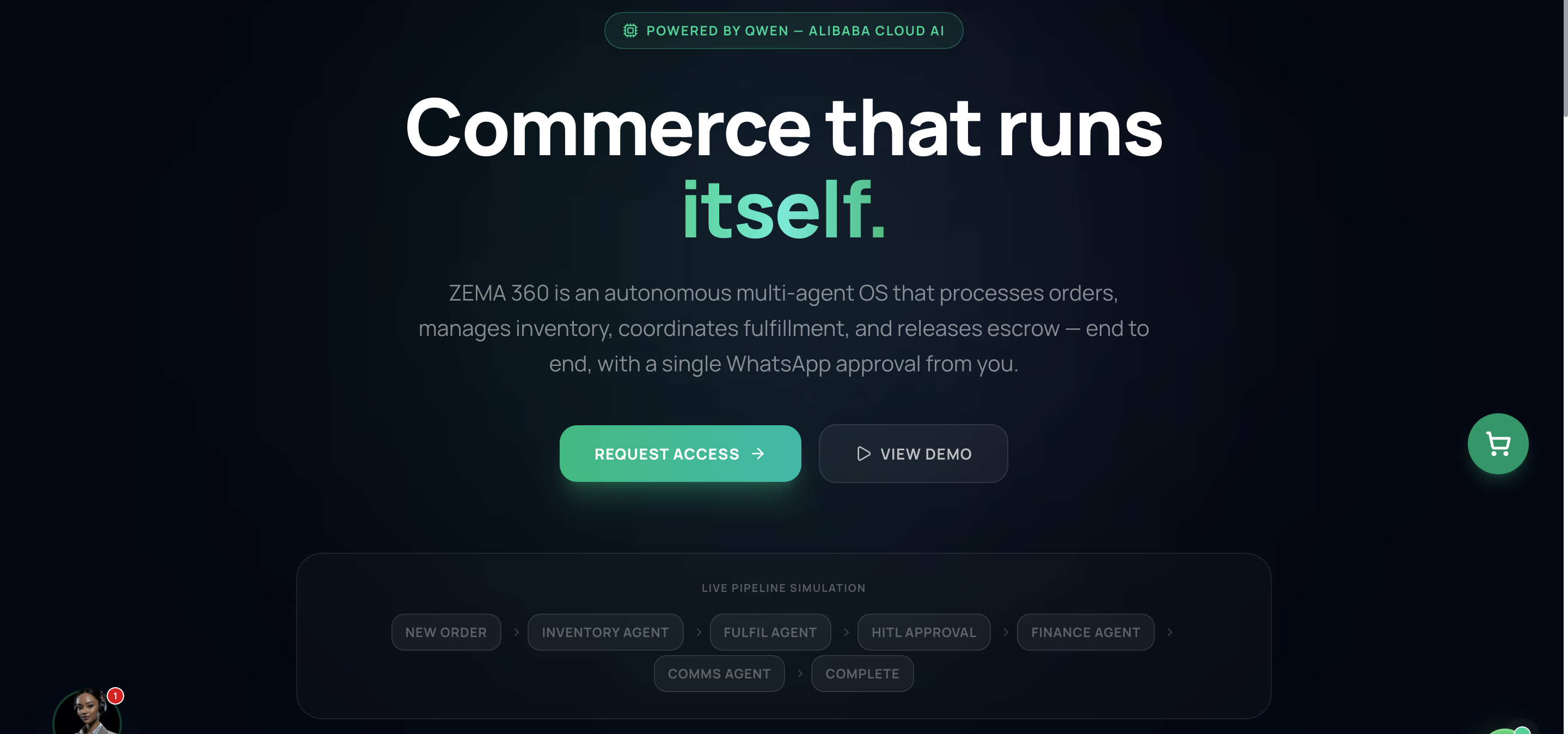
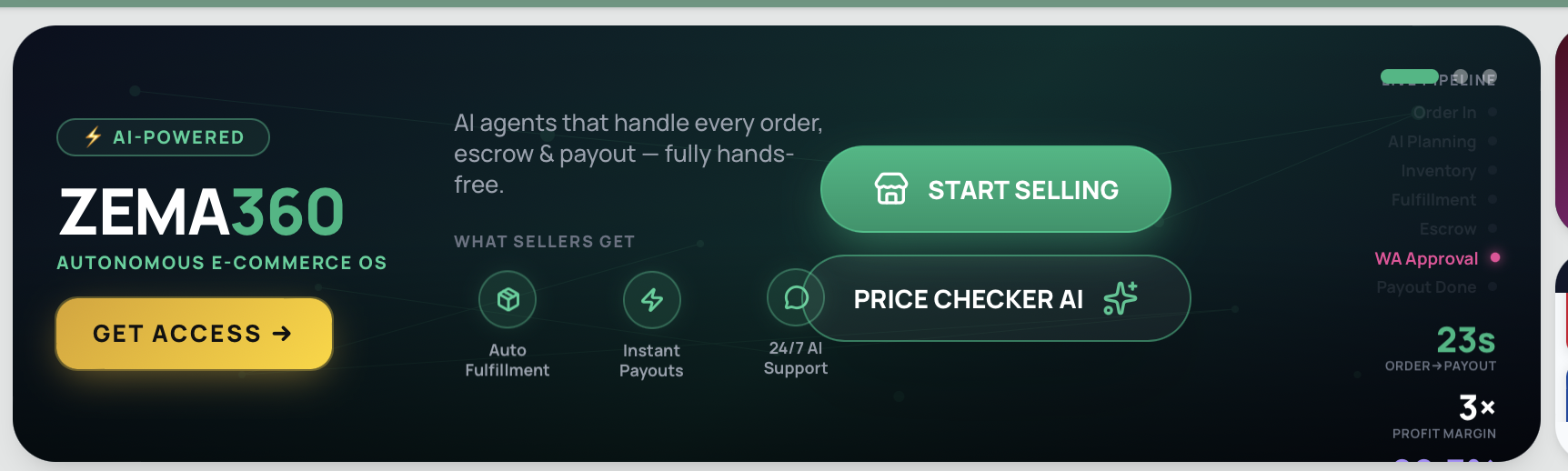
ZEMA 360 is an autonomous commerce operating system built on UiPath Maestro BPMN. When a new order lands on FairPrice.ng, ZEMA 360 automatically orchestrates the full lifecycle:
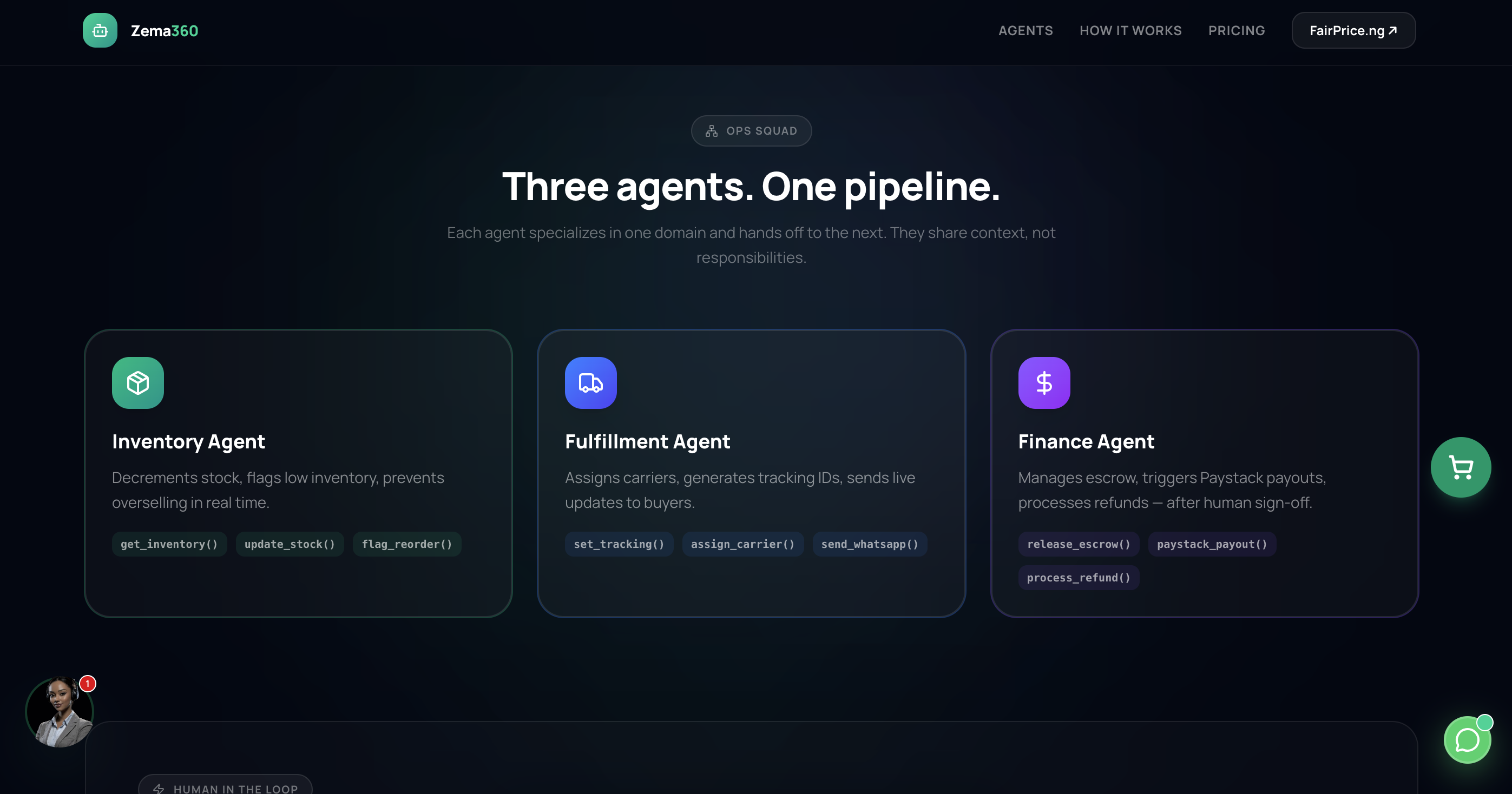
- Inventory Agent (Qwen AI) — verifies stock availability and reserves units
- Fulfillment Agent — assigns tracking ID and carrier, patches the order record
- Finance Decision — evaluates payout amount; routes large payouts (>₦500k) to human approval
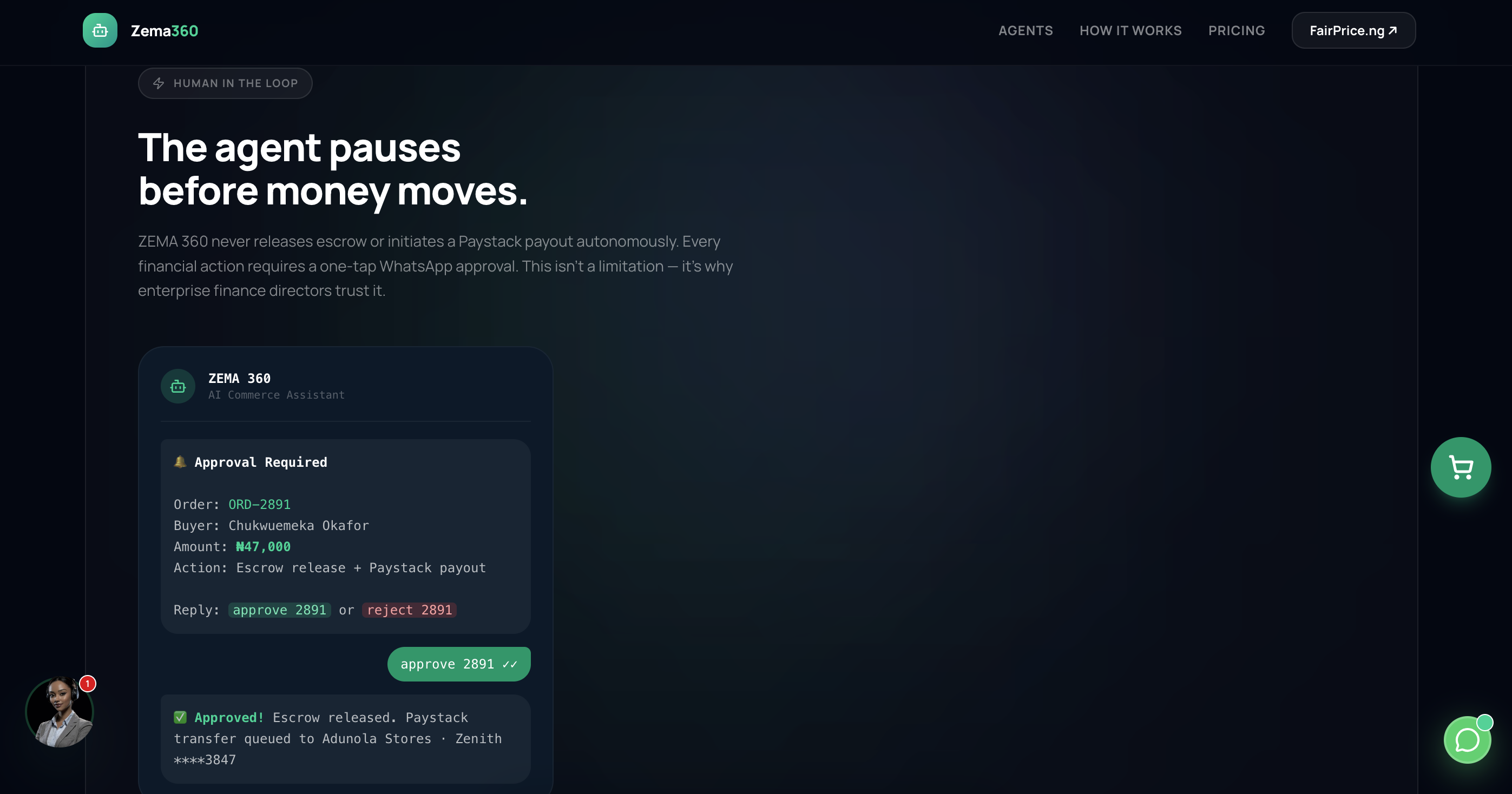
- WhatsApp Human-in-the-Loop — sends approval request to the merchant via WhatsApp; waits for
approve <id>orreject <id>reply - Escrow Release — calls FairPrice's escrow service to unlock funds
- Paystack Payout — initiates real bank transfer to the seller
- Buyer Notification — WhatsApp message confirms delivery and payment
Every step is a UiPath API Workflow or BPMN task calling the live FairPrice.ng API. No mocks. No simulations.
How we built it
- UiPath Maestro BPMN as the process orchestration layer — models the full order-to-payout flow with gateways, human tasks, and service tasks
- UiPath API Workflows — each step calls a live FairPrice.ng REST endpoint (orders, escrow, Paystack payout, WhatsApp)
- Qwen AI agents (via Alibaba DashScope) — LLM-powered inventory and fulfillment decisions embedded as external agents within the BPMN flow
- WhatsApp HITL — UiPath Human Task triggers a WhatsApp message; the inbound webhook resolves approve/reject and resumes the BPMN process
- Claude Code — used throughout to scaffold the UiPath API Workflow integration layer, generate the BPMN process definitions, write the README and setup instructions, and build the Claude Code bonus documentation. Every Claude Code session was logged with prompts and outputs.
- Next.js 15 + Neon Postgres — live FairPrice.ng backend providing the REST APIs that UiPath orchestrates
Challenges we ran into
- HITL timing: Suspending a BPMN process mid-flow and resuming it on an inbound WhatsApp webhook required careful correlation ID management between UiPath and the Next.js webhook handler
- Qwen tool-call chaining: Qwen3-max extended thinking mode returns
content: nullfor some queries — resolved by disabling thinking mode and usingreasoning_contentas fallback - Real money, real stakes: Since this uses actual Paystack transfers and escrow balances, we built a staging flag that routes to test Paystack keys in non-production runs
What we learned
UiPath Maestro BPMN is genuinely powerful for orchestrating heterogeneous actors — robots, agents, APIs, and humans — in a governed, auditable flow. The BPMN visual model maps directly to how Nigerian commerce actually works: sequential steps with human gatekeeping at high-value decisions.
What's next
- Seller onboarding lifecycle (document upload → KYC → listing approval)
- Multi-currency payout routing
- Anomaly detection agent for fraud signals before escrow release
- ZEMA 360 as a white-label API for other African marketplaces
Built With
- claude-code
- framer
- motion
- neon-postgres
- next.js-15
- paystack
- python
- qwen-ai-(alibaba-dashscope)
- typescript
- uipath-agent-builder
- uipath-api-workflows
- uipath-maestro-bpmn
- whatsapp-business-api


Log in or sign up for Devpost to join the conversation.