-
-

Daily Writing Challenges
-
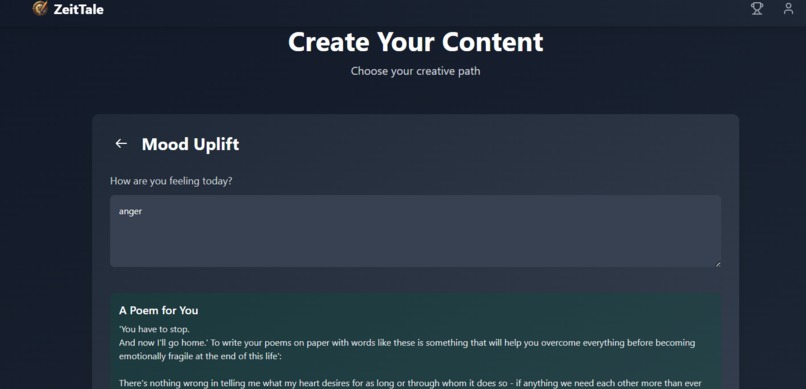
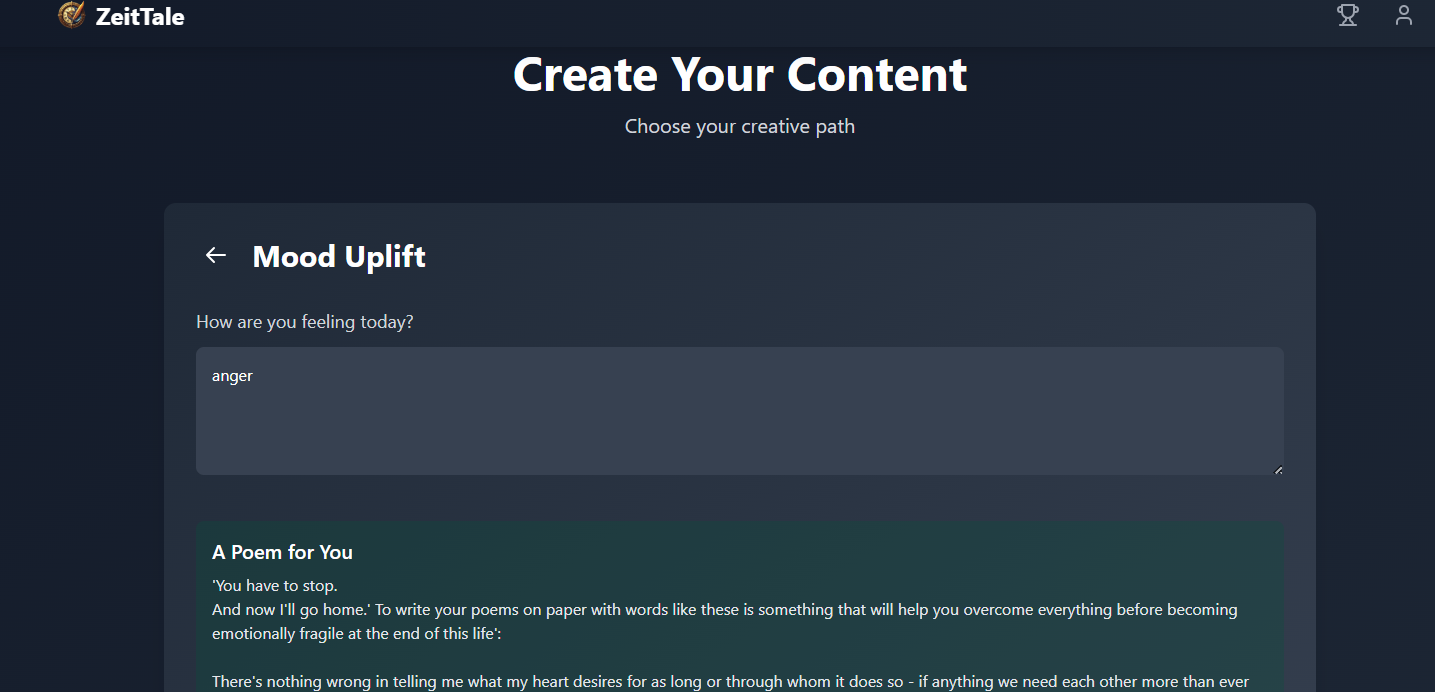
Create Your Content
-

Authentication
-

Location-Based Story Generator
-

Landing Page
-

Types of story generator





🌉 Twilight Over Golden Shadows Inspiration The image of the Golden Gate Bridge at twilight, drenched in hues of orange and blue, instantly evoked a deep sense of nostalgia, mystery, and isolation. The structure — iconic, majestic, and silent — felt like the perfect setting for a tale of love, betrayal, and redemption.
I imagined this bridge not just as a landmark, but as a witness to secrets buried beneath its grandeur. What if someone vanished here, not to die, but to survive? That single question became the seed for Twilight Over Golden Shadows.
What I Learned Writing this story taught me:
How environment shapes narrative: A single image can spark an entire universe if you let the atmosphere dictate emotion and plot.
Blending genres: Crafting a story that merges romance, thriller, and noir requires balancing tone — too much suspense and you lose the heart; too much love and the tension breaks.
Character depth under pressure: By placing characters in morally grey areas (e.g., faking betrayal, working undercover), I learned to develop more layered and human characters.
How I Built the Story The creative process was structured around a few core building blocks:
Setting First:
The image gave me the where. Everything else expanded from that haunting view at dusk.
Backstory and Stakes:
I sketched Elena and Rowan's past — lovers torn apart by a corrupt system.
Introduced Adrian Voss as the manipulative villain with high-tech influence and political immunity.
Narrative Arcs:
Elena’s transformation from lawyer to undercover whistleblower.
Rowan’s loyalty being tested.
The classic “fake betrayal” trope flipped into a tool for justice.
Twists and Suspense:
Built multiple layers of betrayal and suspicion, especially around Voss’s mole.
Revealed that Rowan’s father, presumed dead, was alive and aligned with the villain.
Emotional Resolution:
Even with a high-stakes plot, the emotional closure between Elena and Rowan mattered most. The final scene mirrors the first — but with hope.
Challenges Faced Maintaining Coherence Amid Twists:
With several layers of betrayal and suspense, it was hard to ensure the story remained coherent and not convoluted. I had to rewrite scenes to clarify motivations and timelines.
Balancing Genres:
The story could’ve leaned too much into espionage or too deeply into romance. Finding a rhythm between action, plot advancement, and emotional moments required thoughtful pacing.
Making Characters Believable:
Elena’s sudden skill as an undercover operative had to be justified. I had to build in hints to her intelligence, legal prowess, and moral drive early in the story to make her transformation believable.
Final Thoughts Twilight Over Golden Shadows isn’t just a story. It’s a testament to how a single image — a bridge between two lands — can inspire a bridge between hearts, between the past and future, between justice and chaos.
And maybe, just maybe, between you and your next idea.
