Zappin - AI-Powered Personal Finance Manager
Inspiration
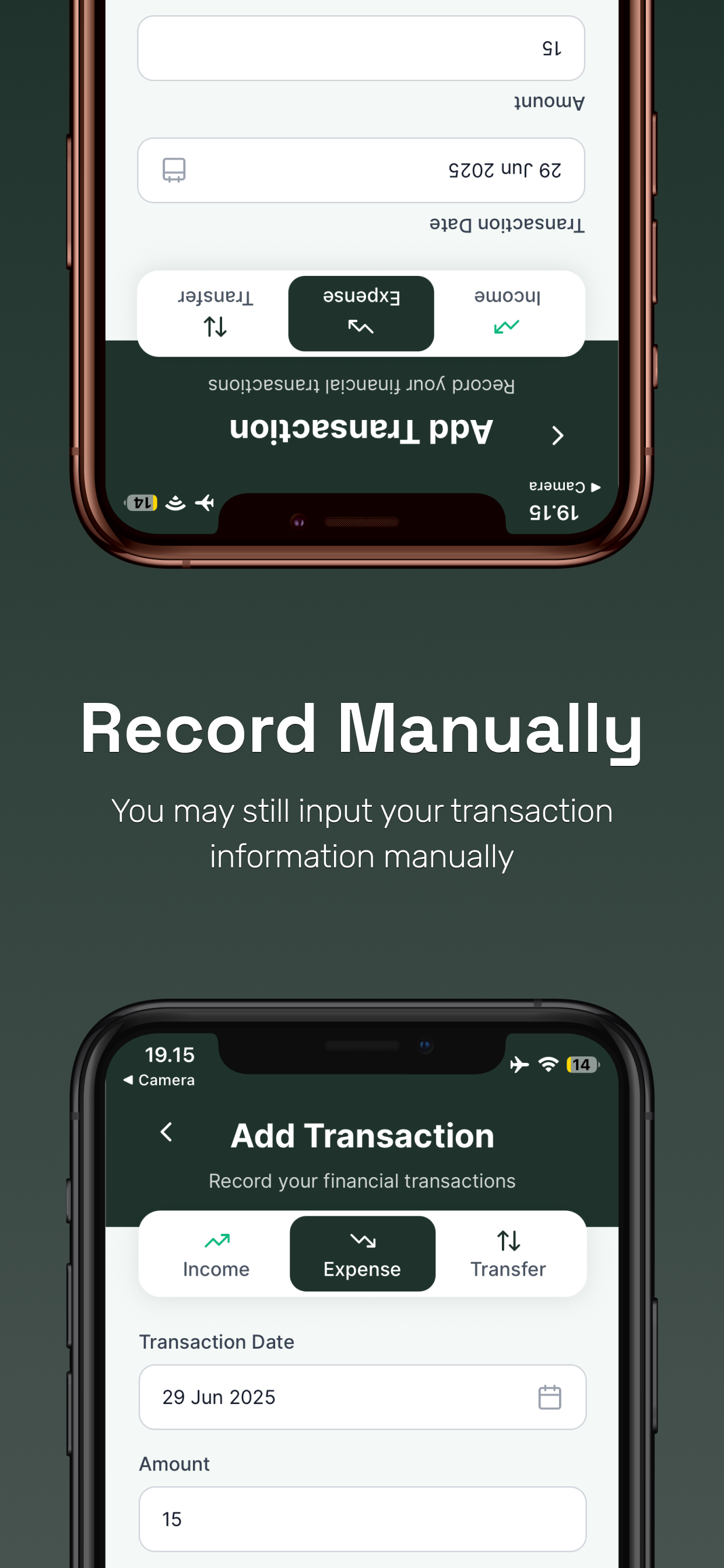
The inspiration for Zappin came from a personal frustration we've all experienced: managing finances across different aspects of our lives. Whether it's separating personal expenses from business costs, tracking family budgets, or simply avoiding the tedious task of manually entering every receipt, traditional finance apps fall short of real-world complexity.
We realized that while AI has revolutionized many industries, personal finance management still feels stuck in the past. Why should someone manually type "Coffee - $5.50" when they could simply take a photo? Why can't we just ask our finance app questions like we would ask a financial advisor? This gap between what's possible with modern AI and what's available in finance apps inspired us to build Zappin.
What it does
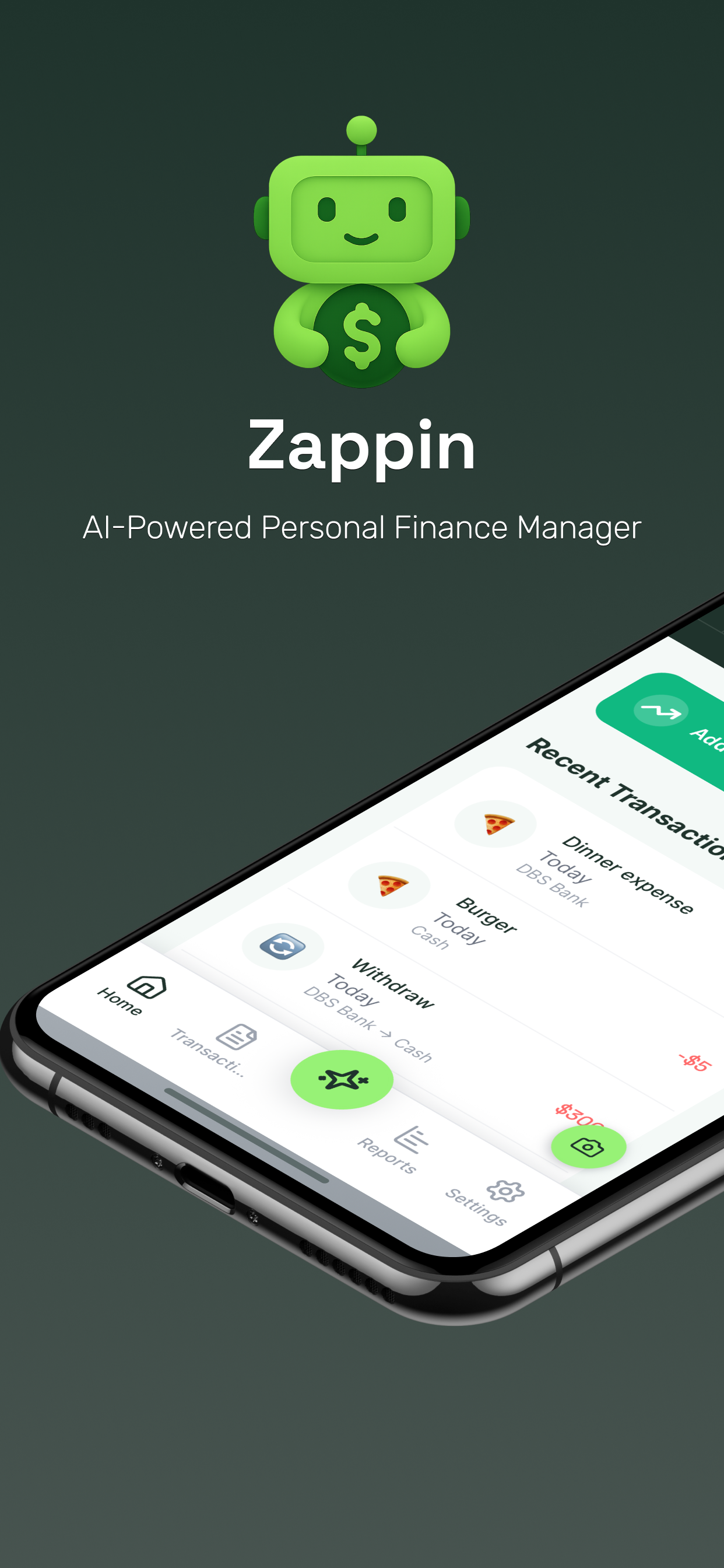
Zappin is an AI-powered personal finance manager that adapts to how people actually manage money in real life:
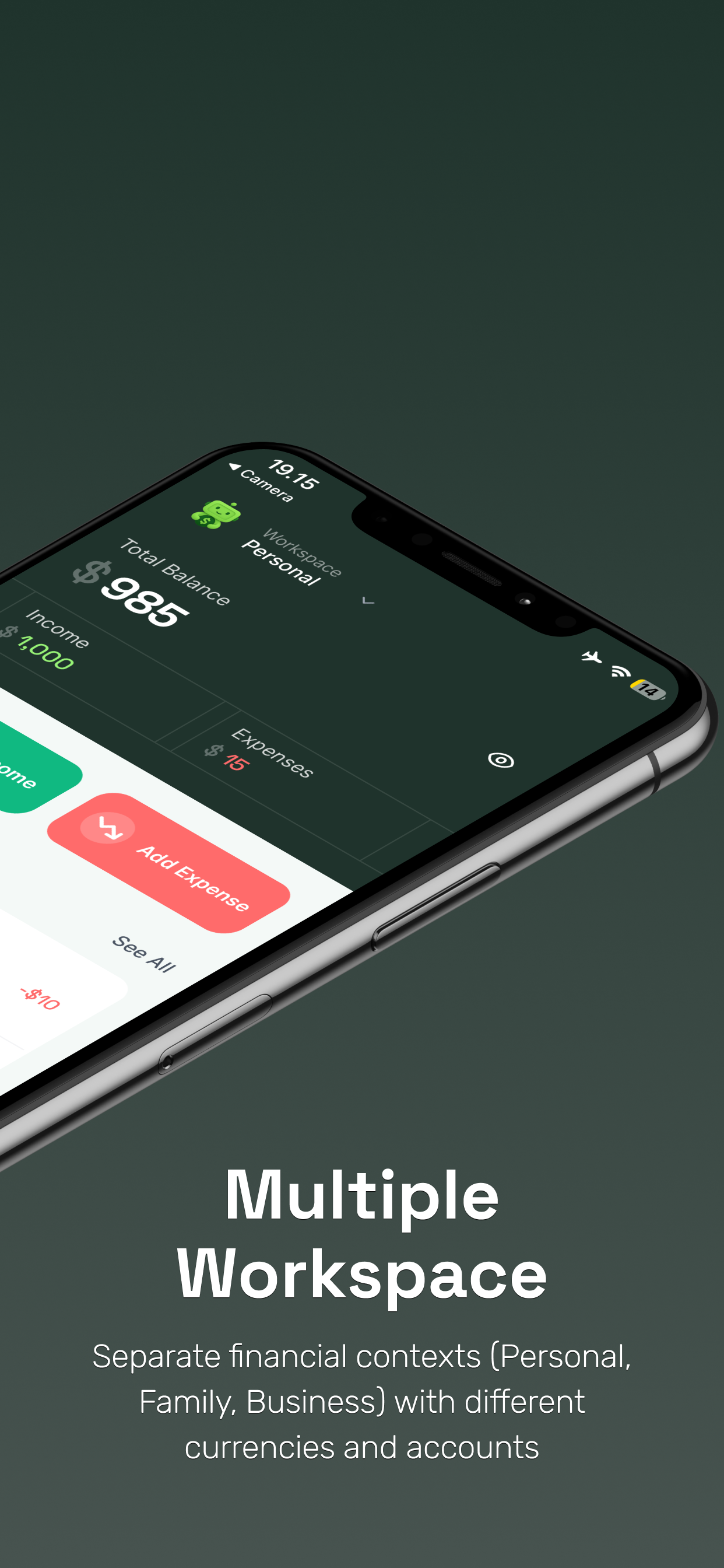
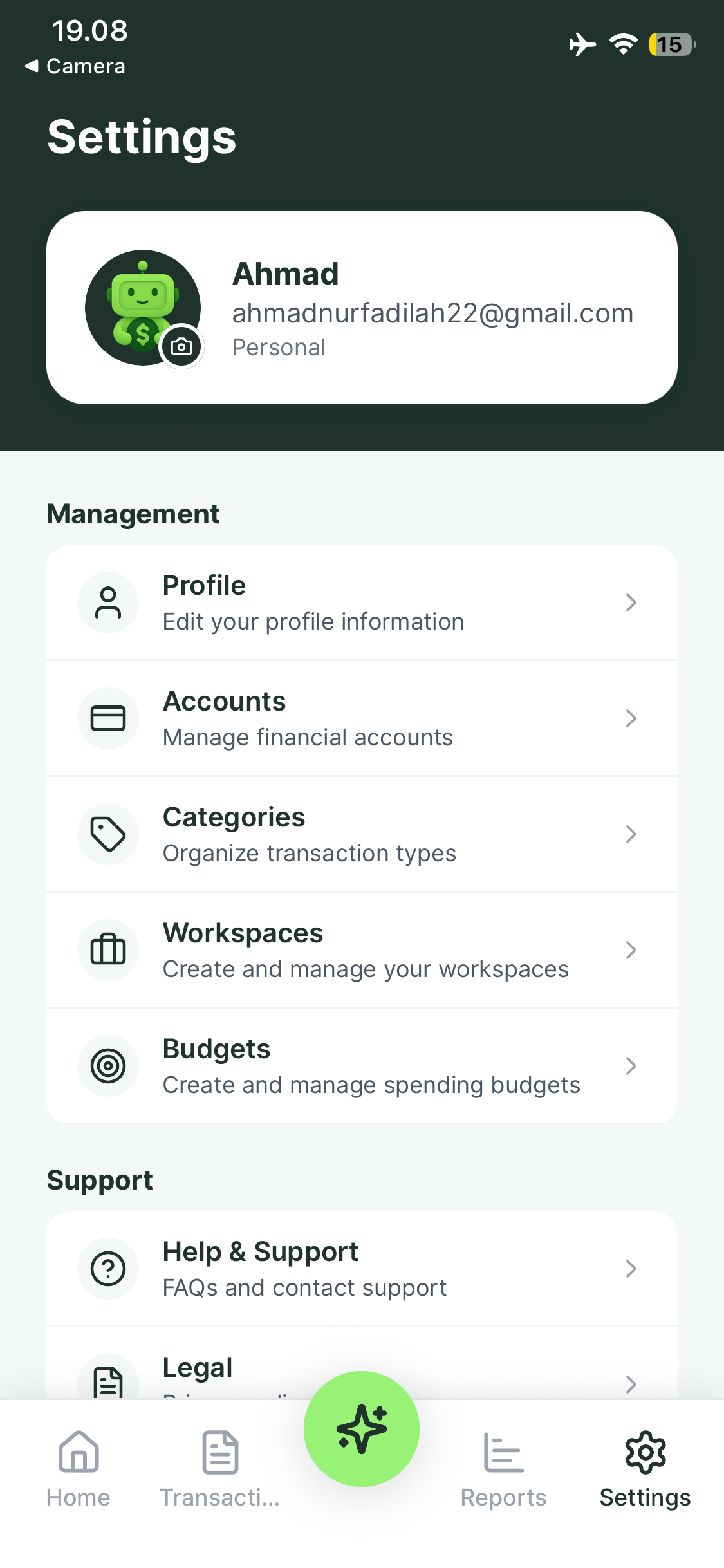
- Multi-Workspace Management: Users can create separate financial contexts (Personal, Family, Business) with different currencies and accounts
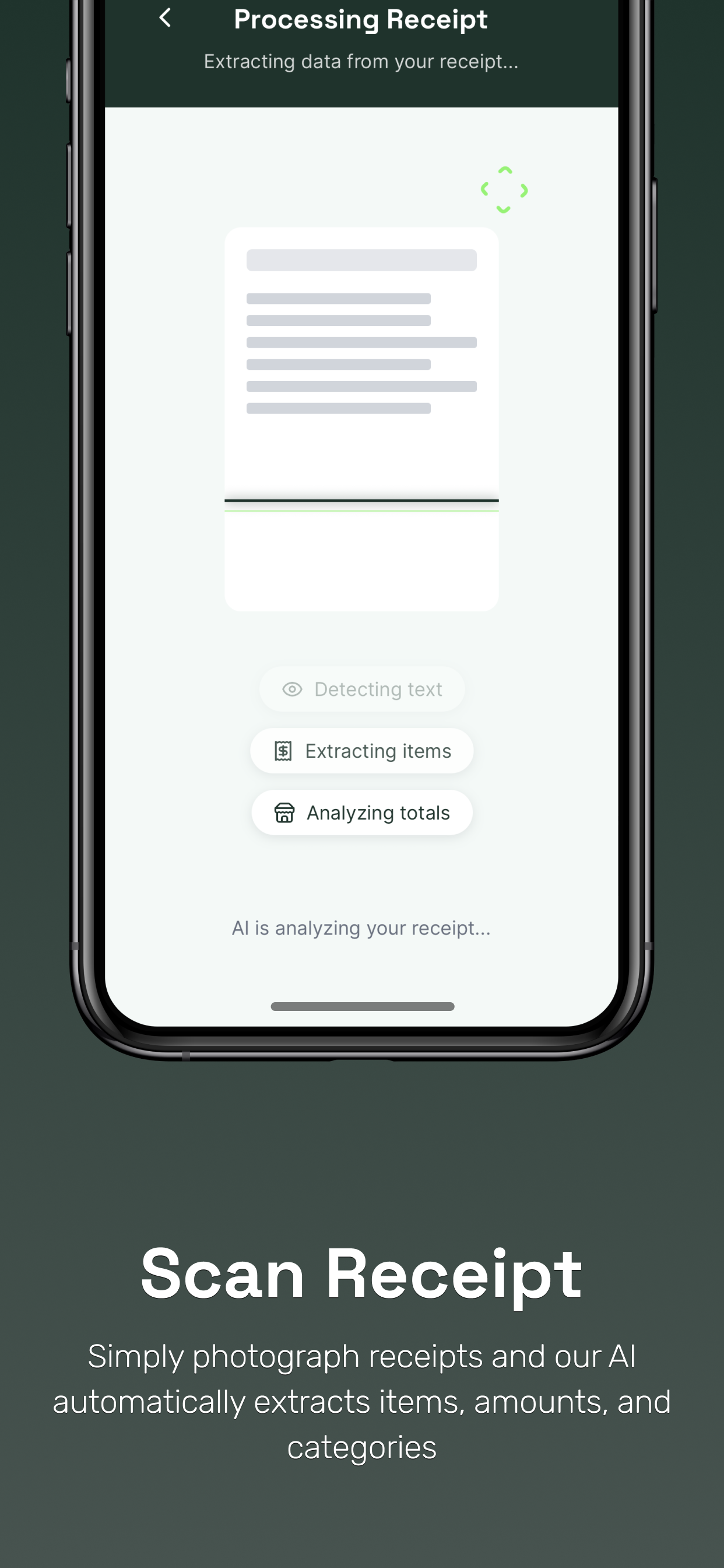
- AI Receipt Scanning: Simply photograph receipts and our AI automatically extracts items, amounts, and categories
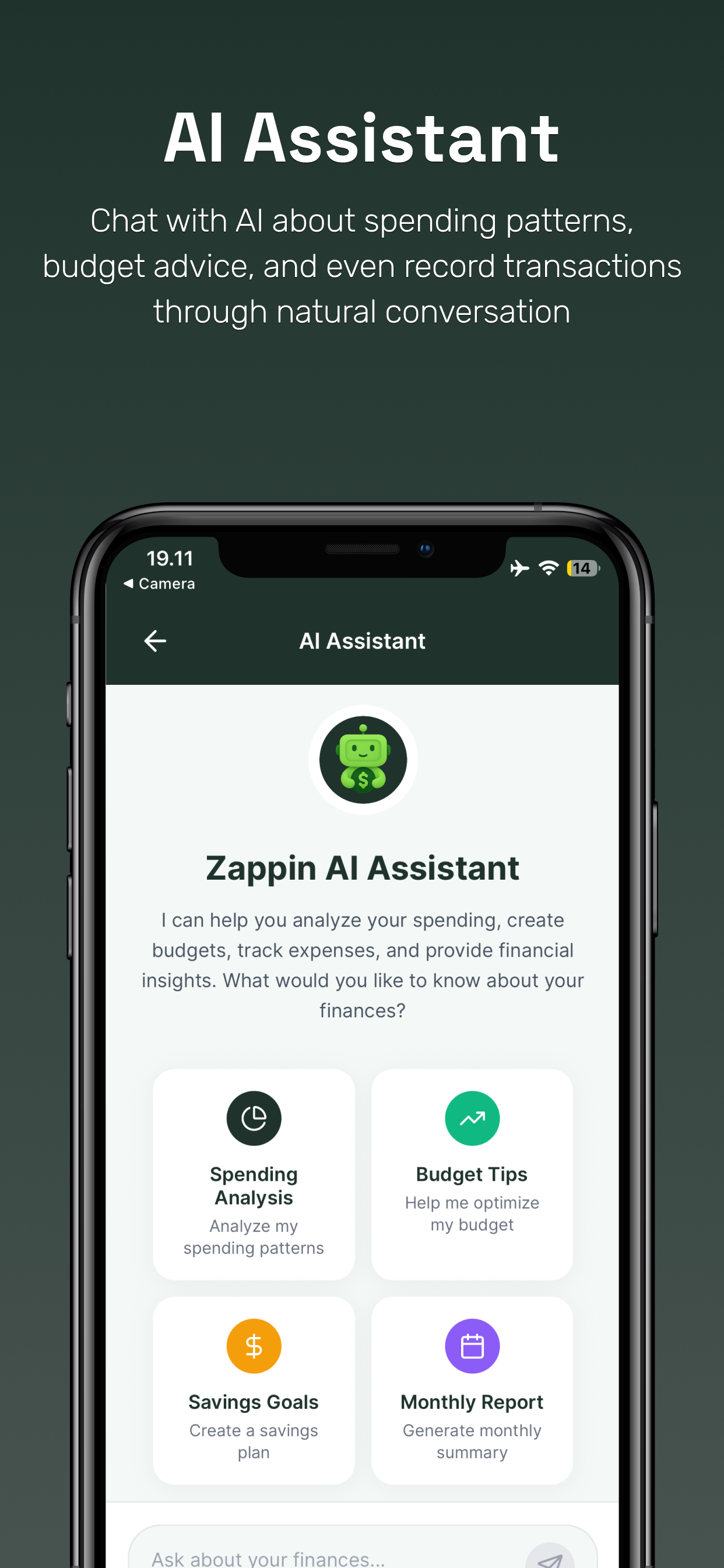
- AI Assistant: Chat with AI about spending patterns, budget advice, and even record transactions through natural conversation
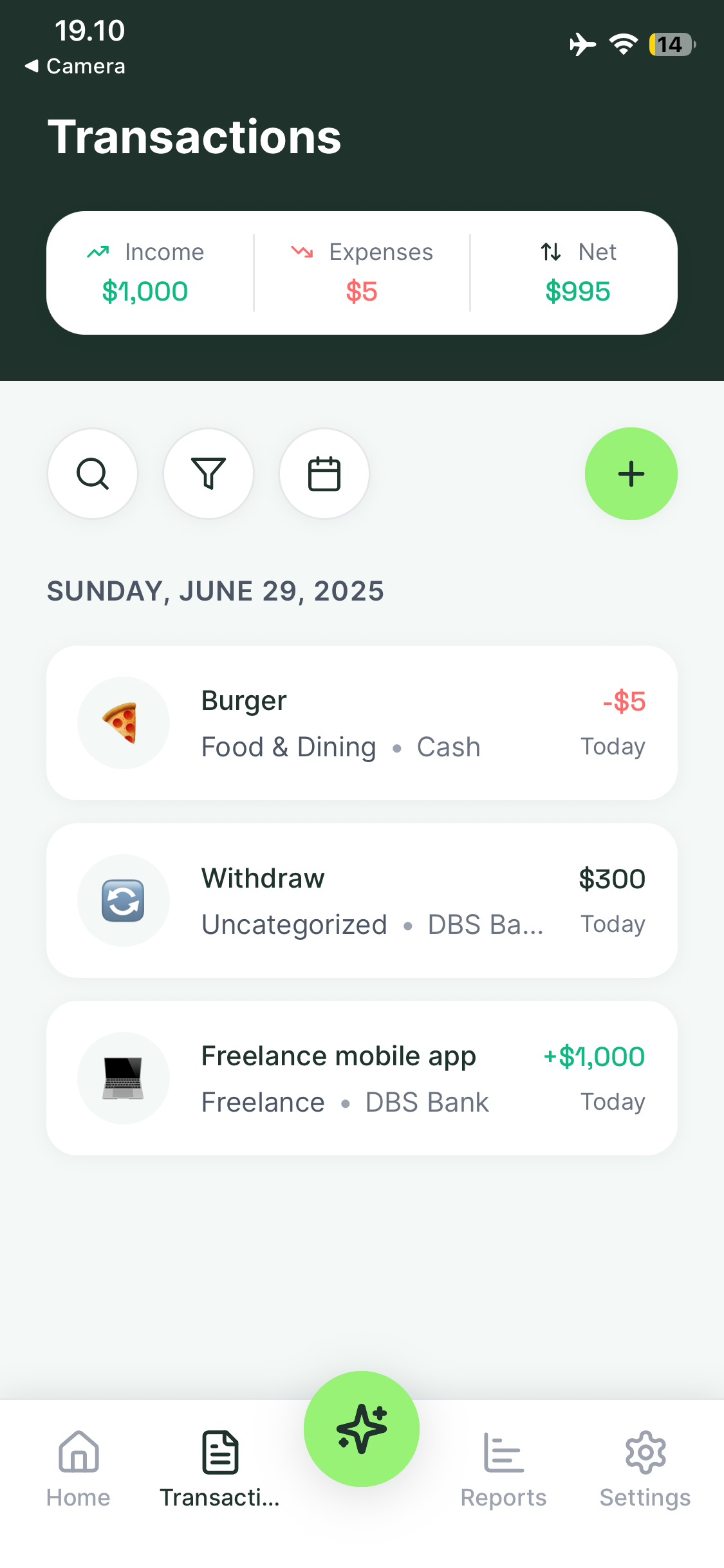
- Comprehensive Finance Tools: All standard features like transaction tracking, budgeting, reporting, and account management
How we built it
Zappin was built primarily using bolt.new (approximately 90% of development), which allowed us to rapidly prototype and iterate on the user interface and core functionality. This AI-powered development platform enabled us to:
- Quickly build responsive React components for all major features
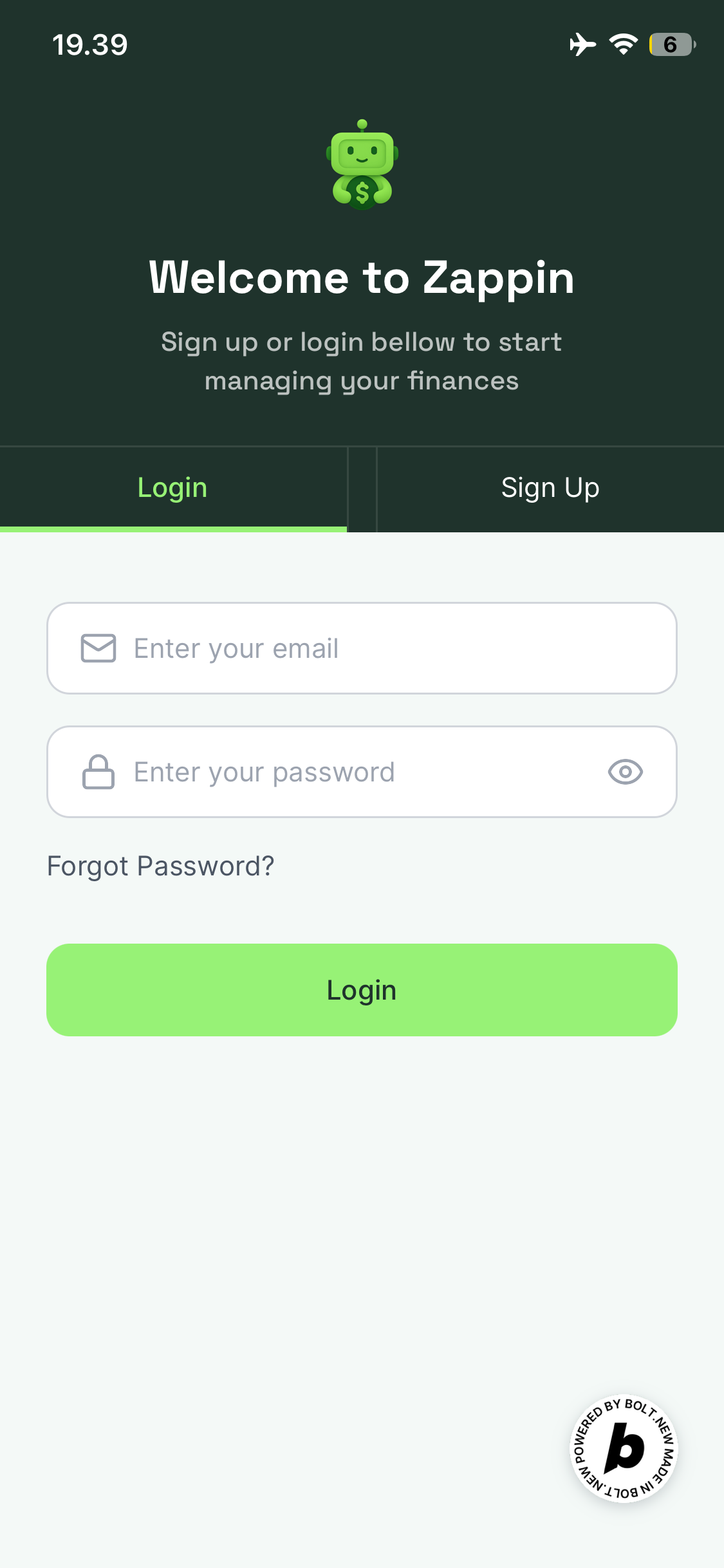
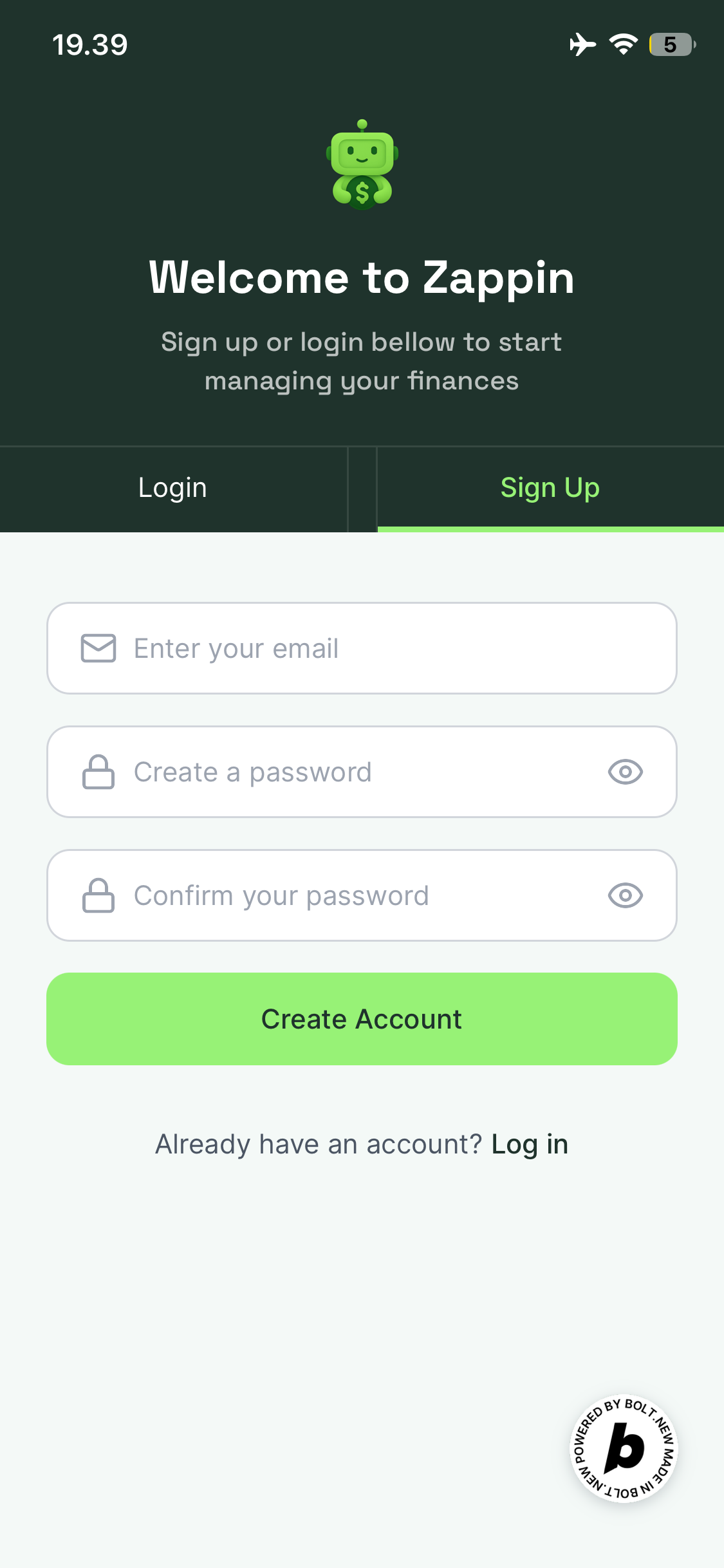
- Implement authentication features with Supabase
- Implement complex state management for multi-workspace functionality
- Create database schema & migration
- Create intuitive user flows from onboarding to daily usage
The remaining 10% involved custom coding for:
- RevenueCat integration for subscription management and monetization
- App Store and Google Play Store submission processes
- API integrations for AI services (receipt scanning and conversational AI)
- Performance optimizations and platform-specific adjustments
We chose this hybrid approach because bolt.new excelled at rapid UI development and feature implementation, while custom coding was necessary for platform-specific integrations and store submissions.
Challenges we ran into
- AI Accuracy vs Speed: Balancing receipt scanning accuracy with processing speed was tricky. We had to fine-tune our AI models to quickly recognize various receipt formats while maintaining high accuracy.
- Multi-Workspace State Management: Managing financial data across different workspaces while ensuring data isolation and smooth switching proved complex.
- Platform Deployment: Transitioning from bolt.new's development environment to production-ready apps for iOS and Android app stores required significant configuration and optimization work.
- User Experience Flow: Designing an onboarding process that doesn't overwhelm users while ensuring they set up workspaces and accounts correctly was an iterative challenge.
Accomplishments that we're proud of
- Rapid Development: Built a fully functional, feature-rich finance app in record time using modern AI development tools
- Seamless AI Integration: Successfully integrated multiple AI capabilities (receipt scanning, conversational assistant) into a cohesive user experience
- Real-World Problem Solving: Created a solution that addresses actual pain points in personal finance management, not just theoretical problems
- Cross-Platform Success: Successfully deployed to both iOS and Android app stores with proper monetization infrastructure
- Intuitive UX: Designed user flows that make complex financial management feel simple and natural
What we learned
- AI-Assisted Development: bolt.new demonstrated how AI can accelerate development without sacrificing quality, allowing us to focus on user experience rather than boilerplate code
- User-Centric Design: The importance of designing around real user behaviors (like having separate financial contexts) rather than forcing users to adapt to app limitations
- AI Integration Complexity: While AI capabilities are powerful, integrating them seamlessly into user workflows requires careful consideration of context, accuracy, and user expectations
- Rapid Prototyping Value: The ability to quickly iterate on features and get user feedback early in the development process was invaluable
- Platform-Specific Considerations: Even with cross-platform development, each app store has unique requirements that need dedicated attention
What's next for Zappin
Immediate Roadmap:
- Voice Integration: Implementing ElevenLabs integration for voice-based interactions ("Hey Zappin, how much did I spend on groceries this week?")
- Enhanced AI Insights: Predictive spending analysis and personalized financial recommendations
- Collaborative Workspaces: Allow family members or business partners to collaborate within shared workspaces
Future Vision:
- Smart Bill Management: Automatic bill detection and payment reminders
- Investment Tracking: Integration with investment platforms for comprehensive wealth management
- Advanced Analytics: Machine learning-powered spending pattern recognition and anomaly detection
- API Ecosystem: Open APIs for integration with banks, credit cards, and other financial services
- Global Expansion: Multi-language support and region-specific financial features
Zappin represents the future of personal finance management - where AI doesn't just automate tasks, but truly understands and adapts to how people manage money in their complex, multi-faceted lives.
Built With
- bolt.new
- expo.io
- reactnative

Log in or sign up for Devpost to join the conversation.