Inspiration
When we were given explanations about each track in GarudaHacks, Substainability was the first to catch our consent. At first, we thought that the track is bounded into the questions of how we can preserve nature and produce solutions to the continuously disintegrating ecosystems. But, the track was proven to be actually wider than what it seemed to be on surface.
We couldn't help but realize how much the problems emphasized within the track to be compatible with our visionary. Because some members of our team come from the families of entrepreneur, we are well-aware of the technology adoption level being used on the economic fields, especially for MSME. The better understanding over the identifiable problems in this field encourages us to do an even deeper and thorough research. After giving it a proper thought, we finally know what kind of innovation should we present.
In this ever-evolving world of businesses where technology plays a very major role on deciding who's the leading party, they need to be empowered with the right digital tools. AIs should've been able to help, but as of now, the amount of contributions they are able present to companies and MSME are still highly limited by inefficiency. While they serve as a great helper in general, their usage for enterprises and MSME lacks the adequate quality to save the generated data across sessions. It causes redudancy to happen often, leading to constantly high production rate of digital junks and terrible digital resource managements. And that, precisely, is the point we like to tackle. Not as a replacement or better version of the already available tools, Zapbytes is developed to fill in the hole in the enterprise's digital tools arsenal.
What it does
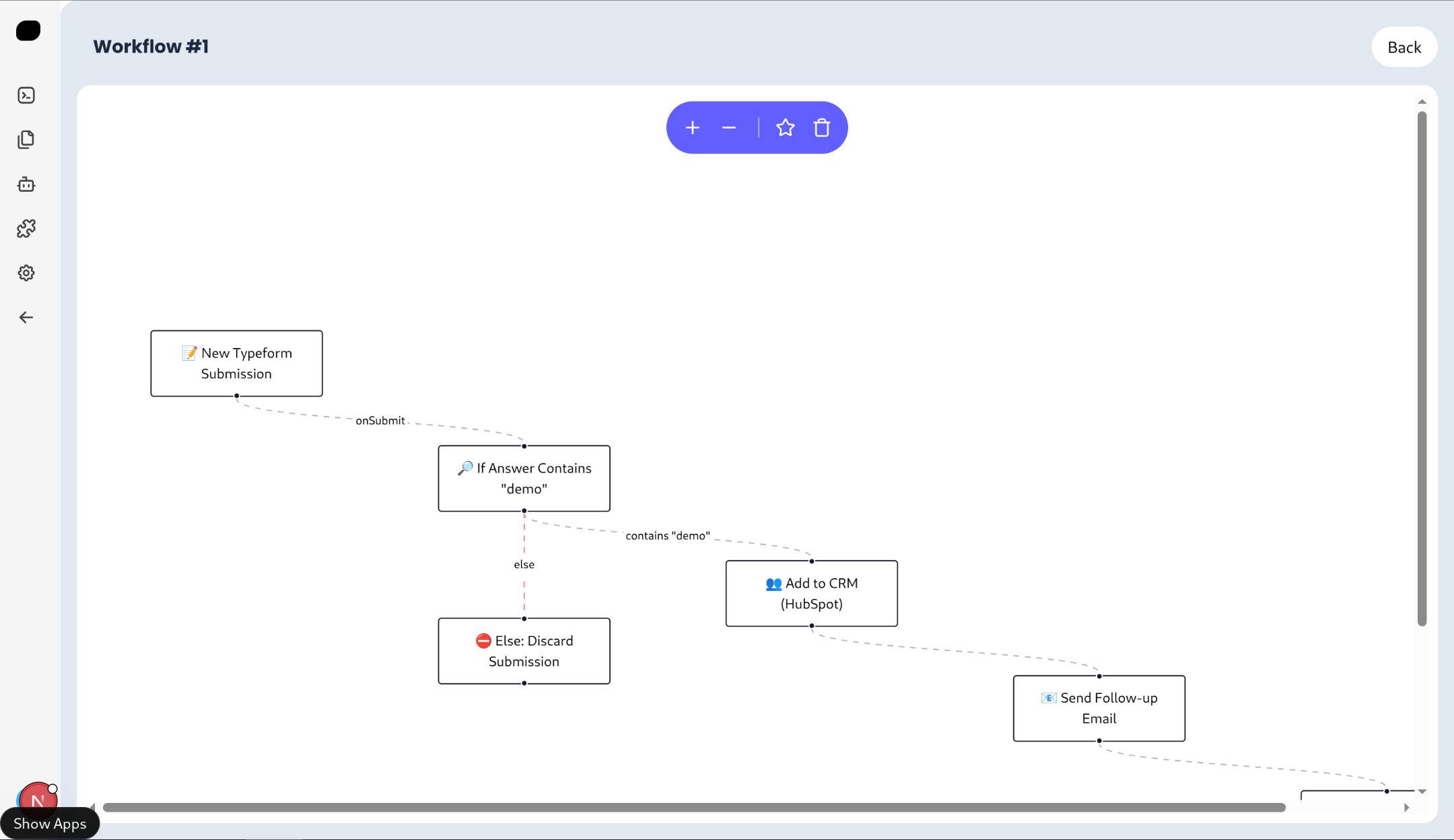
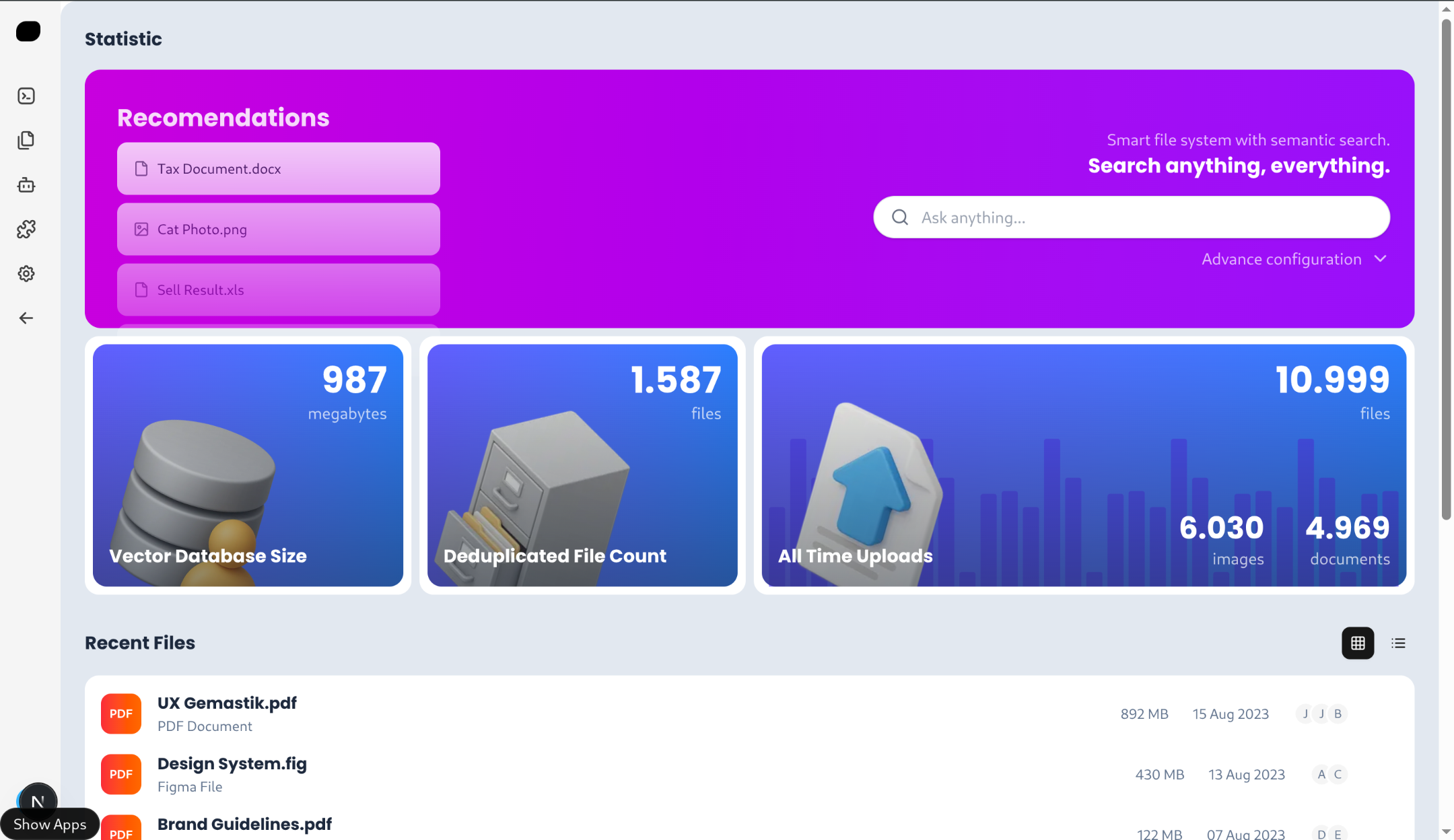
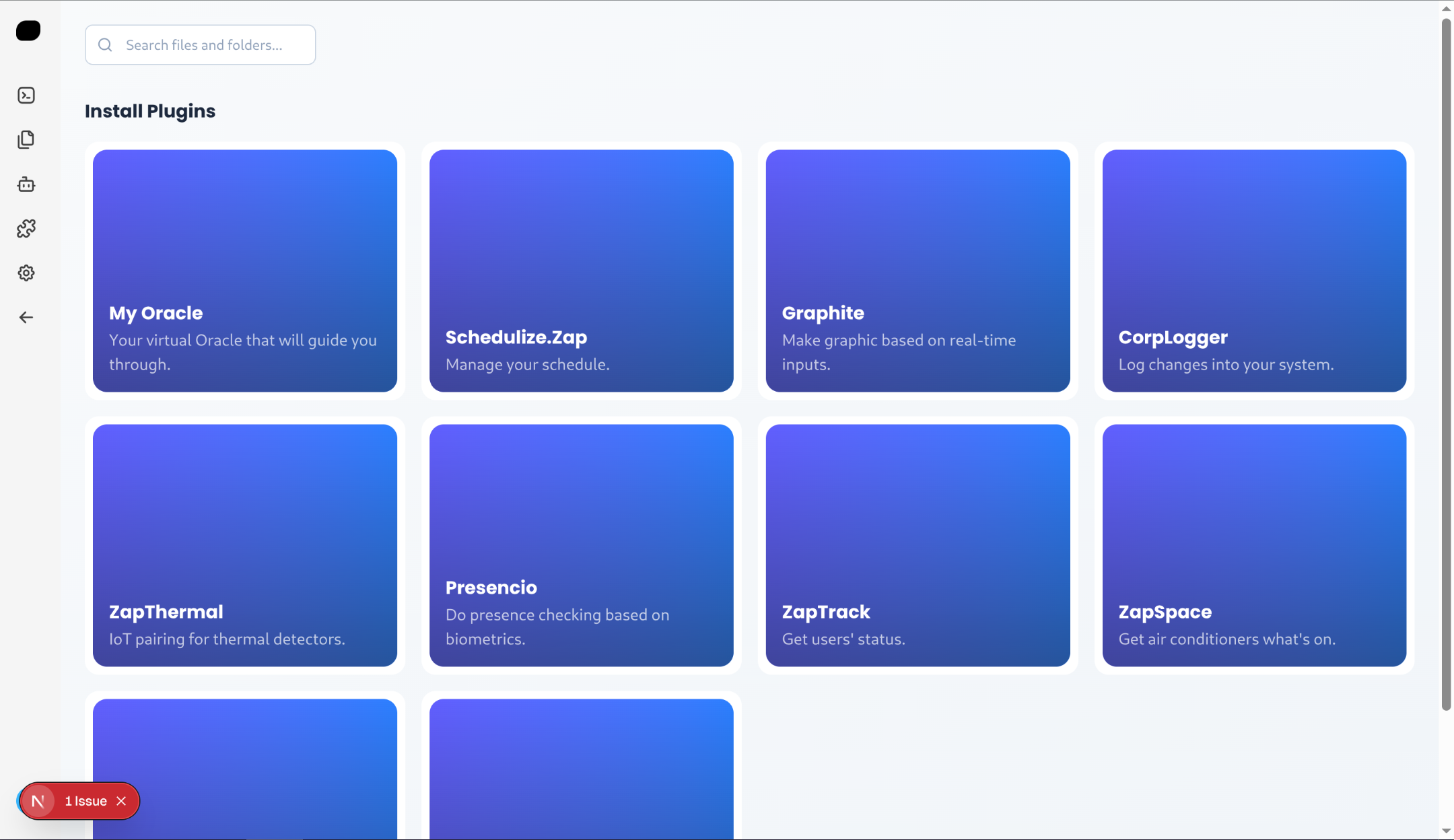
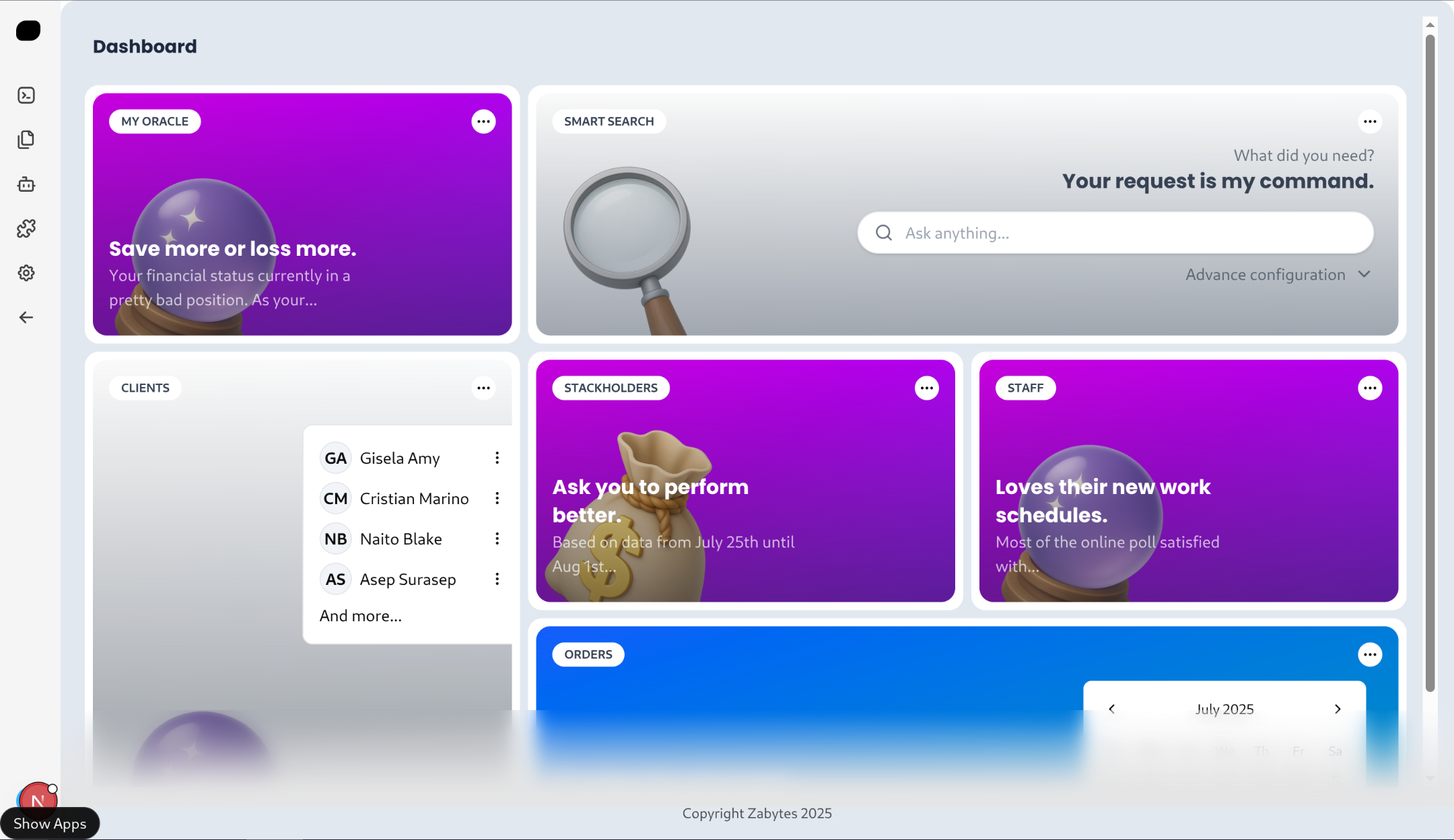
Zapbytes is designed to be a software services in form of a context-aware AI Dashboard Assistant. It allows the clients (enterprises and MSME) to implement better digital resource management and promote better decision-makings via the usage of AI that run on local-server (self-host or managed server) instead of cloud-based system. It supports the collaboration activity on Enterprise-level by providing shared directories and file managements across different devices, as long as they are still a part of the company's local server. The features can essentially be differentiated into smart file system management, automation, and downloadable extensions.
Once installed, Zapbytes will turn user-permitted local files into structured, queryable context. It can run CRUD operations based on user's needs and preferences, equipped by the capability to analyze, process, and display local files in various formats; built-in smart deduplicate function to preserve the cleanliness of user's directory landscape; and tasks automation based on user's activity pattern or prompts.
Because the local files are parts of its databases, it can access it anytime to stay relatable to the context of user. These key features will significantly reduce redudancy and digital wastes. The presence of extensions will help Zapbytes to accomplish even wider scope of tasks, eg. IoT engangements to receive different kinds of input. It may also help user to modify their personal dashboards as they wish.
How we built it
Challenges we ran into
Accomplishments that we're proud of
What we learned
What's next for Zapbytes
Built With
- blake
- nextjs
- ollama
- python
- pytorch
- typescript

Log in or sign up for Devpost to join the conversation.