-
-
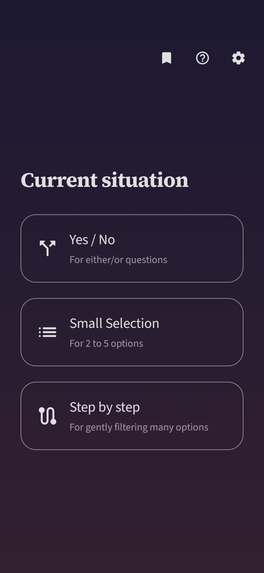
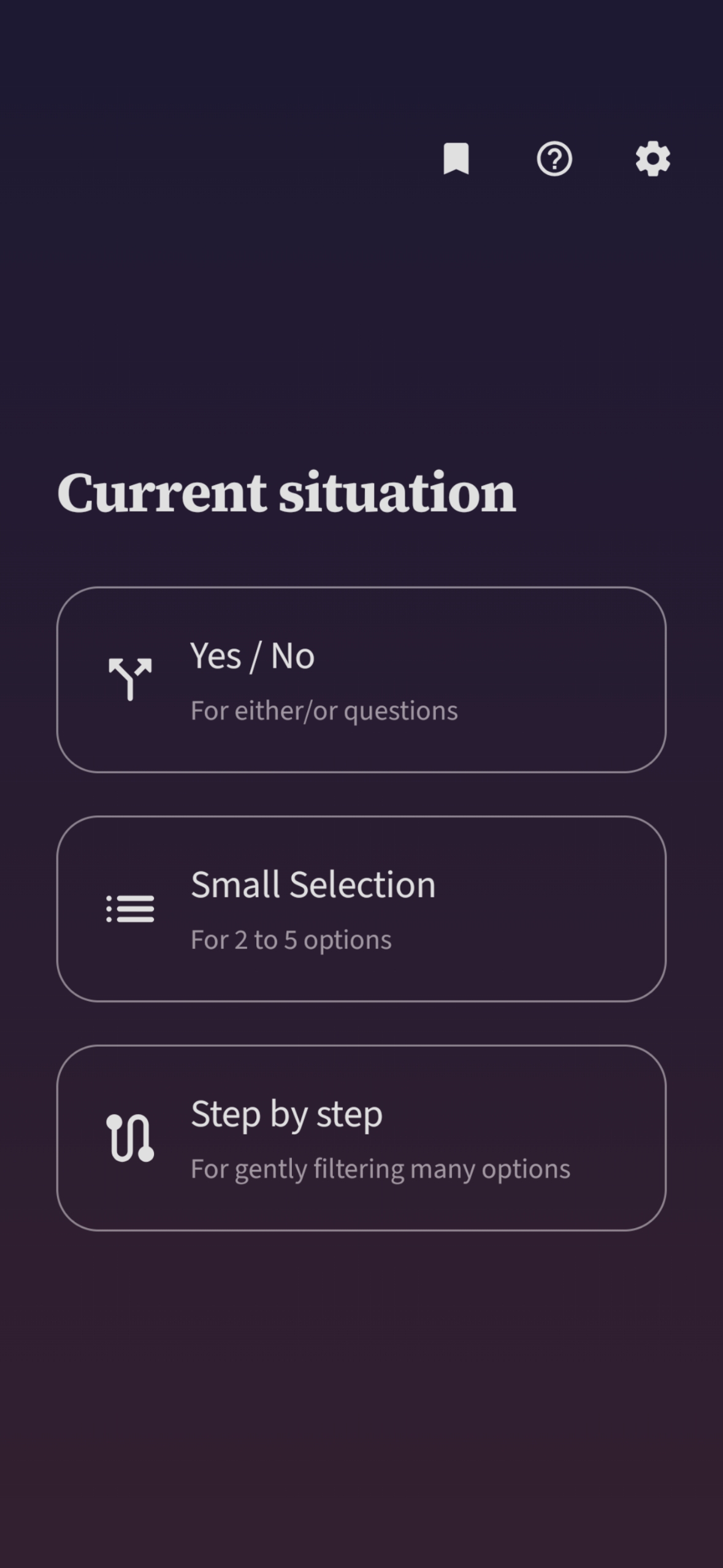
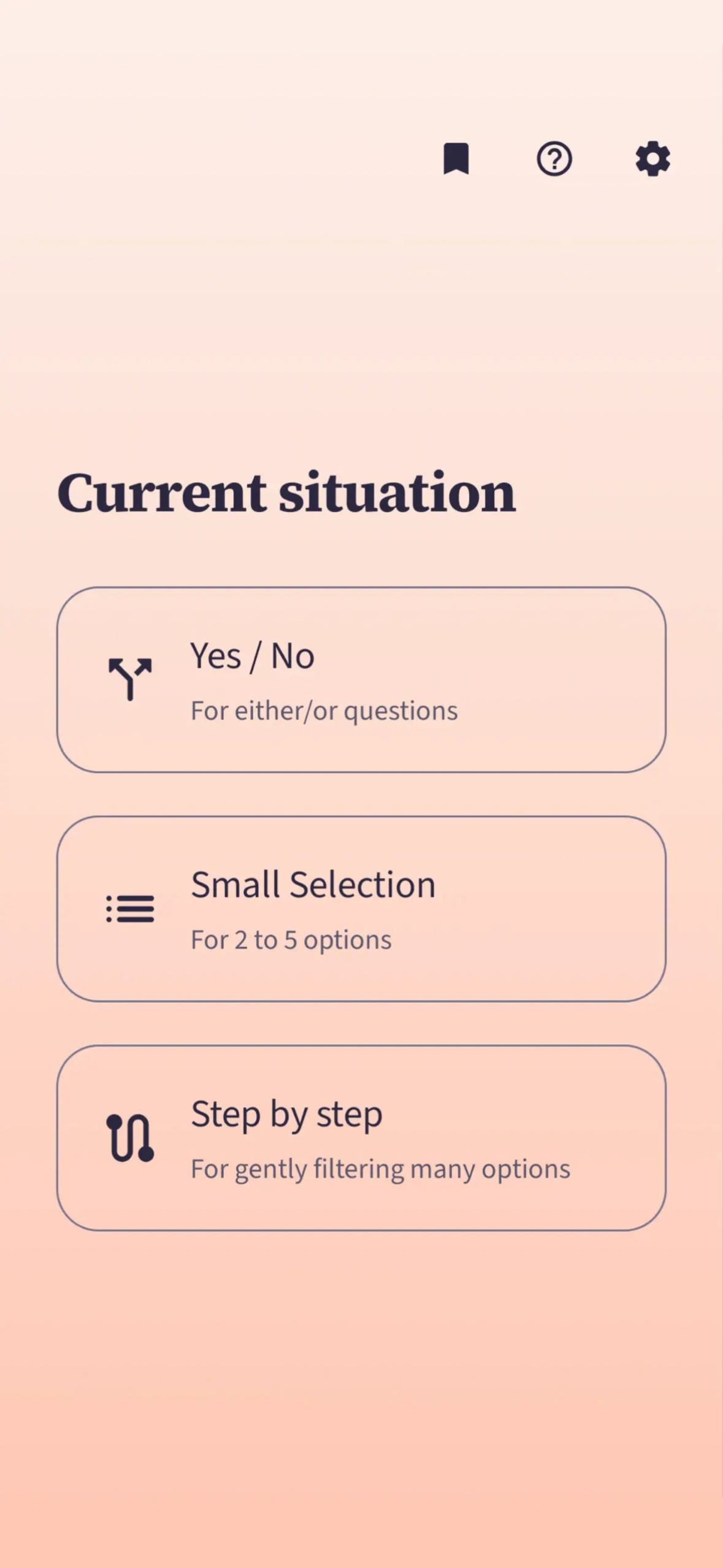
Start Screen Showing the Three Distinct Ways for Different Kinds of Decisions
-
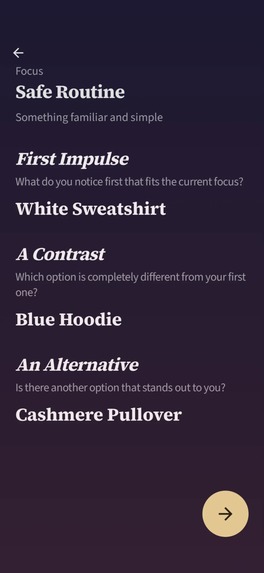
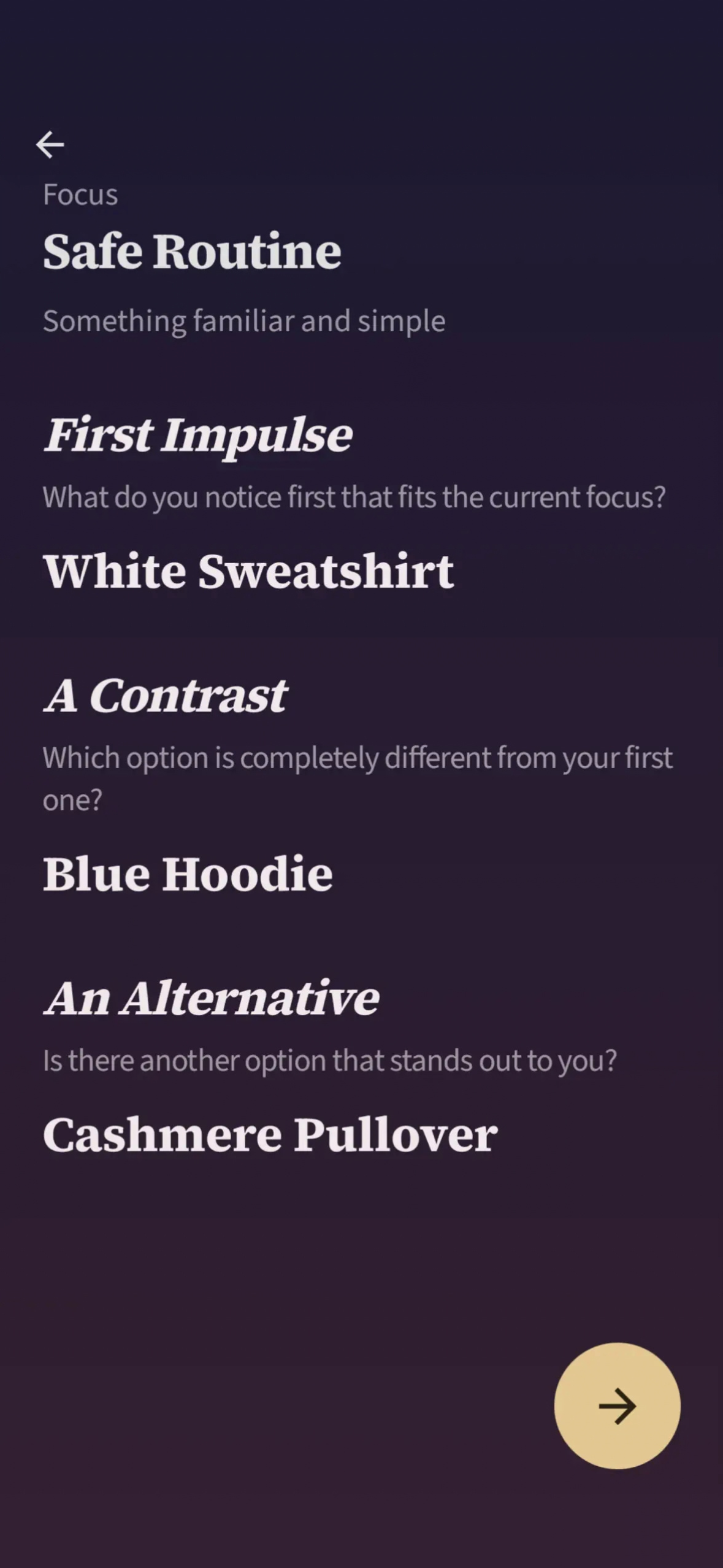
Collecting Options with the "Step by Step" mode
-
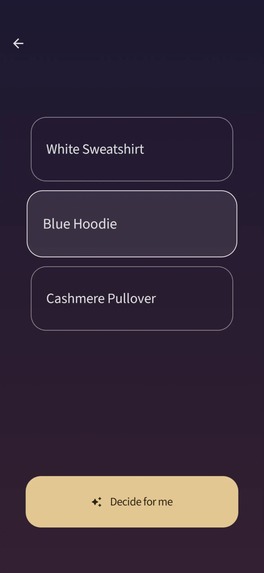
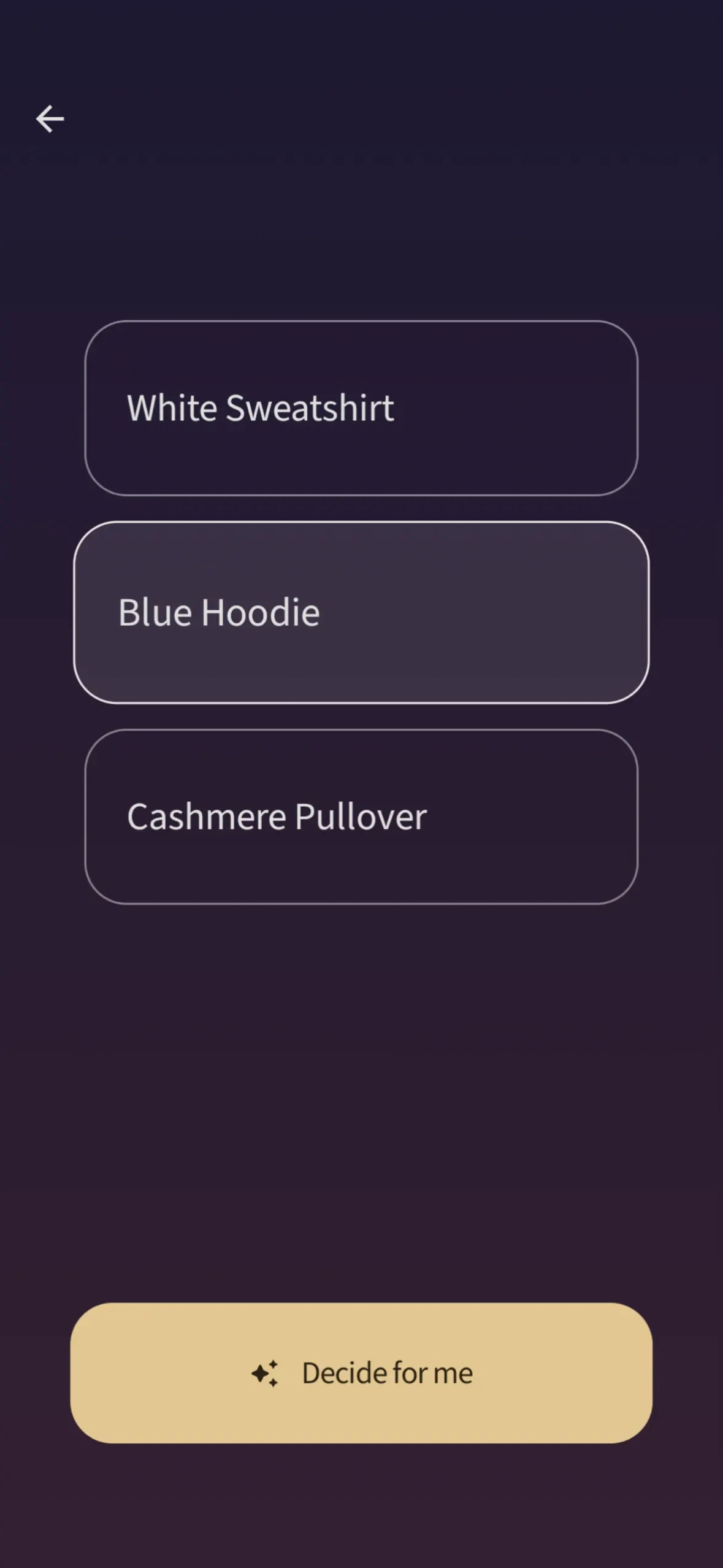
Letting yurua Decide for You
-
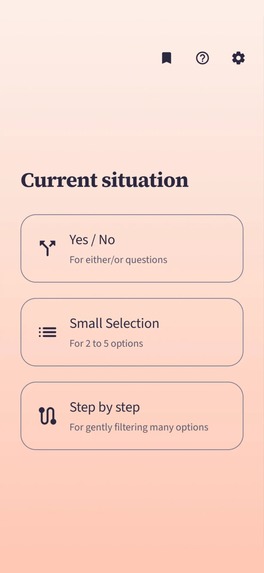
Light Mode Theme
-
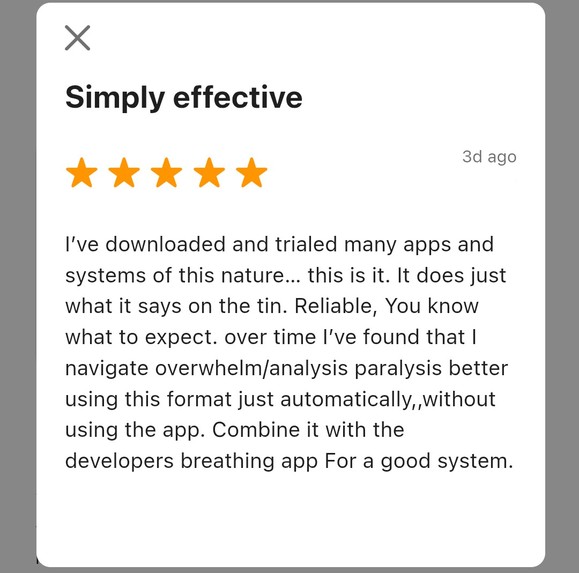
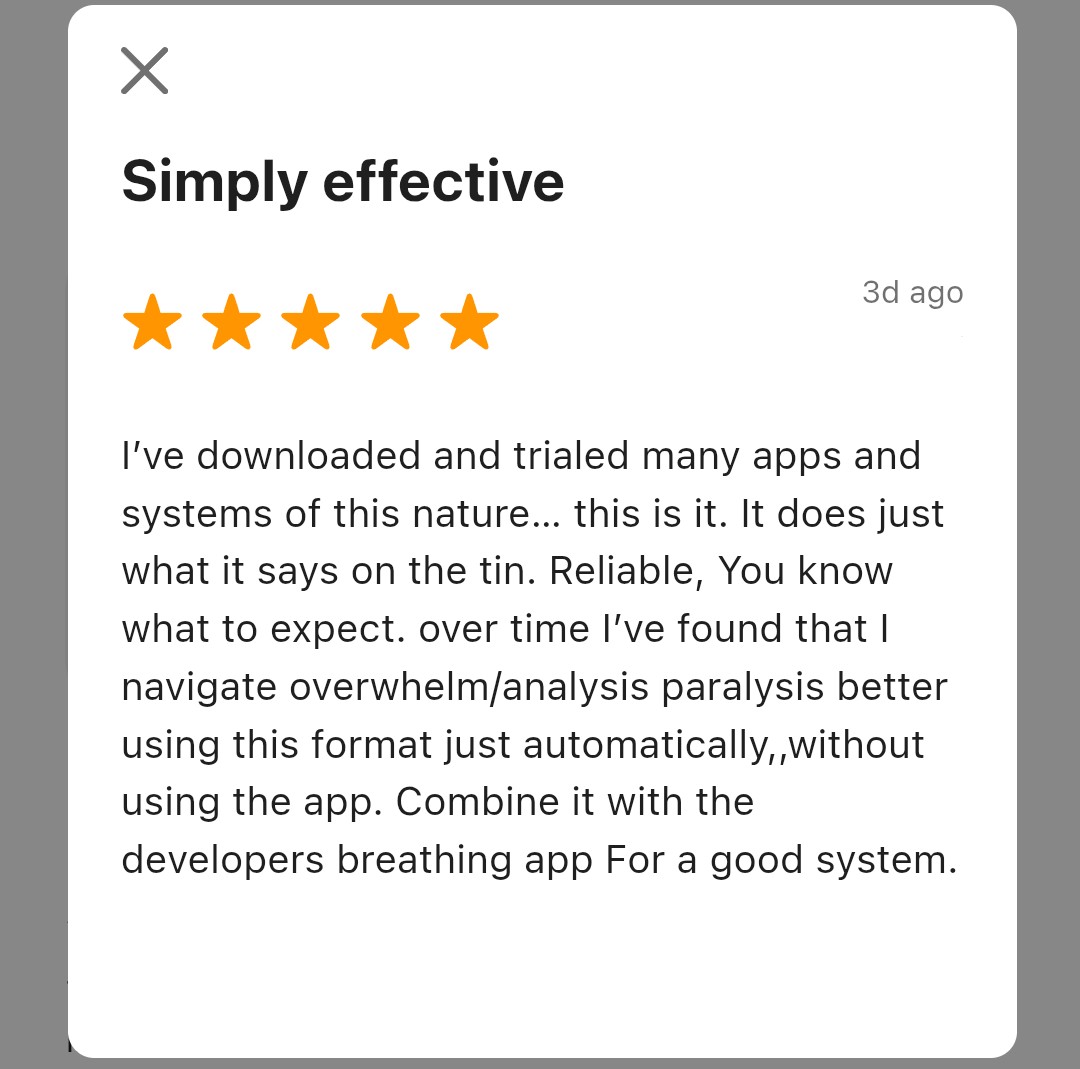
Wonderful App Store Review
-
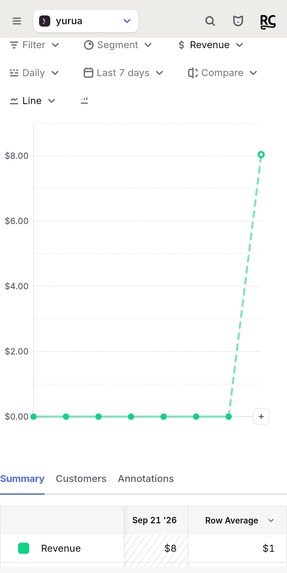
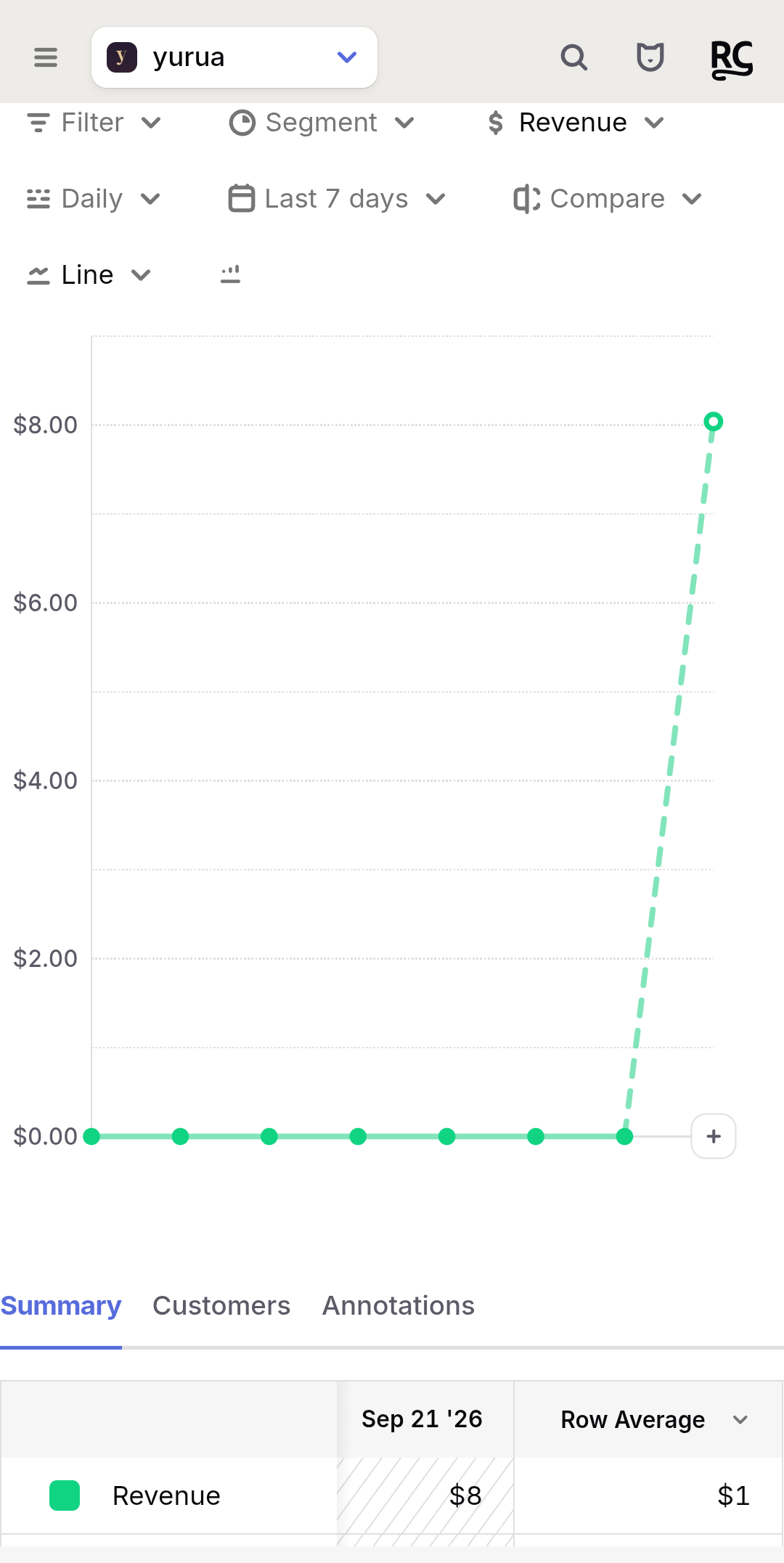
First Paying Customer
-
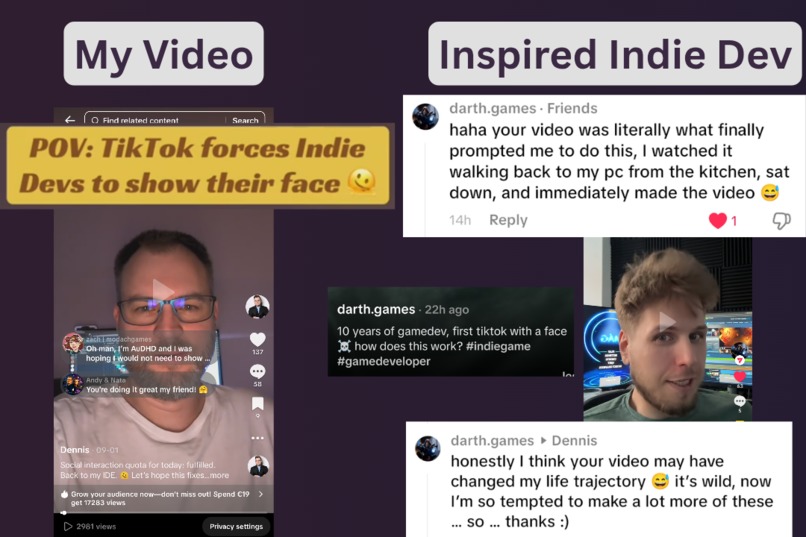
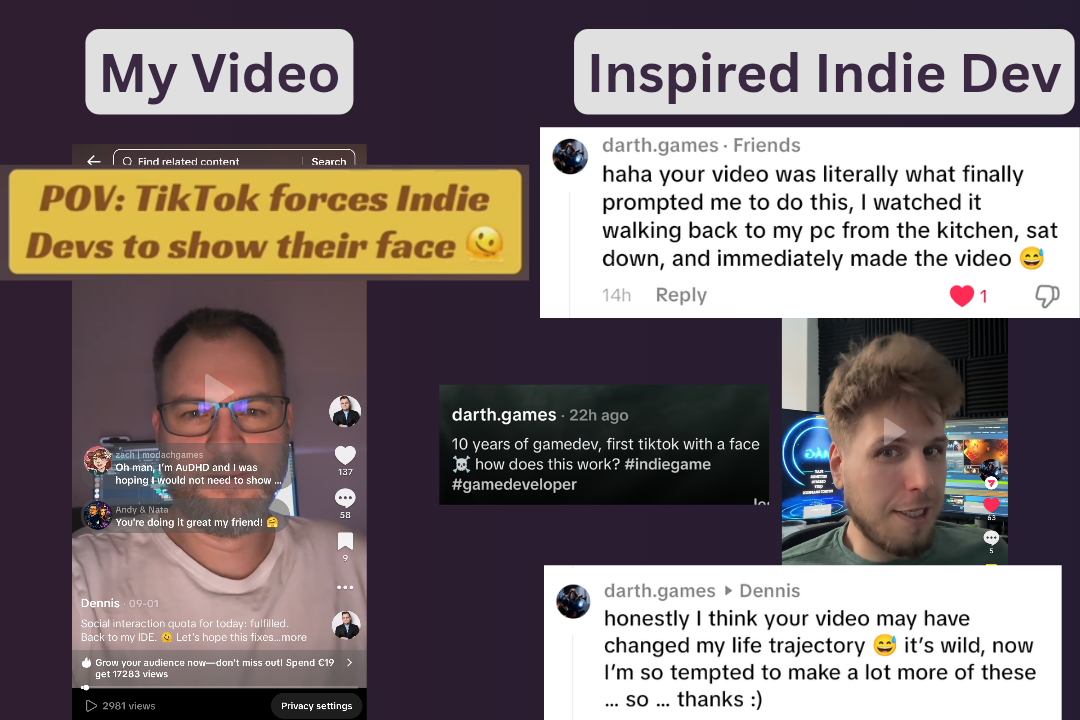
Showing My Face "May Have Changed [This Fellow Indie Dev's] Life Trajectory"
-
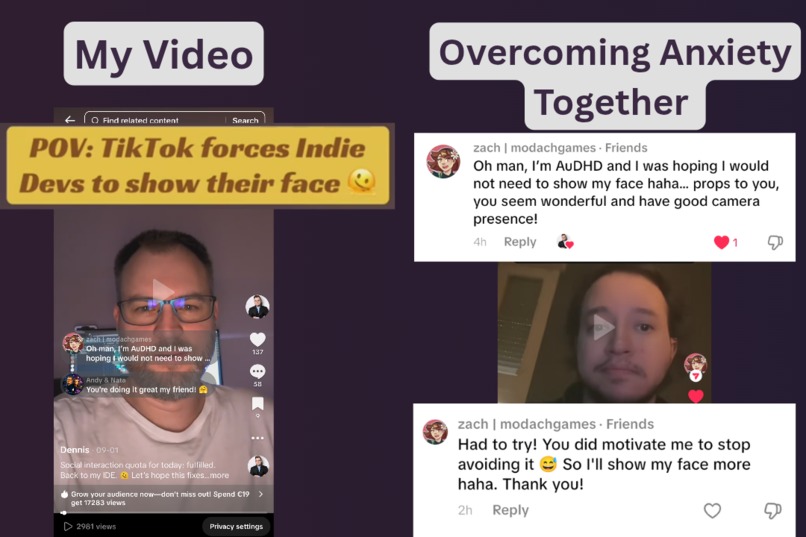
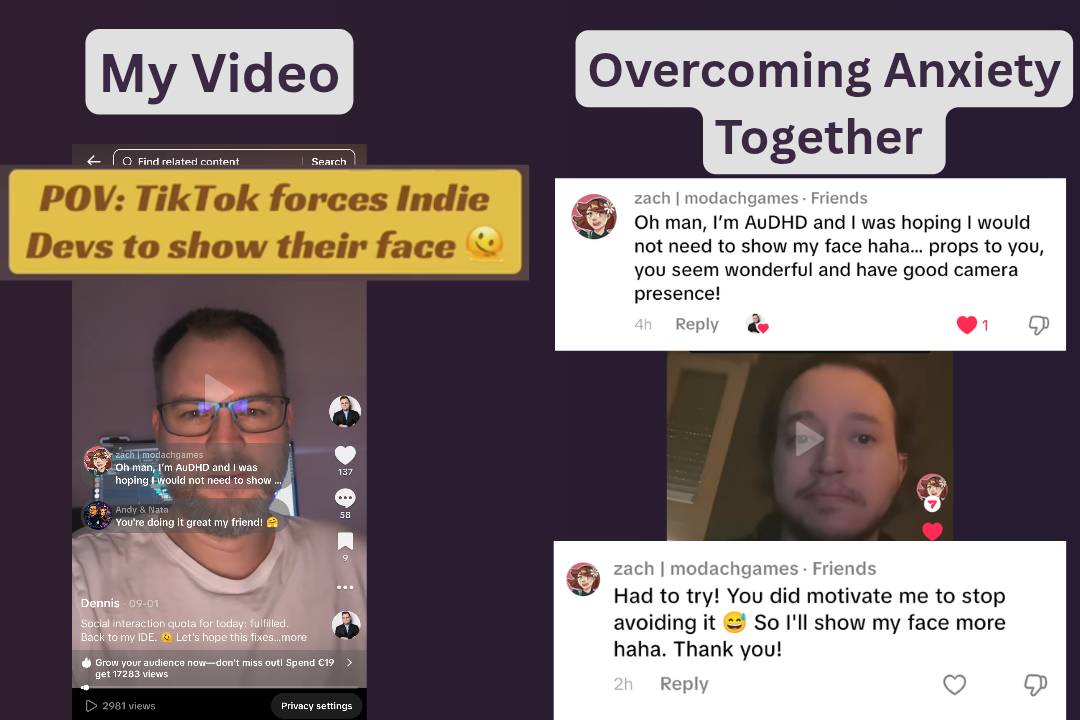
Inspired to Overcome Anxiety: This Fellow AuDHD Dev Showed His Face After Watching My Video
-
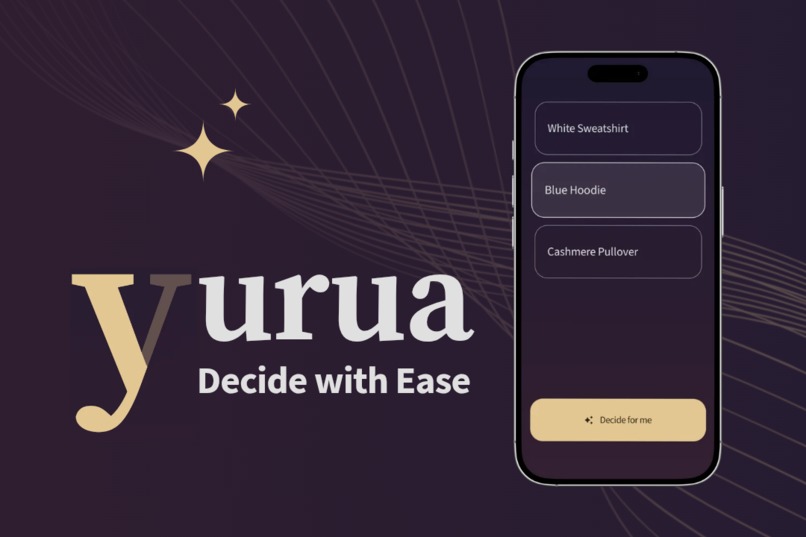
Thumbnail
-

App Icon

yurua – Decide With Ease
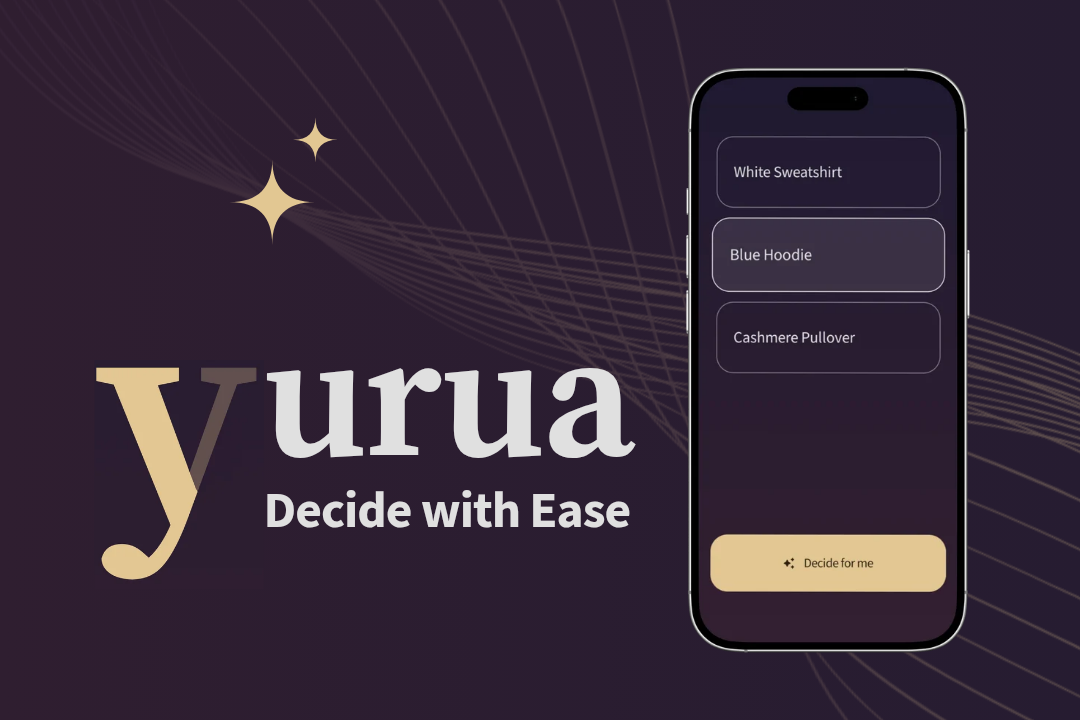
yurua is a calm, zero-pressure decision maker built specifically for neurodivergent1 people.
In a Nutshell
The problem
Making decisions is exhausting, especially when you are already overwhelmed. Whether you need to figure out what to eat, which Netflix series to binge, what dress to wear or how to spend your evening, decision paralysis and executive dysfunction can make it difficult to act.
The Target Audience
yurua is specifically built for neurodivergent people, especially with ADHD, autism, AuDHD, PDA (pathological demand avoidance), or sensory overload, and for chronic overthinkers.
What It Does
yurua helps people make everyday decisions without overthinking and paralysis. It offers three distinct ways for different kind of decisions:
- Yes / No: For either/or questions
- Small Selection: When you have a few (up to 5) concrete ideas in mind
- Step by Step: Guides you gently through filtering down a large, overwhelming number of choices (like a massive restaurant menu) to a single decision, without requiring you to manually input hundreds of options.
yurua guides users gently through the whole process, without ticking clocks, demanding prompts, and sensory overload.
The Impact
yurua is already making a real difference in the daily lives of its users. As one user highlighted in a 5-star App Store review:
I’ve downloaded and trialed many apps and systems of this nature… this is it. It does just what it says on the tin. Reliable, You know what to expect. over time I’ve found that I navigate overwhelm/analysis paralysis better using this format just automatically,,without using the app. Combine it with the developers breathing app For a good system.
– A yurua user
Monetization
The app is completely free. No premium, no freemium, no paywall. All functions are available for free for everyone. There are no ads and no subscriptions. yurua follows an ethical "anti-paywall" monetization concept.
The only way yurua can generate money is a voluntary tip jar where users can express their gratitude for the app by choosing to donate one of three different amounts of money to support the development of the app. These are realized as in-app purchases (one-time purchases) via RevenueCat's Purchases SDK.
How Is yurua Different From Most Other Decision-Making Apps?
yurua strictly follows my "Visual Silence" philosophy: It works completely offline. There are no ads, no subscriptions, and no gamification. The interface is aimed to be low stimulating and calming while adhering to WCAG high contrast recommendations. No daily streaks, no notifications, no retention baiting mechanisms.
yurua is there to help when making a choice feels too difficult. It is available whenever you need it, and it leaves you completely alone when you do not.
Which Award Categories Does yurua Apply For?
- The Grand Prize award
- The RevenueCat Peace Prize award
- The Ship Kotlin Everywhere award
- The #BuildInPublic award
The Build Story
What Inspired Me to Build yurua
I've been a professional software developer for over 15 years. I was late-diagnosed with ADHD two years ago at the age of 38. Having received this diagnosis gave an explanation to many of the struggles I've been facing throughout my whole live.
I'm in the middle of recovering from a (neurodivergent) burnout and been on sick leave for over 10 months now. Building small apps that solve my own struggles has become my way of an occupational therapy. It helps me not to lose touch with my working life and to test if my brain can still handle complex tasks without crashing. Of course, I'm being treated in a multimodal medical concept, so there's also professional therapy and medication involved.
When I thought about which app I should build for Shipaton, I found it particularly difficult to decide for one. Thanks to my ADHD I'm very creative and have lots of ideas. Often I can't even stop my brain from coming up with more ideas and from racing thoughts. So it happened that I had a list of at least 10 ideas for apps to build. Long story short - I couldn't decide which of these apps to build first. So I ended up building a decision-making app that should answer the question of which app to build. Turns out, that app should become my submission.
But why build yet another decision-making app, when there are already a ton of them available? Because each one I considered had one or multiple of the following issues: Create artificial pressure through daily streaks, notifications, gamification, flashing ads, countdowns, bright colors or bustling animations (think of a spinning wheel). For me, when I was already feeling overwhelmed and suffering from sensory overload, these apps made the problem worse instead of solving it.
So yurua turned out as a quiet, low-stimulus space without ticking clocks, demanding prompts, and sensory overload. Just gentle guidance to help you (and me) move forward.
The Struggles
Building yurua wasn't always a walk in the park. I had multiple challenges that I needed to solve along the way.
Building for iOS
I've built apps before Shipaton. But only for Android. For Shipaton I wanted to build multiplatform for Android and iOS. Luckily I had planned that also before the Shipaton, so I already had purchased a second hand Mac Mini. Still, getting Xcode, TestFlight and an iOS build pipeline up and running was quite some effort.
Not to mention ridiculously long review times from the App Store app review team. It took ten days from submitting yurua for review to getting the approval from the review team. And from what I heard from other participants I was even lucky that it was so "fast".
Conceptual Difficulties
While "yes/no" or small-list decisions were straightforward to design, the real challenge was handling massive choice pools like a restaurant menu with 150 dishes or the entire Netflix catalog. When a neurodivergent user is already overwhelmed, the absolute last thing they can handle is manually typing hundreds of options into an app just to get a result.
I went through several iterations to solve this without adding cognitive load. What I ended up with is the "Step by Step" mode. The app uses gentle, abstract filter questions to quickly and quietly guide you and narrow down an infinite pool of options to a manageable number and then to a single option that becomes your decision.
Design Challenges
I'm not a born UX/UI designer. How to keep the design low-stimulating, minimal and clean without being boring or sacrificing accessibility turned out to be a bigger hurdle than I anticipated.
Marketing the App
I'm not a born marketer, either. So I built a great product (at least I hope so) but nobody knew about its existence. Being a developer by nature I thought it would be enough to do some proper ASO (app store optimization) and then users would find their way to my app automagically. Turns out, they didn't.
With another app of mine I already tried marketing it on Reddit and also with faceless videos on Instagram and TikTok - with the result of being banned from multiple Subreddits and being shadowbanned on Instagram and TikTok. All of my videos suddenly received zero views even after days.
So this time I needed a different approach. I skipped Reddit altogether. And I created brand-new accounts for both Instagram and TikTok. After having warmed these up I posted a video showing my face. That was the first time ever for me to show my face on social media (besides profile images). Also, I cautiously avoided to include any mentions of my apps in the videos or posting any links in the captions. To my surprise this worked pretty well: My first video received 6.6K views (3.6K on Instagram and 3K on TikTok), 80+ comments, 210+ likes and generated 59 new followers.
But the qualitative impact was even more profound. Sharing my struggle resonated so deeply with other neurodivergent indie developers that it inspired them to overcome their own anxieties. One developer who replicated my video told me "your video was literally what finally prompted me to do this"2 and also that it "may have changed my life trajectory"3. Another developer first replied that he "was hoping I would not need to show my face"4. Hours later he created a video showing his face, too, and told me that my journey motivated them to "stop avoiding [showing his face]"5. Building this kind of genuine, supportive community became the real success story of my marketing efforts.
Keeping the Balance
My biggest problem was on a meta level: How to balance my burnout, the recovery from it, doing the housework, taking care of our daughter, being the primary caregiver for my chronically ill wife, who is bed-bound most of the time, and building plus marketing an app for Shipaton? I'm not sure how well I handled these and I hope I had the right priorities most of the time.
What's Next?
The core functionality of yurua is complete. I'm thinking of building some form of a lightweight onboarding for new users next. And I'm looking for a way to gently ask users to write reviews in the stores (App Store / Play Store) without breaking my visual silence and digital retreat philosophy - so especially without nagging or disturbing them.
Back to School - What I Learned
I learned that marketing an app for me is much harder than actually building the app. While the latter is my daily bread, I'm still learning and growing the former.
I also learned that using a fair and pressure-free monetization model can actually work and does create a deep trust bound between my users and me (or my apps).
And that users on Social Media really do seem to react much stronger (and positively) to human stories than to pure promotional material (like the faceless videos and carousels I previously tried for another app of mine). It was a big surprise to me seeing that my first-time-ever video showing my face on social media received far more engagement than any other video I made before. Seeing that my vulnerability actually helped fellow developers overcome their fears, with one even stating it "changed my life trajectory", was the most rewarding lesson of this entire journey. If nothing more, this alone justified participating in Shipaton and building in public.
1: Especially people with ADHD, autism, AuDHD, PDA (pathological demand avoidance), sensory overload.
2: Full comment by fellow indie dev 'darth.games' on TikTok: "haha your video was literally what finally prompted me to do this, I watched it walking back to my pc from the kitchen, sat down, and immediately made the video 😅"
3: Full comment by fellow indie dev 'darth.games' on TikTok: "honestly I think your video may have changed my life trajectory 😅 it's wild, now I'm so tempted to make a lot more of these ... so ... thanks :)"
4: Full comment by fellow indie dev 'zach | modachgames' on TikTok: "Oh man, I’m AuDHD and I was hoping I would not need to show my face haha… props to you, you seem wonderful and have good camera presence!!"
5: Full comment by fellow indie dev 'zach | modachgames' on TikTok: "Had to try! You did motivate me to stop avoiding it 😅 So I'll show my face more haha. Thank you!"
Built With
- android
- gemini
- intellij-idea
- ios
- jetpack-compose
- kmp
- kotlin
- revenuecat


Log in or sign up for Devpost to join the conversation.