Inspiration
YupSoul started as one experiment inside a small community: what if a person's own birth date could produce a real song about them, with real lyrics, not a generic playlist match. The idea came on November 21, 2025, and by November 22 the founder had already made a song for everyone in her circle. People were moved enough to believe this belonged on the market, so they went looking for someone to build it. A first no-code prototype went up in one evening on Lovable and drew real attention. A developer from the community picked it up and shipped a first working version, then the service broke and the developer fell ill. Rather than wait indefinitely, the founder, who had never written code, decided to learn to build it herself with an AI coding assistant.
What it does
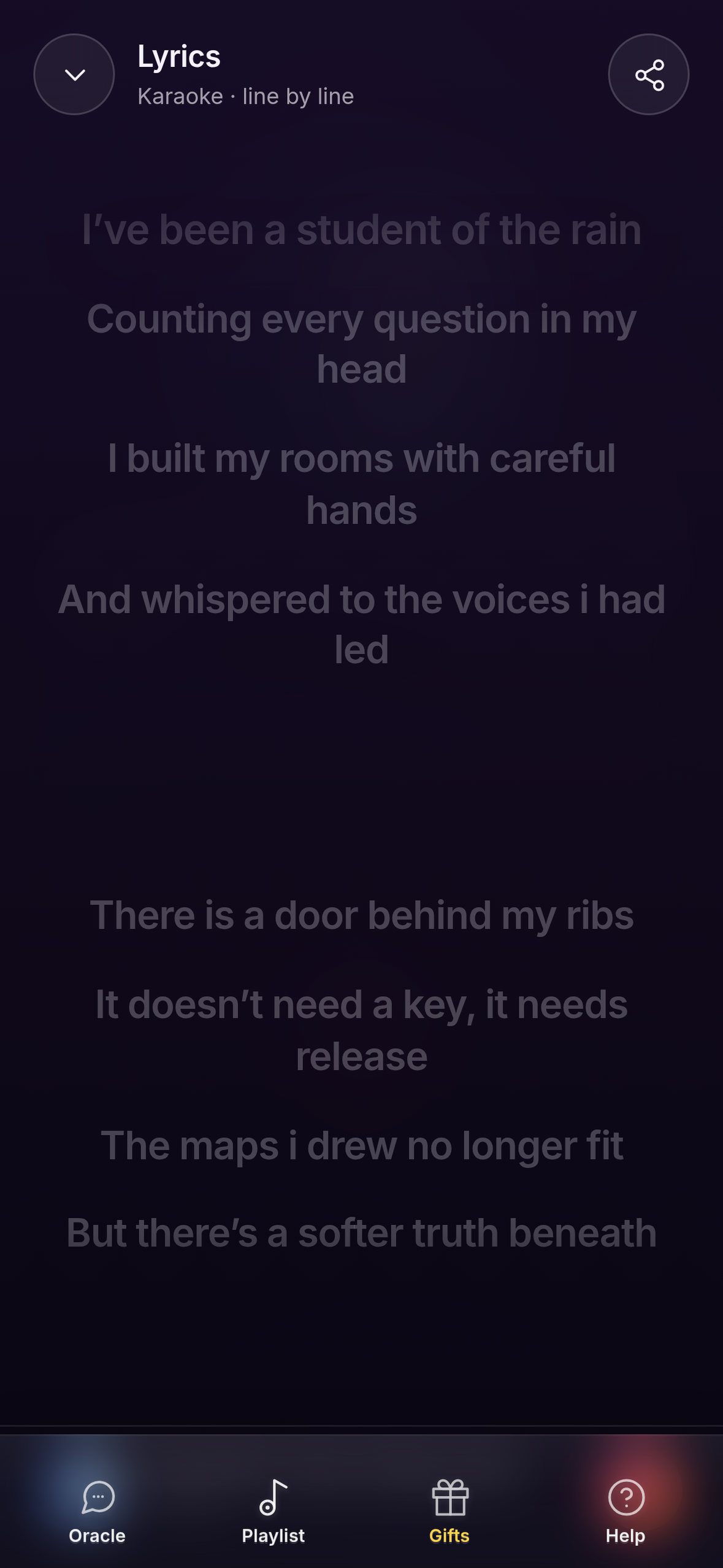
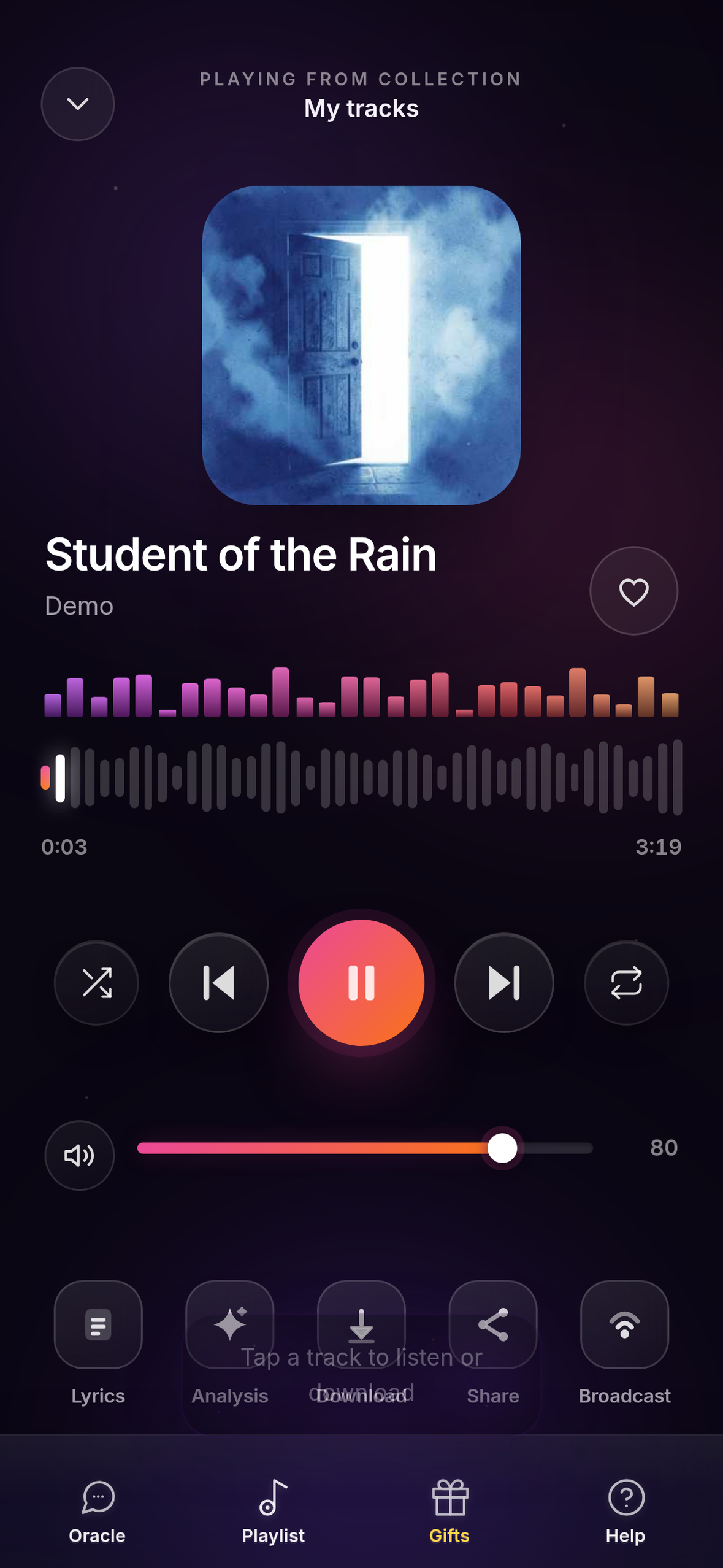
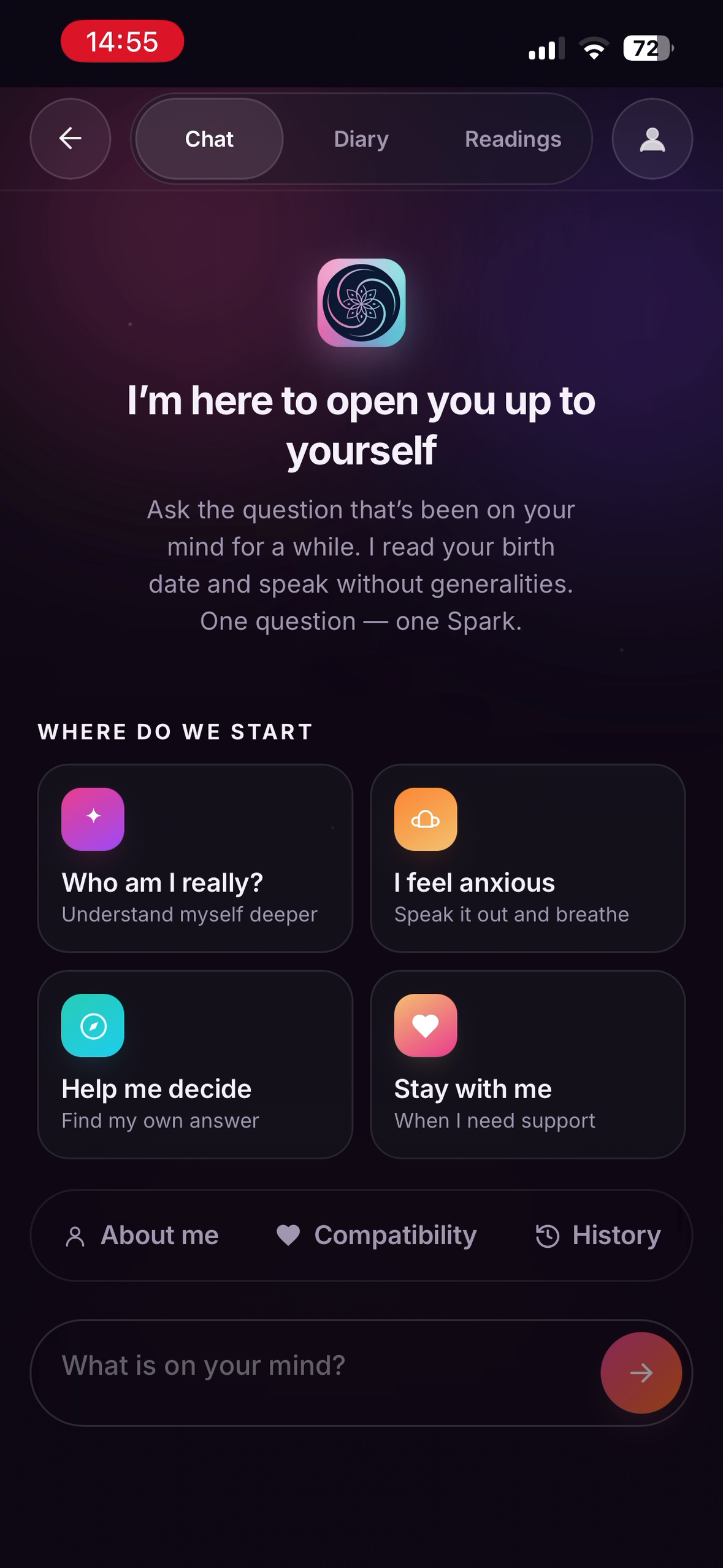
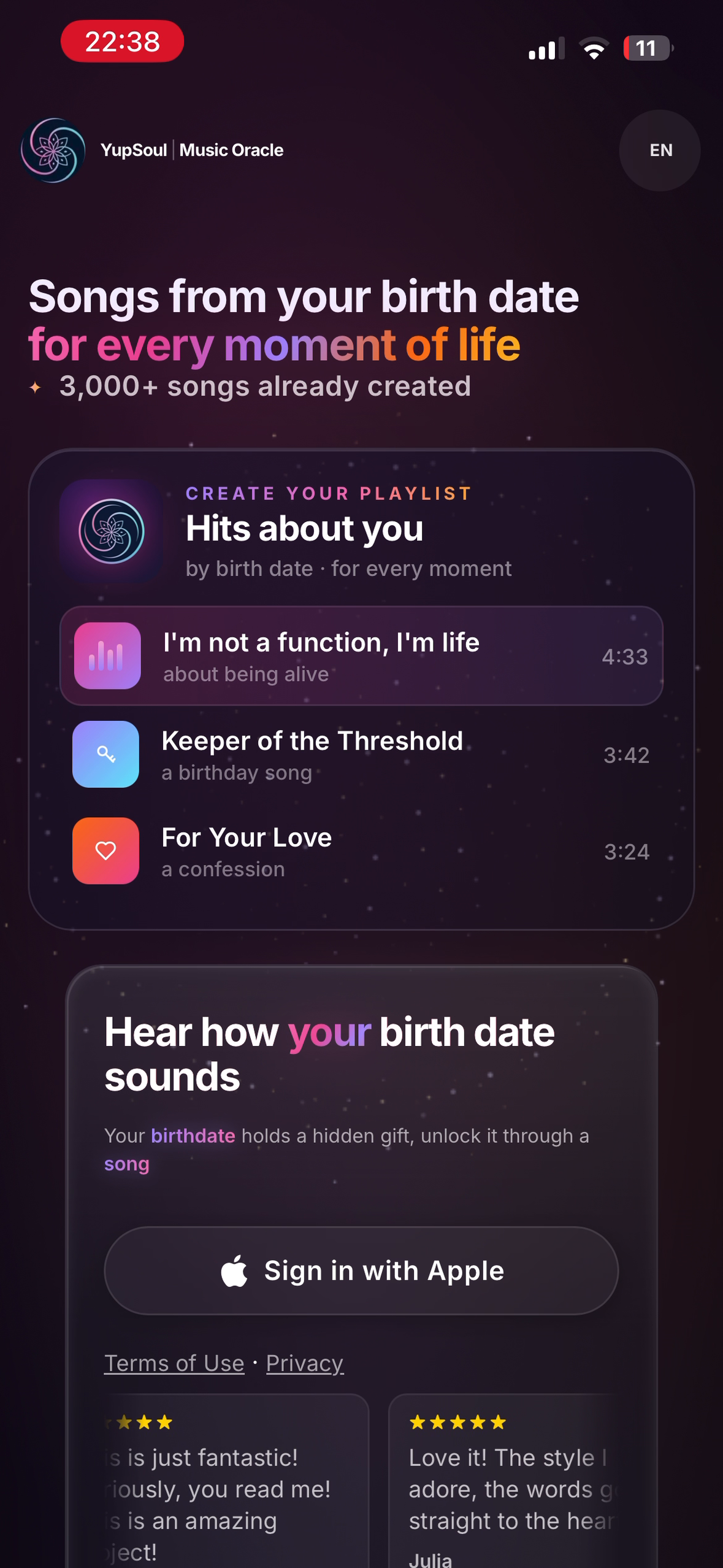
YupSoul turns a name and a birth date into a full song: real lyrics and vocals, produced from a personalized astrological reading. A person can order a song about themselves, about a couple's compatibility, or about the energy of a day they choose, and can have their own lyrics sung or choose music only. Every account's first song is generated in full but plays as a 60-second taste; unlocking it is the app's first, simple purchase. Beyond that, an Oracle chat answers questions about the same personal story (the first 10 questions are included with every account), a library of fifteen astro readings, each written from the person's own birth data and the first one a gift, goes deeper theme by theme, and a community Radio plays songs other users chose to make public. Nothing in the catalog is licensed music. Every track is generated for the person who asked for it.
How we built it
The backend is Node.js and Express with PostgreSQL, running on a self-hosted server. Swiss Ephemeris (swisseph) does the astronomical math behind every reading. DeepSeek writes the lyrics and drives the Oracle chat; a third-party text-to-music model turns the lyrics into a produced song. The iOS app is a Capacitor 8 wrapper around the same vanilla JavaScript front end used on Telegram, two social platforms and the web, with Sign in with Apple for identity, the RevenueCat SDK for purchases, a RevenueCat webhook on our server that credits those purchases, and Sentry for monitoring. Before any of this was automated, the founder read charts and made roughly 300 songs by hand for real people, listening to every one to learn what made a song land, before turning that into a product and, later, into code. Counting from the first commit on 06 Feb 2026 through the App Store resubmission on 26 Sep, that is 233 calendar days, 4,376 commits and roughly 1,300 hours of active work (estimated from commit timestamps), done by one founder with no prior programming background, working with an AI coding assistant. The entry is filed by a team of two: Alla, the founder, who designed and built the product, and Svetlana, the team representative and director of the publishing company.
Challenges we ran into
The first working version was built by someone else and it broke when that developer became unable to continue, which cost about two months of searching before the founder chose to rebuild it herself instead of waiting further. Learning to code under pressure was its own wall: the first day alone was seven hours stuck with nothing working, and the first real song did not come until a full week of daily effort later. Getting onto the App Store surfaced a different kind of challenge. Apple's App Review returned the first submission under Guideline 2.1 (Information Needed) and asked for a screen recording from a physical device covering the full purchase and account-deletion flow, and the team replied with such a recording, made on an iPhone. Apple's rules also shaped the product itself: in the iOS build only Apple in-app purchases sell digital content, so the Telegram Stars, card and promo-code paths that work on the other platforms are hidden there.
Accomplishments that we're proud of
8,369 people have registered: 964 on Telegram and the rest mostly through a large social platform and the web (the iOS app is not released yet). 3,154 songs have been completed since the first one on 11 February 2026, 83 of them in the last 30 days. Roughly 23% of registered users (about 1,897 of 8,369) have gone on to make a song. The Oracle chat has answered more than 6,000 questions from over 500 people. A single day, 10 June 2026, brought 1,242 new registrations, the peak of a traffic surge from a social platform's app catalog that ran from 8 to 11 June. All of this was designed and built by one founder, working with AI coding assistants.
What we learned
That a product can be designed by hand before it is coded: doing hundreds of readings and songs manually is what taught the founder which prompts and which musical choices actually moved people, long before any of it was automated. That losing a developer mid-build is not the end of a project if you are willing to become the developer yourself. And that a single internal currency (Sparks) crossing every feature, songs, Oracle questions and readings, makes it far easier to reason about pricing and fairness across very different platforms (Telegram, two social platforms, the web and, once Apple approves it, iOS) than a separate price tag for every single thing would.
What's next for YupSoul
Getting the iOS app through Apple review and live in the App Store is the immediate goal; the submission (version 1.0, with all seven in-app purchases attached) is currently waiting for Apple review. After that, the plan is to bring iOS closer to the range of purchase options already offered across the Telegram, social-platform and web versions, and to keep growing the Oracle and the Readings library, the two features that go beyond the song itself; the Oracle alone has already drawn more than 6,000 questions from over 500 people.
Built With
- capacitor
- deepseek
- express.js
- ios
- javascript
- node.js
- postgresql
- revenuecat
- sentry
- sign-in-with-apple
- swiss-ephemeris


Log in or sign up for Devpost to join the conversation.