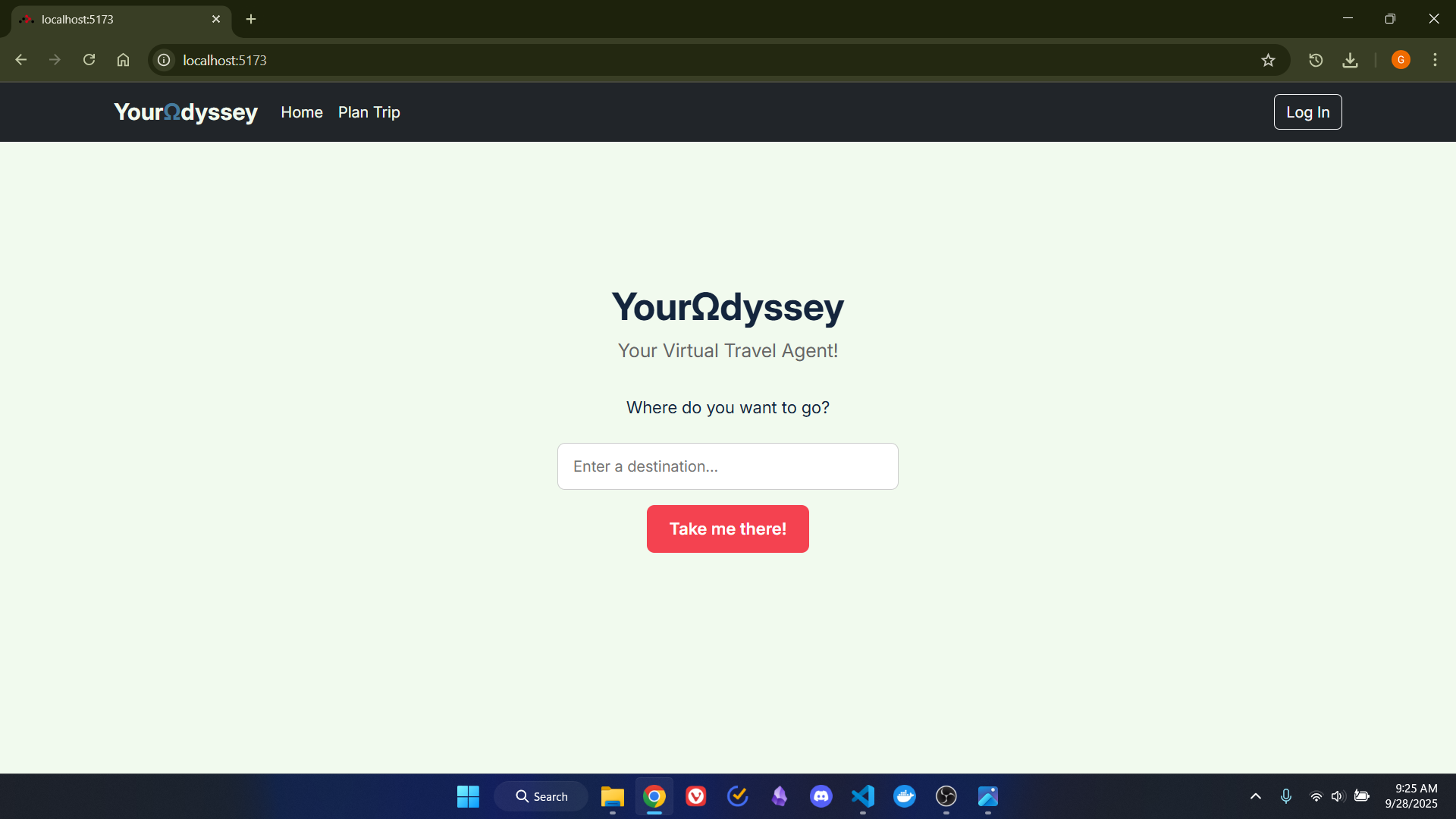

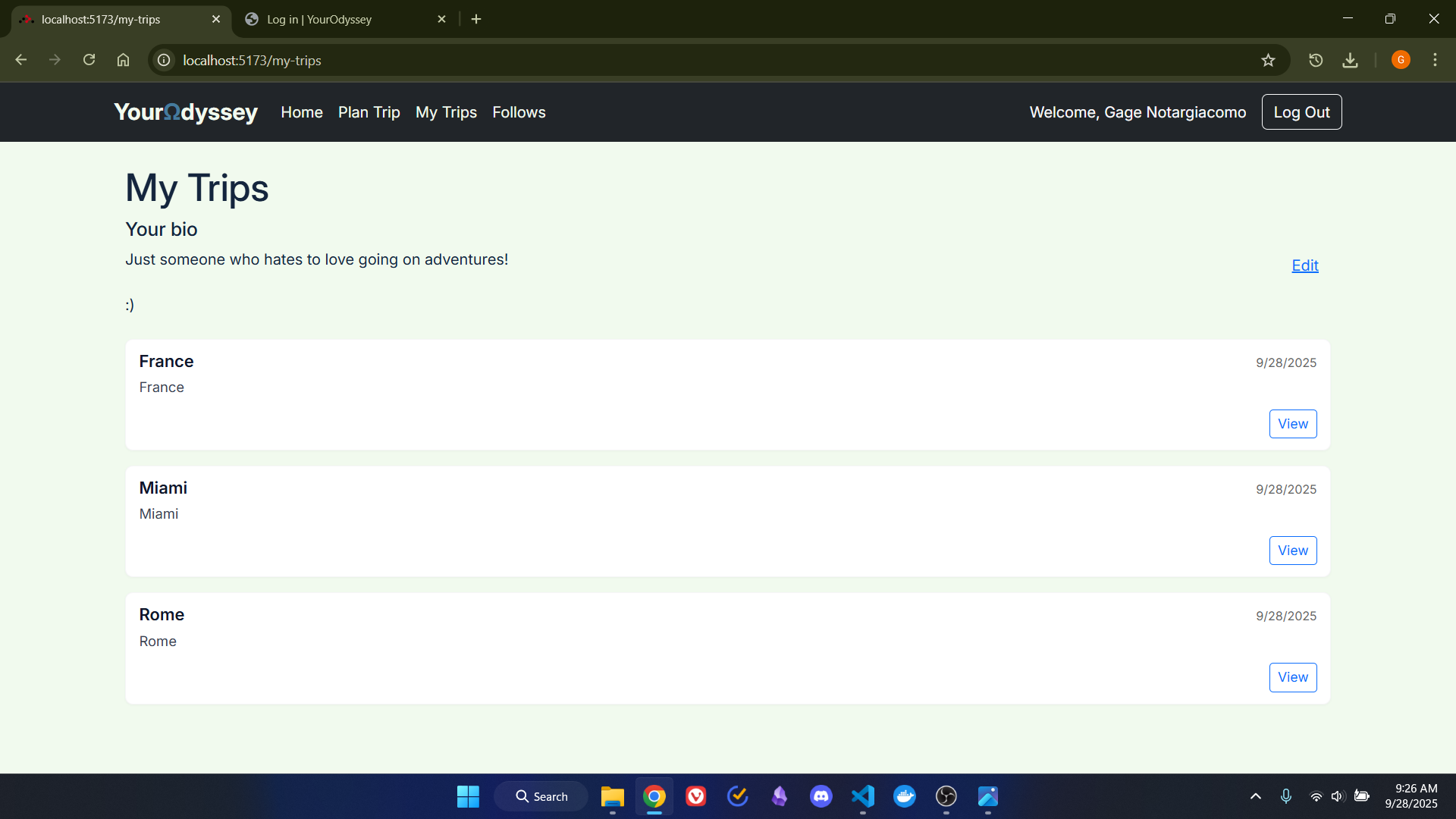

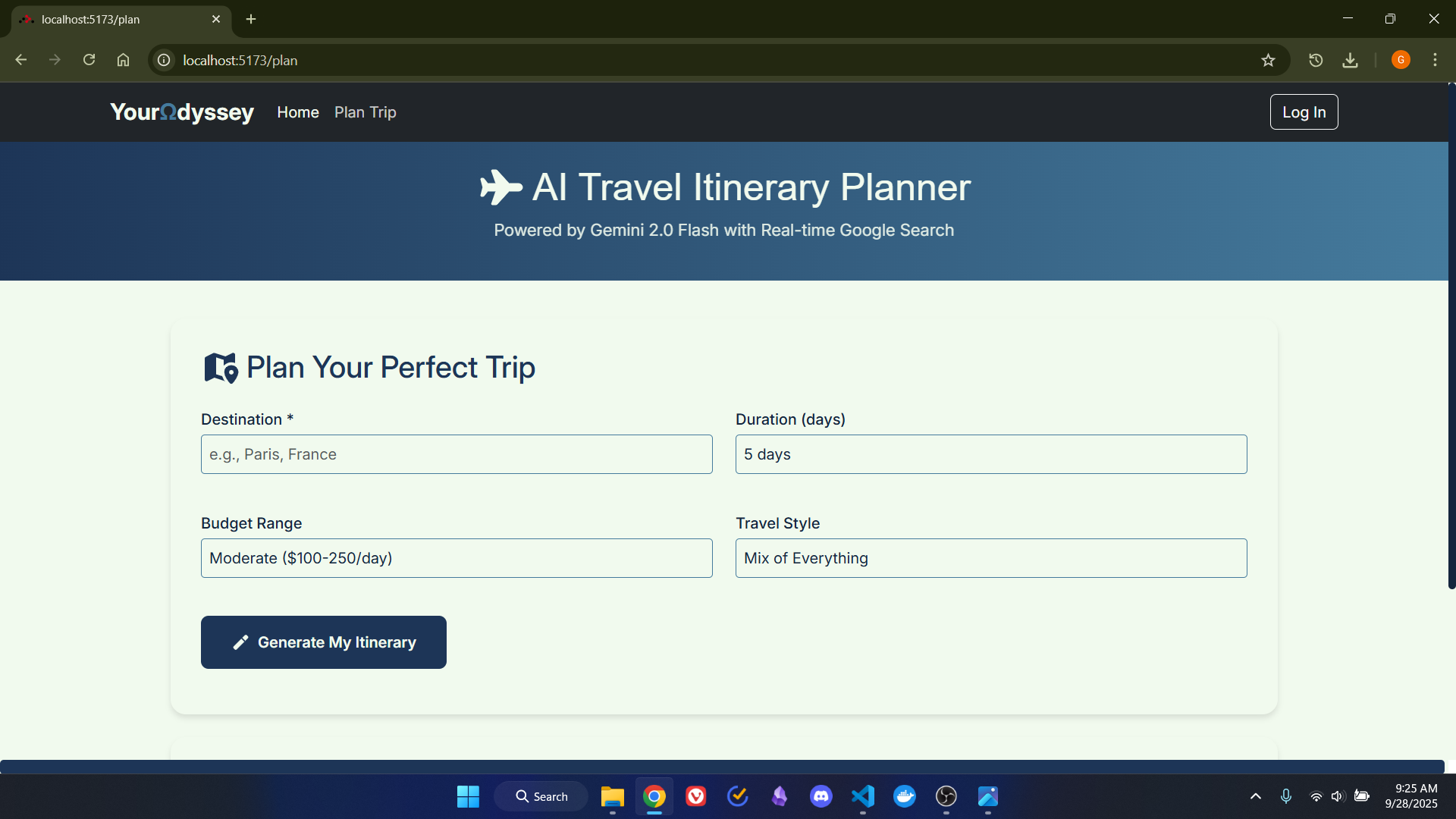
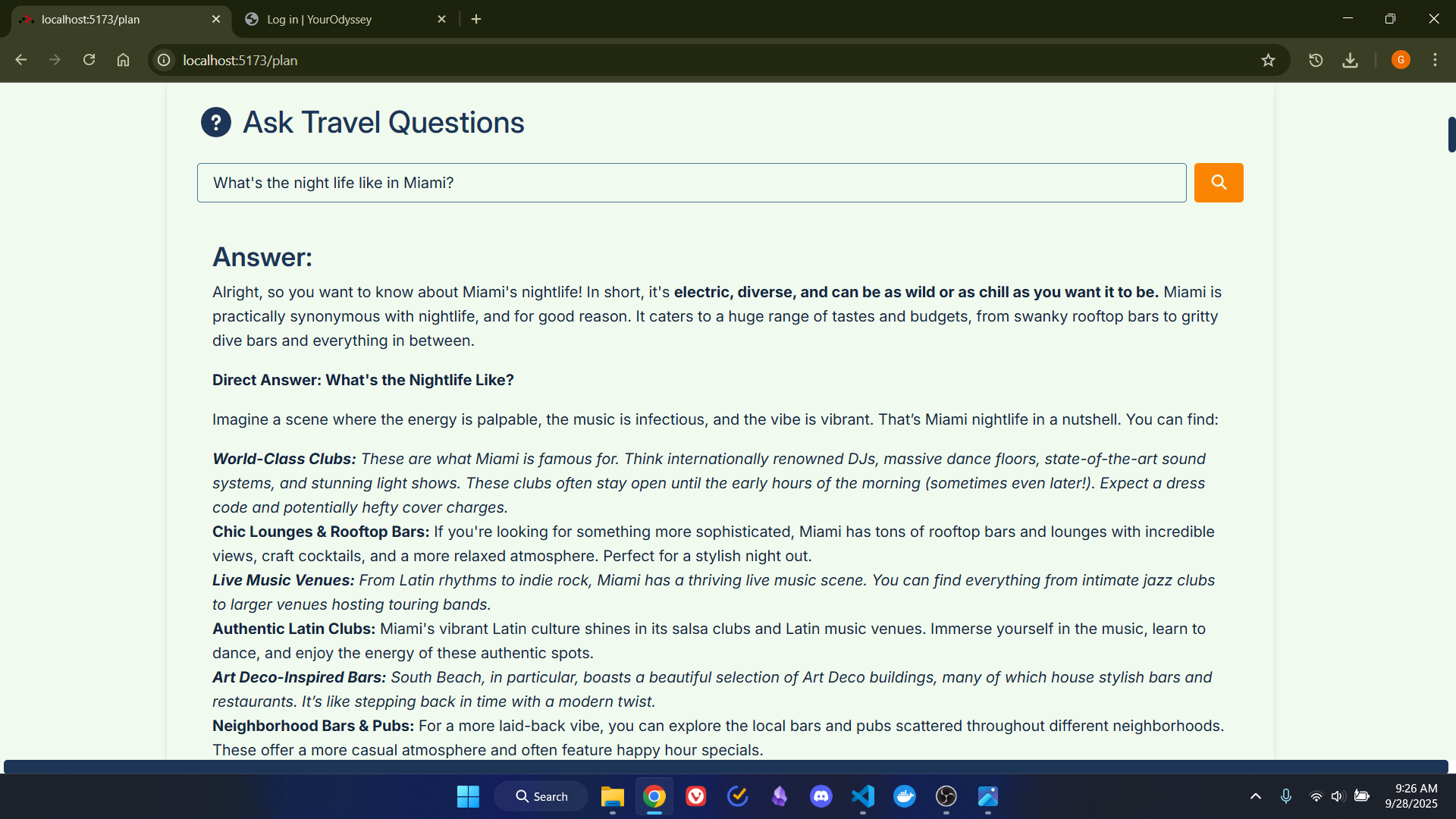

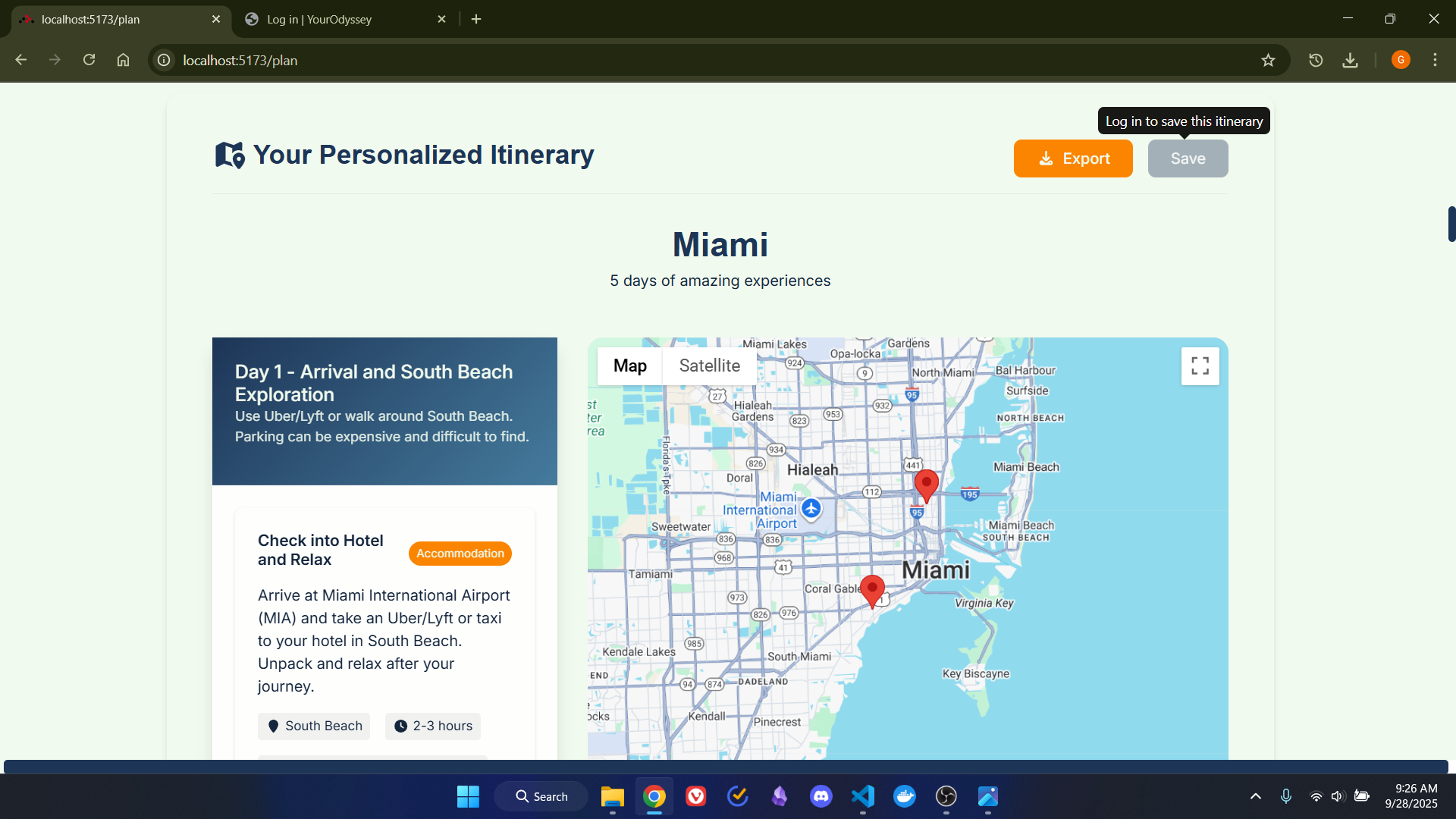
Our product is an interactive travel map powered by AI that gives users a real-time understanding of the lay of the land—where they’re going, what they should do, and how to make the most of their trip. Beyond planning, it doubles as a social platform where users can create profiles, share itineraries, and connect with friends, turning trip planning into a collaborative, community-driven experience.
As our user base grows, we’ll collect insights into traveler preferences, packaging them into valuable data for tourism companies. Revenue comes from multiple streams: promotions and targeted recommendations for hotels, airlines, and destinations; commission-based sales campaigns with partners like Marriott, Hilton, Hyatt, Carnival, and American Airlines; classic offerings like travel insurance for hotels, flights, and events; and minimal service fees that scale with volume.
This model is proven—Hopper generated $587 million in 2024, while Tripadvisor made $1.8 billion. By combining AI-driven travel guidance with social connectivity, our platform is positioned to capture significant market share and redefine how people plan and experience travel.
Inspiration
The idea was born from the frustration of traditional travel planning—fragmented information, impersonal recommendations, and difficulty coordinating trips with friends. We envisioned a tool that combined the clarity of a map, the intelligence of AI, and the connectivity of social media to make travel not just easier but more engaging and collaborative.
What We Learned
- Users value context, not just listings: they want to know why a destination or activity matters and how it fits into their trip.
- Social sharing is a driver of engagement: travelers are more likely to return to an app that lets them showcase experiences and collaborate with friends.
- Data from user behavior can be just as valuable as direct bookings, creating multiple revenue streams beyond traditional advertising.
Challenges in Building It
Technology Integration: Designing a smooth user experience required combining mapping technology, AI-driven recommendations, and social media-style sharing into one platform. Data Accuracy: Ensuring that AI suggestions are trustworthy demanded careful sourcing and refinement of travel data. Monetization Balance: We had to find ways to generate revenue—ads, commissions, data sales—without overwhelming or alienating users. User Adoption: Convincing early users to share trips socially meant building trust in privacy and giving them reasons to engage beyond just utility.
Through these challenges, we created a product that blends utility, personalization, and community—positioning us to reshape how people discover and plan travel.


Log in or sign up for Devpost to join the conversation.