Inspiration
As a busy parent, I constantly found myself throwing out expired food or buying duplicates of items already in the pantry. I wanted a simple tool to keep my household’s kitchen organized—something intuitive enough for the whole family to use, no tech expertise required. The frustration of food waste and disorganized grocery runs became the driving force to build something practical for everyday life.
What it does
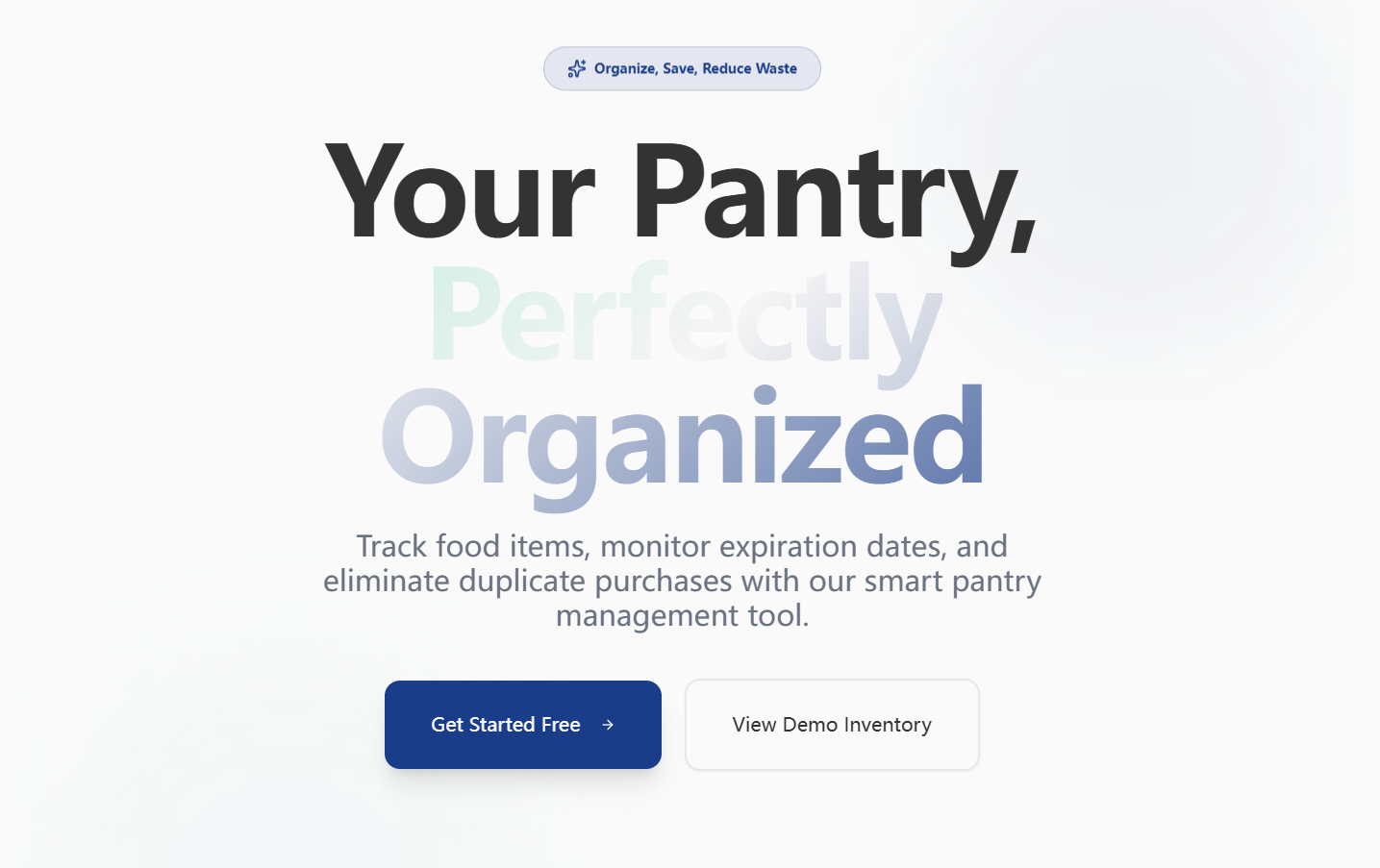
Pantry Inventory lets users add pantry items (via barcode scan or manual entry), track expiration dates with color-coded alerts, and flag low-stock items. It auto-generates shopping lists from low-stock items (plus manual additions) and syncs everything in real-time with household members to keep everyone on the same page.
How we built it
We started with mapping core user needs—adding items, tracking expirations, sharing lists—then designed a streamlined UI with a dashboard for quick overviews. We used cross-platform frameworks for mobile compatibility, integrated barcode scanning via device camera APIs, and set up cloud-based sync to ensure real-time updates across family members’ devices. We built inventory logic to calculate expiration statuses and low-stock thresholds, then tested with everyday household use cases.
Challenges we ran into
Syncing data reliably across offline/online devices was tough—we had to build local storage fallback to save changes when internet dropped, then auto-sync later. Calibrating expiration date alerts to be helpful (not annoying) required iterating on the 0-2/3-7 day thresholds based on user testing. Also, ensuring barcode scanning worked for all common household items (canned goods, snacks, condiments) took trial-and-error with different API configurations.
Accomplishments that we're proud of
We created a tool that’s actually used daily by our beta testers—users report cutting food waste by 30% and reducing duplicate grocery purchases. The real-time family sync works seamlessly, and the UI is intuitive enough for kids and grandparents to use without guidance. We’re proud it solves a tangible, everyday problem instead of just a "nice-to-have" feature.
What we learned
Building for real-world use means prioritizing simplicity over complexity—we scrapped fancy features (like meal planning) to focus on core inventory tracking. We also learned how critical user testing with diverse household members is—feedback from busy parents, seniors, and college students shaped the final design. Technical lessons included balancing local/cloud data storage and optimizing mobile camera API performance for barcode scanning.
What's next for this project
We plan to add basic price tracking for frequent grocery items, integrate with common grocery store apps for quick ordering, and expand barcode recognition to more specialty items (like artisanal condiments or international foods). We also want to add a voice input feature for hands-free item addition and roll out a web version for desktop access—making it even easier for the whole family to stay organized.
Built With
- camera-api
- datepicker
- dropdown
- sharesheet-api
- sqlite

Log in or sign up for Devpost to join the conversation.