
Inspiration
how do you warn someone 10,000 years from now not to enter a dangerous place?
It’s easy to imagine leaving a note saying “don’t touch,” but the truth is, even if you went back just a thousand years, we wouldn’t be able to understand the English being spoken.
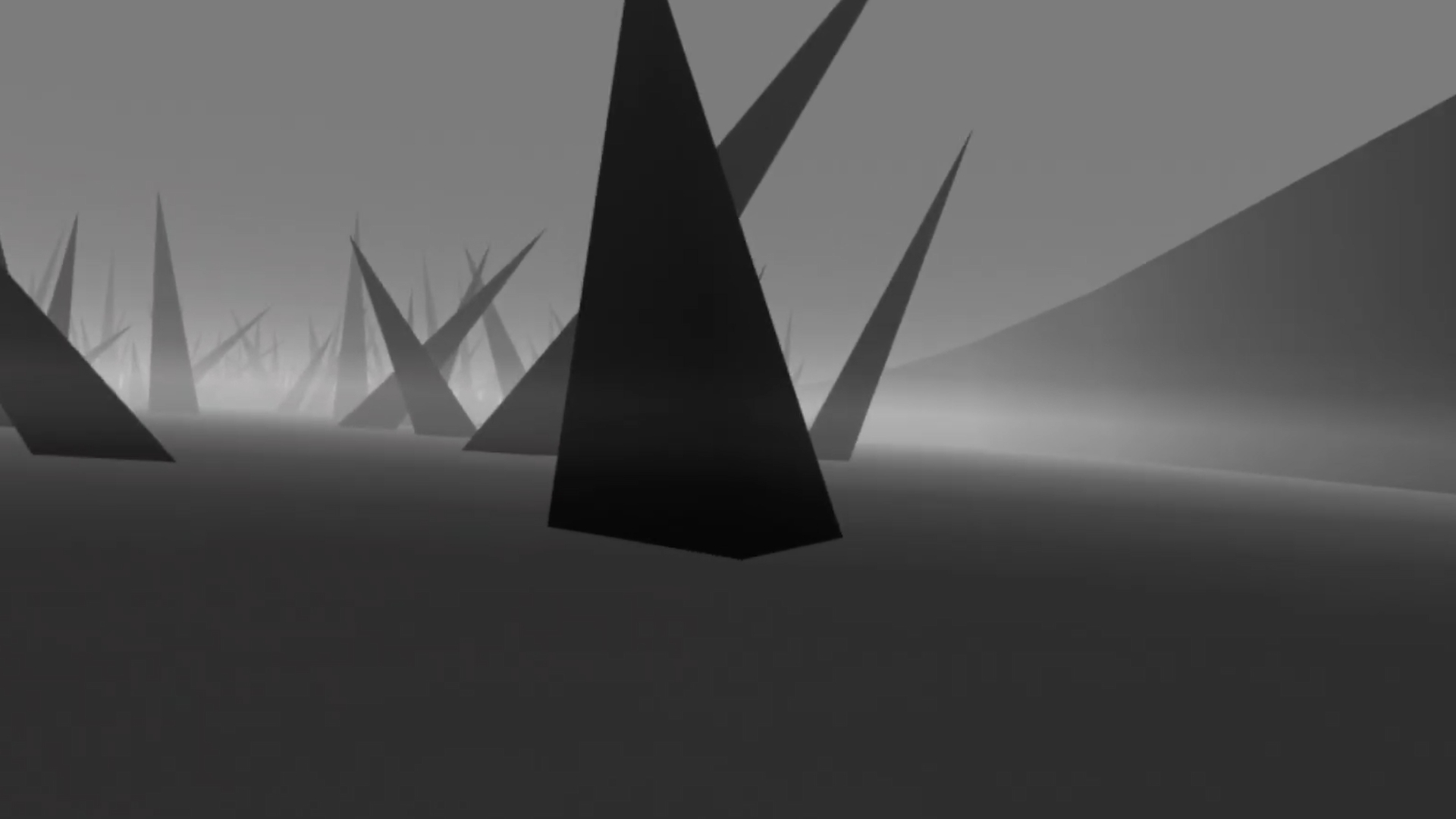
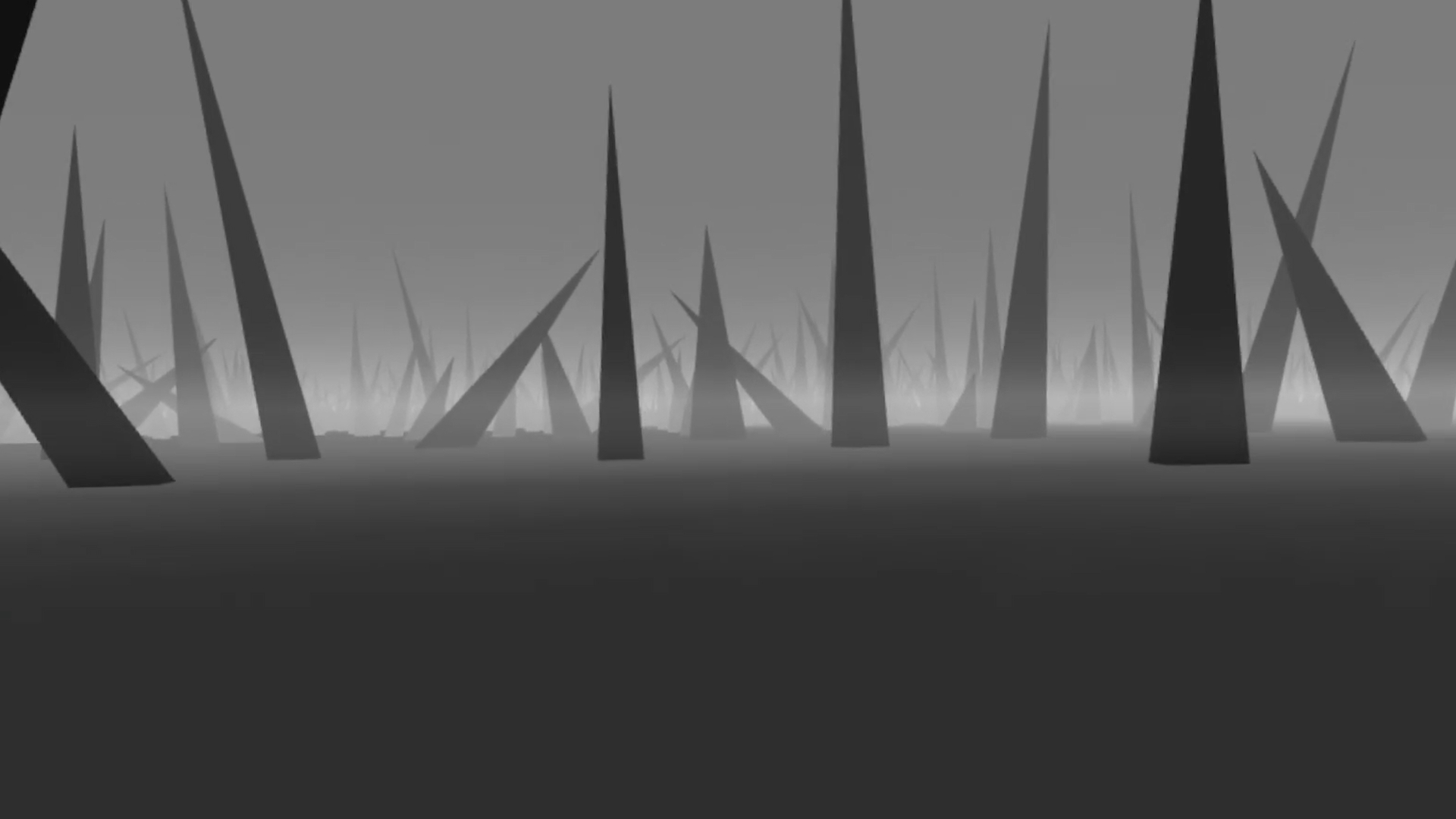
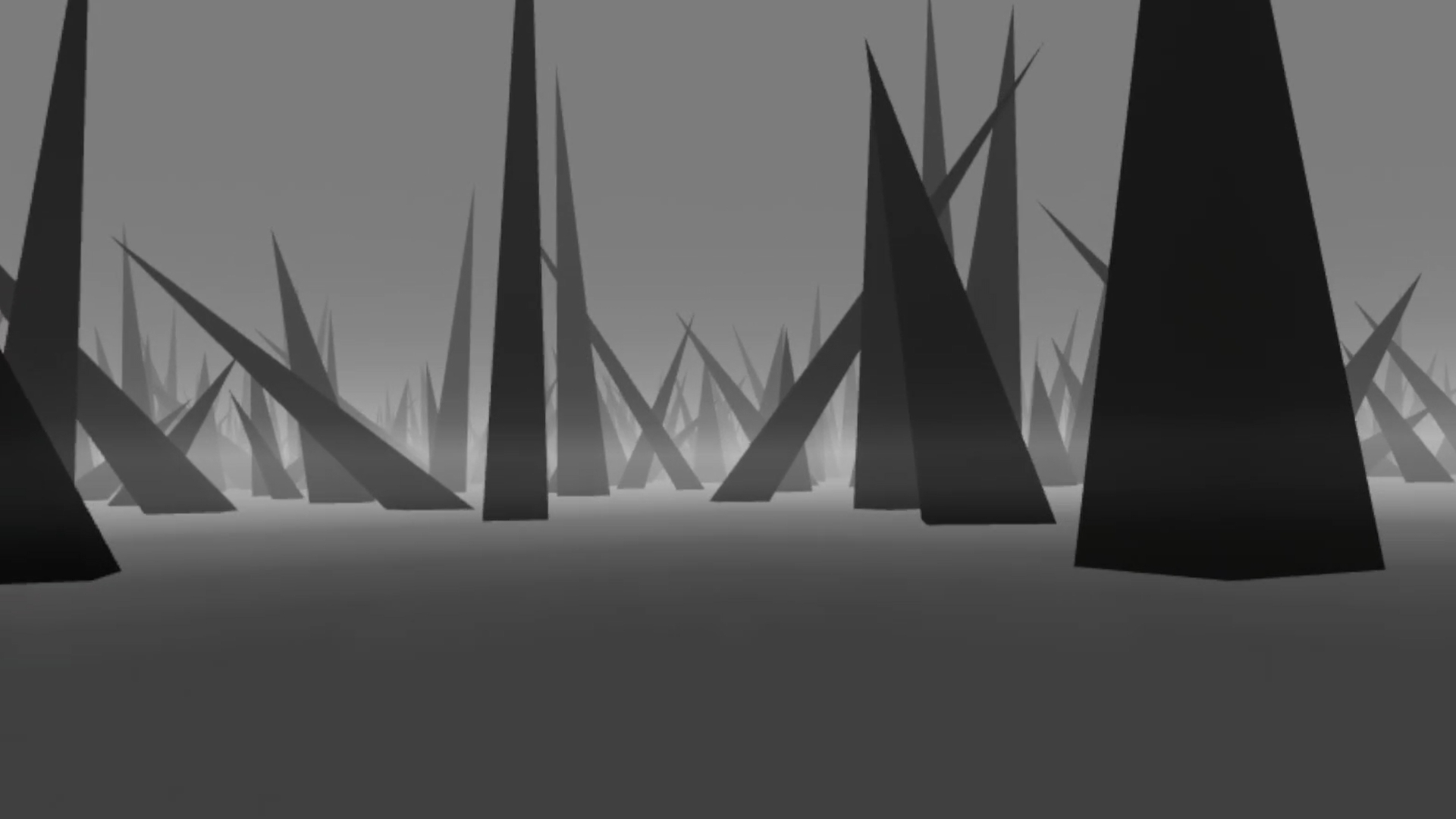
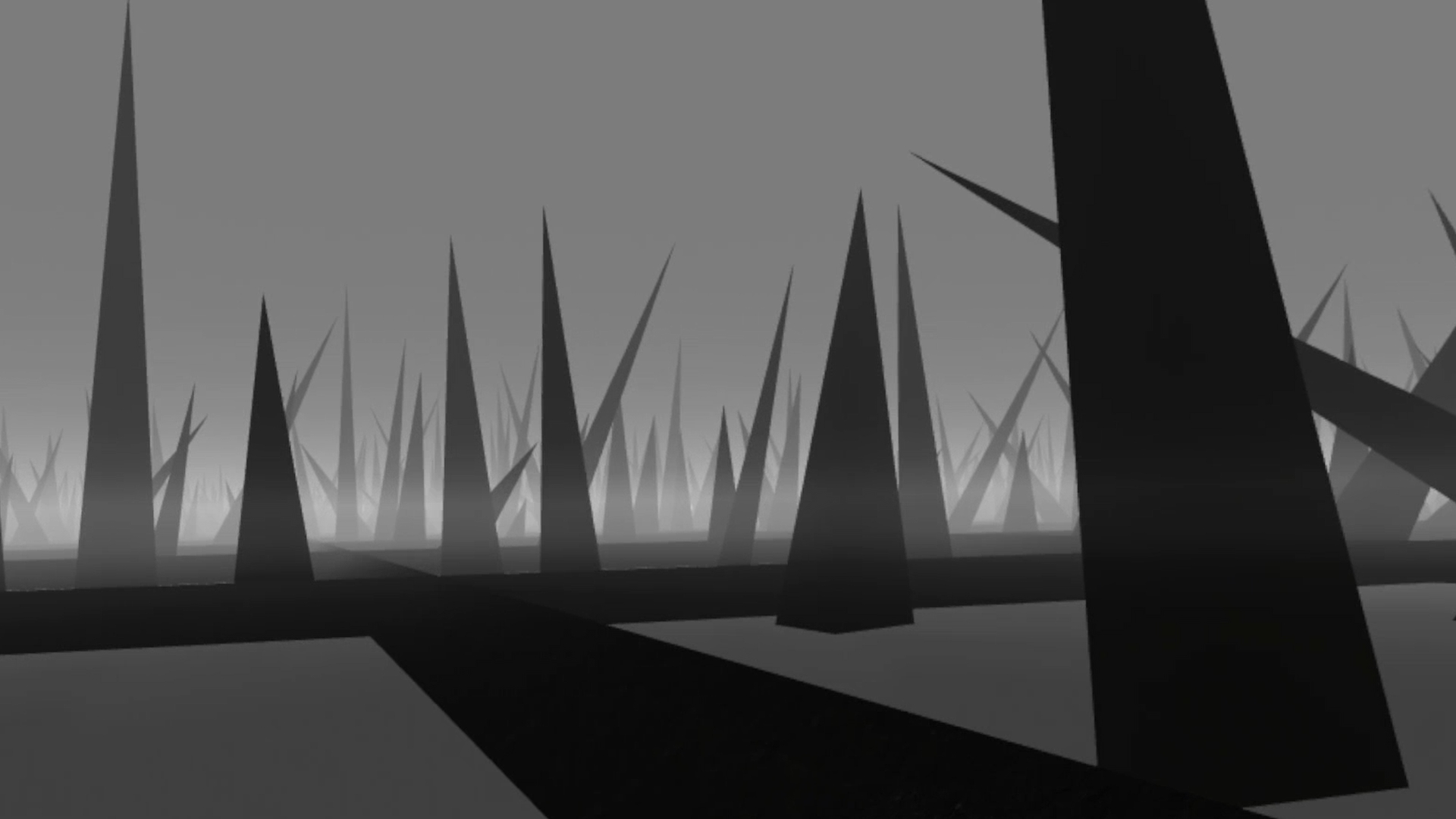
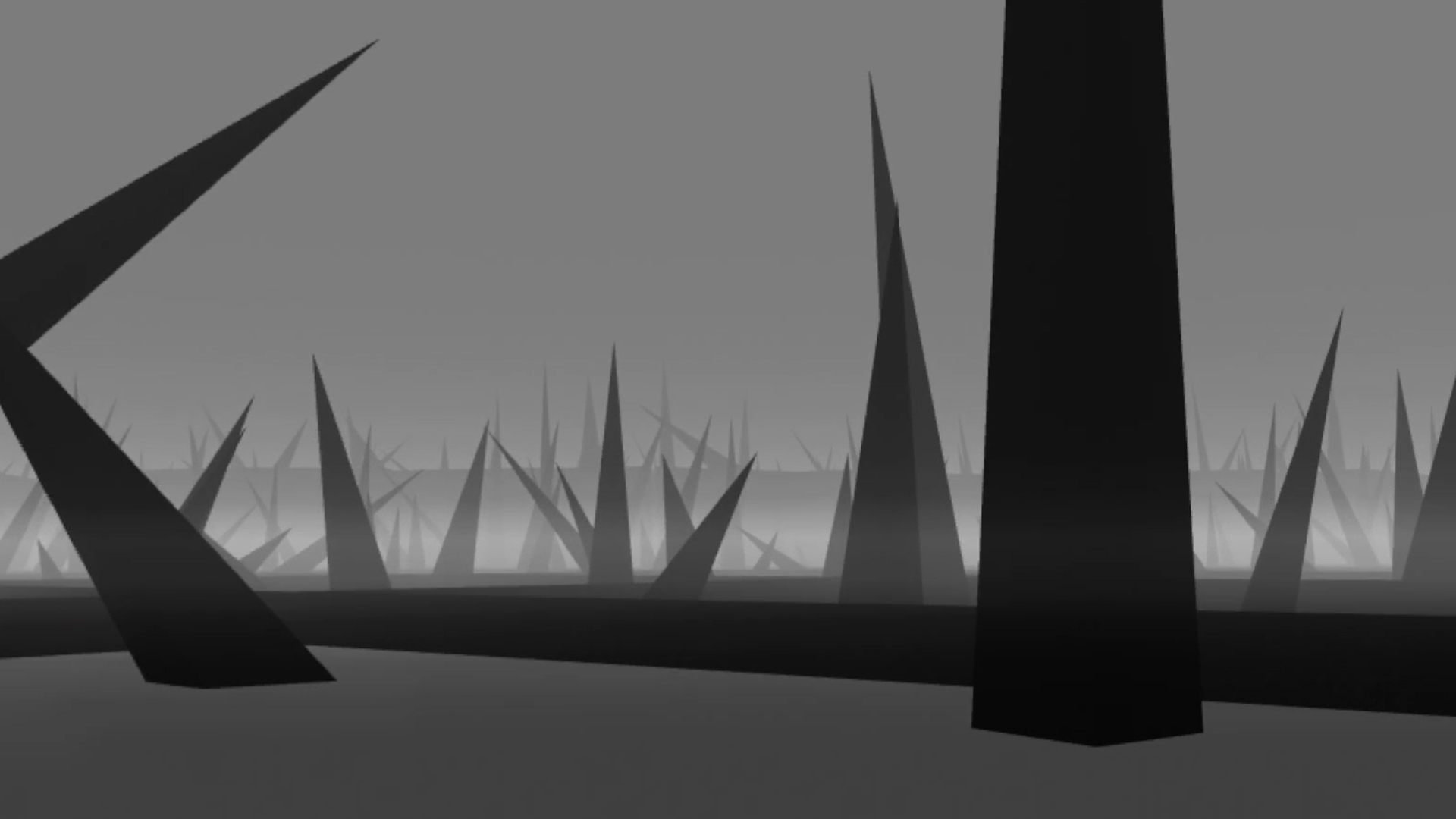
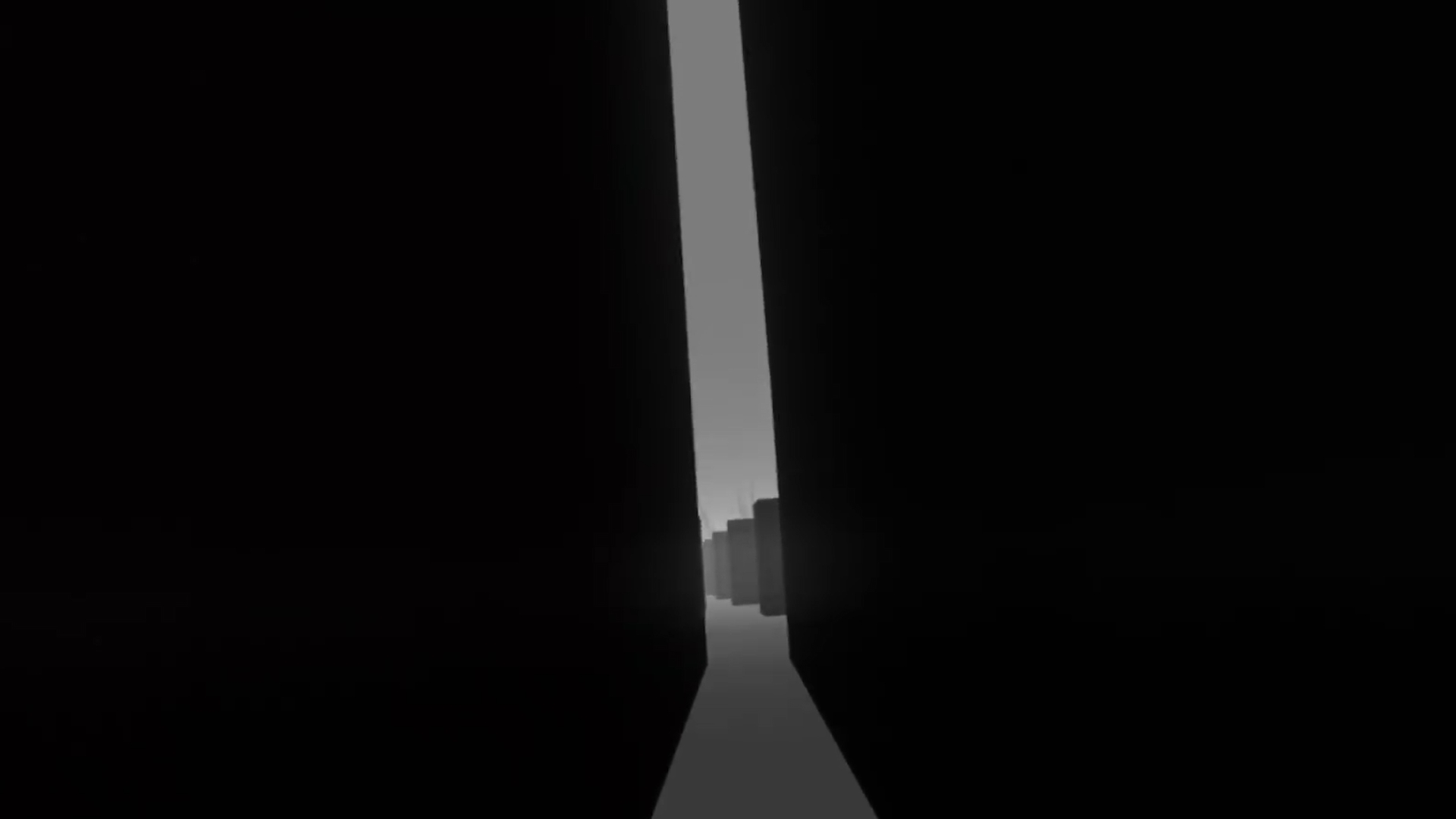
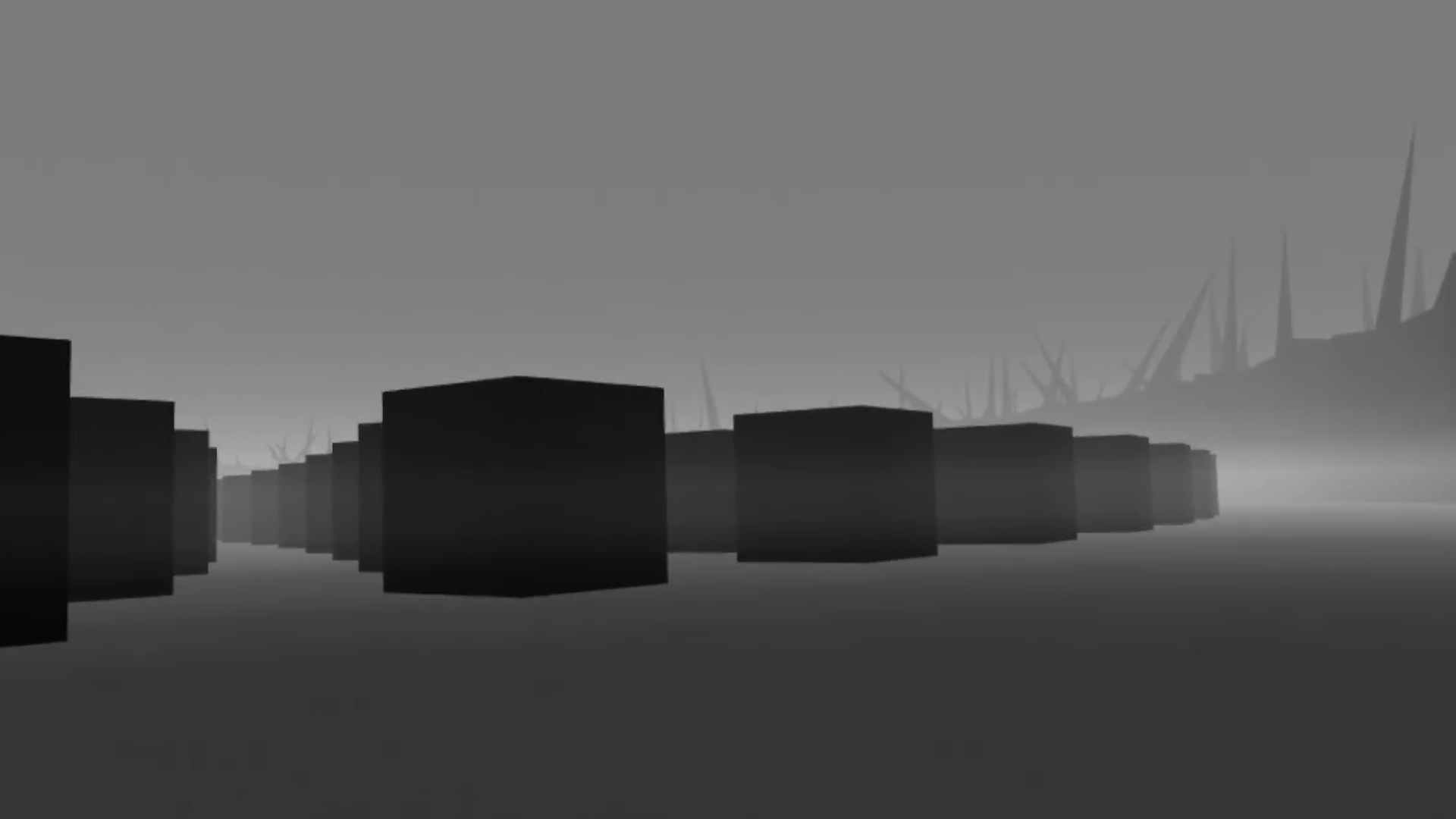
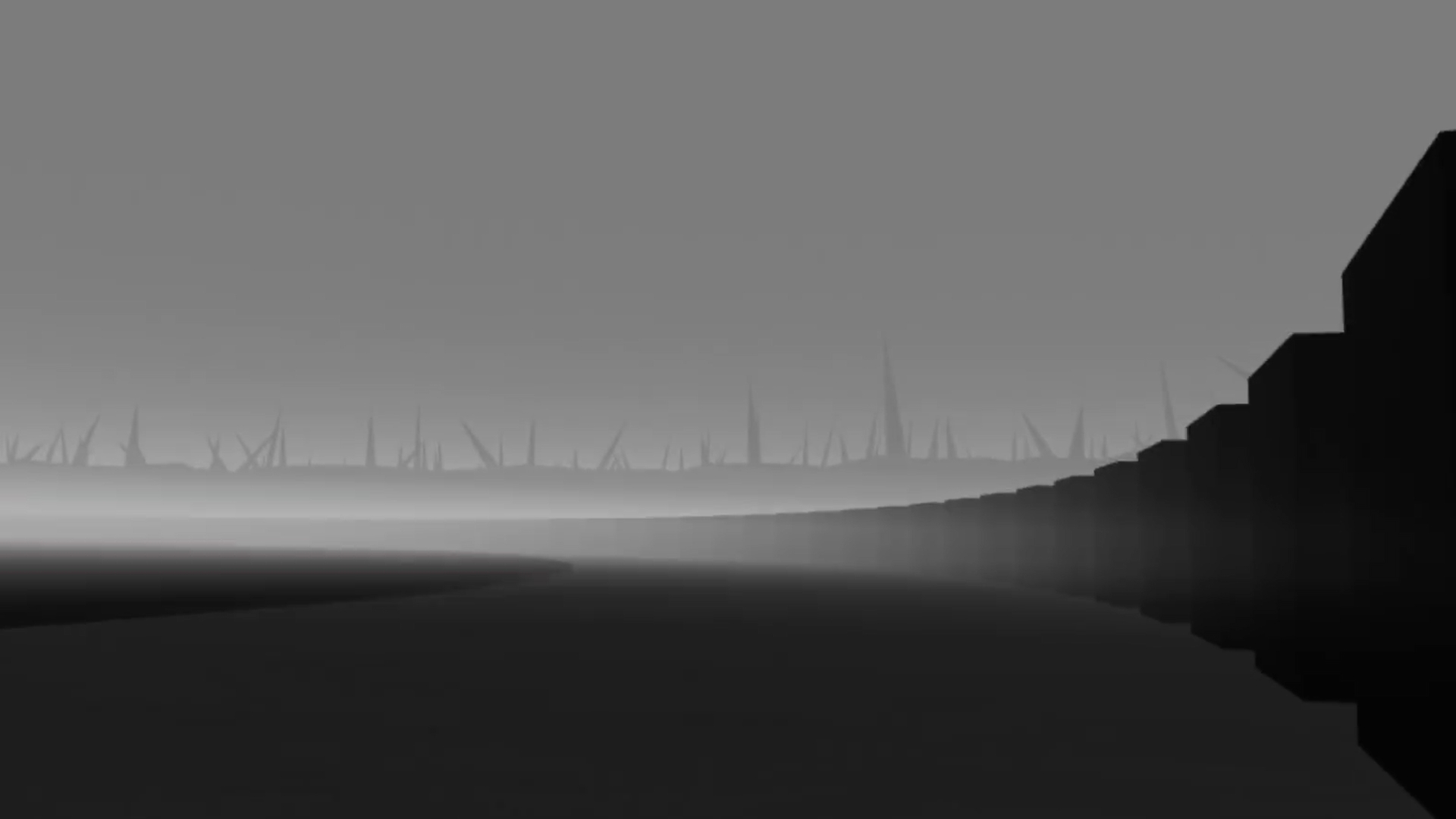
That same problem was tackled in a Sandia National Laboratories report on long-term nuclear waste deterrents. One of their more striking proposals was the “Spike Field”, a surreal landscape of jagged, 20-metre-high concrete spikes designed to provoke dread and awe. No words, just architecture speaking directly to your instincts.
I first got to experience this concept in Fallout 76, but the area dedicated to it was tiny. That left me wondering, what would a proper version of this feel like? That curiosity and opportunity with Meta Horizon Desktop Editor became the seed for You Shouldn’t Be Here: a large-scale virtual world built to let others feel that same tension and unease.
What it does
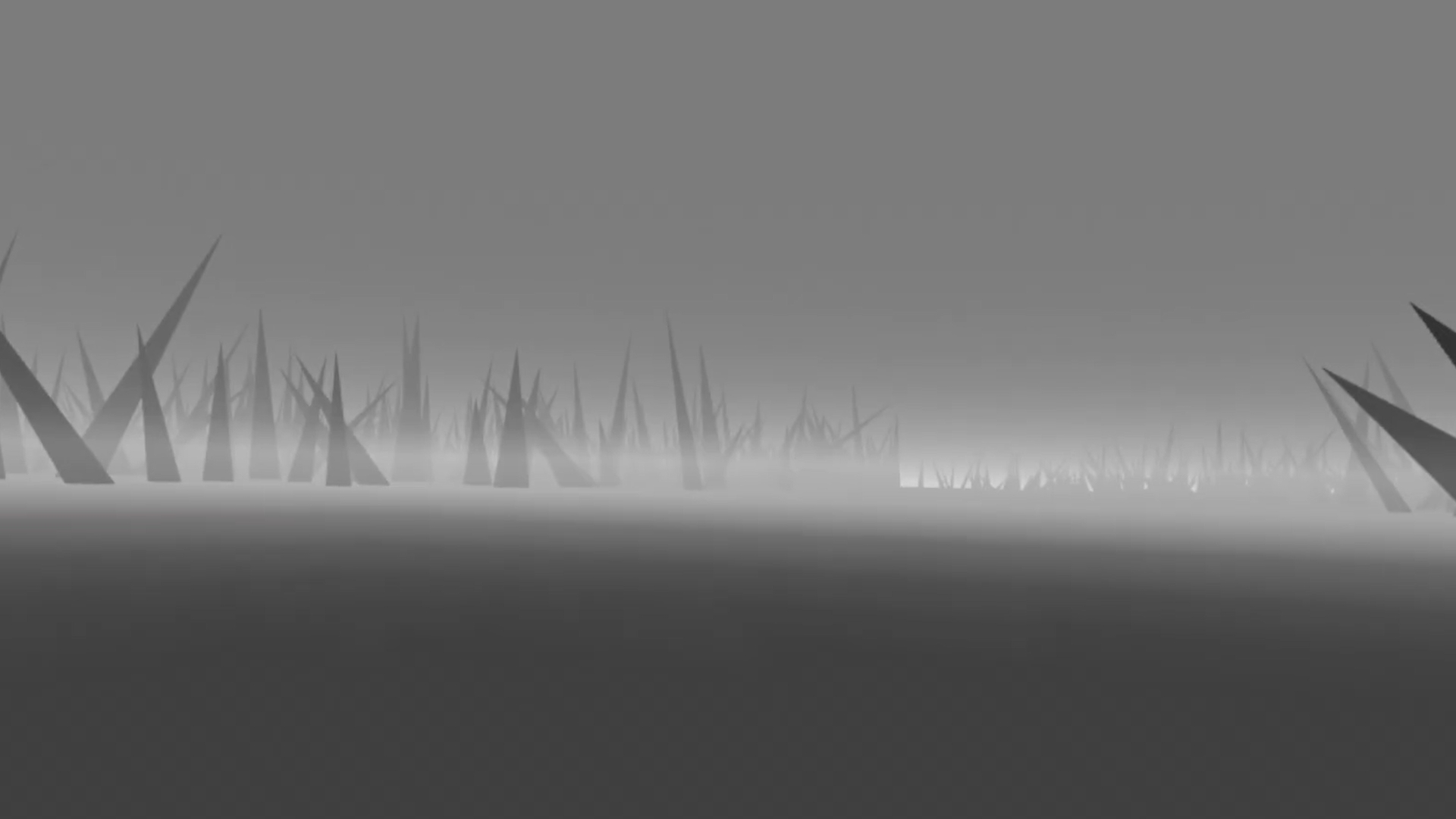
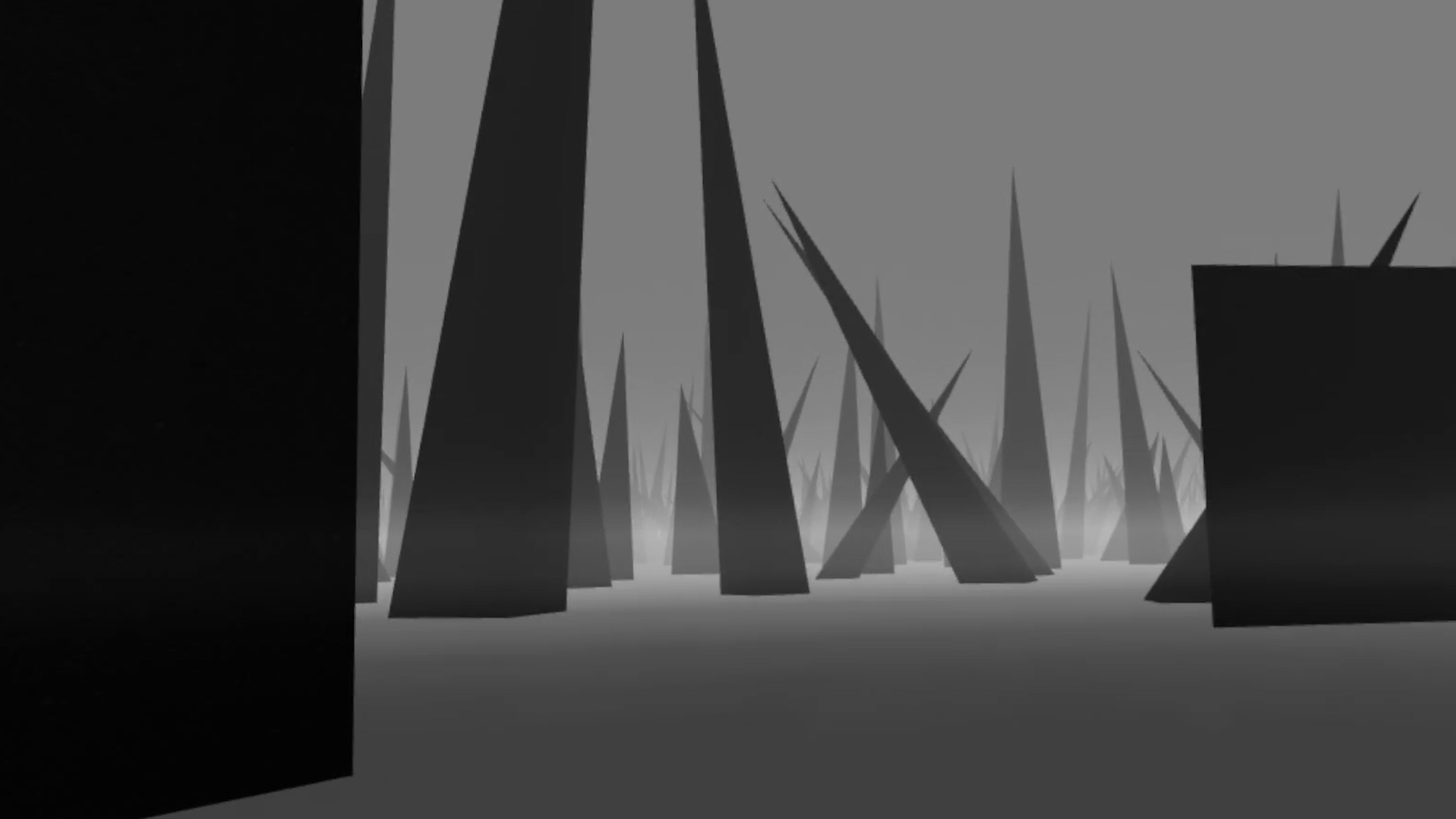
You Shouldn’t Be Here is a 4km-wide immersive environment. not a direct replica, but a reimagining of the Spike Field concept with a bit of artistic licence. It simulates the feeling of trespassing into a place that doesn’t want you there.
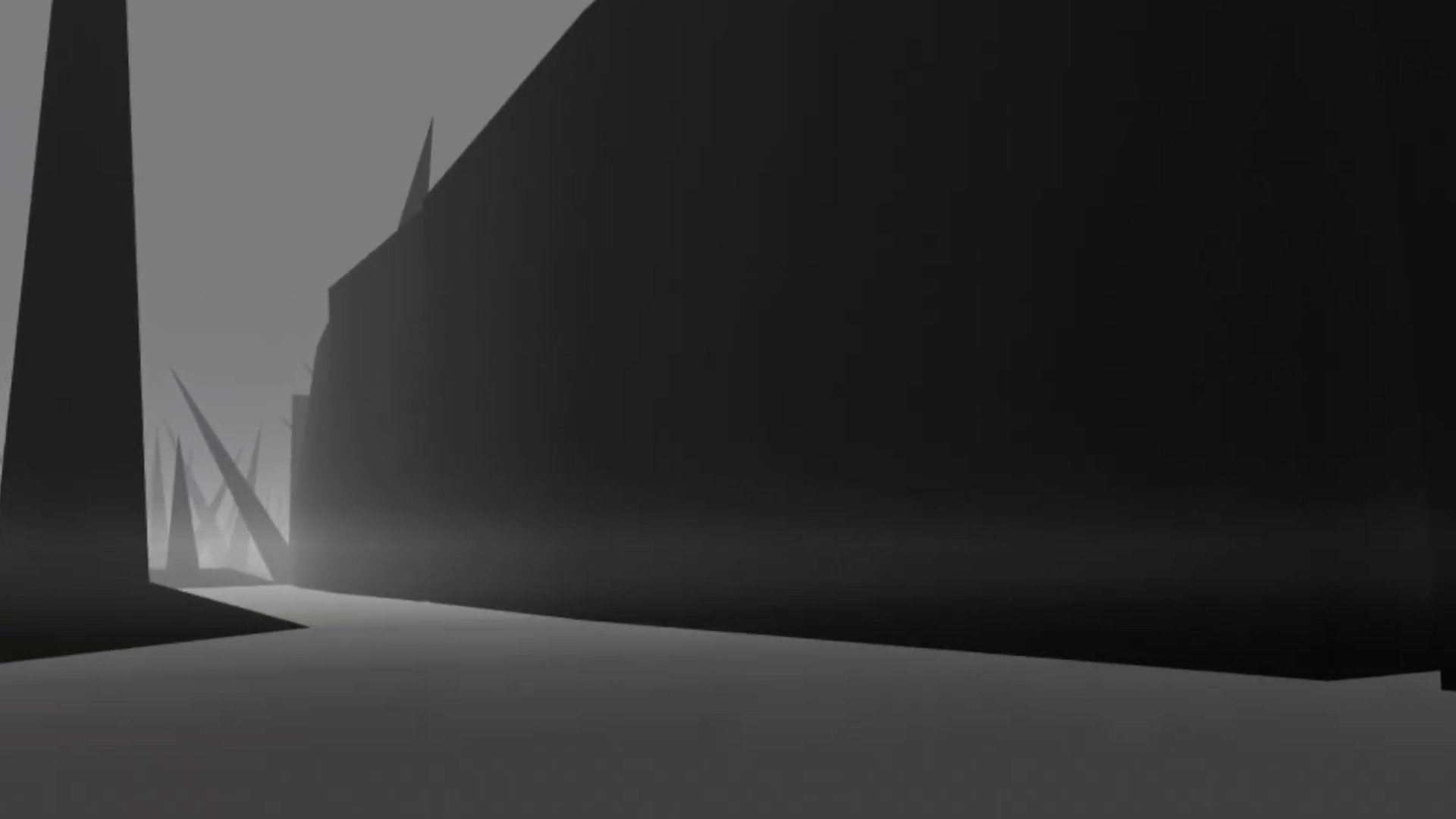
The world is built with concentric rings, each one dialling up the tension. Spatial sound leads you toward the centre, while lighting, form, and scale subtly mess with your perception. There are no big signs or handholding. Just design and atmosphere creating that sense of you shouldn’t be here.
Best part? It’s accessible to everyone. VR, mobile, desktop, even straight through a browser. Just drop someone a link and they can walk into this strange space.
How I built it
The project started in Blender, using geometry nodes to generate the rings of spikes with subtle variation. From there, I optimised the world and brought it into Meta Horizon using their new desktop editor.
Key techniques included:
Used low-poly modular spikes generated with geometry nodes to reduce asset bloat
Chunked the geometry instead of loading hundreds of tiny prefabs, I grouped them smartly for smoother performance
Kept texturing minimal just dark, surreal tones to push that unease
Brought in spatial audio built with my own synths to layer eerie drones and pulses loops to draw the player to the center
Enviornment Building Tuned fog and lighting inside Meta Horizon to create a heavy, low-visibility feel and hide draw distance limits
In this dev log, I break down why I built the Spike Field in Meta Horizon

Challenges I ran into
Performance vs scale Working at this scale meant rethinking everything from mesh structure to load order. I learned quickly that lots of small prefabs could hurt performance just as much as large ones. The trick was finding the sweet spot. Surprisingly, Meta Horizon handled it pretty well when the chunks were grouped and load time was quick.
Emotional storytelling through space I didn’t want to tell people the space was hostile. I wanted them to feel it. The design leaned on shape, layout and architectural threat all inspired by deterrent theory to create discomfort without needing any text or narration.
Keeping the journey fresh It’s easy for big spaces to feel empty. To keep things engaging, I used level and sound design techniques to vary each ring and slowly build tension. Some layouts mislead, some restrict your vision with a maze at the center to make you feel small. Sound is layered carefully to pull players through the space.
Sound import unlocked everything Before the v210 update, importing sound wasn’t an option. I had to get creative with pitch-shifted default audio and loop tricks. But once the update landed, I was able to bring in my own synth work making the soundscape far more alive.
Cross-platform accessibility Meta Horizon runs across VR, desktop, mobile, and browser, which is amazing, but also tricky to design for and make sure 3rd person cameras could feel the scale. But it also means more people can access the world, and that’s the entire point.
Accomplishments that I am proud of
Sound Atmosphere Designed and implemented a dynamic spatial soundscape that reacts to player movement and location. The audio evolves as you explore, creating an eerie, layered atmosphere that deepens immersion and amplifies emotional cues.
Conceptual Space Design Created a space that invites reflection. one that sparks discussion about time and human curiosity. This isn’t a theme park. It’s a conceptual exploration of how we might communicate with the future, and how digital environments can test concepts.
Impossible Architecture, Made Real Used VR to visualise a real-world concept that can’t be built, at least not practically. The Spike Field, as originally imagined, is unfeasible to construct. But in virtual reality, it can be walked through, studied, and emotionally felt.
Made the experience accessible across all major platforms Anyone with a URL can step into the world without needing expensive hardware. This aligns with one of my personal values: accessibility through technology. Living and working in regional Queensland, I’ve seen firsthand how hard it is for people to access immersive tools and digital experiences. For me, this project wasn’t just about building a virtual space, it was about creating opportunity. Meta Horizon lowers the barrier to entry, and I plan to keep building for it because I see the long-term impact it could have in bringing digital worlds to everyday people.
What I learned
Pushing technical limits pays off Building and optimising a 4km immersive environment in Meta Horizon wasn’t just about size, it was a testbed to understand what the platform could handle. I found that Meta Horizon’s performance ceiling is higher than expected when content is imported thoughtfully and geometry is strategically optimised. This opens the door to future large-scale projects that balance ambition with performance.
VR scale redefines design One of the biggest lessons was just how dramatically scale shifts in VR. Objects that look small from a sky view feel massive when you walk through them in a headset. This taught us that you don’t need to fill every inch of space. Instead, there’s powerful design potential in crafting dense, engaging micro-environments that feel large through atmosphere and pacing rather than polygon count.
Sound is the emotional driver Audio isn't an afterthought, it is became a central pillar of the experience. The difference between a curious wander and a tense, immersive journey comes down to sound. Now that custom sound import is supported in Meta Horizon, my synthesizers and sound design workflows can finally shine, allowing me to sculpt emotional experiences that respond dynamically to player proximity.
Cross-platform access matters Meta Horizon’s cross-platform support is a game changer. It makes immersive experiences available to more people, regardless of hardware. That’s especially important to me, living in regional Queensland. Immersive media still has untapped potential to support education, storytelling, and community engagement and Horizon is now positioned to be a platform for that.
What's next for You Shouldn't Be Here
This project opened the door to a new kind of immersive storytelling, one where people can step inside conceptual environments to gain understanding through experience. You Shouldn’t Be Here was just the beginning, and it’s shown me how Meta Horizon can be used to create virtual spaces to explore themes that are difficult (or impossible) to represent in the physical world.
Next up:
A curiosity achievement I’ll be adding a hidden marker for those who reach the centre of the field, a quiet reward for explorers who trust their curiosity
Sound design breakdown Over on my music channel, I’ll walk through how I built the layered soundscape and imported it into Meta Horizon
Tutorial on large world optimisation I’m putting together a guide on how to structure, export, and manage big worlds using Blender and Meta Horizon’s editor
Educational applications This space could easily double as a classroom for speculative architecture, environmental storytelling, or long-term planning in design
More accessible immersive content I’ll keep pushing Meta Horizon as a tool for meaningful experiences


Log in or sign up for Devpost to join the conversation.