-
-
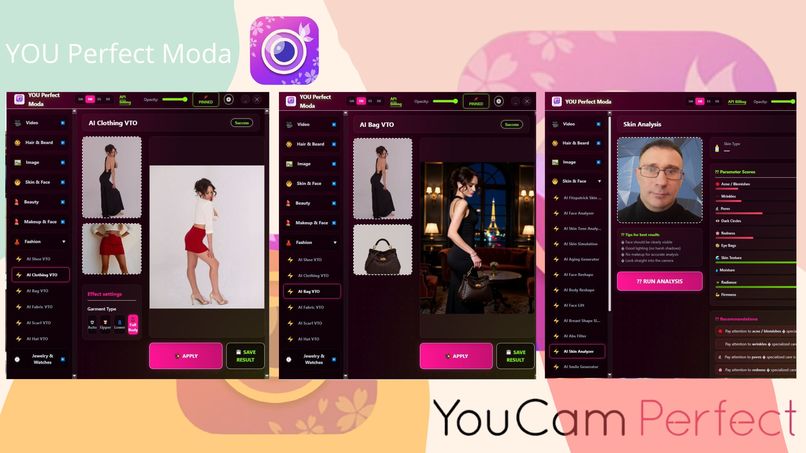
-
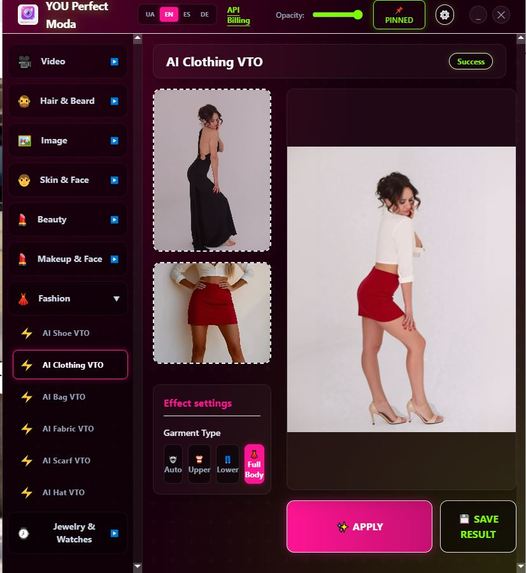
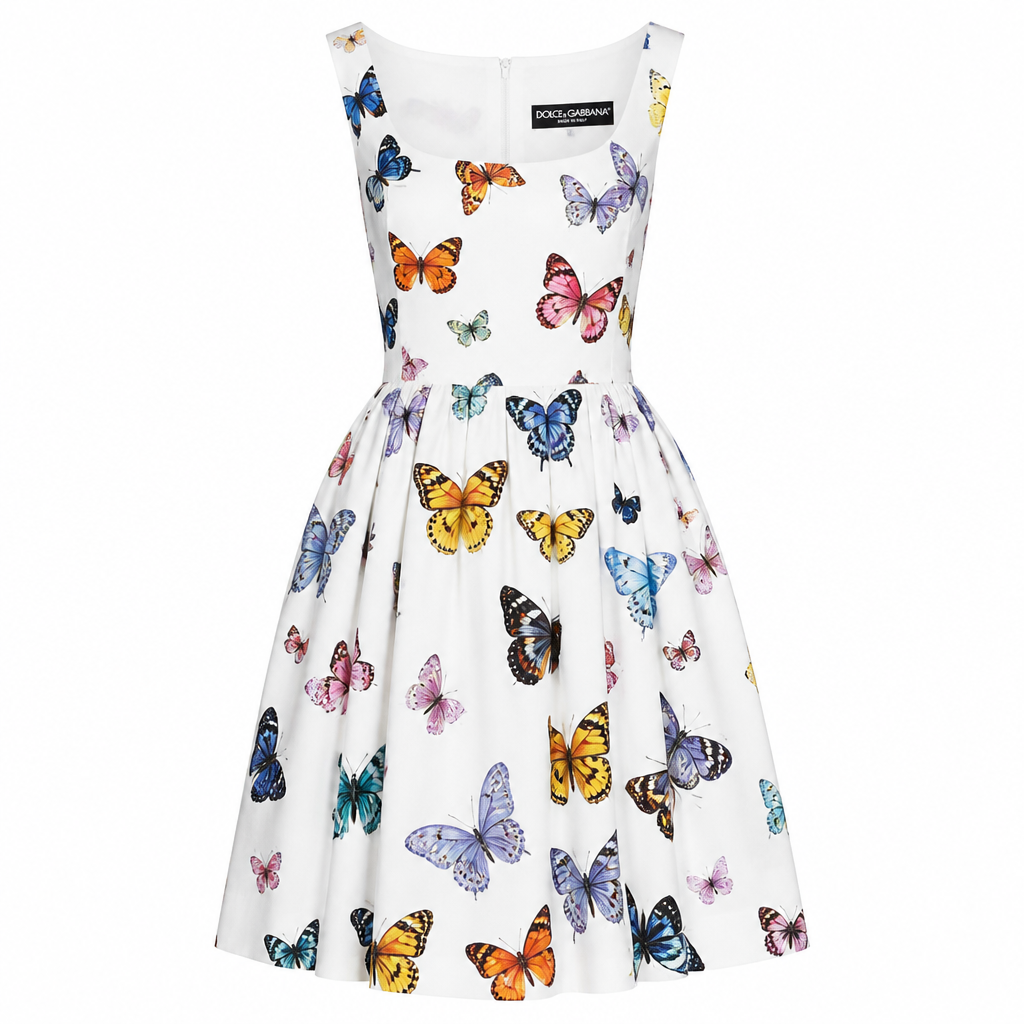
Trying on clothes
-
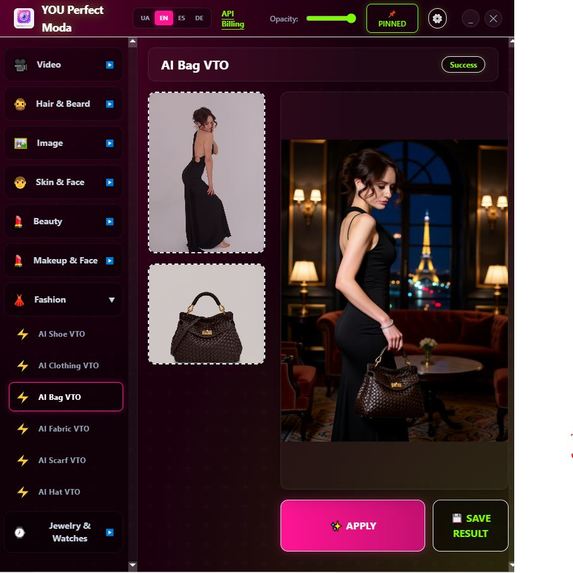
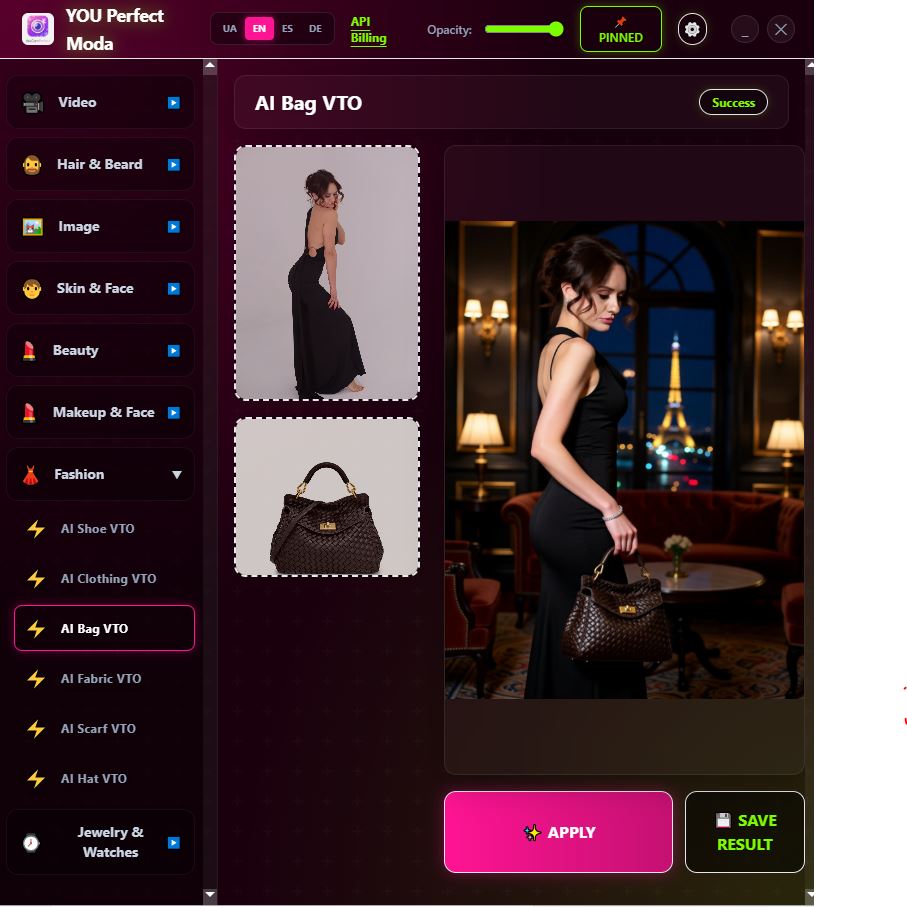
Trying on bags
-
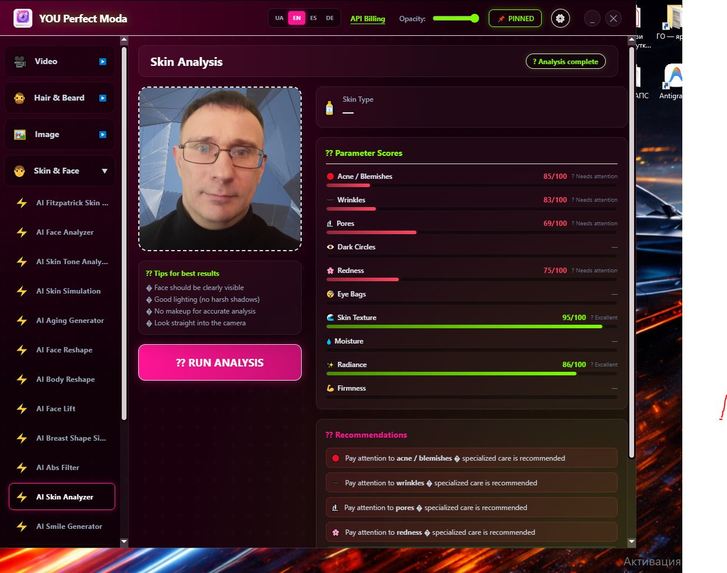
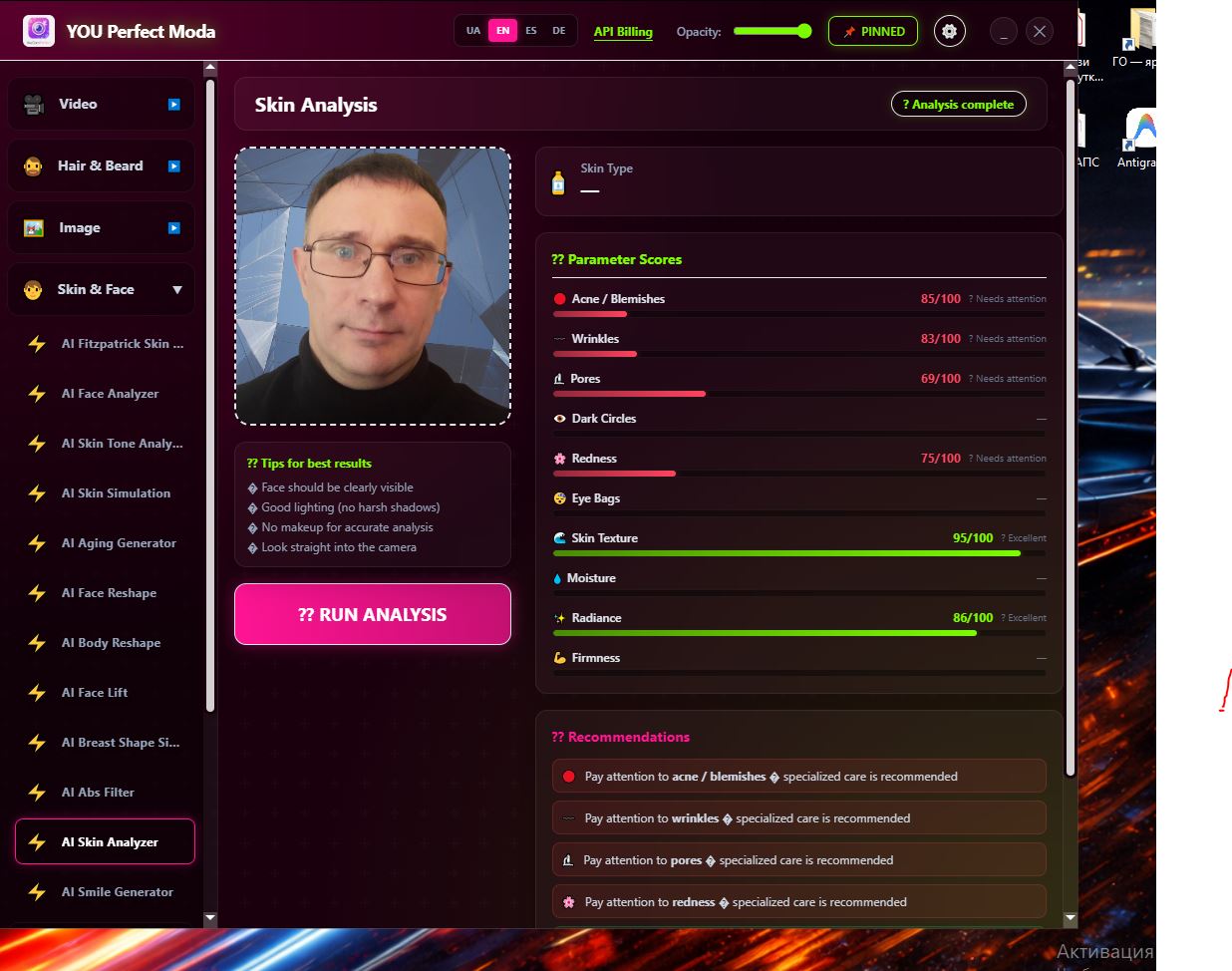
Facial skin analysis
-
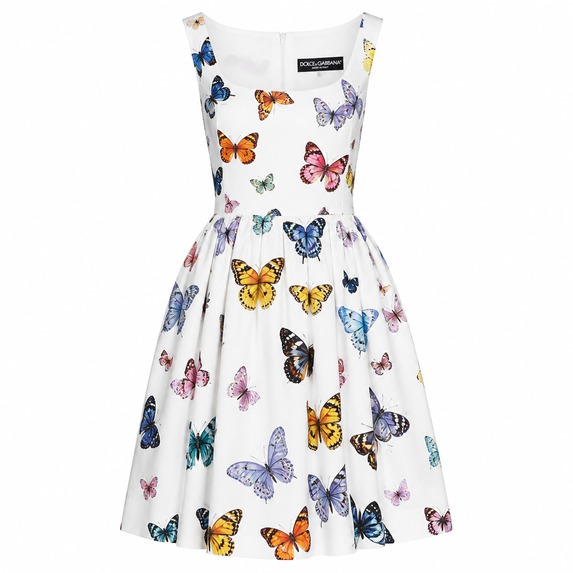
That's how it turned out)
-
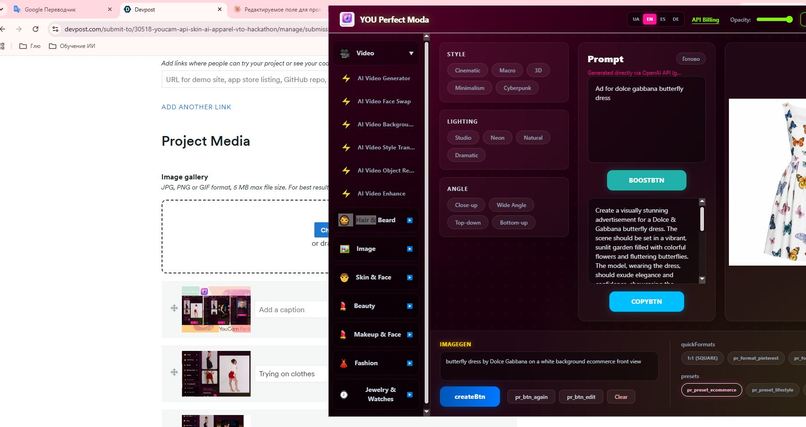
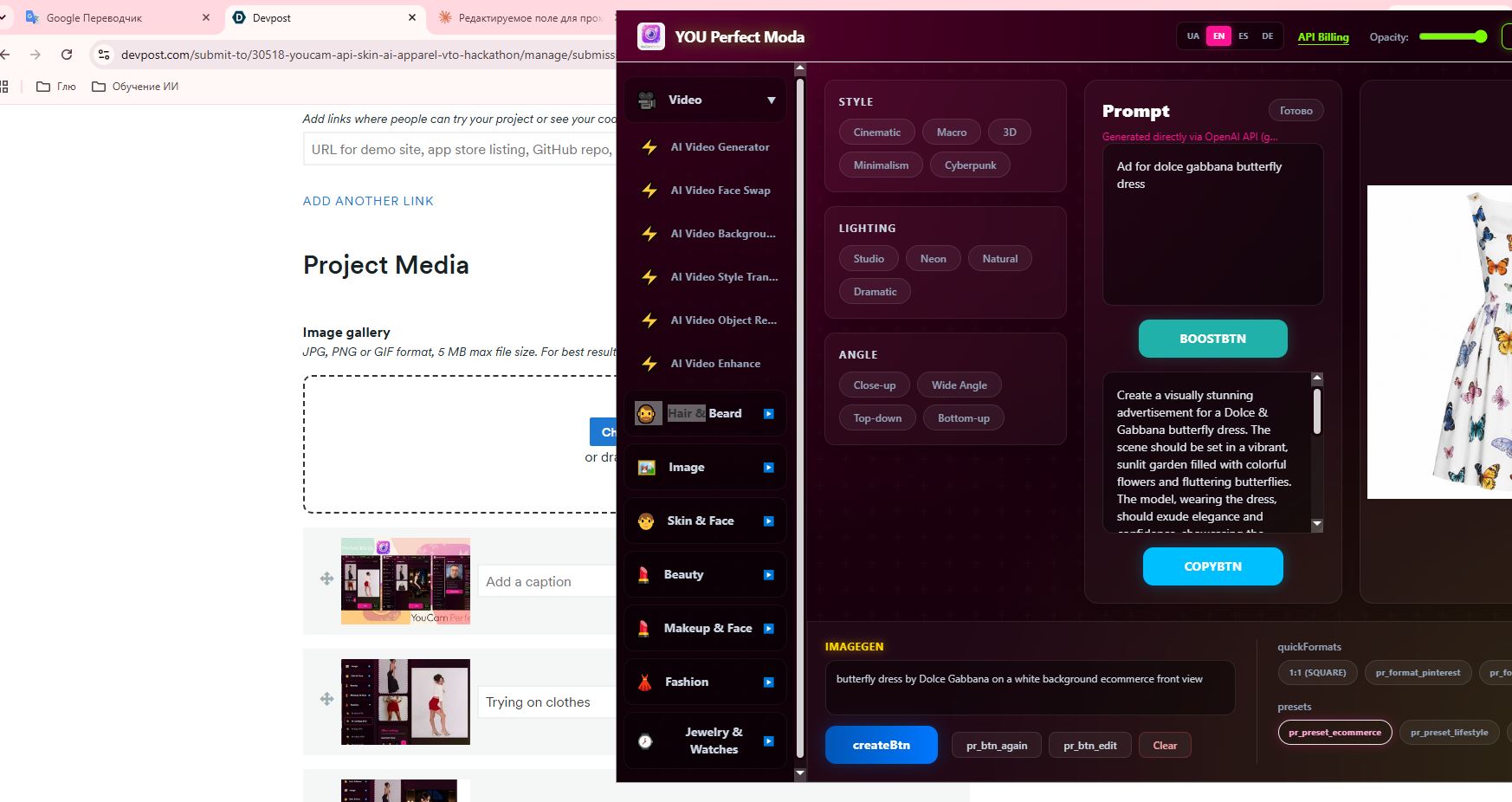
A new trend in software
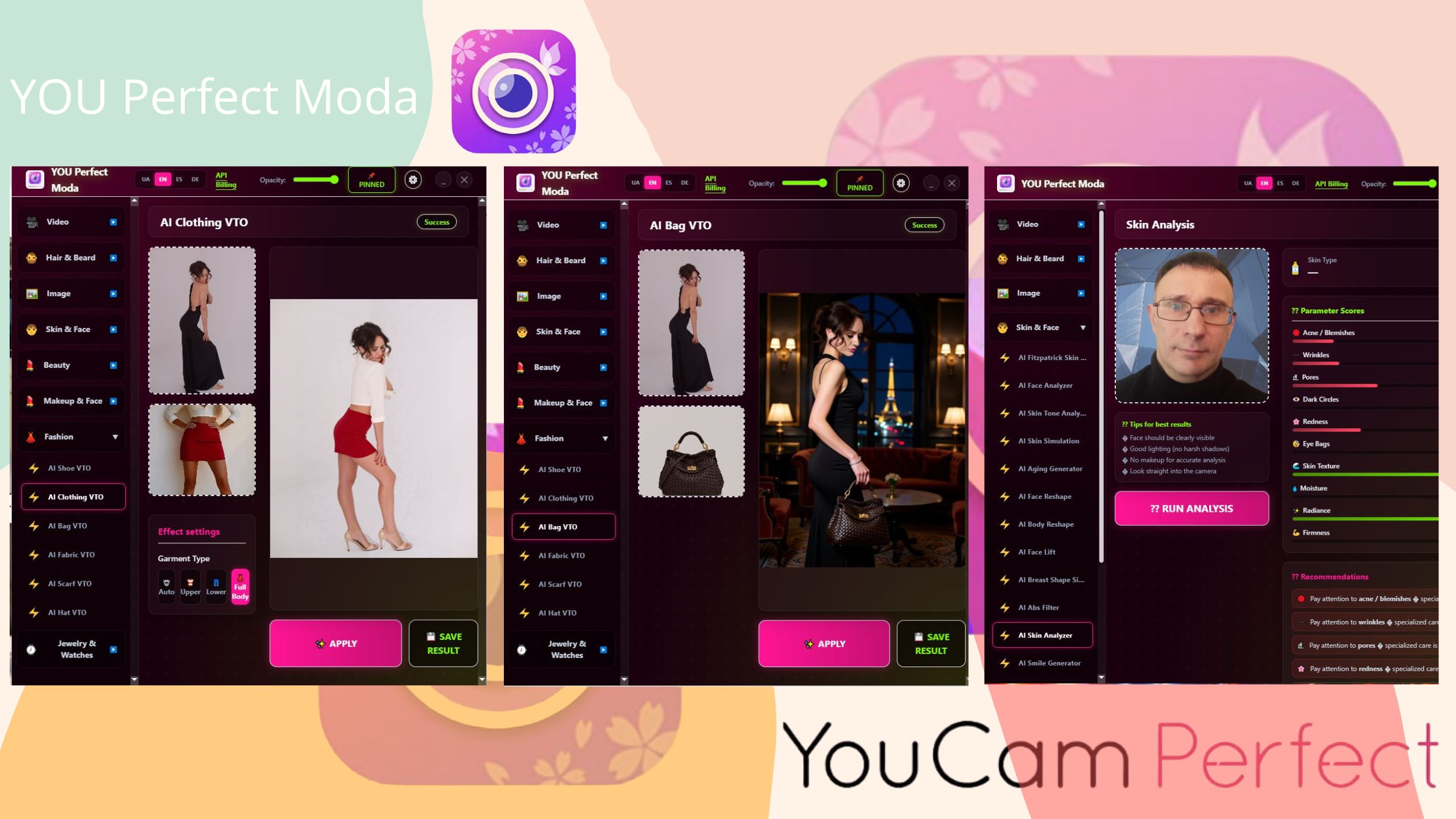
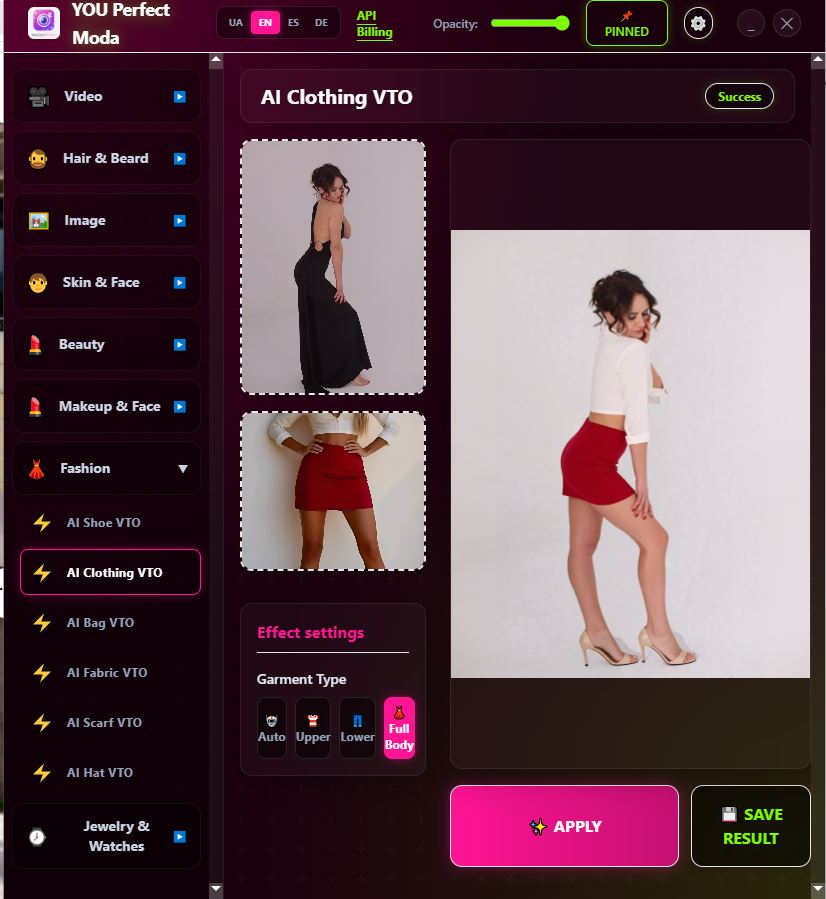
Real-world scenarios
Picture Anna scrolling Facebook late at night. She sees a dress she likes, drags the product photo into YOU Perfect Moda, drags in a selfie from her own Instagram, hits Apply — and two seconds later she's looking at herself in that exact dress, not a stranger's mannequin. If it works, she drags the result straight into a chat with the seller: "I'll take this one." No fitting room, no guesswork, no return label.
Now flip it around. A small clothing seller on Instagram or a marketplace doesn't own a studio, a model, or a photographer — just a rack of dresses. Instead of flat product shots on a hanger, they drop each item onto a stock model inside the app, generate a realistic on-body photo in seconds, and drag it straight back into their shop listing or story. A one-person business suddenly has campaign-quality visuals, without booking anyone or spending a cent on production.
In a supermarket or shopping mall, the same engine runs on a touchscreen kiosk instead of a laptop. A shopper taps their photo (or scans a QR code to pull it from their phone), browses the rack on-screen, and taps any item to see it on themselves instantly — no changing room, no queue, no wrinkled clothes to re-hang. For a busy Saturday crowd, that's the difference between "maybe later" and a sale made on the spot.
For a skincare clinic or cosmetologist, the Skin Analyzer becomes a conversation starter that doesn't need a hard sell. A new client sits down, one photo is taken, and within seconds she's looking at her own acne, redness, and texture scored out of 100 — not a sales pitch, just data. That's the moment a esthetician can say, "here's exactly what a 6-week treatment plan would target," turning a browsing visitor into a booked client, backed by numbers instead of opinions.
Zoom out even further, and the same engine becomes infrastructure rather than an app. A large marketplace or fashion platform doesn't need to send shoppers anywhere else to try something on — it can embed the same VTO and skin-analysis engine directly into its own product pages through the API/SDK layer, under its own branding, with zero UI of ours visible to the end customer. For a platform with millions of listings and zero in-house computer-vision team, that's the difference between building a try-on feature from scratch over a year, and switching one on next quarter.
Across every one of these scenarios, the mechanism is the same: drag something in from wherever it already lives — a social feed, a product catalog, a camera, a kiosk scanner — and drag the result back out to wherever it needs to go next. The window doesn't care which platform the content came from or where it's headed; it's built to sit in the middle of that flow, not replace it.


Log in or sign up for Devpost to join the conversation.