Inspiration
Isn't it exciting to connect robotics and game development? A game screen and a real-world desk lamp normally live in completely different environments, but we wanted to force them to interact. In You Light, I Lift, the LeLamp becomes the bridge; a physical object that dictates visibility inside the game engine, while a stick becomes a piece of the digital level design. We wanted to build an experience where hardware and software rely on each other entirely!
What it does
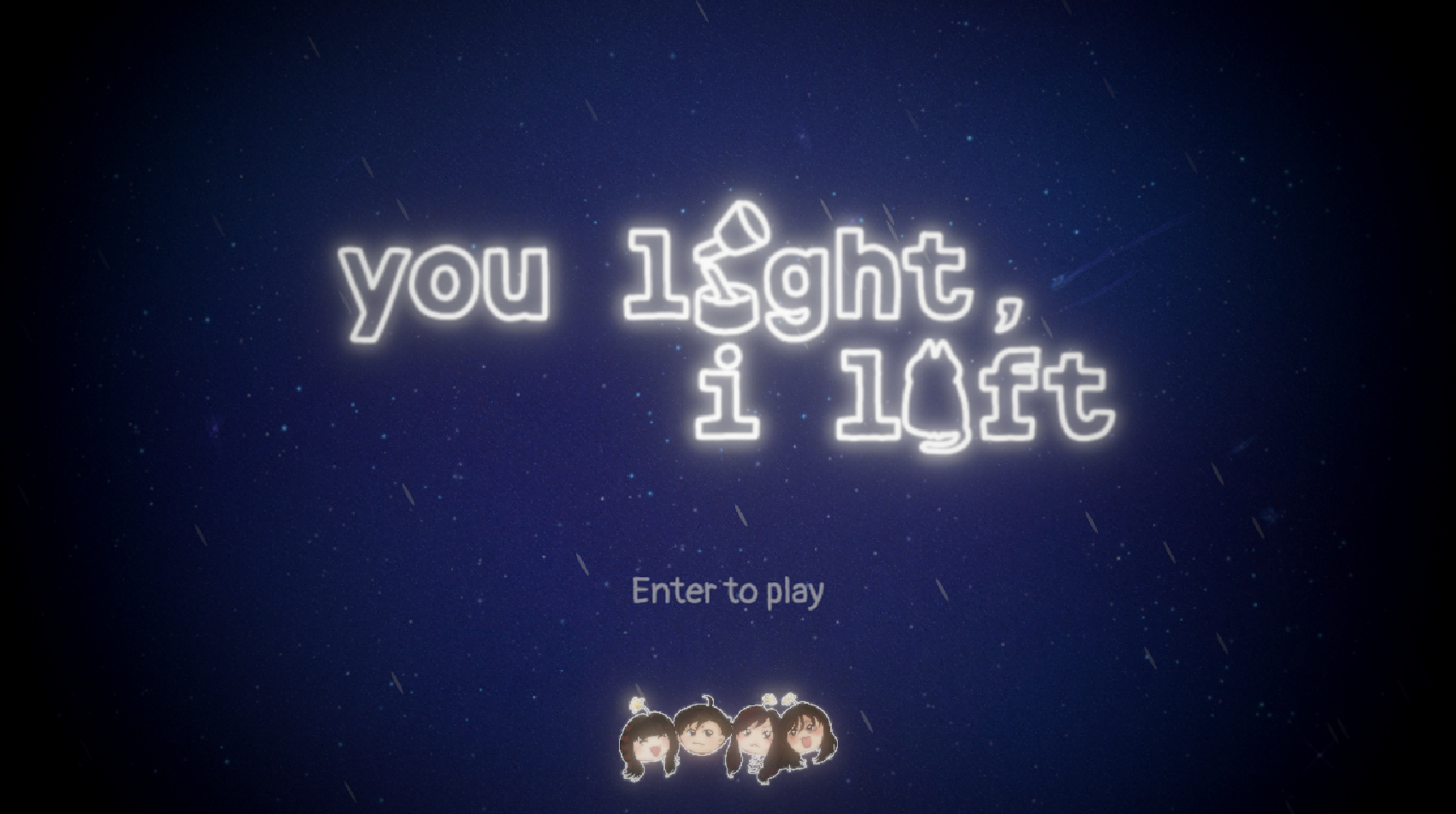
You Light, I Lift is an asymmetric two-player cooperative escort game driven by physical hardware.
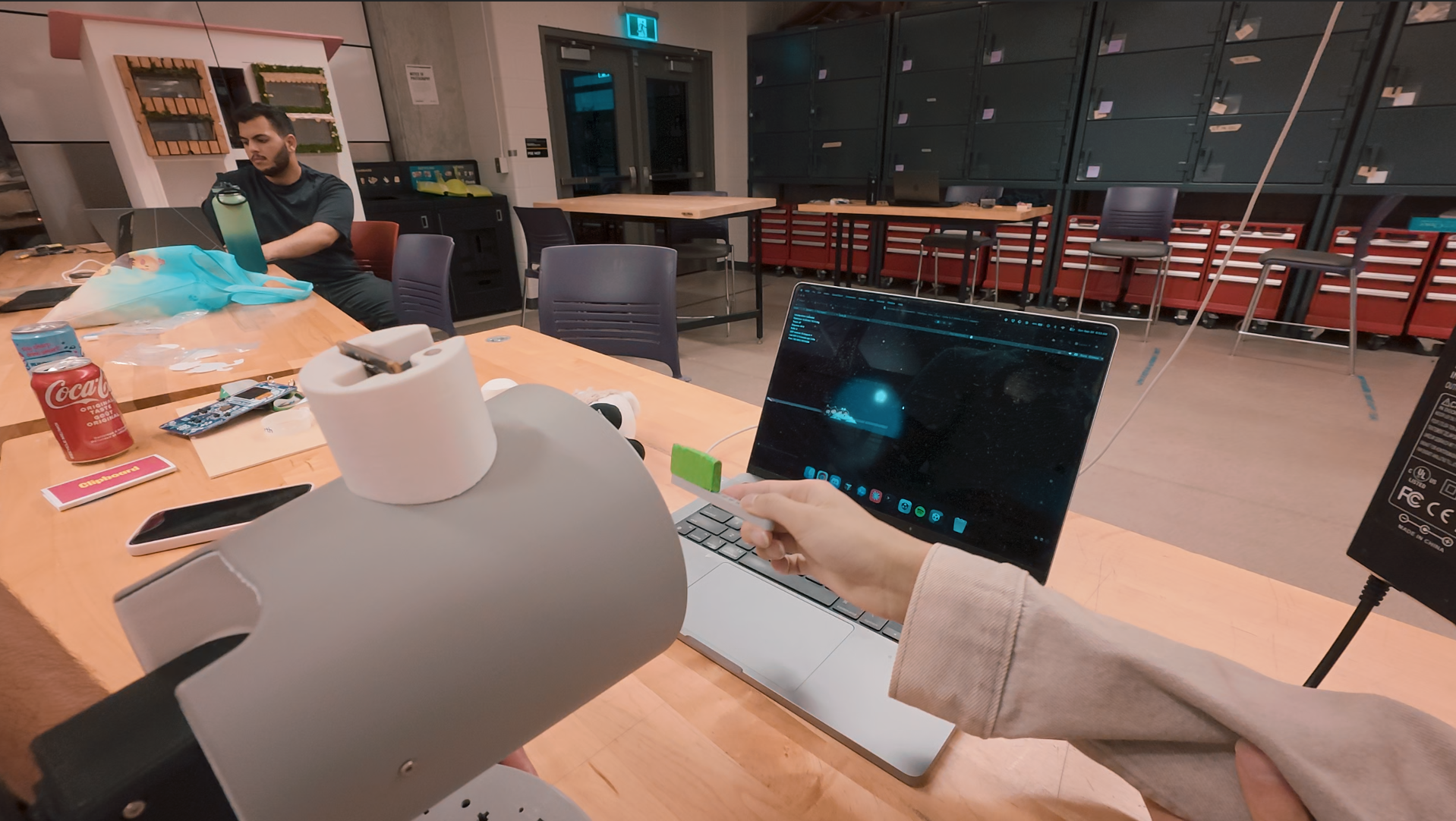
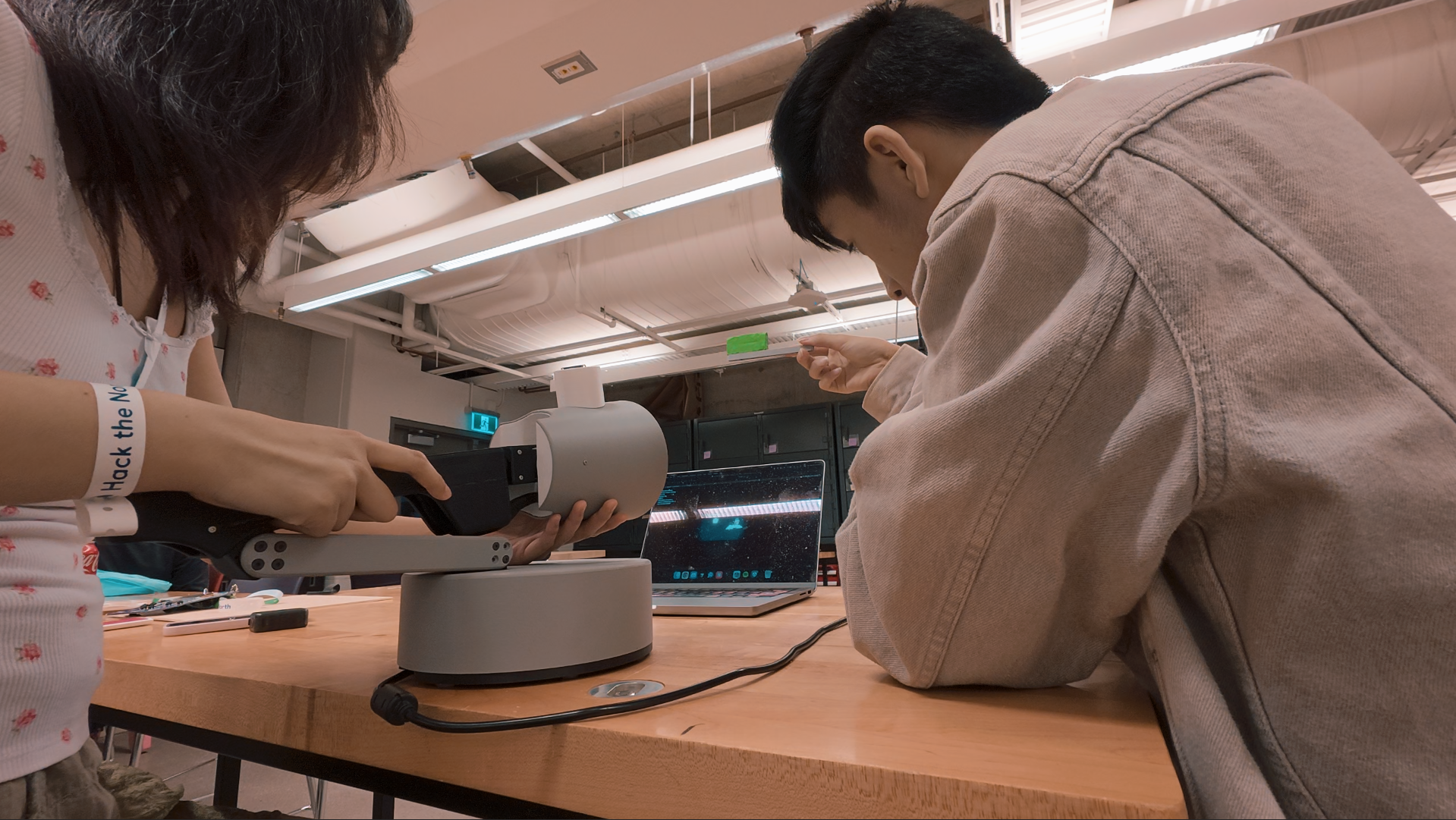
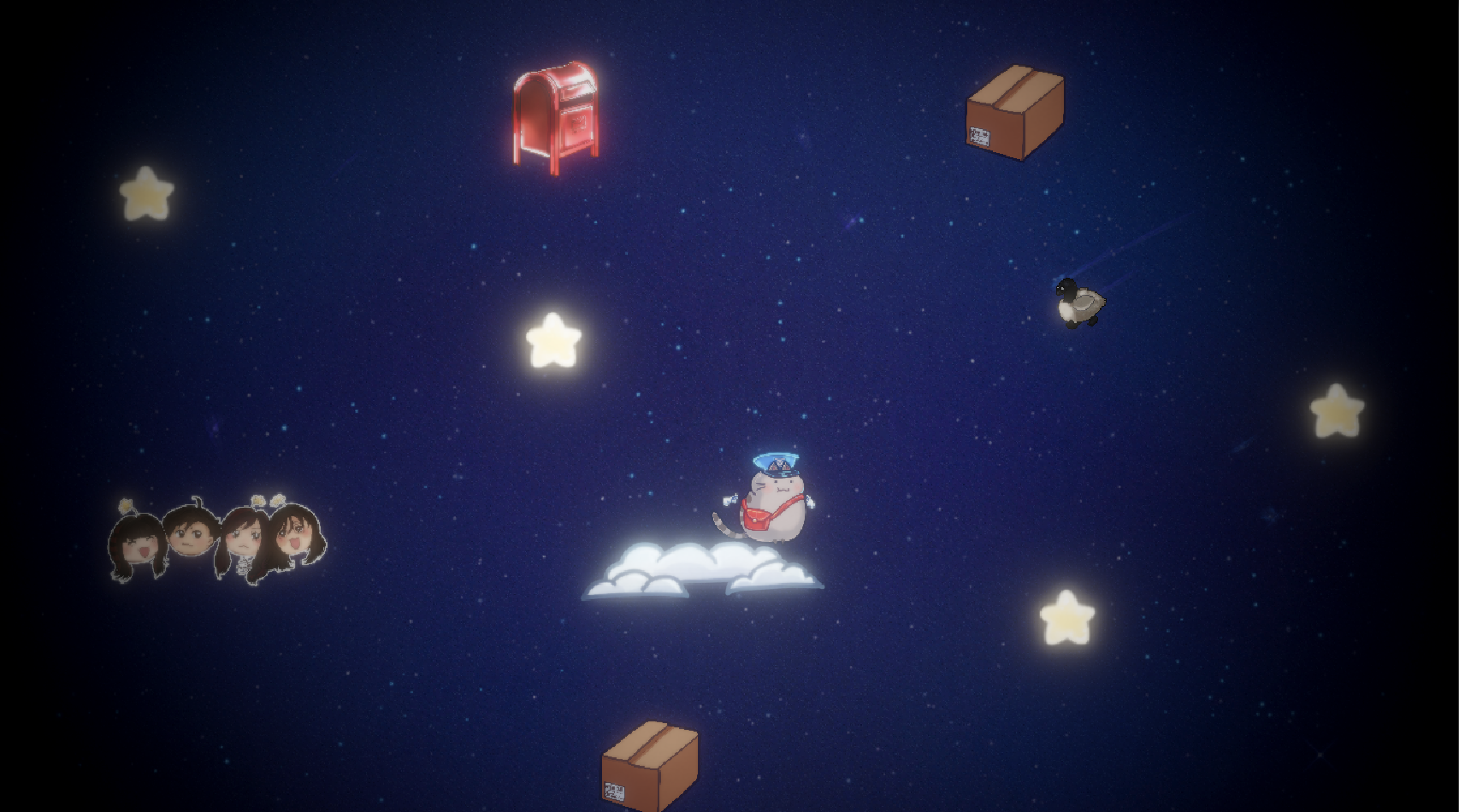
- Dynamic Visibility: The digital game world begins in pitch darkness. Player 1 physically moves the LeLamp in the real world to cast a virtual spotlight on the screen, revealing gaps, hazards, the mailbox goal, and the constantly moving NPC Delivery cat.
- Real-Time Hardware Platforms: Player 2 control a physical stick in front of the lamp’s camera. The game tracks this object in real-time, rendering it as a solid, digital platform inside the game.
- You need the Synergy!: The NPC auto-runs continuously. Player 1 must illuminate the path so Player 2 can physically lift, catch, and guide the character safely across the level. Neither player can succeed alone.
How we built it
We developed the core game in Unity 6.4 and integrated the physical LeLamp utilizing its native SDK and runtime API
- We streamed the lamp's joint telemetry into Unity over a UDP network connection. Unity receives this data, reconstructs the physical lamp's exact pose in the engine, and drives a virtual flashlight system that unmasks the hidden environment using shaders.
- We loaded the lamp model directly from its URDF definition and mesh assets, perfectly translating the robot’s coordinate system into Unity’s world space.
- For Player 2's platform, a custom Python tracker reads frames from the lamp's camera API. It utilizes color detection to identify a green stick, estimates its spatial positioning, and feeds that tracking data back into Unity to render a tangible collision box for the NPC delivery cat.
Challenges we ran into
One of our biggest challenges was translating the lamp’s real-world movement into reliable in-game behavior. Color tracking the green object worked well when the camera was still, but things became much harder when both the camera and the object could move. If the camera moved while the object stayed still, the game would still interpret that as object movement because, from the camera’s perspective, the object had shifted.
We experimented with a few solutions, including using an external laptop camera for a fixed viewpoint, but that created spacing and angle issues. Eventually, we focused on counteracting the lamp’s own movement so the game could better tell the difference between camera motion and actual object motion.
Accomplishments that we're proud of
We’re really proud of how creatively we used the physical lamp. It became both a controller and an in-game flashlight, which made the experience feel much more immersive and unique than a traditional keyboard or mouse setup.
We’re also proud of integrating the physical platform/object into the game world. Seeing a real object affect the digital environment was one of the most exciting parts of the project, and getting that interaction to finally work felt incredibly rewarding.
What we learned
We learned a lot about Unity, computer vision, hardware integration, and working with physical inputs. This project pushed us to think beyond normal game controls and explore how hardware like a Raspberry Pi, cameras, SSH, and real-world objects can connect to a game experience.
We also learned that working with hardware adds a whole new layer of unpredictability. Lighting, camera angles, movement, and physical spacing all mattered, so we had to constantly test, adjust, and rethink our approach.
What's next for You Light, I Lift
Next, we’d love to build out more levels and add more gameplay features that make the experience even more fun and polished. We want to explore new puzzles, smoother object tracking, and more ways for the lamp and physical objects to interact with the game world. The core idea has a lot of room to grow, and we’re excited about turning it into a fuller experience.


Log in or sign up for Devpost to join the conversation.