-
-
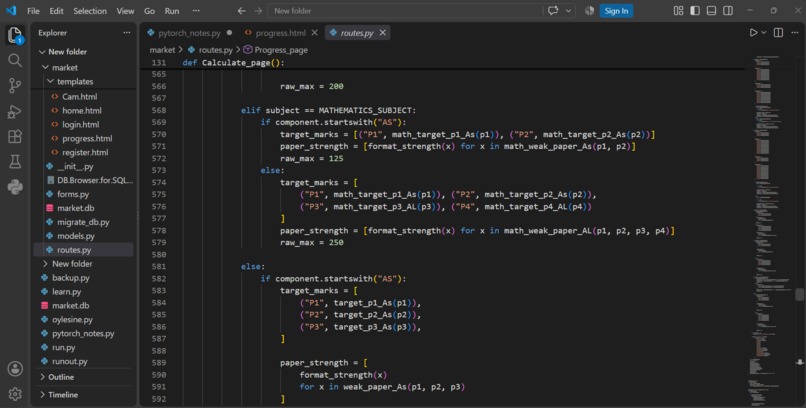
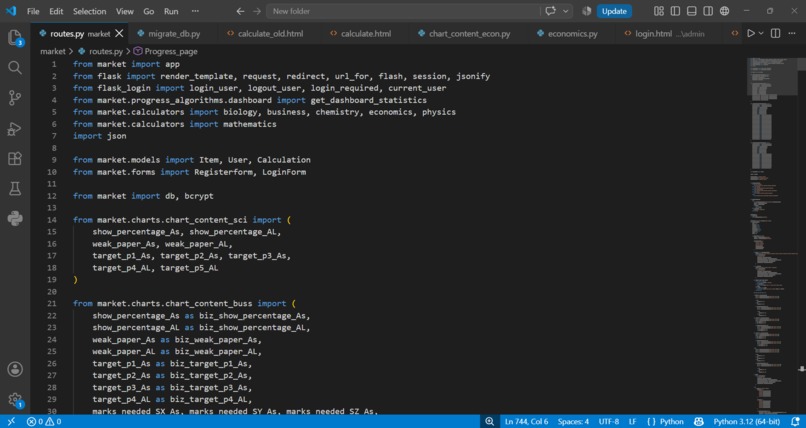
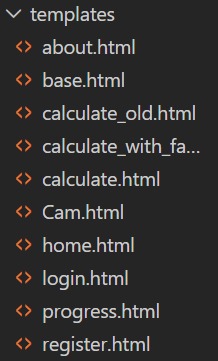
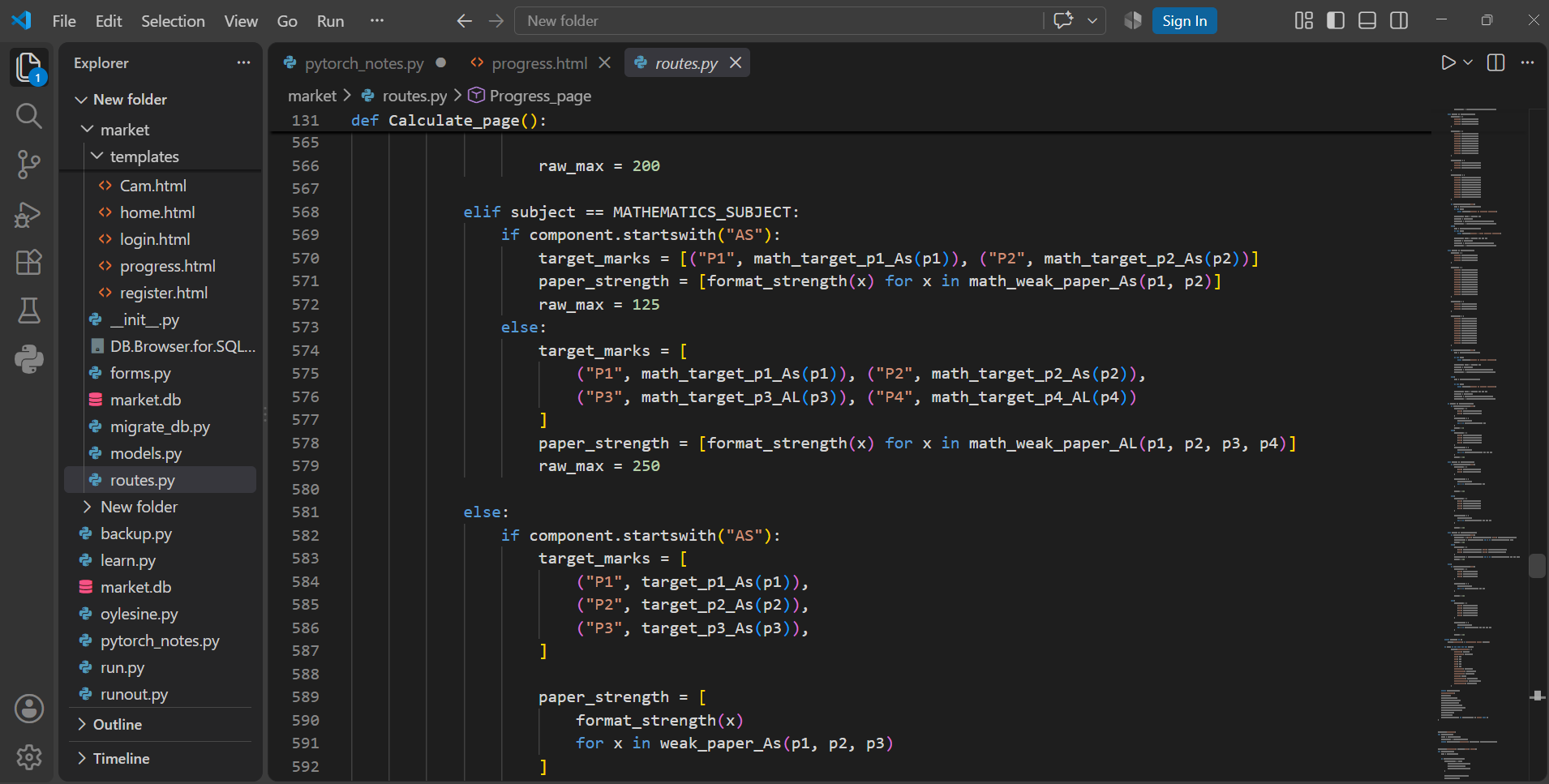
backend logic with flask
-
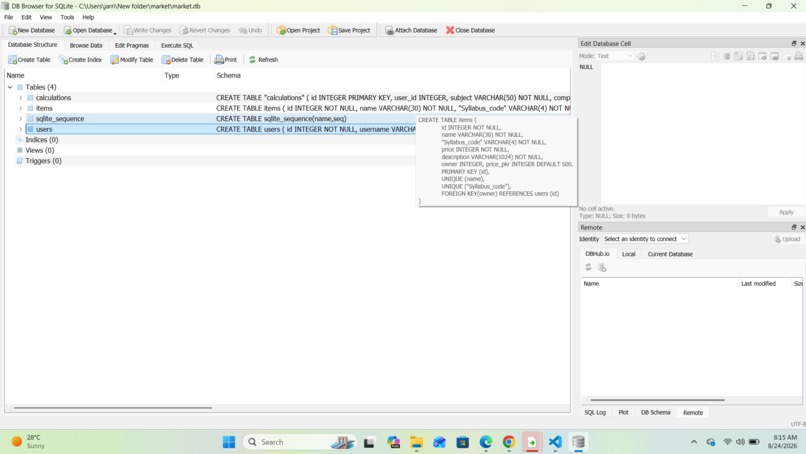
database with sqlite
-
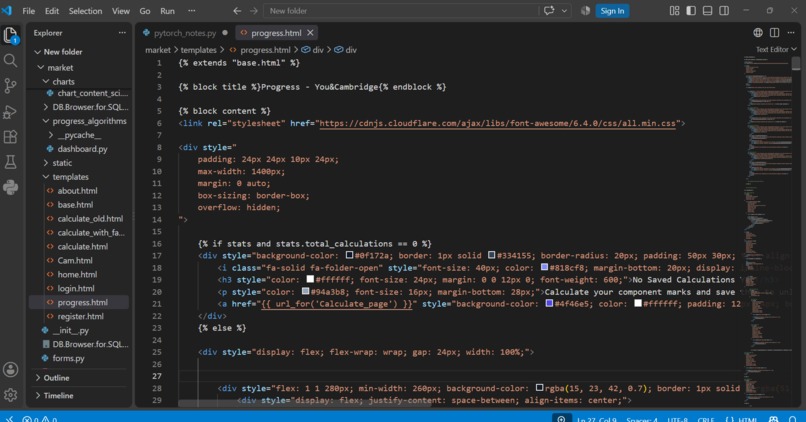
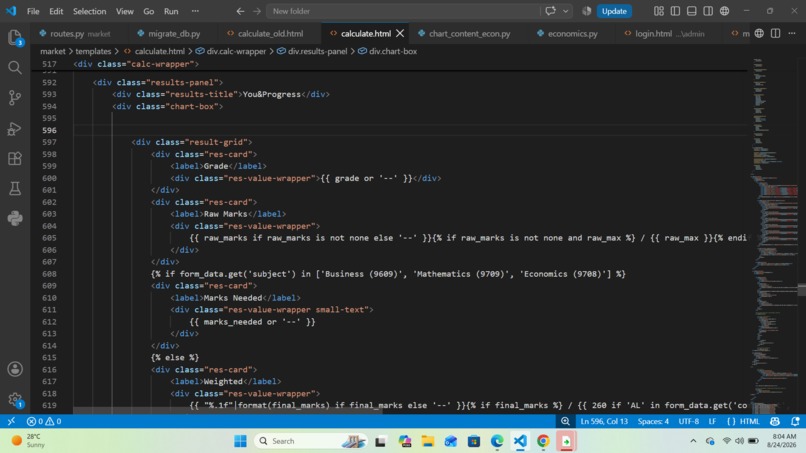
you&progress html
-
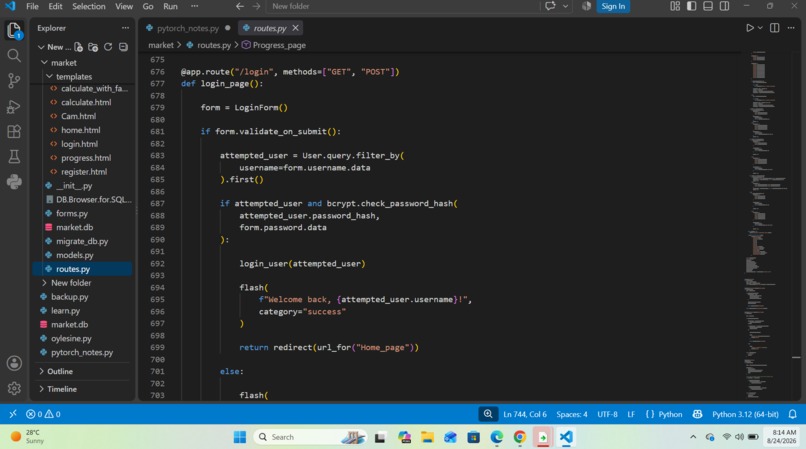
login logic
-
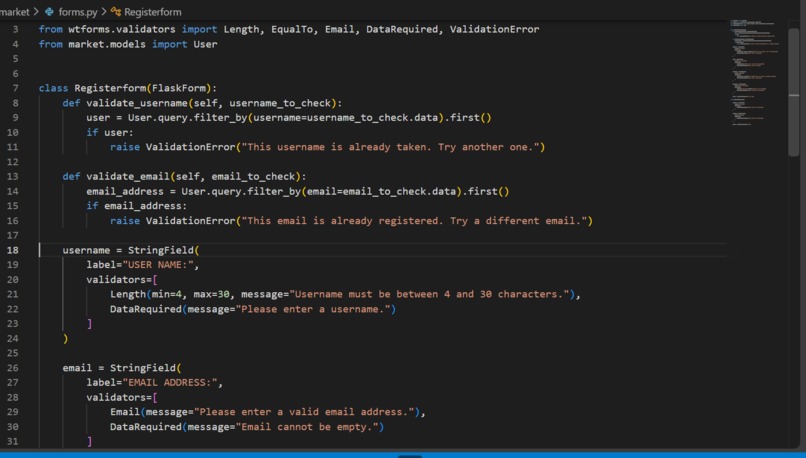
user authentication
-
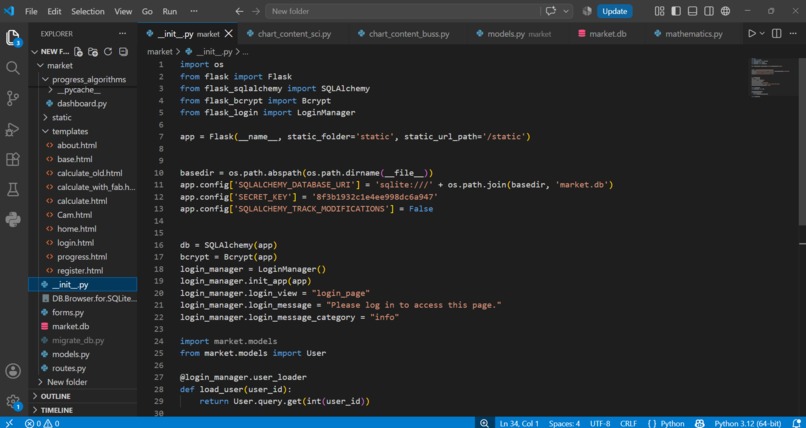
__init__
-
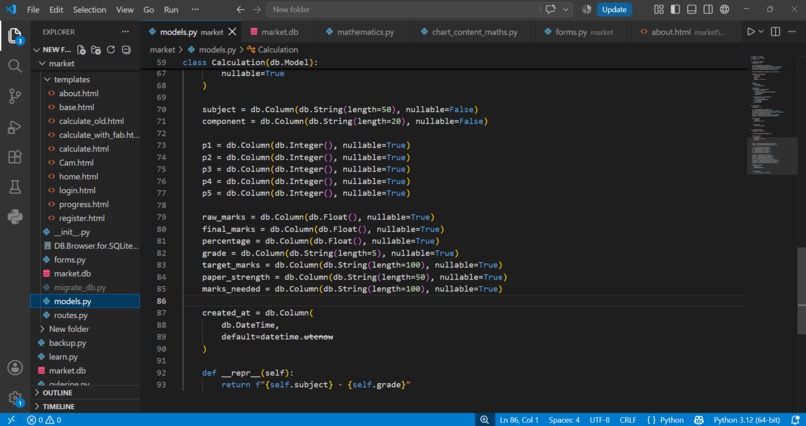
models
-
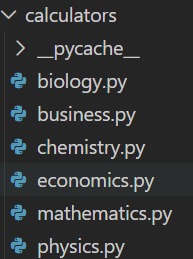
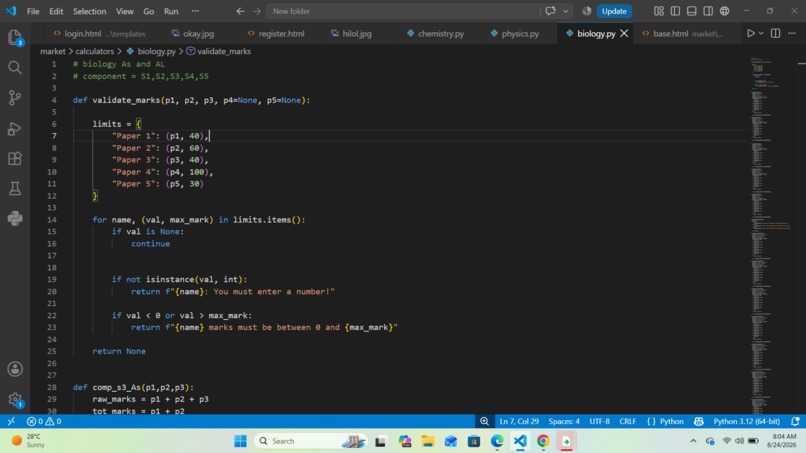
calculators
-
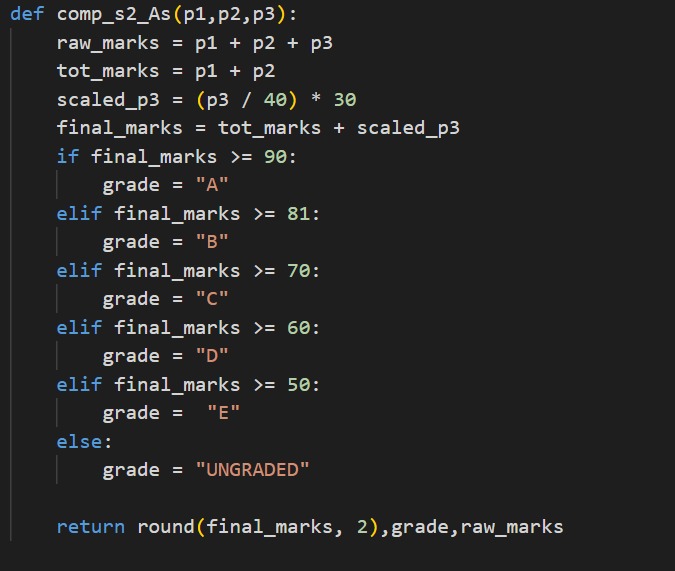
threshold logic
-
-
-
-
-
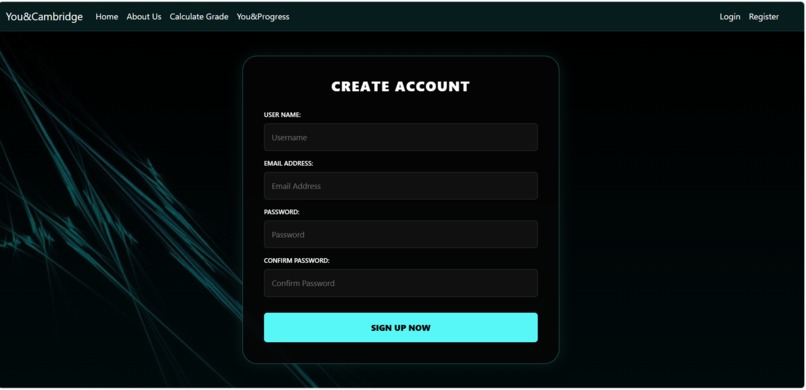
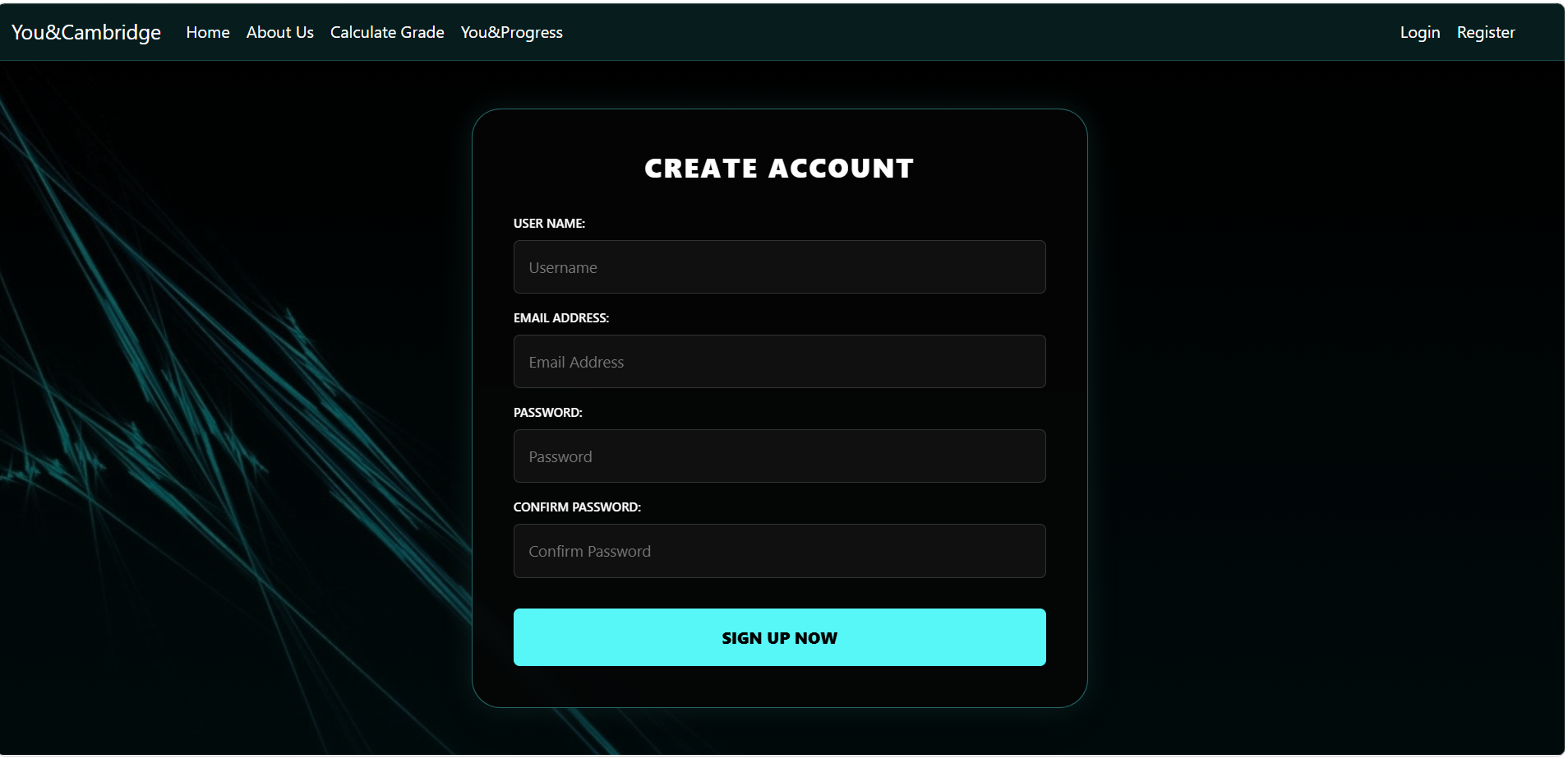
register page
-
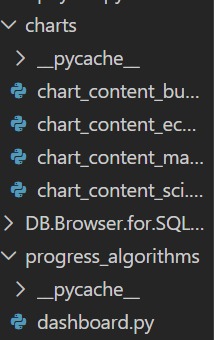
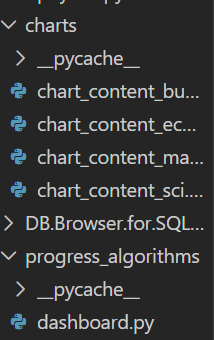
chart algorithms
Inspiration
After completing a Cambridge A-Level examination, many students add up the raw marks they achieved in each paper and assume that this total represents their final result. However, when Results Day arrives, they can be surprised to see a different grade from what they expected.
The reason is that Cambridge does not always simply add together the raw marks from every paper. For many subjects, Cambridge uses a component weighting system, also known as Percentage Uniform Marks (PUM) in the broader results framework. Individual paper marks can be converted using different weighting factors before they contribute to the final total. For example, a paper mark may be multiplied by a factor such as 0.75, 0.50, or 0.30. As a result, a student's final weighted total may be significantly different from the simple sum of their raw marks.
As an A-Level student myself, I experienced how confusing this system can be. I wanted to solve this problem not only for myself, but for other Cambridge A-Level students as well. That became the inspiration for You&Cambridge: a platform designed to make Cambridge marks, weighting, grades, and academic progress easier to understand.
What it does
You&Cambridge is more than a calculator that simply converts raw marks into weighted marks. While Cambridge's component weighting system is already complex, another major challenge for A-Level students is keeping track of every past paper they complete.
Because I experienced this problem myself, I developed You&Progress as part of You&Cambridge. Students enter the marks they achieved in each paper, and the platform provides a deeper analysis of their performance. This includes weighted marks, predicted grades, paper strength, strongest subject, weakest subject, percentage performance, target marks needed for improvement, and the marks required to reach the next grade.
This means students do not get stuck at a point where they only know their current result. Instead, they can clearly see their goal and understand what they need to do next to improve.
Students can also save every calculation they make. Over time, these saved results create a record of their performance, allowing them to track their academic progress and see how they are improving across different subjects and papers.
How we built it
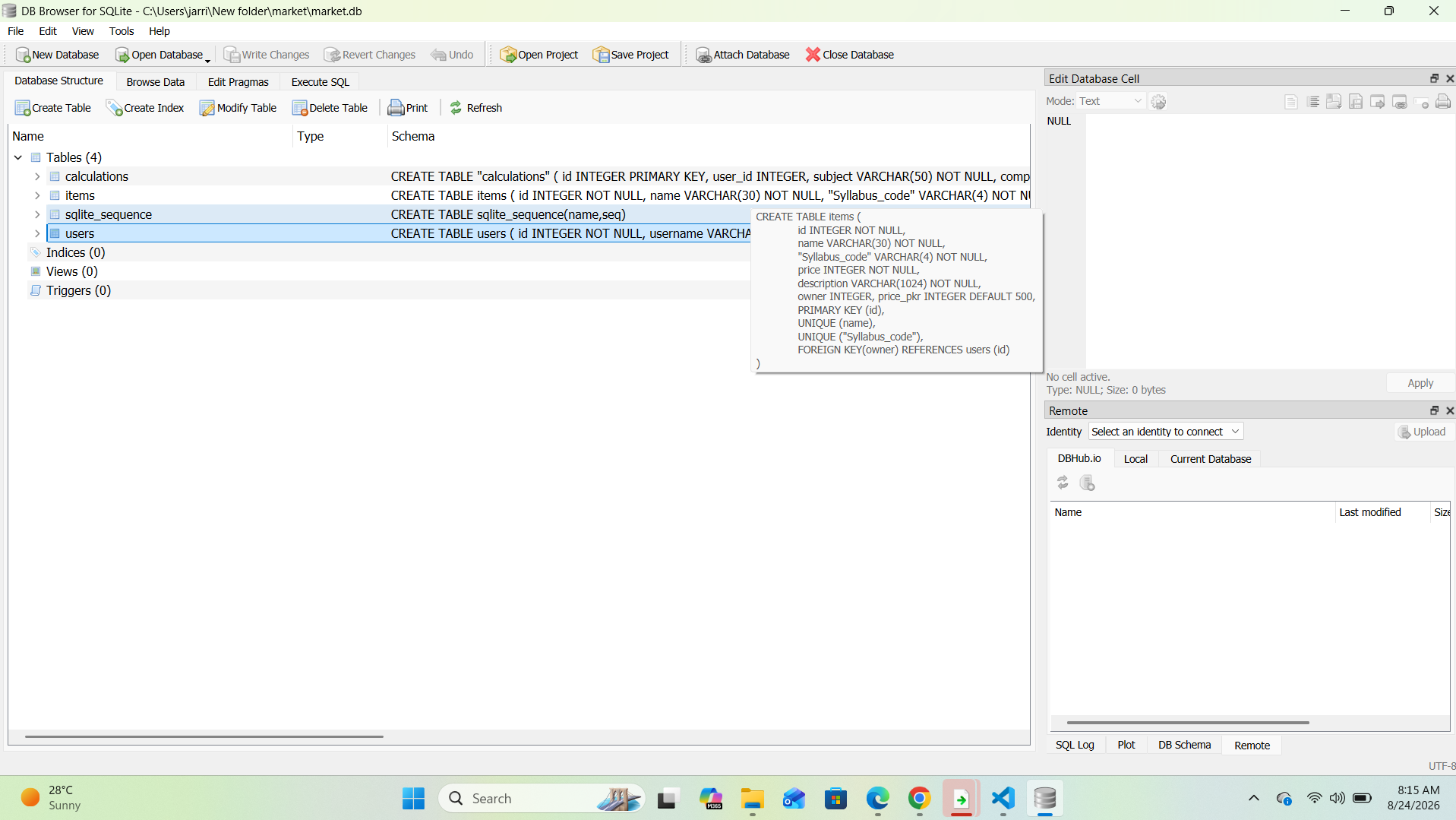
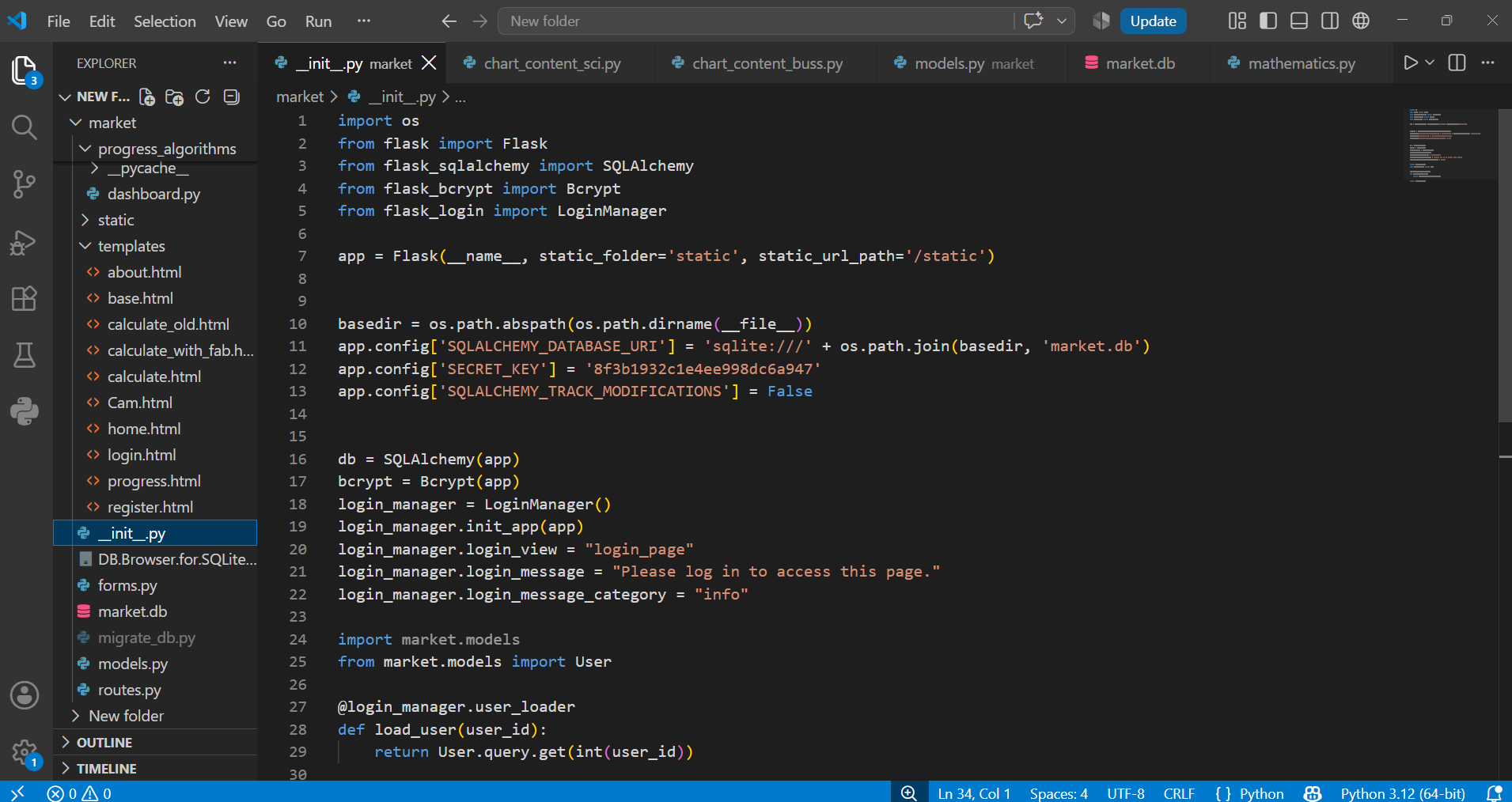
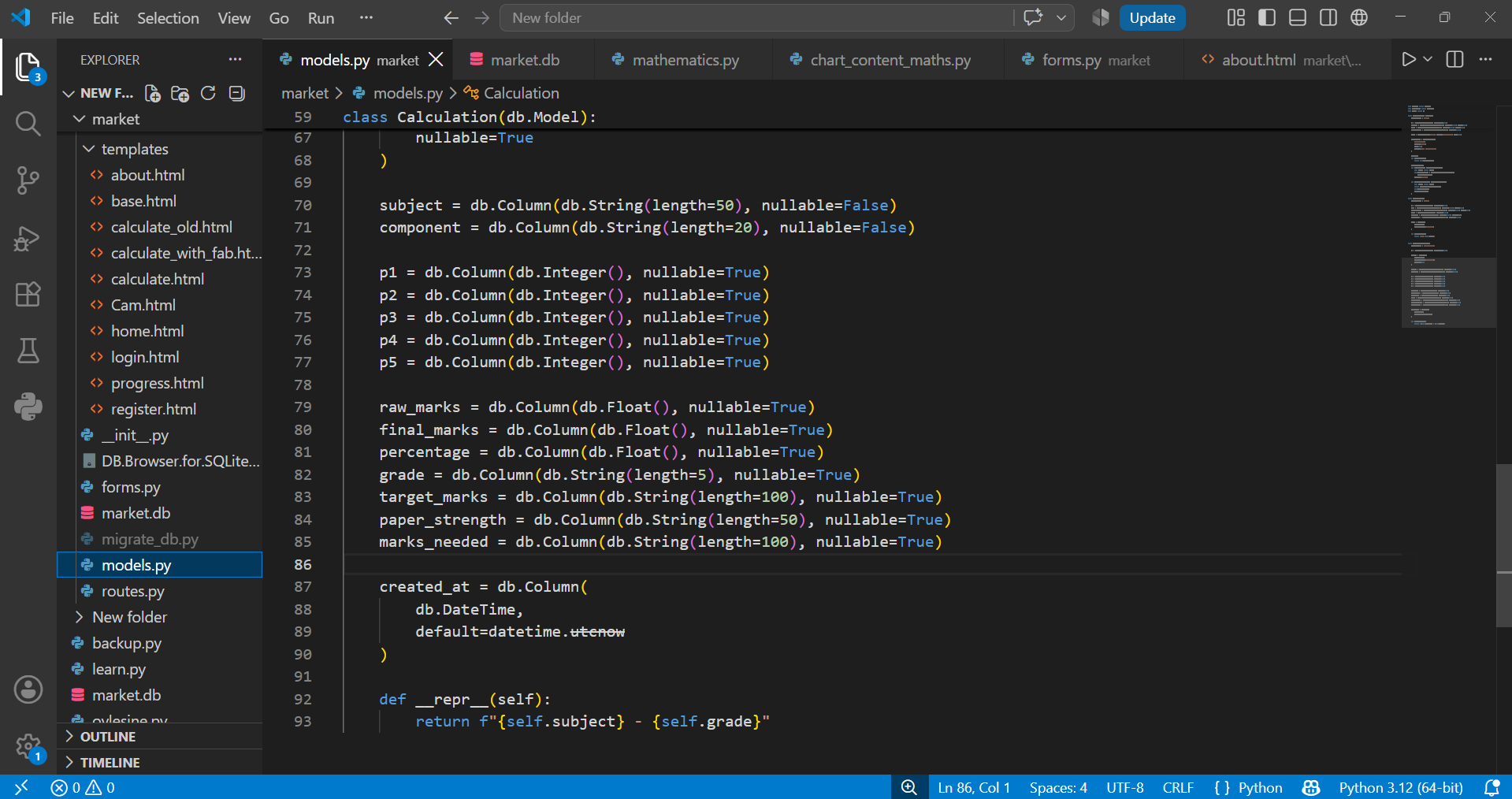
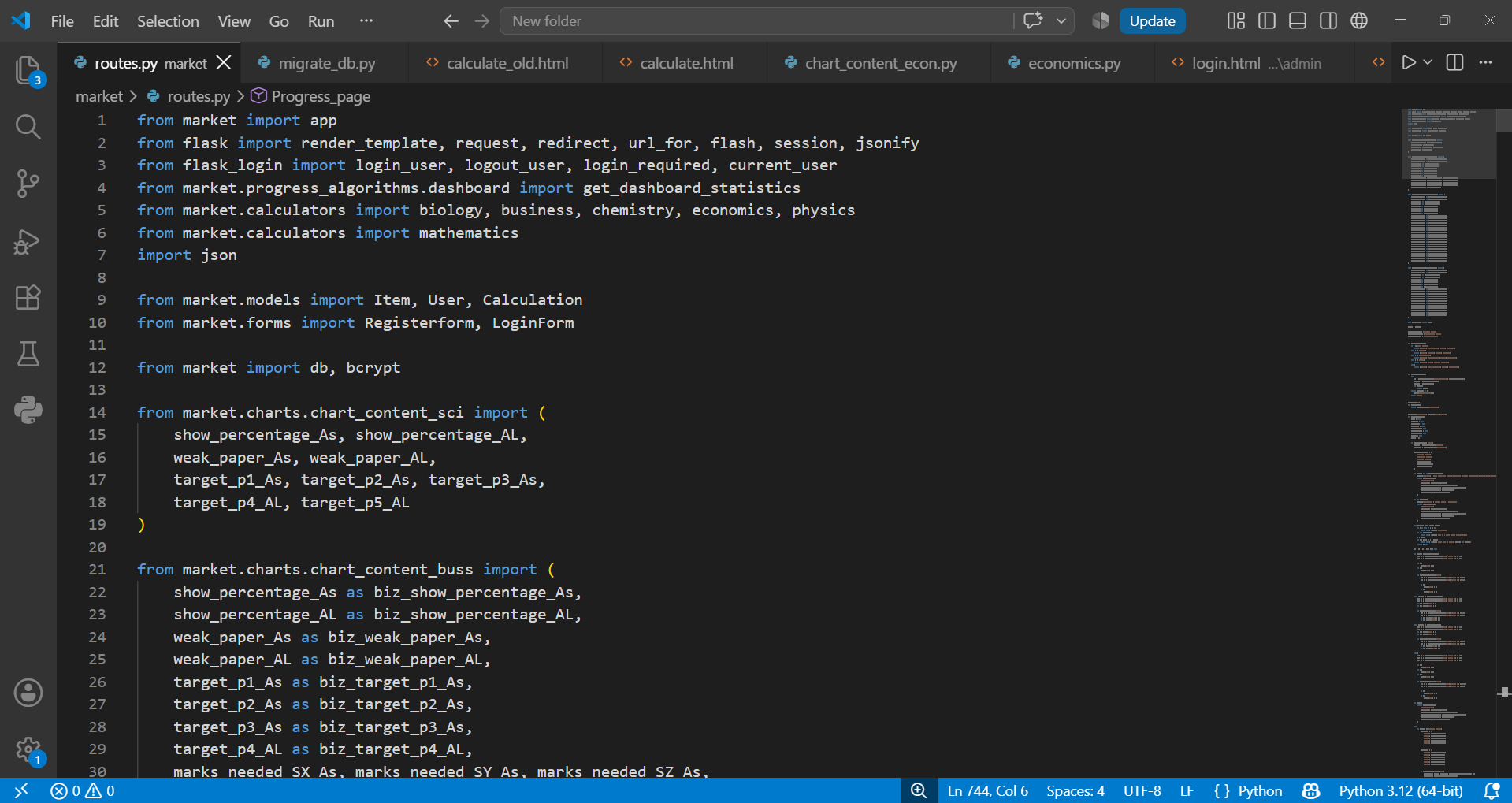
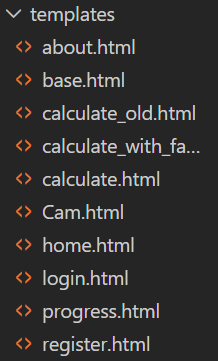
You&Cambridge was built using Python and Flask for the backend, with HTML, CSS, and JavaScript powering the frontend. I used SQLite to store users' saved calculations and performance data.
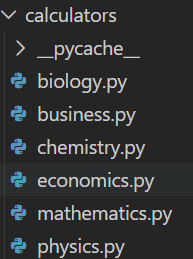
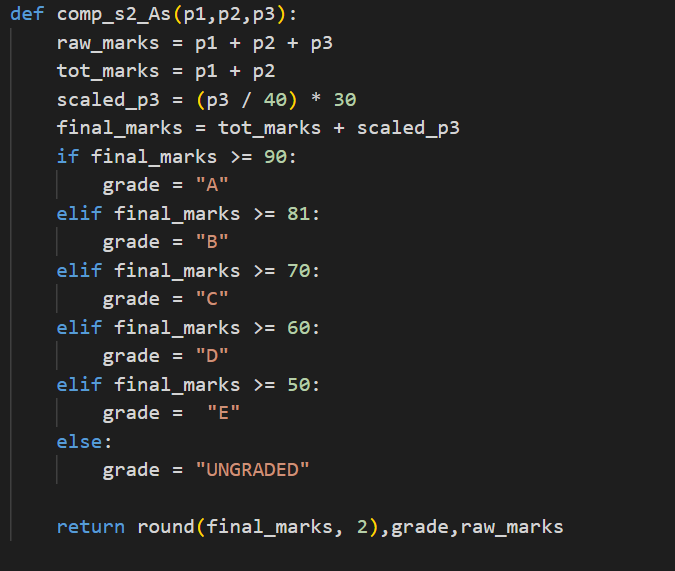
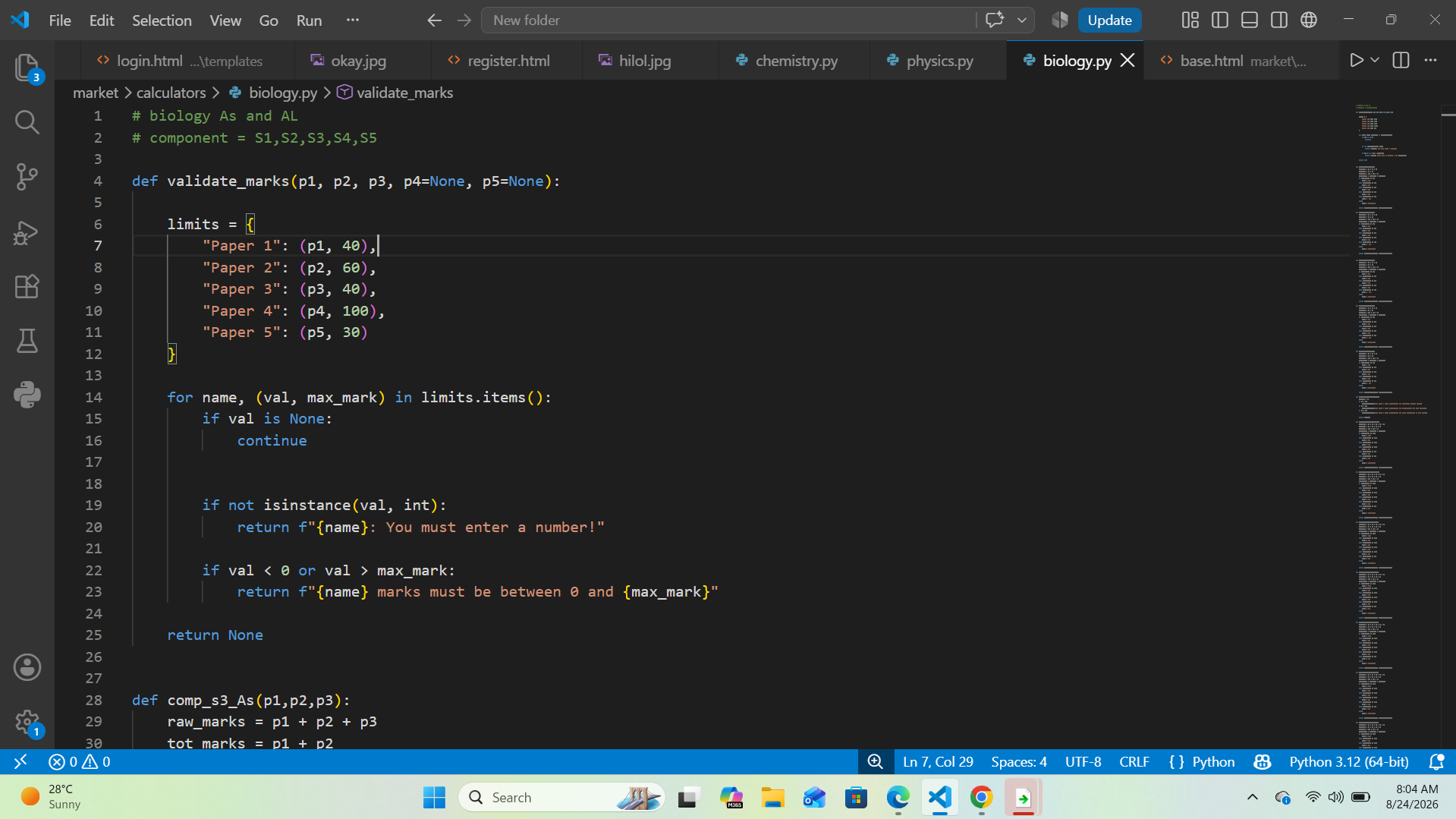
One of the biggest challenges was building the grade prediction system. Cambridge A-Level grading is not based on one universal threshold: different subjects and components can have completely different grade boundaries. To make the predictions more reliable, I used the average grade thresholds from the past five years as the basis for the prediction system. Each supported subject contains nearly 20+ individual components, and I manually created separate threshold logic for every component rather than relying on a single universal formula.
I also built the logic behind the Cambridge component weighting system, allowing the platform to convert raw paper marks into weighted marks where applicable and calculate the final result accordingly.
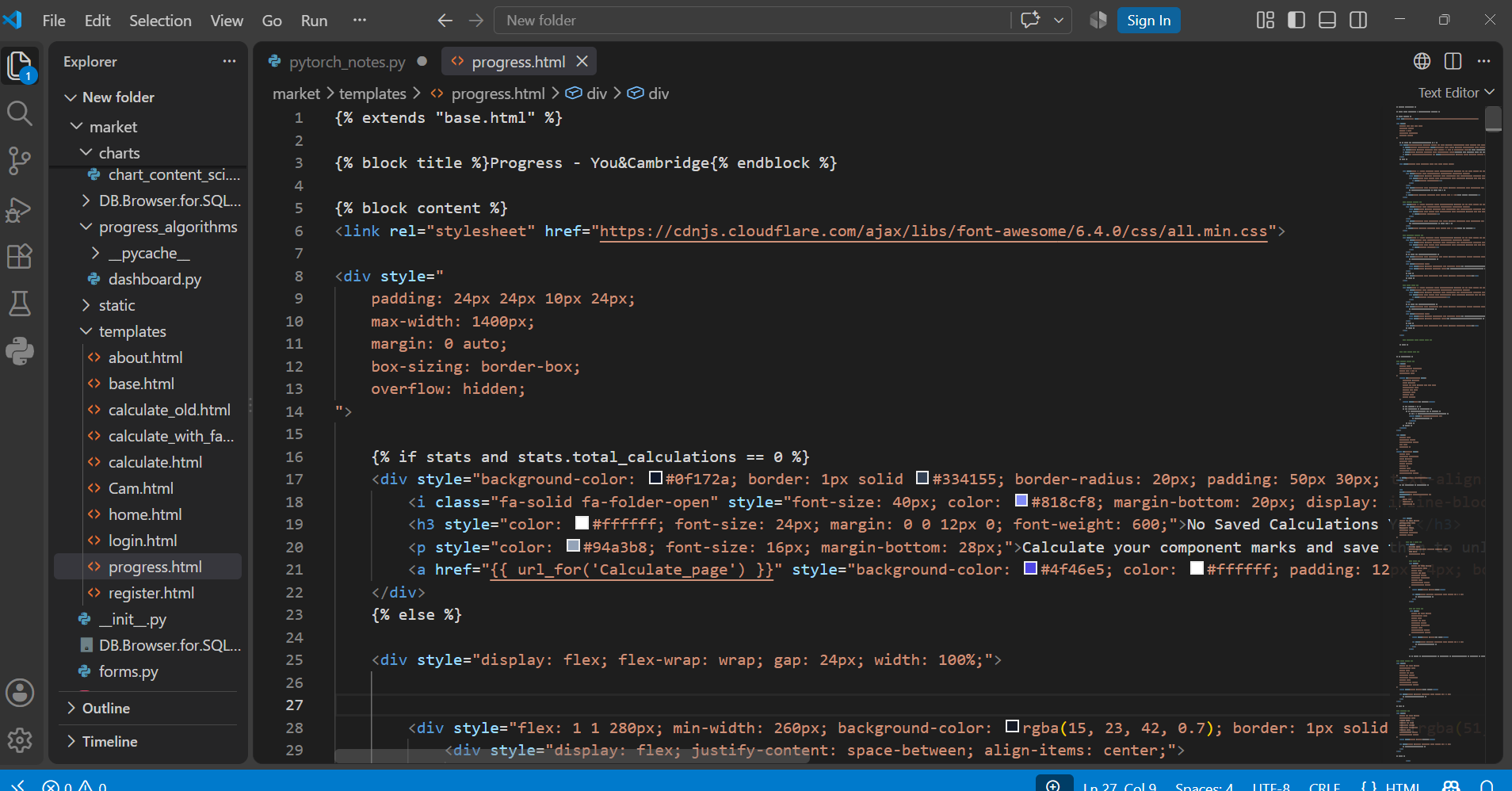
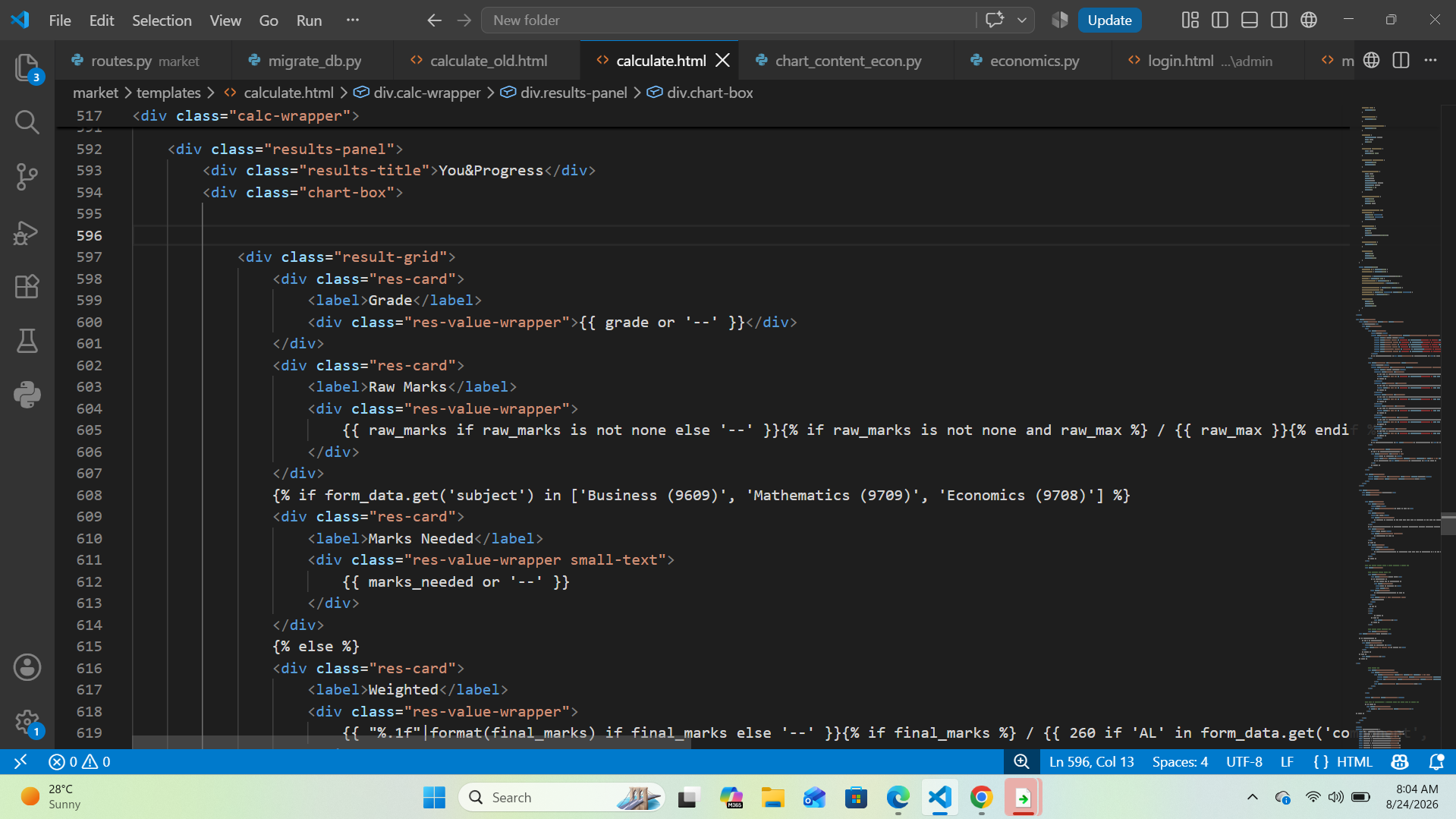
For You&Progress, I developed custom algorithms that transform individual saved calculations into meaningful performance insights. The system analyzes a student's historical results to identify subject performance, paper strength, percentage trends, strongest and weakest areas, target marks, and the marks required to reach the next grade. Instead of simply storing past results, the platform turns them into an evolving performance profile that helps students understand where they are, where they want to go, and what they need to do next.
The frontend was designed to present complex academic data in a clear and interactive way, including animated progress charts, subject filtering, calculation history, and detailed performance breakdowns.
Challenges we ran into
Building You&Cambridge came with several major challenges. Developing the grade prediction algorithm was one of the most difficult parts of the entire project. It took weeks and months of work because Cambridge's grading structure is highly complex. I had to analyze grade thresholds from the past five years, calculate meaningful averages, and then create separate threshold logic for nearly every supported subject and component.
The Cambridge component weighting system was another major challenge. Different components can use different weighting rules, so building a system that could correctly handle these calculations across multiple subjects required a lot of testing and debugging.
I also had to continuously learn new Python concepts throughout development. What initially seemed like a simple grade calculator gradually became a much larger system involving algorithms, databases, authentication, and performance analysis.
Building You&Progress was particularly challenging because every calculation needed to be saved to the database and then continuously reflected in the user's progress dashboard. The system had to transform individual calculations into meaningful insights while keeping the user's data organized.
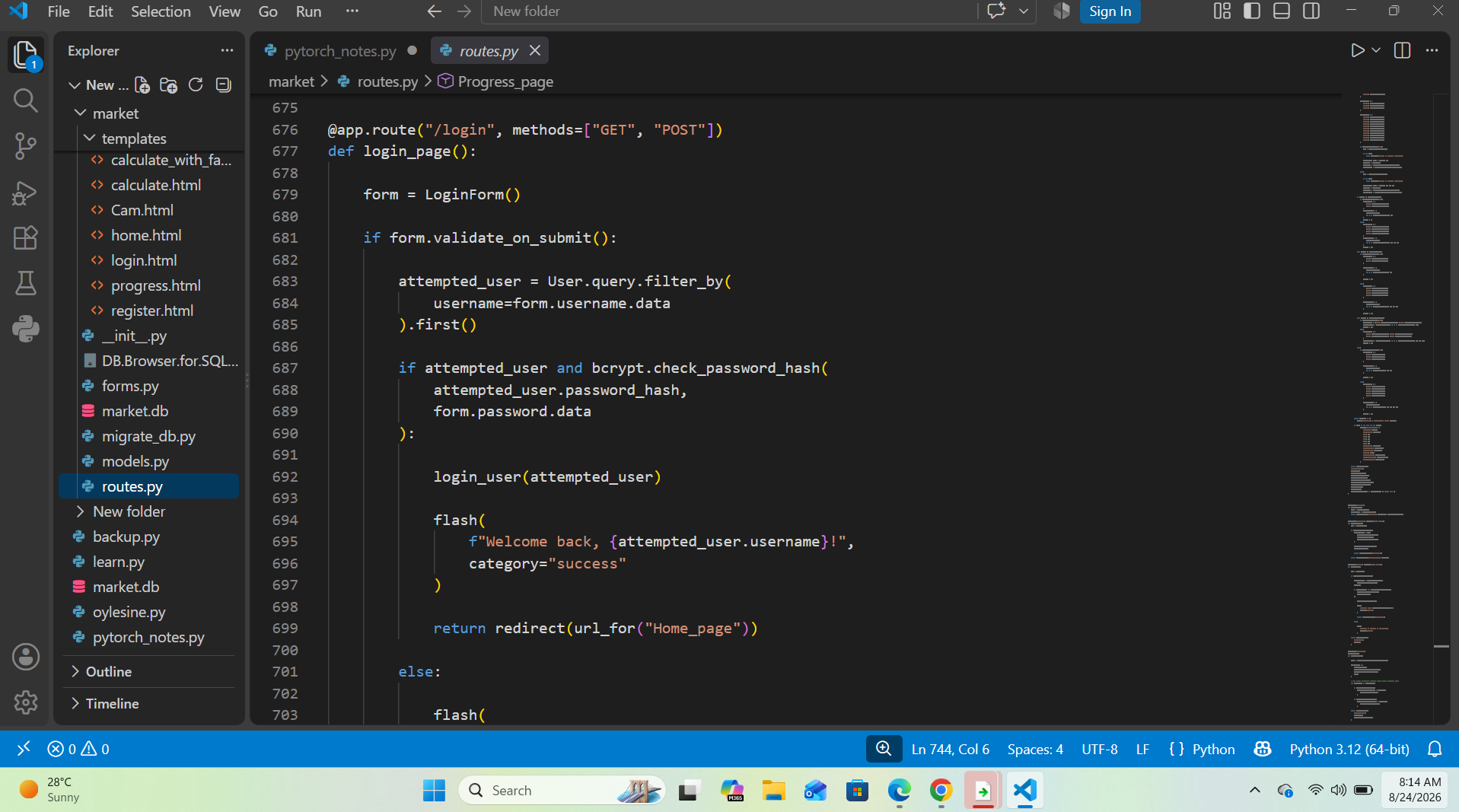
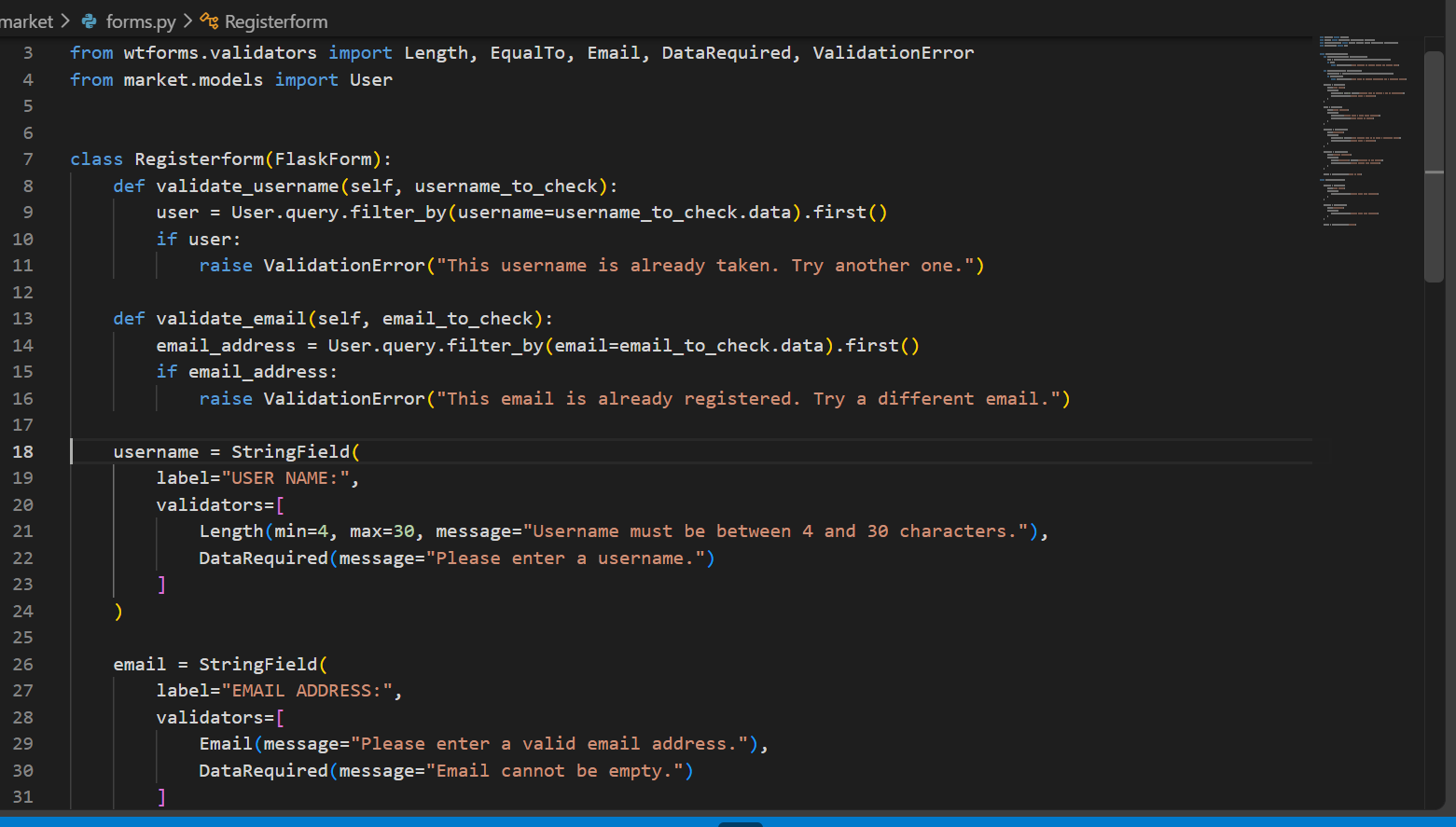
Finally, implementing user authentication was one of the most challenging technical problems I faced. I had to learn how to manage user accounts, sessions, protected pages, and user specific saved data.
Overall, the project forced me to constantly learn new concepts, debug complex problems, and rethink my approach whenever something did not work. These challenges were difficult, but they were also a major part of what made building You&Cambridge such a valuable experience.
Accomplishments that we're proud of
One of the things I am most proud of is knowing that this is a problem many Cambridge A-Level students genuinely face. I had heard people around me including my close friends regularly complain about the difficulty of understanding their marks, grade predictions, and Cambridge's weighting system. That gave me confidence that You&Cambridge could solve a real problem rather than simply being another project.
I am especially proud that I can now bring this platform to A-Level students and potentially make their academic journey a little easier. Knowing that You&Cambridge could help students understand their performance, track their improvement, and work more clearly toward their goals is something that genuinely makes me happy.
On the technical side, I am also incredibly proud of developing such a complex system largely on my own. Building the grade prediction algorithms, Cambridge weighting calculations, performance analysis, and You&Progress without relying on anyone else to build the project for me was a major personal achievement. The project represents not only the final product, but also the months of learning, problem solving, debugging, and persistence behind it.
What we learned
Building You&Cambridge taught me that solving a real problem is much more than just writing code. I learned how to break down complex problems, build algorithms step by step, and continuously improve them through testing and debugging.
I also learned a lot about Python, Flask, databases, user authentication, and performance analysis. Most importantly, I learned that sometimes the best way to learn a new technology is to build something real with it. You&Cambridge started as a simple idea and eventually grew into a much larger project, pushing me to learn new skills at every stage.
What's next for You&Cambridge
You&Cambridge is planned to have its soft launch for the Cambridge International Examinations October/November 2026 examination session. The goal of this first launch is to introduce the platform to real Cambridge students, gather feedback, identify areas for improvement, and continue refining the grade prediction and progress-tracking systems based on how students actually use them.
For the May/June 2027 examination session, I plan to take You&Cambridge much further. The next major update will focus on adding AI powered features, supporting more Cambridge A-Level subjects, and expanding the platform to include IGCSE students as well.
My long term goal is to continue growing You&Cambridge into a larger academic platform that helps Cambridge students not only calculate their grades, but also understand their performance, identify weaknesses, track their progress, and make better decisions about how to improve.

Log in or sign up for Devpost to join the conversation.