Inspiration
We began this project with a desire to explore the possibilities and limitations of storytelling and emotional expression using generative AI. While AI can produce images and moving pictures, creating true narrative and emotion remains an unexplored frontier. To challenge that frontier in a culturally meaningful way, we chose to work with a uniquely Japanese theme.
At the heart of the project lies the classic ghost story Mimi-nashi Hoichi.
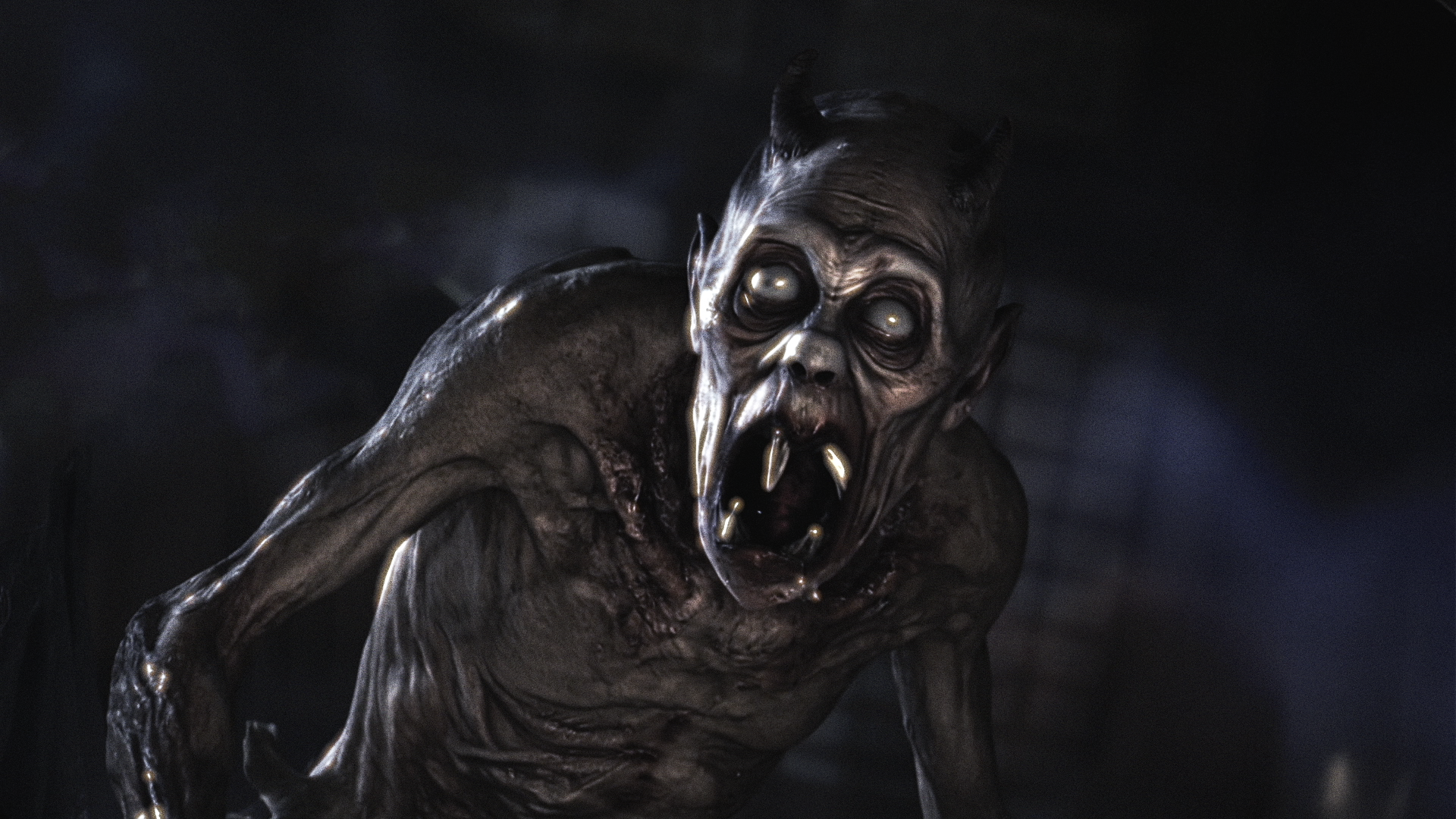
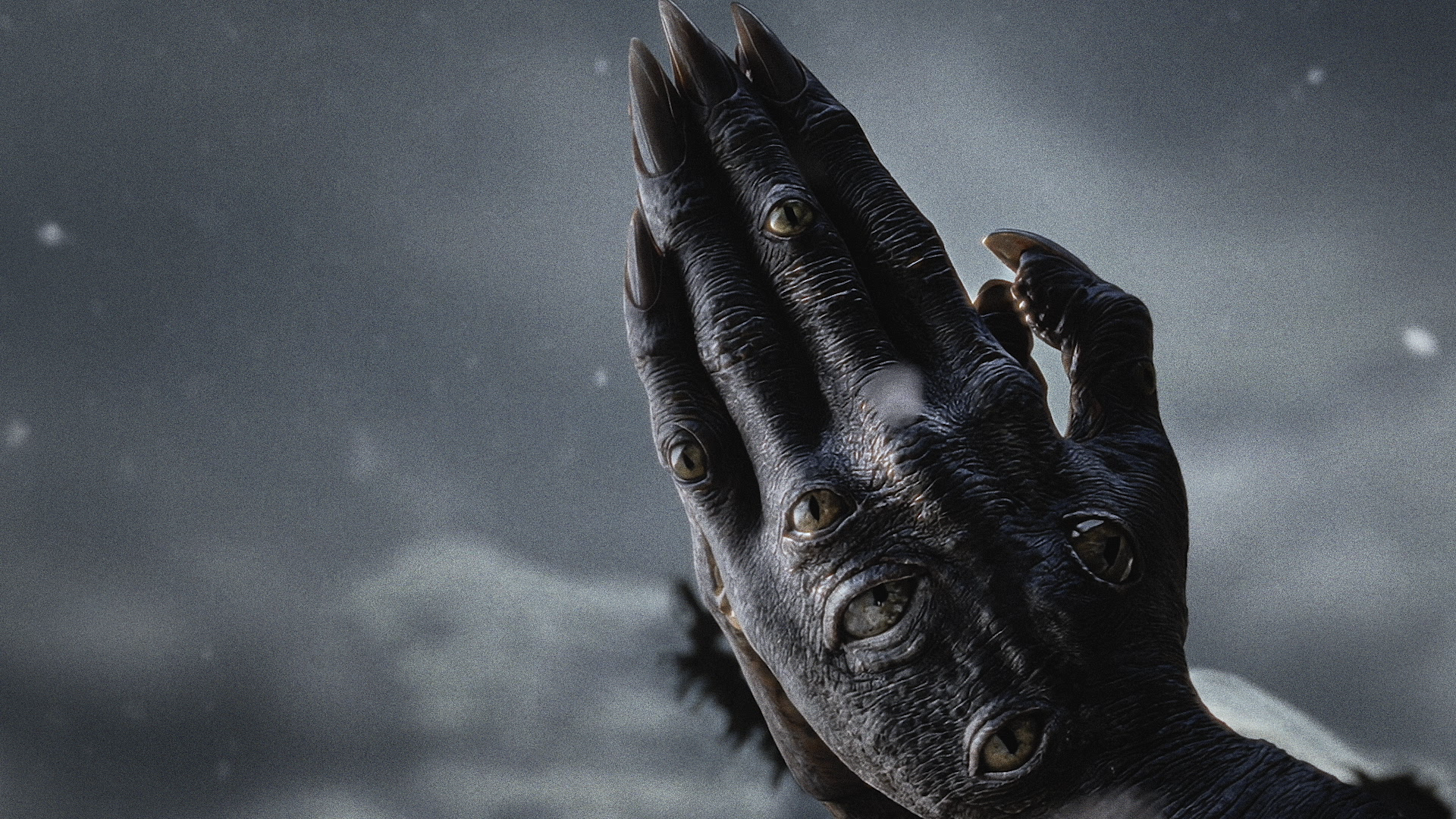
Our aim was to reimagine this tale of vengeful samurai spirits as a contemporary AI-driven film, blending traditional folklore with new visual language. Themes like spirits, music, prayer, and redemption align naturally with the atmospheric textures that AI models produce, making this story an ideal canvas for experimentation.
To clarify the emotional core of the film, and to support viewers in understanding its intentionally non-expository style, we provide the following synopsis:
Synopsis
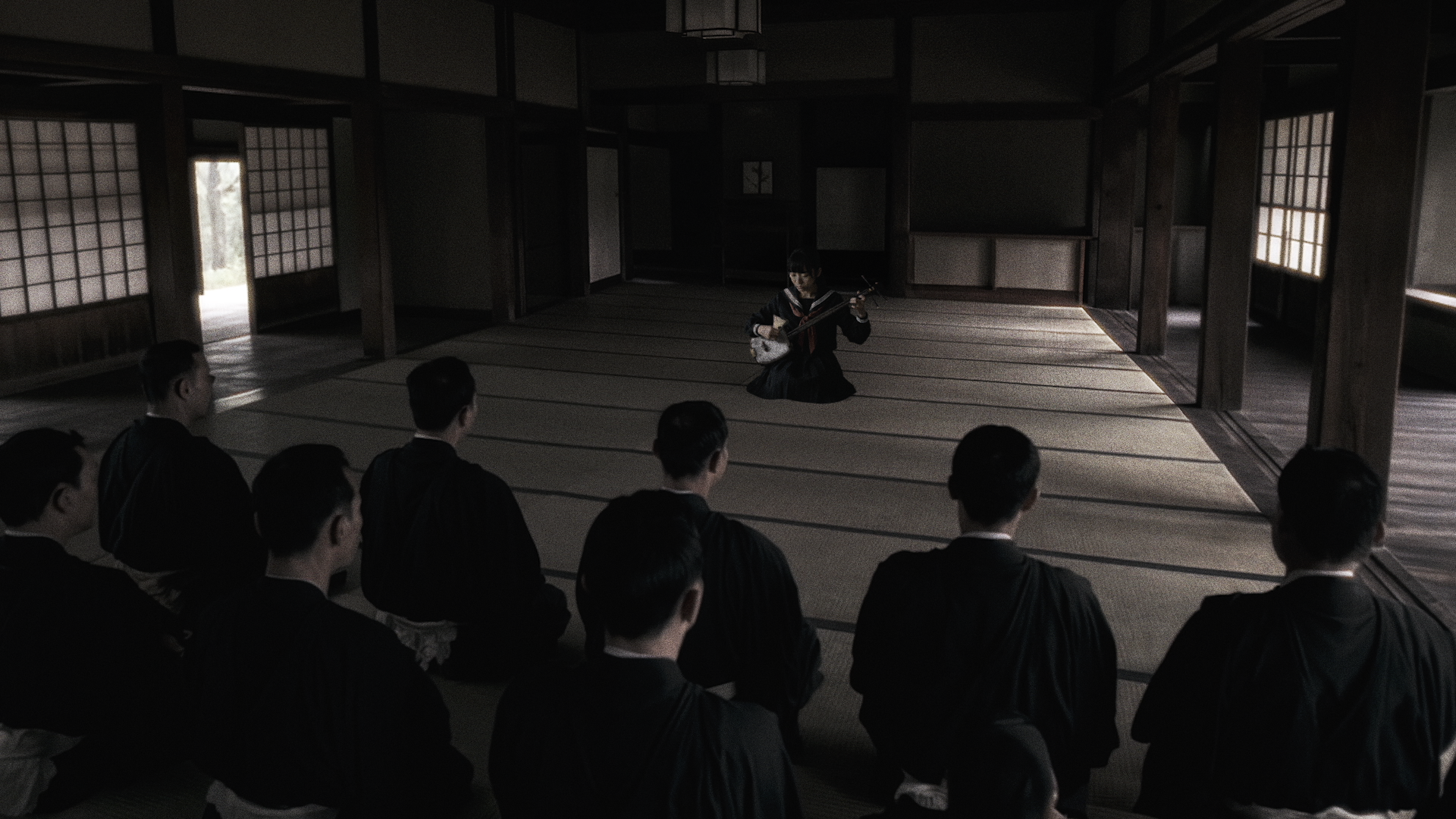
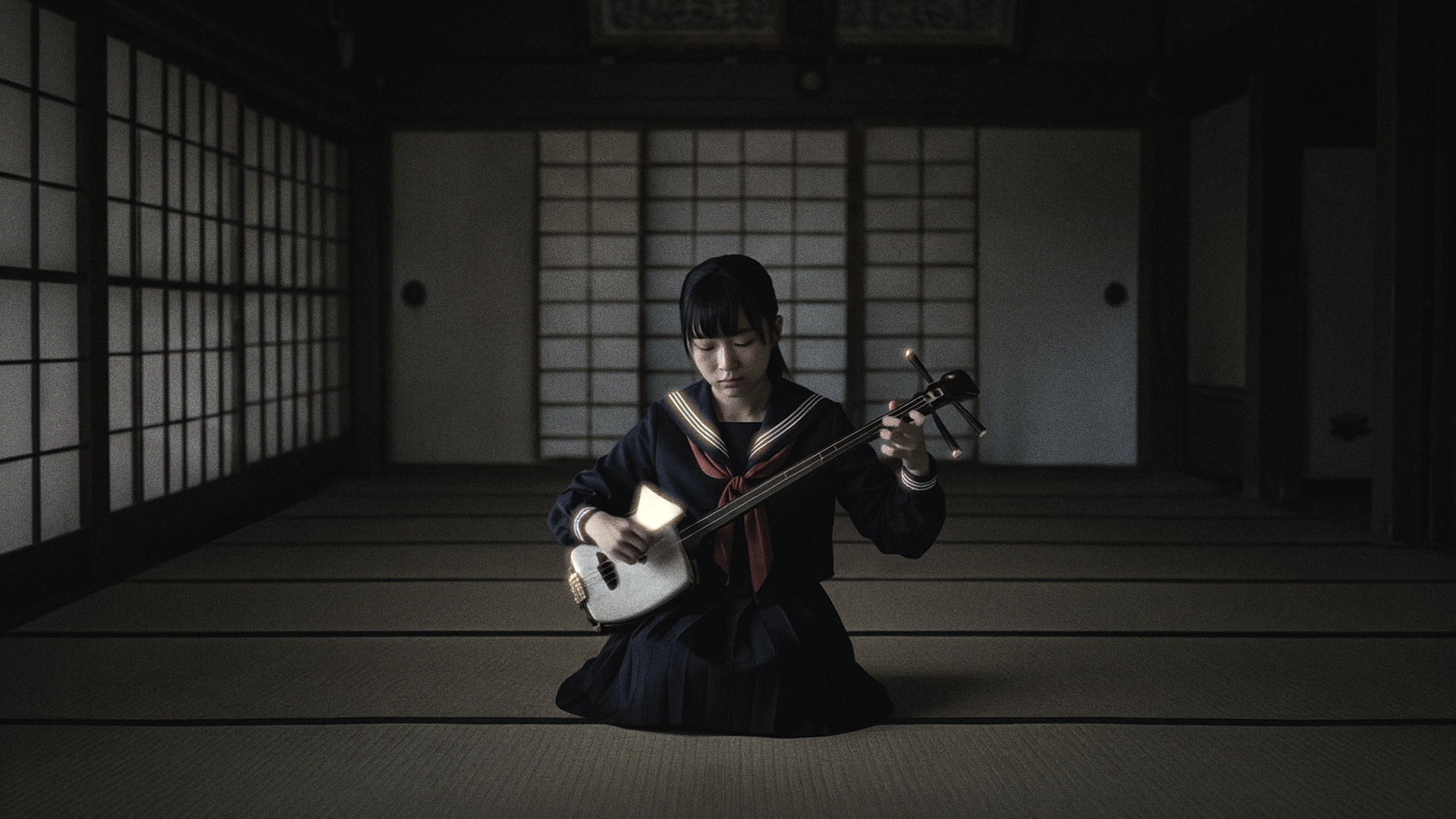
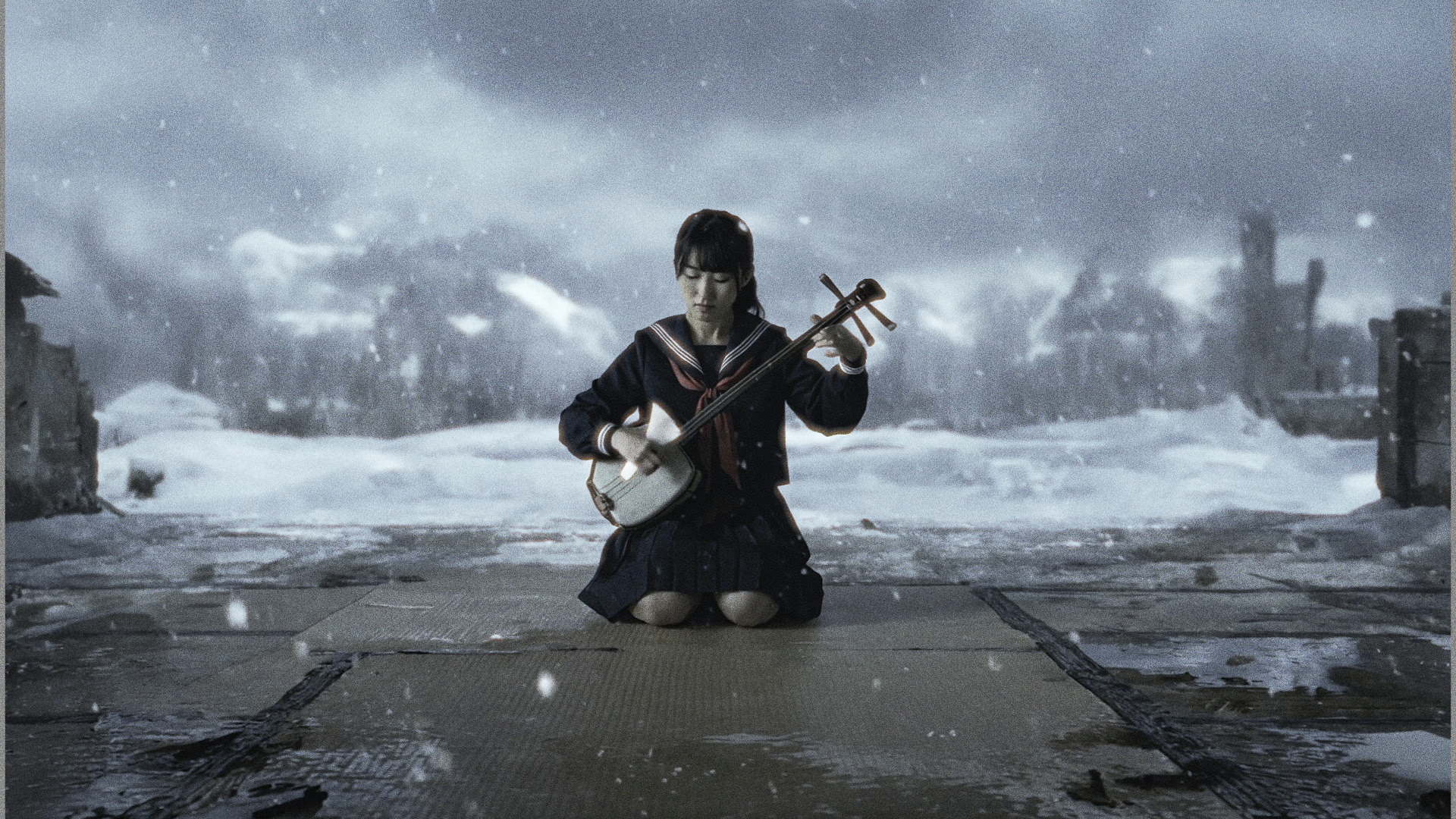
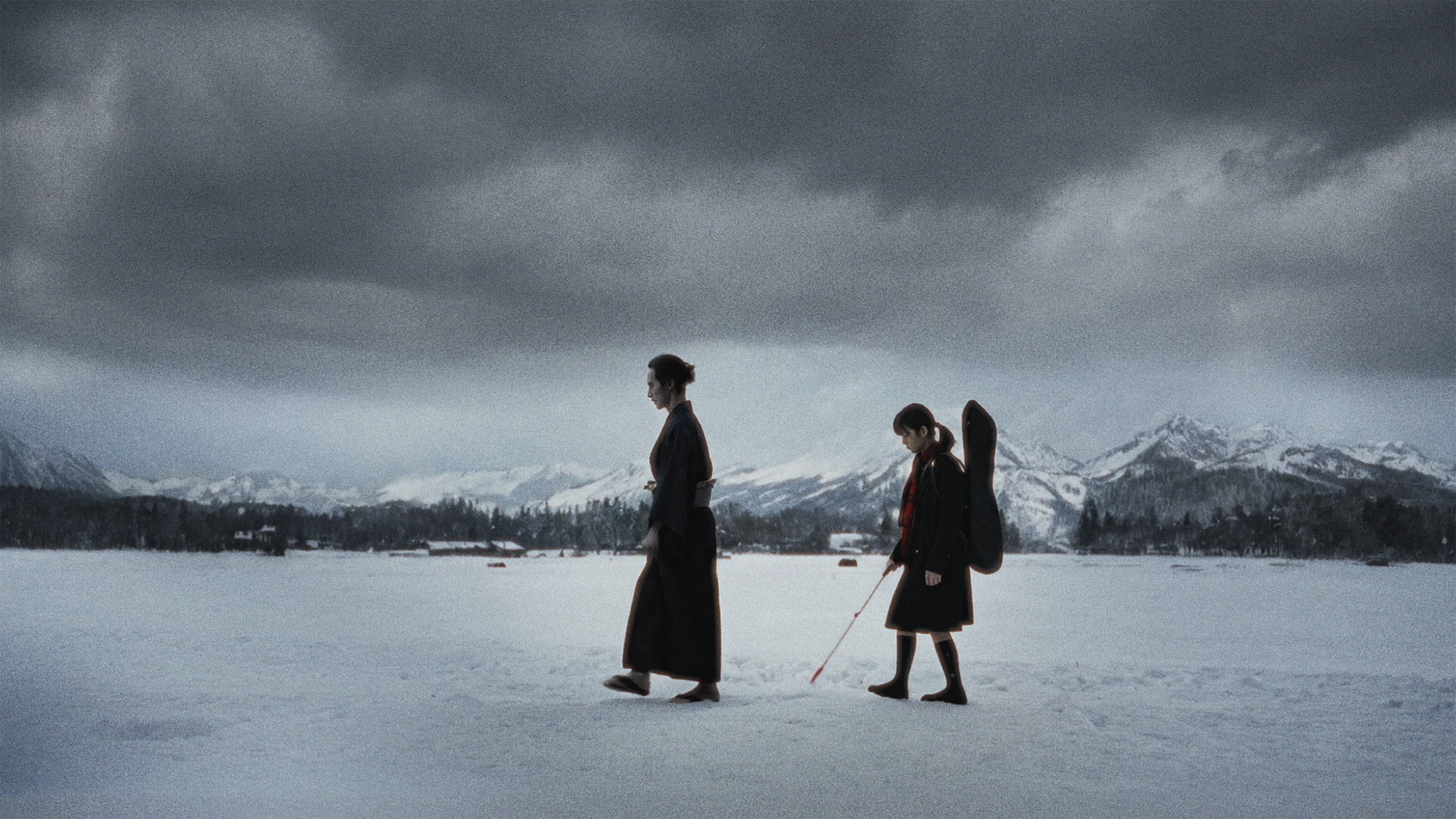
Yoshiko, a completely blind high school girl raised in a remote mountain temple, possesses an extraordinary gift for singing and performing with a traditional Japanese string instrument. Her music can evoke vivid memories of ancient battles in anyone who listens.
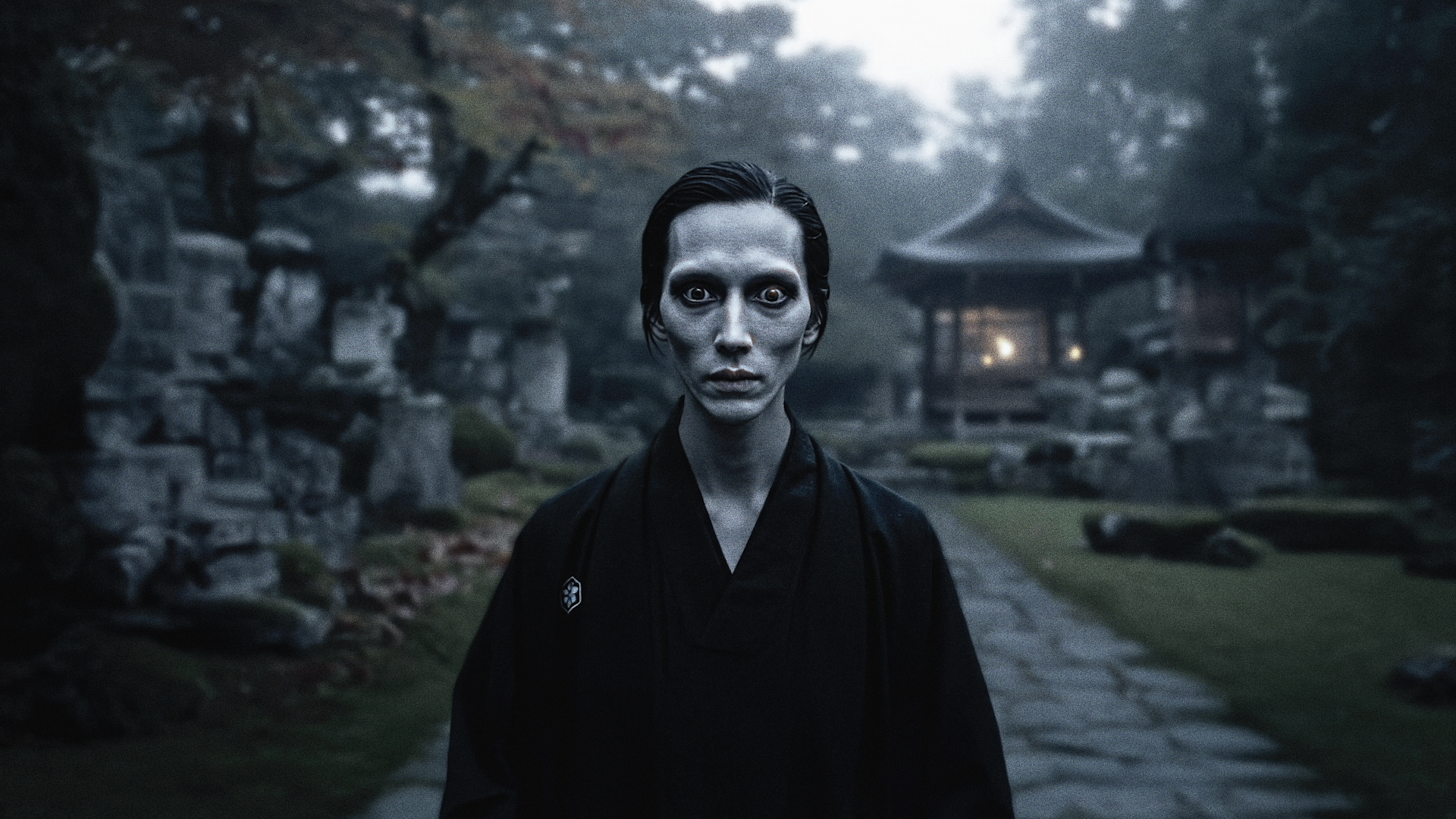
One day, a mysterious messenger arrives in the village and begs her to perform at his estate.
Unbeknownst to Yoshiko, the man is a spirit—one of the samurai clan wiped out in an ancient war. Her music is the only thing capable of soothing their restless souls, and they intend to claim her forever as their own.
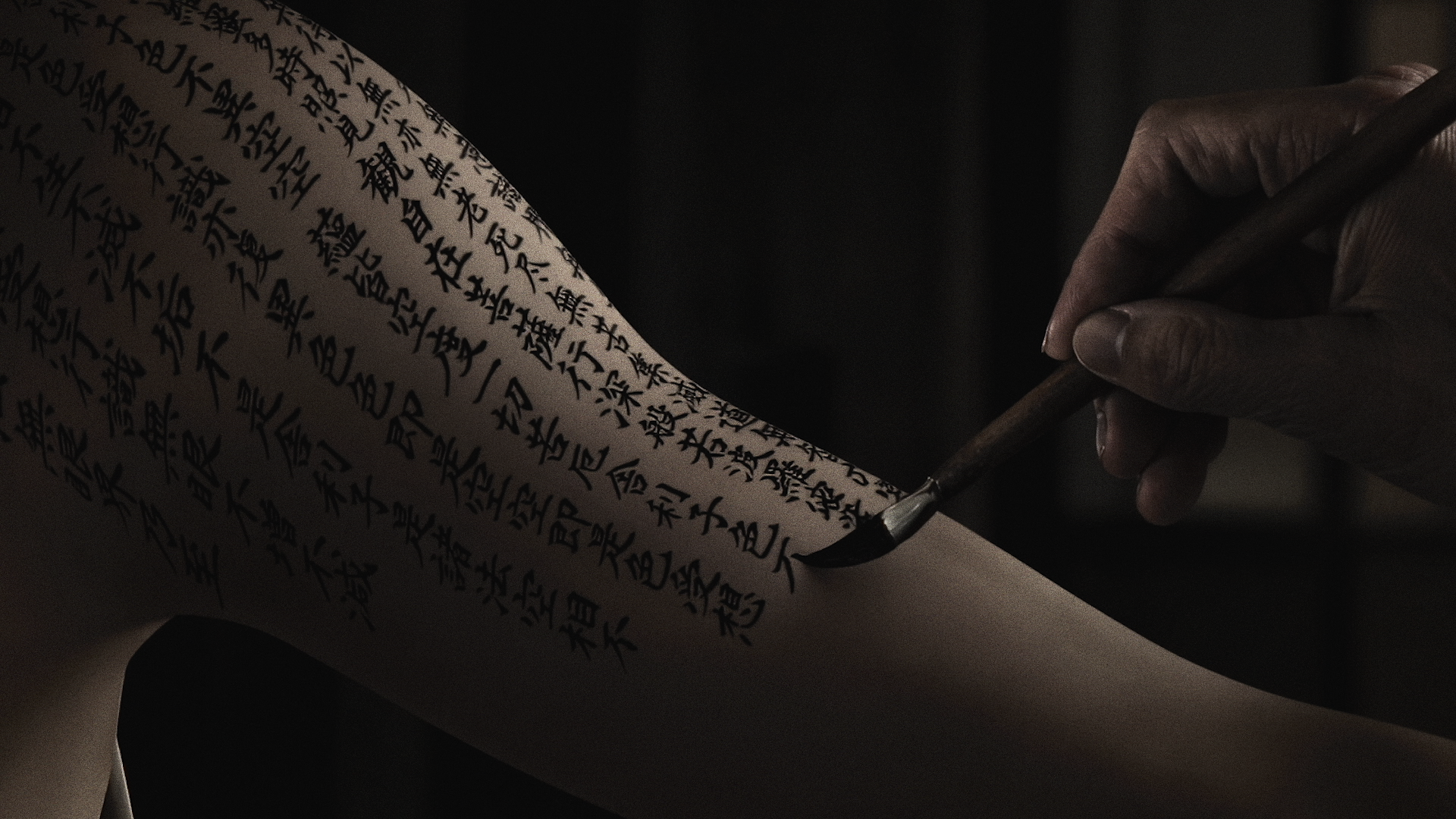
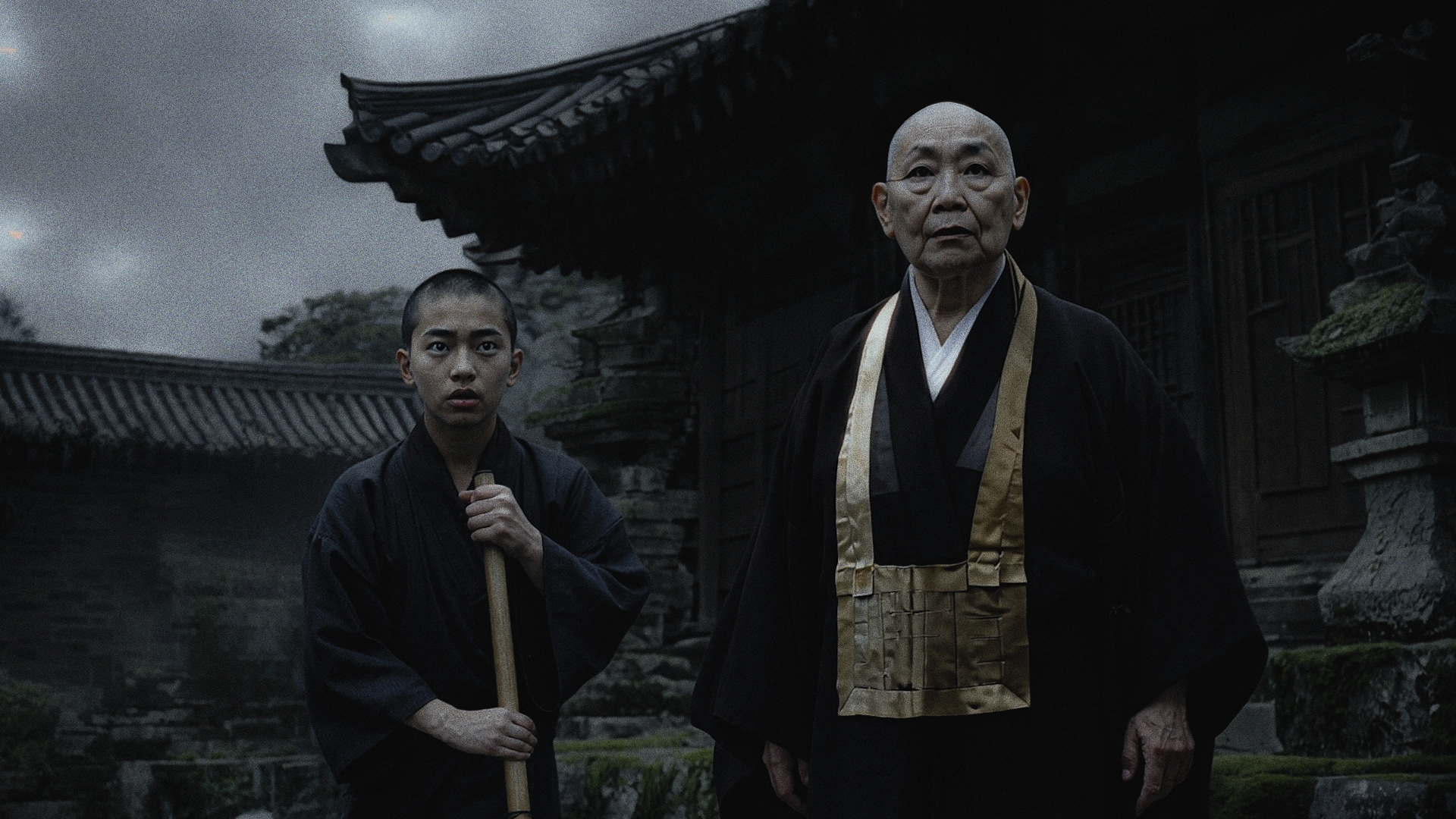
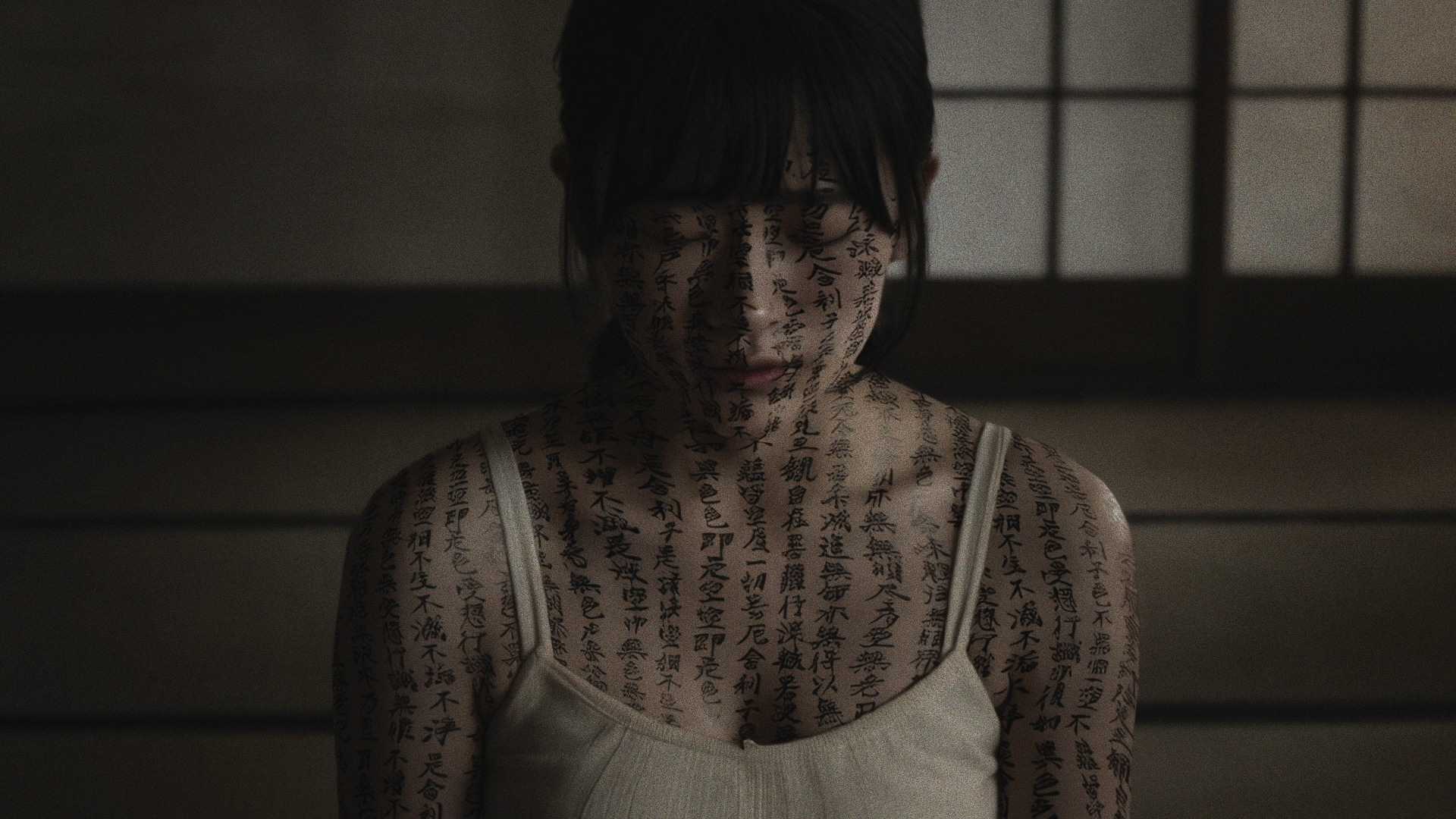
Sensing danger, a Buddhist nun at the temple inscribes sacred sutras across Yoshiko’s entire body in an attempt to hide her from the vengeful spirits.
But in doing so, she accidentally forgets to paint the sutras on her ears—a single fatal omission that seals her fate.
A quiet yet haunting story shaped by the stillness of Japanese tradition and the surreal otherworldliness of AI-generated cinema.
How we built it
We built the film around a 95-shot storyboard, combining cutting-edge generative AI with professional filmmaking tools traditionally used in high-end post-production. This hybrid workflow allowed us to move beyond what AI alone can achieve.
AI-driven processes:
- Image generation AI
For characters, yokai designs, temples, snow landscapes, and stylistic references. - Video generation AI
For actions such as shamisen playing, walking, head turns, and ritual gestures. - Morphing
By fully leveraging Start/End frame functions, we achieved smooth transitions such as human-to-yokai transformations, fluid character movement, and focus pulls between subjects. - AI sound design
Distorted shamisen tones, atmospheric spatial audio, and spirit-like vocalizations.
Professional post-production tools:
- Photoshop – image cleanup, compositing, and refinements
- Autodesk Flame – retouching, VFX, and finishing
- DaVinci Resolve – advanced color grading and tonal unification
The fusion of AI and established filmmaking tools enabled us to reach a level of depth, atmosphere, and precision that AI alone cannot yet provide.
Challenges we ran into
Creating a narrative short entirely with AI introduced several unique challenges:
- Maintaining consistent character appearance across multiple scenes
- Achieving precise timing for intricate actions, especially shamisen hand movements
- Keeping faces stable during transformation sequences
- Preserving a properly unsettling tone for yokai designs
- Rendering sutras accurately and elegantly across the performer’s body
We iterated continuously on model selection, prompting structure, and compositing workflows to overcome these obstacles.
Accomplishments that we're proud of
- Completed a 95-shot narrative film using a hybrid AI × professional workflow
- Achieved a unified emotional tone throughout the entire piece
- Introduced a new hybrid visual style blending Japanese tradition with AI surrealism
- Developed a repeatable pipeline for AI-driven story filmmaking
- Demonstrated that a small team can create high-density, high-impact cinematic work
What we learned
- Ultimately, the quality of a film still depends on human story design and direction
- Embracing AI’s imperfections can lead to unique new expressive techniques
- Detailed storyboards are essential for guiding AI toward consistent results
- Combining AI tools with traditional techniques allows us to reach emotional and visual depths AI alone cannot reach
- Using multiple AI systems together opens new creative territories that no single tool can provide
What's next for Yoshiko the Earless
- Creating an extended version of the story
- Publishing a detailed breakdown of our AI workflow
- Sharing experiments, failures, and unused cuts
- Continuing research into a third language of filmmaking — something neither traditional live-action nor pure AI, but a new hybrid form of visual storytelling
Closing
"Yoshiko the Earless" represents our first step toward discovering a new frontier of filmmaking—one shaped through the collaboration of human intention and AI’s unpredictable visual imagination.
Built With
- davinciresolve
- flame
- hailuo
- kling
- magnific
- midjourney
- nanobanana
- premierepro
- pshotoshop
- runway
- topaz


