-
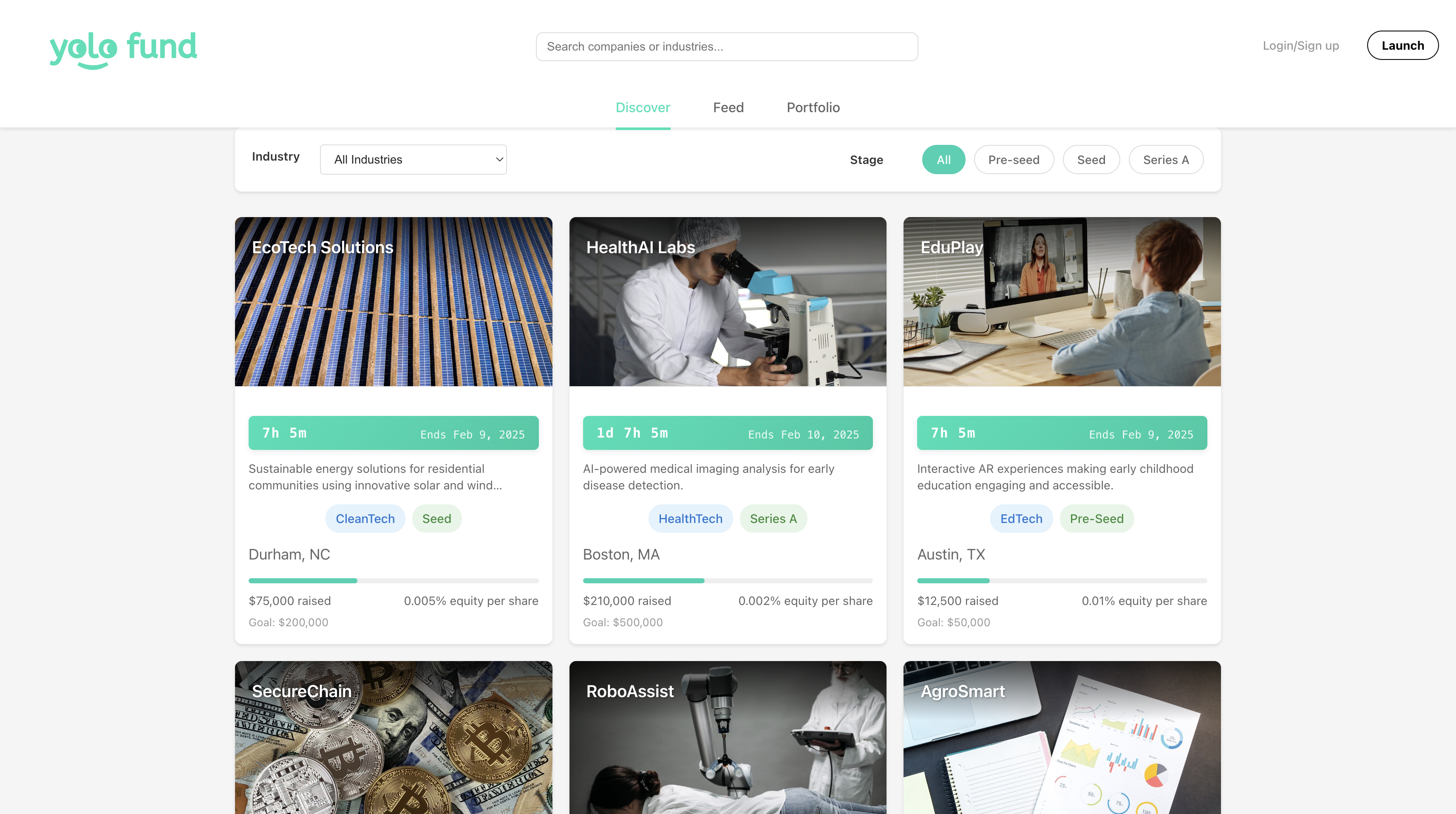
Discover
-
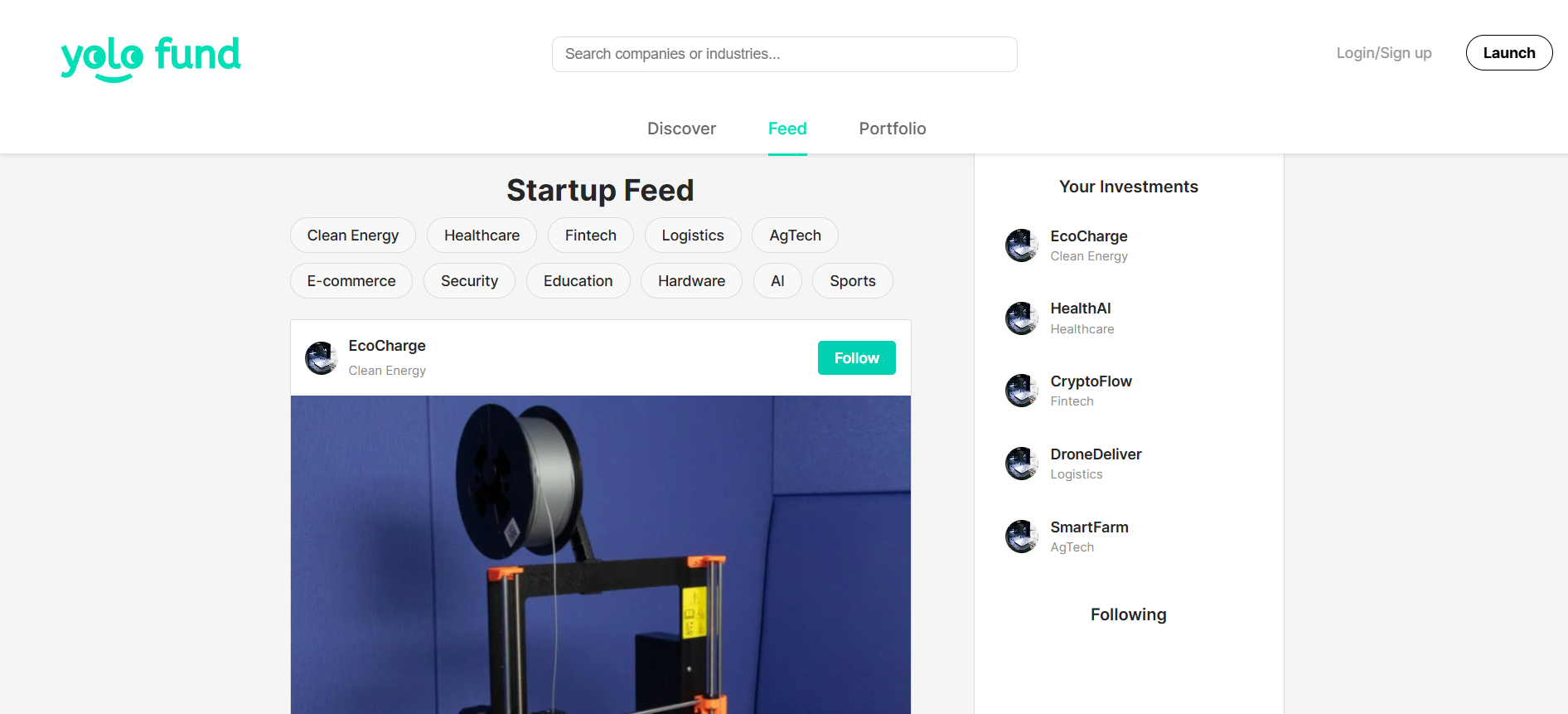
Feed
-
Portfolio
-
Launch Startup
-
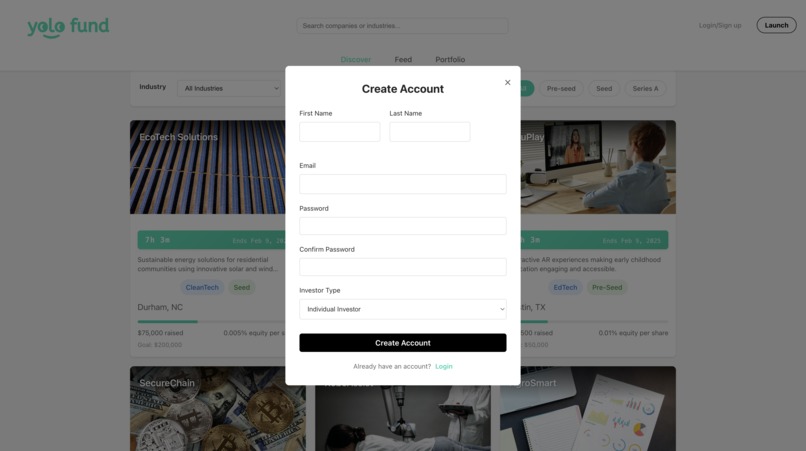
Sign-Up
-
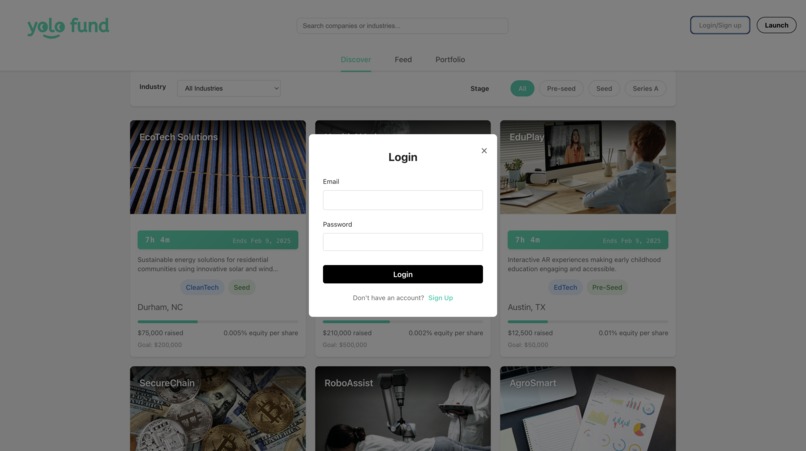
Login
-

Loading

YOLO FUND
Inspiration
The inspiration for this platform came from the growing need for personal relationships between early-stage companies and investors while also ensuring they can quickly and effectively evaluate investment opportunities. We wanted to create a space where startups can showcase their potential while allowing investors more control over where they put their money.
What We Learned
Building this platform taught us a lot about both the technical and business aspects of startups and investment. We gained a deeper understanding of how equity financing works, how companies evaluate themselves, and how investors track their portfolios. We discovered impersonal and bleak connections between investors and companies and the need to look out for "the little guy". On the technical side, we learned how to integrate and utilize large databases, incorporate an interactive UX design using an industry-standard programming stack, and surface-level legalities between investors and companies. We faced challenges in ensuring fair and proper legalities within our site and setting up a user-friendly interface. These challenges allowed us to dive deeper into the world of finance and accessibility.
How We Built It
The platform was built using a combination of modern web technologies and AI tools. Here’s an overview of the key components:
- Frontend: React for dynamic and interactive user interfaces, and CSS for styling and animation (hold cursor over logo).
Backend: Node.js and Express for the server, MongoDB for handling user data, and integrated APIs to fetch updates and manage portfolios.
Investor Features:
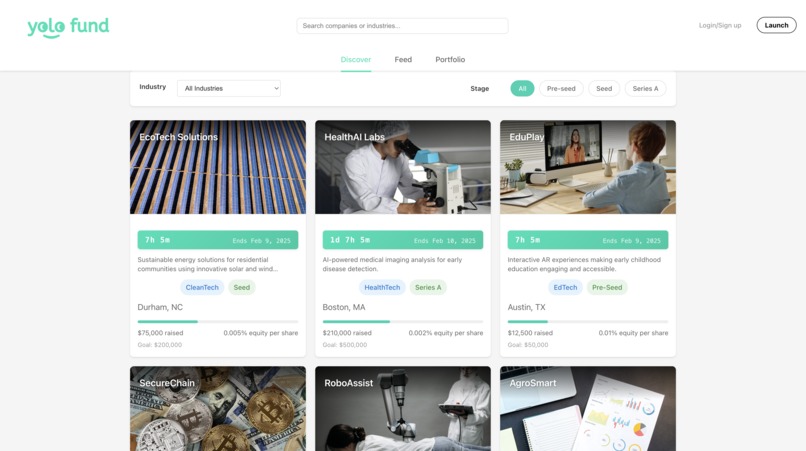
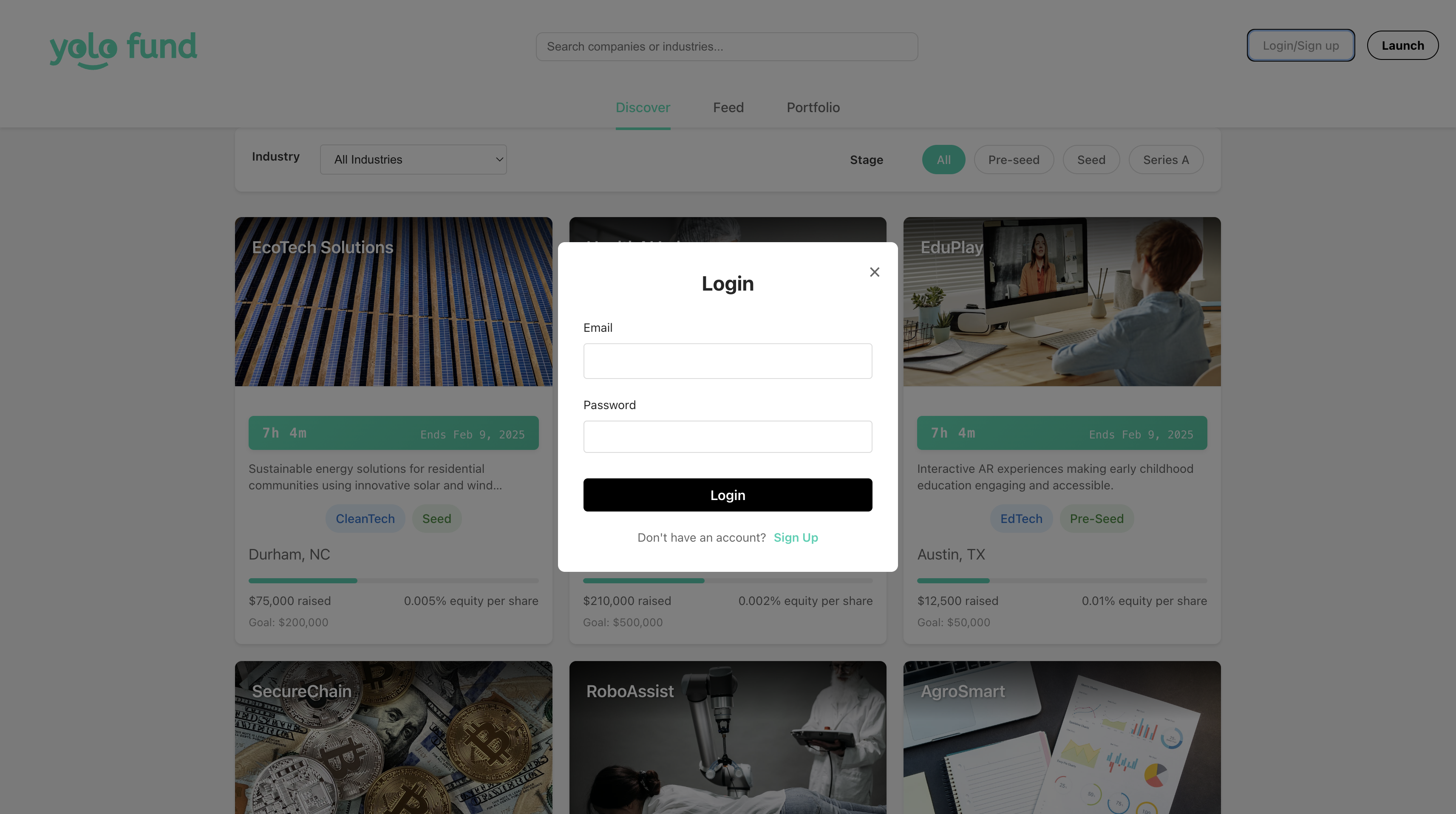
- Discover: Investors can browse new startups, view detailed portfolios, and track their investments through a streamlined feed.
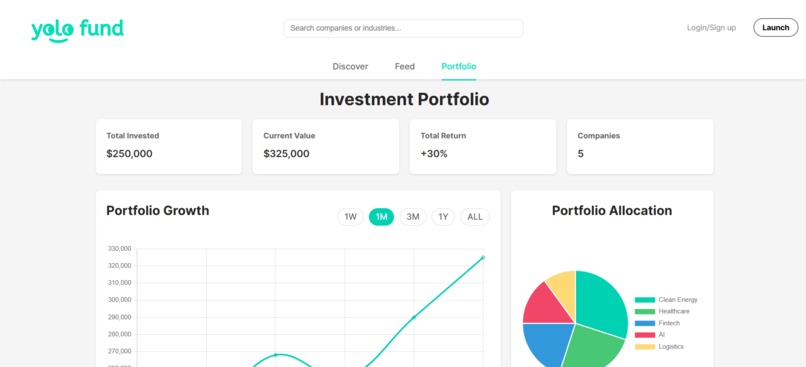
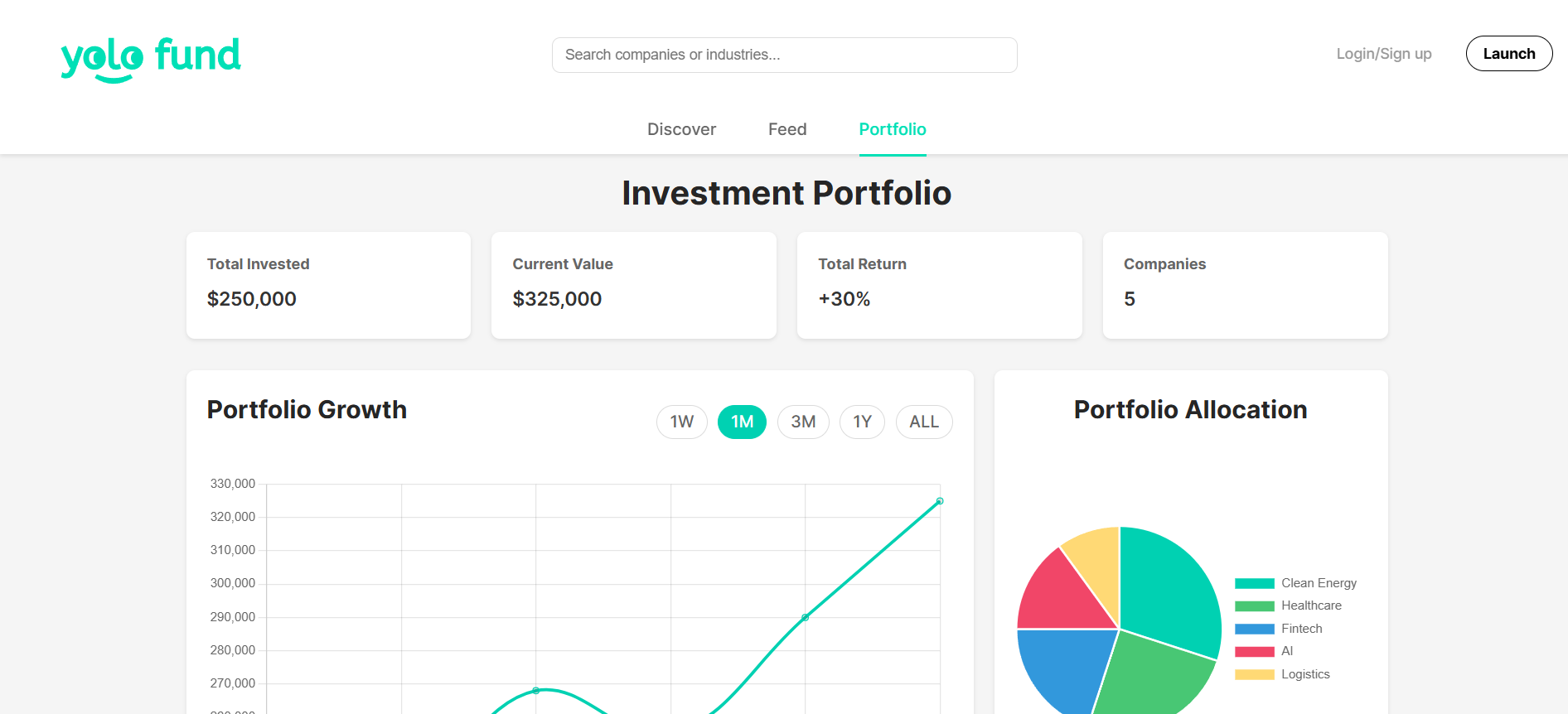
- Portfolio Management: Investors see updates, detailed equity stakes, and the current value of their holdings in each startup.
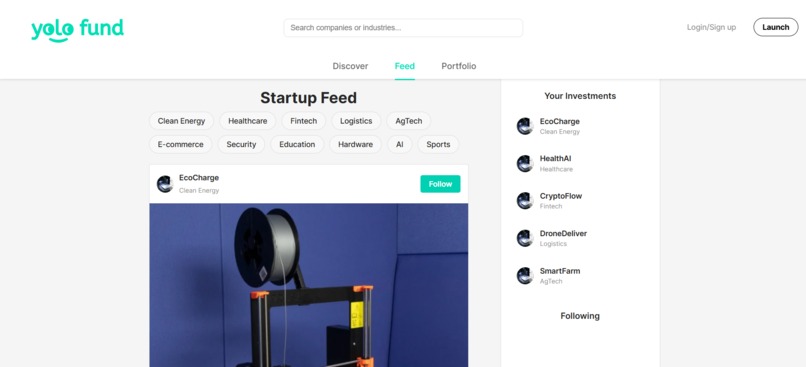
- Company Updates: Posts from startups (pictures, text) keep investors informed about milestones and developments. These posts also allow for interactions between the company and investors along with generating excitement for potential future listings and products.
Startup Features:
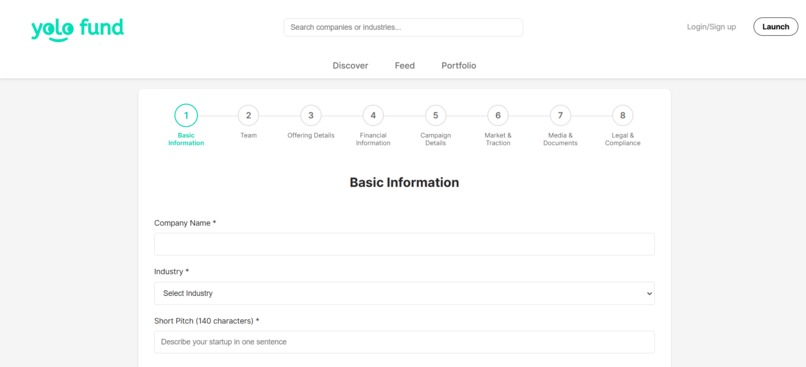
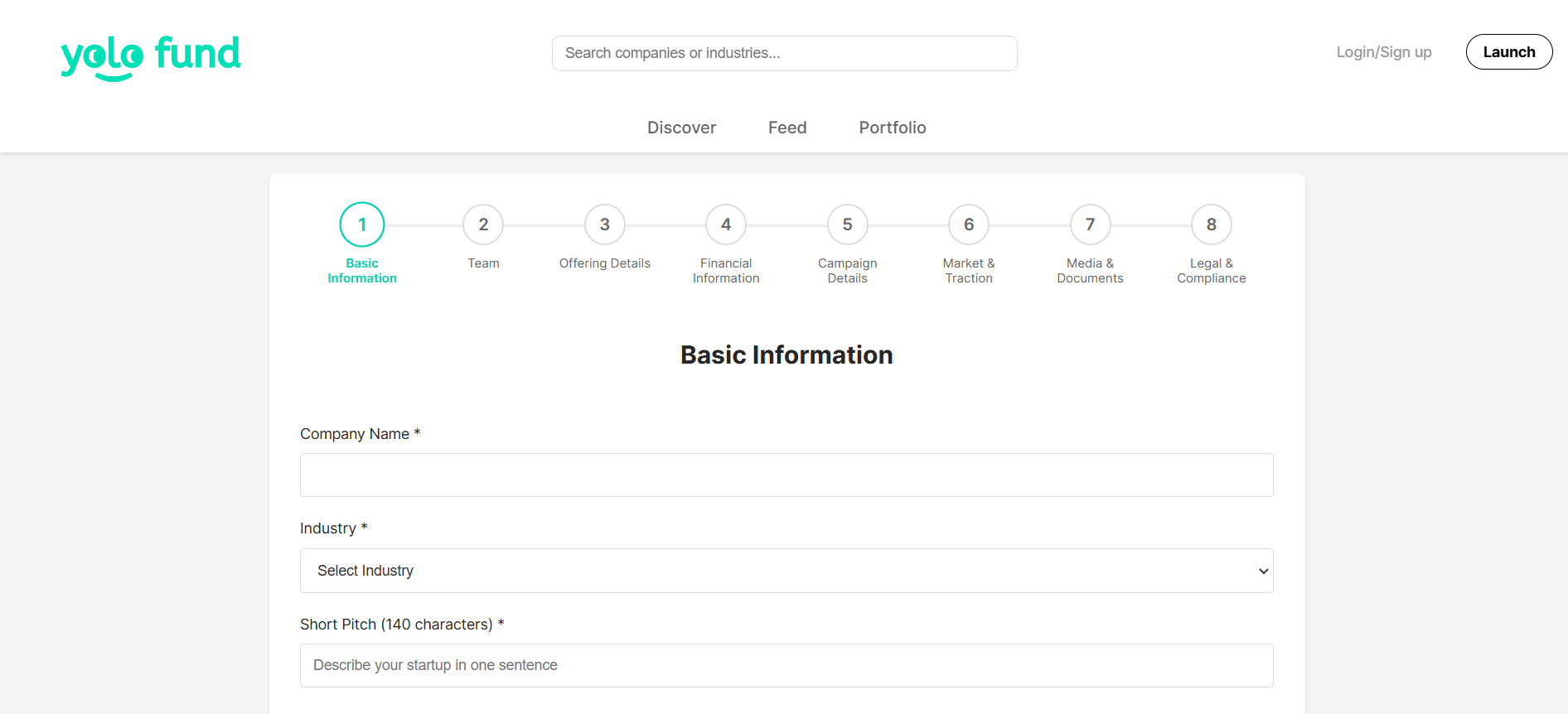
- Listing: Startups post their ideas, showcasing their tech stack, intellectual property (IP), and other relevant details.
- Equity Offering: Startups specify how much equity they are offering (e.g., selling X% equity at $Y per Z% for a $W valuation), and how buybacks will work if they hit specific evaluation goals.
- Company Profile: Startups maintain profiles that investors can follow, and they can post updates about accomplishments or upcoming milestones.
- Drops: Startups can generate excitement for upcoming sales of equity and to support, they will be pushed to the top of the feed.
Challenges We Faced
- User Experience (UX): Designing a platform that appeals equally to startups and investors was another challenge. We needed to create intuitive interfaces that cater to both sides without overwhelming users.
- Revenue Models: Incorporating multiple revenue streams like transaction fees, sponsored listings, and percentage-based fees required ensuring the platform remained easy to use while still offering monetization options that wouldn't deter users.
Revenue Model
To make the platform sustainable, we implemented multiple revenue models, including:
- Sponsored Listings: Startups can pay to be featured more prominently.
- Transaction Fees: A small fee is applied to each transaction made on the platform.
- Offering Percentage Fee: A small percentage fee is taken from companies that reach milestones.


Log in or sign up for Devpost to join the conversation.