-
-
App Icon (1024x1024)
-
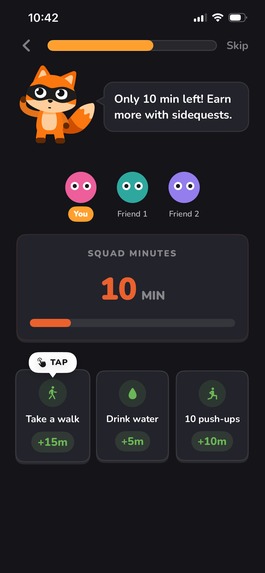
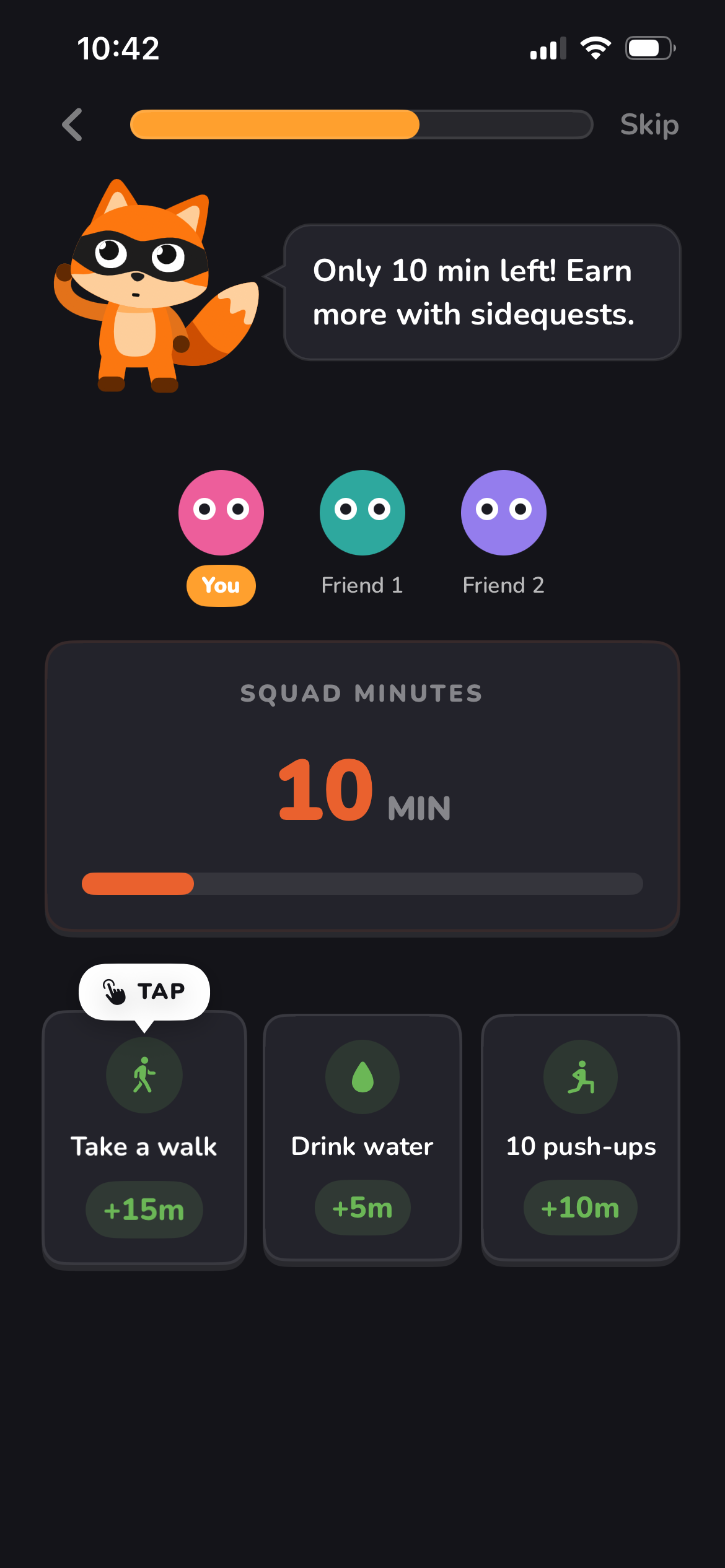
Onboarding Tutorial
-
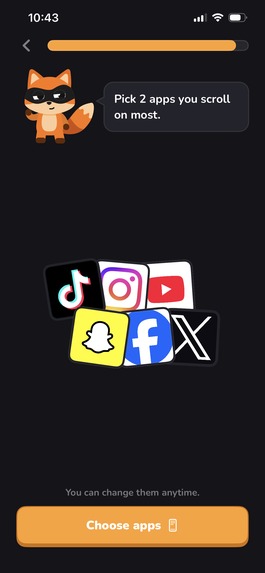
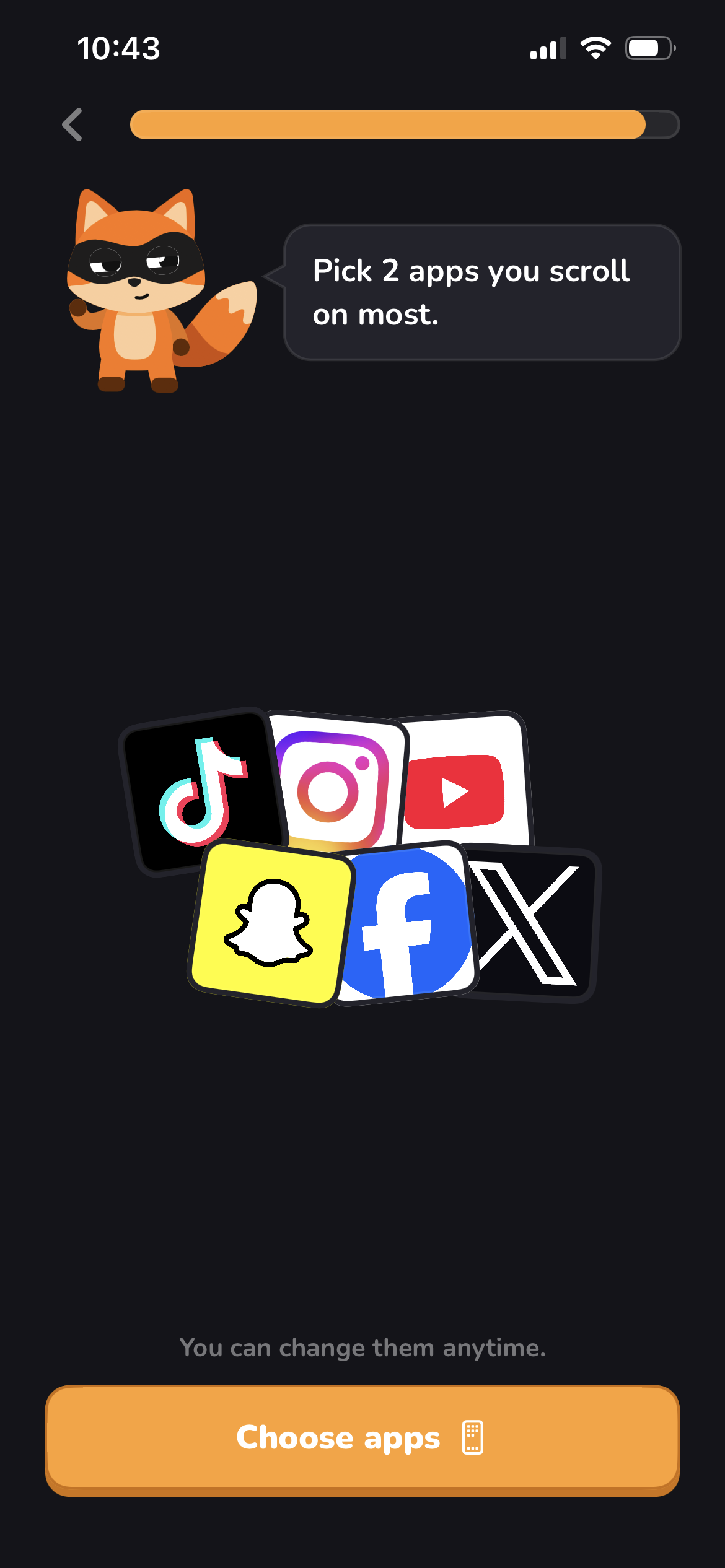
Onboarding Apps Lock Setup
-
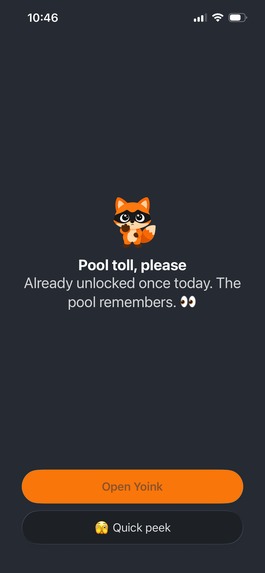
Apple Shield Design for Blocked Apps
-
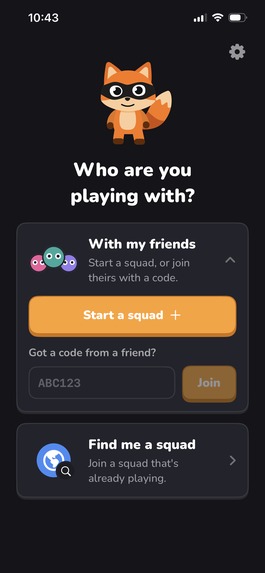
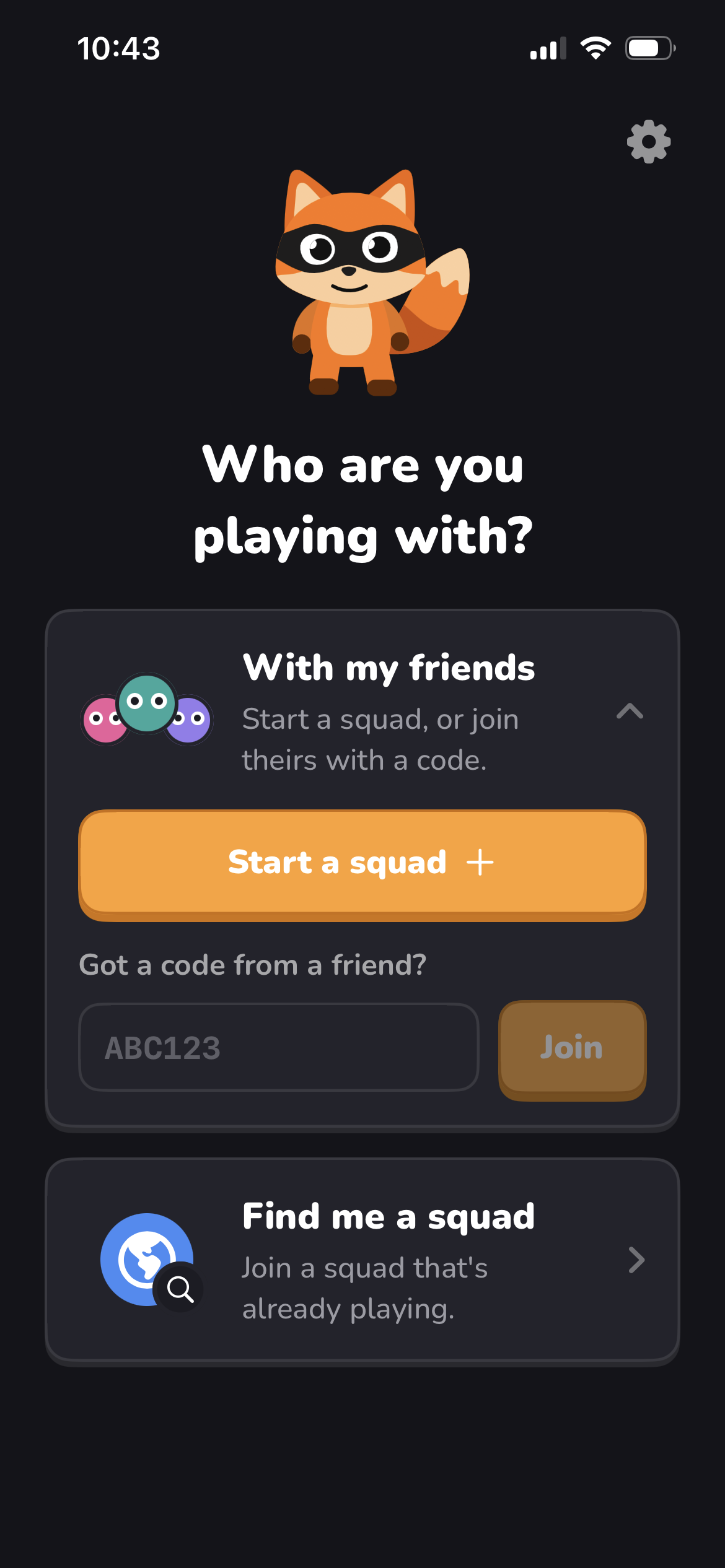
Create or Join Group Setup
-
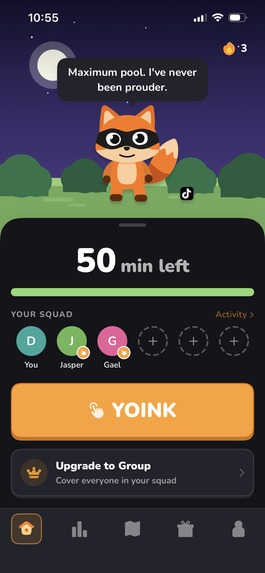
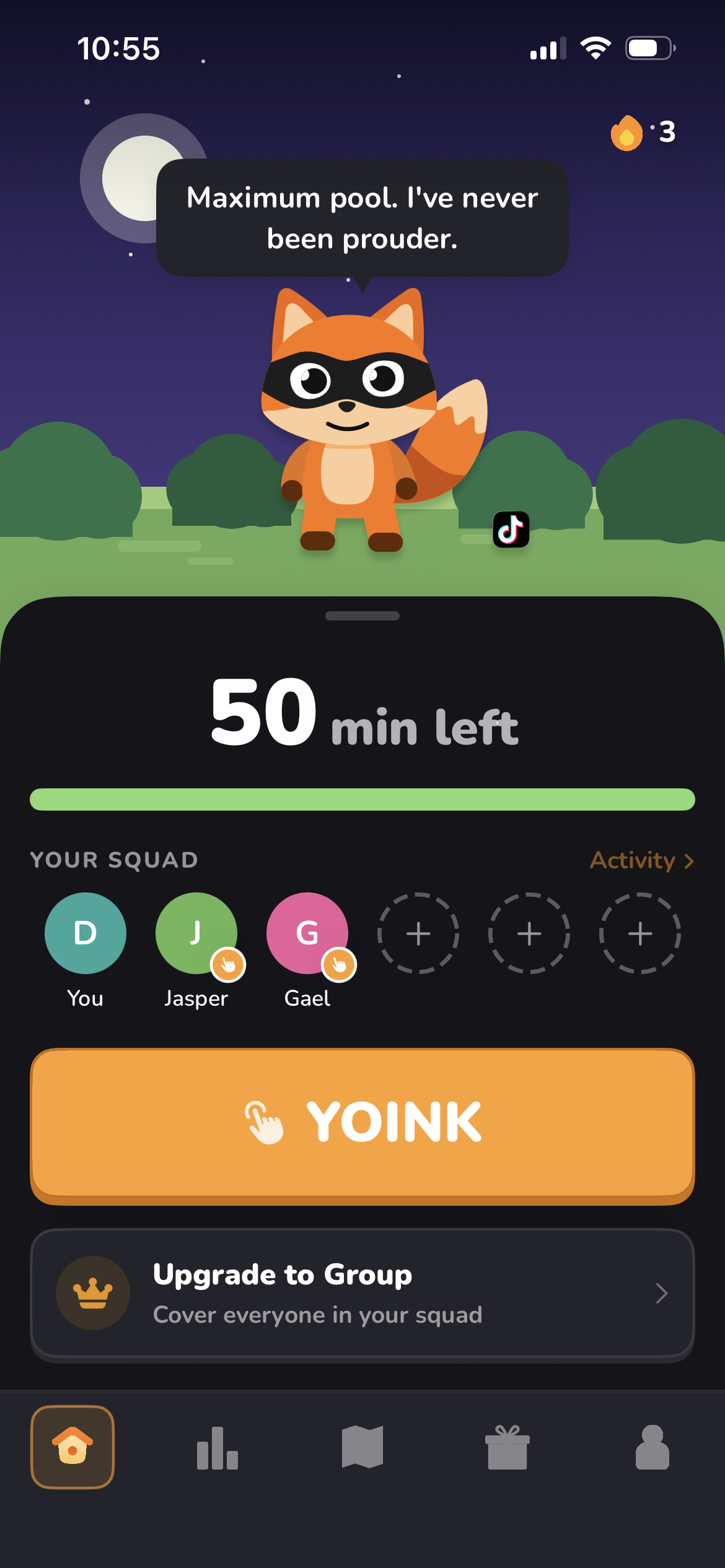
Home Page Max Minutes (Dark Mode) - Fox Happy
-
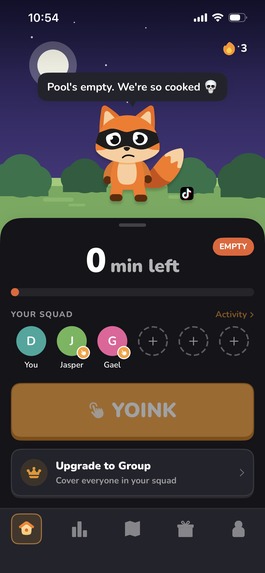
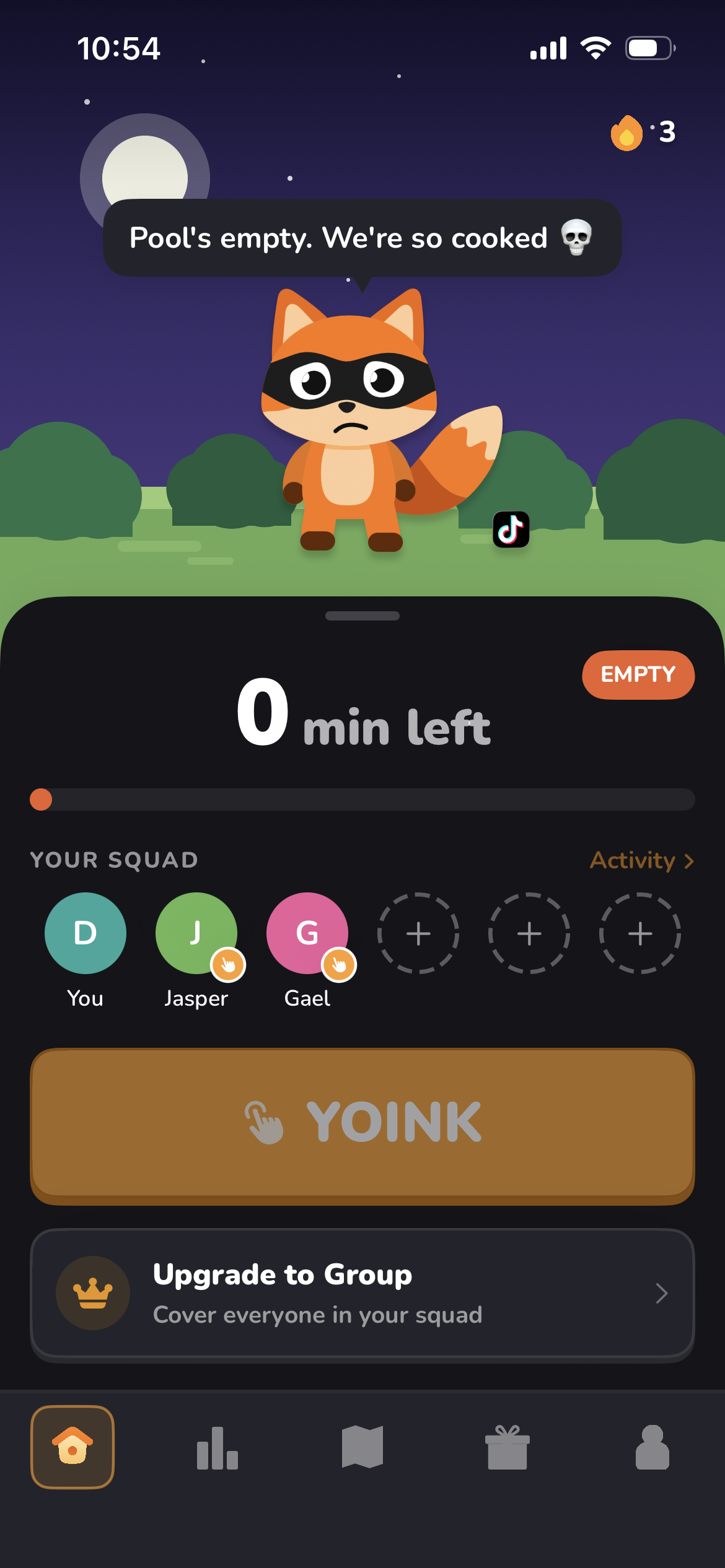
Home Page No Minutes - Fox Sad
-
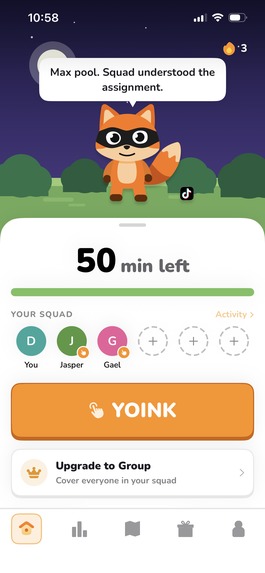
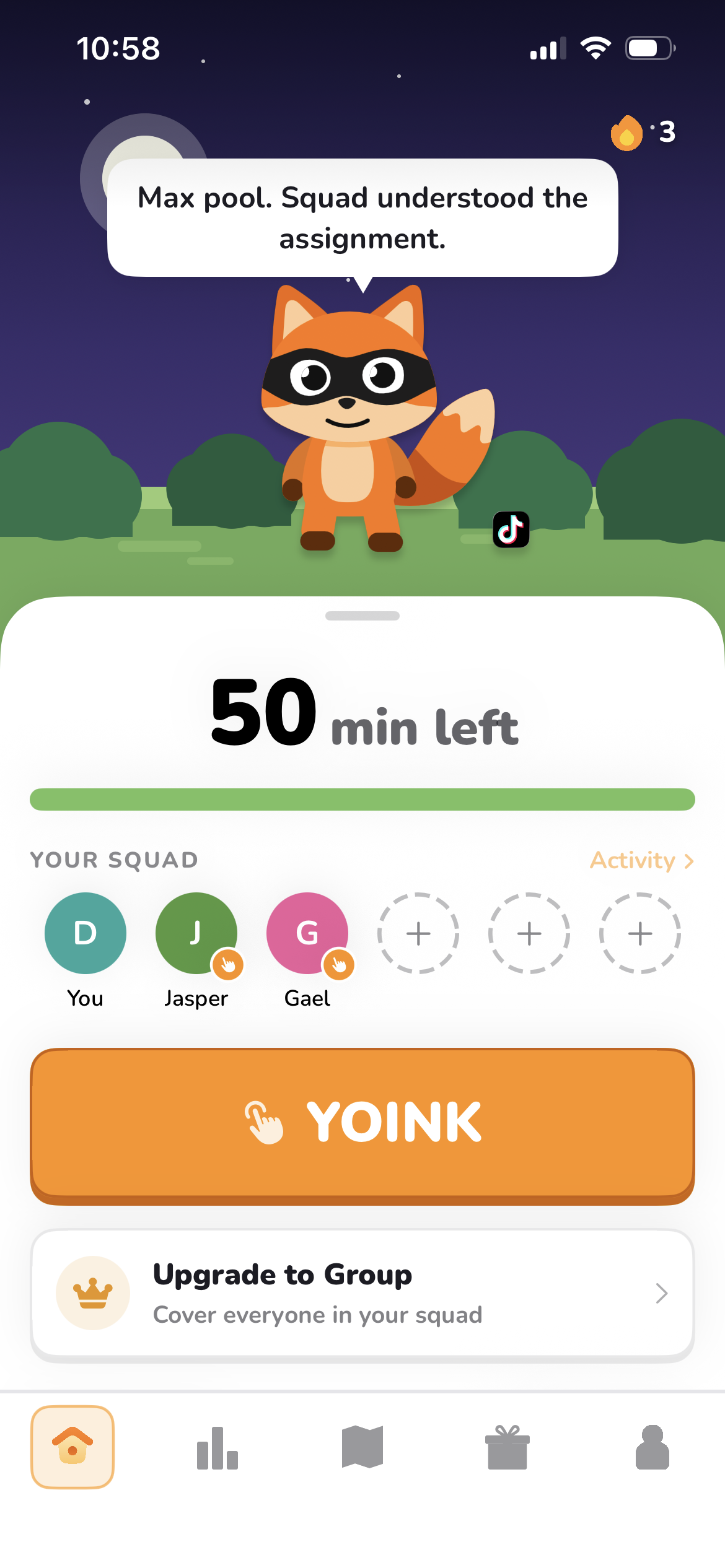
Home Page Max Minutes (Light Mode)
-
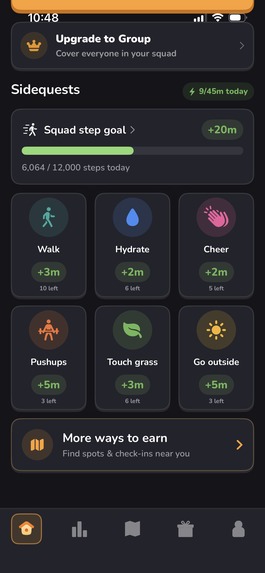
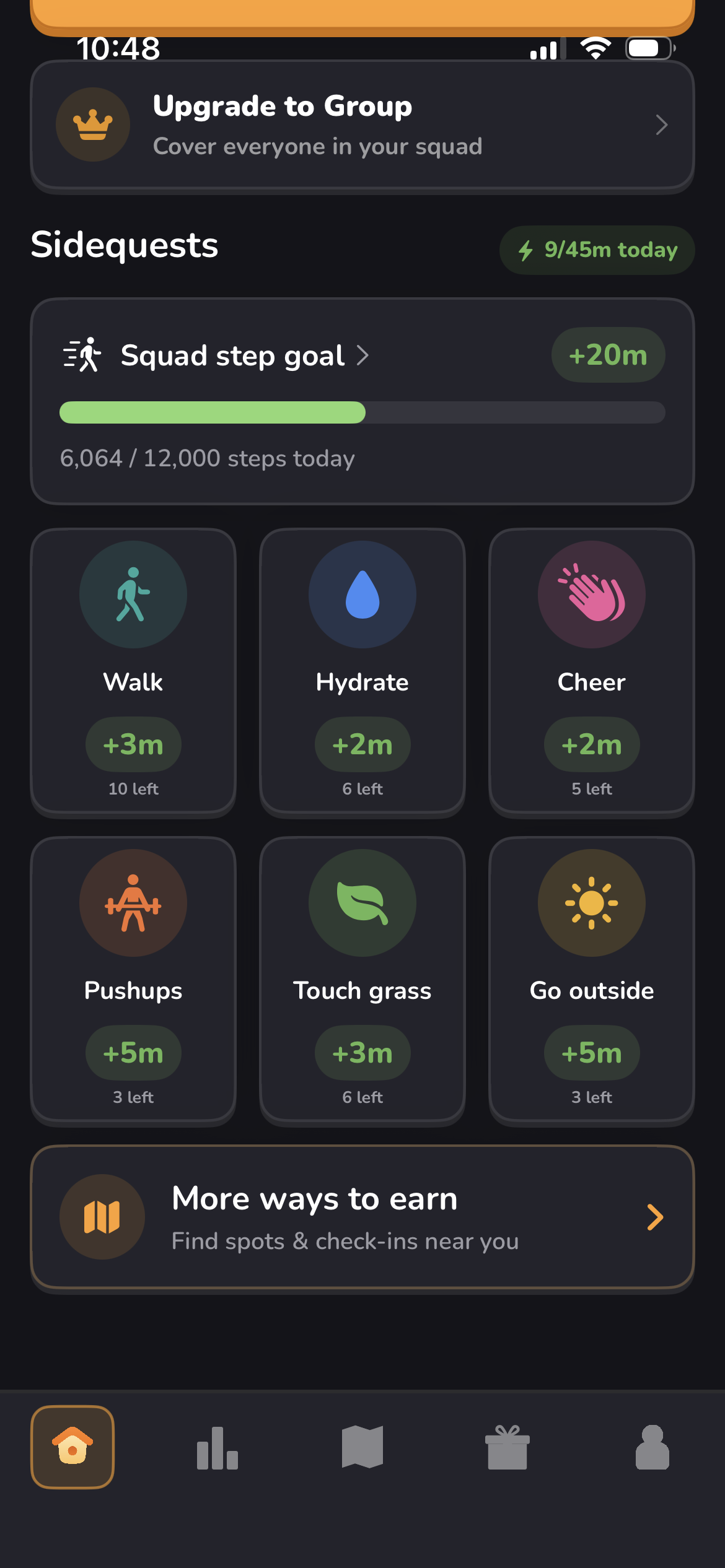
Home Page Sidequests
-
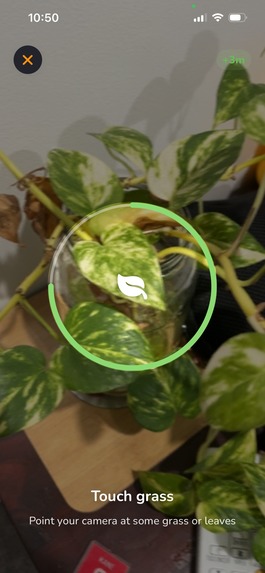
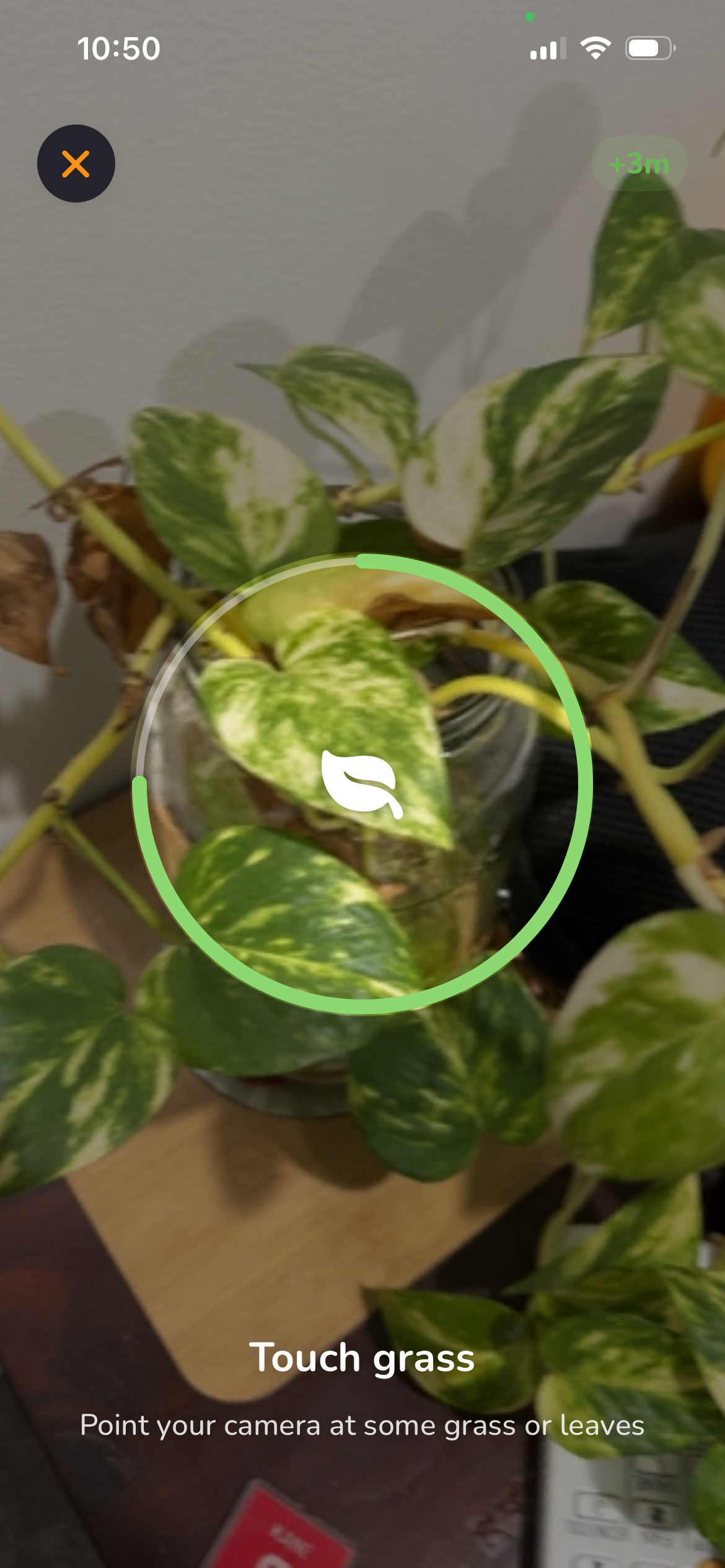
Touch Grass Functionality
-
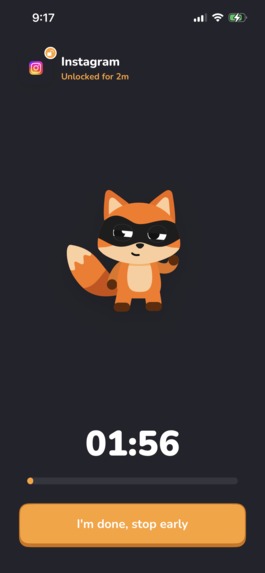
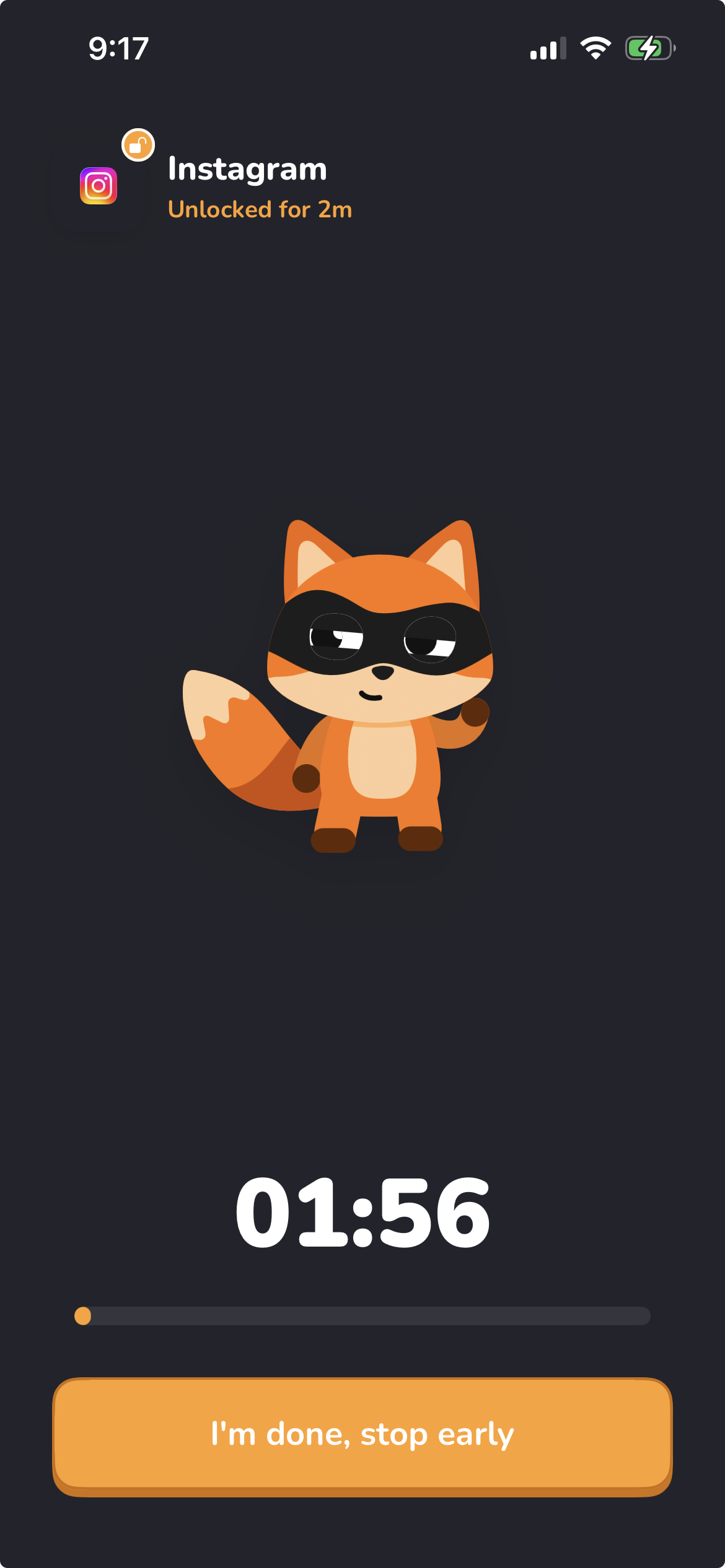
Yoink! Sneaky Fox Animation
-
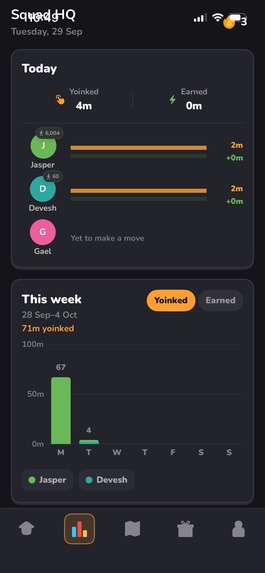
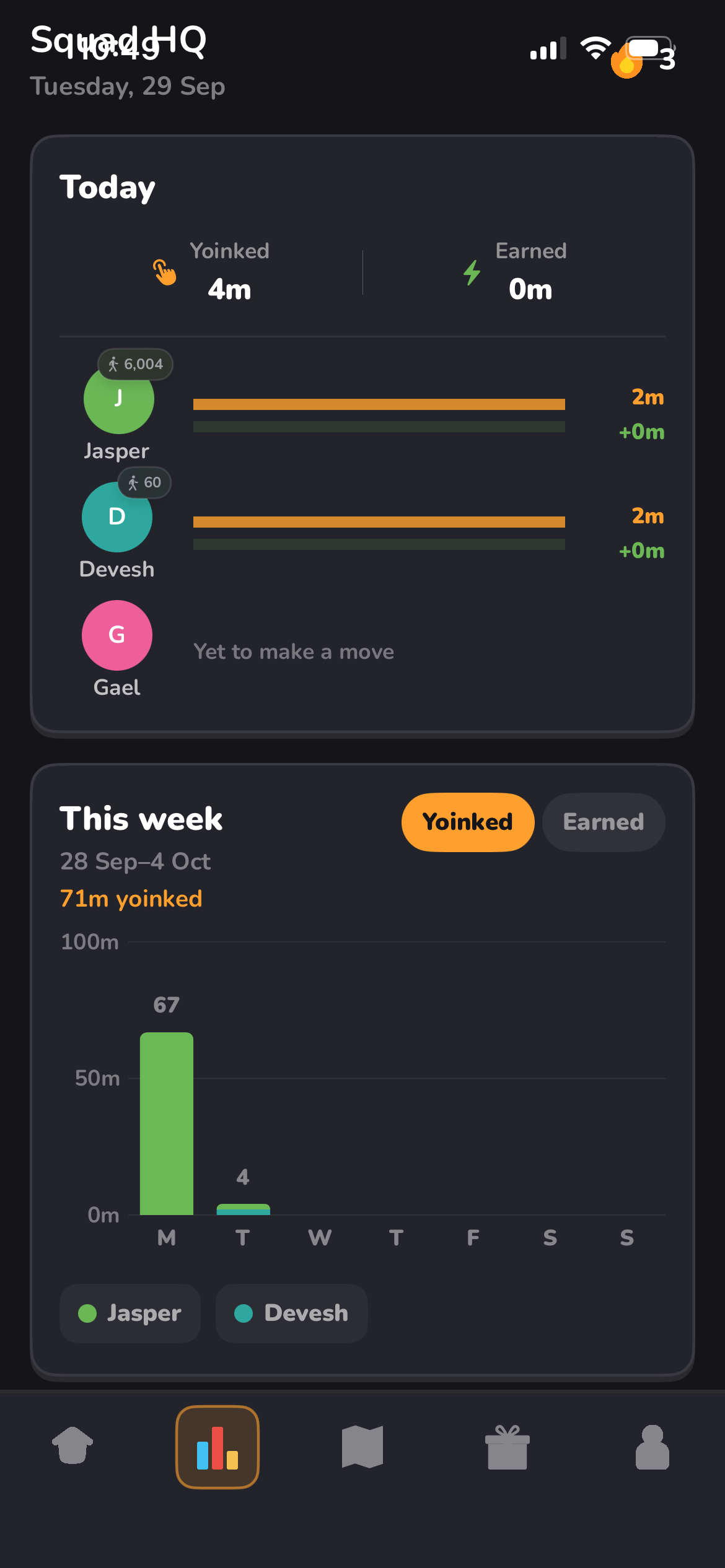
Group Statistics
-
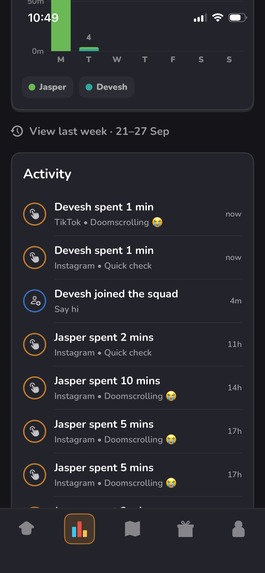
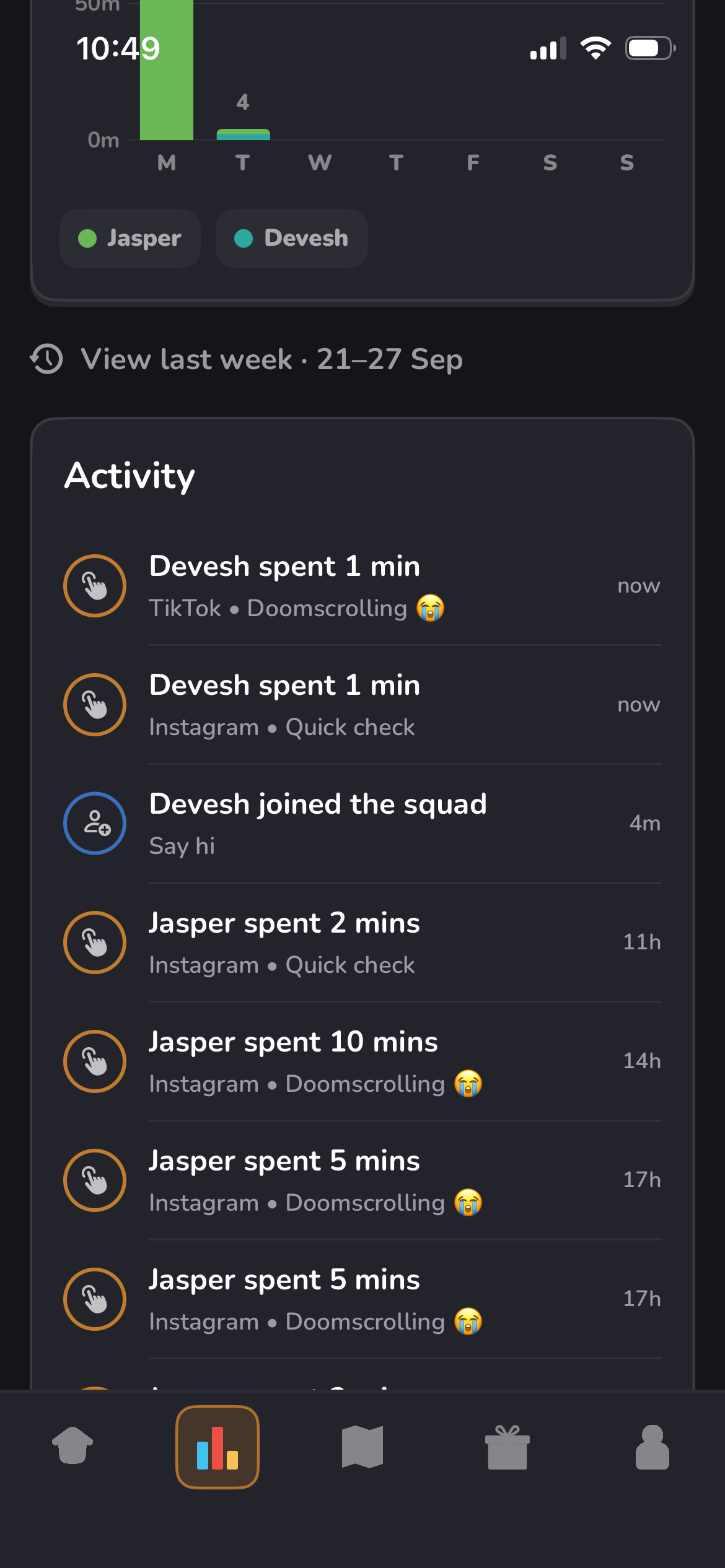
Group Activity
-
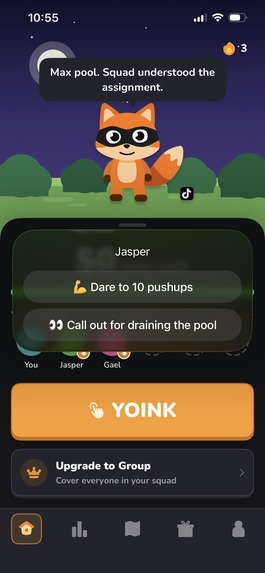
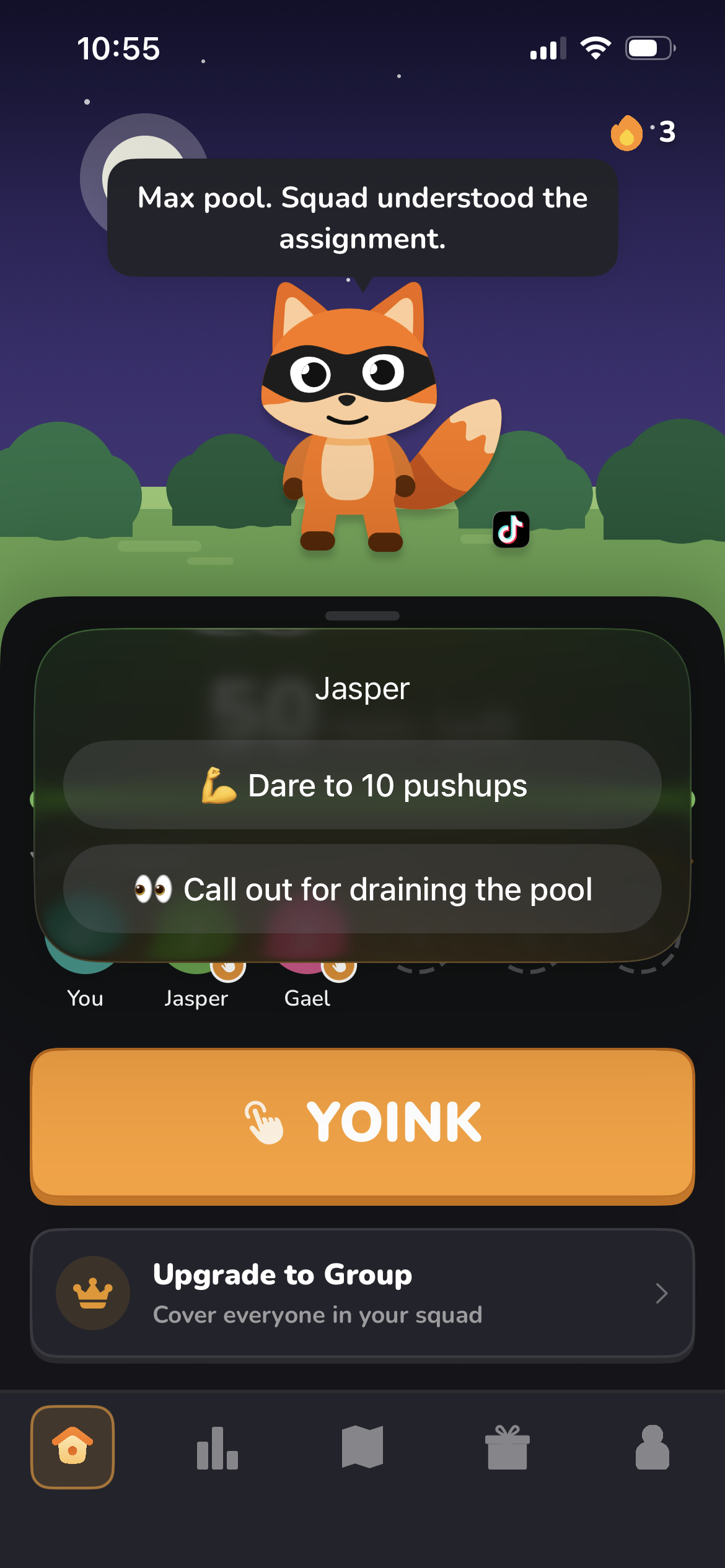
Dare / Callout Group Members
-
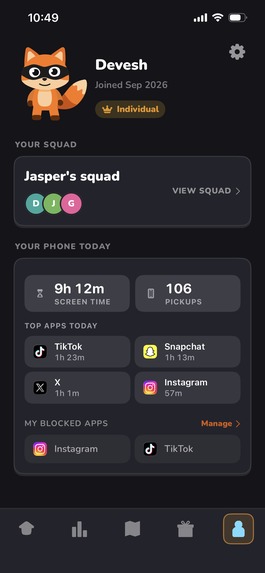
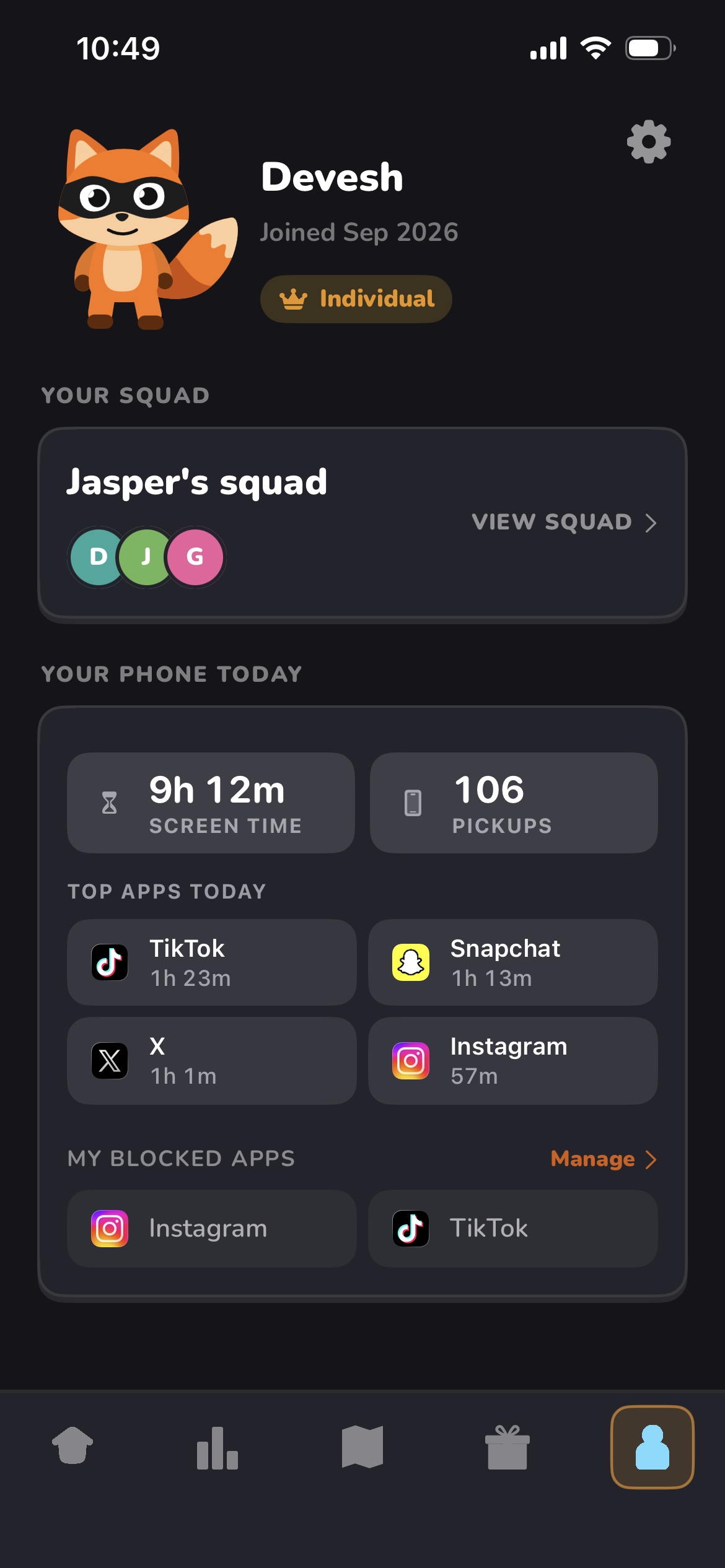
Phone Stats
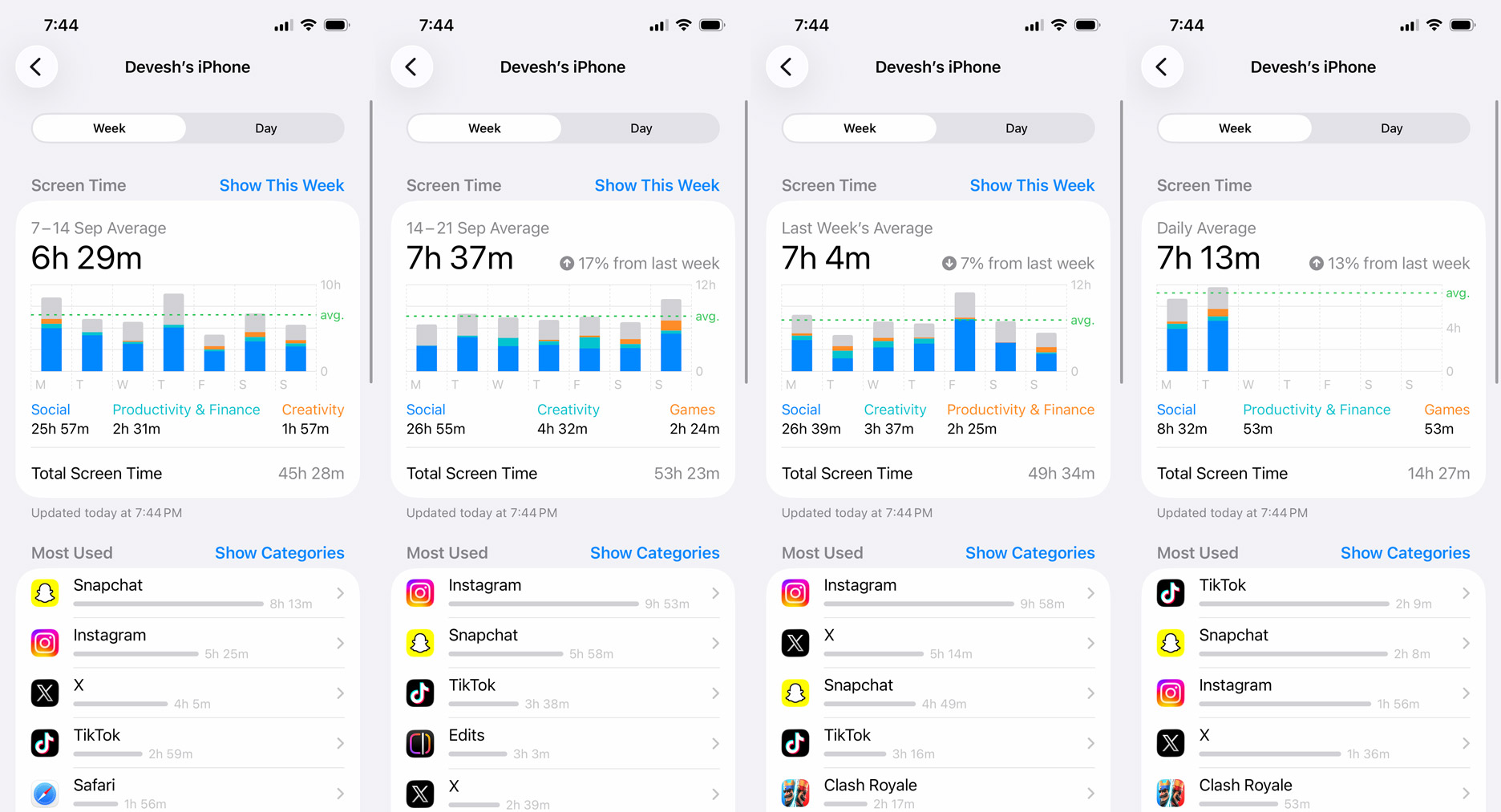
Inspiration
My screen time has been a problem for a while. My inspiration comes straight from these screenshots 🫣 I was averaging around 7 hours a day on my phone (okay granted, some of that was posting for Yoink lately). I'd just reach for my phone without even thinking about it, and then I'd end up on it for ages and lose hours that I could've spent sleeping, doing my hobbies or just getting stuff done.
It wasn't just me either. So many people I know feel the same, always meaning to sleep earlier, go to the gym or finally start that hobby, but losing hours to their phones instead. It's not really our fault though, these apps are engineered to keep us hooked. Even the average Yoink user spends over 4.1 hours a day on their phone (an actual stat from our onboarding!), which over 30 years adds up to more than 5 years!!
Doing it with friends makes it stick. Cutting down on your own is definitely possible, but it takes a lot of willpower. I've noticed I'm way more likely to stick to something when my friends are in on it too, because suddenly it's not just about me anymore. When something is social and other people can actually see what you're doing, there's more at stake and you kinda take it more seriously. So I wondered what it would look like to cut down on screen time with friends instead of on your own, and actually encourage each other to build healthier habits and do more than just scroll. That's pretty much what Yoink is!
What it does
The core idea is that you share screen time minutes with friends.
- Block: you each block the apps you scroll on most (e.g. TikTok, Instagram etc.)
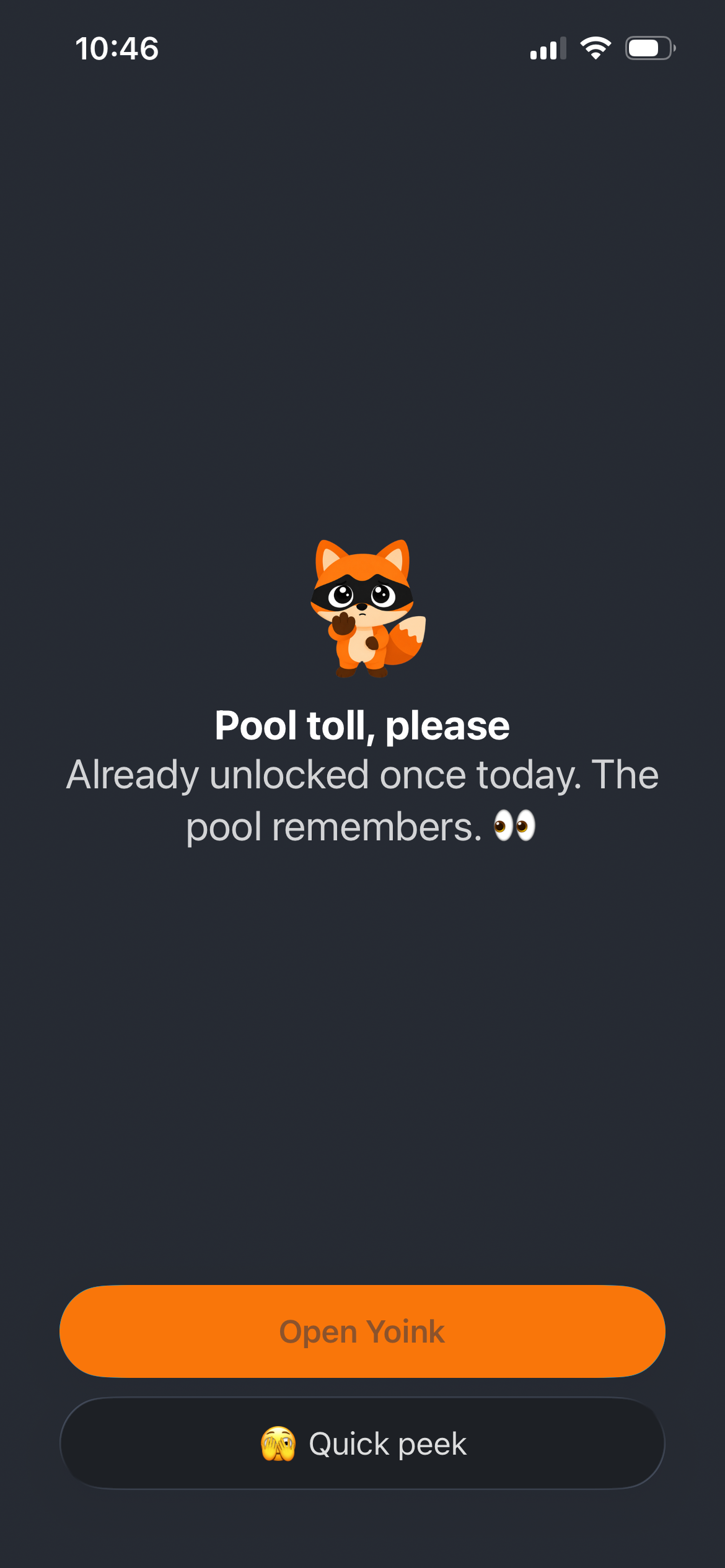
- Yoink: to use them, you have to yoink minutes from the shared pool. Those minutes come out of the pool, so now everyone has less to use! Everyone gets notified when you yoink too.
- Earn: to earn minutes back, the squad does side quests like walking, drinking water, pushups, going outside or going to the gym. Pushups are counted by your camera and steps come from Apple Health.
- Call out: you can also call each other out in the app, or dare each other to do pushups!
This is what makes it different to normal screen time apps. When your friends can see your screen time, it means more than if it were just you looking at it. You start being a lot more aware of when and why you're reaching for your phone, and the side quests are designed to snap you out of the scrolling loop and get you doing something more productive.
The pool is capped, so nobody can farm infinite minutes. It's like supply and demand. The group always has to do something to top the pool back up, either to use it themselves or for others to steal. That creates a funny dynamic between friends, and it's what keeps people coming back. The fox is there too, giving words of encouragement along the way.
How I built it
I built Yoink purely in Swift for iOS.
- Apple's Screen Time APIs do the app blocking
- Supabase is the backend
- RevenueCat powers the subscriptions
- Rive brings the fox to life
- Figma was my design board
- Sentry and PostHog showed me where the app crashed and where users got stuck
I did lots of manual testing on a real phone, because Screen Time doesn't work in the simulator.
I learned Swift and used AI tools, but made the big calls myself. I started off by learning Swift, and tools like Codex and Claude Code have been really helpful since. My background is in software, so I made the big decisions myself, like the architecture and the database design. I also learned a lot about using AI well. I wrote AGENTS.md files for each part of the app, so the AI tools could find their way around when adding features, and used Graphify (a graph of the whole codebase) to find dead code and help the app run smoother. My v1.0 had a few bugs, but these tools have made a huge difference since!
I designed and animated the fox myself. Instead of just using AI, I designed the fox and all the assets myself, and took the opportunity to learn Rive to animate him. It took a while to get the hang of, but it's such a cool tool, because it works with states, so the fox can switch between moods depending on what's happening in the app!
Challenges I ran into
The Screen Time API was really flaky. It's the core of this app, so this was one of the biggest challenges. If users blocked their messaging apps, they wouldn't get their notifications, so I built a quick peek feature to check your apps without spending minutes. Apps also didn't always relock on time, and sometimes showed locked when they were still unlocked. It took multiple days to get it working reliably, but I'm happy with how it works now.
Getting people into groups. Yoink really only works when you're in a squad with others, but right after launch most people made a squad of one. In launch week, 26 of the 41 people who made a squad never invited anyone, and that part was kind of out of my control. So I:
- added public squads (at first squads were private only), so if you're on your own you can just join someone else's
- added reminders from the fox to nudge people to invite their friends, since that's where the real value of the app is
Now almost half of all squads have 2 or more people, up from about a third in launch week, and 6 of the 7 public squads have players from different countries.
Sign in was messier than I expected. I started with phone sign in, because phone numbers are unique, so it stopped people making loads of accounts to keep getting the free week trial. But every SMS cost money, some people didn't like giving their number, and when a marketing video took off and people downloaded the app, those costs added up fast. So I added Sign in with Apple and Google, using Apple's DeviceCheck to keep the free week fair, and kept phone sign in as an option.
There were smaller challenges too.
- Onboarding went through multiple versions, because even after cutting it down, the early ones were still too long and people kept dropping off. A lot of apps in my niche have really long onboarding, but feedback showed people just wanted to start playing ASAP. I eventually got it from 24 screens down to 10.
- Some people in the US couldn't sign up because my country picker was stuck on New Zealand.
- And no surprise, Apple's review delays meant I couldn't test or market the early launch properly.
Building solo, around a 9 to 5. It was my first time wearing all the hats at once, from the product to the animation and the marketing. It was tiring, but it gave me a real idea of what running a little startup feels like!
Accomplishments that I'm proud of
- Shipping my first ever app to the App Store
- My first paying group, with $23 MRR so far
I kept going, even when marketing didn't seem to be working. I kept fixing all the little bugs and trying to make the experience better for people. Marketing was the hard part, because for a while it really didn't seem to be working, and I was a bit embarrassed putting myself out there just for it to maybe not work out at all. But I kept at it, and slowly some videos started to take off. Yoink went from 35 accounts to 140 in one week, and has kept growing since.
Seeing what people actually do in the app. Together, players have earned back over 10,000 minutes of screen time by:
- walking over 3.2 million steps, for 2,989 minutes
- going outside or touching grass 810 times, for 2,472 minutes
- doing over 6,400 pushups counted by the camera, for 2,251 minutes
- cheering each other on 759 times, for 1,256 minutes
- drinking 693 glasses of water, for 1,131 minutes
And they kept each other honest with 214 pushup dares and 94 call outs.
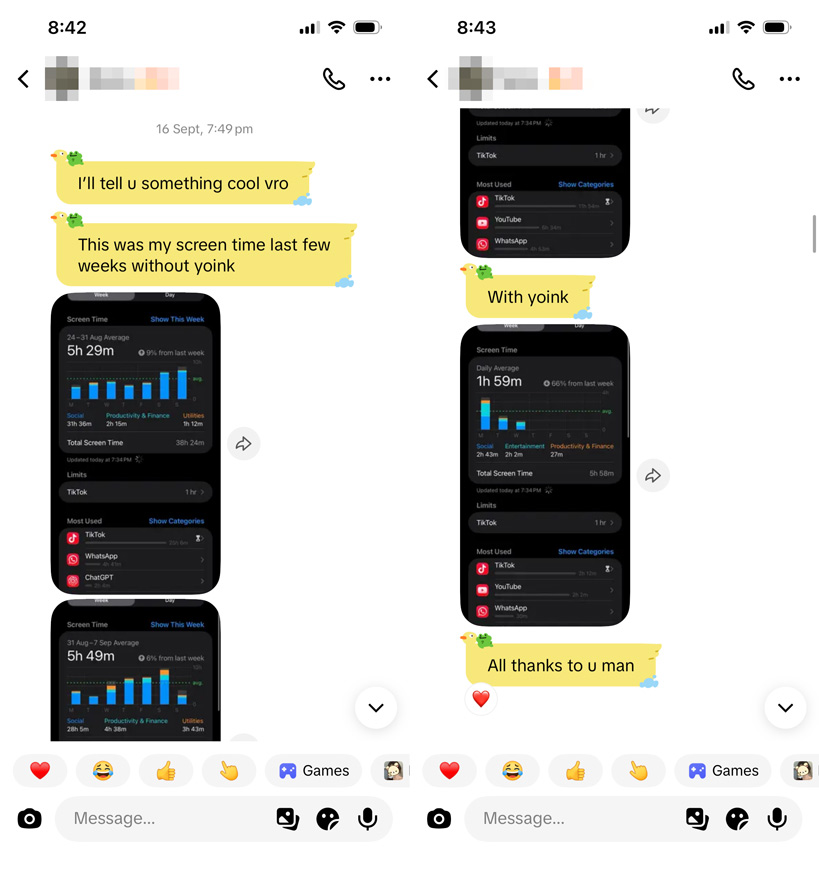
It's actually cutting people's screen time. Someone from online messaged me saying they cut their screen time from an average of 5 hours of scrolling down to 2 hours because of Yoink. My friends noticed it too.
"I'd find myself hesitating before wanting to scroll because I didn't want to be the person to drain the pool" - Neha
"prob the most effective method I've tried so far to keep me off insta/tiktok" - Mana
All this was really cool to hear!
I also got way out of my comfort zone.
- Pitched Yoink to a Blackbird VC investor and over 20 students at a startup event
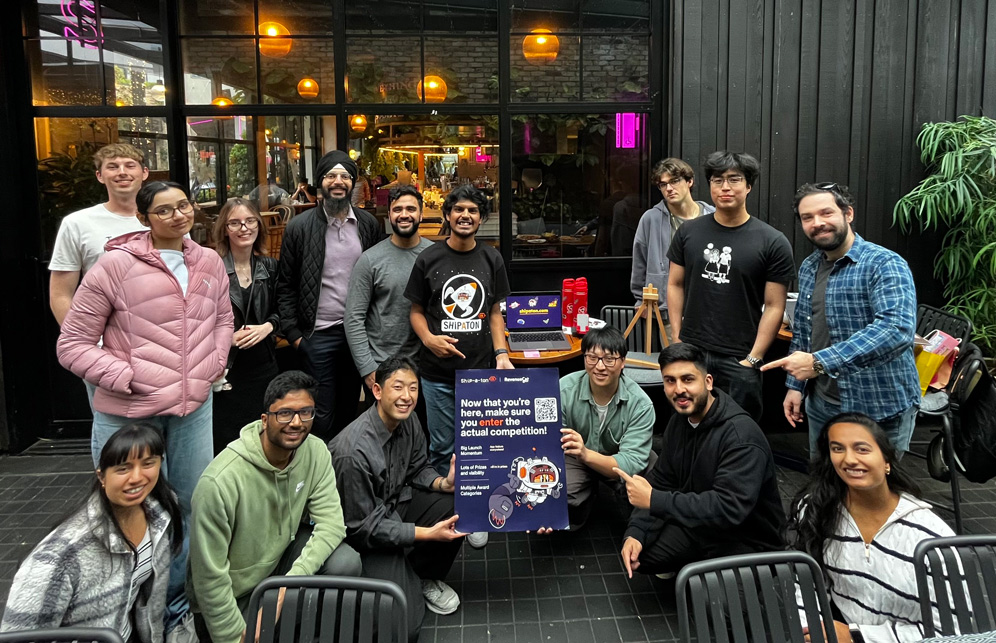
- My proudest moment: hosting my first ever event, a #ShipatonIRL Code & Coffee meetup in Auckland. I was nervous, but over 20 people turned up, and it sparked great conversations and useful feedback!
What I learned
Shipaton felt like a lot of projects packed into one. I got to build a product end to end, from the app and working with AI tools to content, marketing and ads, and each part taught me something.
Keep things simple. I spent weeks shipping features I thought were great, just to realise people found them unclear or barely used them. Now I'd rather start with the simplest version, see how people use it and improve from there. A simple app that does one thing really well is also way easier to explain, because if you pack in too many features, it gets hard to tell people what your app actually does.
Feedback shaped a lot of things.
- Testers told me the onboarding felt too long, so I kept cutting it down. It went through 7 versions before it felt right.
- People from online showed up alone, which led to public squads.
- Shipaton feedback showed me people wanted to pay but couldn't easily find where, which changed how I set up the whole paywall.
Change gets trickier once people start using the app. When you're just developing, you can change whatever you want. But once people are using the app, and especially once someone is paying for it, you have to slow down a little and make sure every update still works for them and nothing breaks!
Marketing is mostly a data game. At first I thought if I just made a good app and a few good videos, people would find it. But instead of spending ages perfecting one video, it's better to try lots of different formats, see what actually works and double down on that. Lots of my videos flopped before a couple got traction, but that's what grew Yoink from 35 to over 200 players.
Saying yes to one opportunity leads to so many more. Entering Shipaton pushed me to actually ship the app, and that led to sharing my journey through #BuildInPublic, hosting my first event and even pitching to an investor. None of that was in the plan when I started, and all of it felt a bit scary at first. But I met so many new people, both in person and online on X and Instagram, and I'm really thankful for it. It's definitely something I'll keep doing!
What's next for Yoink: Screen Time Game
Next up:
- More (creative!) ways to earn time back
- Integrations with watches
- Better gym check-ins with QR codes
- Bigger rewards, like outdoor activity vouchers or gym discounts for staying off your phone
Longer term:
- Partner with brands that encourage healthy lifestyles
- Help with New Zealand's work on tackling phone addiction
- Grow the Explore map into real world challenges around the globe (potential integrations with Luma, Meetup.com etc.)
- Grow the brand around the fox, maybe even with stickers and plushies 🦊
I'm super excited to see where this goes!

Log in or sign up for Devpost to join the conversation.