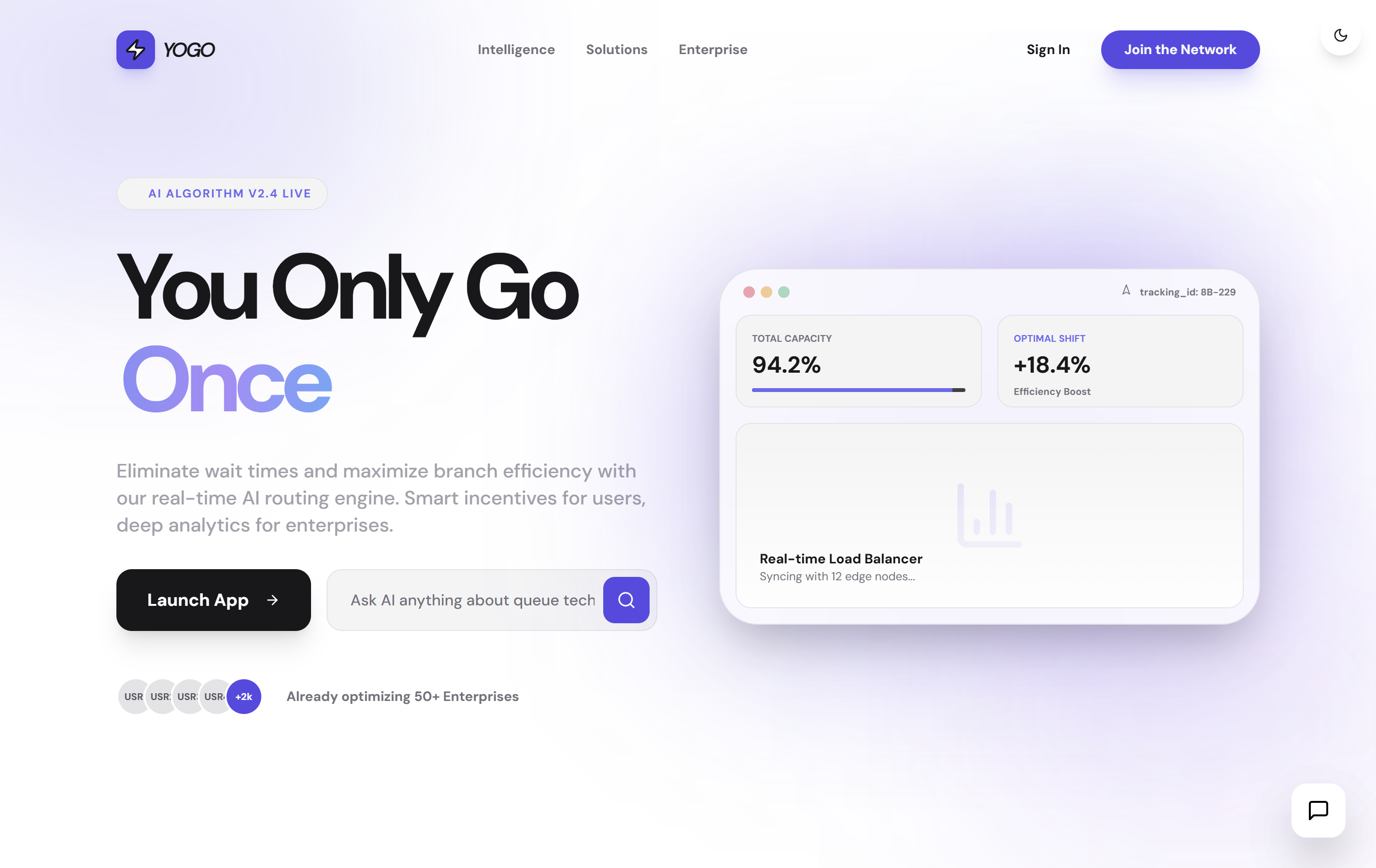
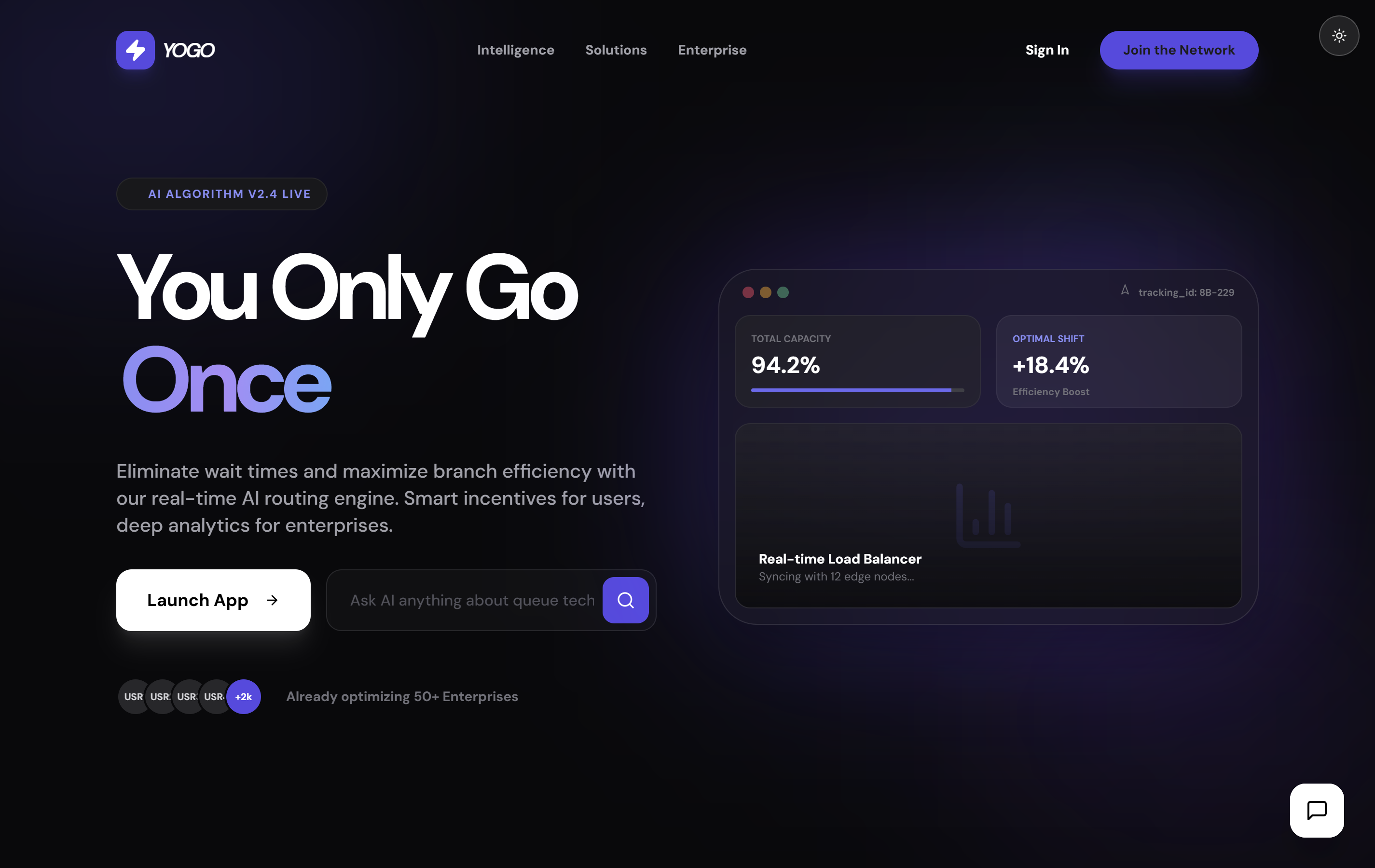
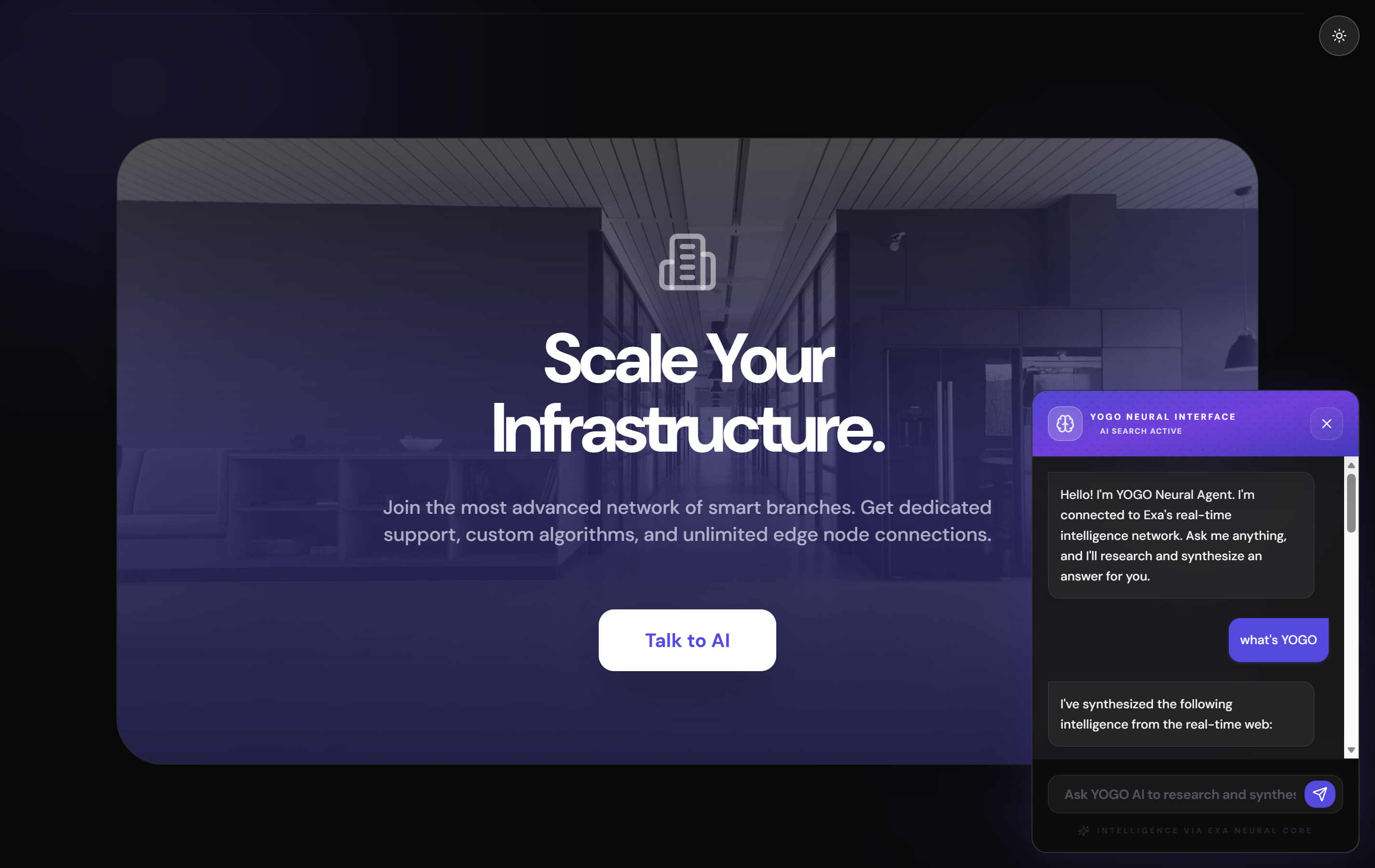
YOGO: Smart Queue Management & Location Recommendation System
Inspiration
The initial spark for YOGO came from a common local sight: crowded Vietnamese street food vendors. We had the idea of using YOLO object detection to count the number of people waiting, aiming to save customers a trip to a packed stall.
But then we realized this localized problem has massive scalability because the same bottleneck applies to hospital waiting rooms, retail banks, and chain restaurants. More research led us to the field of real-time foot traffic data, where we spotted a gap in the usage of that data. It was mainly used for enterprises, and we then thought this information could also be useful for the visitors themselves. So we moved from a simple crowd-tracking tool to a generalized smart visitor management system for both visitors and enterprises.
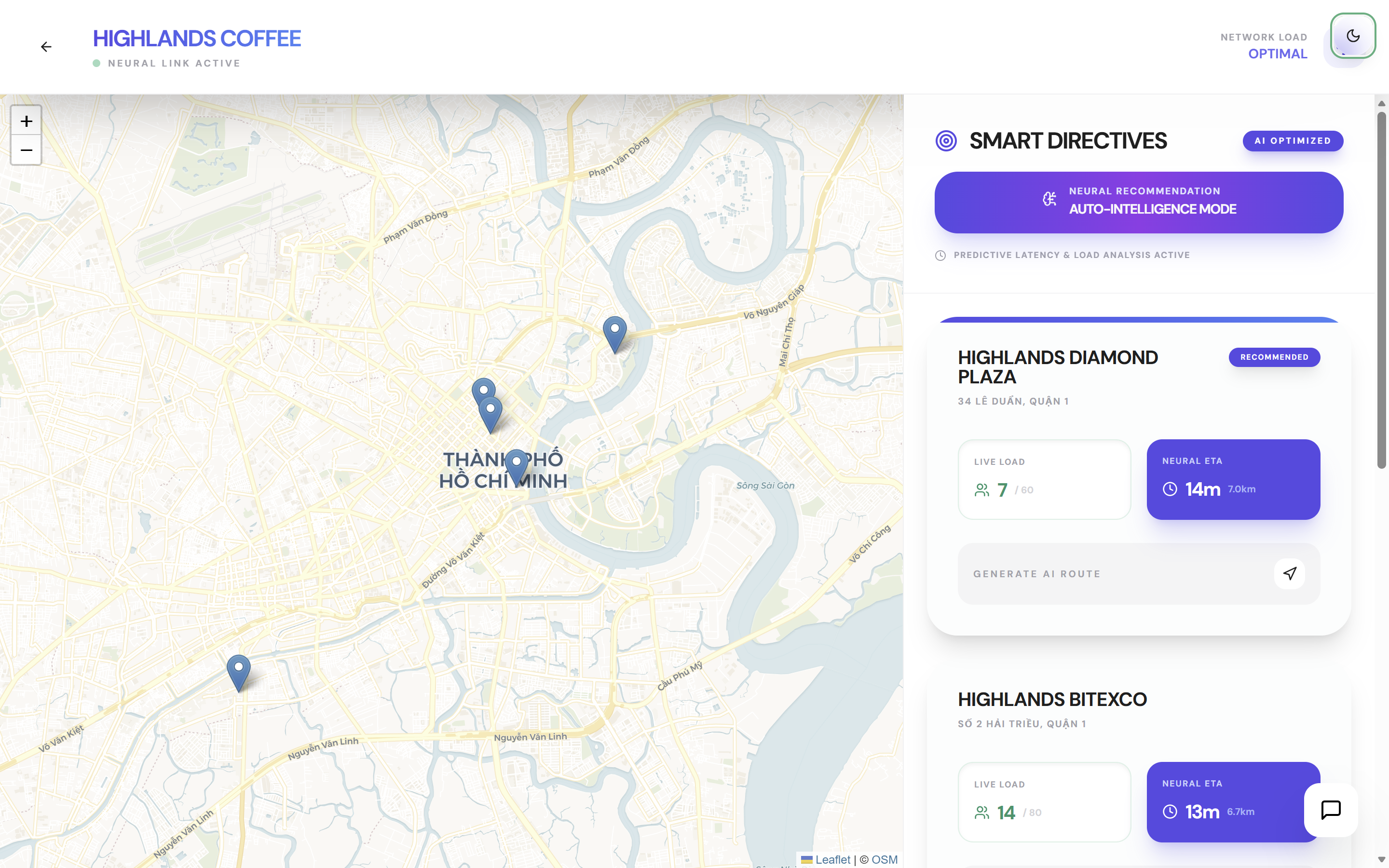
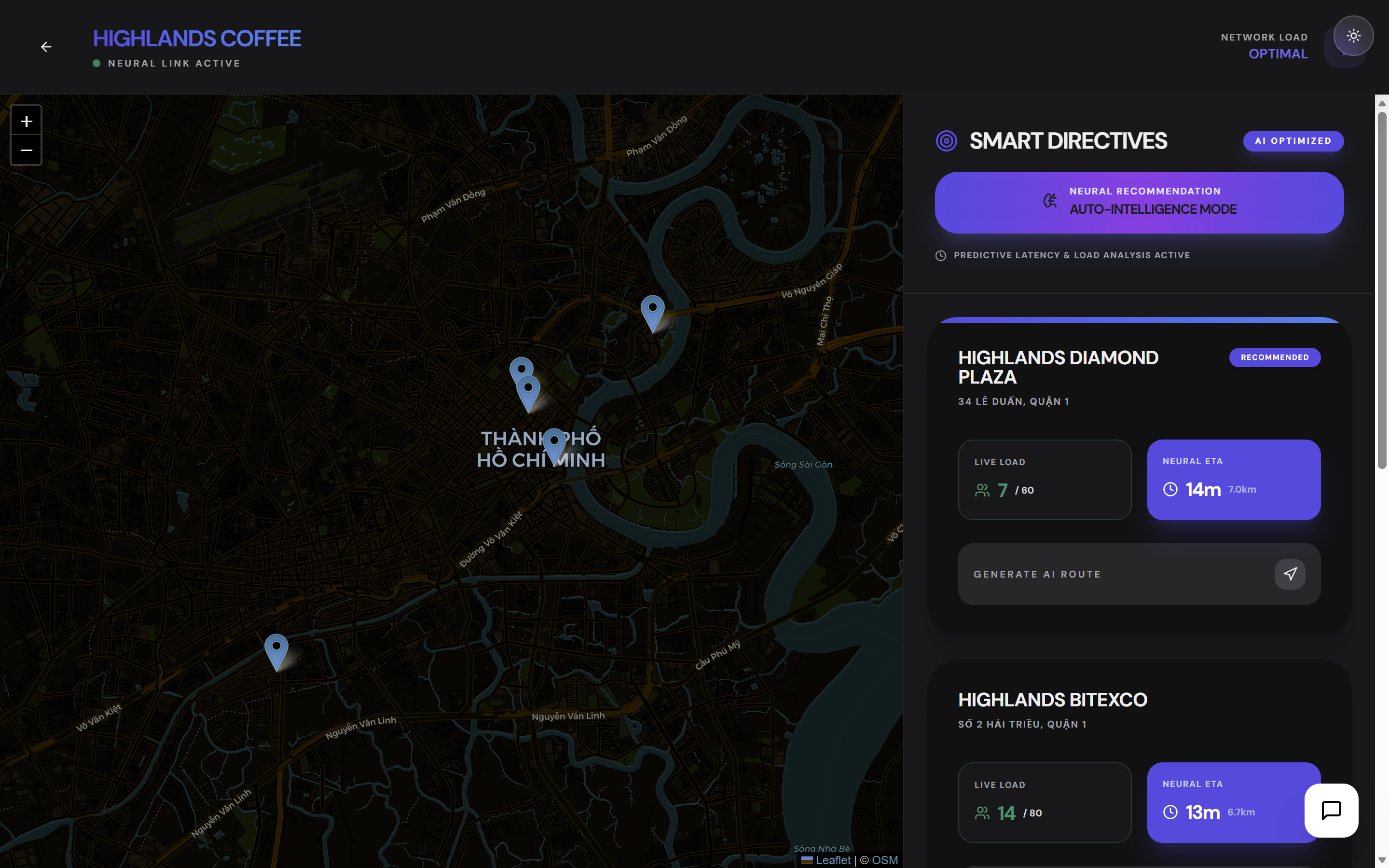
We framed the problem from the customer’s perspective as a recommendation system. Instead of just indicating crowdedness, YOGO allows users to search for places that offer services on a map interface, and find the optimal available location by factoring in distances, predicted wait times, and real-time headcount.
What it does
YOGO serves as a dual-sided platform bridging consumer convenience with enterprise analytics:
For Individuals:acts as an intelligent recommendation engine. Users search for a destination (e.g., "Highland Coffee" or "CircleK"), and the app recommends the most appropriate point of interest based on a weighted calculation of geographical distance, estimated travel time, and real-time waiting times at the destination.
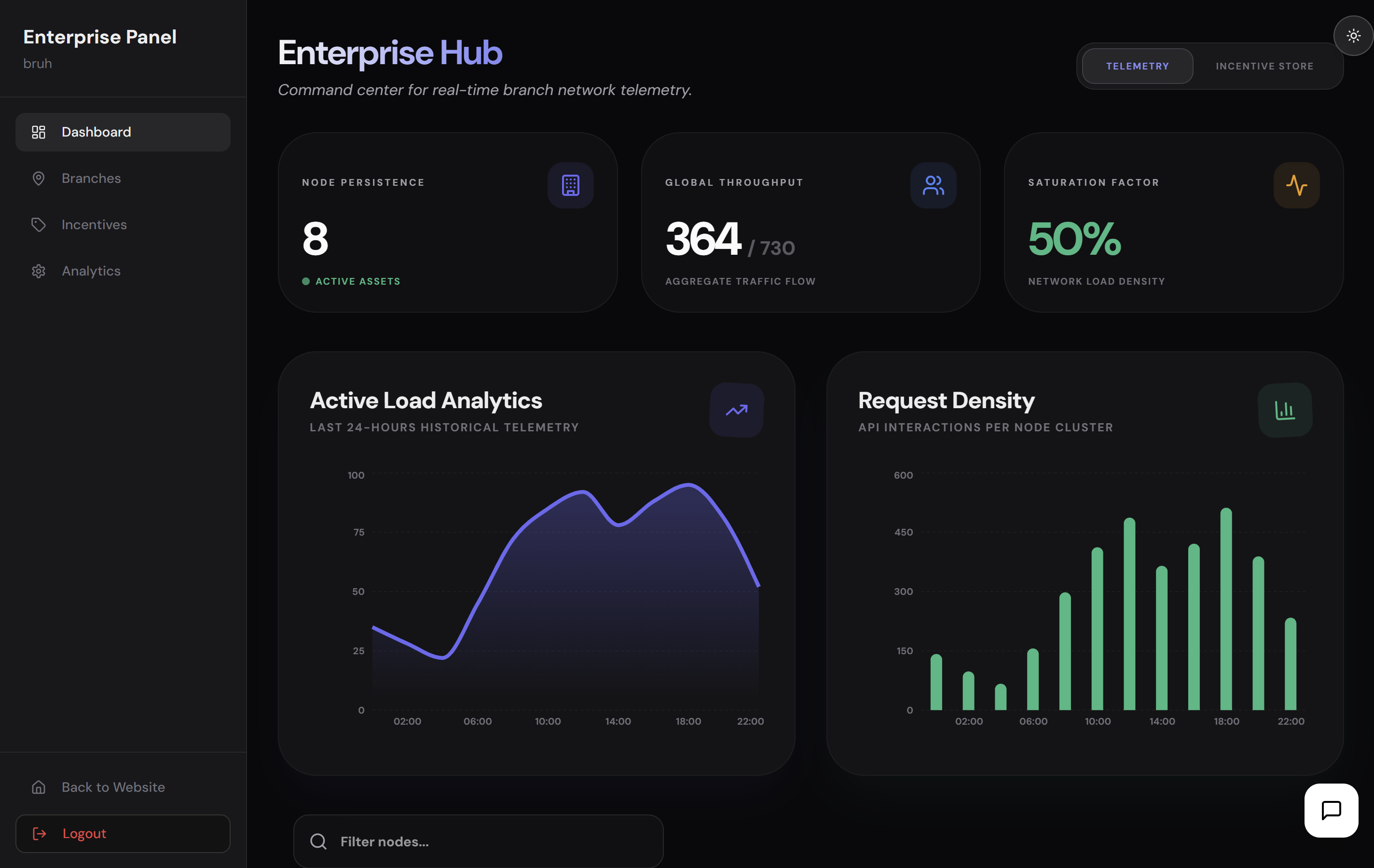
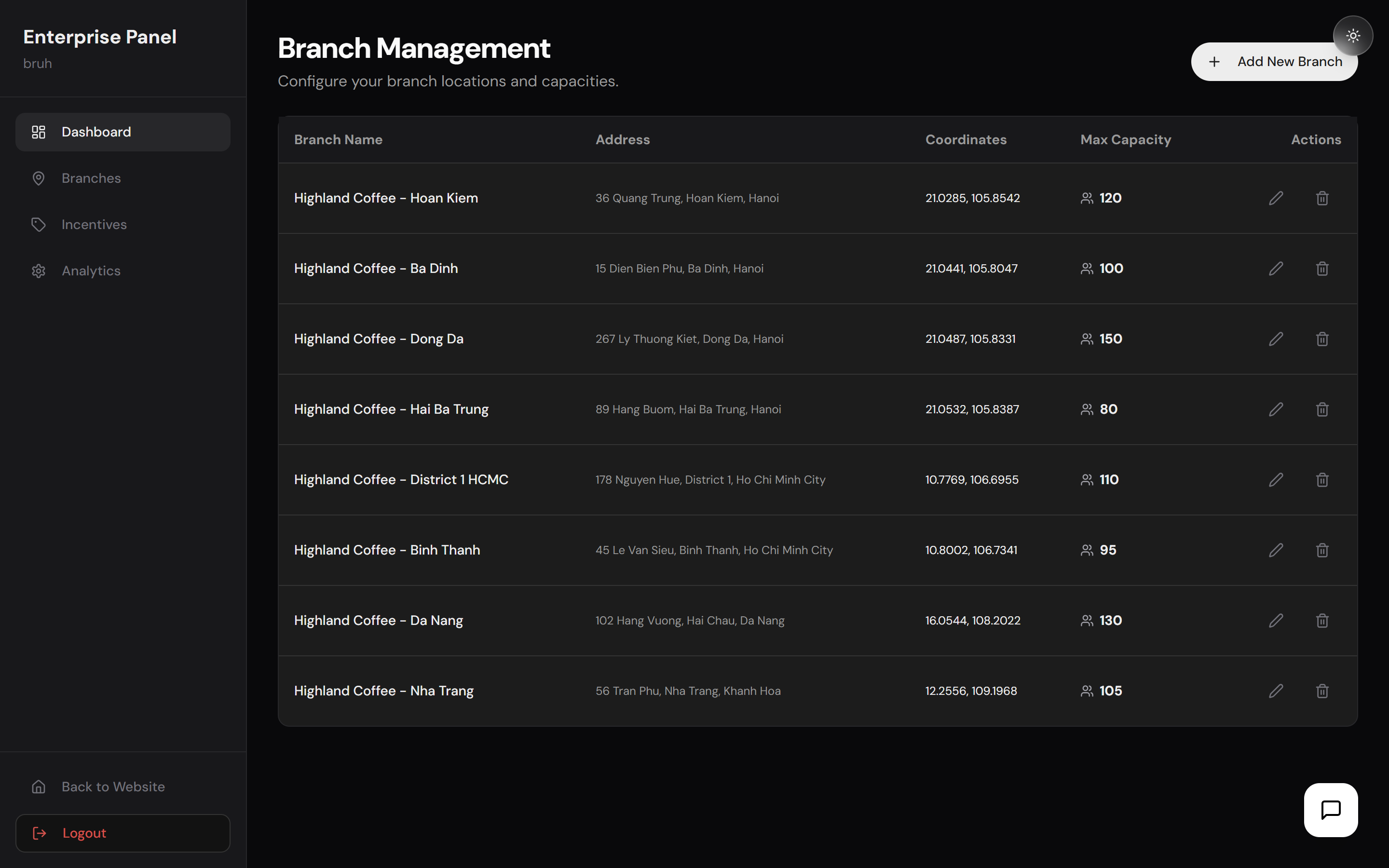
For Enterprises: provides centralized monitoring for multi-branch operations. Businesses can track real-time foot traffic, monitor load bottlenecks, and optimize staffing across different locations based on live capacity data.
How we built it
Backend: Built with Express.js to handle RESTful API requests, manage the recommendation logic, and process incoming telemetry from the camera feeds.
Frontend: Developed in React, creating a responsive dashboard for enterprise clients and an intuitive search interface for end-users.
Computer Vision: Deployed YOLOv26 (You Only Look Once) for lightweight, high-speed object detection. This processes video feeds locally at the venue to count people.
Development Velocity: Leveraged AI agents like Lovable and Trae to rapidly prototype UI components and accelerate our frontend development cycle.
Challenges we ran into
Real-time Data Synchronization: Ensuring that the capacity data processed by the YOLO edge devices syncs seamlessly with the Express backend without latency, so users receive accurate wait-time recommendations.
Balancing the Recommendation Math: Calibrating the algorithm to weigh travel time versus wait time properly. For instance, determining when it's better to send a user to a slightly further location with zero queue versus a closer location with a moderate queue.
Accomplishments that we're proud of
System Integration: Bridging the gap between edge-based computer vision (YOLO) and a modern web stack (React/Express) to create a fluid, real-time data pipeline.
Mathematical Modeling: Moving beyond simple data display to actual algorithmic recommendations that solve a tangible user pain point using a continual learning model.
What we learned
Make use of statistics to translate unpredictable human behavior into quantifiable data for our backend.
How to utilize computer vision pipelines for edge computing, focusing on the trade-offs between frame-rate, accuracy, and hardware limitations.
The value of using AI developer agents to speed up boilerplate and UI generation, allowing us to focus heavily on the core recommendation logic.
What's next for YOGO
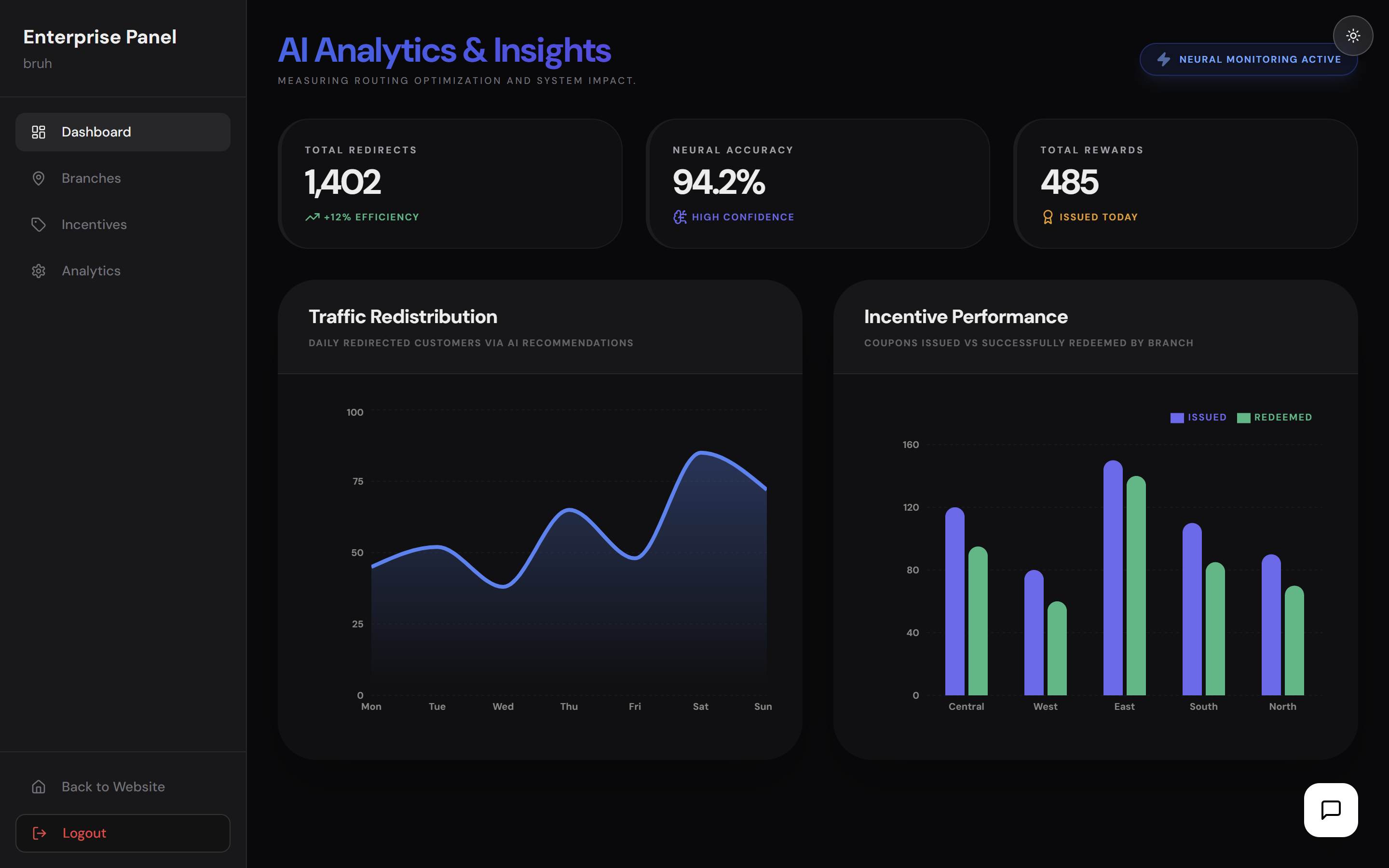
Predictive Analytics: Integrating historical data into our machine learning model to forecast queue times before they happen, and providing more analytics to help businesses pinpoint peak shopping times for optimized staffing and promotion planning.
Deep Map Integration: Baking in advanced routing APIs to offer turn-by-turn navigation directly to the recommended branch.
Dynamic Load Balancing: Creating automated incentive systems (e.g., offering a 10% discount via the app if a user chooses to go to a less crowded branch) to actively shape and balance enterprise foot traffic.
Built With
- express.js
- fastapi
- gemini
- lovable
- mysql
- python
- react
- trae
- yolo

Log in or sign up for Devpost to join the conversation.