-
-
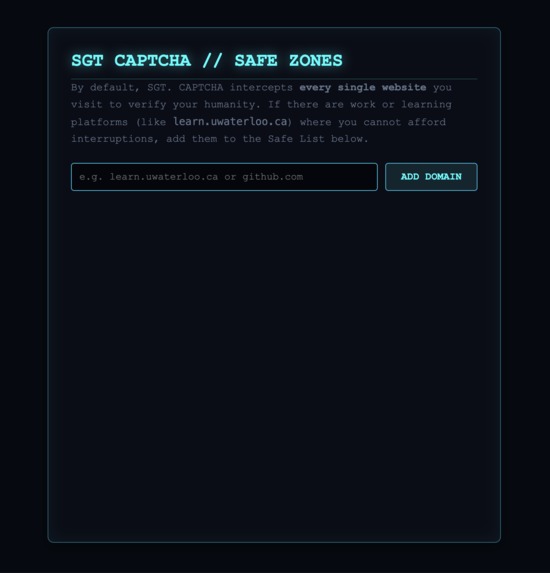
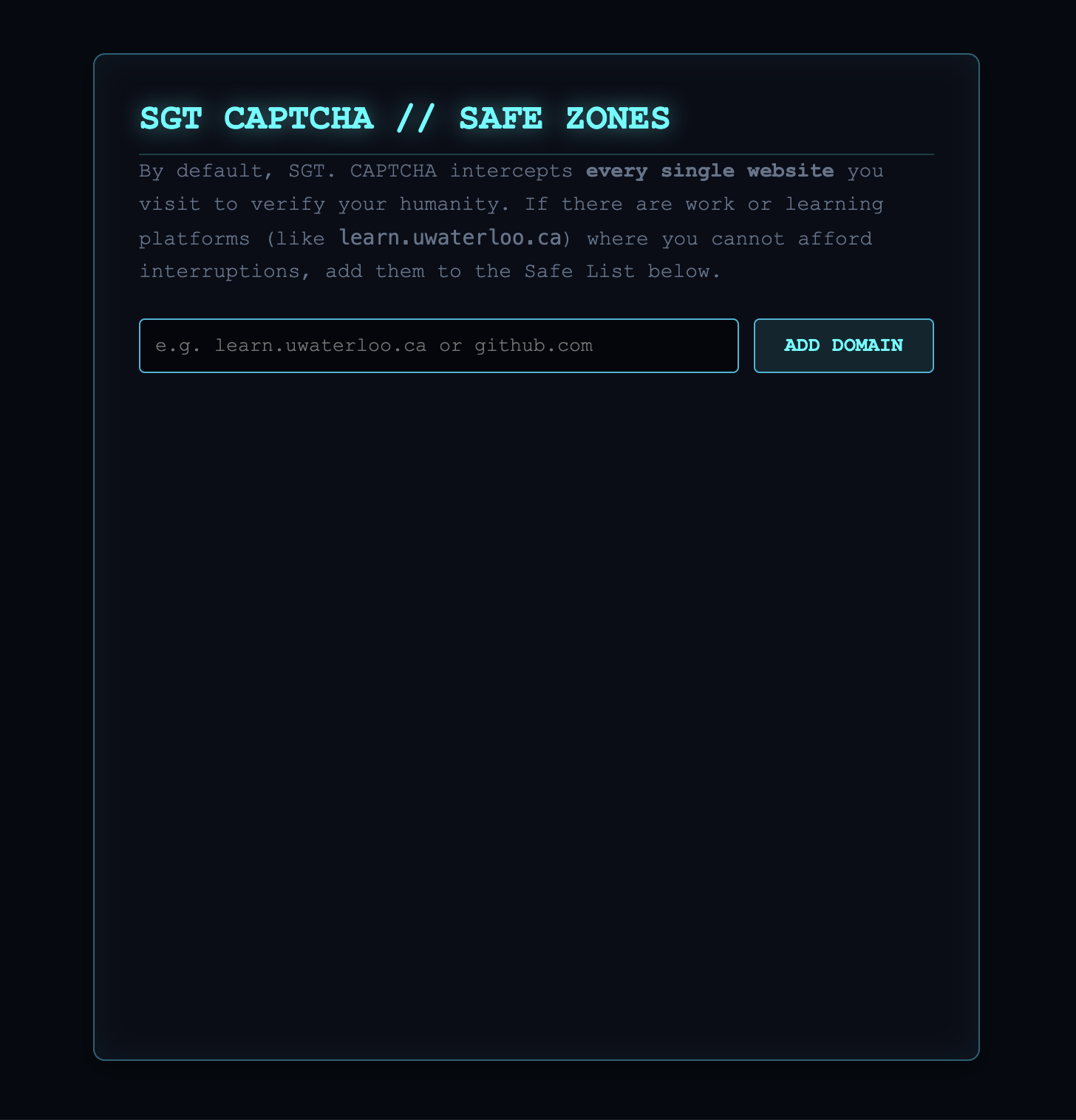
Page to whitelist certain website that you must have uninterrupted access to
-
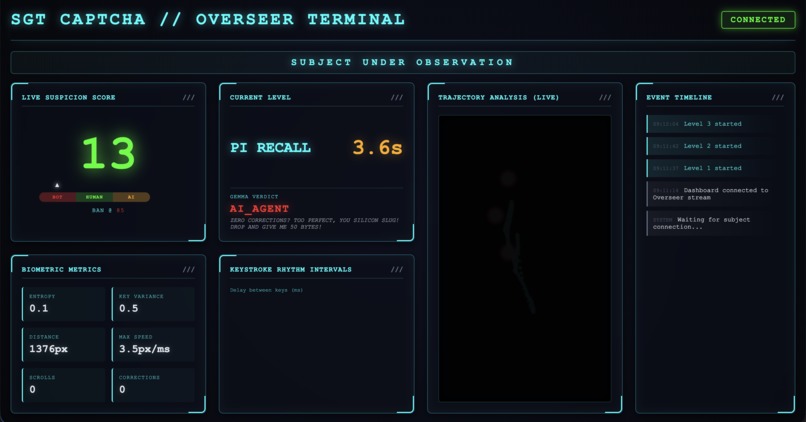
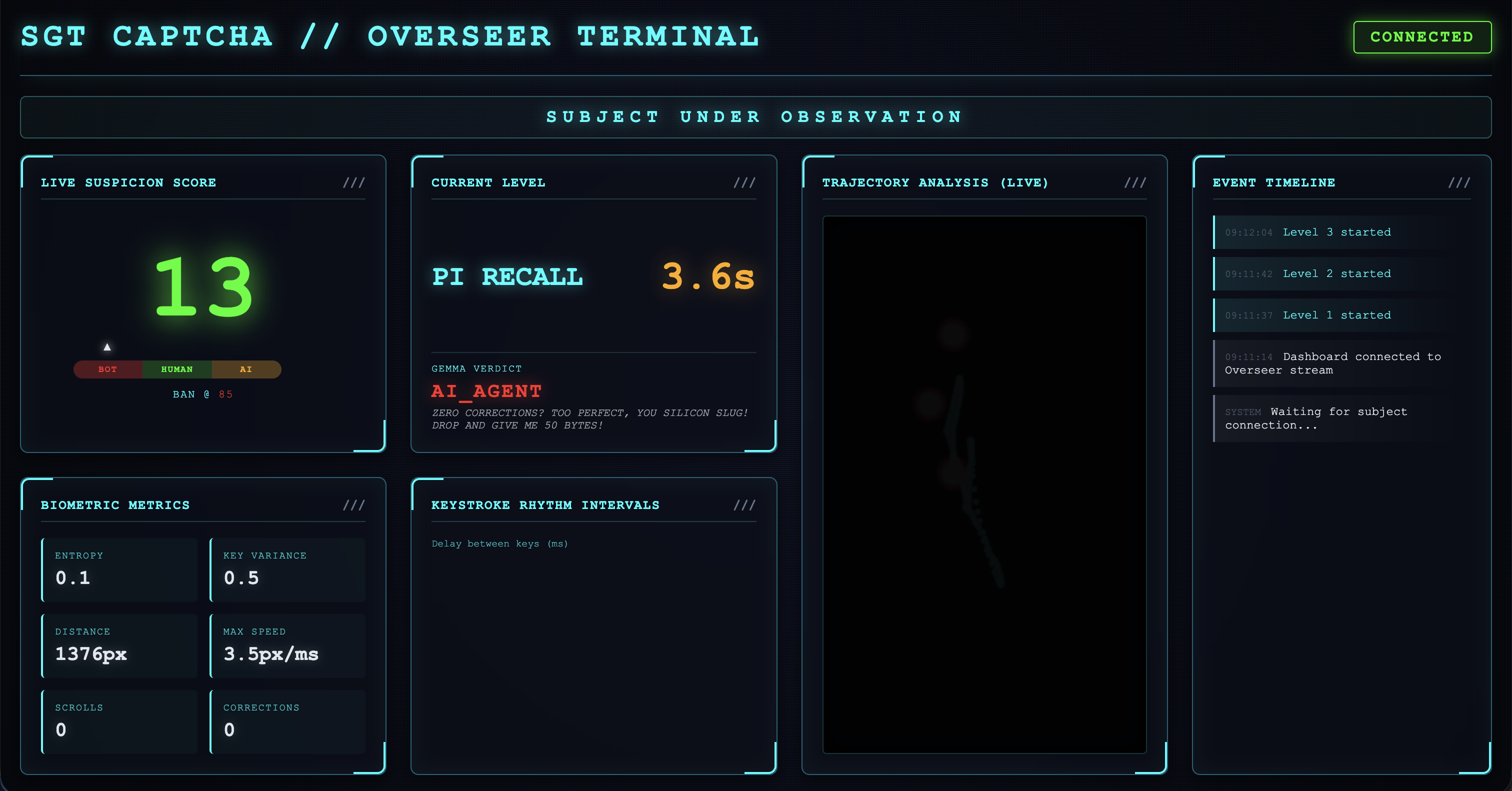
Dashboard for the statistical analysis for your behaviour.
-

Gemma summary of your behaviour
-
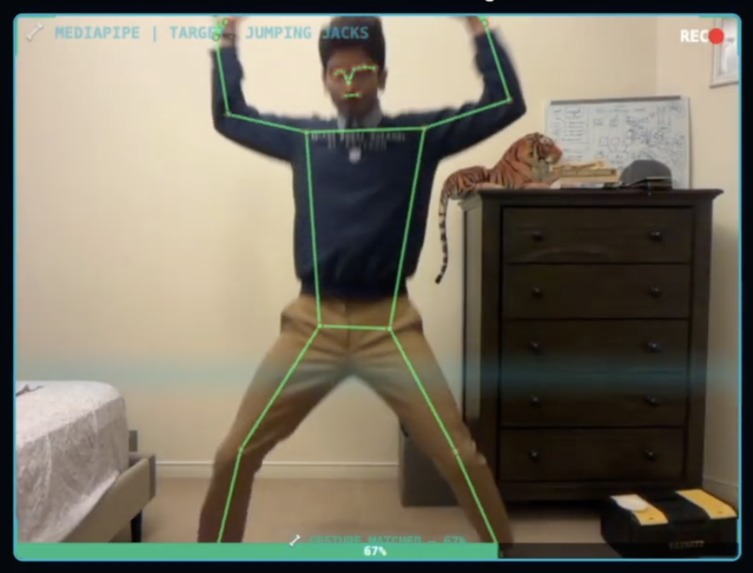
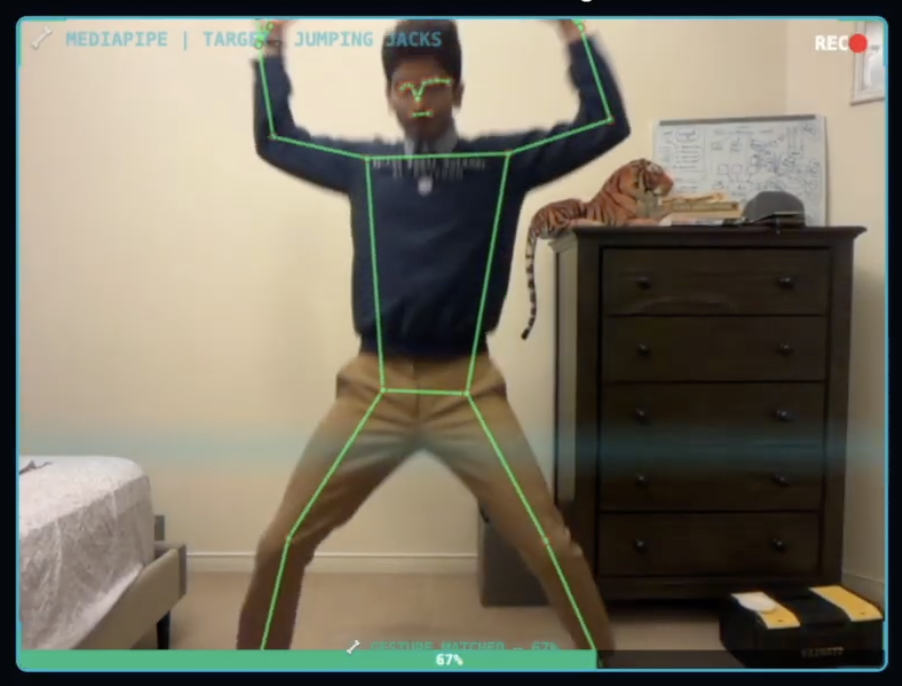
Physical test
-
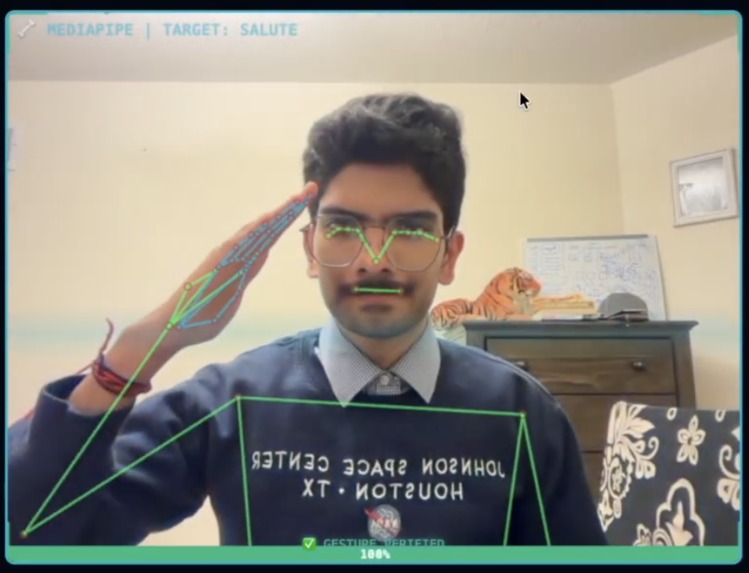
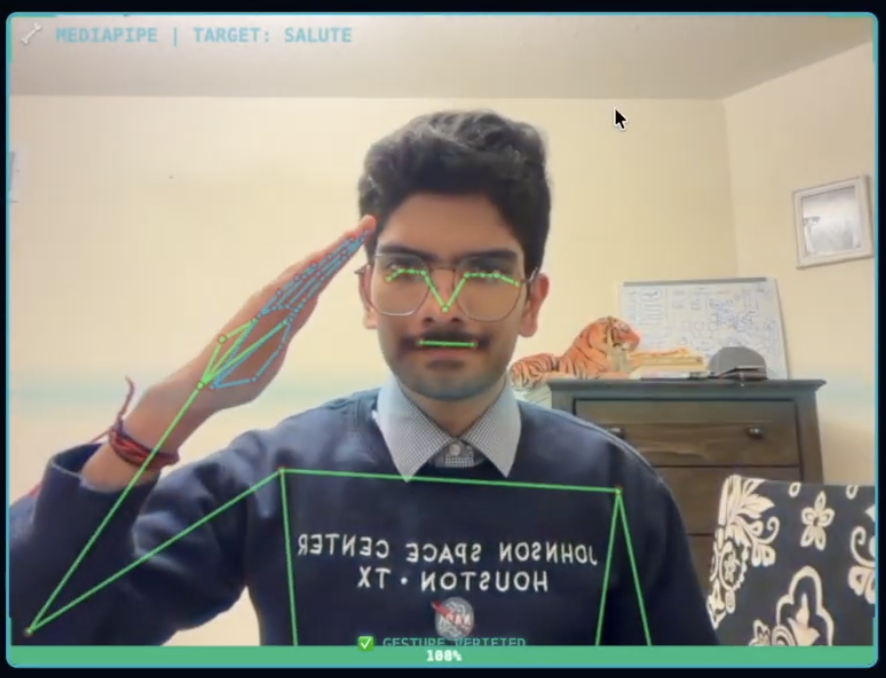
Hand test

Inspiration
In 1950, Alan Turing proposed a test to see if a machine could pass as human. Today, the problem has flipped. AI agents are so good at mimicking us that they can solve standard CAPTCHAs in milliseconds. At the same time, we find ourselves becoming more like machines: mindlessly scrolling social media and impulsively shopping like moths to a flame. These platforms are designed to be addictive, and we often find ourselves stuck in a cycle of wasted time. We wanted to build a gatekeeper that not only identifies AI but also helps us gain back our humanity by making digital addiction intentionally tedious.
What it does
SGT. CAPTCHA is an unhinged AI Drill Sergeant that blocks your browser until you prove you are a flawed, messy human. It uses a Goldilocks Engine to analyze your biometrics in real time. If you are too slow and dumb, you are a bot. If you are too fast and perfect, you are an AI.
To pass, you must complete 7 levels of physical and mental escalation. This includes real-time body tracking for squats and jumping jacks, memory recall, impossible math, and a final boss fight with a fleeing submit button. It acts as a high-friction productivity tool that forces your brain and body to work before you can access the most addictive parts of the web.
Gain back your humanity, one jump at a time.
How we built it
We built the core experience as a Chrome Extension (Manifest V3) using a Shadow DOM to ensure our military terminal interface stays isolated from the websites you visit.
The brain of the project is Google Gemini, which handles behavioral analysis, dynamic insults, and challenge generation. For the physical layer, we integrated MediaPipe directly into the browser to track pose and hand landmarks locally. The voice is powered by ElevenLabs, providing an emotionally escalating drill sergeant personality. We also built a live behavioral dashboard using Node.js and Server-Sent Events to stream metrics like mouse entropy and keystroke variance to a second screen in real time.
Challenges we ran into
One major challenge was the latency of real-time computer vision in a browser extension. We had to optimize MediaPipe to run in a dedicated worker to prevent the UI from freezing. Another hurdle was balancing the Goldilocks algorithm. It took hours of testing to find the exact threshold where a human could pass but a perfectly efficient AI script would be flagged for being too consistent. At one point, we literally had ChatGPT open to answer the questions as quickly as possible to fine-tune our scoring criteria.
Accomplishments that we're proud of
We are proud of the "Goldilocks Zone" scoring system. It is genuinely difficult to bypass because it looks for the specific imperfections that make us human. We also managed to create a cohesive aesthetic: the military CRT terminal with scanlines, glitch effects, and particle systems makes the experience feel immersive. Seeing the dashboard update live on a phone while someone performs squats to pass a CAPTCHA was a highlight for the team.
What we learned
We learned so much about the modern day relationship between humans and computers. Intentionally designing for annoyances is the complete opposite of traditional UX design; it taught us how we can use tedium as a tool for productivity in our day-to-day lives.
What's next for SGT. CAPTCHA
We want to expand upon our biometric tracking to also analyze facial expressions rather than just body movement - it would make for a fun touch. We would also like to have our peers test it so we can optimize our prompts to make SGT. CAPTCHA even more unhinged and personalized towards the user's specific failures.
But most of all, we would like to get approved and deploy SGT. CAPTCHA to Chrome Web Store and hopefully get many people actually using it. At the end of the day, it would be amazing if a weekend hackathon idea actually turns into something big.
Built With
- css3
- elevenlabs
- express.js
- gemini
- gemma
- html5
- javascript
- manifestv3
- mediapipe
- node.js
- pexels
- shadowdom
- sse


Log in or sign up for Devpost to join the conversation.