-
-
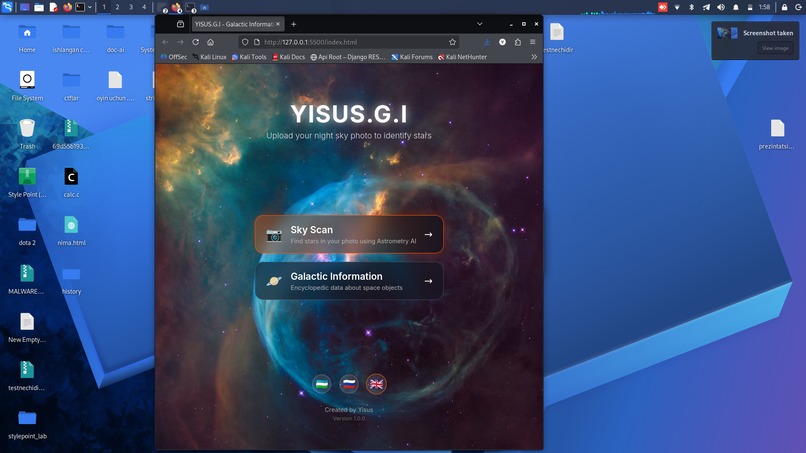
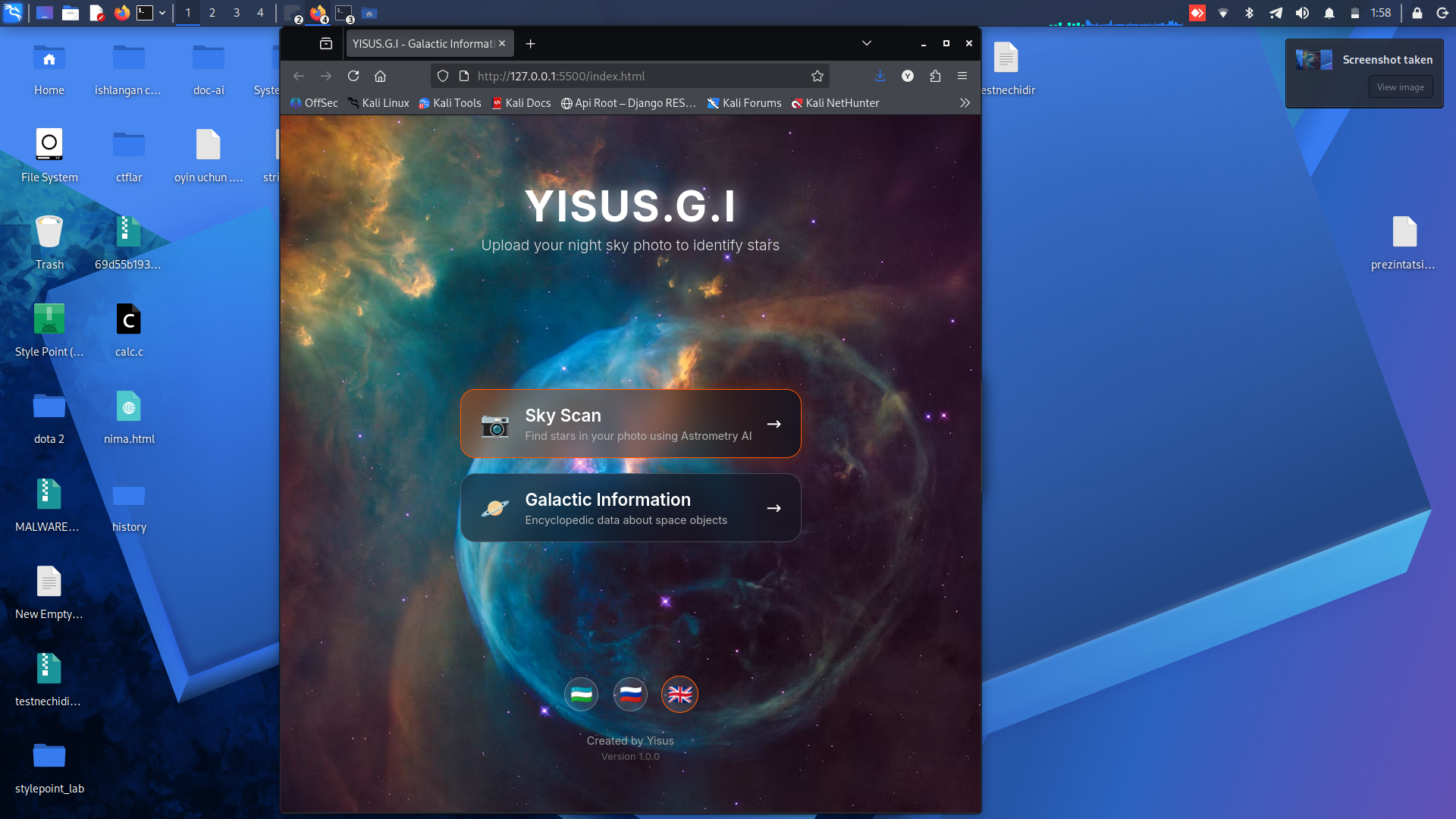
Main Home Page with language switcher (UZ, RU, EN), featuring a clean glassmorphism design for the galactic information portal.
-
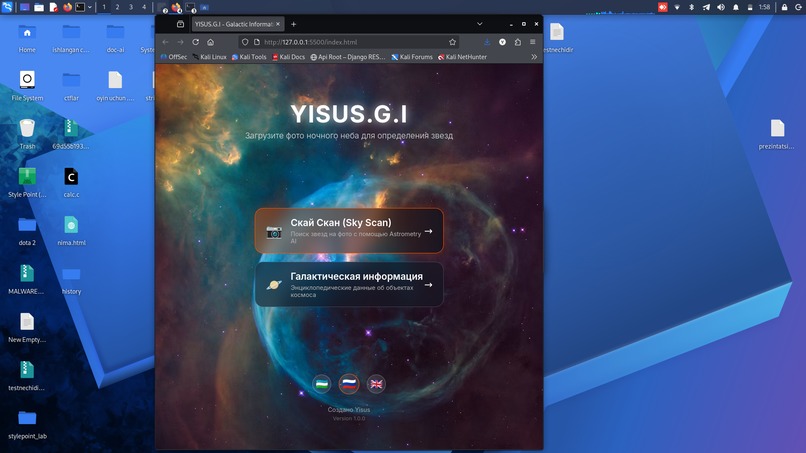
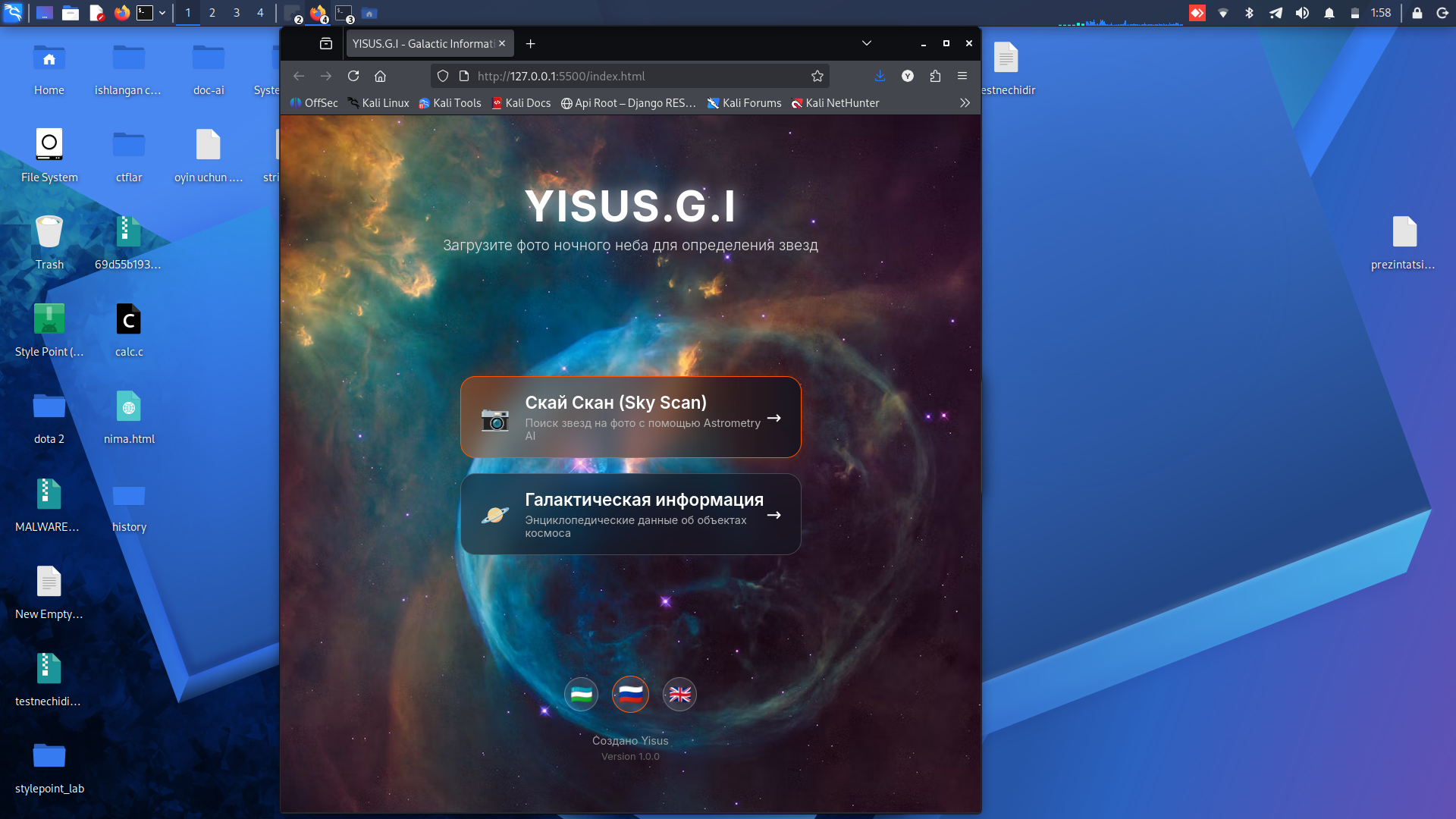
Localized Home Page in Russian, demonstrating full multi-language support across the application interface.
-
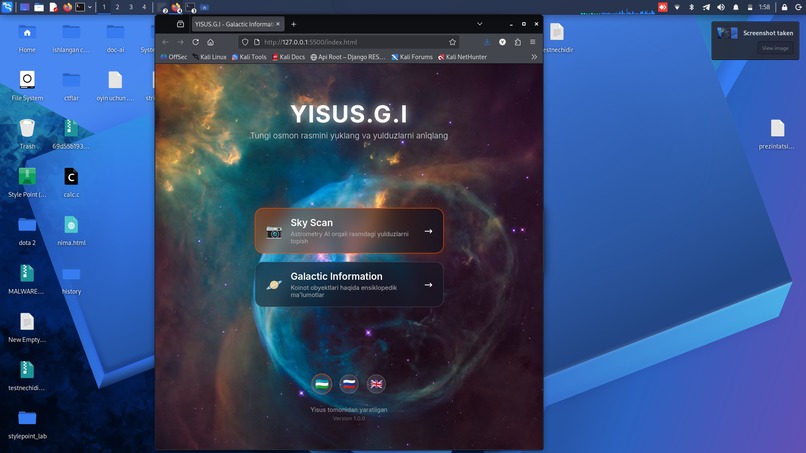
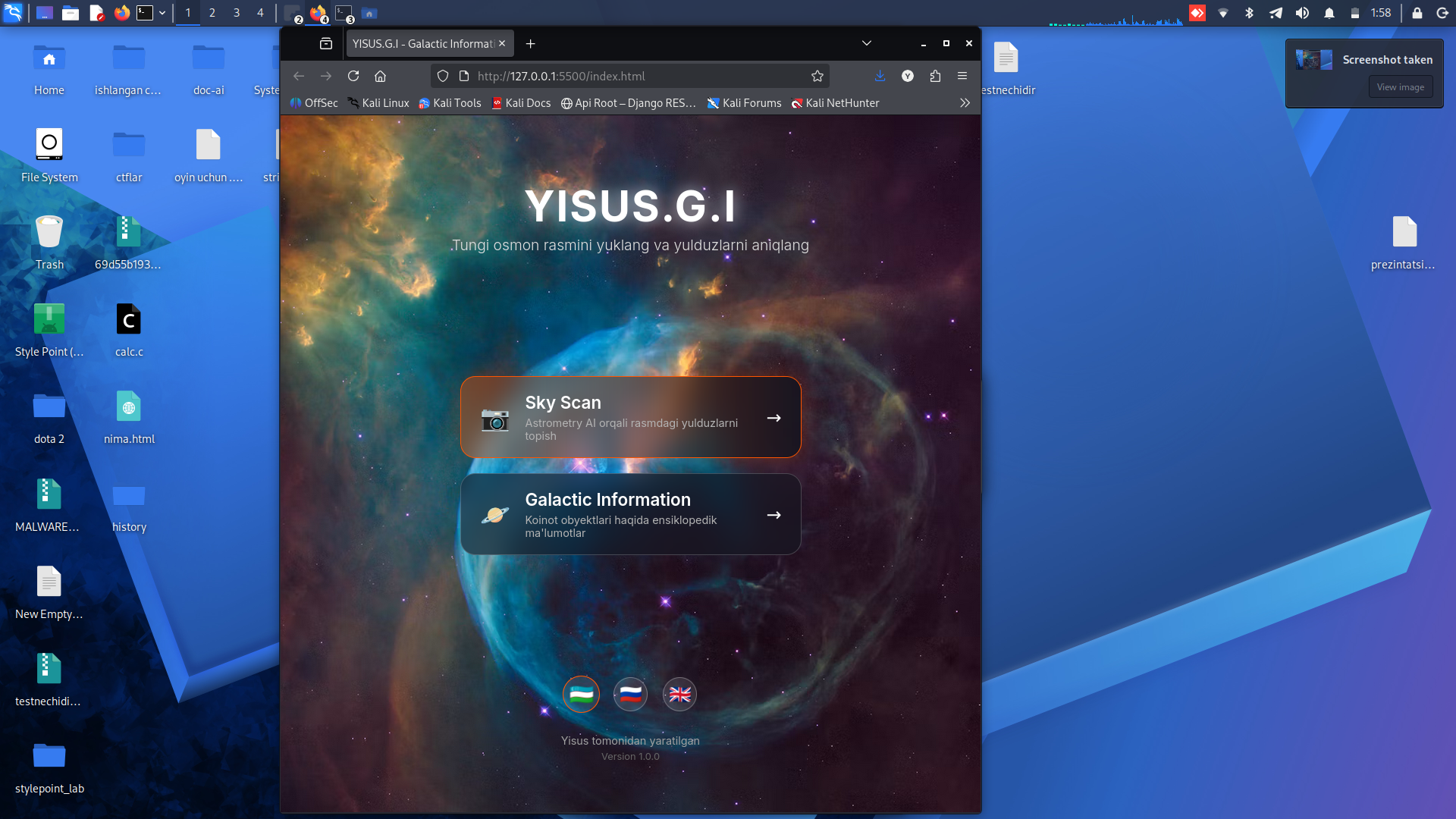
Localized Home Page in Uzbek, ensuring accessibility for local hackathon judges and users.
-
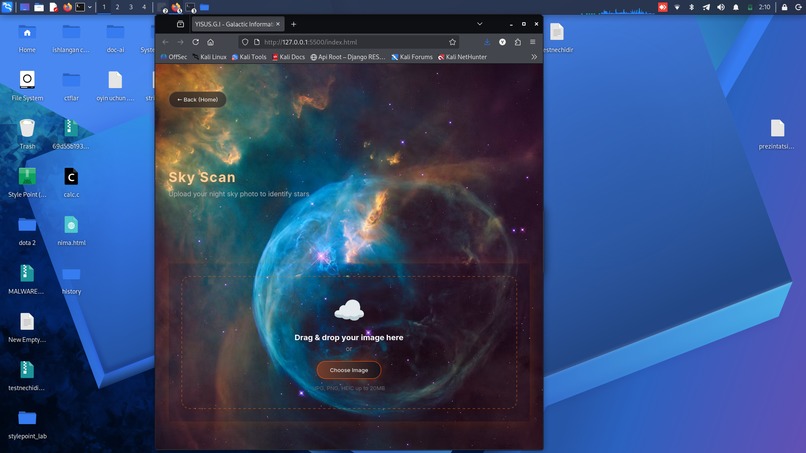
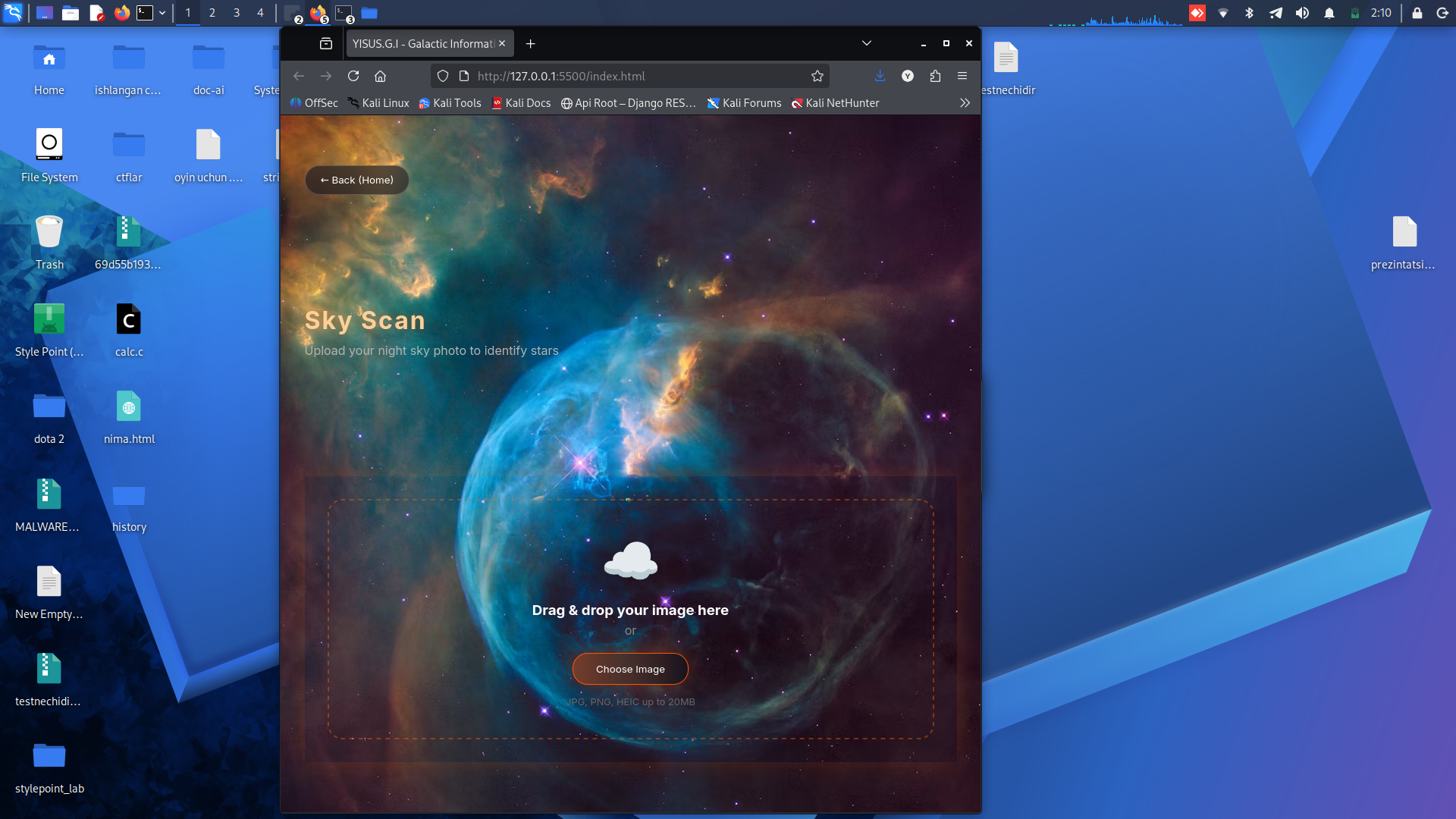
Sky Scan upload section where users can drag and drop night sky images up to 20MB for star mapping.
-
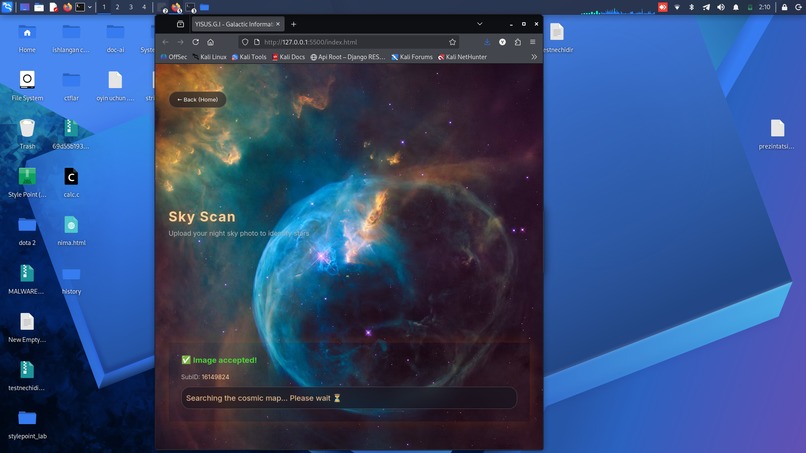
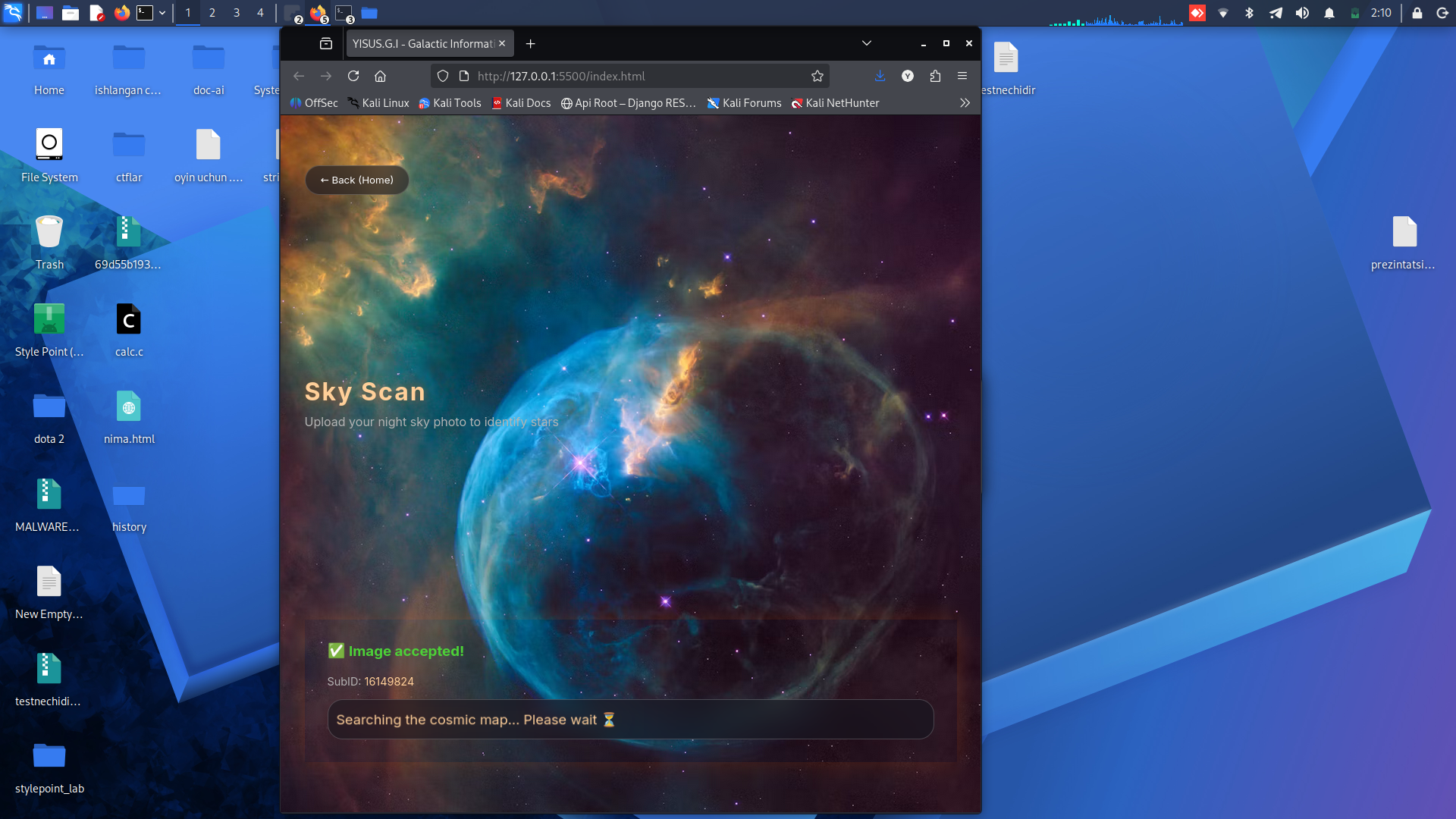
Astrometry AI processing (may take time due to global queue).
-
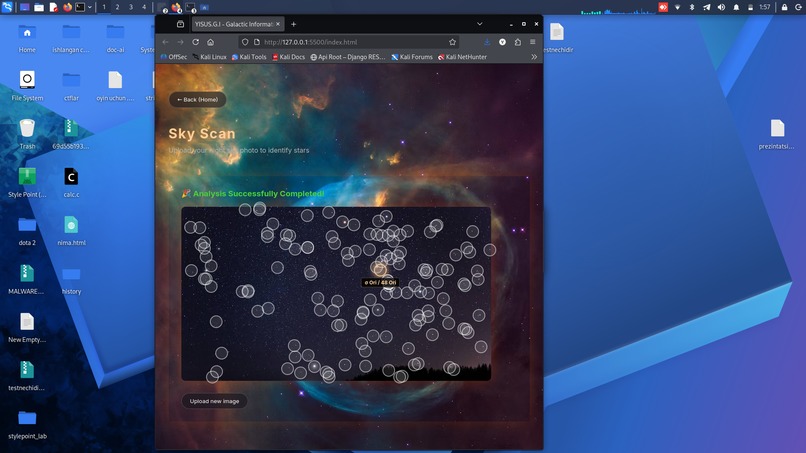
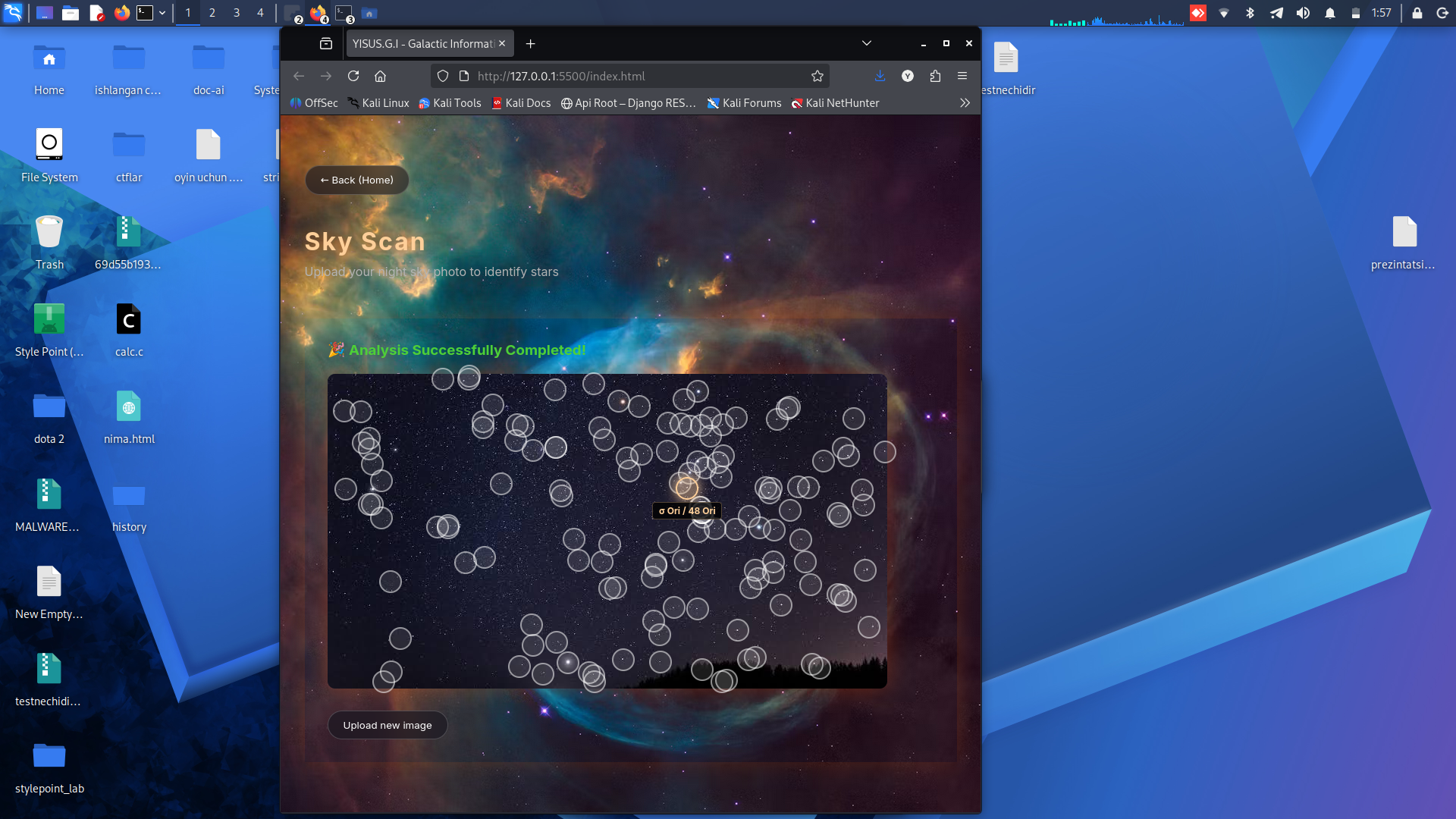
Successful analysis completed! The AI maps and highlights detected stars and constellations (e.g., Orion) on the user's uploaded photo.
-
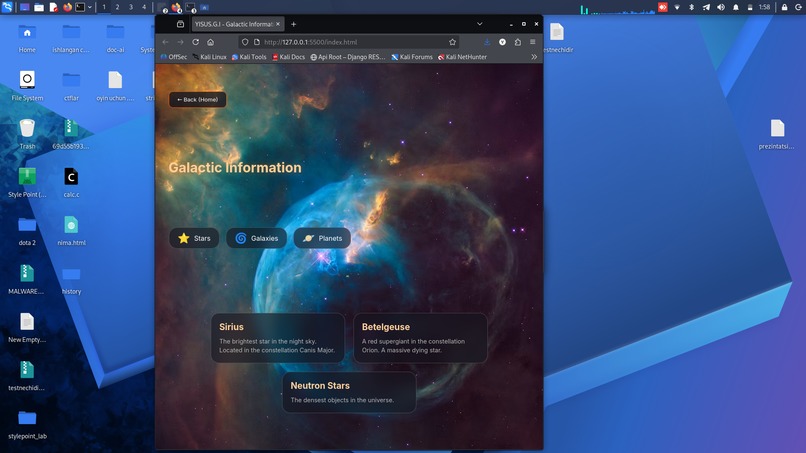
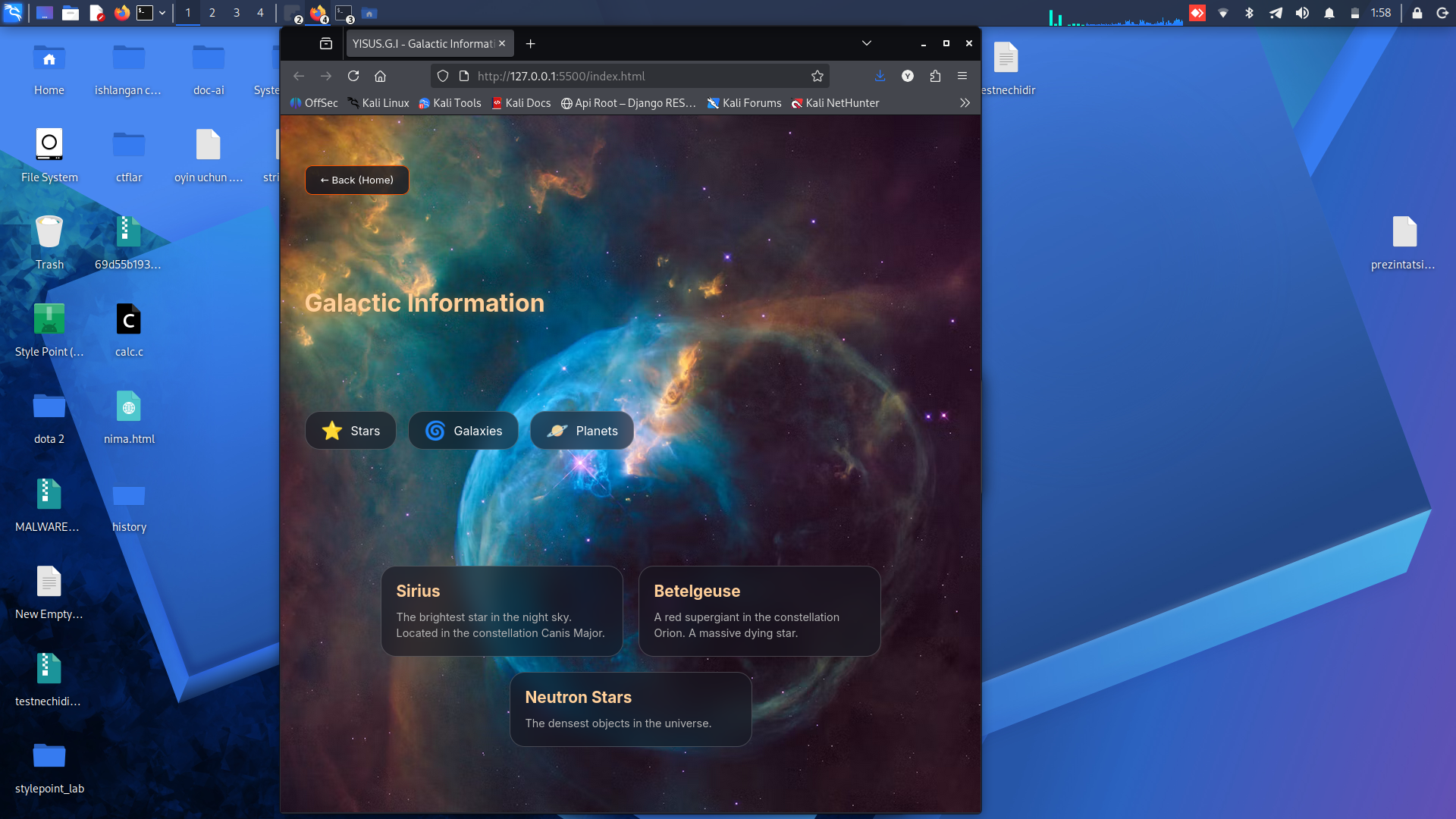
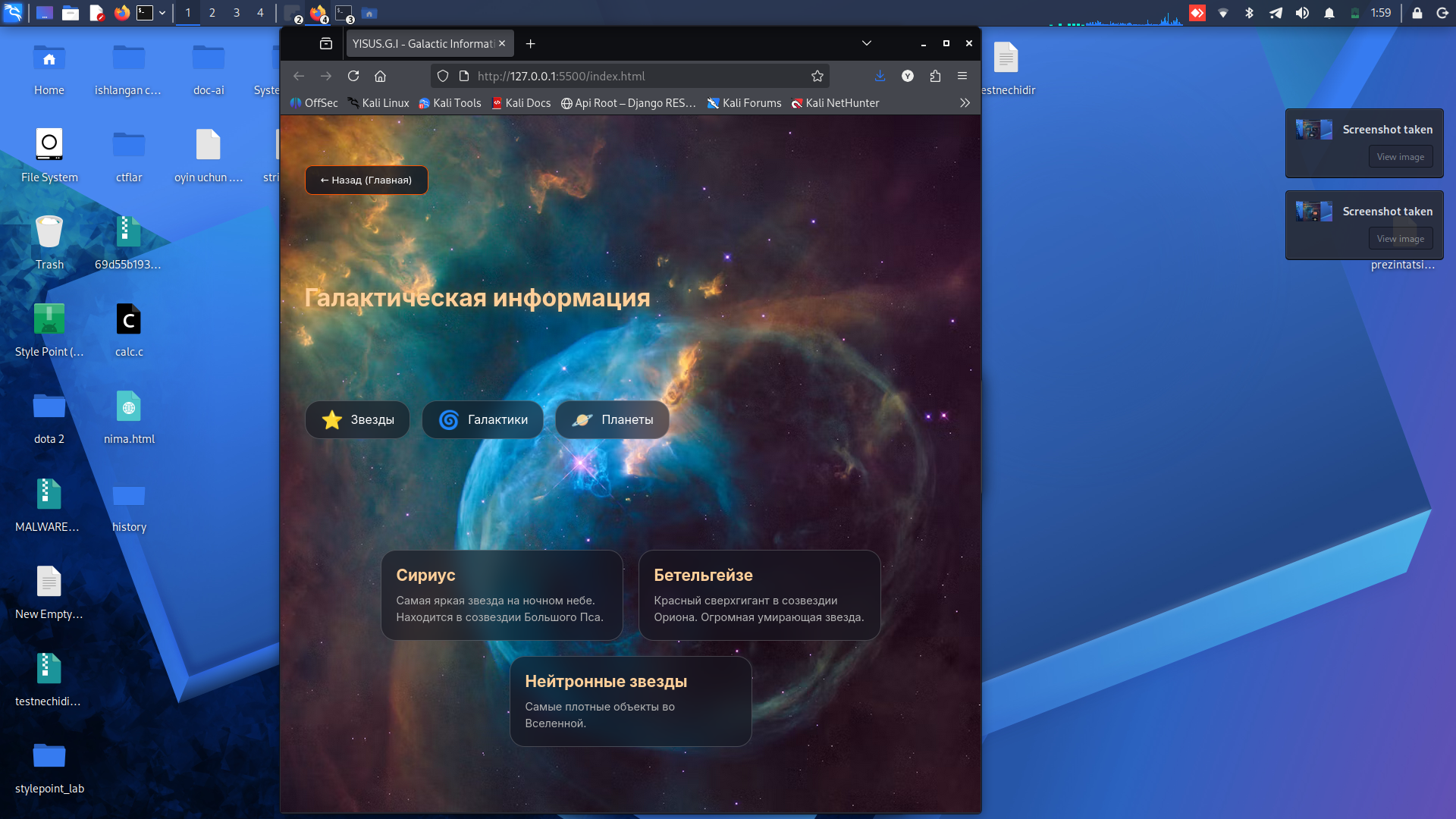
Galactic Information encyclopedia section displaying detailed data about prominent stars like Sirius and Betelgeuse.
-
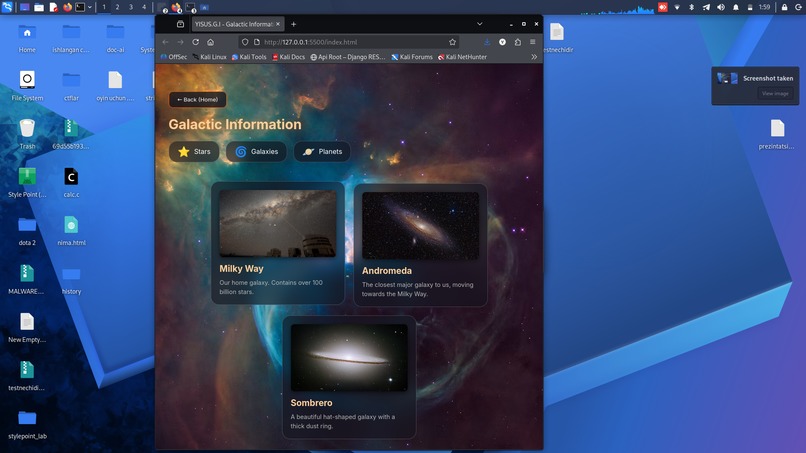
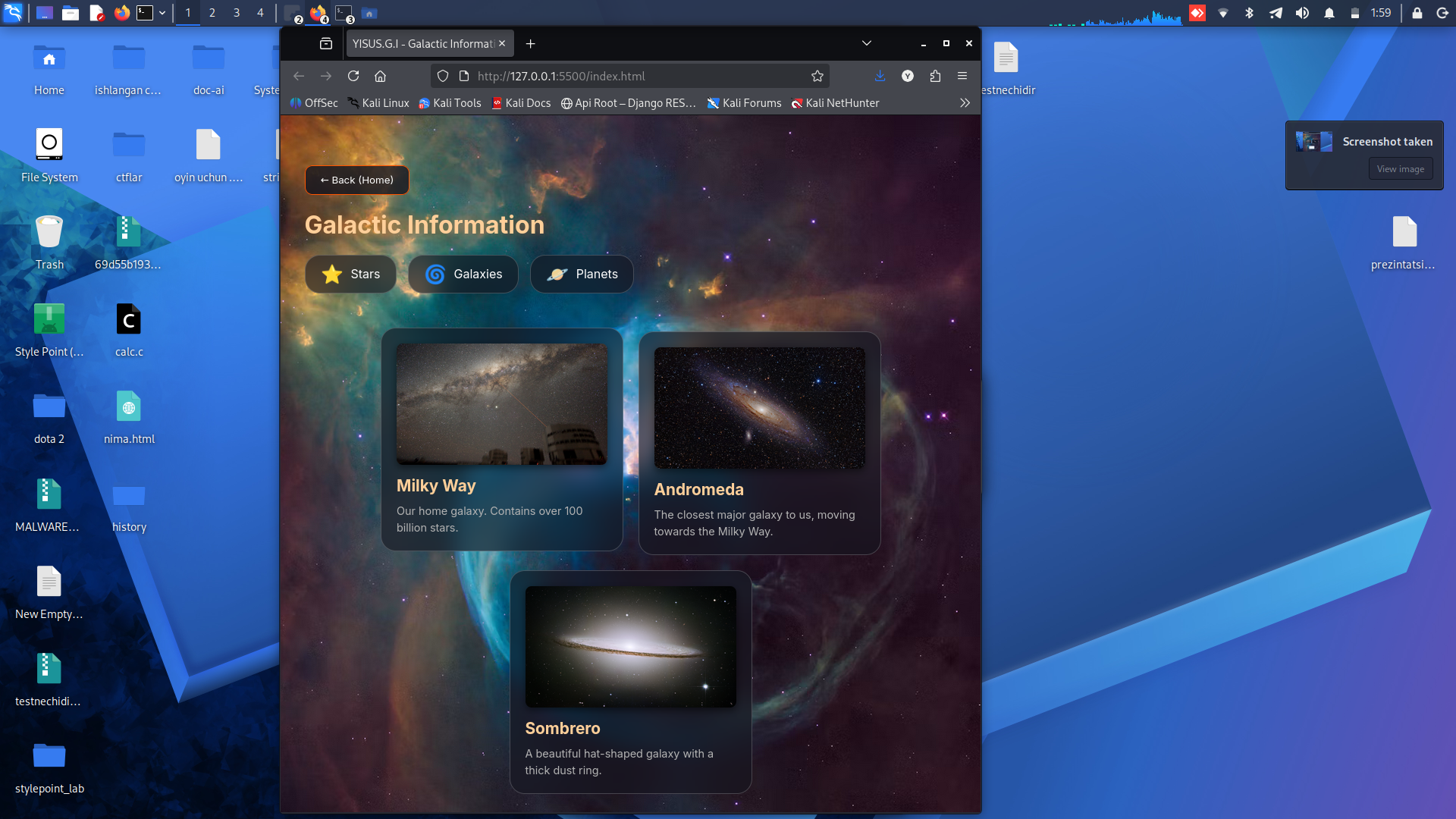
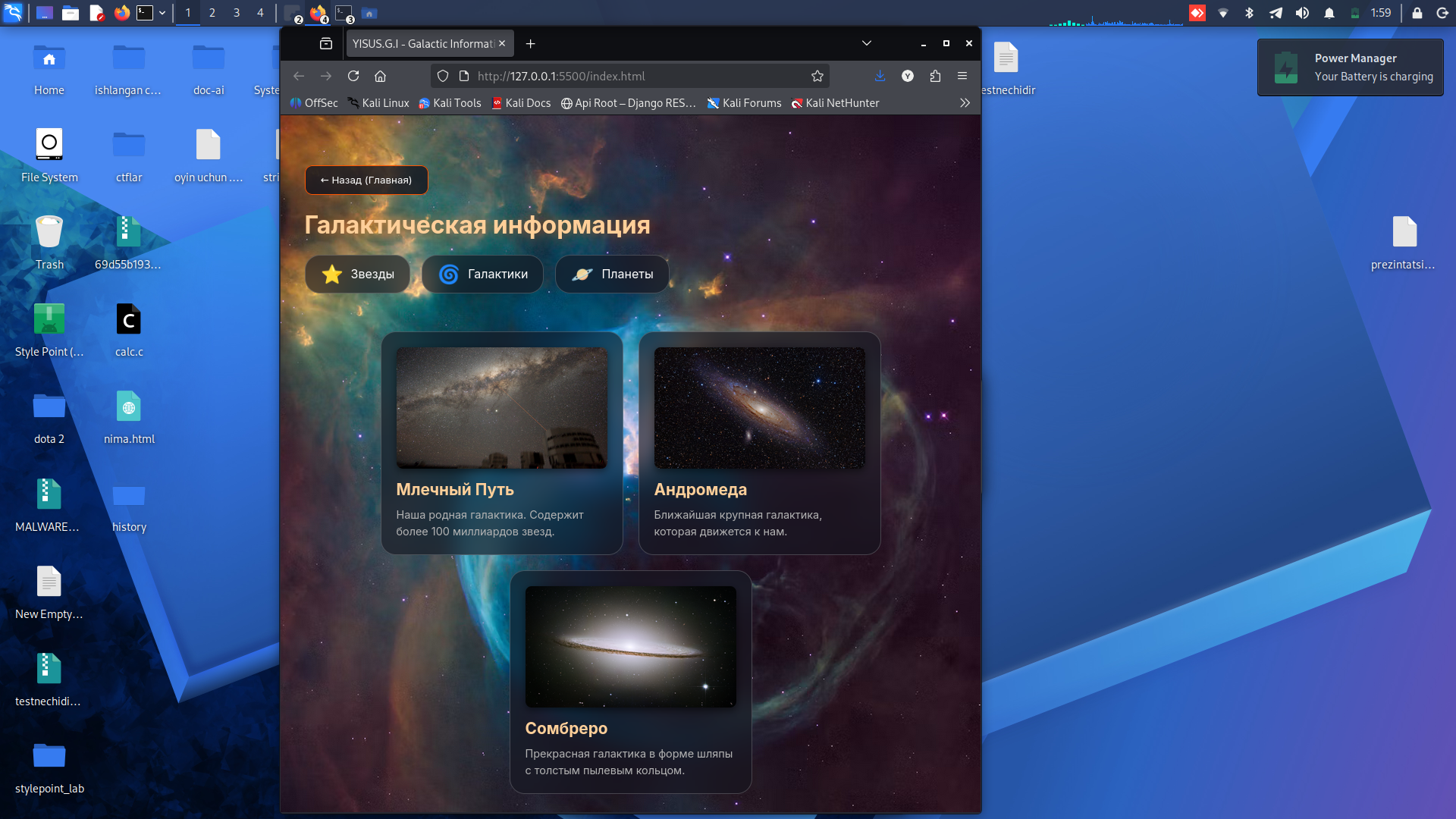
Galactic Information section covering major cosmic structures such as the Milky Way and Andromeda galaxies.
-
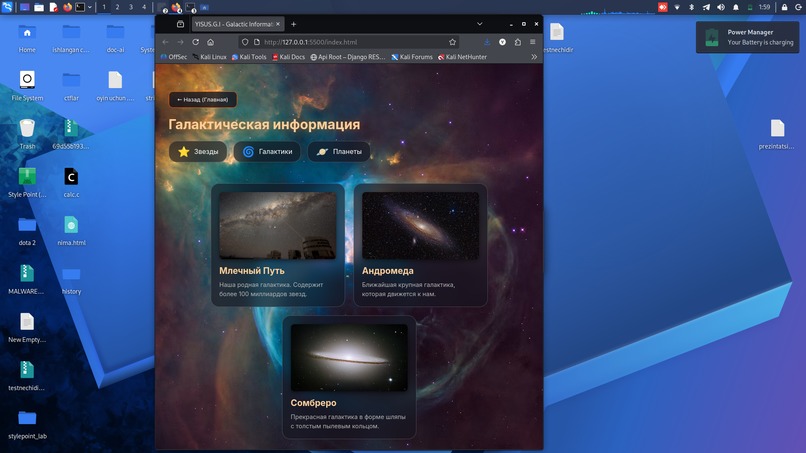
Galactic Information encyclopedia in Russian, highlighting deep-space galaxy profiles.
-
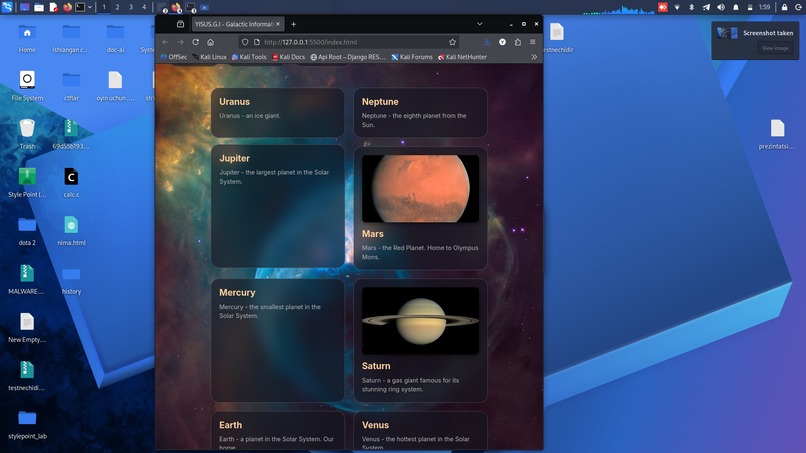
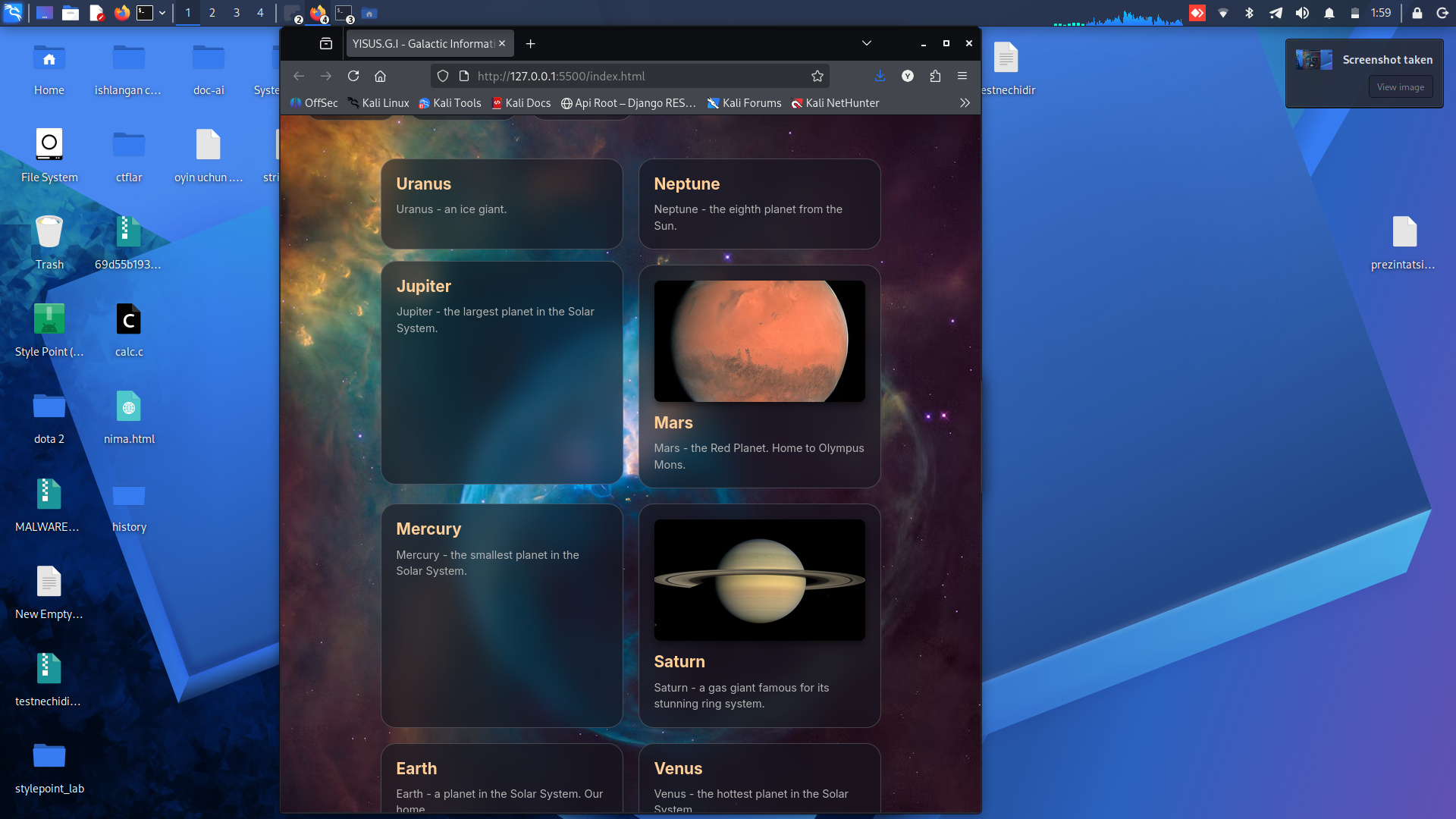
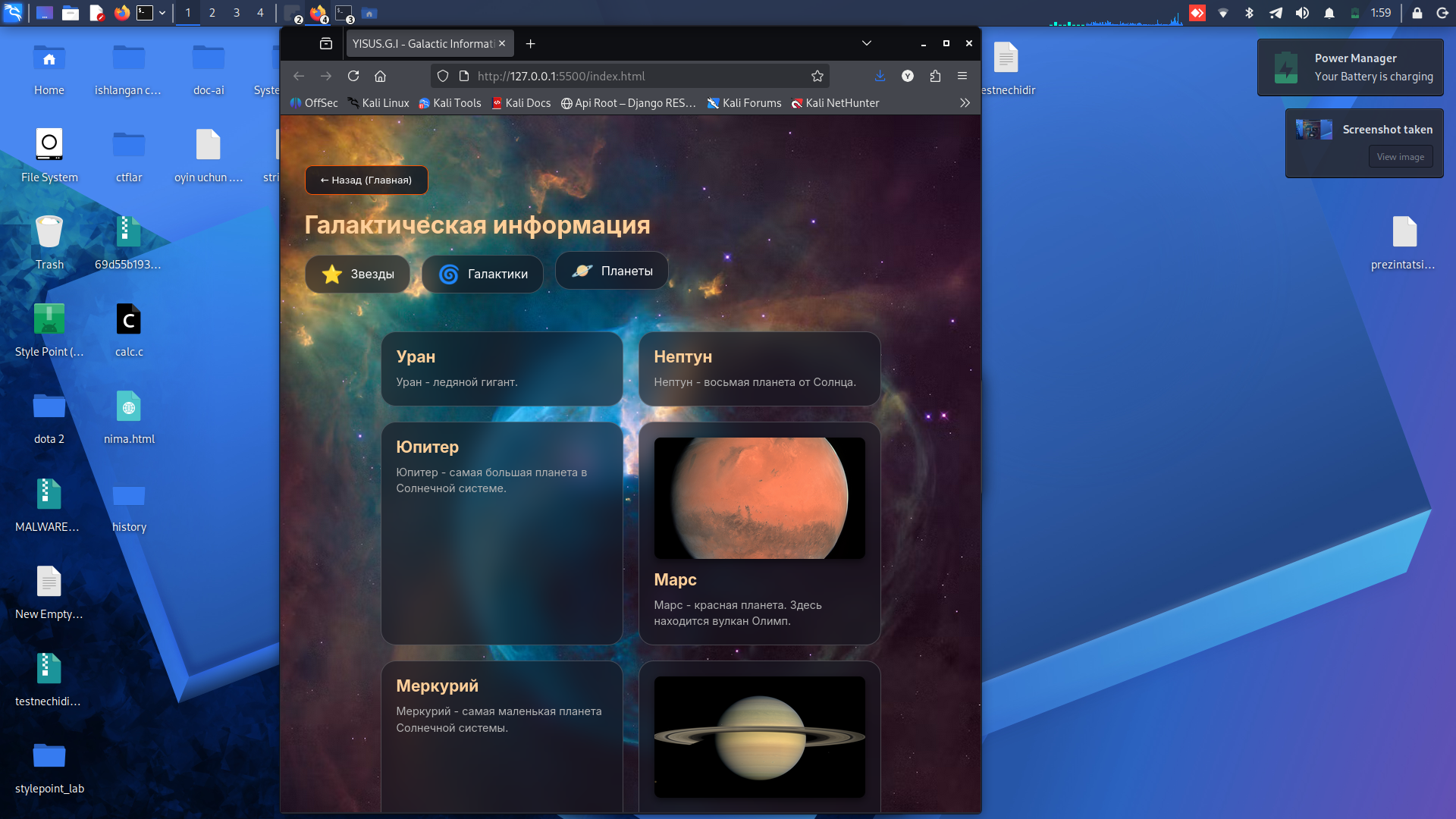
Solar System planets overview in Russian, detailing characteristics of Mars, Jupiter, Saturn, and ice giants.
-
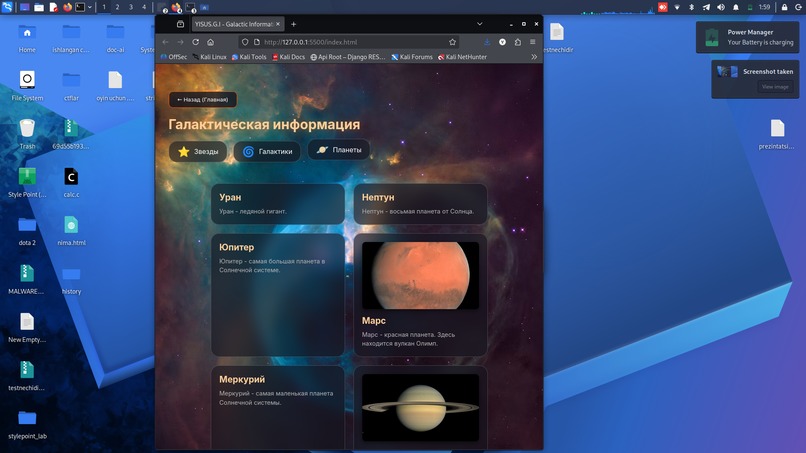
Comprehensive planetary data interface showcasing accurate encyclopedic facts and high-quality visual cards.
-
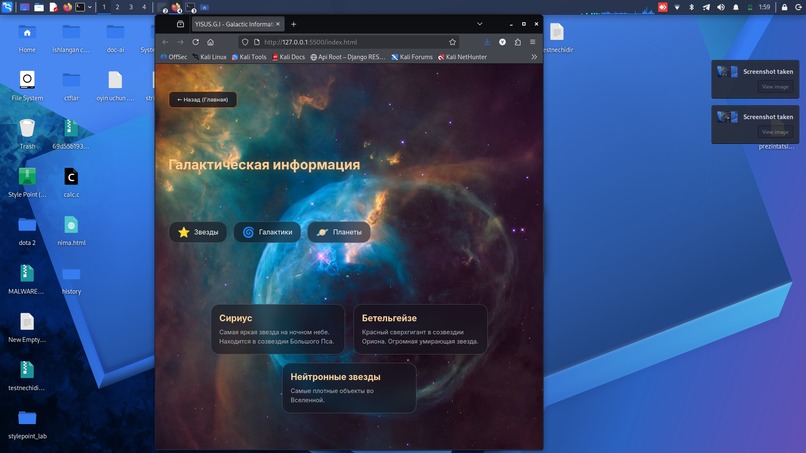
Detailed star profiles section in Russian, completing the multi-language educational database of the project.
Inspiration
The idea for SkyScan was sparked by our shared fascination with the night sky and the realization that accessing astronomical data shouldn't be complex or intimidating. We wanted to create a platform that empowers both amateur observers and researchers by bridging technical data with a modern, intuitive design
What it does
SkyScan provides a seamless bridge between complex astronomical data and intuitive design. It utilizes the Django REST Framework for backend efficiency and Astropy to enable direct SIMBAD database queries, all presented in a dark-themed glassmorphism interface.
How we built it
We built SkyScan using Django REST Framework for a robust backend API, integrating Python and Astropy to pull real-time astronomical data from the SIMBAD database. The frontend combines JavaScript with CSS to create a dark-themed glassmorphism user interface
Challenges we ran into
We faced challenges integrating complex asynchronous astronomical queries with the backend framework and optimizing the database response times to ensure smooth data retrieval without compromising the modern visual styling.
Accomplishments that we're proud of
We are particularly proud of successfully delivering a tool that bridges complex astronomical databases with a modern, glassmorphism interface, proving that sophisticated scientific data can be presented elegantly and accessibly for everyone
What we learned
We learned how to integrate Django REST Framework with Astropy libraries for scientific data retrieval, and mastered creating immersive glassmorphism interfaces using CSS and JavaScript
What's next for yisus skyscan
We plan to expand SkyScan by integrating real-time astronomical alerts, implementing advanced search filters, and scaling the database to handle larger datasets for more comprehensive celestial data retrieval.
Built With
- astropy
- css
- django-rest
- framework
- javascript
- postgre-sql
- python


Log in or sign up for Devpost to join the conversation.