-
-
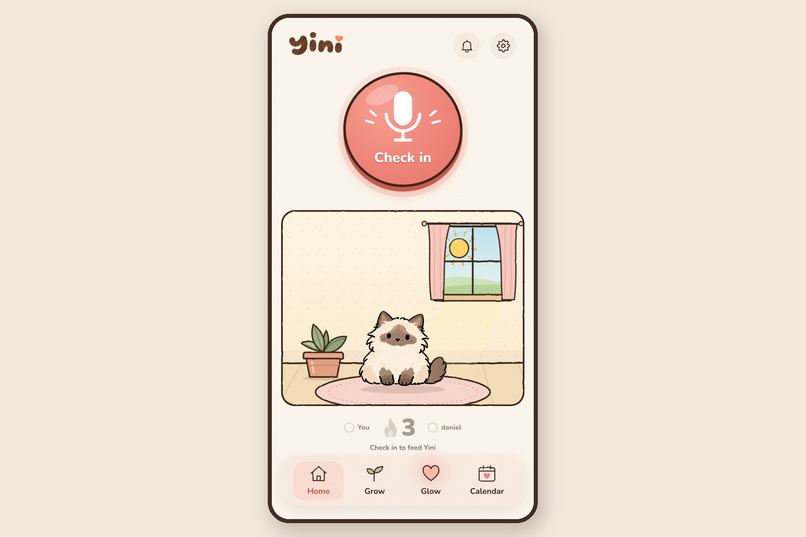
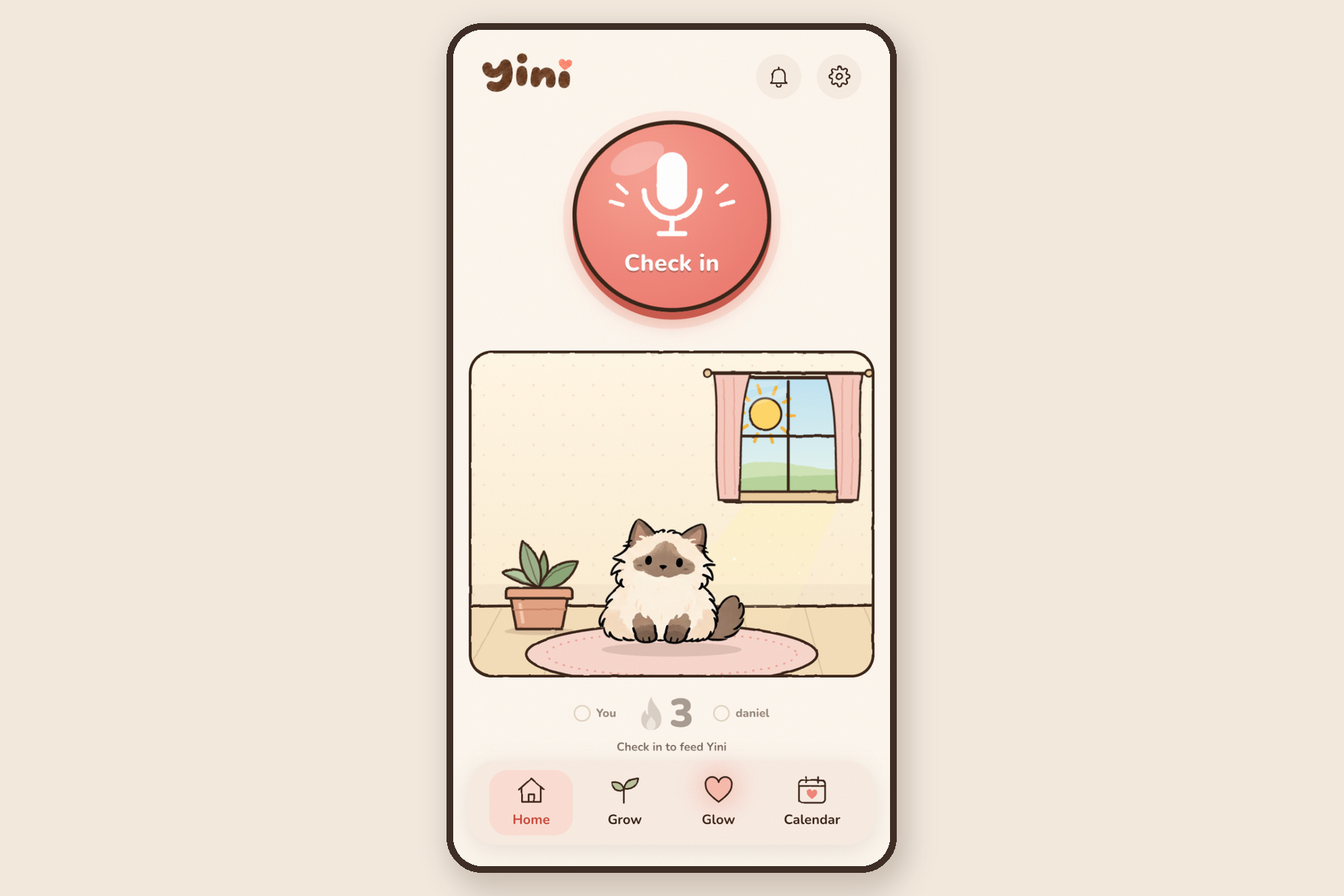
Home Screen
-
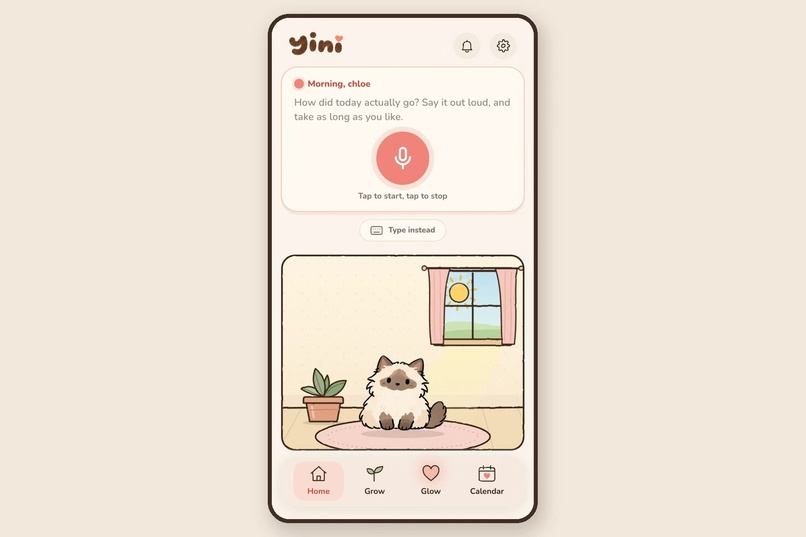
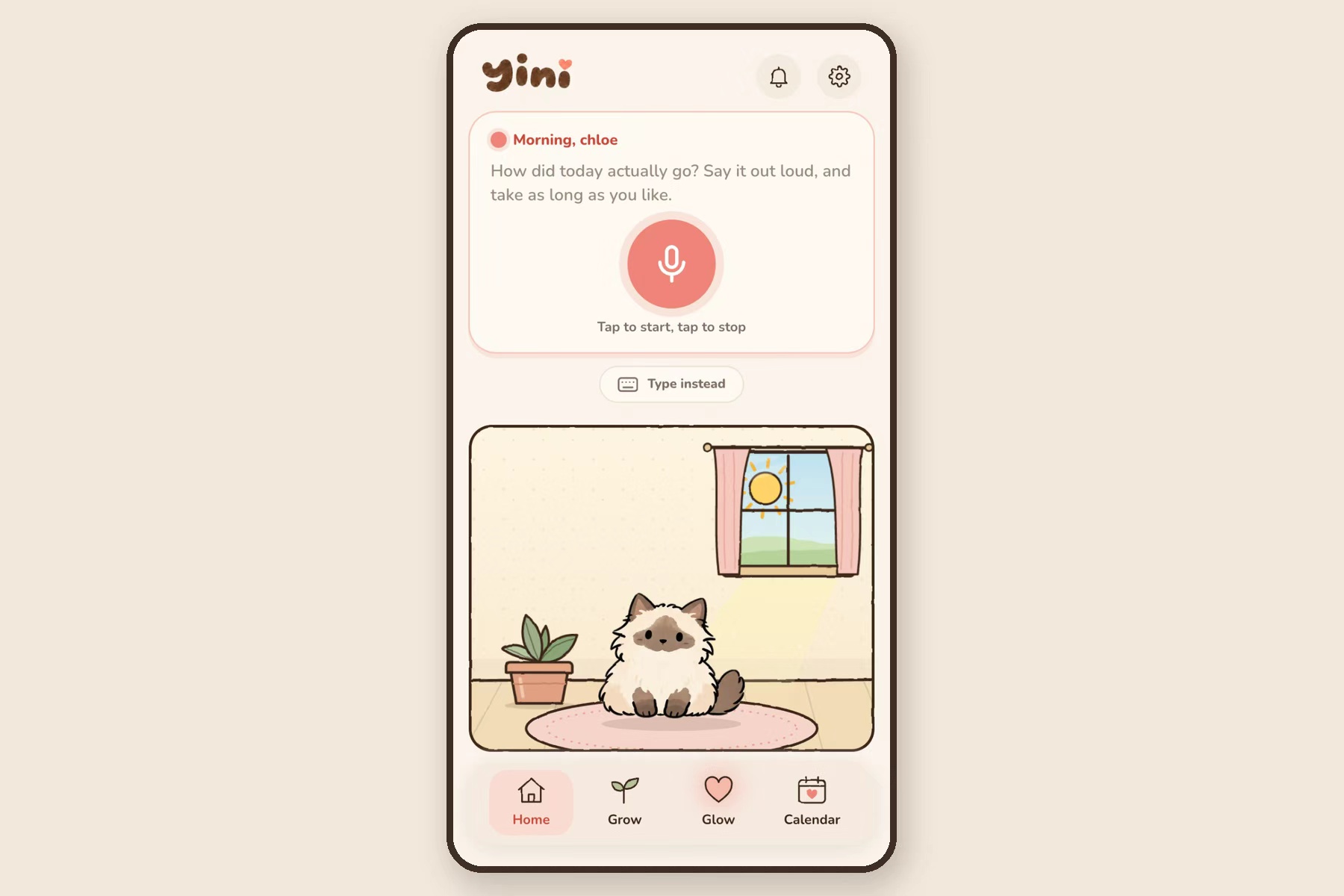
Home Screen Logging day
-
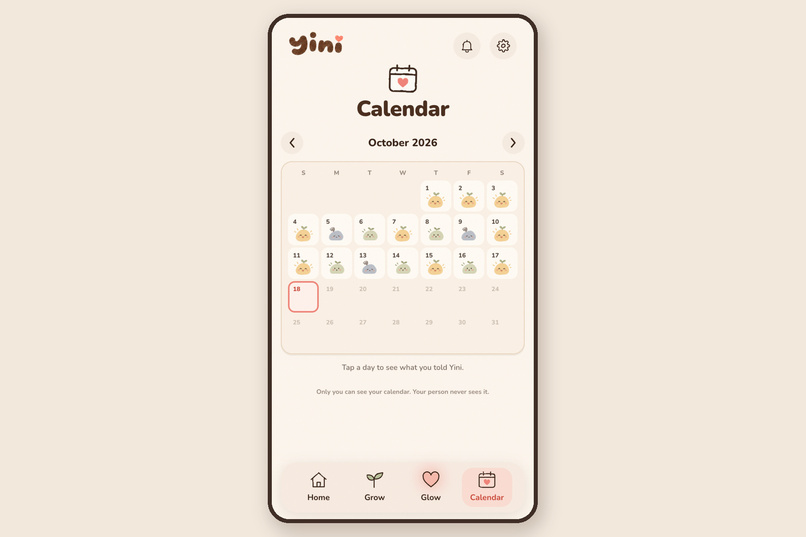
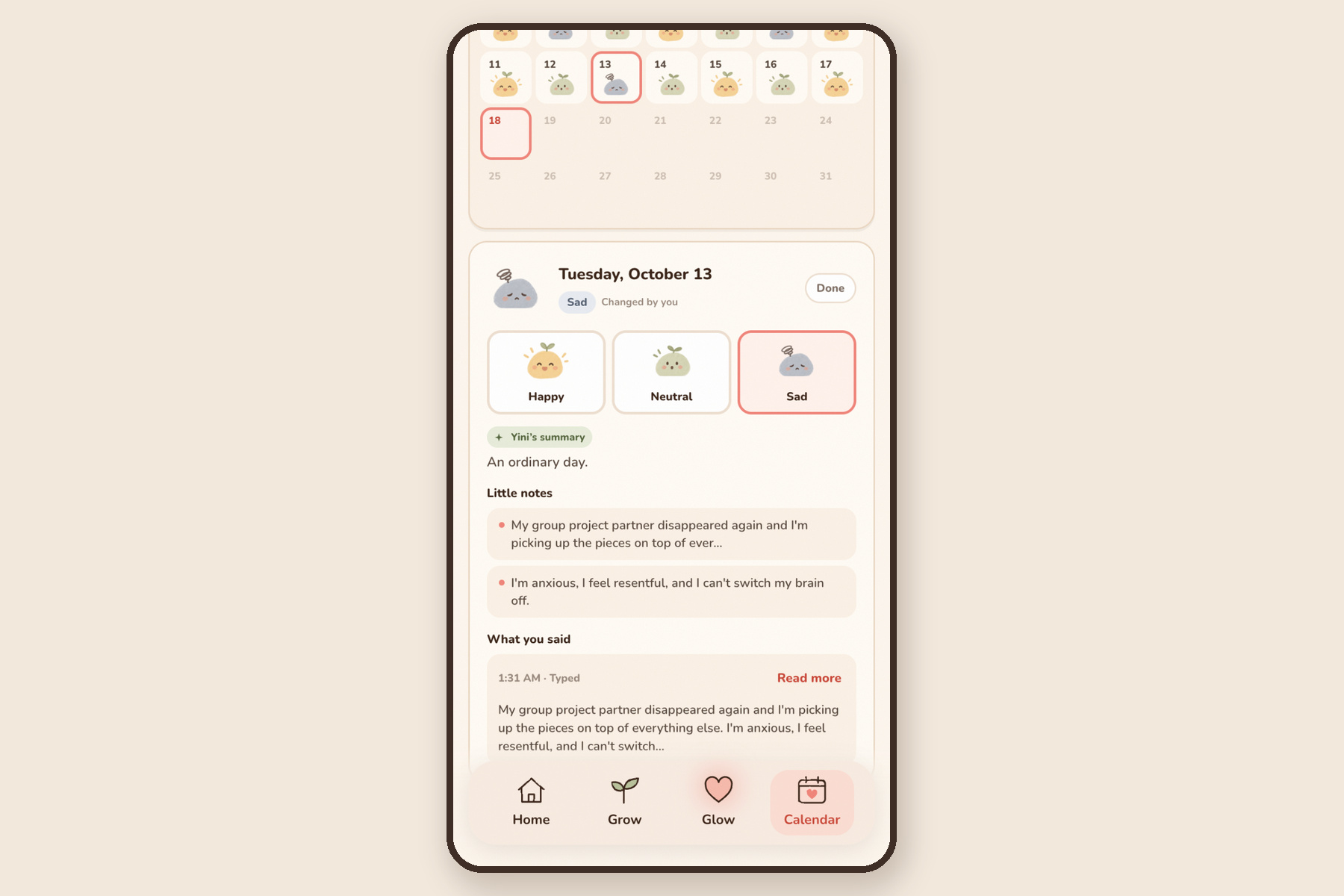
Calendar
-
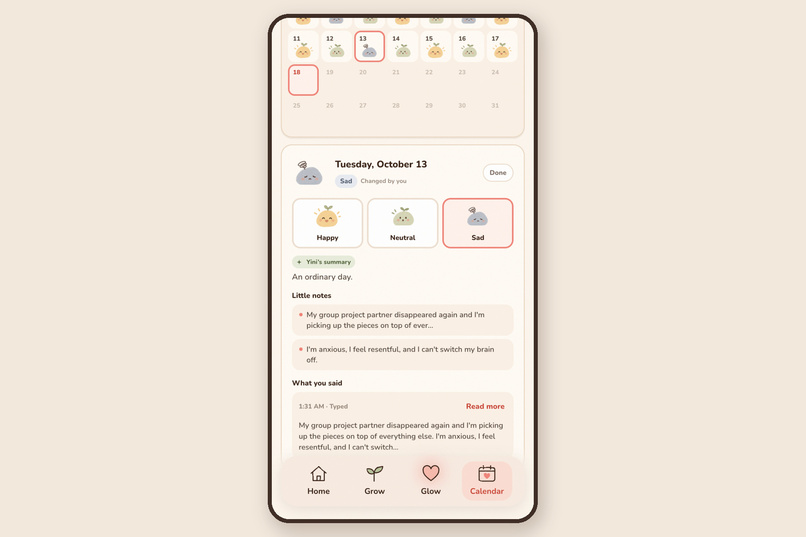
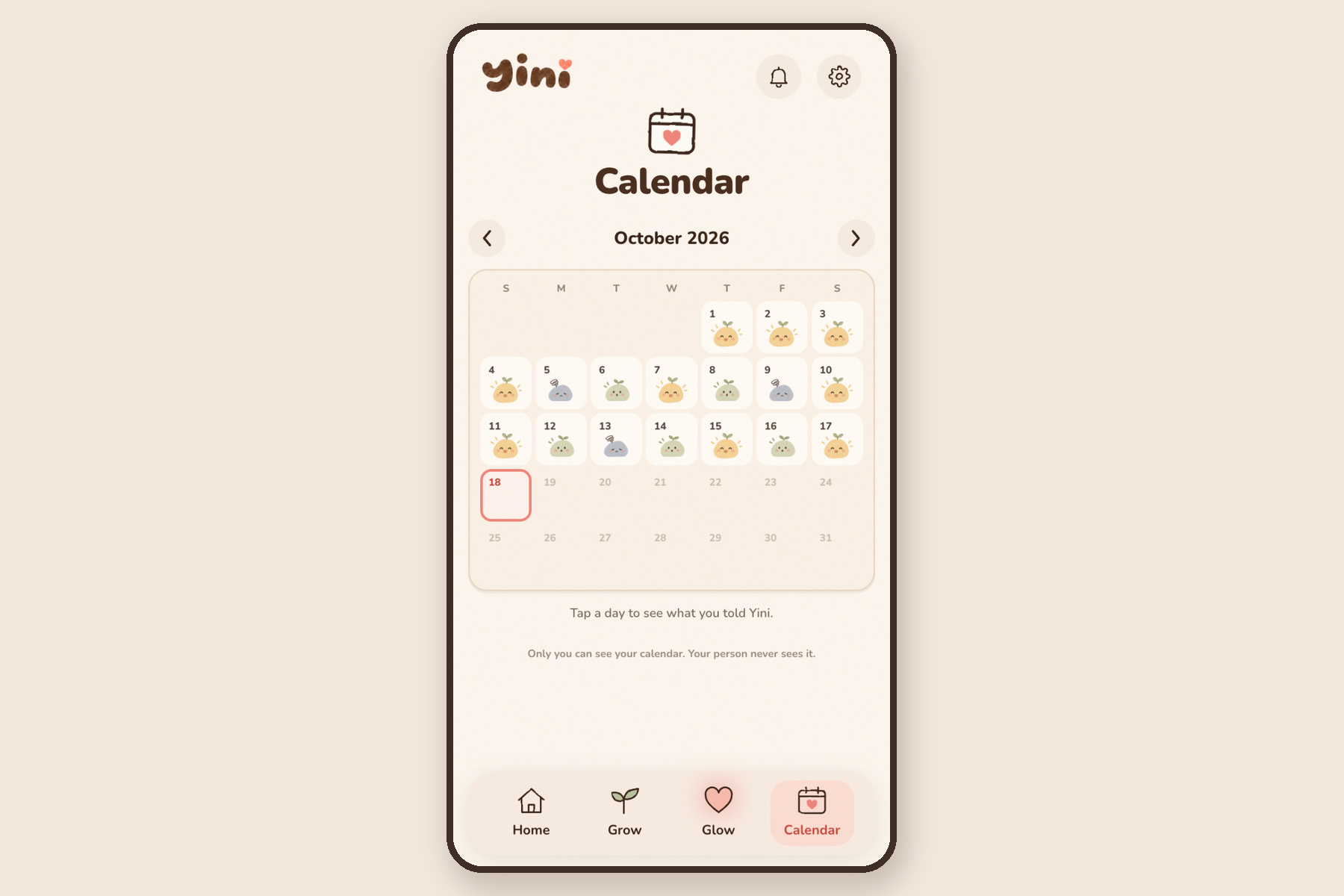
Calendar with mood logs
-
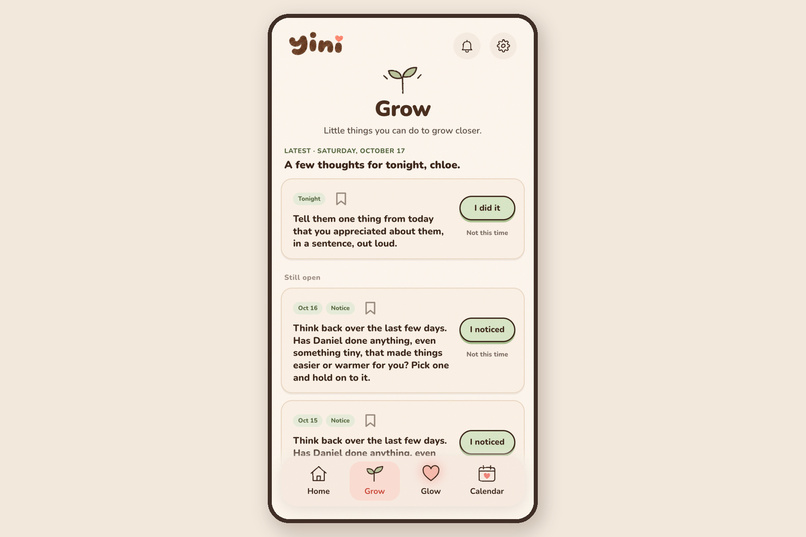
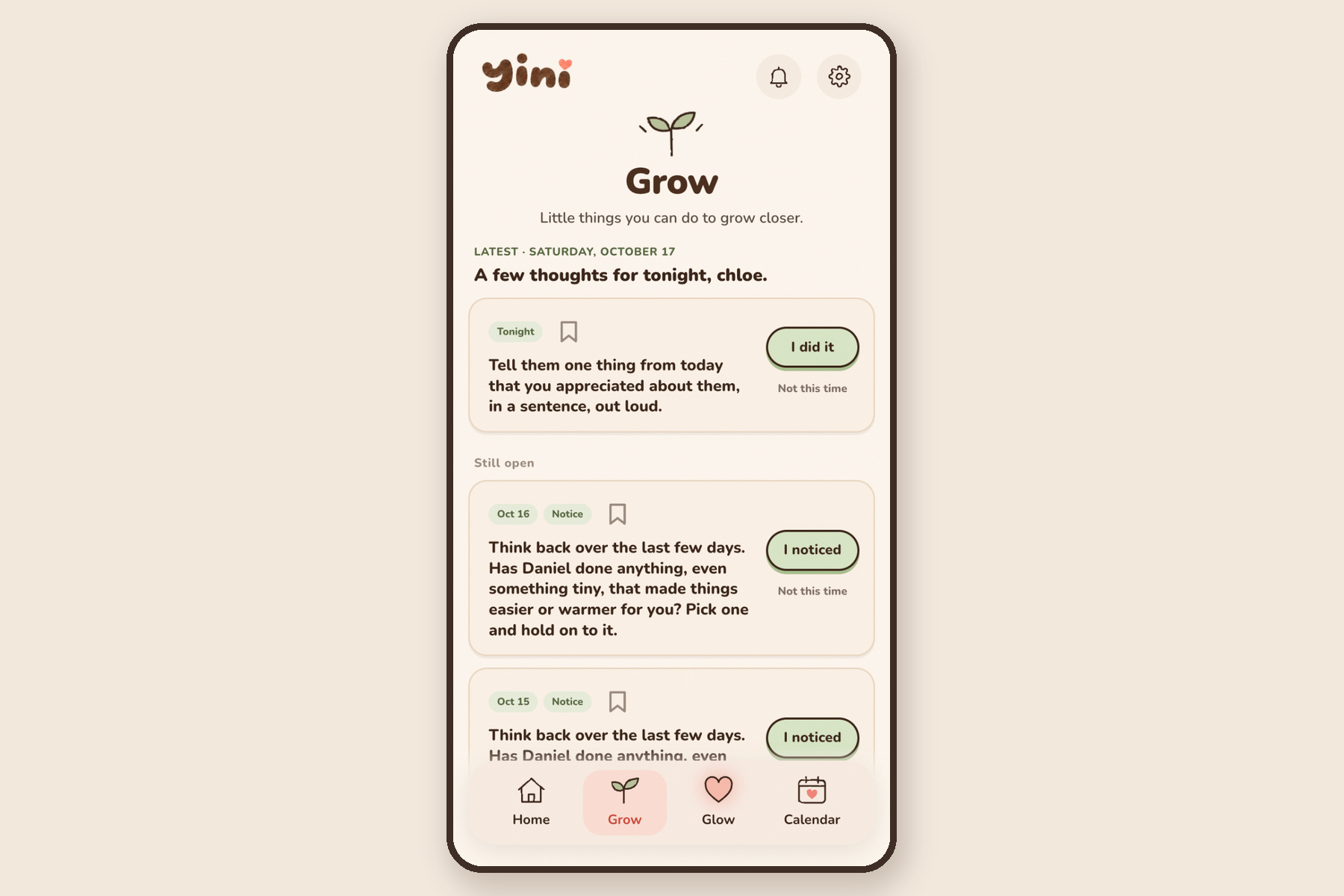
Grow section for tasks to improve relationship
Inspiration
Have you ever hurt someone you love without meaning to? Whether in teenage love, lifelong friendships, or family relationships, subtle microaggressions, emotional invalidation, and unspoken boundaries can leave lasting wounds. The problem isn't always a lack of love. Emotional triggers, unconscious biases, and mismatched attachment needs can cloud our judgment, making it difficult to recognize another person's perspective. What begins as an innocent misunderstanding can escalate into defensiveness, resentment, and recurring cycles of conflict.
We believe human connection is irreplaceable, but AI can help us become more thoughtful toward the people we care about. By recognizing unhealthy communication patterns, unequal emotional labor, and unmet emotional needs, AI can facilitate greater emotional awareness and relational repair. As a neutral, privacy-conscious intermediary, it can consider both perspectives without assigning blame or exposing feelings we're not ready to share. That's why we created Yini, combining Yin-Yang, symbolizing harmony, with tiny, reflecting how small acts of care can help relationships grow.
What it does
Yini is an AI-powered relationship intelligence platform that uses dual-perspective analysis, persistent memory, and proactive behavioral guidance to transform 10 seconds of daily reflection into healthier relationships. Rather than reinforcing one-sided narratives through endless chatbot conversations, Yini identifies subtle interpersonal dynamics and translates emotional insights into small, actionable real-world interactions, promoting emotional accountability, mutual understanding, and healthier boundaries.
- Dual-Perspective AI & Persistent Memory: A centralized AI intermediary analyzes both users' reflections, tracks emotional patterns, and identifies recurring microaggressions, emotional invalidation, and communication breakdowns without exposing private entries.
- Proactive AI, Not Chatbotting: Instead of validating one-sided narratives, Yini proactively transforms accumulated relationship context into personalized guidance that encourages emotional accountability, boundary awareness, and conflict resolution.
- Glow & Grow: Grow offers actionable suggestions for relational repair, emotional attunement, and healthier communication, while Glow shares appreciation and affirmations explicitly approved by the sender.
- Private Journaling & Active Mindfulness: Users independently record emotions, unmet needs, personal boundaries, and appreciation through 10-second daily reflections, fostering self-awareness and authentic expression without forced disclosure.
- Our Little Buddy: A customizable virtual companion uses streaks, visual progression, and positive reinforcement to encourage consistent emotional check-ins and relationship-care habits.
How we built it
We began with user interviews to identify recurring relationship challenges and translate our findings into concrete product requirements. Our initial architecture separated the frontend and Python backend through a REST API. To simplify integration and deployment, we later consolidated both into a Next.js application deployed on Vercel, with Supabase providing PostgreSQL, Authentication, and Realtime services. Our four-person team included two developers responsible for frontend and backend engineering and two designers leading UI/UX, visual identity, and companion design. Key technical components include:
- Ontology & Schema Validation: We modeled entries, nudges, feedback, companion states, and associated actions using typed Zod schemas, incorporating access permissions, API validation, and automatically generated documentation.
- Database-Level Privacy: PostgreSQL Row-Level Security (RLS) enforces user-specific journal access restrictions, verified through executable SQL tests simulating unauthorized access from both accounts.
- Scheduled AI Agent: A Gemini-powered nightly agent processes recent reflections, updates rolling relationship memory, and generates individualized feedback, while each check-in triggers an immediate personalized response.
- Multi-Layer Leak Prevention: A text-overlap filter and secondary adversarial AI validation screen generated feedback for potential disclosures before delivery.
Challenges we ran into
Our initial challenge was translating a broad concept into clearly defined, testable features while coordinating a team that included first-time hackathon participants learning Supabase, authentication, database design, and UI/UX tools.
The greatest technical challenge was balancing cross-user contextual reasoning with strict data isolation. We implemented layered safeguards combining PostgreSQL RLS, text-overlap detection, and adversarial AI screening. Midway through development, migrating from separate frontend and backend codebases to a unified Next.js architecture also required restructuring our database schema and integration workflow.
Accomplishments that we're proud of
- End-to-End Deployment: Delivered a functional full-stack application supporting paired accounts, instant AI responses, companion interactions, and scheduled personalized feedback.
- Privacy by Design: Implemented database-enforced access controls and automated security tests, complemented by AI-output disclosure screening.
- Agentic AI Architecture: Integrated the Gemini API and sponsor technologies, including ASI, to support autonomous, context-aware processing rather than relying solely on user-initiated requests.
- Cross-Functional Execution: Enabled first-time hackers to contribute production features and polished designs while successfully deploying an integrated application under hackathon constraints.
What we learned
- Human-Centered AI Design: Prioritize measurable improvements in real-world interactions over maximizing user engagement with AI.
- Privacy-First Engineering: Incorporate access controls, adversarial testing, and output validation into the initial system architecture.
- Full-Stack Development: Gained hands-on experience with Supabase PostgreSQL, RLS, Realtime, authentication, and Vercel deployment.
- Reliable LLM Integration: Improved structured Gemini outputs through schema validation and multi-stage safety checks.
- Architecture & Team Coordination: Learned to simplify system architecture, divide responsibilities across engineering and design, and maintain alignment under tight development deadlines.
What's next for YINI
We plan to integrate Yini with Life360 through opt-in data sharing to enable more context-aware, personalized AI guidance. Future development will focus on relationship-specific AI models that recognize nuanced social dynamics, including microaggressions, emotional invalidation, unequal emotional labor, and boundary violations, while promoting emotional accountability and relational repair. We'll also expand customizable interaction modes and adaptive gamification tailored to couples, friendships, and parent-child relationships, encouraging healthier communication and sustained behavioral change.
Built With
- asi
- auth
- figma
- google-gemini-api
- motion
- next.js
- postgresql
- postman
- react
- realtime
- supabase
- tailwindcss
- typescript
- vercel
- vitest
- zod

Log in or sign up for Devpost to join the conversation.