-
-
-
-
-
-
-
-
-
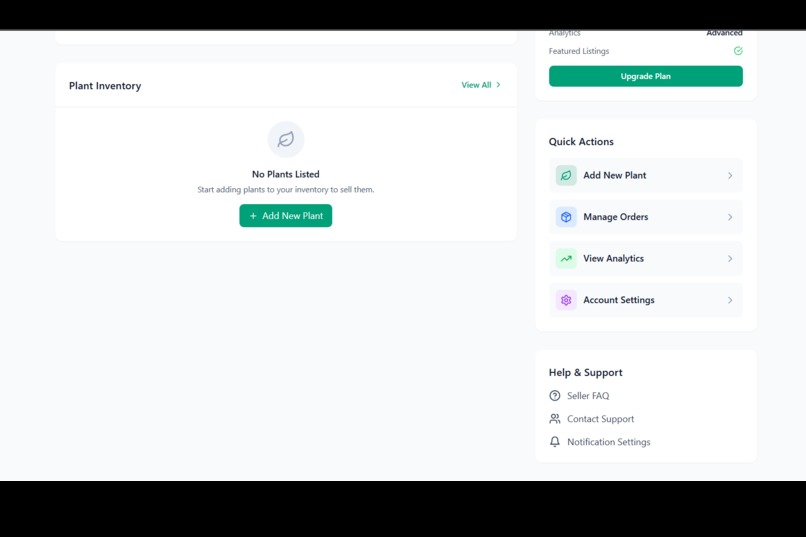
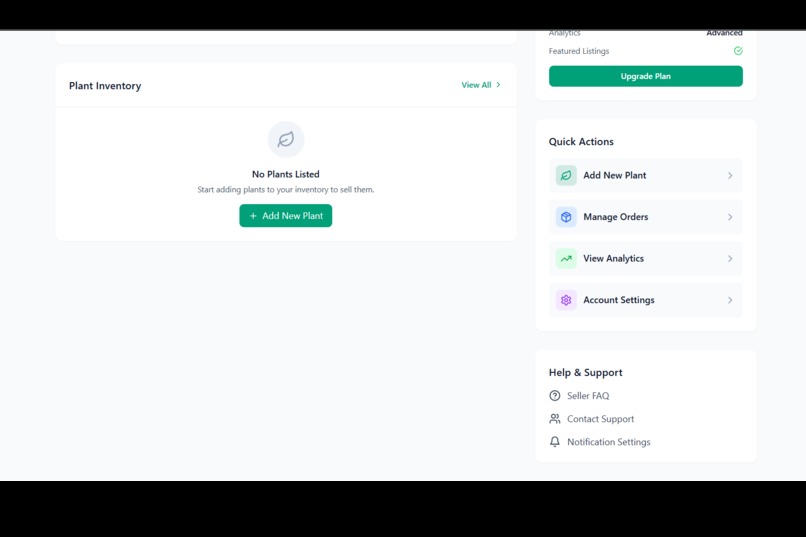
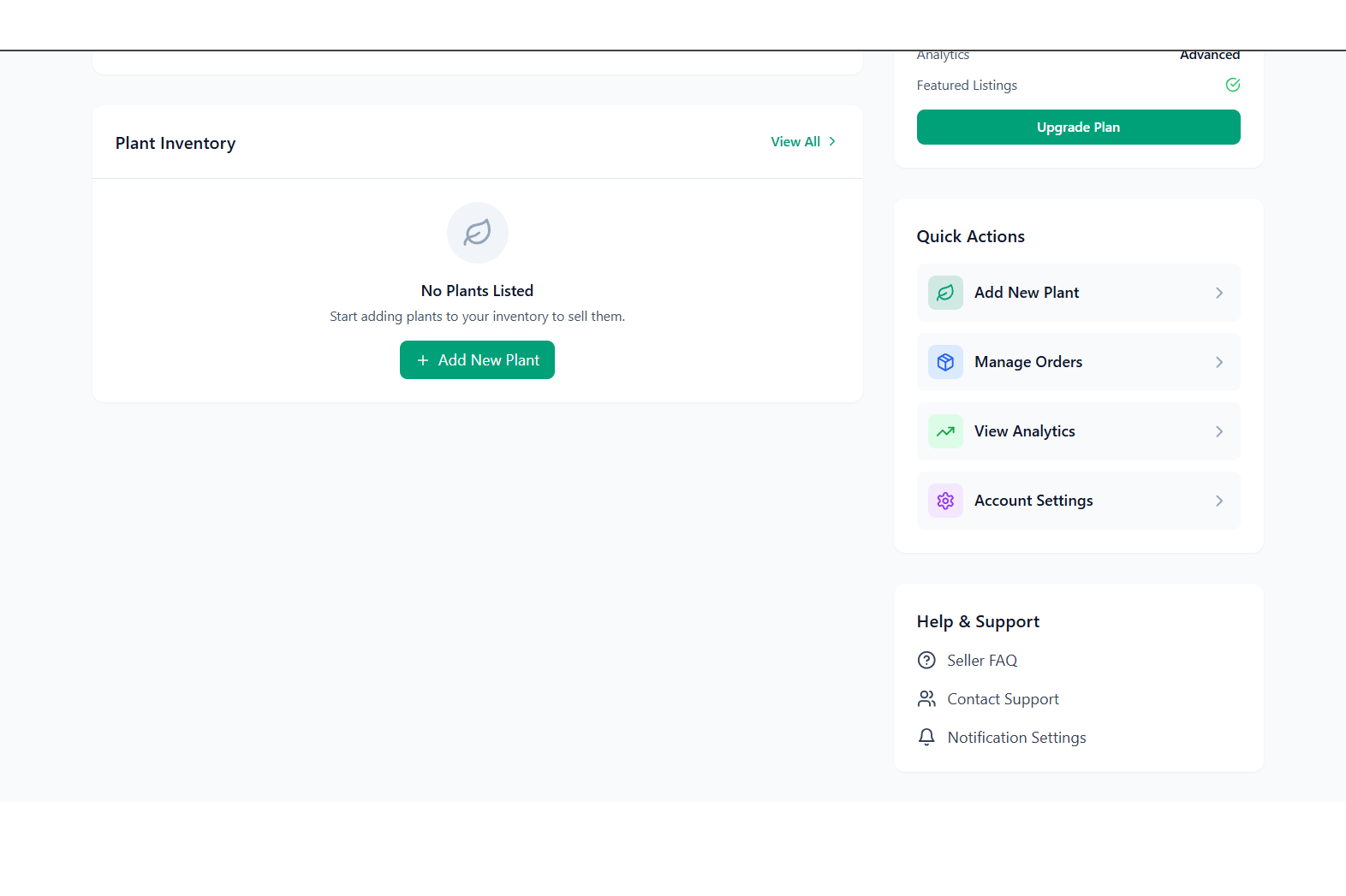
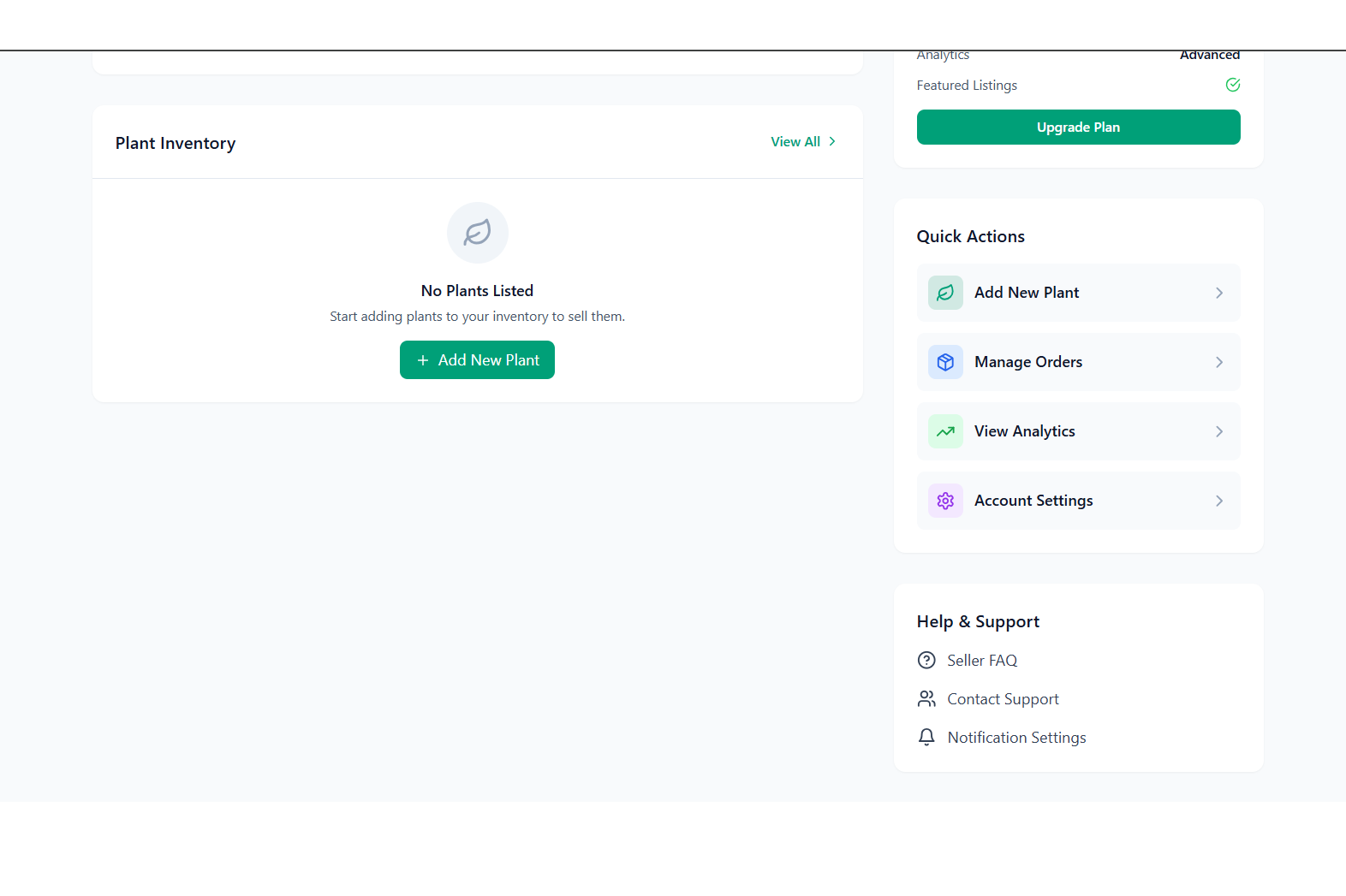
Seller Inventory
-
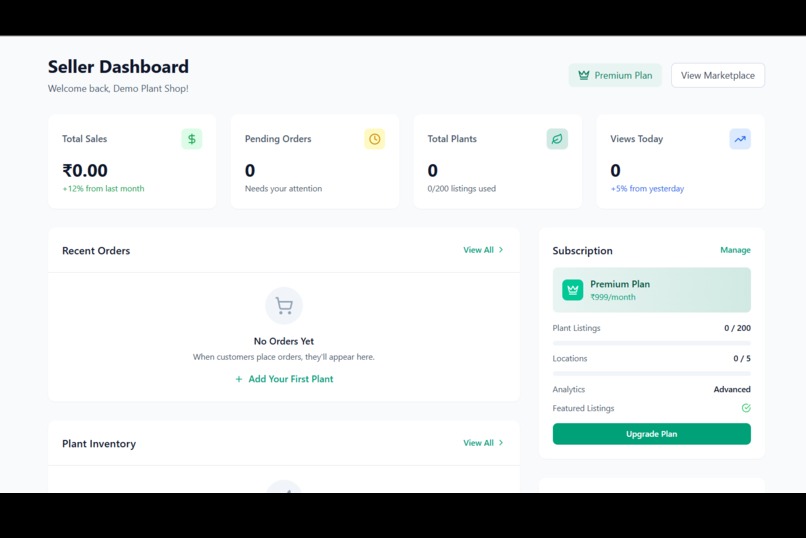
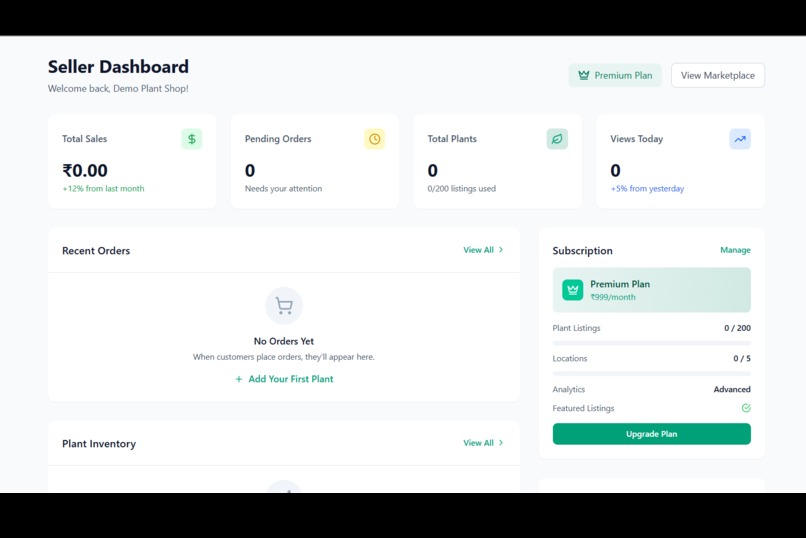
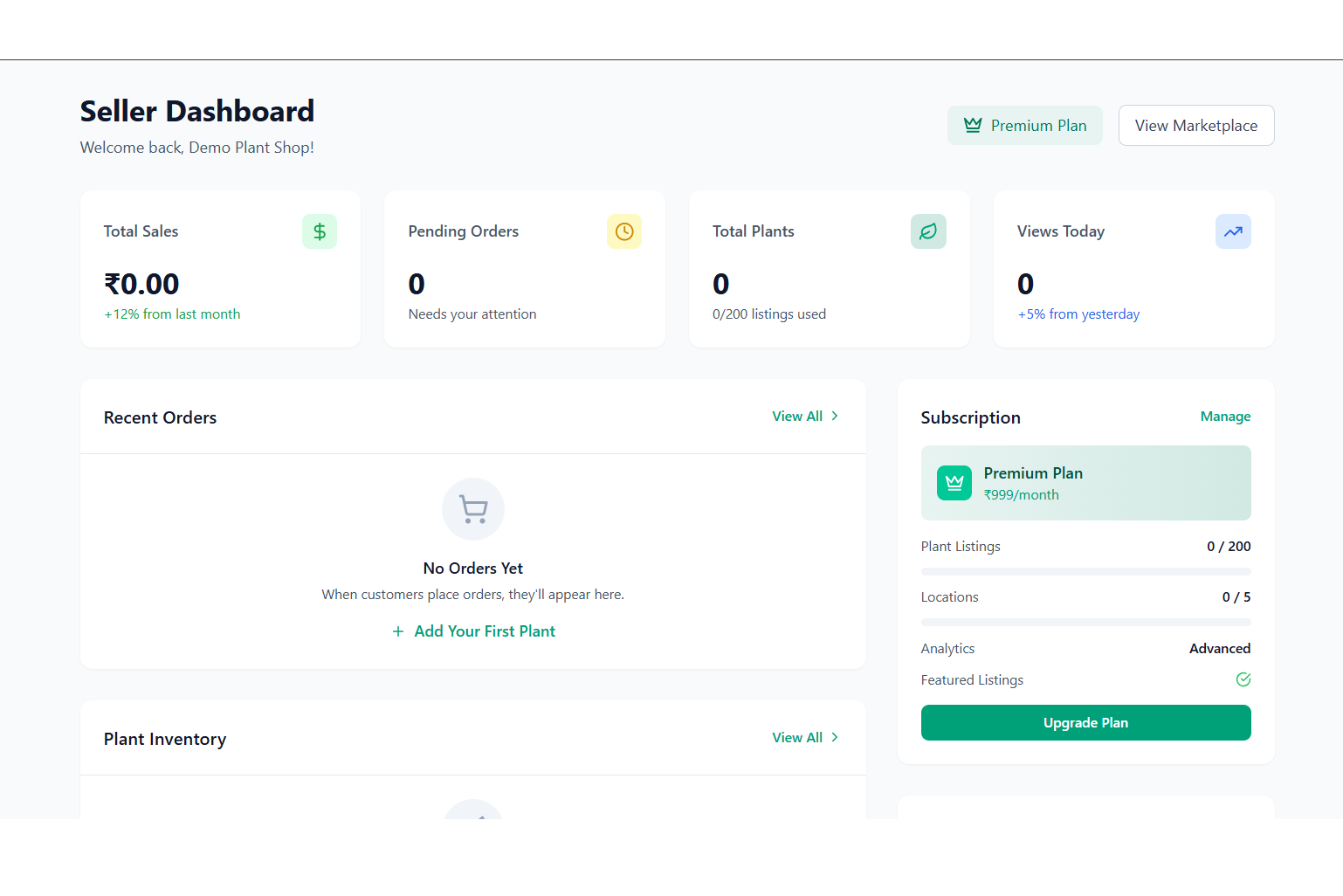
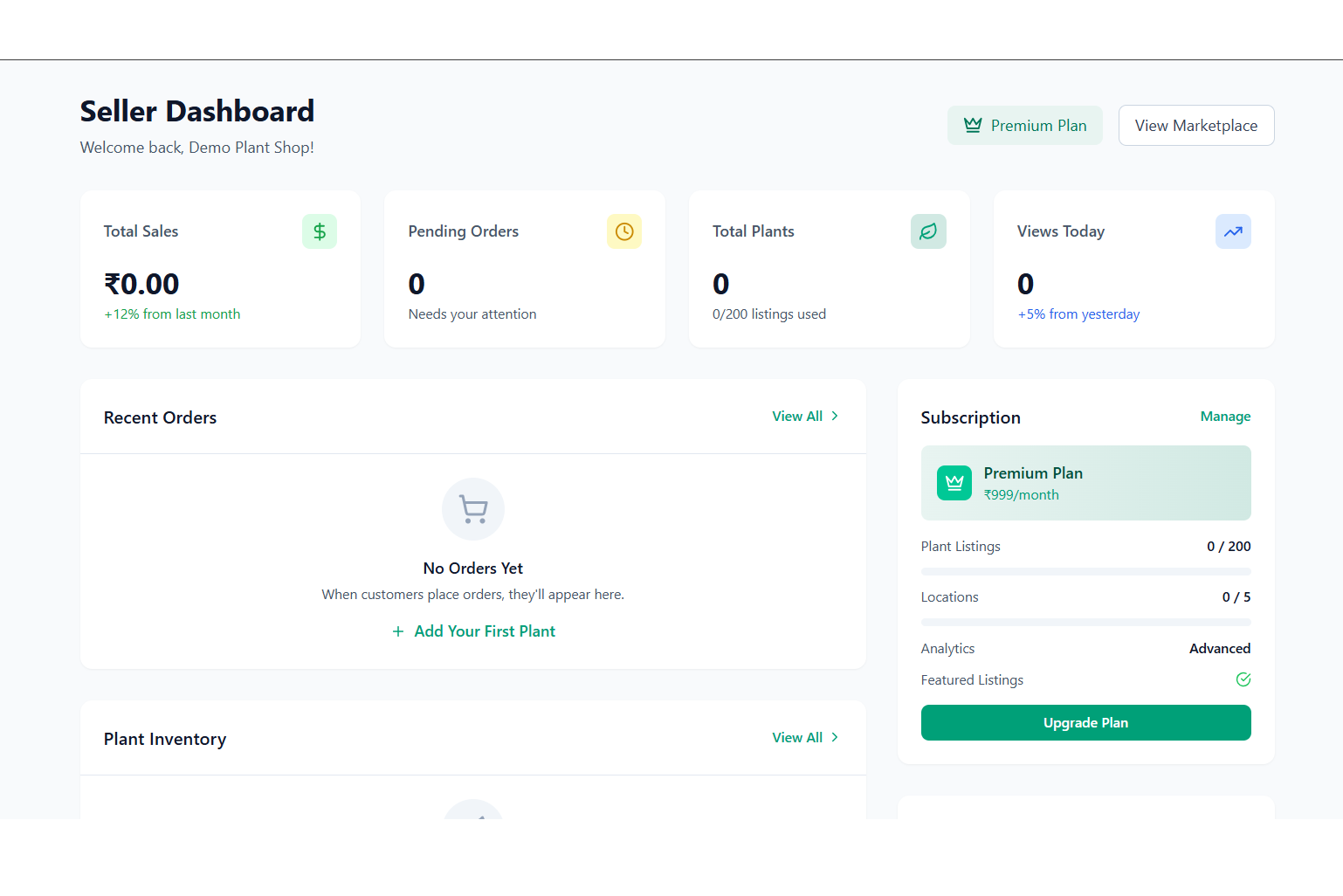
Seller Dashboard for easy access to analytics
-
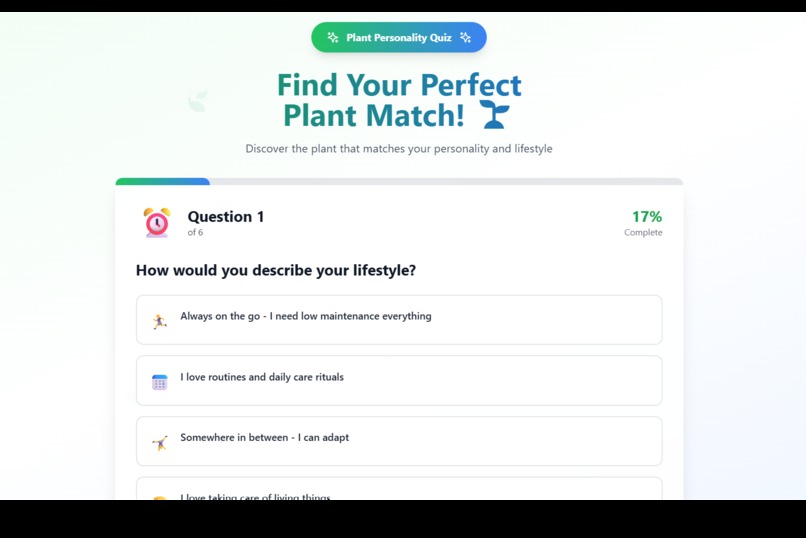
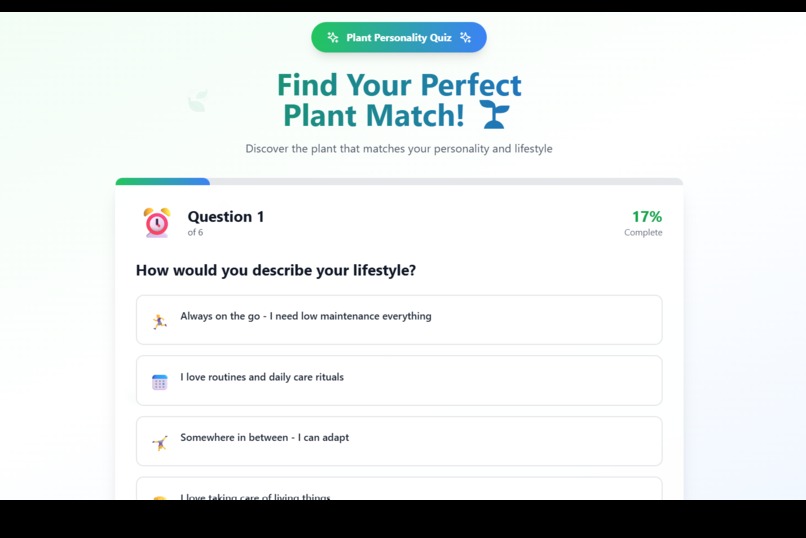
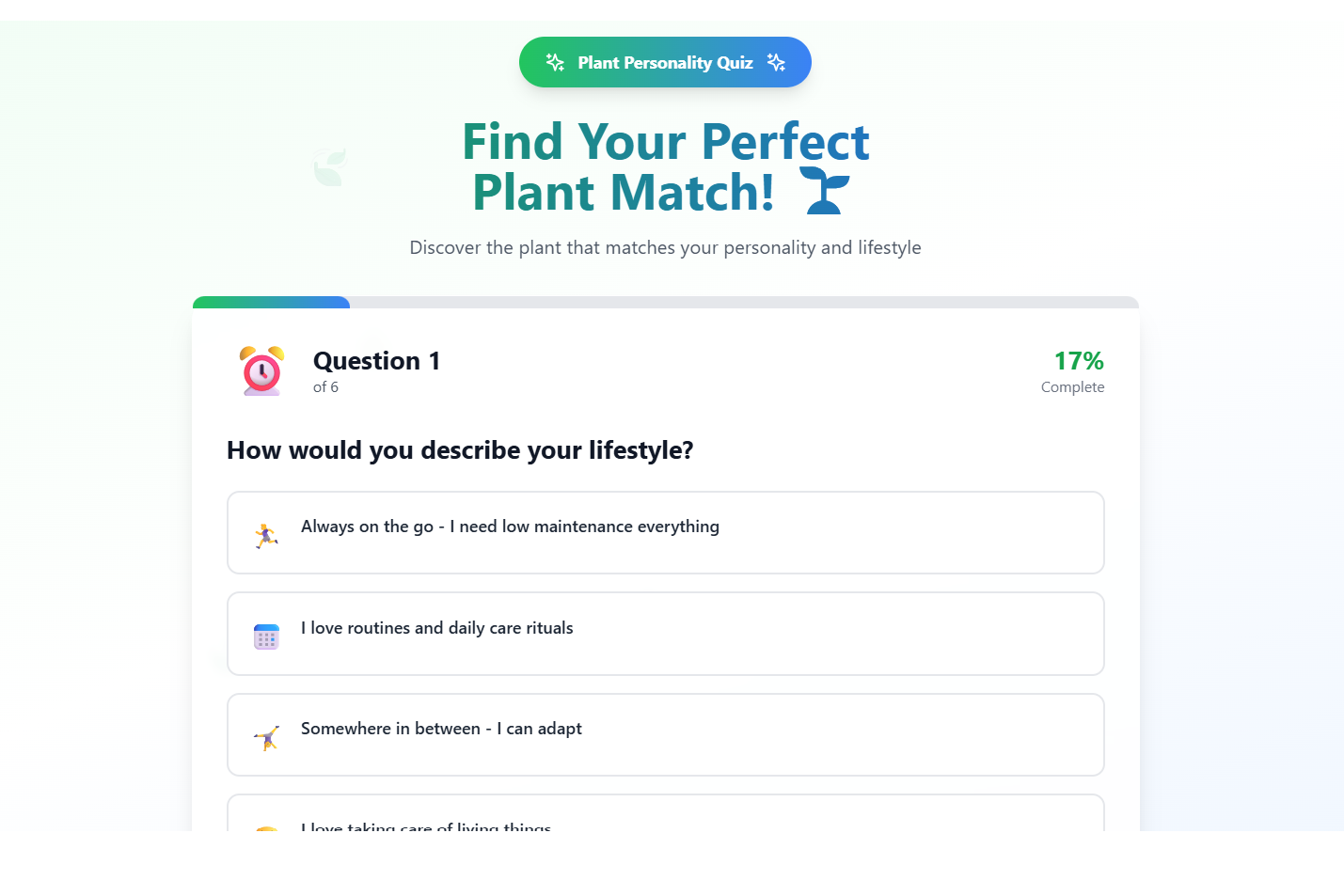
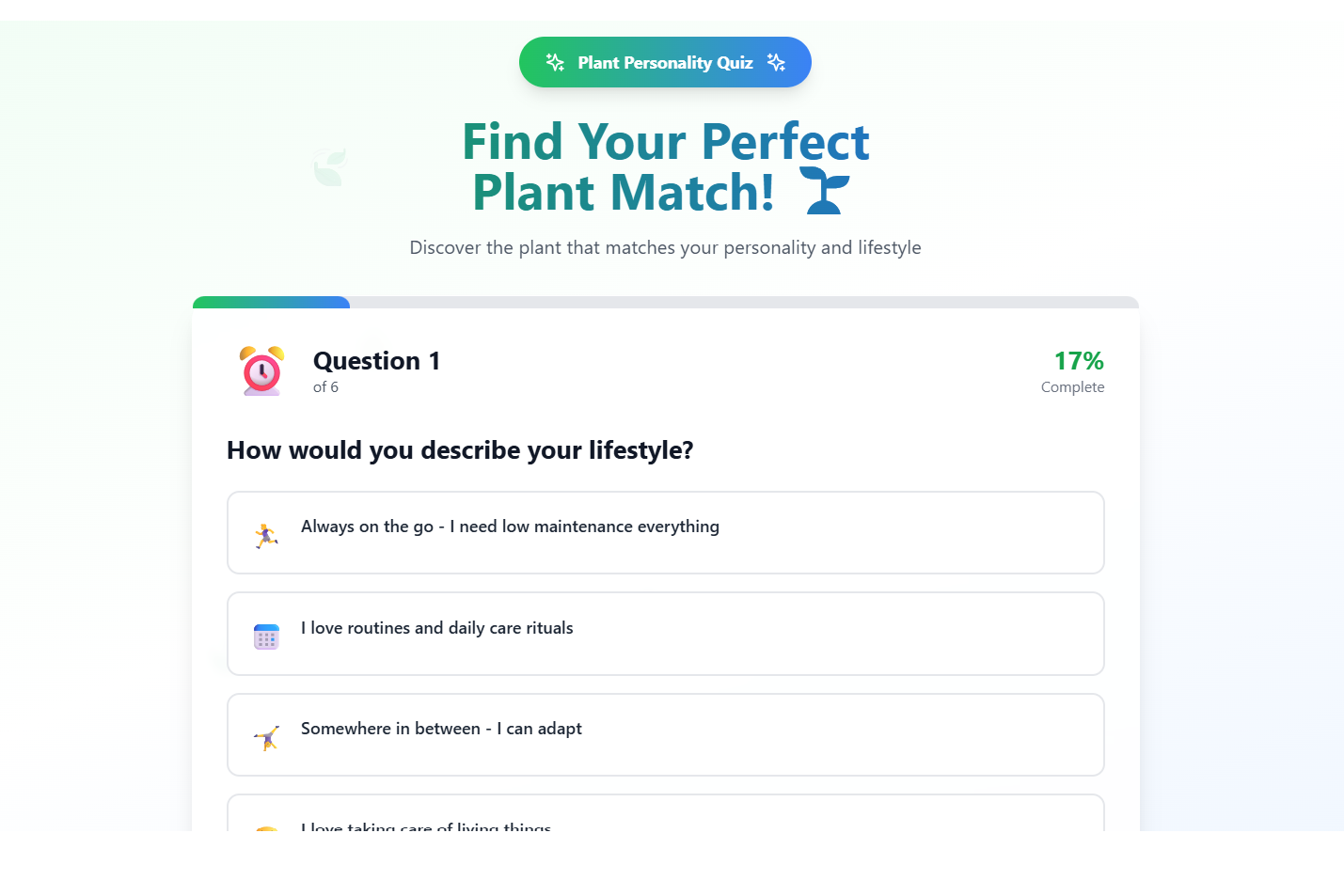
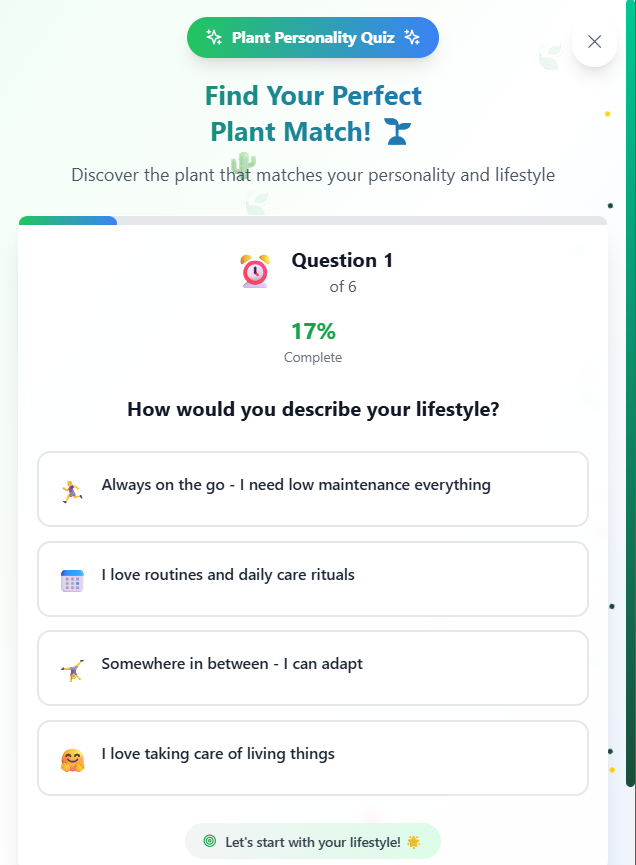
Plant Personality Quiz for users who are unsure .
-
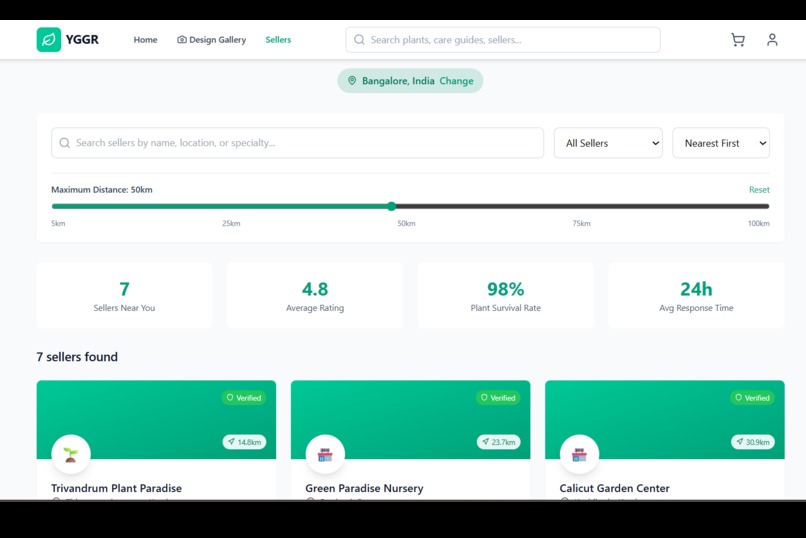
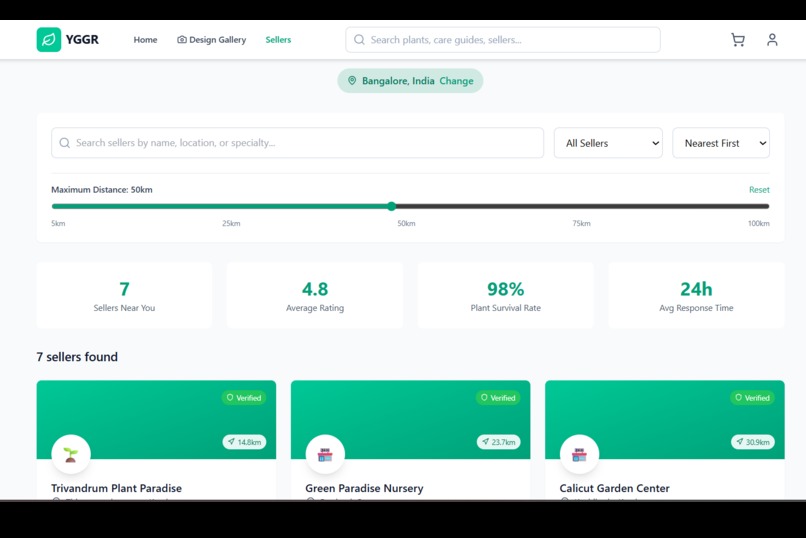
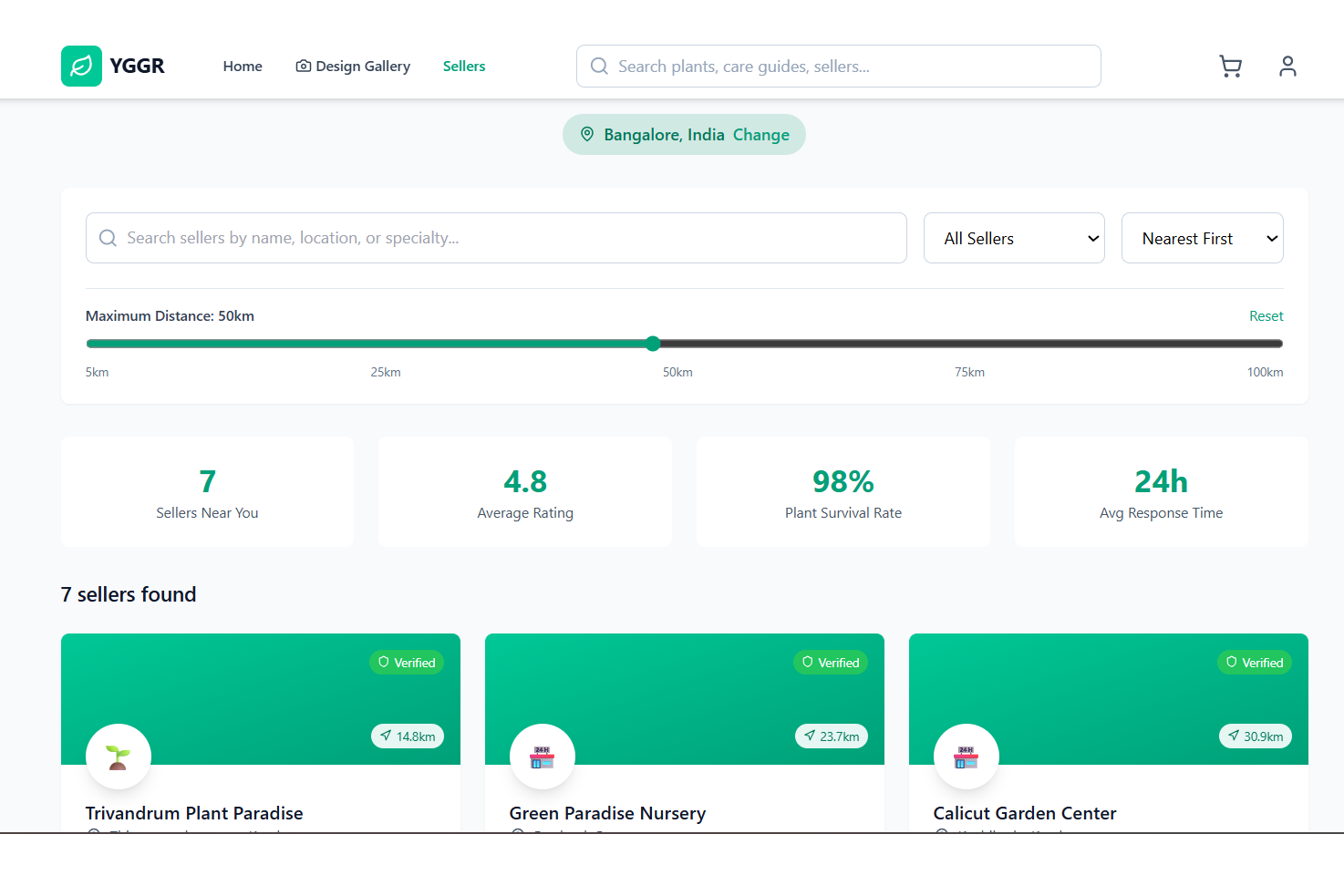
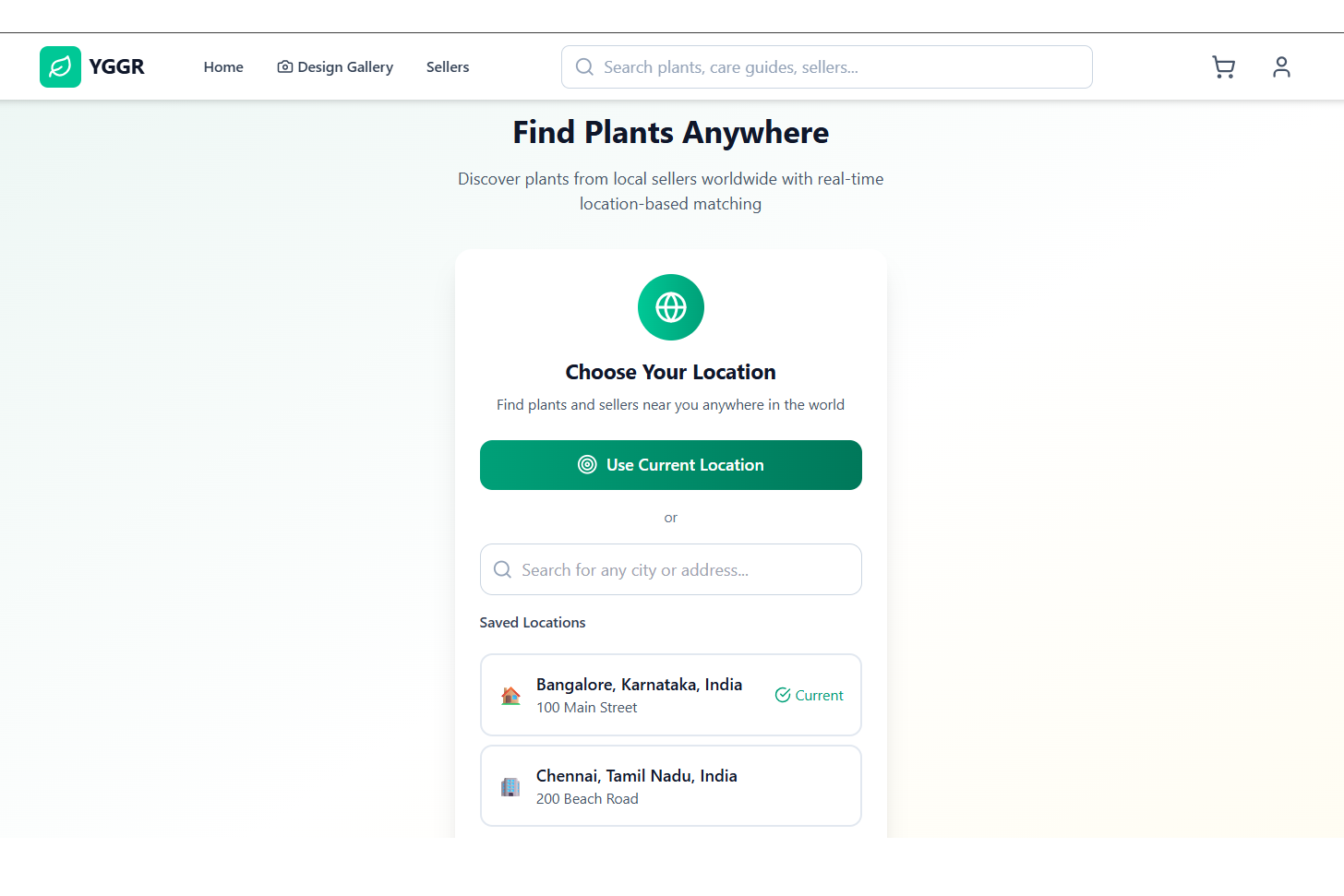
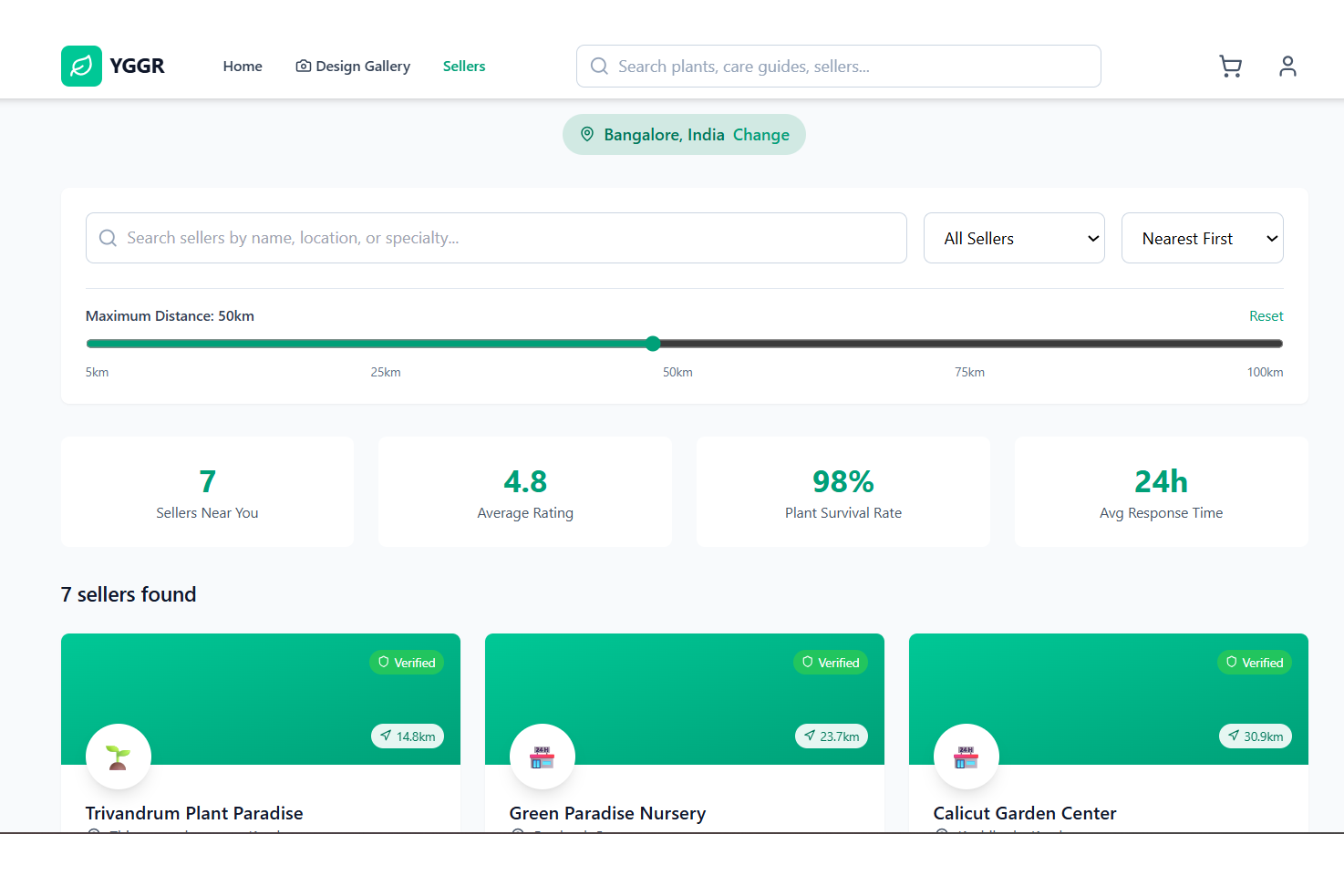
Seller List within 50 km of user
-
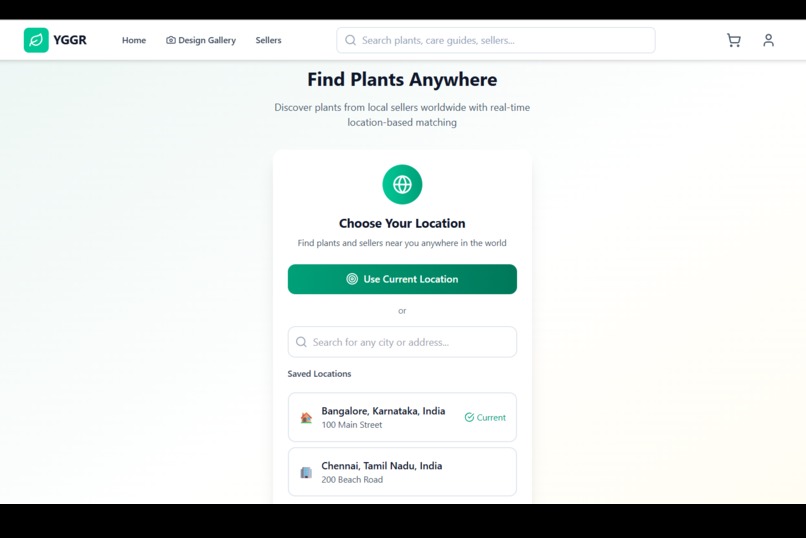
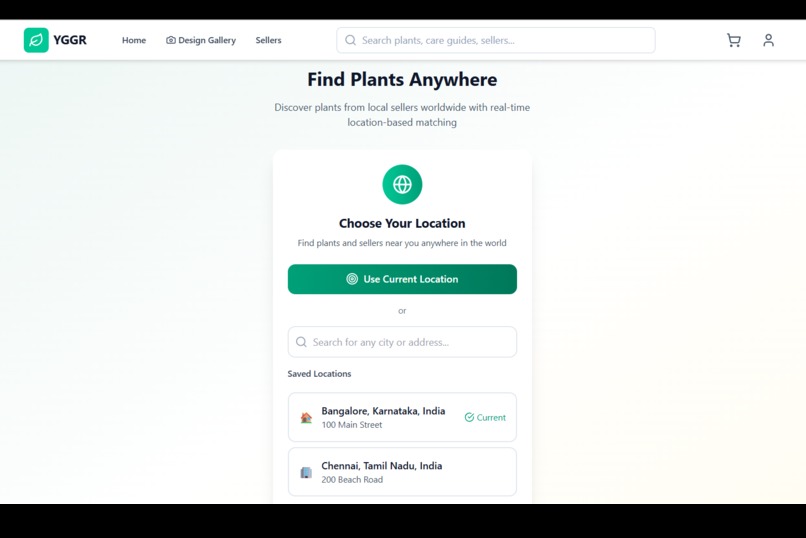
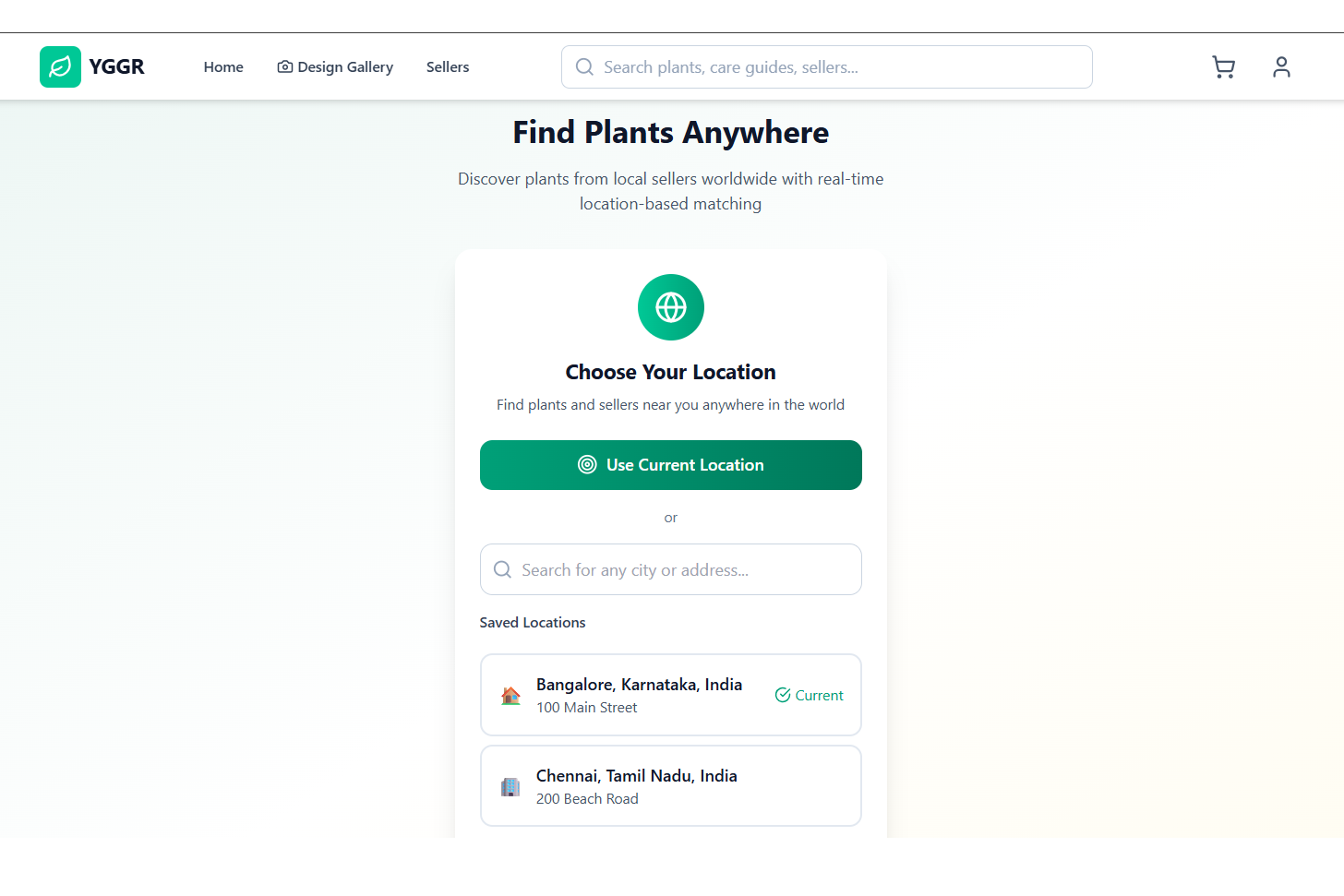
Location Selector for personalized content
-
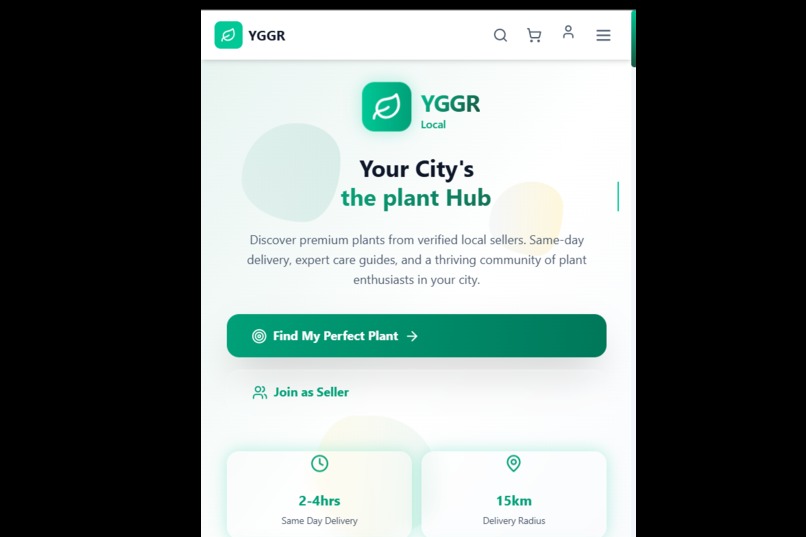
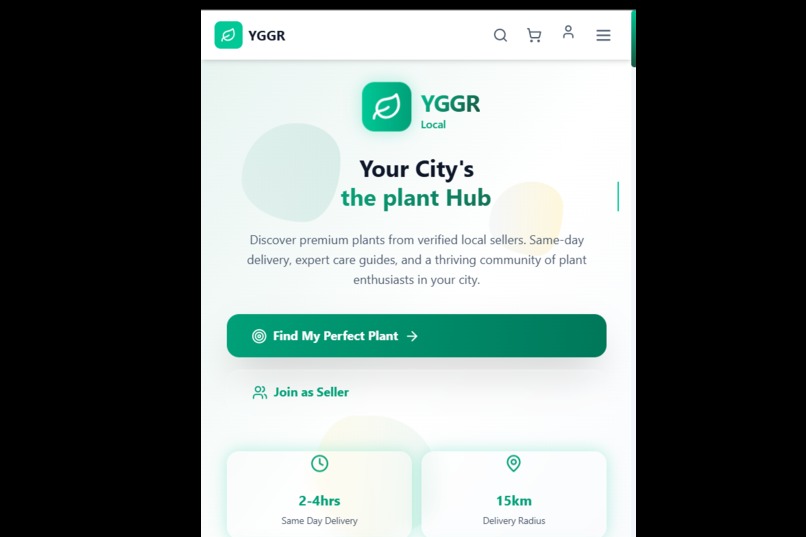
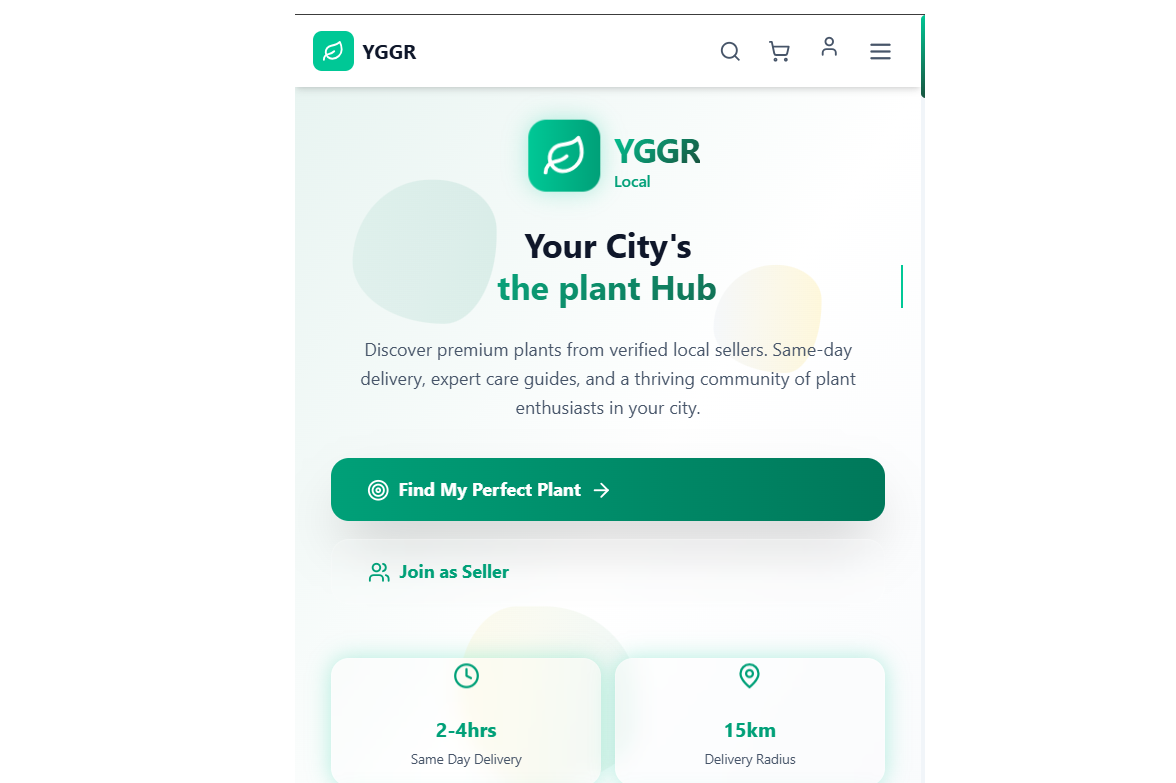
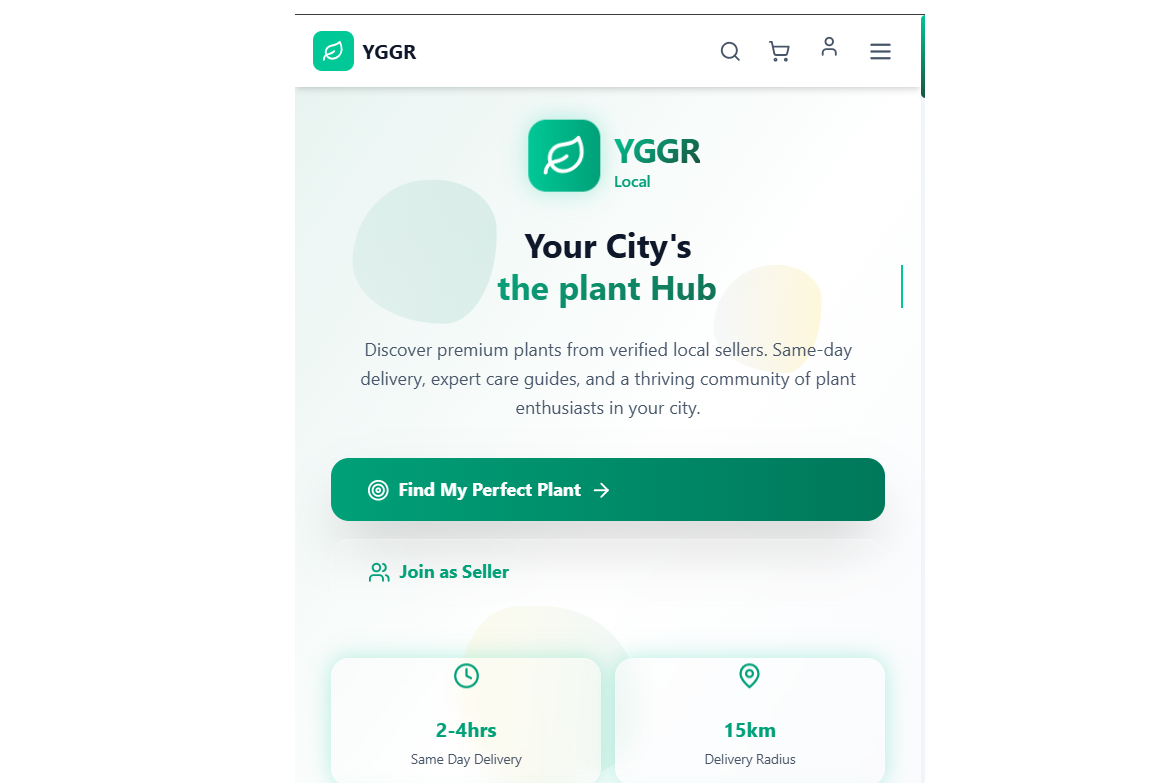
Mobile-First Design
-
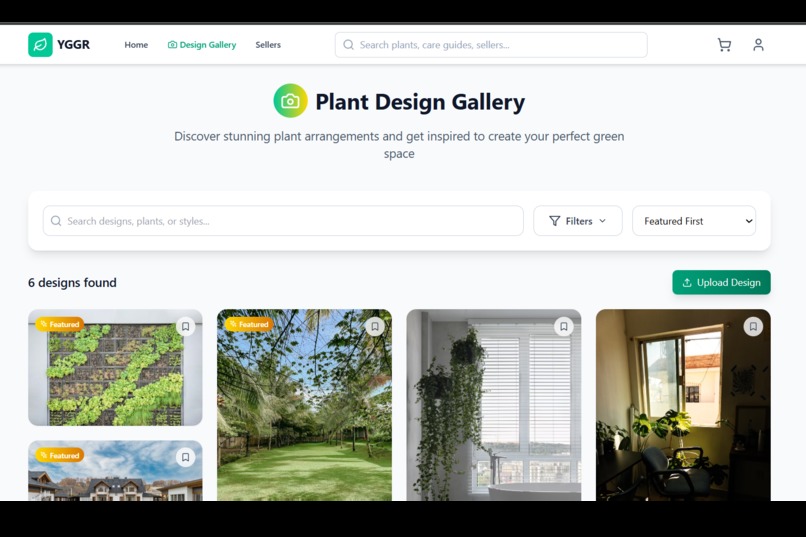
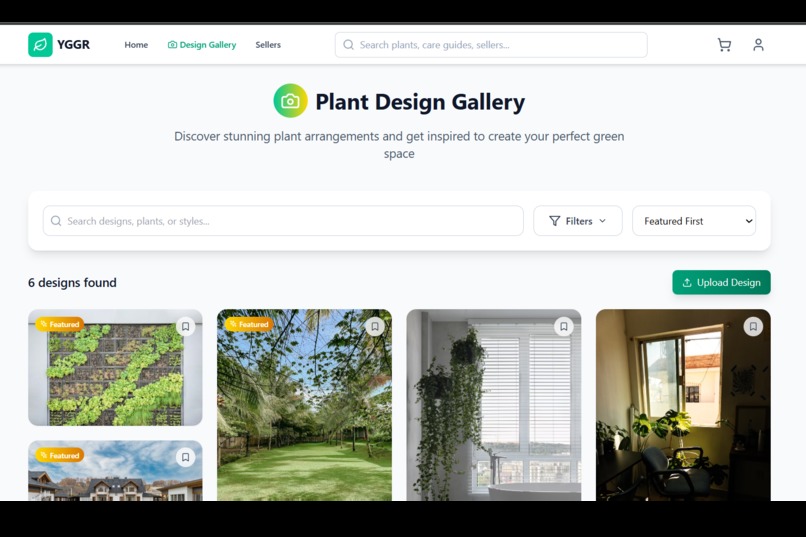
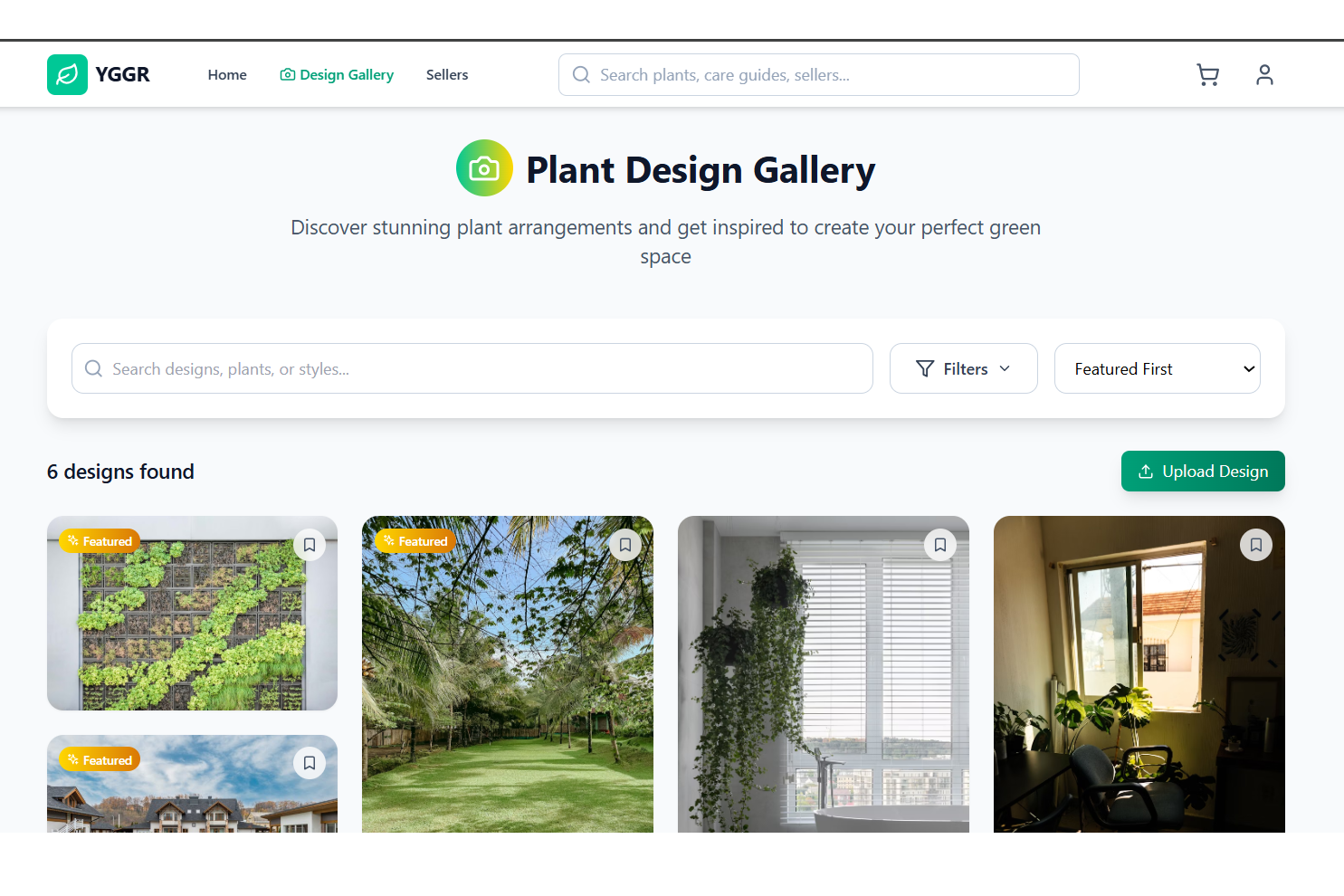
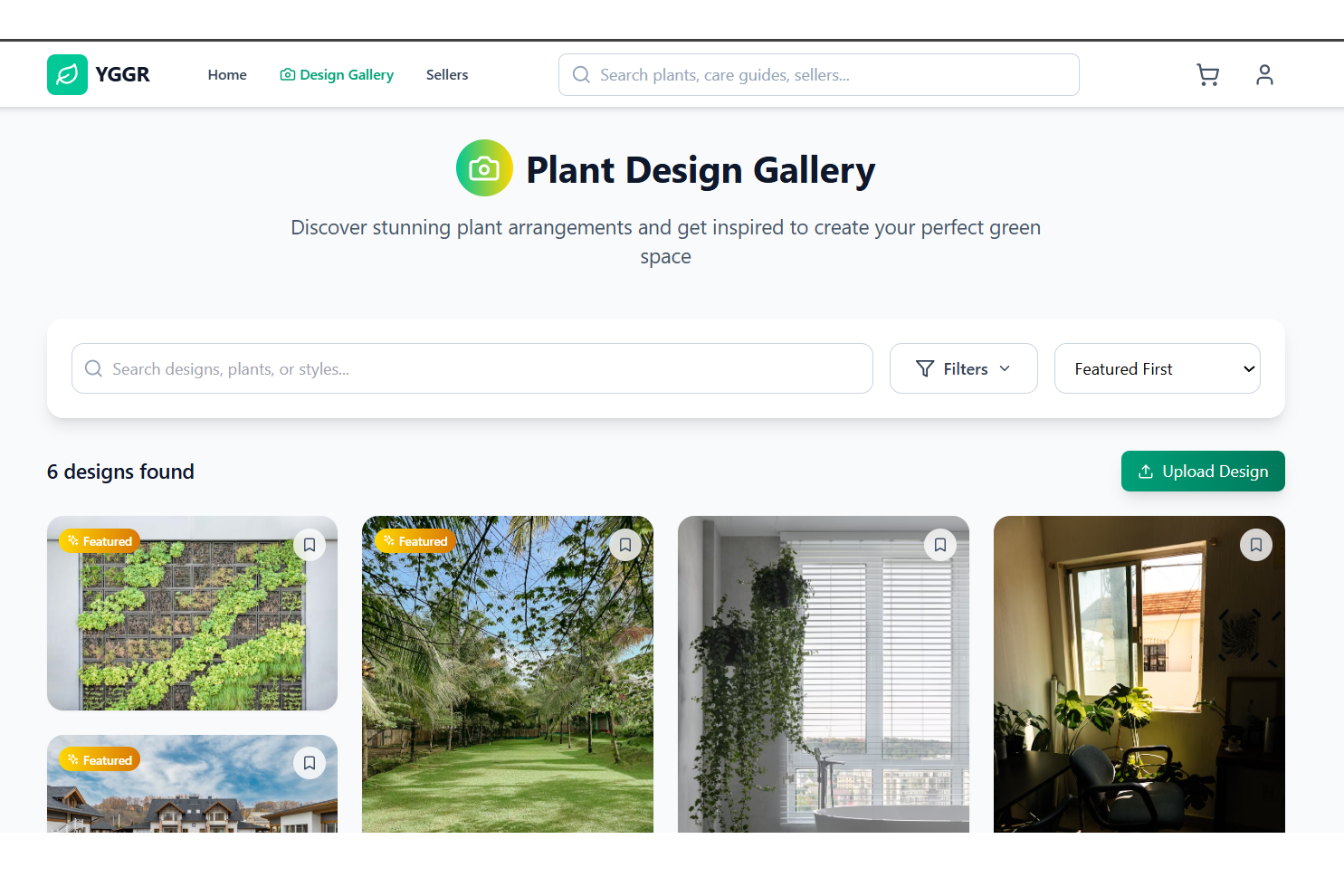
Pinterest-like Plant design page
-
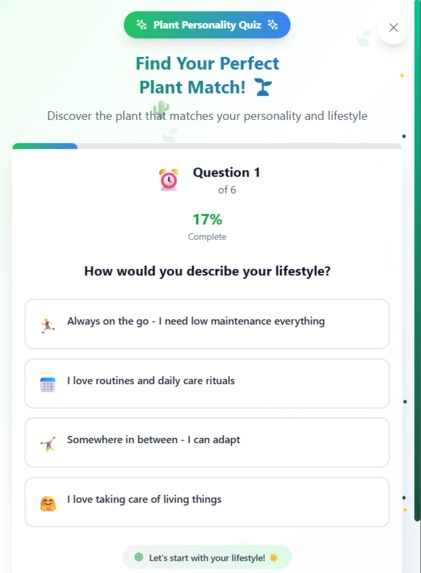
Mobile Friendly
Survival of the Slickest: How I Grew YGGR from a Sapling
If you’ve ever tried to buy a plant online, you know it’s not like ordering a pizza. Plants are fragile, mysterious creatures—especially as saplings, when they all look like green question marks. My journey to build YGGR, a personalized, local-first plant marketplace, was less like planting a seed and more like debugging a stubborn production issue: frustrating, exhilarating, and full of unexpected growth.
Inspiration
Every software project starts with a spark. For me, it was a simple vision: an Instamart, but for plants. But unlike groceries, plants don’t come with barcodes. They wilt in transit, and most saplings are indistinguishable to all but the most hardcore botanists. The more I thought about it, the more I realized: this wasn’t just an e-commerce challenge. It was a user experience puzzle, a logistics labyrinth, and a community conundrum all rolled into one.
I drew inspiration from the digital world’s best: Pinterest’s addictive image boards, the robust seller tools of e-commerce giants, the community vibes of social platforms, and the hyper-local magic of delivery apps. I wanted YGGR to be the place where plant lovers could discover, connect, and grow—literally and figuratively.
How we built it
I started by defining my core design principles: beautiful, production-ready web pages built with React, styled with Tailwind CSS, and sprinkled with Lucide icons for just the right touch of polish. Authentication was a must, so I chose Supabase for login and sign-up, ensuring both buyers and sellers felt at home.
But the real “aha!” moment came when I realized most plant apps were missing a crucial feature: inspiration. So I built the Plant Design Gallery—a Pinterest-style board where users could browse dreamy plant arrangements, filtered by room, style, and difficulty. Hover effects, save/pin buttons, click-through details—the works. Each plant card became a mini-encyclopedia, with care tips, pot recommendations, local store integration, and even a “Find this plant near you” button.
For sellers, I created a parallel universe: a dedicated dashboard for managing inventory, uploading images, tracking orders, and viewing analytics. Buyers could see seller ratings, reviews, and plants sold—a trust-building ecosystem, not just a marketplace.
Challenges we ran into
Bugs, Bottlenecks, and Breakthroughs
No great software story is complete without a few 404s and stack traces. My first challenge: onboarding. The original sign-up flow treated buyers and sellers the same, which made as much sense as giving a cactus and a fern identical care instructions. I split the flow, creating role-specific registration and dashboards.
Then came the Plant Personality Quiz. At first, it only recommended one plant—hardly a personalized experience. I reworked the algorithm to suggest multiple plants, each matched to the user’s expertise level, lifestyle, and space. Now, a seasoned gardener in Kerala could get a tailored list of rare tropicals, while a first-timer in Bangalore might see easy-care succulents.
Localization was another beast. To make YGGR truly useful, I integrated Kerala-specific mock data and built a custom geolocation service. Users could now find plants available at local nurseries, complete with real-time inventory, prices, and contact info.
What we learned
Lessons from the Greenhouse
Through countless commits, code reviews, and caffeine-fueled late nights, I learned that:
User roles matter: Buyers and sellers have radically different needs. Tailoring the UX for each is non-negotiable.
Visual content is king: A rich, interactive gallery drives engagement and makes plant shopping fun.
Local beats global: For living, breathing products like plants, connecting users with nearby sellers is a game-changer.
Iterate, iterate, iterate: Features are born, evolve, and sometimes get pruned. That’s the nature of growth.
Navigation is strategy: A clean navbar is like good sunlight—essential for healthy user flow.
Accomplishments that we're proud of
The Bloom: What YGGR Became
Today, YGGR is more than just a marketplace. It’s a living ecosystem where users can:
Take a Plant Personality Quiz and get personalized recommendations
Browse a visually stunning gallery of plant arrangements
Connect with local sellers and reserve plants for pickup or delivery
Enjoy a seamless, secure checkout with Razorpay
Engage with a community through comments, photo submissions, and social features
And for Kerala’s plant lovers, it’s a hyper-local hub, tuned to the unique flora and culture of the region.
What's next for YGGR- The tree that grows with you
Growth Never Ends
Seller Community 2.0: Like seeding a distributed network, it’s time to invite established shops to the platform. Outreach isn’t just cold emails; it’s onboarding scripts, video walkthroughs, and a Slack-style seller forum for real-time troubleshooting and war stories.
Advertising as Bug Fix: If a feature launches in the forest and nobody sees it, does it even exist? Targeted Instagram and Google Ads are our broadcast packets—pushing YGGR into the feeds and search results of local plant lovers. Influencer partnerships? Think of them as API integrations for trust.
Quiz Refactor: Our plant personality quiz started as a simple if-else block. Next up: more nuanced questions, dynamic filters, and a dash of gamification—progress bars, badges, and instant feedback. The goal? Recommendation precision that rivals a well-tuned search algorithm.
Plant Repository as Open Source: Beginners need documentation, not just features. We’re building a living database—detailed plant profiles, care guides, and user-submitted bug reports (a.k.a. plant fails and fixes). The more contributors, the richer the knowledge base.
Safety Group = Code Review: Every shop gets verified—business docs checked, maybe even a video call. Verified badges are our “passed tests.” User reviews and a dispute resolution loop keep the ecosystem healthy and free from malware (bad actors). If there’s one thing software and plants have in common, it’s this: survival isn’t about being the biggest or the fastest. It’s about adapting, iterating, and thriving in the face of challenges.
In the end, the journey was less about building an app and more about cultivating an ecosystem—one feature, one user story, one bugfix at a time. And like any good garden, the work never really ends. There’s always another season, another feature, another chance to grow.
So, what inspired me? The belief that with the right tools, even the most fragile ideas—like saplings—can take root and thrive. All it takes is a little sunlight, a lot of code, and the willingness to keep growing.
Built With
- autoprefixer
- browser-geolocation-api
- deno
- eslint
- html
- javascript
- lucide-react
- netlify
- node.js
- openstreetmap-nominatim-api
- postcss
- postgis
- postgresql
- razorpay-api
- react
- react-router
- stripe
- supabase
- tailwind-css
- timezonedb-api
- typescript
- vite


Log in or sign up for Devpost to join the conversation.