-
-

iOS app icon
-
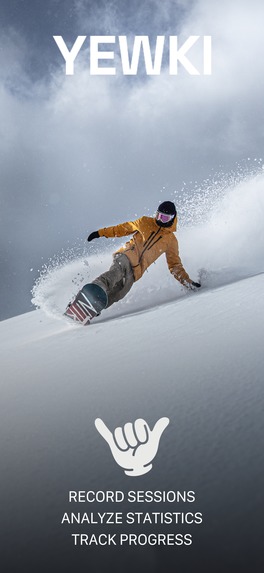
Cover photo
-
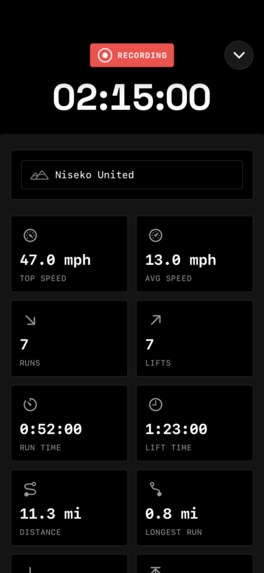
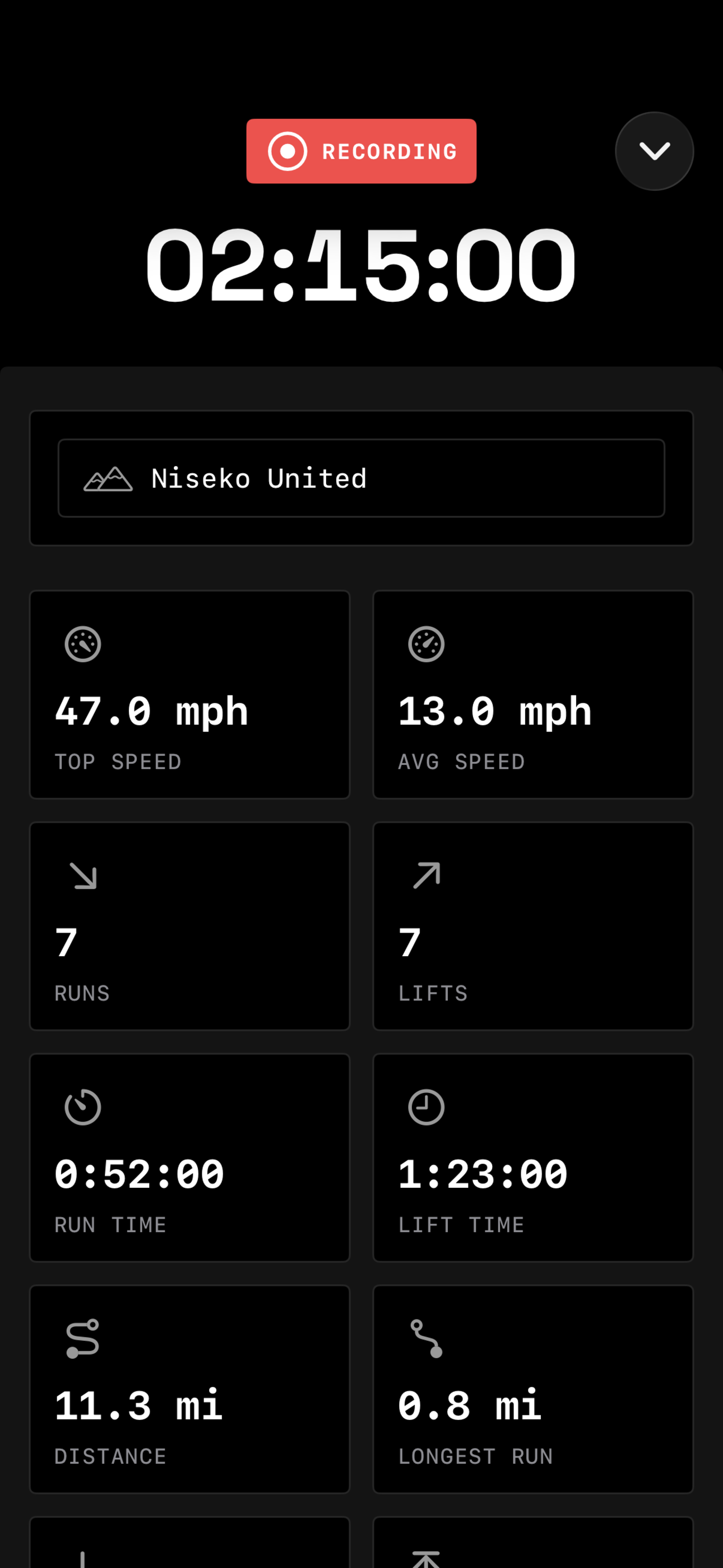
LIve tracking of statistics
-
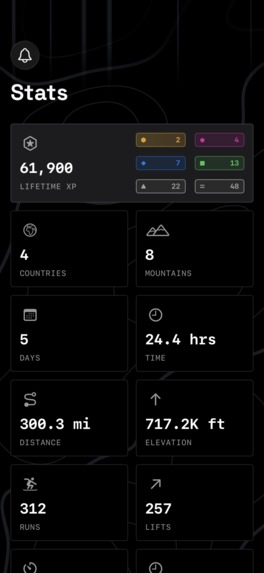
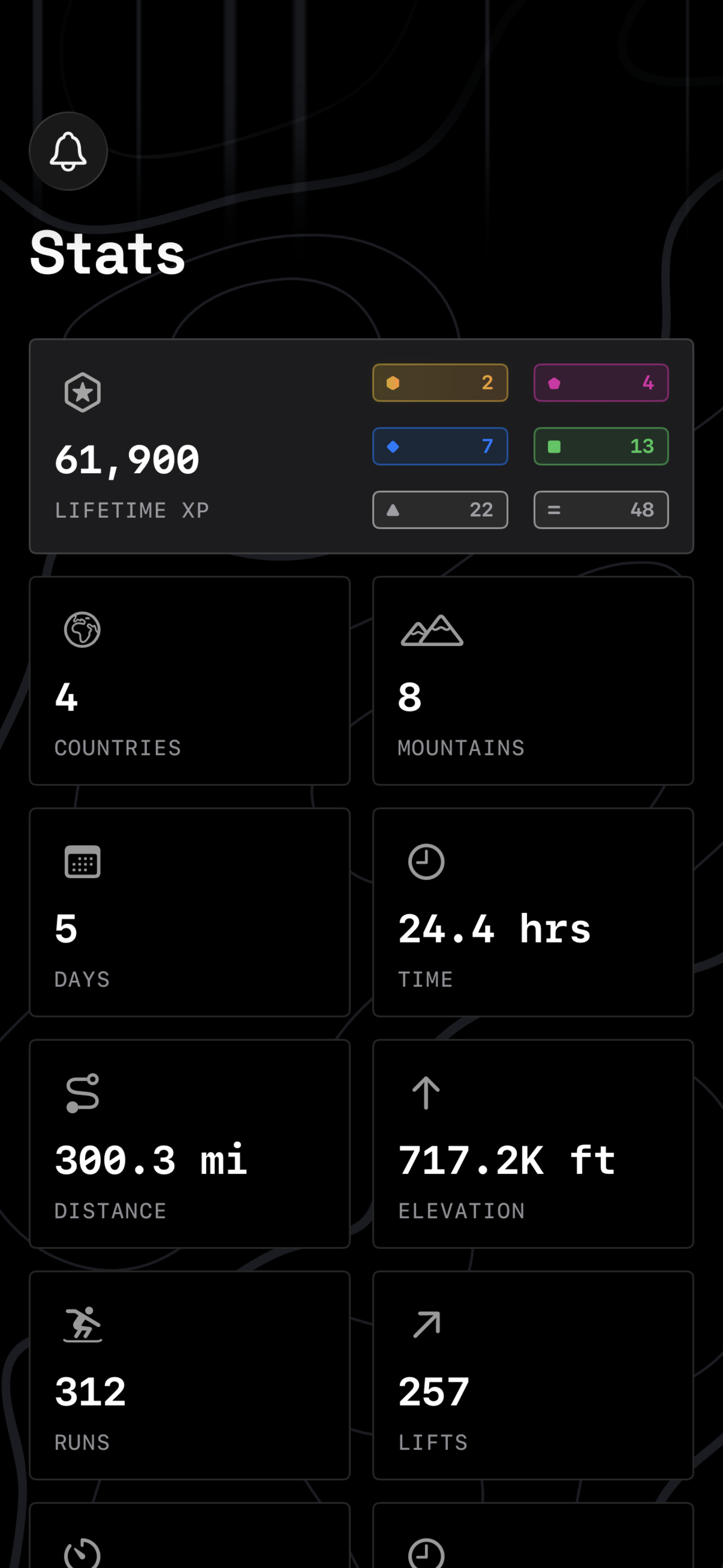
Lifetime statistics of every recorded run
-
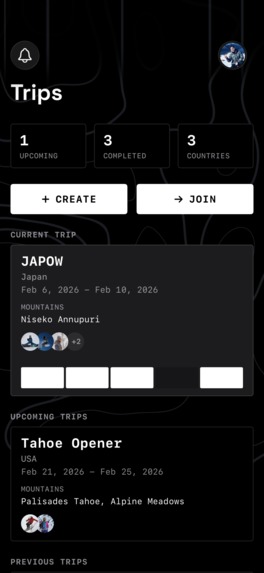
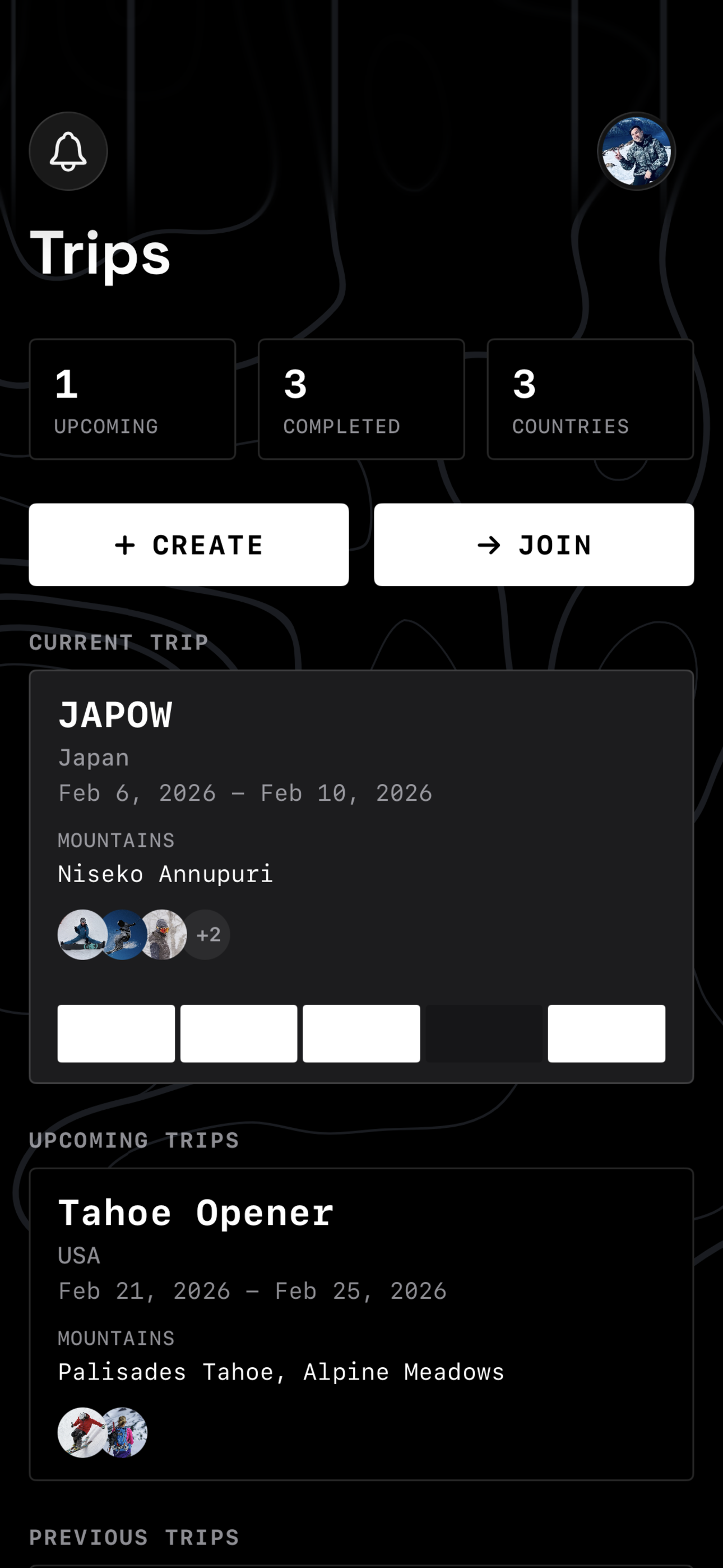
Create or join trips with friends
-
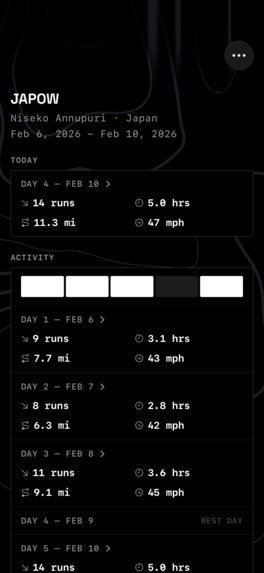
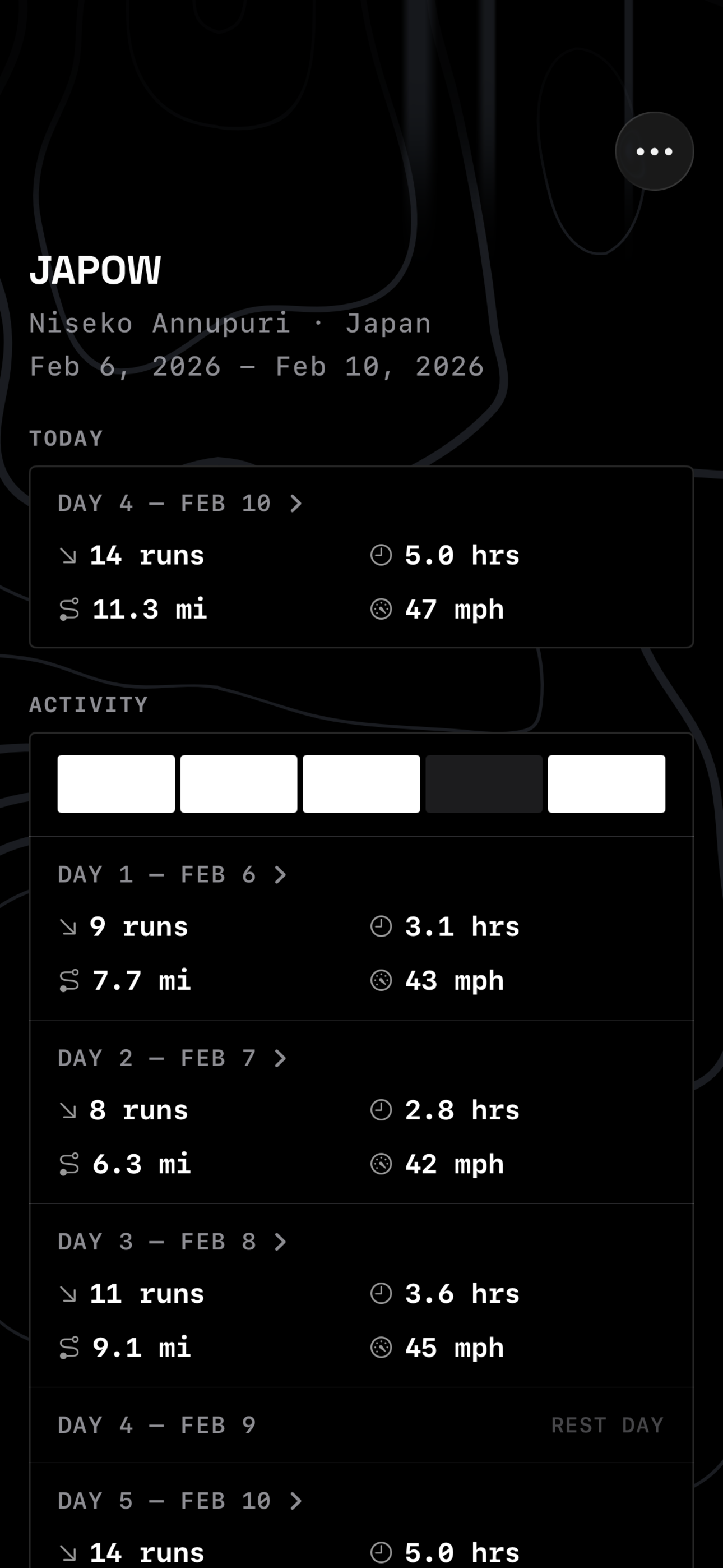
All your trip's stats in one place
-
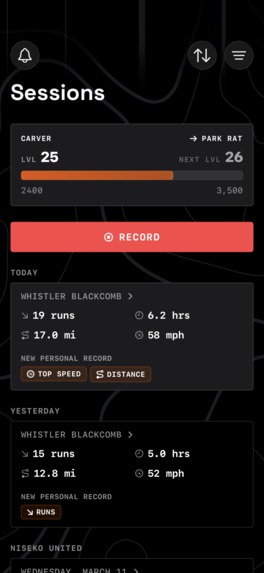
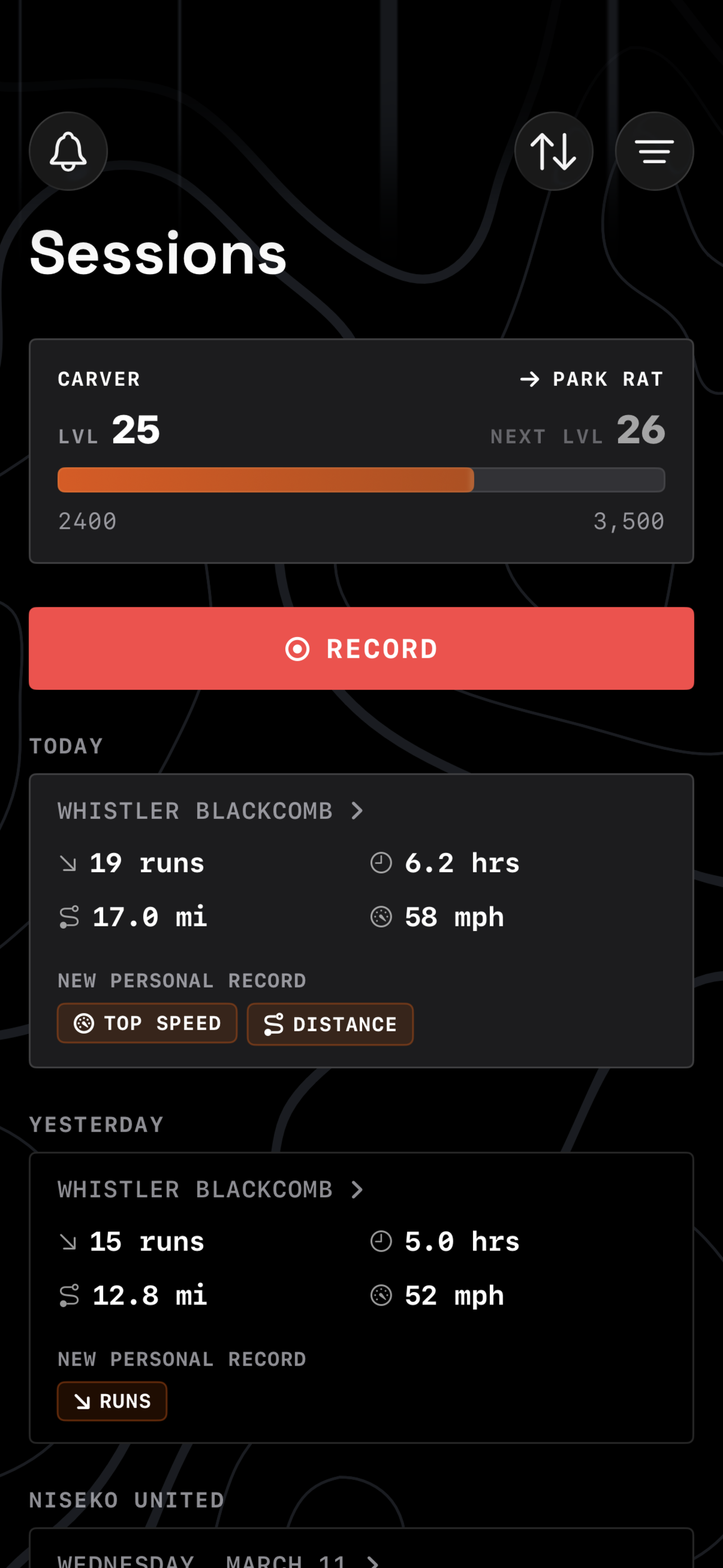
Keep track of all your recorded sessions
-
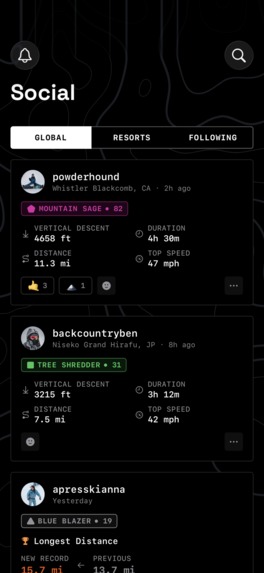
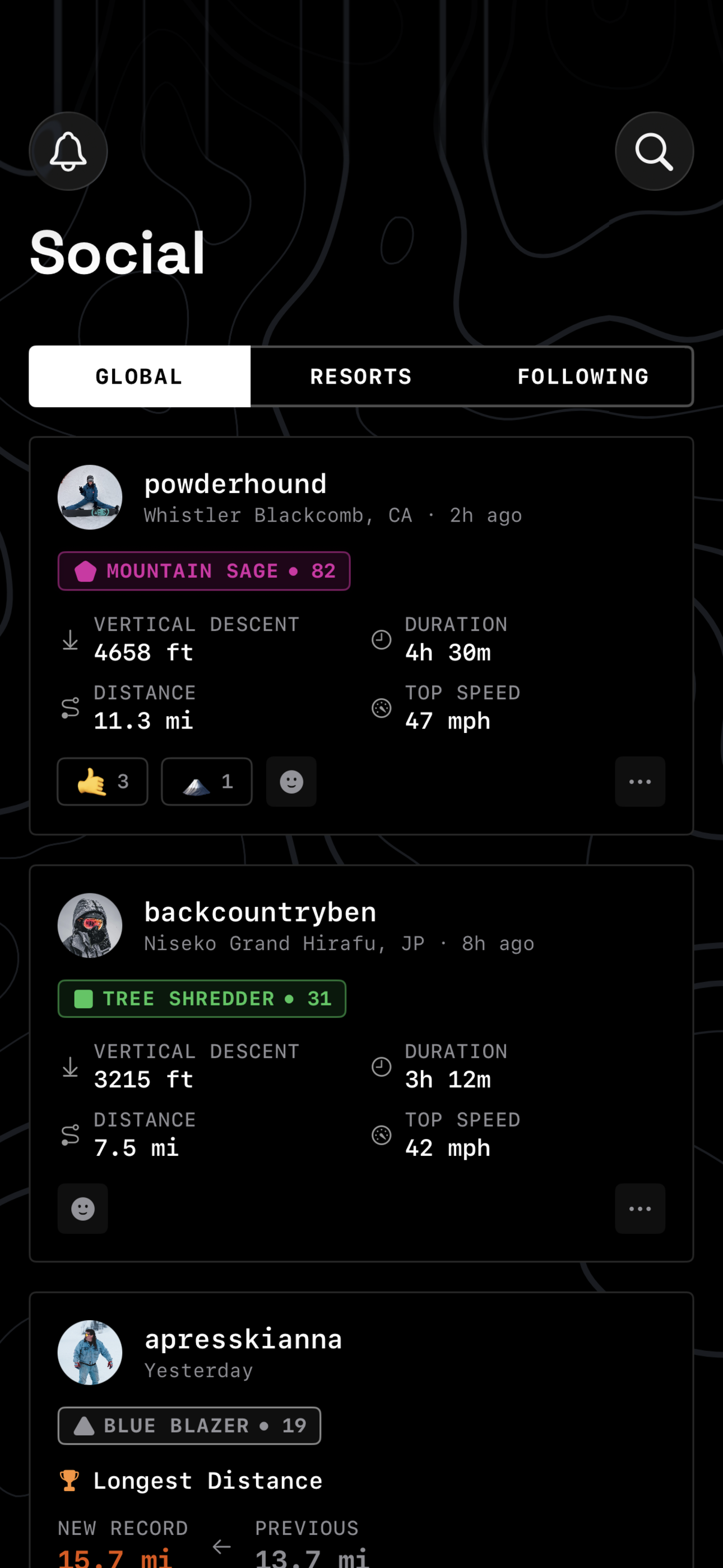
See where the world is shredding

Inspiration
I built Yewki because I love the mountain and all I really want to do is ride. Track my stats, chase a bit more vertical than last time, and compete with my mates — and honestly with total strangers too. That was it. The apps out there didn't cover it: resort apps are just digital trail maps, and the fitness apps that track properly don't actually care about snow. So I made the one I wanted.
What it does
Yewki tracks your day riding without you having to think about it. It logs every run straight off your iPhone or Apple Watch — vertical, speed, distance, and your actual line down the hill — then draws it on a real terrain map so you can see exactly where you went.
Then it turns those stats into a competition. Leaderboards put you up against your mates and against strangers, so there's always someone to chase.
On top of that you can see where your friends are on the mountain in real time, rally the crew when you want to ride together, and get pinged when it's dumping at a resort you care about. There's an emergency beacon too, for when things go sideways.
How we built it
The iOS app is SwiftUI, using HealthKit to capture the workout off the watch or phone and CoreLocation for the route. That route gets stored as GeoJSON and drawn on a Mapbox map with the outdoors style so you get real terrain contours.
The backend is all Supabase — Postgres with PostGIS for the route geometry and anything spatial, Realtime for the live friend locations, and Edge Functions for the stuff I didn't want to trust the client with, like leaderboard scoring and the ski-day pass. Powder alerts run off an Open-Meteo pipeline that only bothers checking resorts people actually have trips planned to.
RevenueCat handles the Pro subscription, PostHog covers analytics, and Sentry catches crashes. There's an Android port underway in Kotlin and Compose, which I'm porting semi-automatically using AI agents driven off a shared design-token layer so it doesn't drift from the iOS version.
Challenges we ran into
The biggest one was almost funny: I built a snow app in the off-season, which meant I had no snow. You can only fake so much on a GPS trace at your desk — at some point you need to actually be on a mountain, moving, to know if any of it works. So I ended up flying to New Zealand to field test it for real.
The tracking itself was harder than expected. Getting clean GPS off the mountain and turning a raw stream of coordinates into something meaningful — this is a run, this is a lift, this is where you stopped for lunch — took a lot of work. Separating runs from lifts especially, when all the phone gives you is points and speed, was fiddly to get right.
And just getting all the data I needed in the first place was a challenge. Between HealthKit, GPS, and the route geometry, wrangling every signal into one clean picture of a day on the hill was more plumbing than I expected going in.
Accomplishments that we're proud of
I've been building apps for other people for 16 years and never had the time to build one for myself. So honestly, the thing I'm most proud of is just that it exists. Commercial success or not, I finally made something that's mine — something I actually wanted — and I get to put it in my friends' hands and share it with people all over the world.
That, and the small stuff that still makes me grin: seeing your real line drawn down the mountain on proper terrain, watching your mates move across the map in real time. After 16 years of shipping other people's ideas, this one's mine.
What we learned
The big lesson was that building in a silo and only field testing late was a mistake. An app like this has so many moving parts — GPS, tracking, live location, the map, the data pipeline — and when you finally get it on a real mountain, all the things that can go wrong do go wrong, at once. I'd spend the whole day riding and testing, then be up late fixing bugs and pushing new beta builds so the next day on the hill would actually work. I learned the hard way that with something this dependent on the real world, you have to get it into the real conditions as early as you possibly can.
What's next for YEWKI
First up is going properly cross-platform. The Android port is already underway, and alongside it I want wearable apps on both sides — Apple Watch and Wear OS — so the tracking lives right there on your wrist no matter what you ride with.
Then it's about getting Yewki in front of people. A proper marketing push to grow the community, because the competitive and social side only gets better the more riders are on it — more mates to chase, more strangers on the leaderboard, more of the mountain covered.
And there's a V1.1 lineup of features I'm keen to build once the foundations are solid — deepening the parts of the app people actually use most.

Log in or sign up for Devpost to join the conversation.