-
-
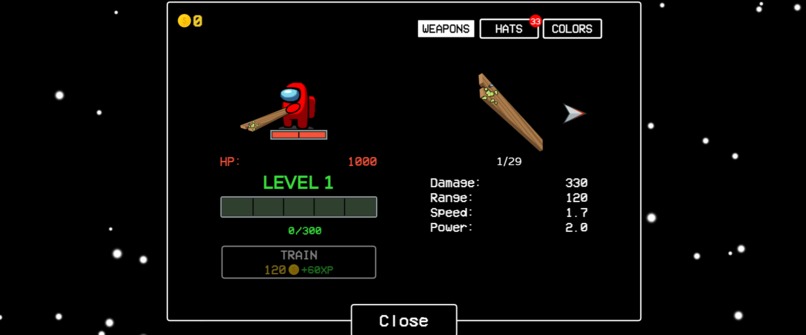
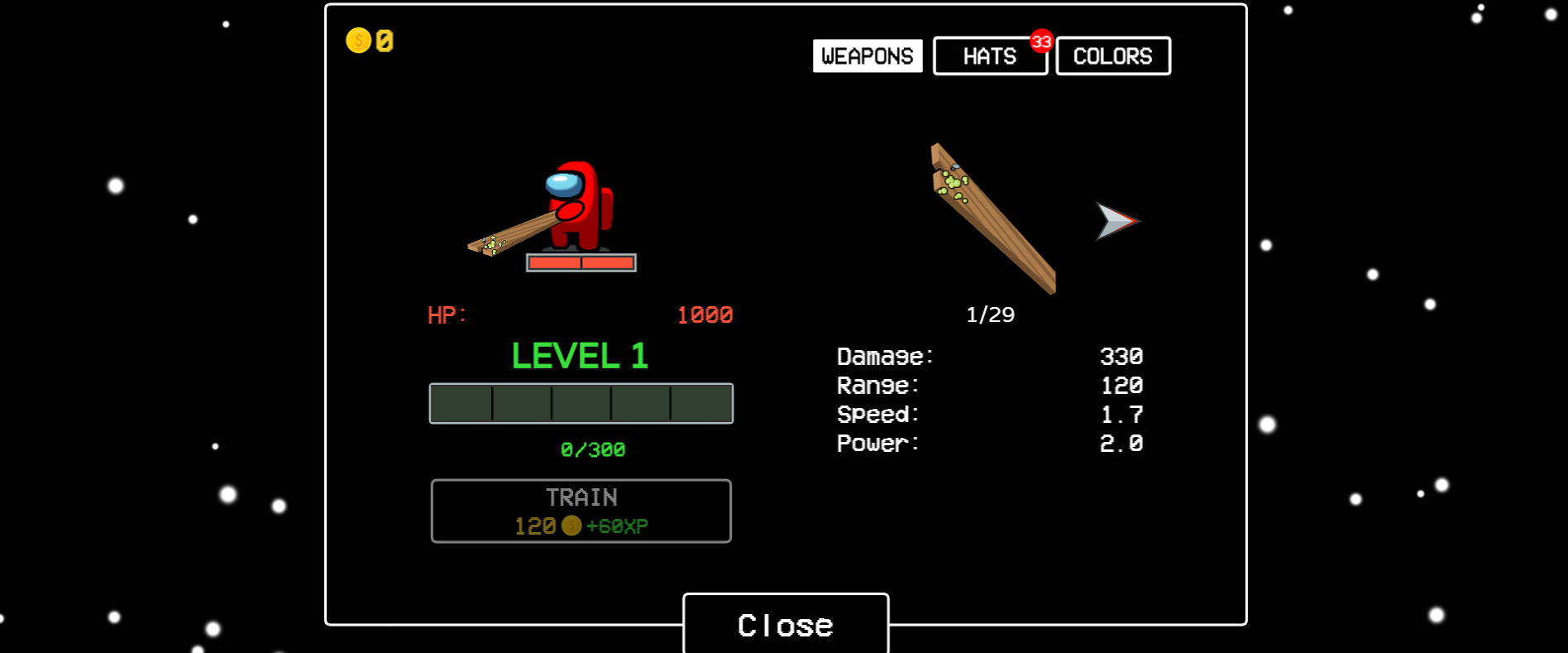
Shop
-
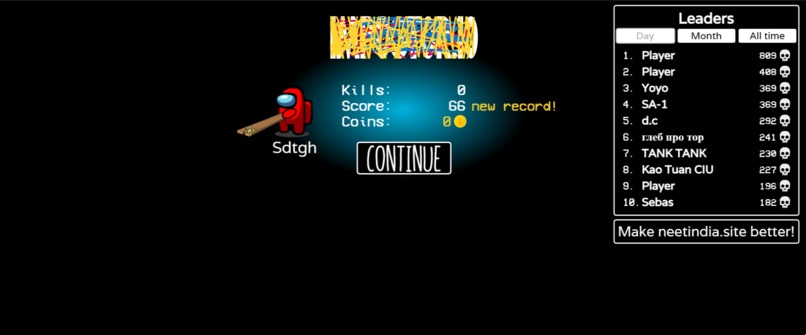
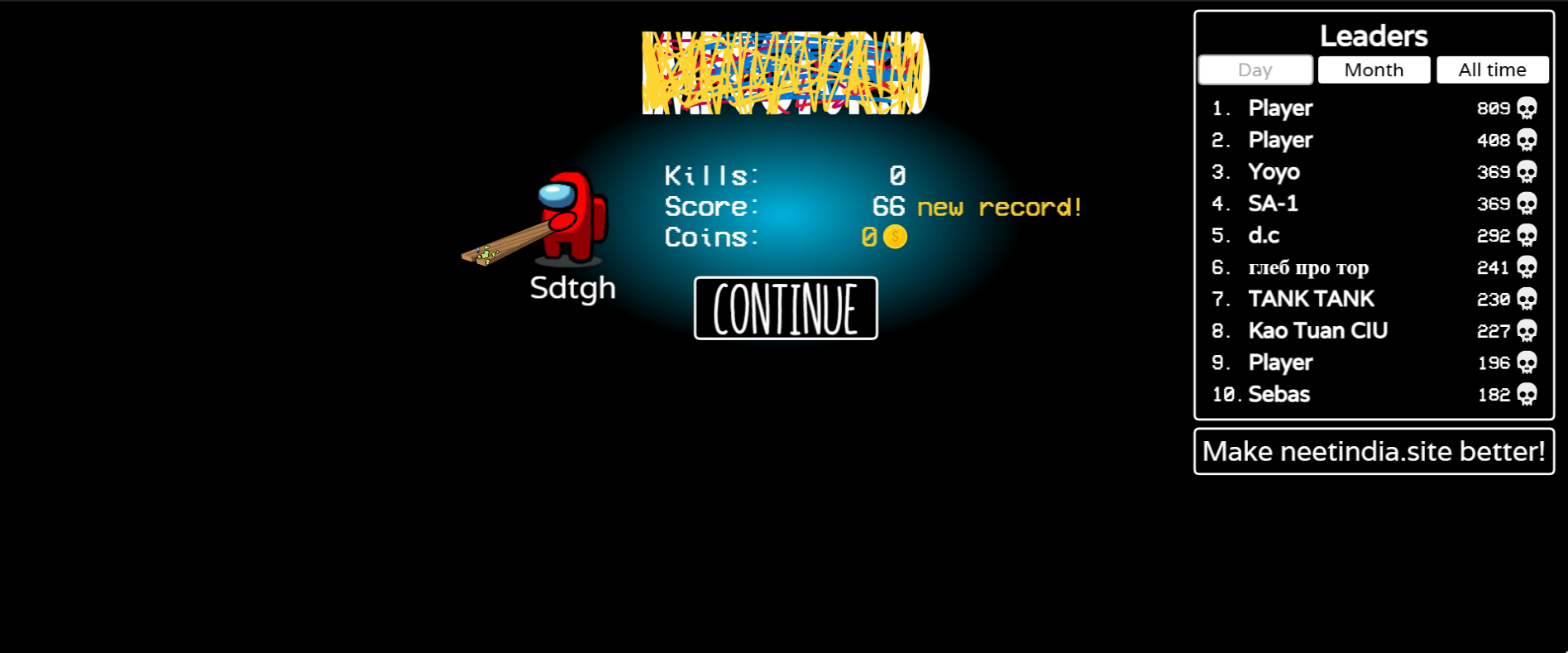
After-Death
-
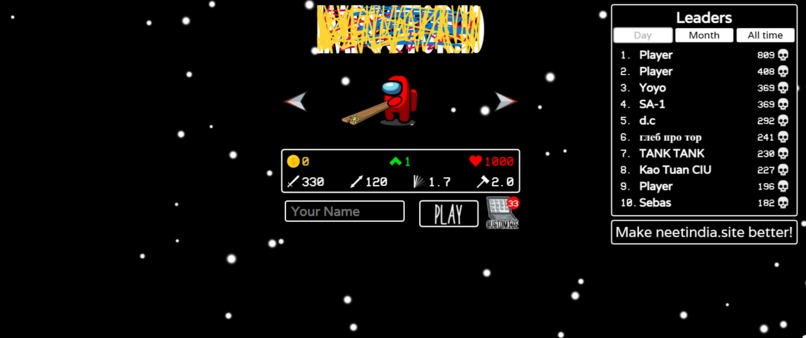
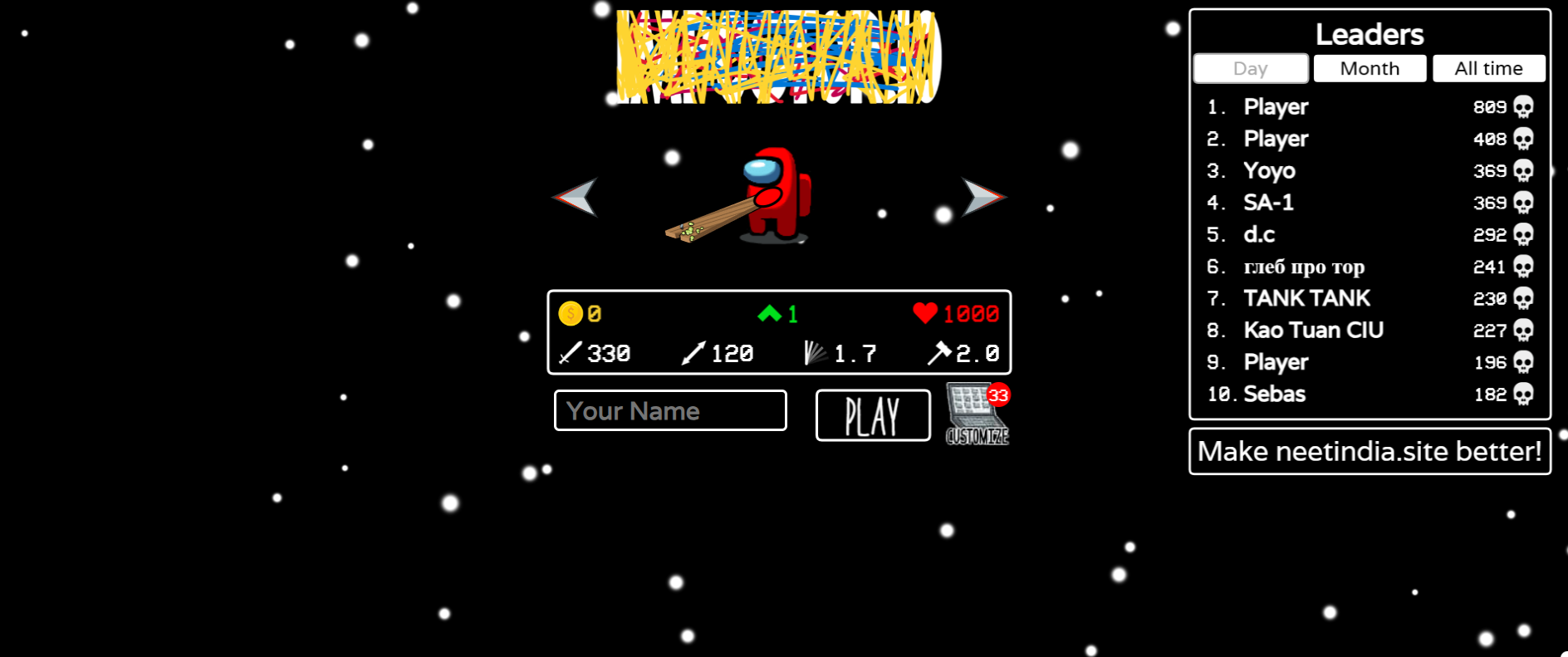
HomePage
-
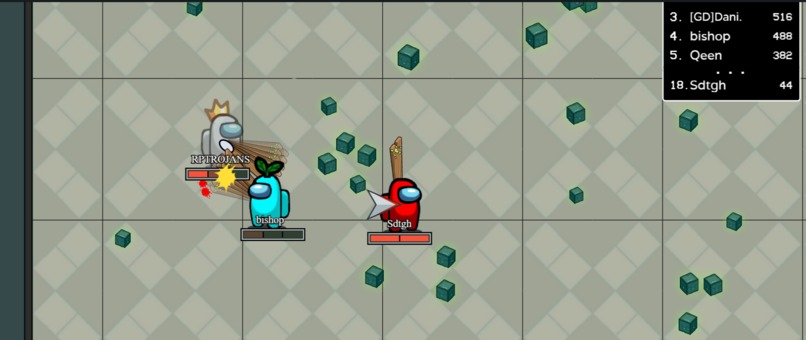
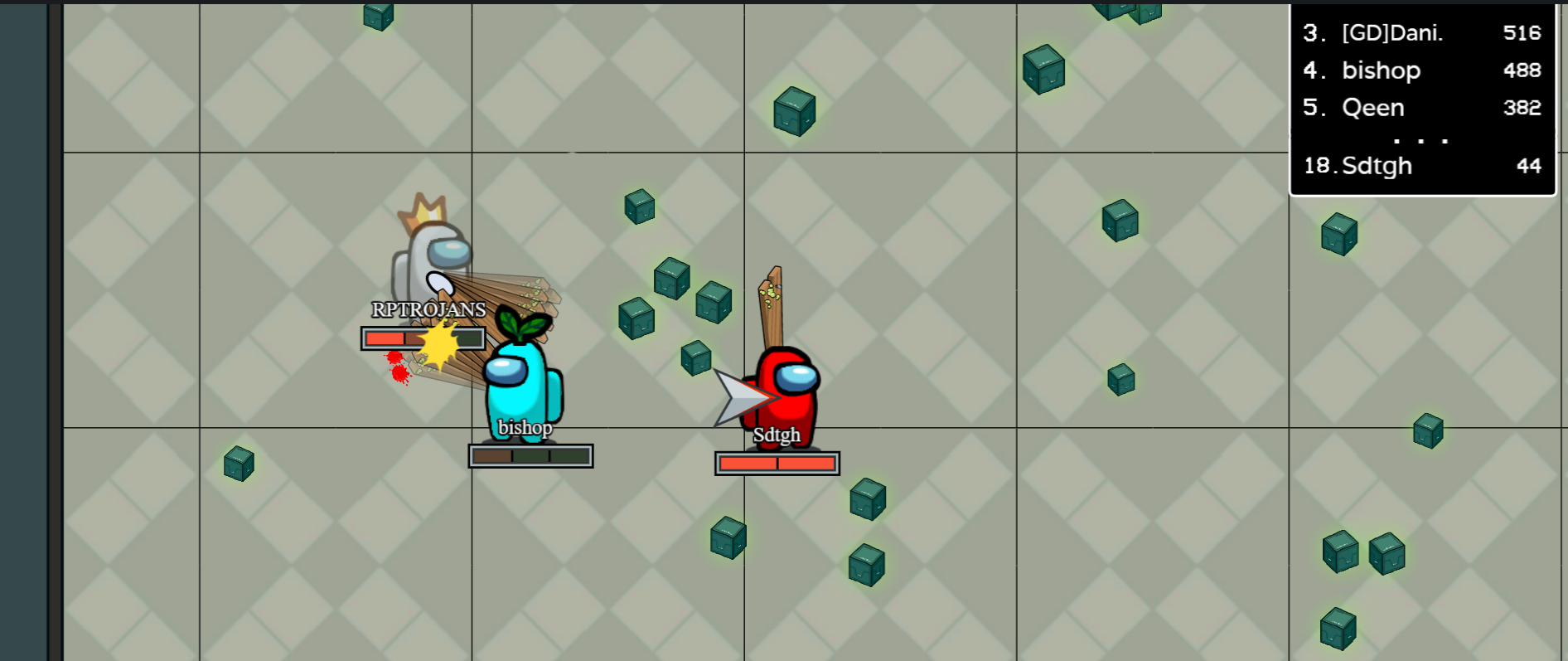
Arena
Inspiration
We were inspired by the social deception mechanics of Among Us and the fast-paced action of battle royale games, but with a twist—we wanted to create an accessible single-player experience that captures the chaos and excitement of multiplayer battles without requiring other players to be online. The idea was to make a game where you could jump in anytime and experience the thrill of competitive combat against intelligent AI opponents, all while progressing through a rewarding upgrade system with coins and cosmetics.
What it does
Yellow Imposter is a single-player battle arena game where you fight against intelligent AI bots to be the last one standing. Players enter with a custom username and spawn into a dynamic arena armed with a bat. The game balances two core strategies: collecting orbs scattered across the map to increase health and level up your weapons, or hunting down AI opponents for coins. The AI bots use hardcoded intelligent behaviors—they actively collect orbs, pursue nearby players, dodge attacks, and fight strategically, making each match feel dynamic and competitive. The coin economy drives progression: defeated opponents drop coins that can be spent on cosmetic outfits, letting you showcase your battle prowess. As you level up by collecting orbs, your weapon becomes more powerful, creating escalating intensity as the match progresses.
How we built it
We built Yellow Imposter using a web-based game stack focused on smooth single-player performance. The game runs on HTML5 Canvas for rendering, with JavaScript handling all game logic, physics, and AI behavior. We implemented an intelligent bot system with hardcoded behaviors including pathfinding to orbs, player detection and pursuit, combat decision-making, and evasion tactics. Each bot has its own state machine that decides whether to collect orbs, attack players, or retreat based on health and proximity. The orb collection and leveling system uses a progression algorithm that balances health scaling with weapon damage upgrades. We designed a persistent coin economy using browser storage to track earnings and purchases across sessions. The cosmetic shop interface was built with responsive UI components, and we optimized the collision detection system for bat combat and orb collection to handle multiple entities simultaneously without performance drops.
Challenges we ran into
Creating convincing AI behavior was our biggest challenge—we needed bots that felt competitive and intelligent without being impossibly difficult or obviously robotic. We iterated extensively on their decision-making logic, balancing when they should prioritize orbs versus combat. Pathfinding algorithms for bots to navigate toward orbs and players required careful optimization to avoid performance issues with multiple bots calculating paths simultaneously. Balancing gameplay proved complex; we had to tune bot aggression levels, orb spawn rates, weapon damage scaling, and coin rewards so players felt challenged but not overwhelmed. Making bot combat feel natural required adding variation to their attack timing and movement patterns—perfectly timed bot attacks felt unfair, but too predictable made them pushovers. We also struggled with preventing gameplay exploits where players could find safe spots or cheese strategies to farm coins, requiring multiple rounds of map and AI behavior adjustments.
Accomplishments that we're proud of
We're incredibly proud of creating AI opponents that feel genuinely competitive—playtesters consistently mentioned they felt like they were playing against real people. The bot intelligence system with multiple behavioral states (aggressive, defensive, orb-hunting) creates dynamic matches where no two games feel the same. We achieved a complete and polished game loop from username selection through combat, death, respawn, and customization that keeps players engaged for multiple rounds. The progression system feels genuinely rewarding—the combination of leveling up during matches and unlocking cosmetics with coins provides both short-term and long-term satisfaction. The visual polish with character customization, smooth animations, and responsive combat exceeded our initial hackathon goals. Most importantly, we built something that's actually fun to play solo—our game proves you don't need real multiplayer to create an engaging competitive experience!
What we learned
This project taught us the complexities of game AI programming and how to create bots that feel human-like rather than mechanical. We learned that good AI isn't about perfect play—it's about creating believable imperfection with varied behaviors and occasional "mistakes" that make bots feel alive. Game balance emerged as much more nuanced than anticipated; small changes to bot aggression or damage values dramatically affected whether the game felt fair or frustrating. We gained deep experience with JavaScript game loops and learned critical optimization techniques for canvas rendering and collision detection to maintain 60fps with multiple entities. State management for bots, players, orbs, and UI components taught us valuable lessons about code organization in game development. We discovered the importance of persistence systems for player progression and how localStorage can create compelling long-term engagement. Perhaps most importantly, we learned that single-player games with intelligent AI can be just as engaging as multiplayer experiences, opening up new possibilities for accessible game design.
What's next for Yellow Imposter
We have exciting plans to evolve Yellow Imposter into a richer experience. Advanced AI personalities—aggressive rushers, defensive orb hoarders, opportunistic hunters—would make each bot feel unique and require different counter-strategies. We want to implement multiple arena maps with different layouts, obstacles, and strategic chokepoints to keep gameplay fresh. New weapon types beyond bats—swords with longer range, hammers with area damage, quick daggers—would add strategic depth to combat. An expanded cosmetic system with weapon skins, particle effects, and victory emotes would give players more to work toward. Boss battles against ultra-powerful AI opponents could provide special challenge modes with unique rewards. We're planning a difficulty system where players can adjust bot intelligence levels for casual or hardcore experiences. Achievement systems and daily challenges would add more progression layers. We'd also like to add more sophisticated bot behaviors using basic machine learning to adapt to player strategies over time. Mobile support is a priority to reach casual gamers. Finally, we're considering optional real multiplayer as a future feature—keeping the bots as a foundation while adding the option to play with friends when available!

Log in or sign up for Devpost to join the conversation.