Inspiration
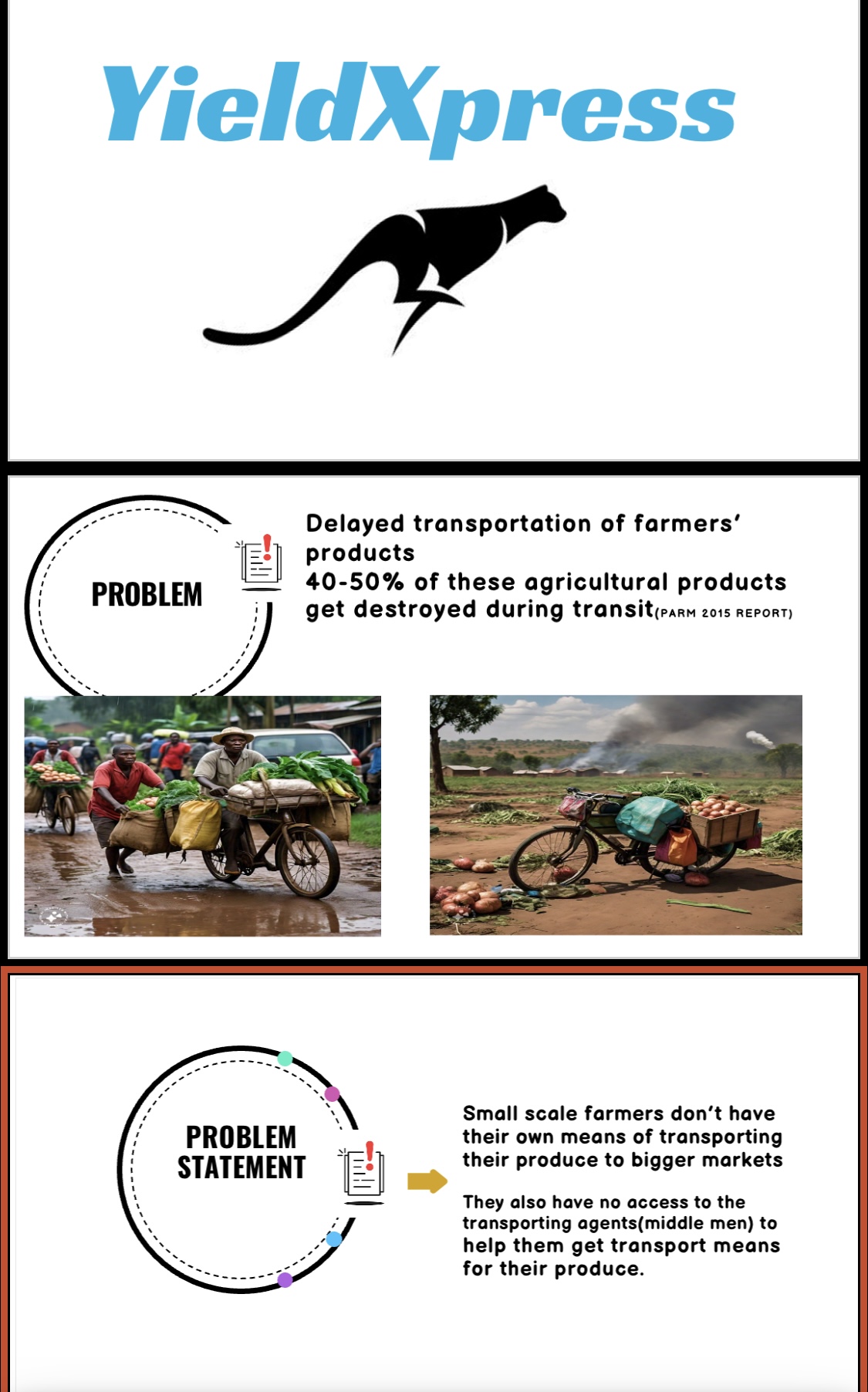
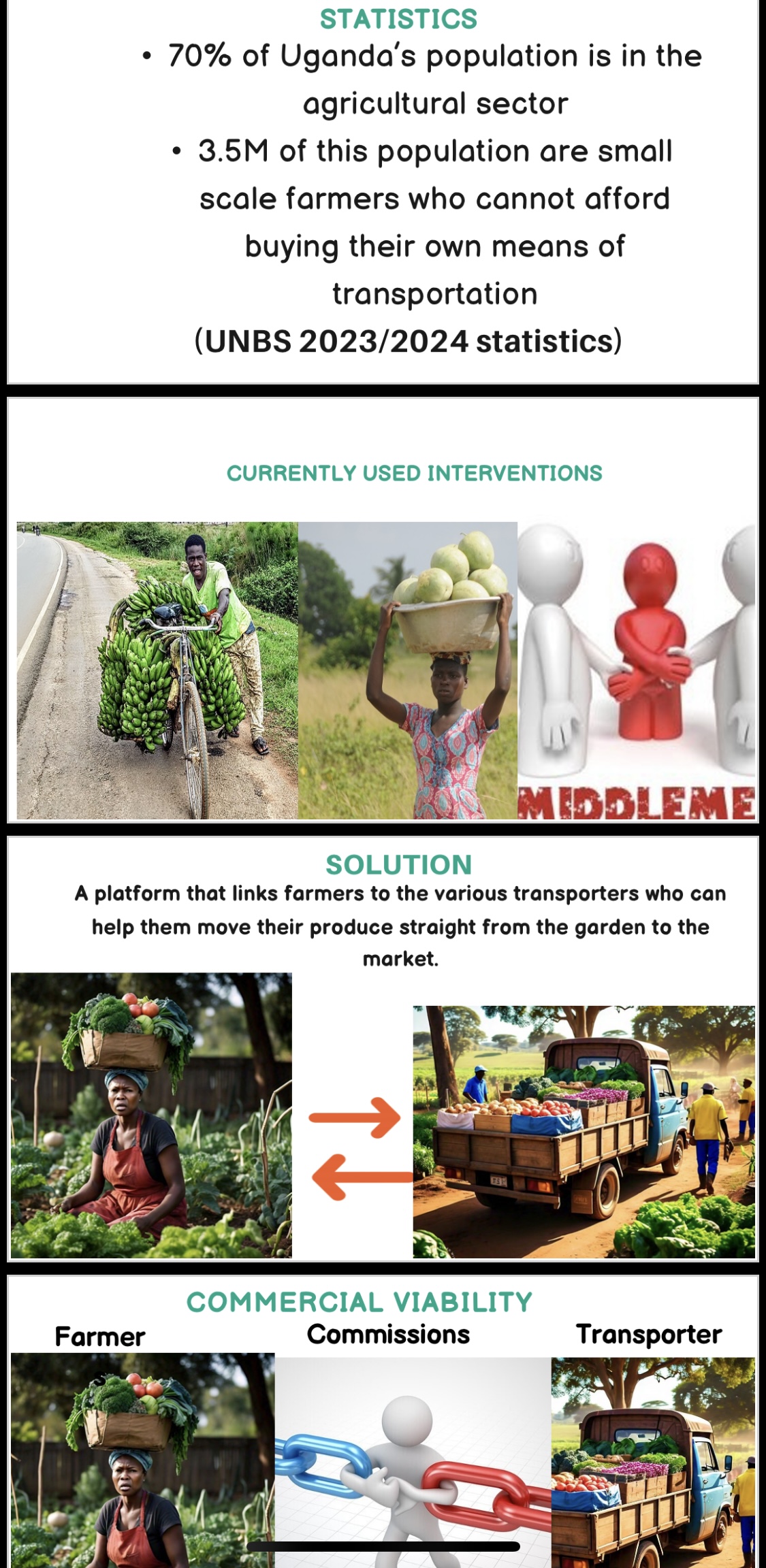
The solution was inspired by the need to address the logistical challenges that farmers face in getting their produce to market. Many farmers struggle with finding reliable and cost-effective transportation, which can lead to delays, increased costs, and even spoilage of perishable goods. By creating a platform that connects farmers with transporters, the aim is to streamline the supply chain, reduce waste, and ensure that fresh produce reaches markets more efficiently. This not only benefits the farmers by providing them with better market access and potentially higher profits but also helps consumers by ensuring a steady supply of fresh produce.
What it does
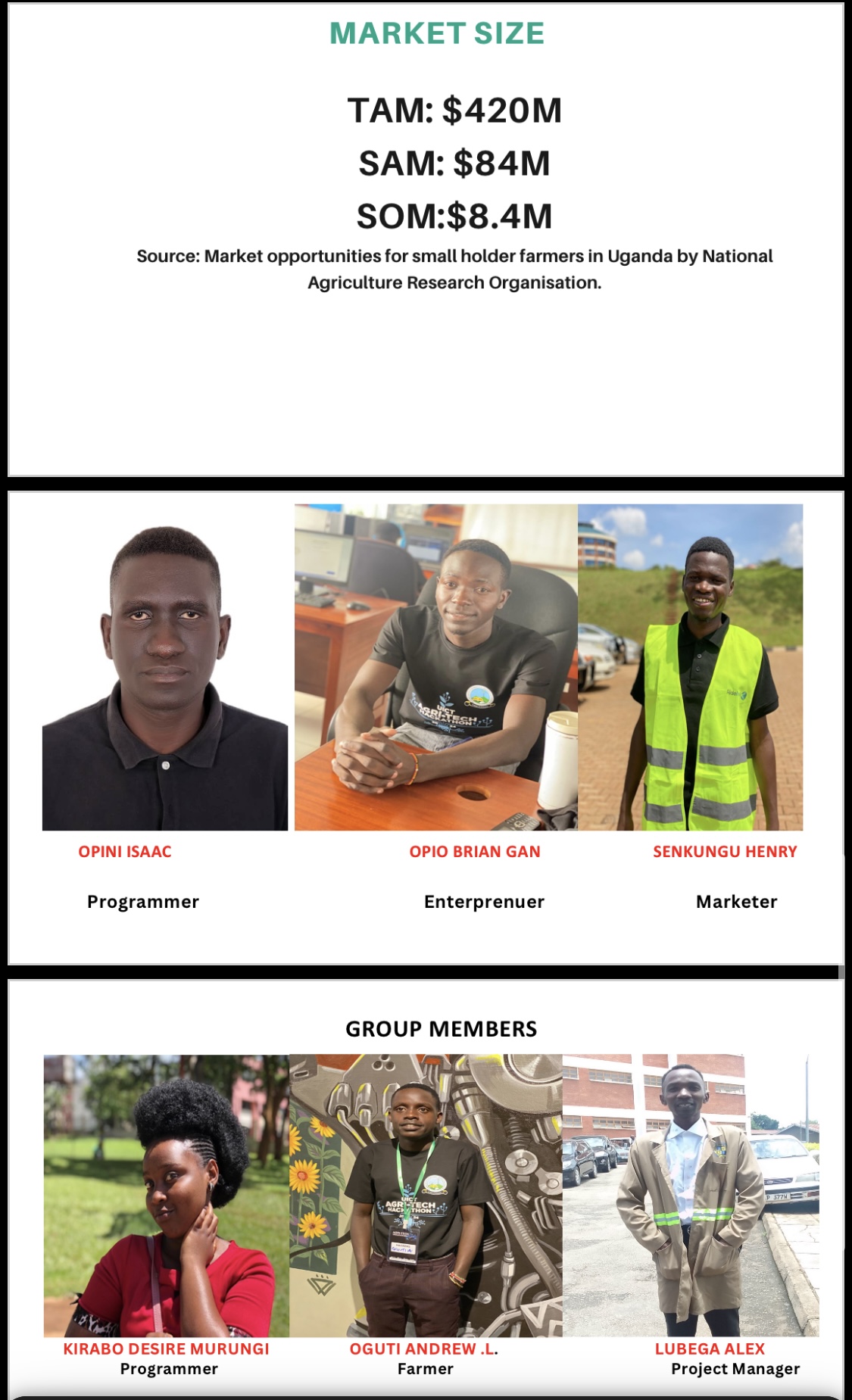
The platform provides a service that connects farmers with transporters who can help move their produce directly from the farm to the market. This solution aims to simplify and optimize the logistics of transporting agricultural goods, ensuring that farmers can efficiently and reliably get their produce to market. The platform likely includes features such as:
- Transporter Matching: Identifies and links farmers with available and suitable transporters based on location, type of produce, and transportation needs.
- Scheduling and Booking: Allows farmers to schedule and book transport services in advance, ensuring timely pickup and delivery.
- Tracking and Monitoring: Provides real-time tracking of shipments, giving farmers and buyers visibility into the status and location of their produce.
- Payment Processing: Facilitates secure and streamlined payment transactions between farmers and transporters.
- Feedback and Ratings: Enables users to rate and review transporters, helping to maintain quality and reliability in the service.
Overall, the platform aims to enhance the efficiency, reduce costs, and improve the overall logistics experience for farmers and transporters alike.
How we built it
Building the platform involved several key steps, which can be outlined as follows:
Market Research and Analysis:
- Conducted surveys and interviews with farmers and transporters to understand their needs and challenges.
- Analyzed existing logistics solutions to identify gaps and opportunities.
Platform Design and Development:
- Architecture Planning: Designed the system architecture to ensure scalability, reliability, and security.
- Frontend Development: Created a user-friendly interface for farmers and transporters to interact with the platform, using technologies like HTML, CSS, and JavaScript frameworks (e.g., React or Angular).
- Backend Development: Built the server-side logic to handle user authentication, data storage, and business logic using languages like Python (with Django or Flask) or Node.js.
- Database Management: Implemented a robust database (e.g., PostgreSQL or MongoDB) to store user data, transportation schedules, and transaction records.
Integration of Core Features:
- Matching Algorithm: Developed algorithms to match farmers with suitable transporters based on various criteria such as location, produce type, and availability.
- Scheduling and Booking System: Created features for scheduling pickups and deliveries, including calendar integration and notifications.
- Real-time Tracking: Integrated GPS tracking to provide real-time updates on the location and status of shipments.
- Payment Gateway: Implemented a secure payment system to facilitate transactions between farmers and transporters.
Testing and Quality Assurance:
- Conducted thorough testing, including unit tests, integration tests, and user acceptance tests, to ensure the platform is reliable and bug-free.
- Gathered feedback from a beta testing group of farmers and transporters to make necessary improvements.
Deployment and Launch:
- Deployed the platform on a cloud service (e.g., AWS, Google Cloud, or Azure) for high availability and scalability.
- Launched the platform with a marketing campaign targeting farmers and transporters to onboard initial users.
Ongoing Maintenance and Improvement:
- Established a support team to assist users and address any issues.
- Continuously monitored the platform’s performance and user feedback to make iterative improvements and add new features.
This comprehensive approach ensured the platform was built to effectively meet the needs of farmers and transporters, providing a reliable and efficient solution for moving produce from garden to market.
Challenges we ran into
Building the platform involved overcoming several key challenges:
User Adoption and Trust:
- Challenge: Convincing farmers and transporters to trust and adopt a new digital platform.
- Solution: Conducted extensive outreach and education campaigns, including demonstrations and training sessions, to show the benefits and ease of use.
Matching Algorithm Complexity:
- Challenge: Developing an effective algorithm to match farmers with the right transporters based on various factors like location, produce type, and timing.
- Solution: Iteratively improved the algorithm through testing and feedback, incorporating machine learning to enhance accuracy over time.
Connectivity and Access:
- Challenge: Ensuring the platform was accessible to farmers in remote areas with limited internet connectivity.
- Solution: Developed a lightweight mobile application that works offline and syncs data when connectivity is available, and provided SMS-based services for basic functionalities.
Real-time Tracking Integration:
- Challenge: Integrating reliable GPS tracking and ensuring real-time updates.
- Solution: Partnered with established GPS tracking providers and implemented robust APIs to ensure seamless data flow and real-time accuracy.
Data Security and Privacy:
- Challenge: Ensuring the security and privacy of user data.
- Solution: Implemented strong encryption, secure authentication methods, and regular security audits to protect sensitive information.
Scalability:
- Challenge: Designing the platform to handle increasing numbers of users and transactions as it grows.
- Solution: Used scalable cloud infrastructure and microservices architecture to ensure the platform can handle high traffic and data loads.
Payment Processing:
- Challenge: Setting up a secure and reliable payment gateway that supports various payment methods.
- Solution: Integrated with trusted payment processors and ensured compliance with financial regulations to facilitate smooth transactions.
Logistical Coordination:
- Challenge: Coordinating logistics between multiple stakeholders and ensuring timely deliveries.
- Solution: Developed robust scheduling, notification, and tracking systems to keep all parties informed and aligned.
By addressing these challenges with targeted solutions, the platform was able to successfully meet the needs of its users and provide a reliable service for moving produce from farms to markets.
Accomplishments that we're proud of
Building the platform led to several key accomplishments that we are proud of:
Successful User Adoption:
- Achieved a significant number of early adopters among both farmers and transporters, demonstrating trust and interest in the platform.
Efficient Matching Algorithm:
- Developed a highly accurate and efficient matching algorithm that significantly reduces the time and effort needed to find suitable transporters, improving overall logistics efficiency.
Enhanced Accessibility:
- Created a lightweight mobile application and SMS-based services that made the platform accessible to farmers in remote areas with limited internet connectivity.
Real-time Tracking Implementation:
- Successfully integrated real-time GPS tracking, providing users with up-to-date information on the location and status of their shipments, which enhanced transparency and trust.
Robust Data Security:
- Implemented strong data security measures, including encryption and secure authentication, ensuring the privacy and protection of user data.
Scalability:
- Designed the platform with a scalable cloud infrastructure and microservices architecture, allowing it to handle increased traffic and transactions seamlessly as user base grows.
Smooth Payment Processing:
- Integrated a reliable and secure payment gateway supporting various payment methods, facilitating easy and safe transactions between farmers and transporters.
Streamlined Logistical Coordination:
- Developed a comprehensive scheduling, notification, and tracking system that improved logistical coordination and ensured timely deliveries.
Positive Impact on Farmers:
- Enabled farmers to reduce transportation costs, decrease produce wastage, and increase market reach, leading to better financial outcomes and reduced food waste.
Feedback and Continuous Improvement:
- Established a robust feedback loop with users, allowing for continuous improvements and feature updates based on real user experiences and needs.
These accomplishments collectively demonstrate the platform's effectiveness in addressing the logistical challenges faced by farmers and transporters, resulting in a reliable and efficient service that benefits the entire supply chain.
What we learned
Throughout the process of building the platform, we gained several valuable insights and lessons:
Understanding User Needs:
- Importance of conducting thorough market research and directly engaging with users to truly understand their pain points and requirements.
Iterative Development:
- Value of iterative development and continuous feedback, which allowed us to refine features and improve the platform's usability and functionality.
Adaptability:
- Need to be flexible and adaptable in our approach, especially when dealing with diverse user groups with varying levels of technological proficiency.
Importance of Accessibility:
- Significance of creating solutions that are accessible even in areas with limited connectivity, ensuring inclusivity for all potential users.
Data Security:
- Criticality of implementing robust data security and privacy measures from the start to build user trust and protect sensitive information.
Building Trust:
- Realization that trust-building is a gradual process requiring consistent communication, transparency, and reliable service delivery.
Collaboration and Partnerships:
- Importance of forming strategic partnerships (e.g., with GPS tracking providers and payment processors) to enhance the platform's capabilities and reliability.
Scalability Considerations:
- Learning the importance of designing a scalable infrastructure from the outset to accommodate future growth and increased user demand.
User Education:
- Recognizing the need for ongoing user education and support to help users fully utilize the platform’s features and benefits.
Logistical Complexity:
- Gaining a deeper appreciation for the complexities involved in agricultural logistics and the need for comprehensive coordination and communication tools.
These lessons have not only contributed to the success of the platform but also equipped us with the knowledge and experience to tackle similar projects in the future, ensuring that we continue to develop innovative and user-centric solutions.
What's next for yeildExpress
Moving forward, the next steps for our project include:
Expanding User Base:
- Focus on onboarding more farmers and transporters through targeted marketing campaigns, partnerships with agricultural cooperatives, and participation in industry events.
Feature Enhancements:
- Continue to refine and add new features based on user feedback, such as advanced analytics for farmers, automated route optimization for transporters, and integration with e-commerce platforms.
Geographic Expansion:
- Plan to expand the platform's reach to new regions and countries, adapting the service to meet local needs and regulations.
Enhanced Data Analytics:
- Develop and implement advanced data analytics tools to provide users with insights into market trends, demand forecasting, and performance metrics.
Sustainability Initiatives:
- Integrate sustainability features, such as optimizing routes for fuel efficiency and providing users with information on reducing their environmental footprint.
Mobile App Development:
- Further enhance the mobile application with offline capabilities, multilingual support, and additional functionalities to improve user experience and accessibility.
Blockchain Integration:
- Explore integrating blockchain technology to enhance transparency and traceability in the supply chain, ensuring the integrity of data and transactions.
User Training and Support:
- Establish comprehensive training programs and support services, including video tutorials, webinars, and a dedicated customer support team, to assist users in maximizing the platform's potential.
Feedback Loop Enhancement:
- Strengthen the feedback loop with users to ensure continuous improvement and adaptability to evolving needs and challenges.
Regulatory Compliance:
- Ensure ongoing compliance with local and international regulations related to data security, financial transactions, and agricultural logistics.
Financial Services Integration:
- Explore partnerships with financial institutions to offer services such as microloans and insurance tailored to the needs of farmers and transporters.
Community Building:
- Foster a community around the platform by creating forums, organizing events, and facilitating knowledge sharing among users to promote collaboration and innovation.
By pursuing these initiatives, we aim to enhance the platform's value proposition, broaden its impact, and ensure its long-term sustainability and success.
Built With
- programmer



Log in or sign up for Devpost to join the conversation.