-
-
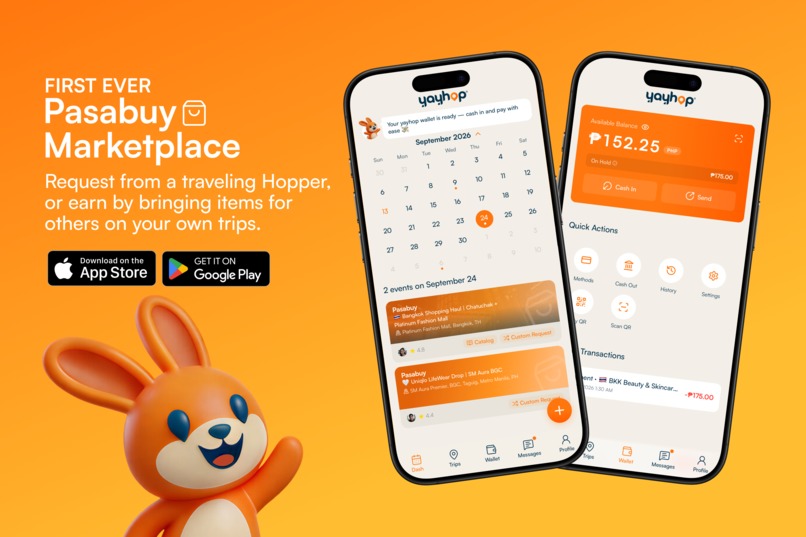
yayhop: the first marketplace built for pasabuy, the Filipino way of asking a traveler to bring something back for you.
-
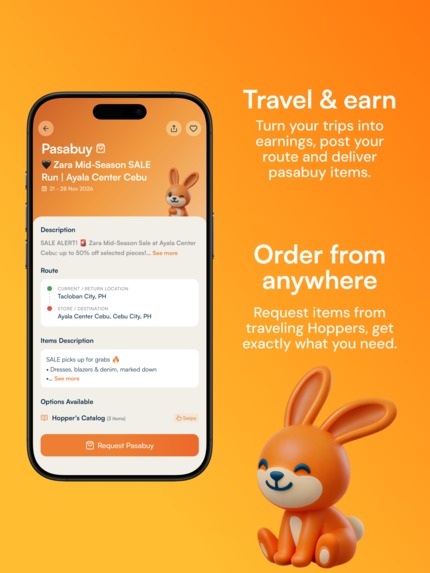
Travelers post the trips they're already taking and earn from them. Buyers order from Hoppers heading their way.
-
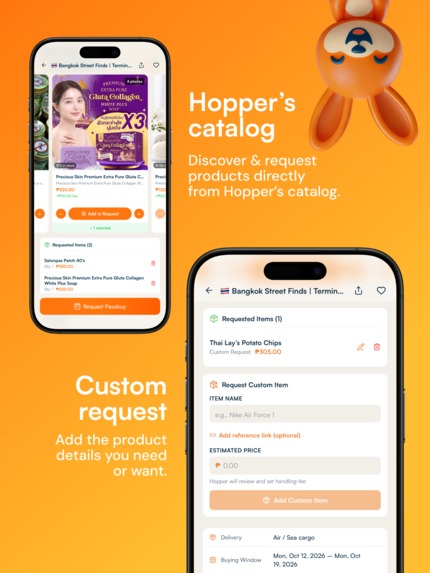
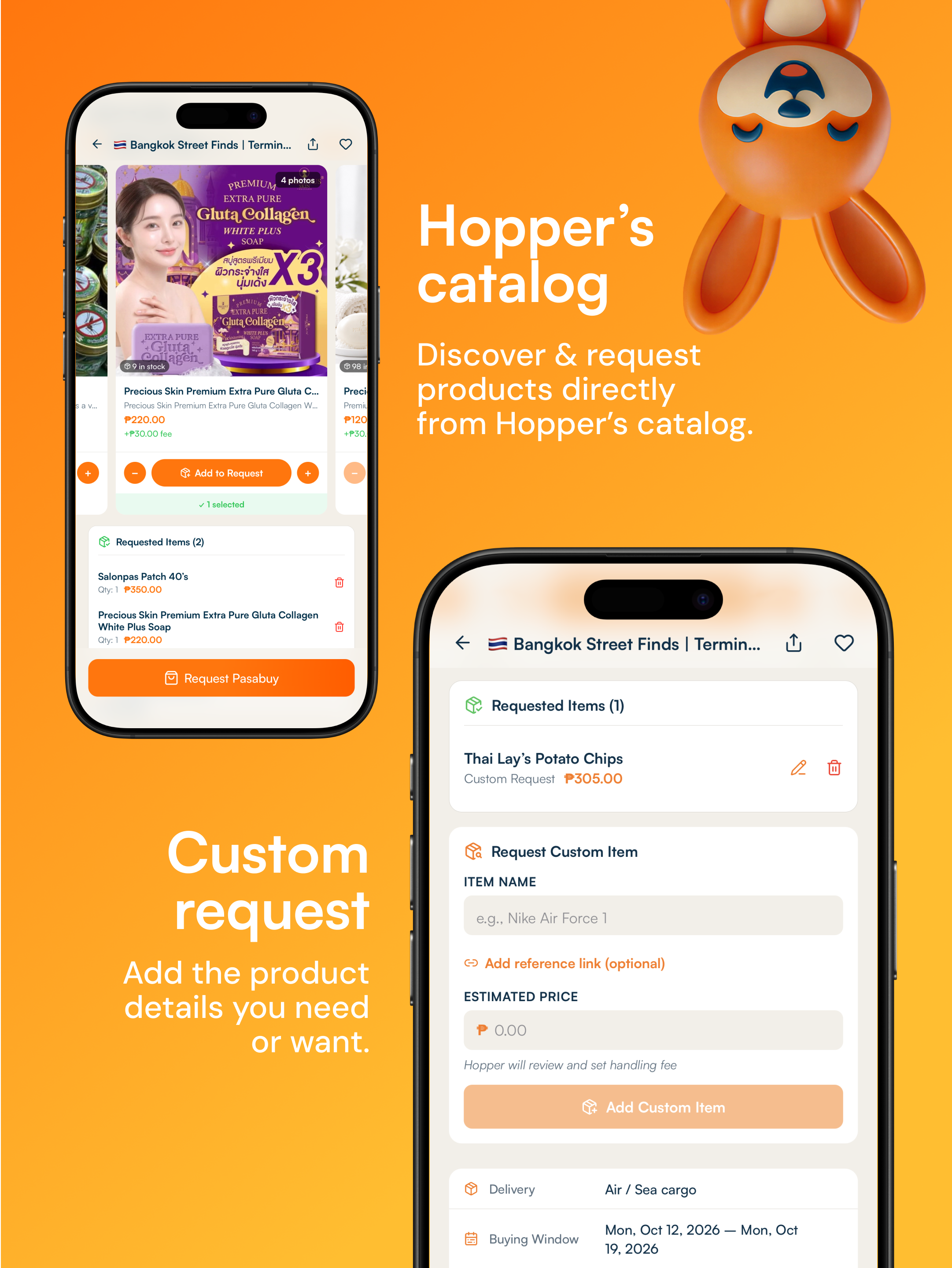
Order from a Hopper's catalog, or send a custom request for anything they can find on their trip.
-
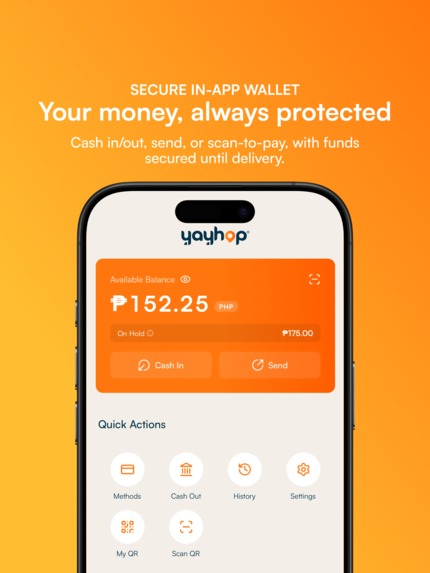
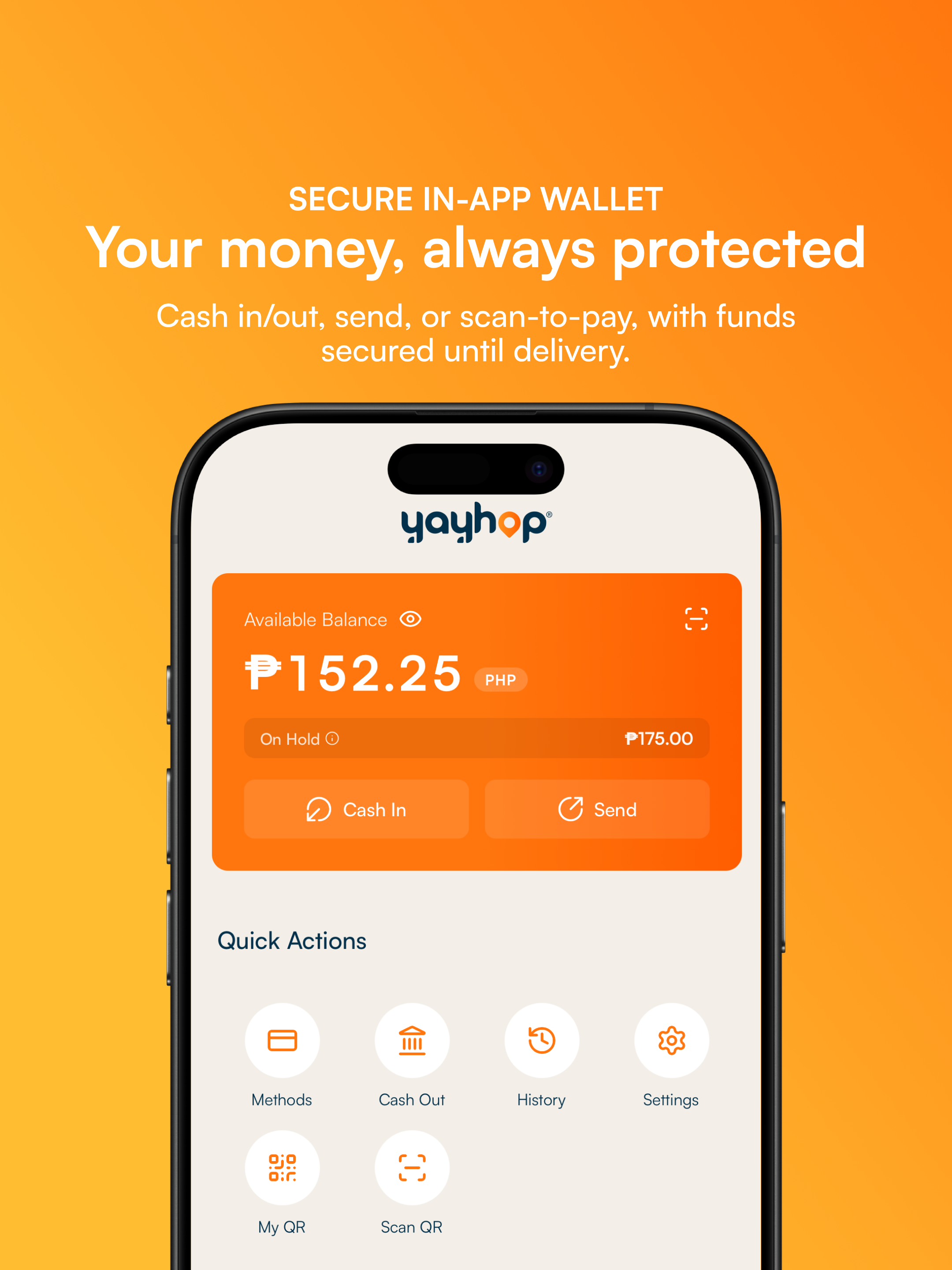
Your payment is held safely in your wallet and only released to the Hopper when you confirm delivery.
-
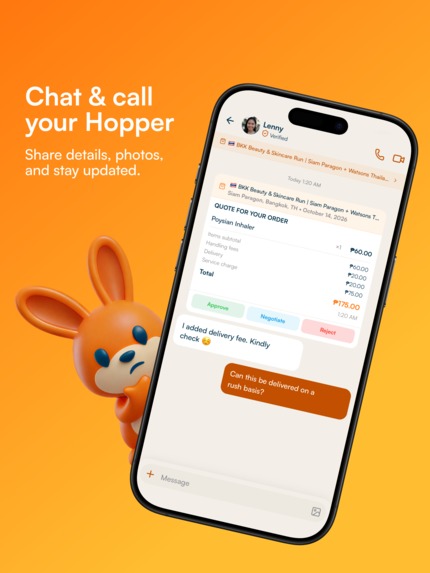
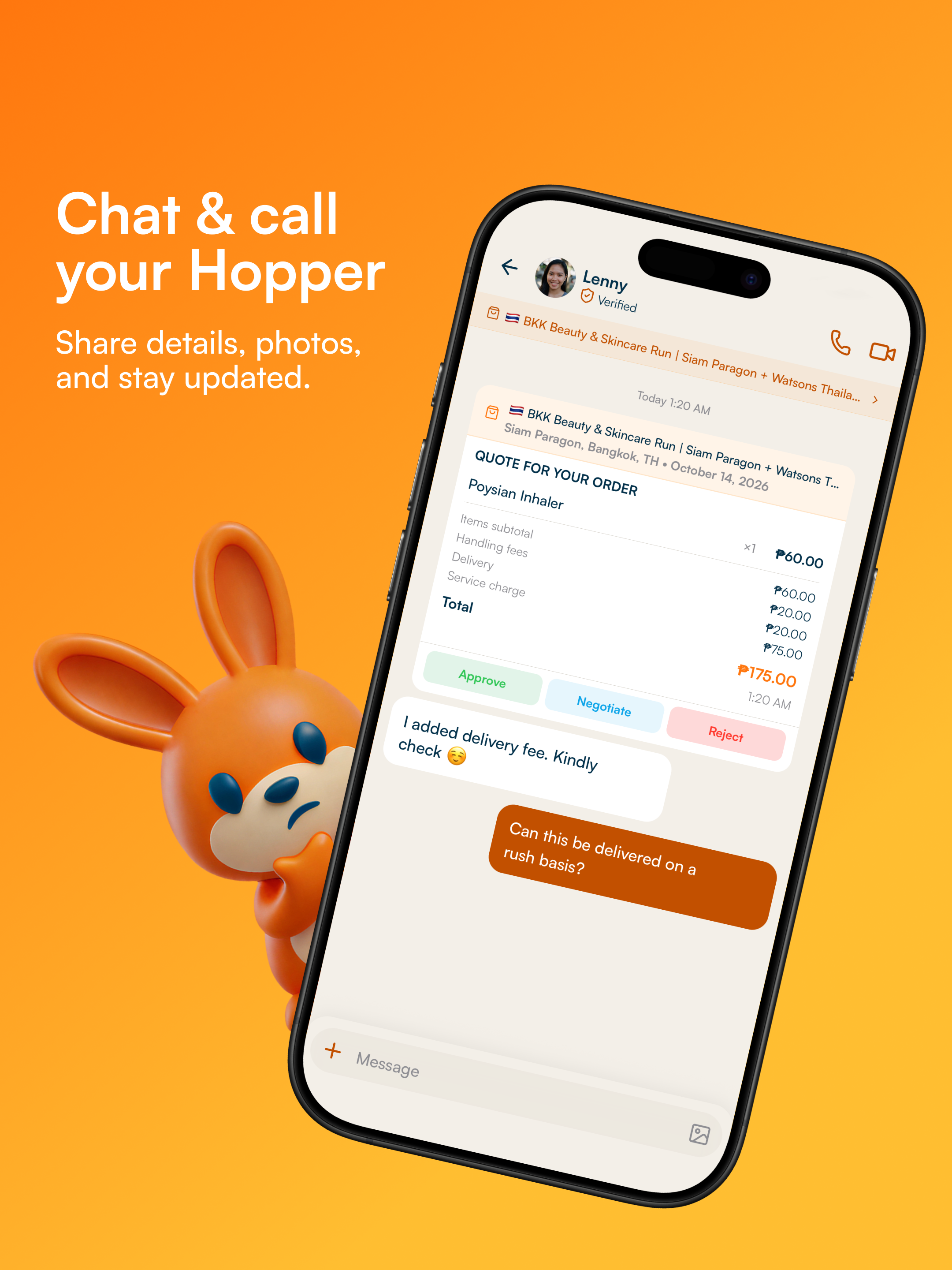
Chat and call your Hopper in the app. Quotes, receipts and delivery proof all stay with the order.
-
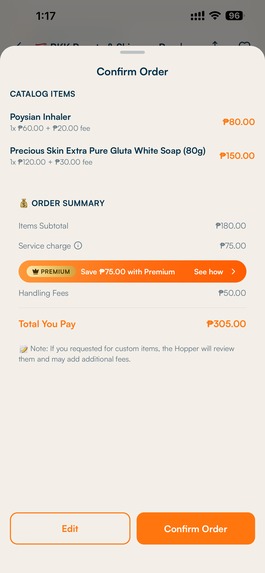
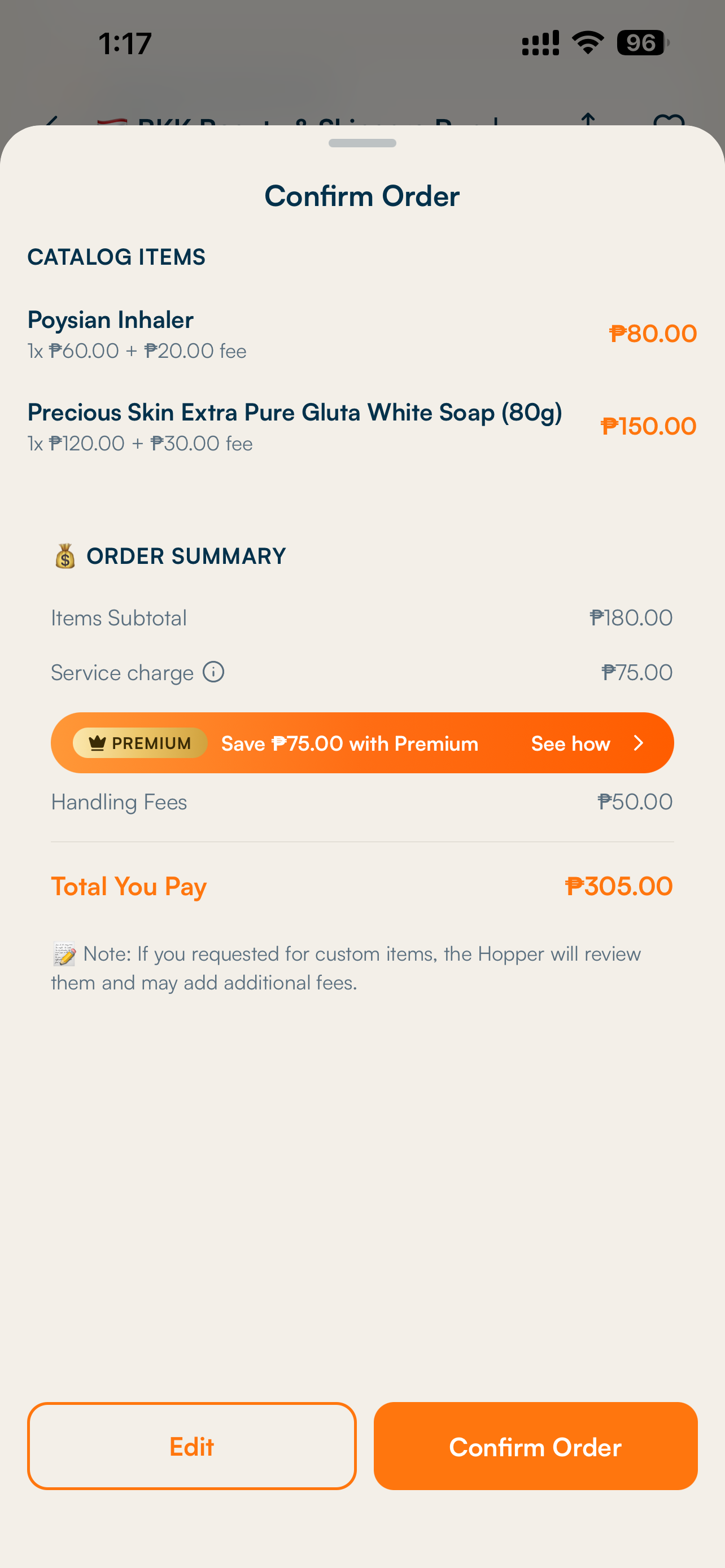
A clear order summary: every fee is shown upfront, with the exact amount Premium would waive on this order.
-
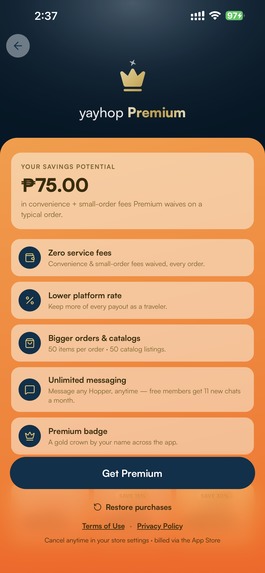
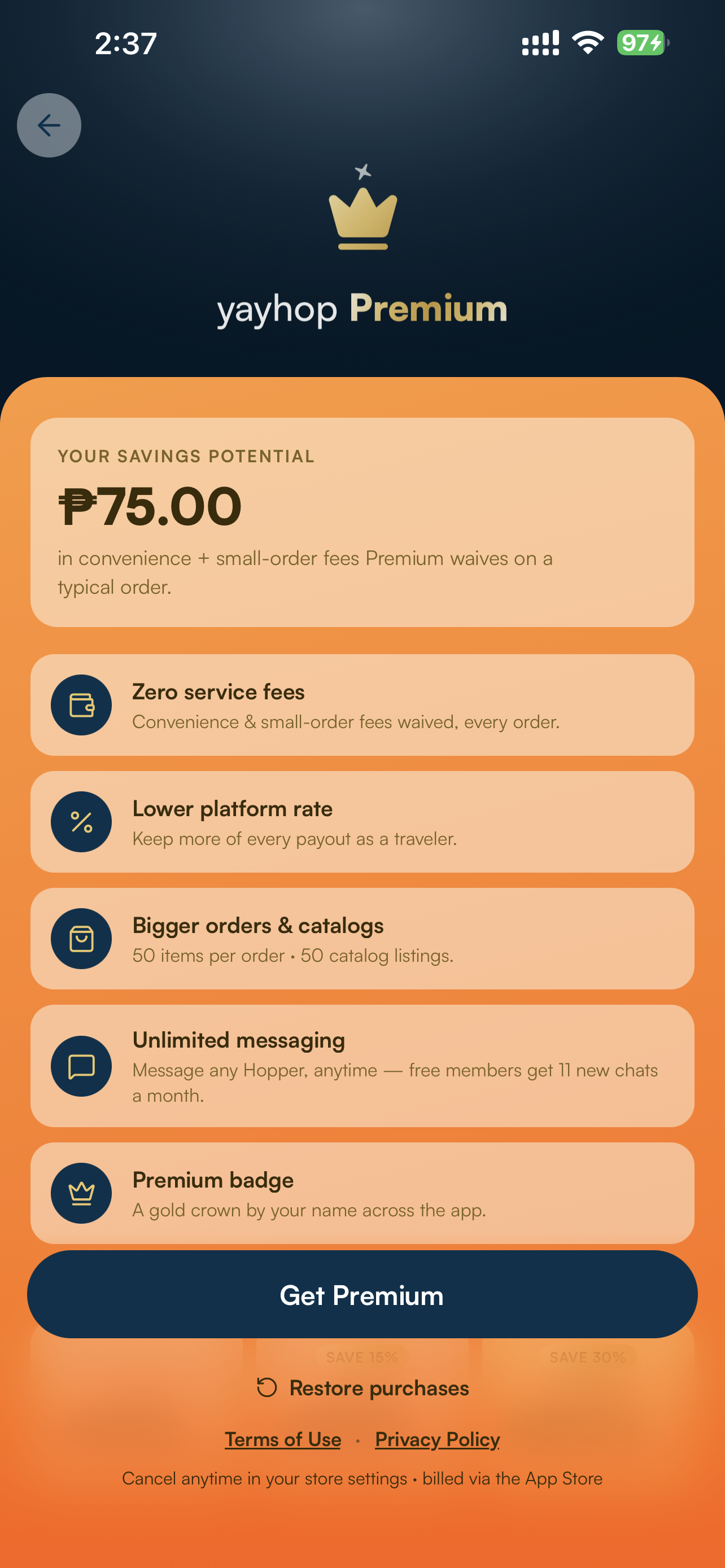
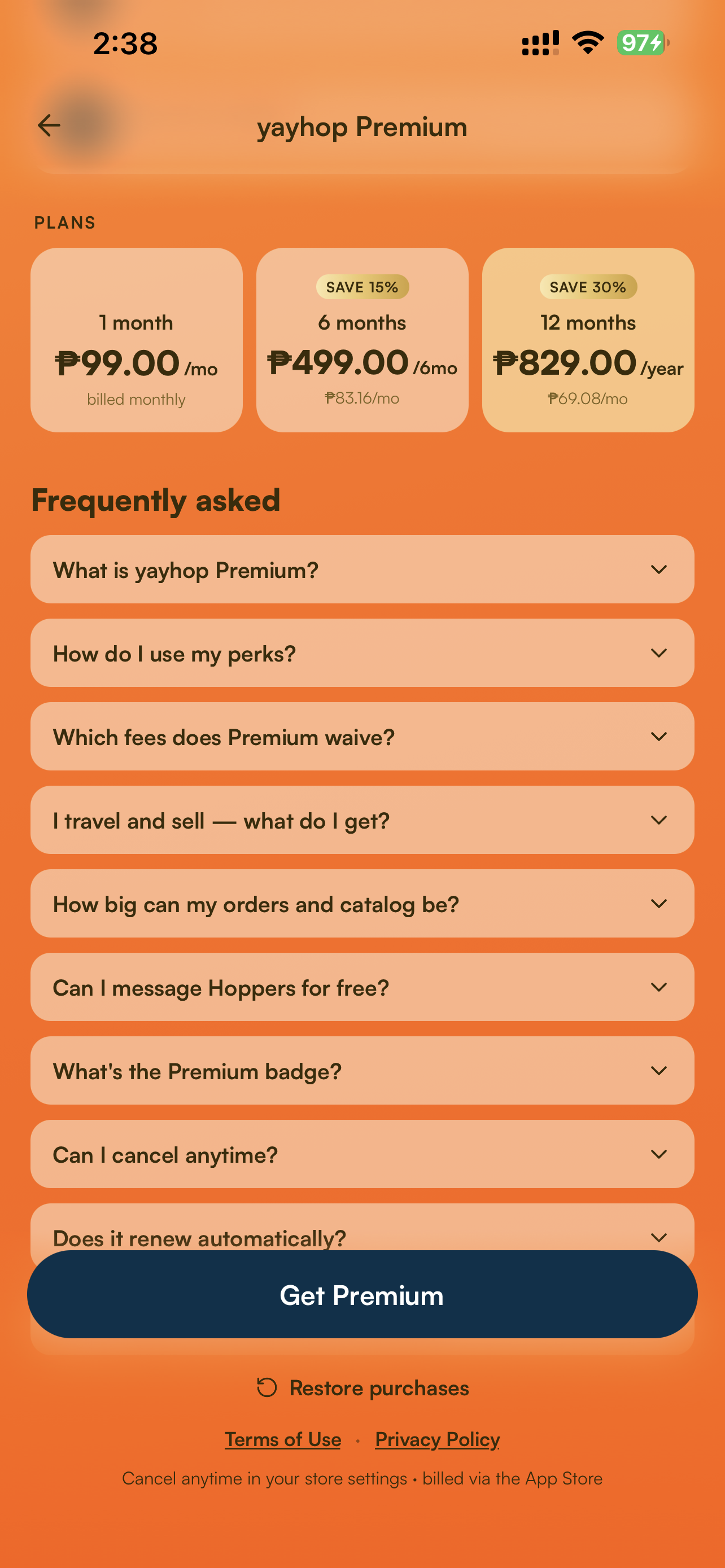
Premium shows what you've already paid in fees, then the perks: zero service fees, lower traveler rate, unlimited messaging.
-
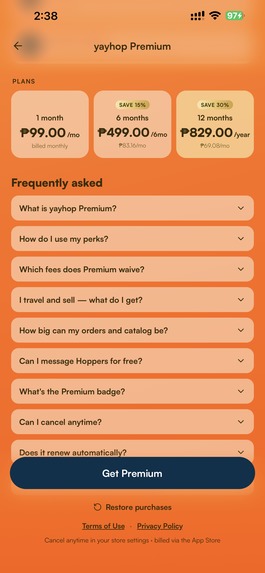
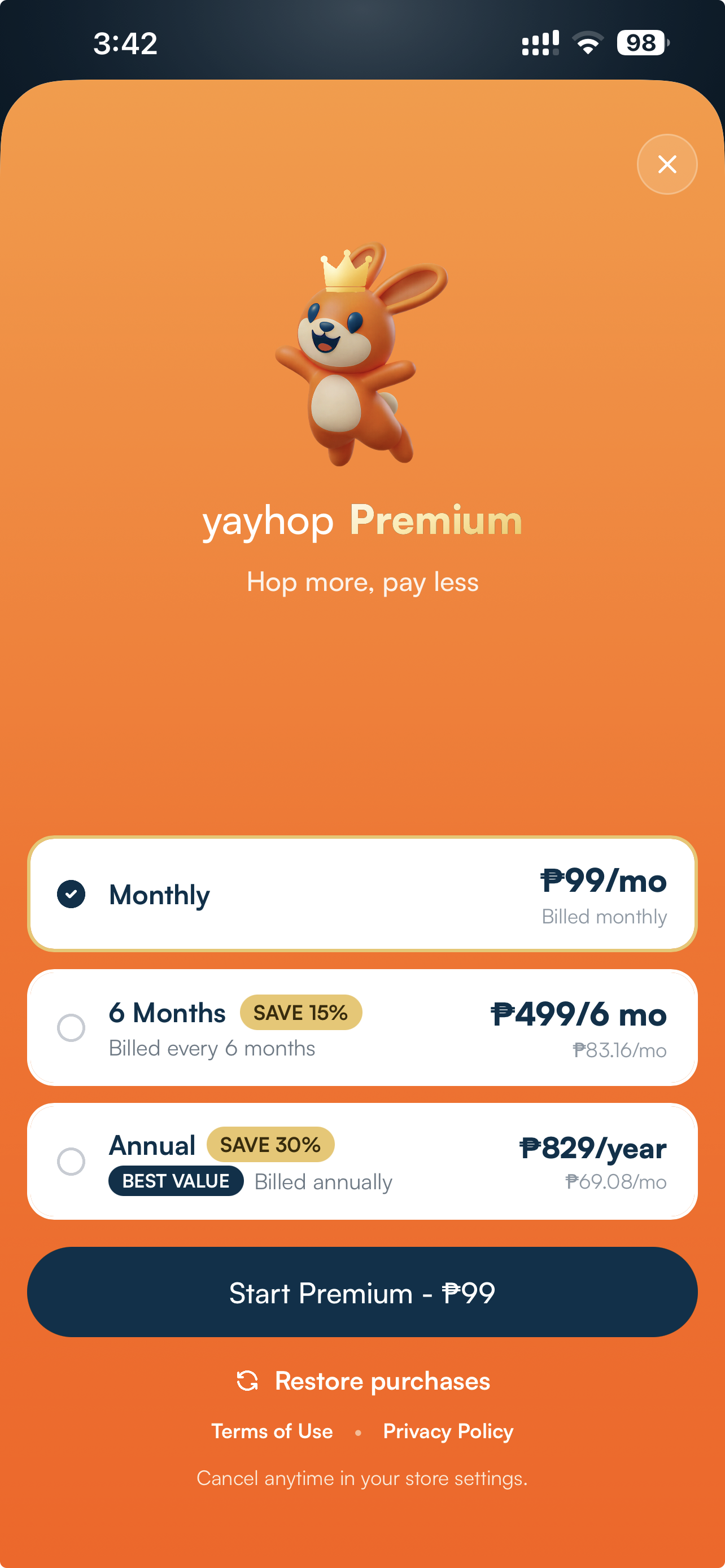
yayhop Premium, powered by RevenueCat: 3 plans, with save % computed from live store prices so it's honest in every country.
-
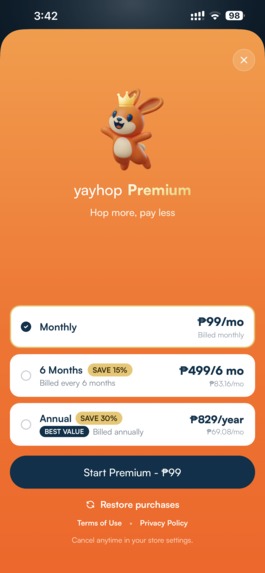
RevenueCat's pick a plan and subscribe in a tap. Perks switch on instantly, with a gold crown next to your name.
-
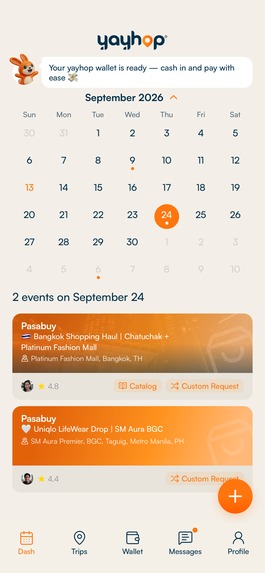
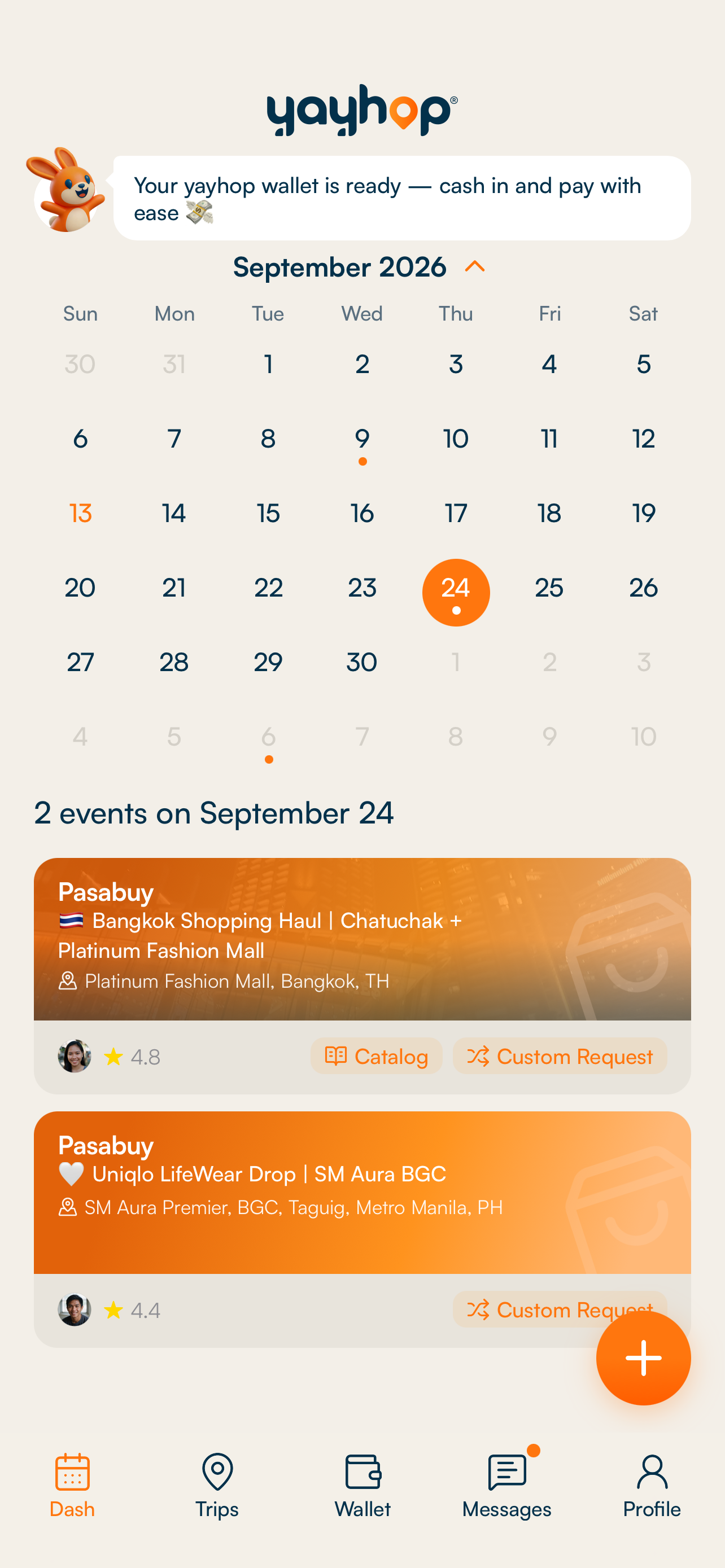
Calendar-centric Trip discover and trip creation.
-
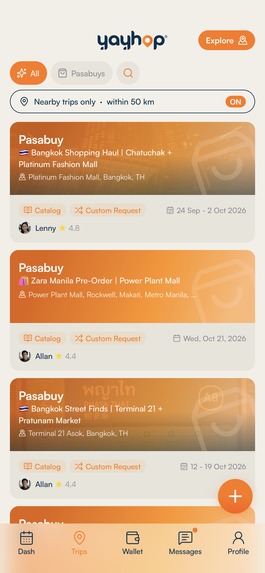
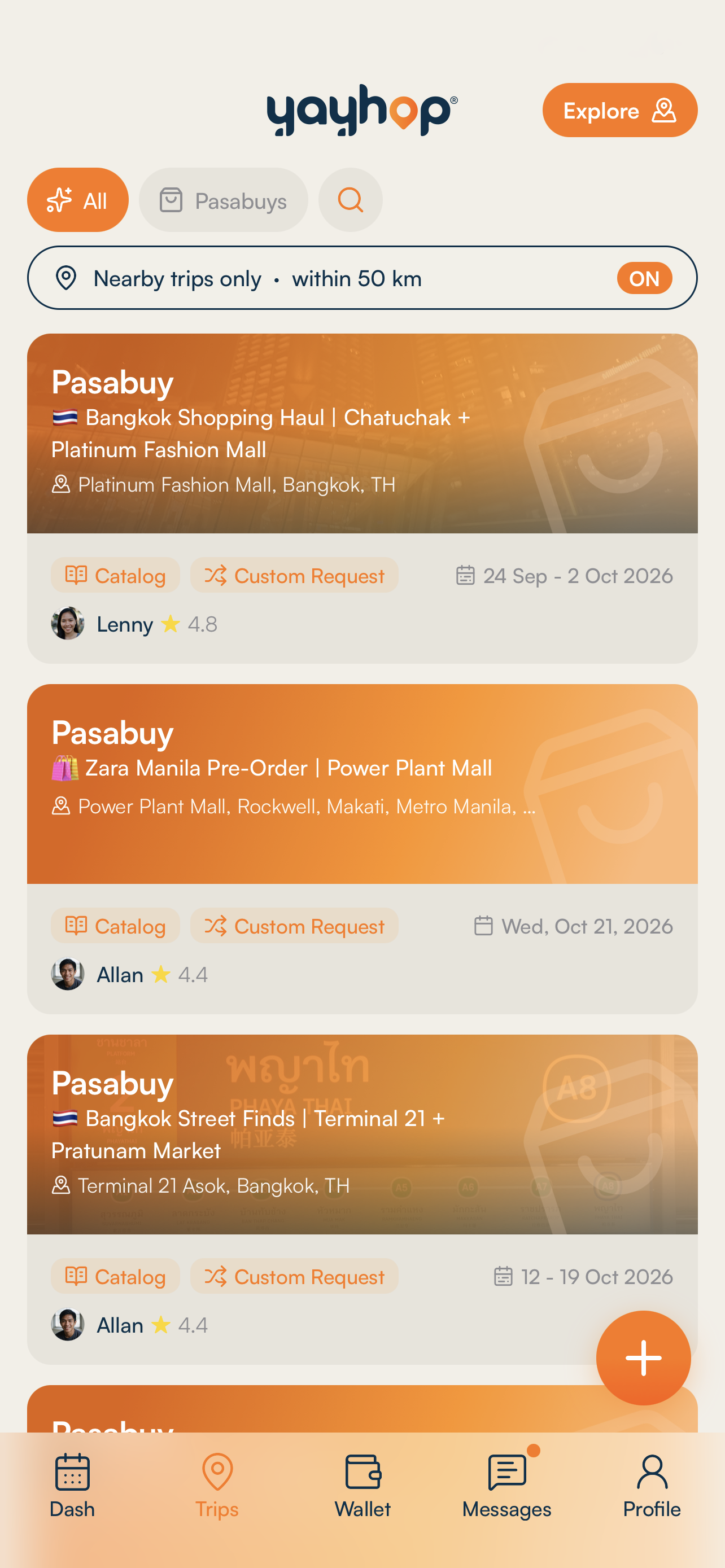
Trips tab, shows all of the trips, with filtered and nearby trips toggle and a search bar.
-
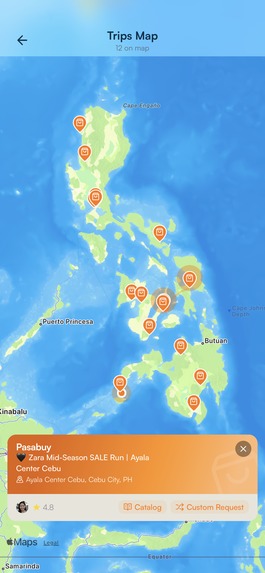
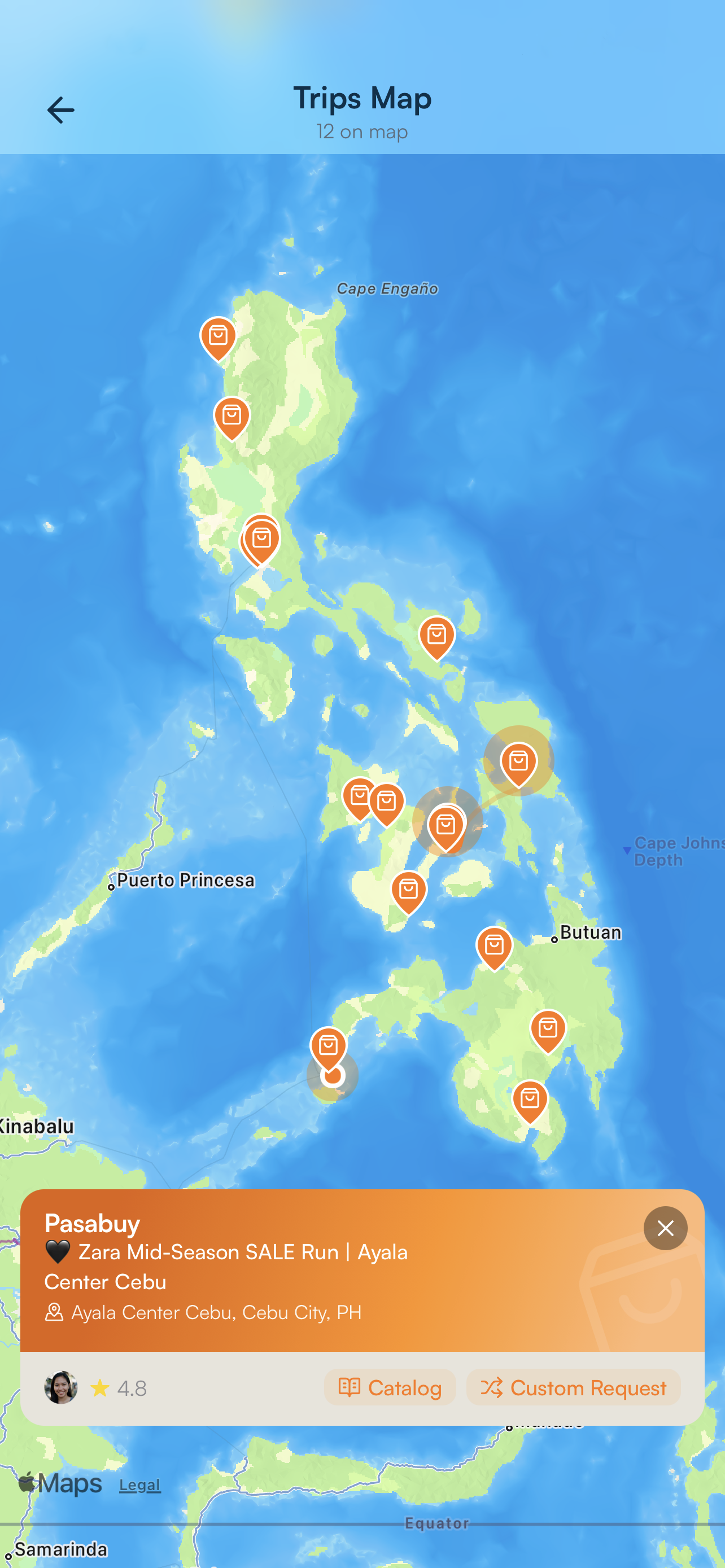
The map view, that views and access to live posted trips around the world.
-
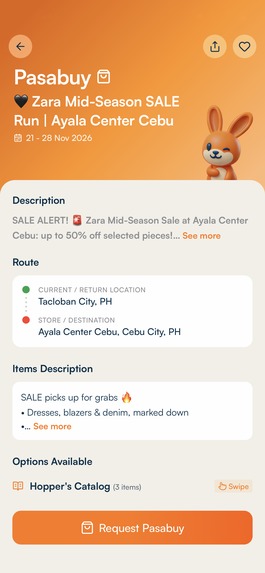
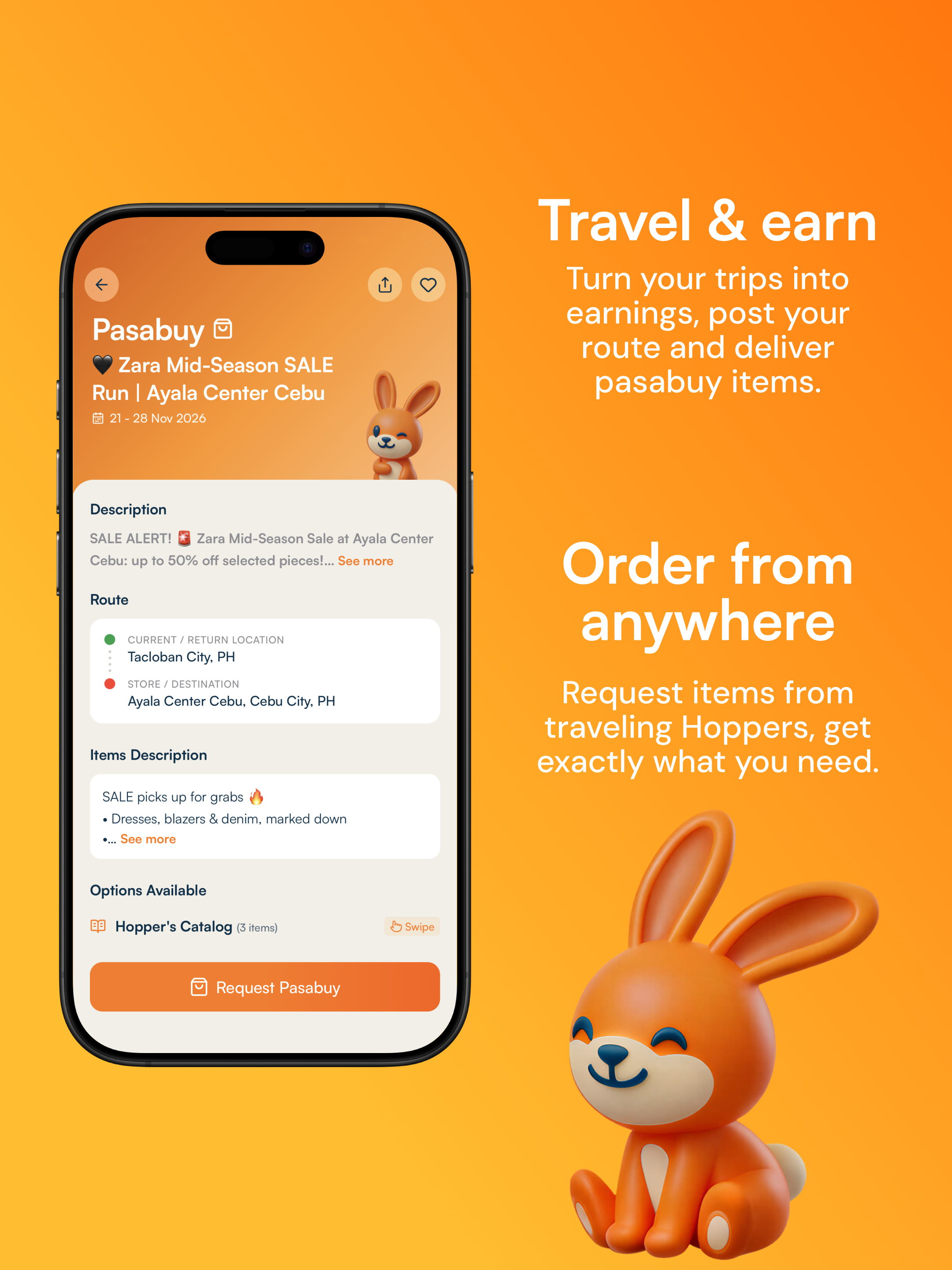
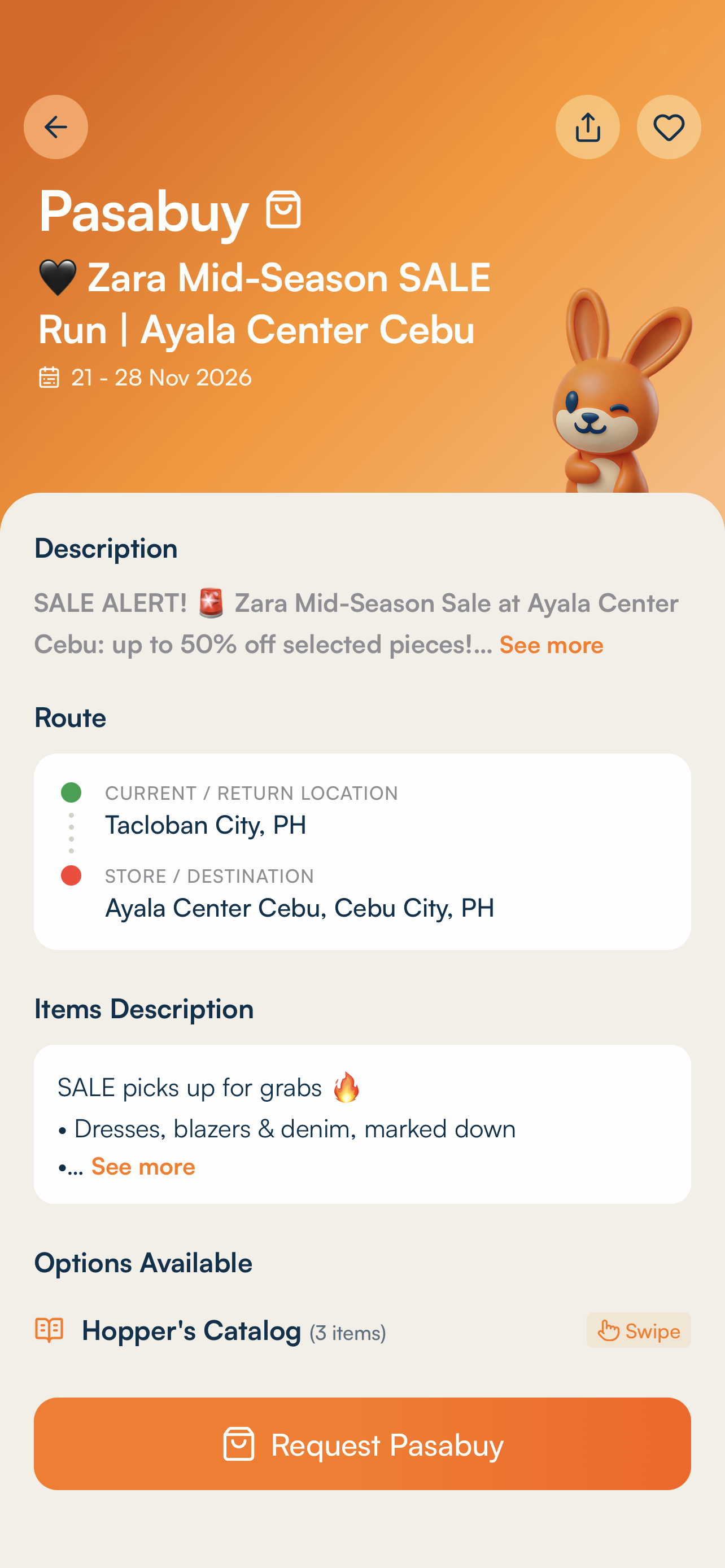
Sample pasabuy trip post.
-

Uncropped App Icon

Inspiration
"Pasabuy" joins the Filipino request marker "pa-" with the English word "buy": it means asking someone who is already going somewhere to buy something for you. It grew out of the Filipino habit of pasalubong, bringing gifts home from a trip, and it is now one of the most common ways people in the Philippines get things they can't easily reach. You ask a relative flying home from abroad to bring back snacks or skincare, a coworker heading to Manila to pick up a gadget, or a neighbor with a warehouse-club card to grab groceries in bulk. Many households don't have the time, the vehicle, or the membership card to make those trips themselves, so they pay the person who already is.
For the person doing the buying, it's real income from a trip they were taking anyway. Close to home, a typical pasabuy fee is around PHP 20 to 50 (about $0.30 to $0.80) per item or per order. For travelers abroad, the going rate today is a handling fee of about 15 to 25% of the item price: a 2026 guide for Filipinos shopping in Japan puts a trip with 15 to 20 items at about PHP 2,100 to 2,800 ($34 to $45) in profit, and up to PHP 3,500 ($56) for electronics. During the pandemic lockdowns, when pasabuy became a lifeline and a popular side hustle, some full-time pasabuy riders reported earning PHP 1,000 to 2,500 ($16 to $40) a day.
But almost all of it runs on Facebook groups, group chats and trust between strangers. When it goes wrong, buyers send money to fake accounts and the goods never arrive: in one reported case, more than 20 Filipinos abroad found they had paid the same scammer's e-wallet account. There is no record of who promised what, and no way to get the money back.
I wanted to keep everything that makes pasabuy warm and personal while removing the part that makes it risky. So I built yayhop on my own: design, app, backend, wallet and store launches, as a solo founder. On yayhop, Hoppers set their own fee on every quote and keep it, minus a small platform rate, and the buyer's payment is held safely until they confirm the item arrived.
What it does
yayhop turns pasabuy into a safe, organized marketplace.
- A calendar of real trips. Travelers, called Hoppers, post the trips they are already taking: where they're going, when they return, and what they can bring. Buyers browse those trips by date and location.
- Request an item pickup. Order from a Hopper's catalog or describe a custom item. The Hopper sends a quote, you approve it, and chat stays in one place with the order.
- Payment held safely. When you order, the money is held in your yayhop wallet and only released to the Hopper after you confirm delivery. If the order is cancelled or declined, it comes back to you.
- Verified people. Hoppers verify their identity before they can receive money, and every completed order can be reviewed.
- A real wallet. Cash in and cash out through a licensed Philippine e-money partner, so both sides can transact without meeting to hand over cash.
- Anyone can be both. Everyone on yayhop is a Hopper. You can buy on Monday and bring things back for others on Friday.
How I built it
I built and shipped yayhop solo, as a one-person company, using one codebase for every platform.
- App: Expo (SDK 56) and React Native with TypeScript, New Architecture, one codebase for iPhone, iPad and Android.
- Subscriptions: RevenueCat SDK and RevenueCat Paywalls, with a webhook to my backend so the Premium entitlement is enforced server-side where fees are calculated.
- Backend: NestJS, Prisma and PostgreSQL on Supabase, Redis, and Row Level Security on every user table.
- Also: Firebase (push, crash reporting, analytics), identity verification with Didit, Mapbox for places, and a licensed local e-money partner for the wallet.
Challenges I ran into
- Doing it alone. As a solo founder I was product, design, engineering, security, support and store submissions at once, so I leaned hard on automation, strict coding standards and careful review checklists to keep quality high.
- Money has to be exact. Every amount is stored in centavos as integers, and order money only moves through three database functions (hold, capture, refund) so the ledger can always be reconciled.
- Trust without friction. Verification and held payments had to feel reassuring, not bureaucratic, for people used to a quick Messenger chat.
- App Review. I went through several review rounds on both stores and fixed every finding, including making the billed subscription price the most prominent number on the Premium screen.
- Honest discounts. Store prices aren't perfectly proportional across currencies, so yayhop's "save X%" badges are calculated from the live store prices and always rounded down. I never overstate a discount in any country.
Accomplishments that we're proud of
- As a solo founder, shipped to the App Store and Google Play in the same month, with a real wallet, real payouts and real subscriptions.
- Made a very informal cultural habit feel safe without losing its warmth.
- Built with accessibility in mind: text scales with system settings, layouts adapt to large text and iPad, and every dialog and toggle has tactile feedback.
What I learned
- Premium sells best at the moment the value is felt. Instead of one generic upgrade screen, yayhop shows the actual pesos Premium would save right where fees appear on an order.
- Server-side truth matters. Webhooks can arrive late, so the app also asks my backend to re-check RevenueCat after a purchase or restore.
What's next for yayhop - Pasabuy Marketplace
Growing the Hopper community city by city, better trip discovery for shippable items, and more ways to pay merchants directly from the yayhop wallet.
Built With
- expo.io
- firebase
- mapbox
- nestjs
- postgresql
- prisma
- react-native
- redis
- revenuecat
- supabase
- typescript


Log in or sign up for Devpost to join the conversation.