-
-
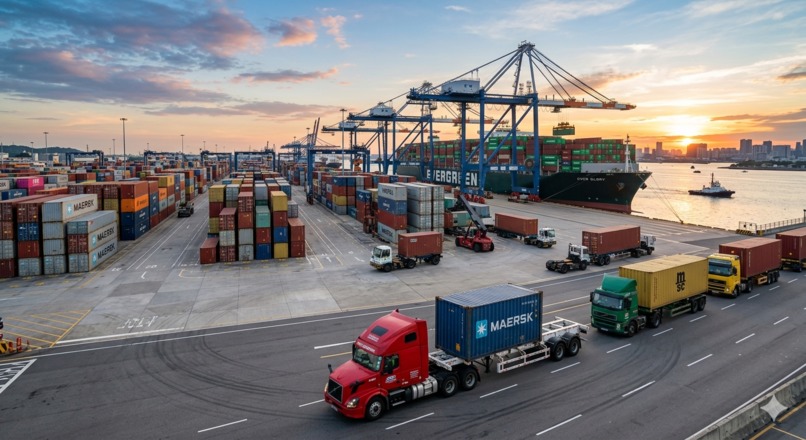
slide
-
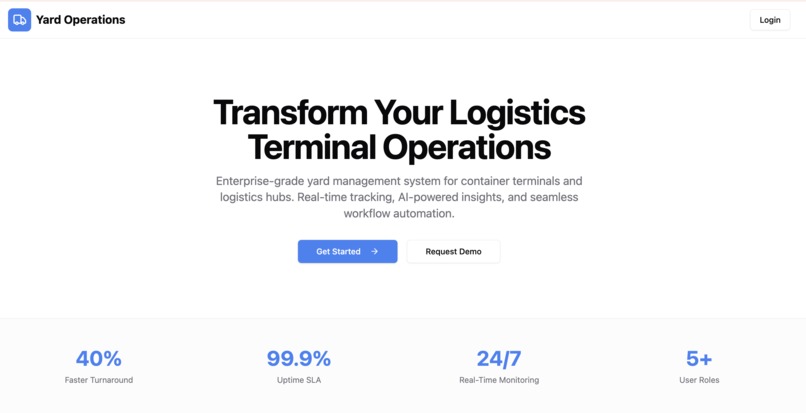
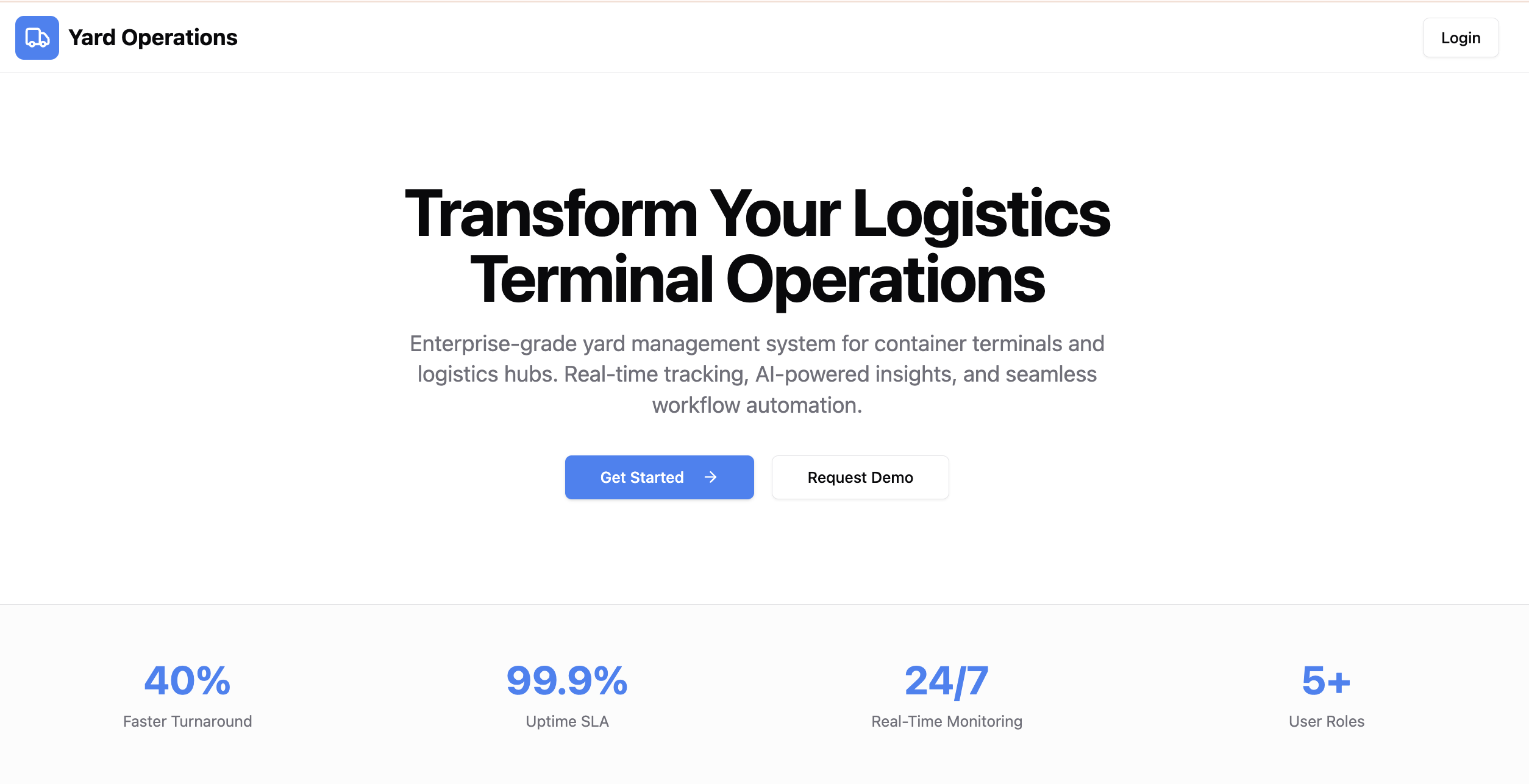
home page
-
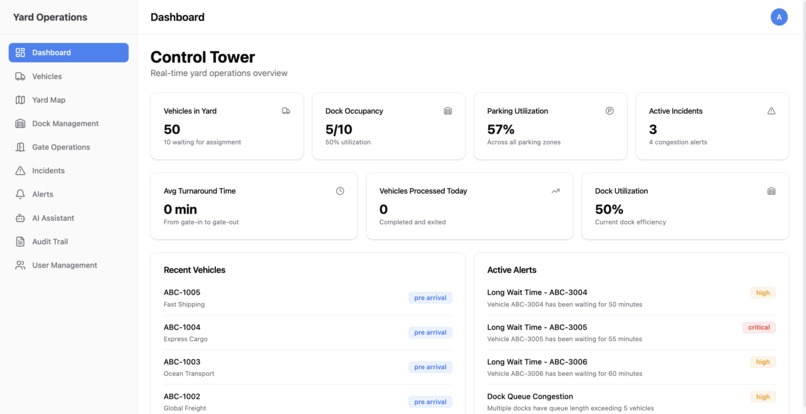
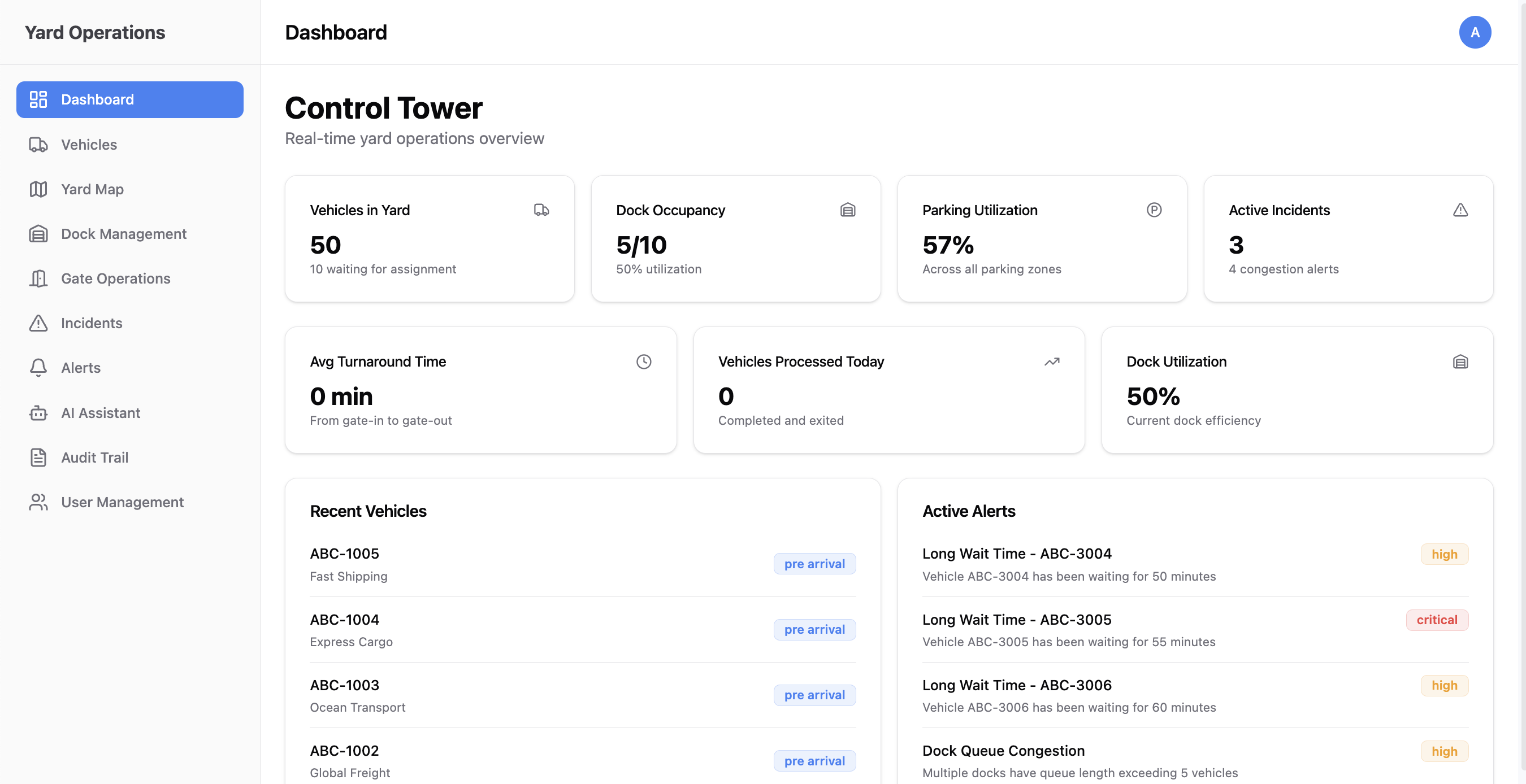
Control tower
-
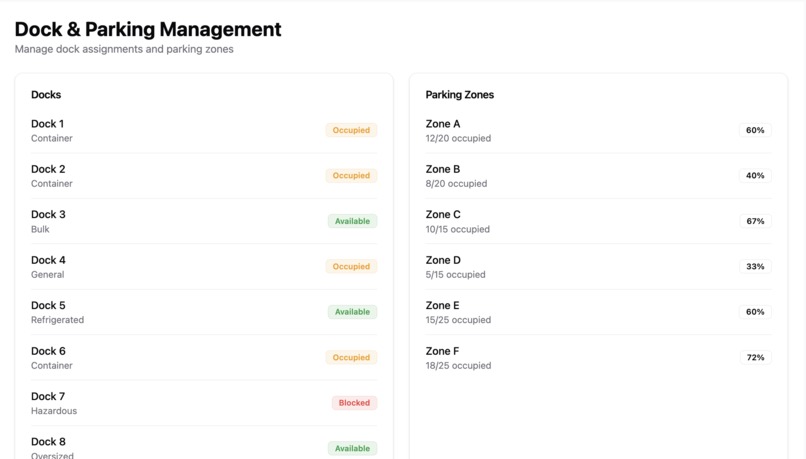
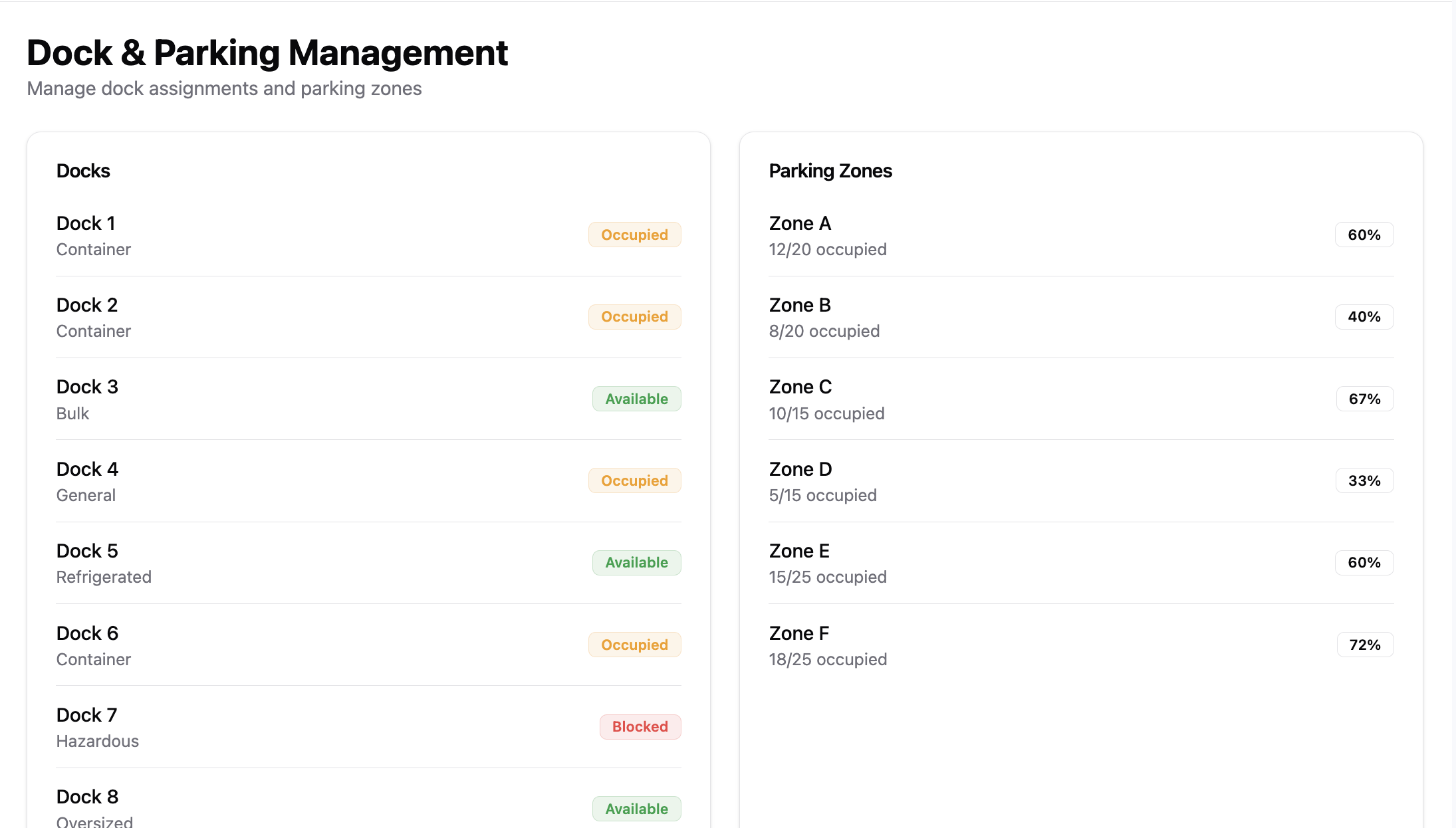
Dock & parking managment
-
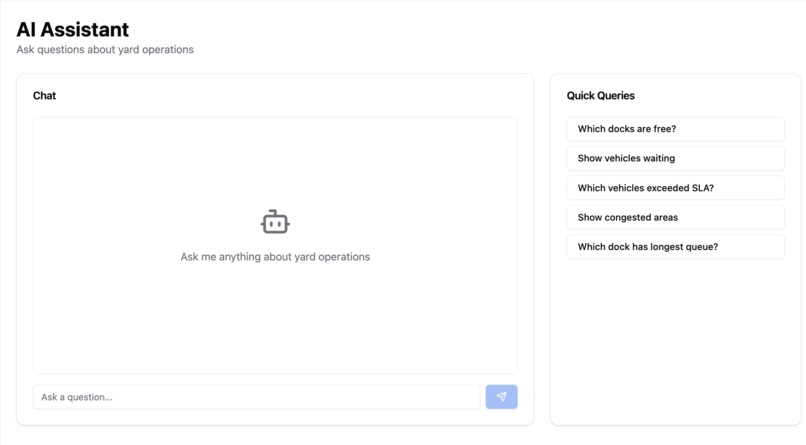
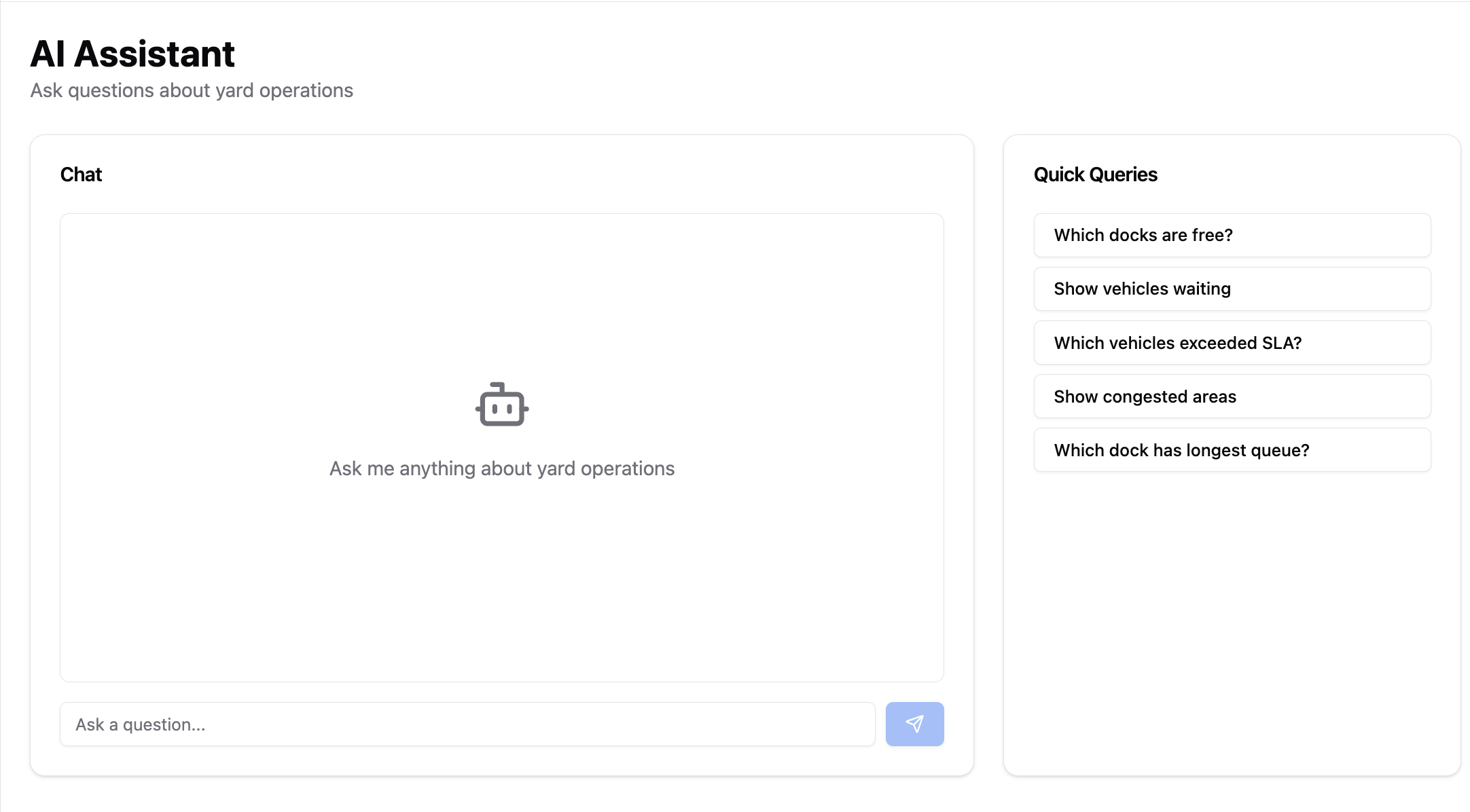
AI assistant
Inspiration
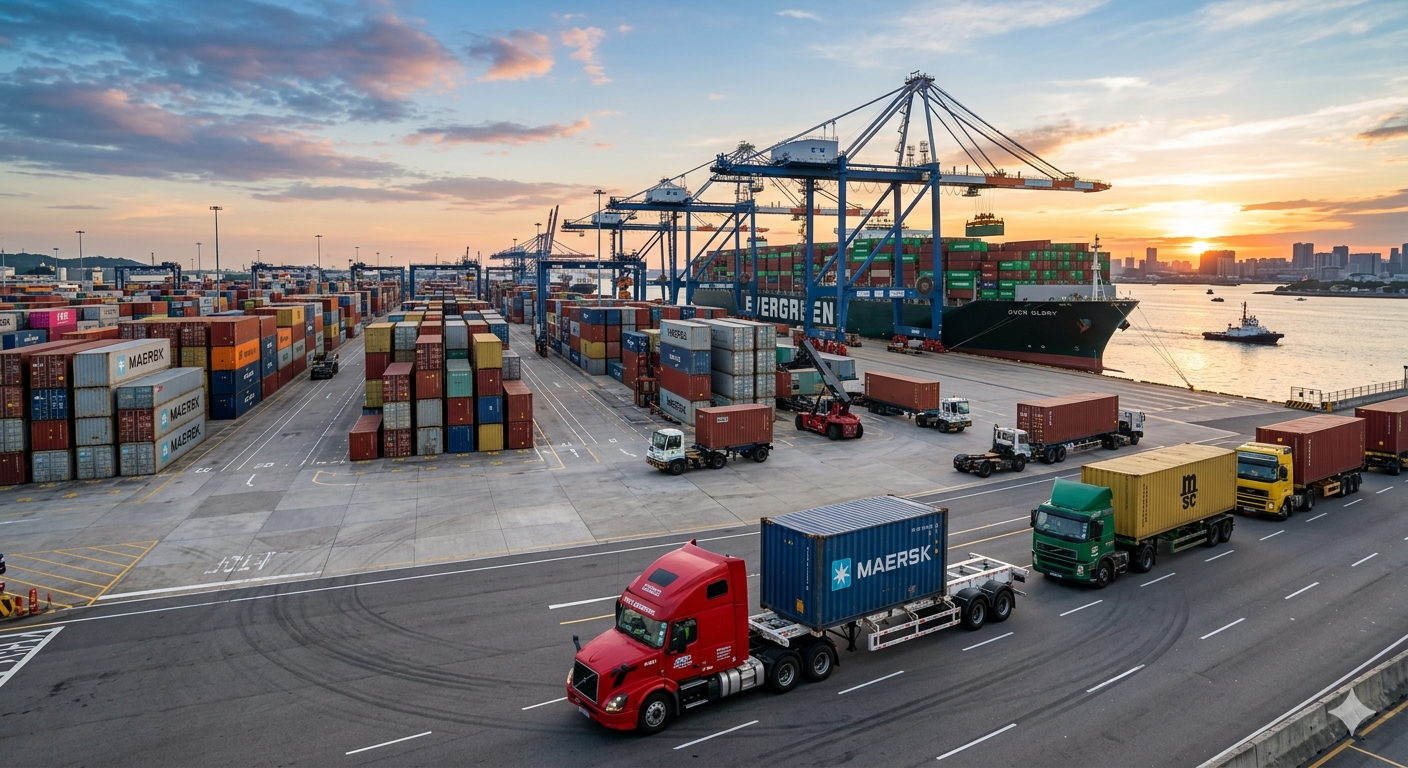
Some of the world’s most critical operations still run on paper, radio calls, spreadsheets, and human memory. Ports, warehouses, and yard operations coordinate thousands of physical movements every day — trucks entering gates, waiting for parking, docking for loading, and exiting terminals. Yet many facilities still lack real-time visibility into where vehicles are, which docks are blocked, or how congestion is building across the yard.
What it does
a comprehensive Smart Yard Operations Management System — an enterprise-grade AI web application for logistics terminals and container yards. Transforms physical yard operations as a digital board.
- Grants views into vehicle locations and docks available
- Real-time monitoring of yard operations and vehicle movements.
- Vehicle registration and gate pass
- Automated dock and parking assignment
- Incident management and escalation
- Operational analytics and performance tracking
- Natural language querying of operational data
How we built it
YardOS is built entirely on the MeDo.dev, built a comprehensive Yard Operations Management System — an enterprise-grade web application for logistics terminals and container yards. We went through an iterative process where we requested features (real-time tracking, AI assistant, landing page). I implemented them with full database schema, authentication, role-based access, and a polished dashboard UI. Used specs in requirements.md to be able to build web app within the budget.
FrontEnd
- React
- Typescript Vite
- Vite
Database
- Supabase
The AI Assistant is the best feature. Here's why:
It uses Google Gemini API to let users ask natural language questions about live operational data — like "Which docks are free?", "Show vehicles that exceeded SLA", or "Which dock has the longest queue?" — and gets real-time answers pulled directly from the Supabase database.
The AI doesn't just return generic responses. It: Queries live data (60 vehicles, 10 docks, 6 parking zones, incidents, alerts) Performs calculations (turnaround times, utilization percentages, queue lengths) Identifies bottlenecks and congestion automatically Provides actionable insights like which vehicles need priority attention
Challenges we ran into
Gemini API Key not free . Handling the Gemini API required a billing tier
Accomplishments that we're proud of
- Digitized an physical logistics workflow
- dock and parking allocation
- AI assistant to answer yard insights
What we learned
Port operations can mean fragmented communication and manual coordination
What's next for YardOS
- Adding real yard GPS
- analysis of yard efficiency
- predict dock usage using history
- add multiple yards count
Built With
- medo.dev
- react
- tailwind
- typescript

Log in or sign up for Devpost to join the conversation.