-
-
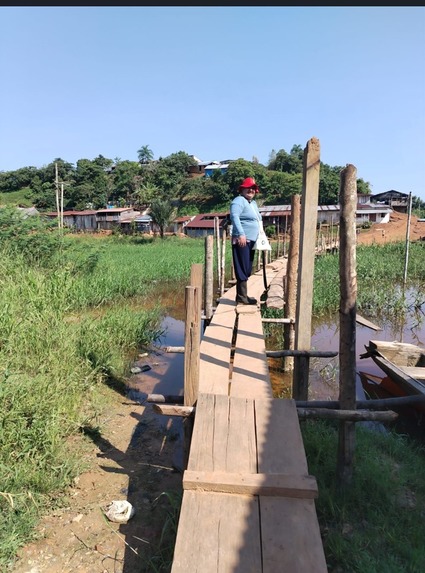
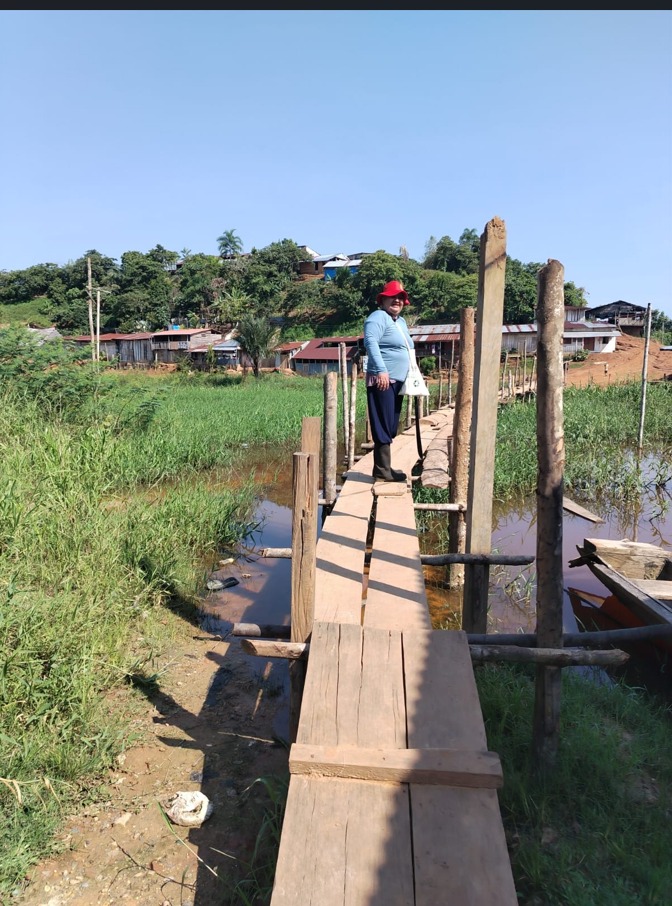
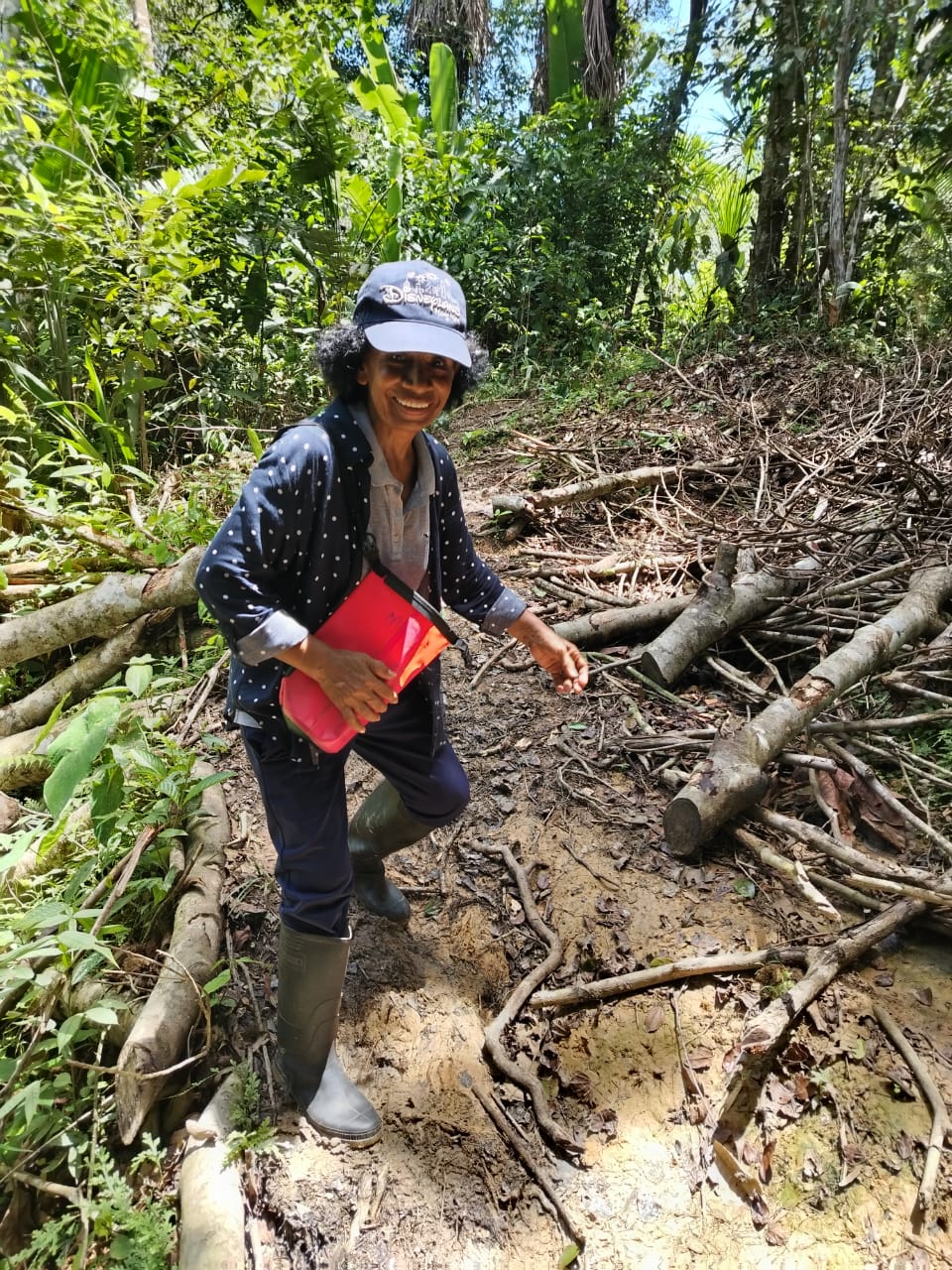
Field inspection in the basin evaluating flood-prone access routes and community infrastructure.
-
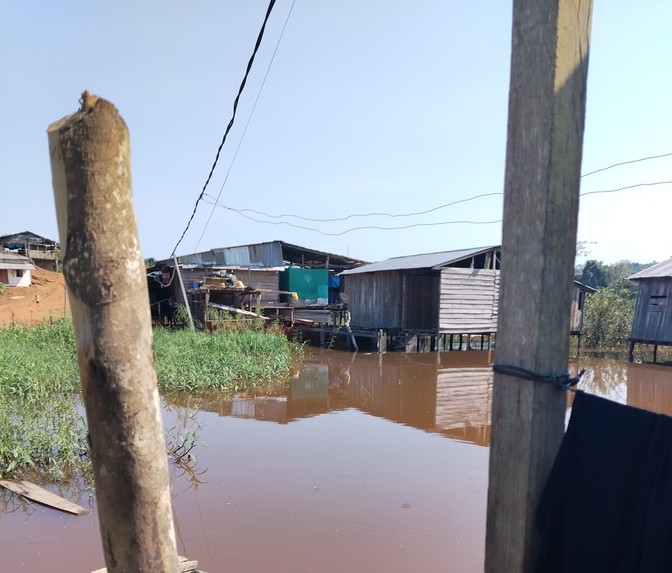
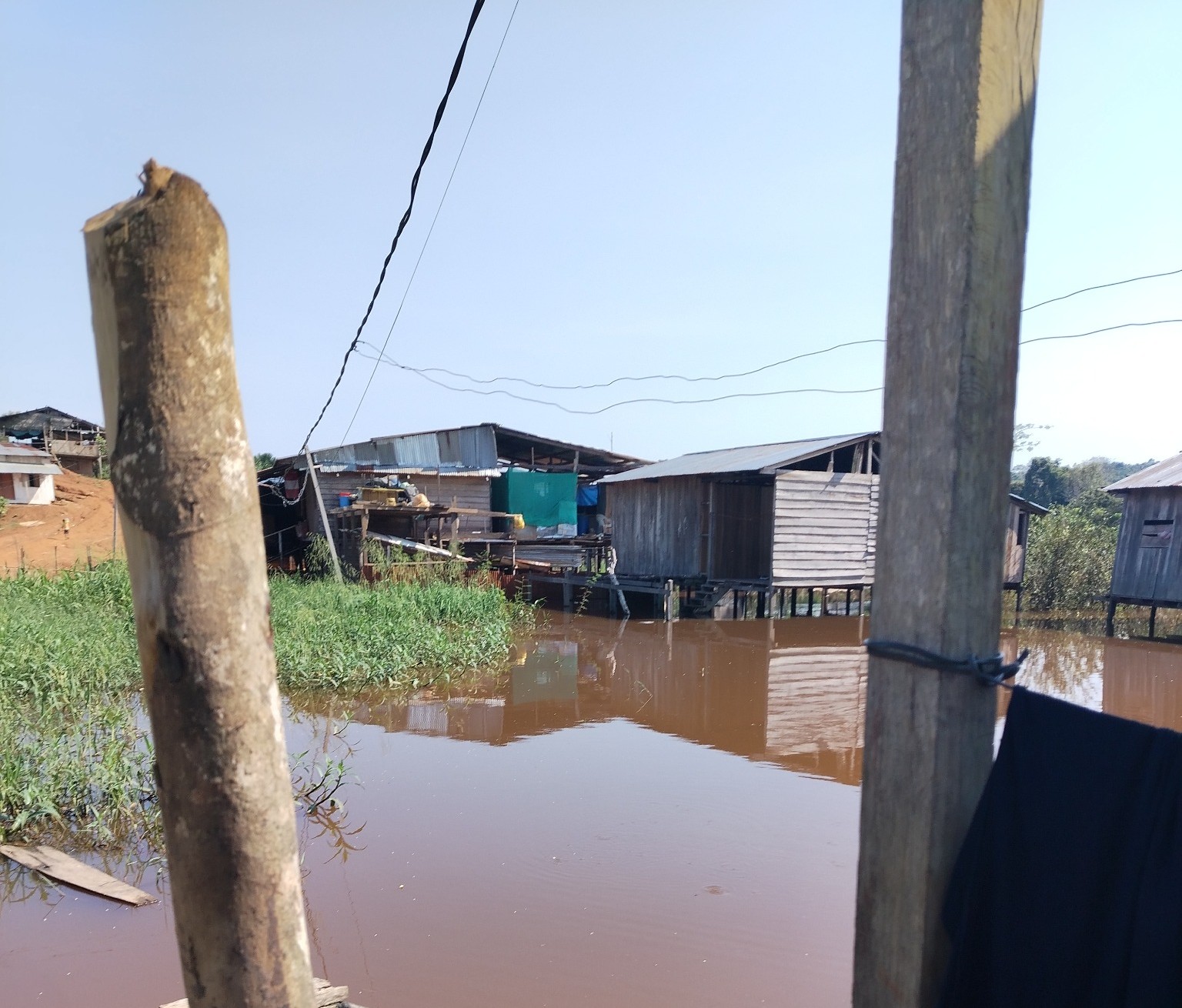
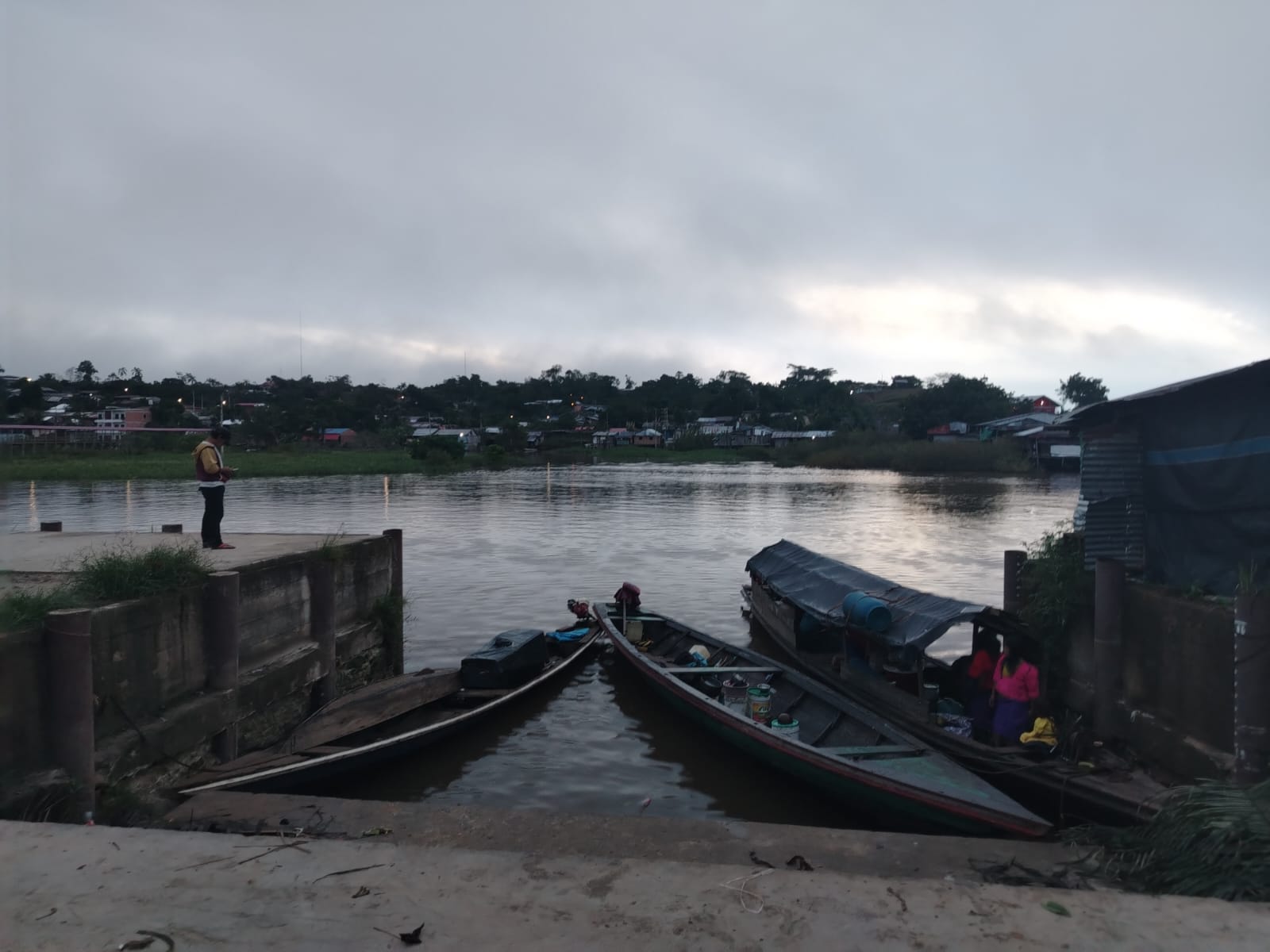
Vulnerable riverine communities facing frequent flooding and lack of early warning systems.
-
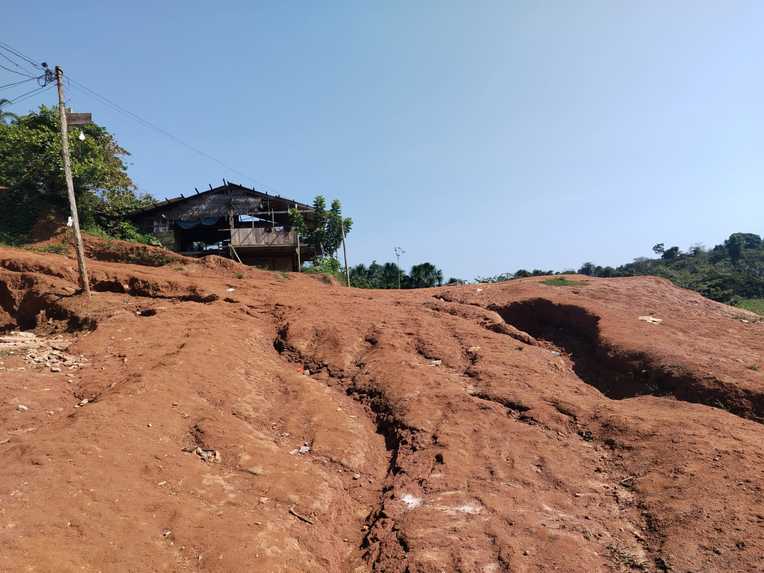
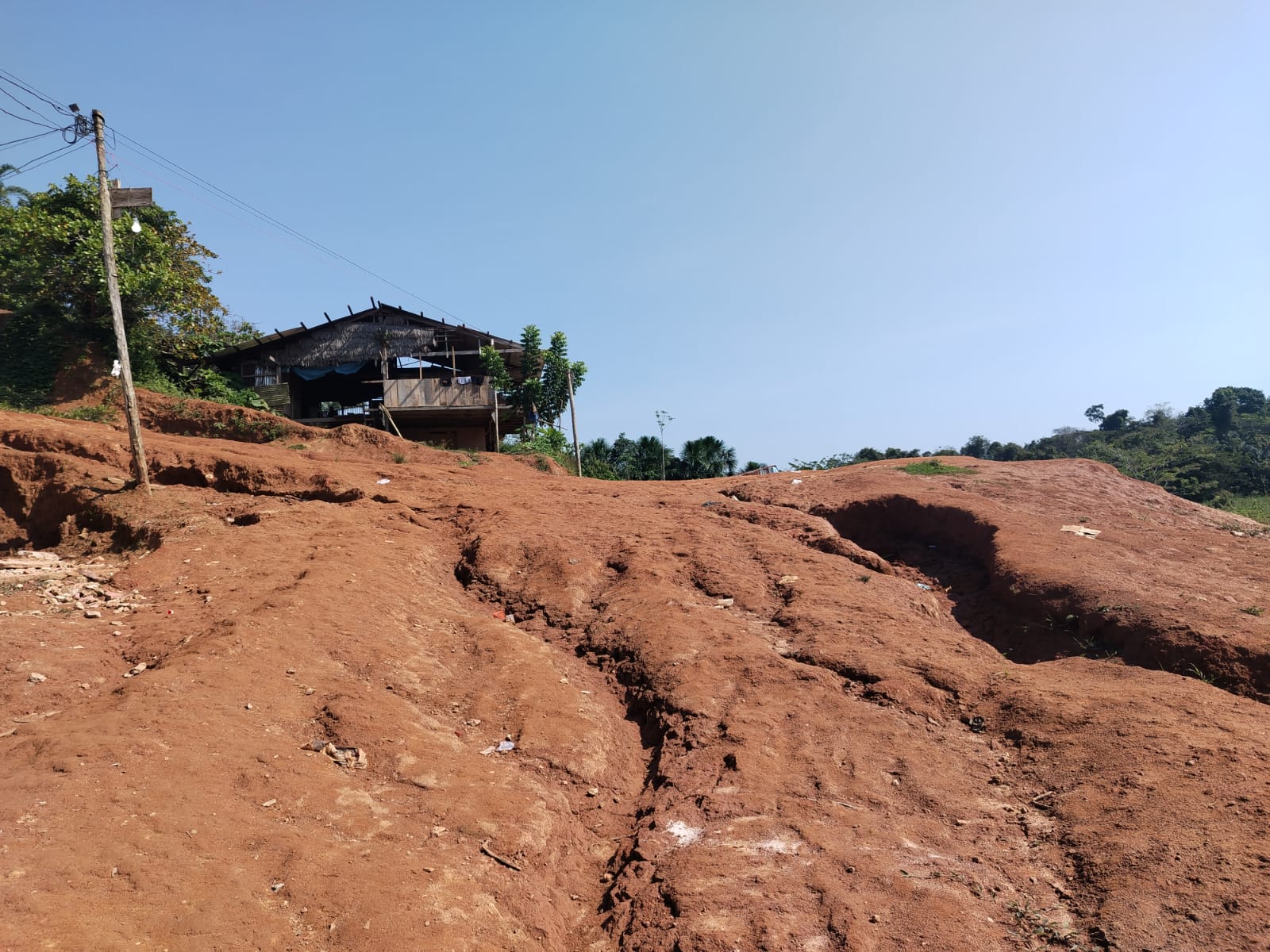
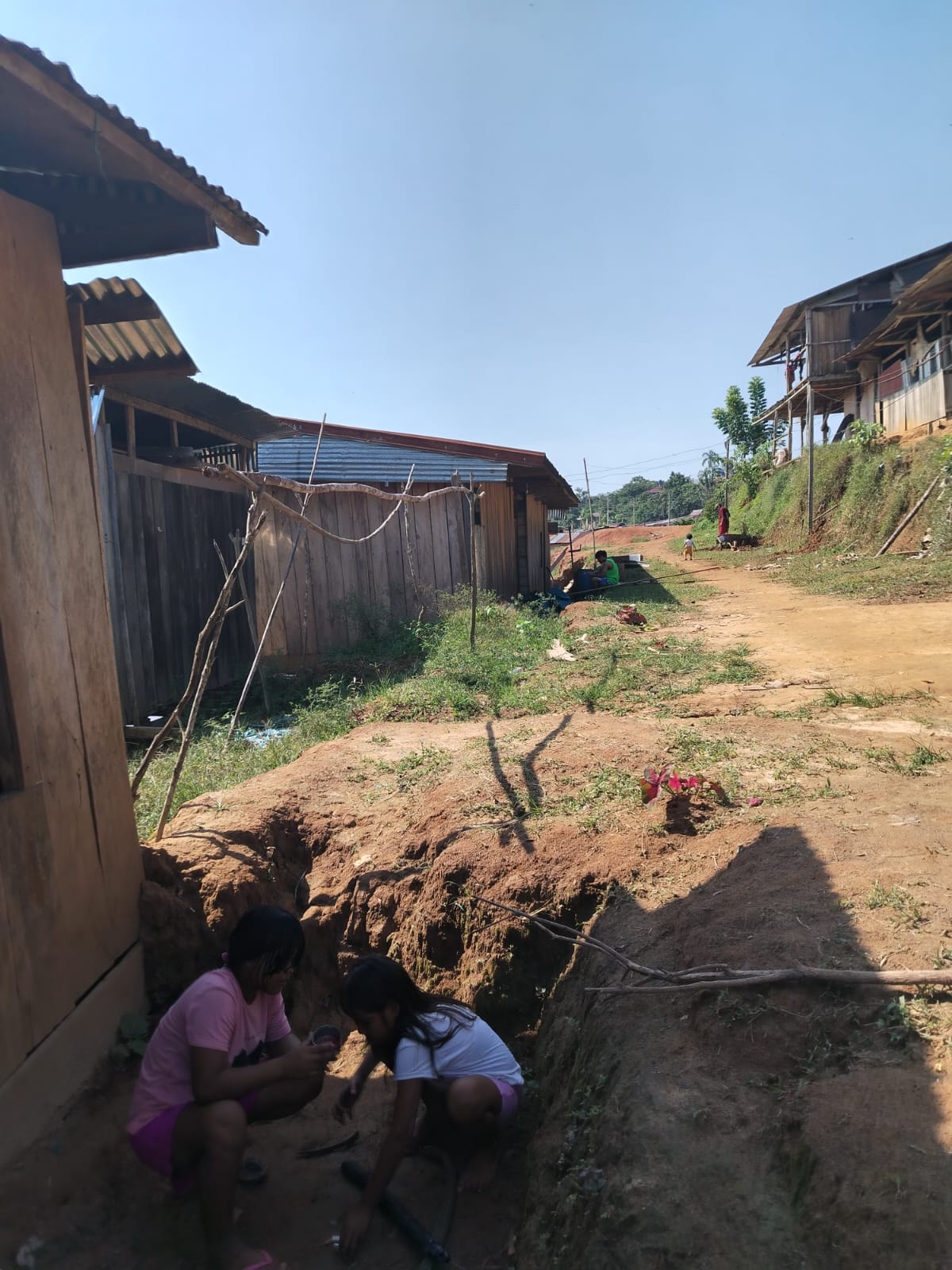
Extreme weather conditions causing severe runoff and muddy access routes.
-
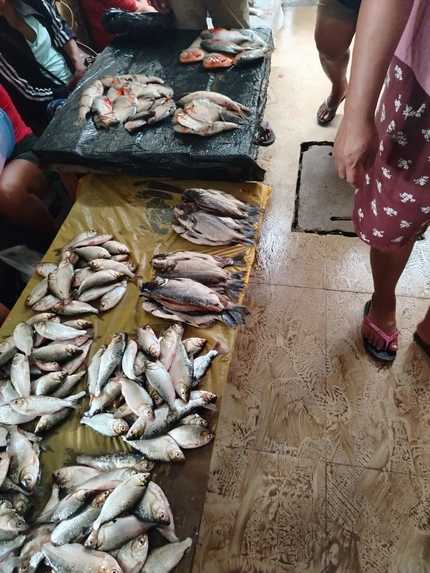
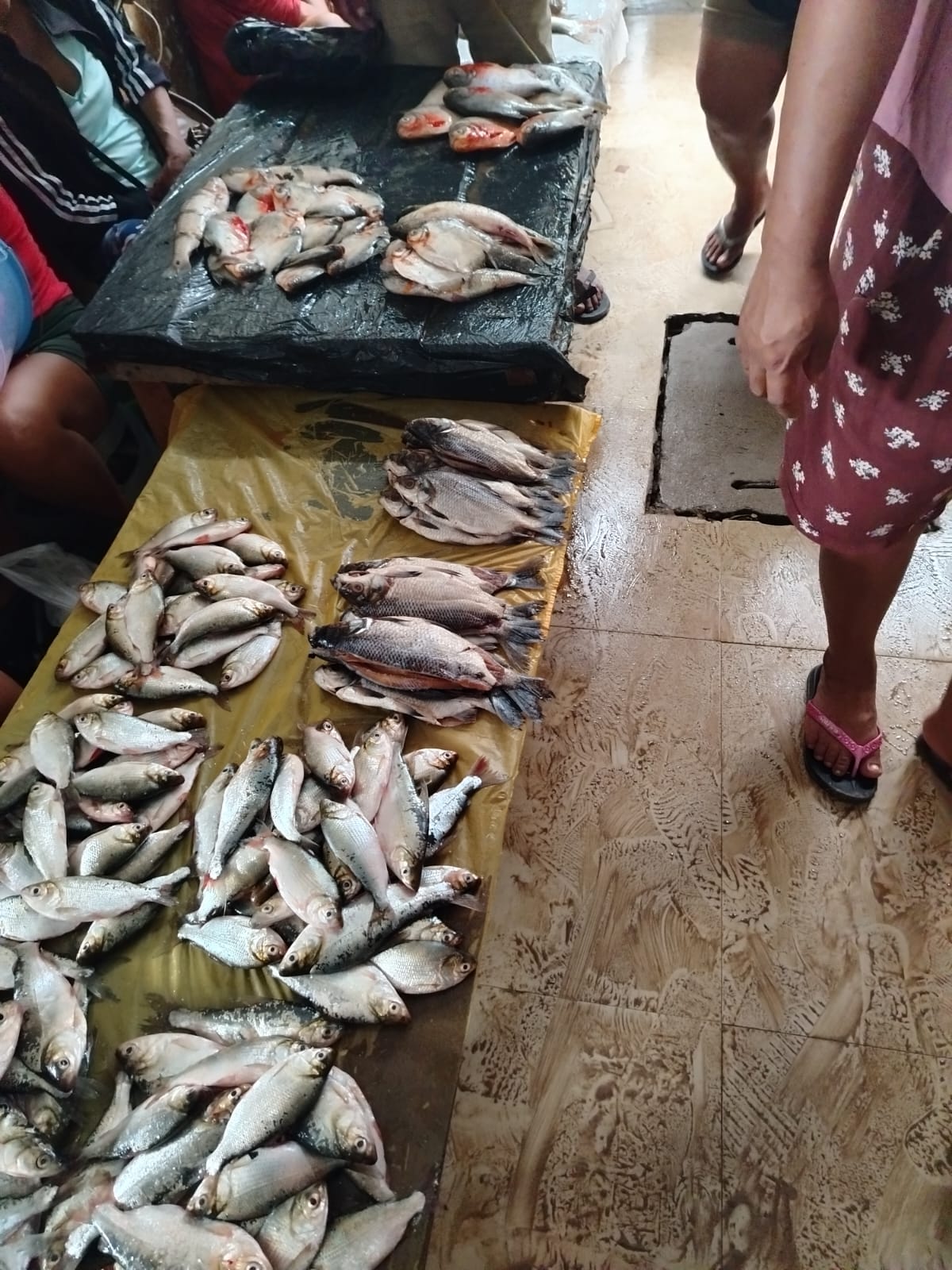
Water quality directly impacts local fisheries, food security, and community livelihoods
-
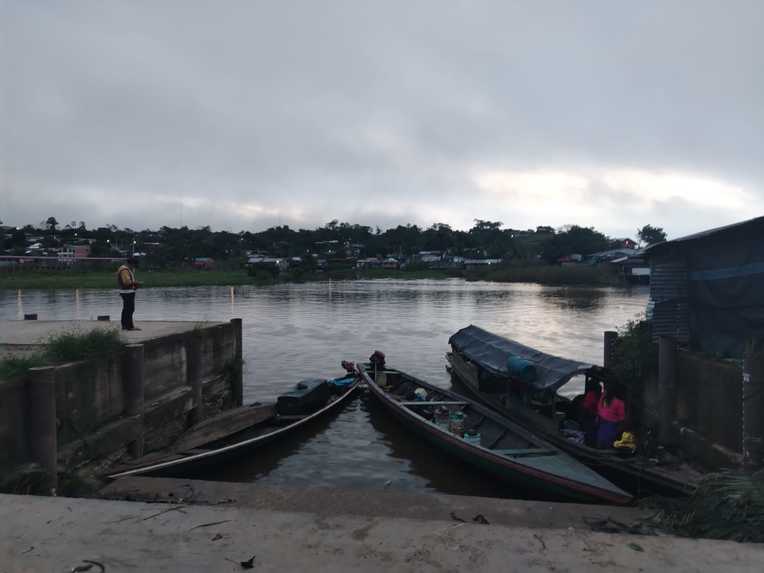
Riverine transportation and traditional boats used for local mobility in flooded conditions.
-
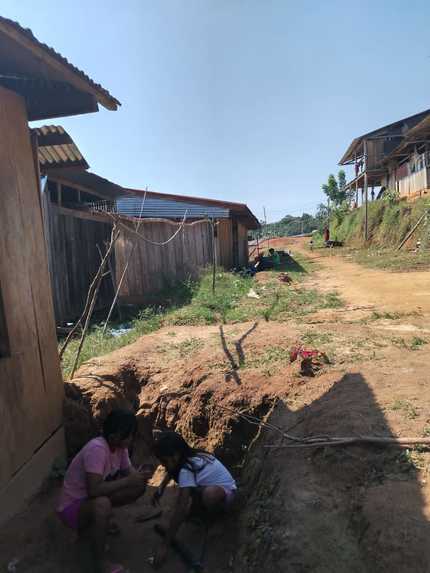
Community engagement and local participation in drainage and sanitation efforts.
-
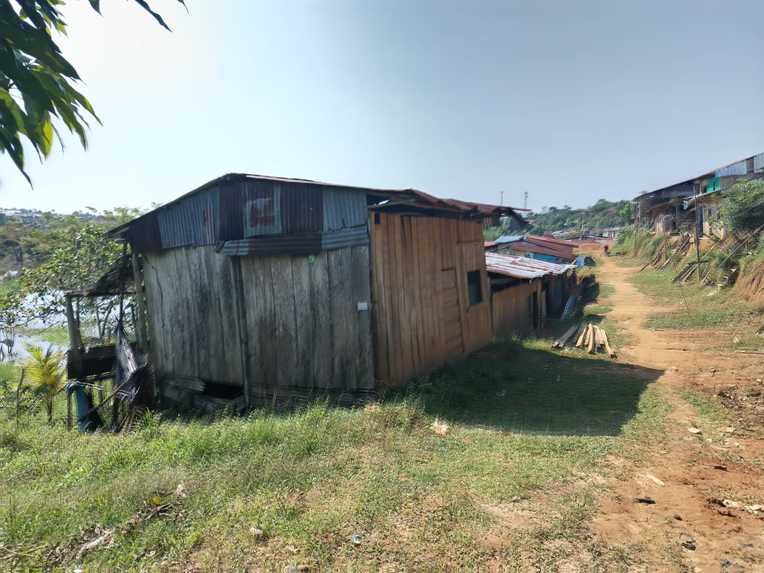
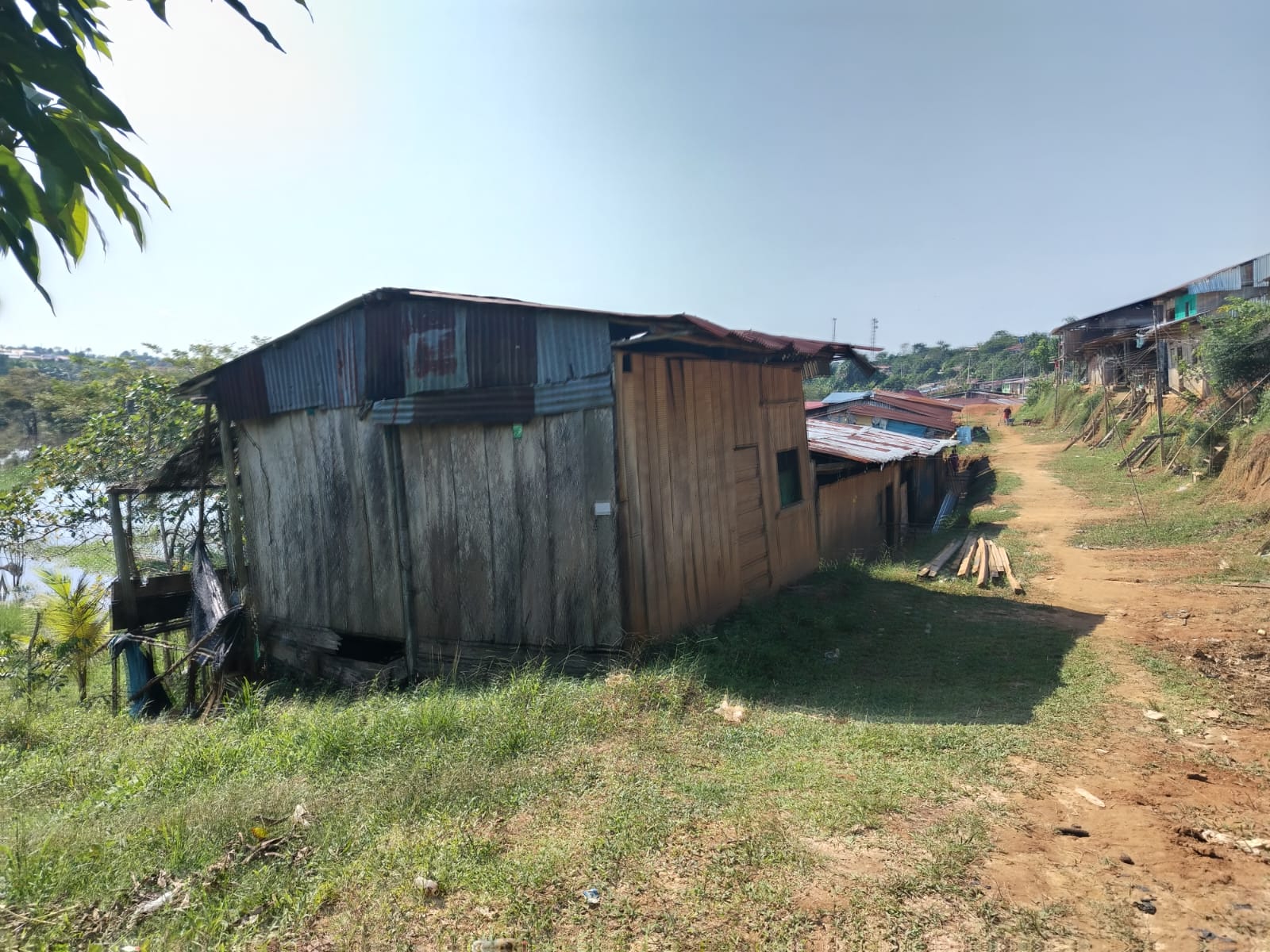
Informal wooden housing settlements located along riverbanks, vulnerable to soil erosion and seasonal flooding.
-
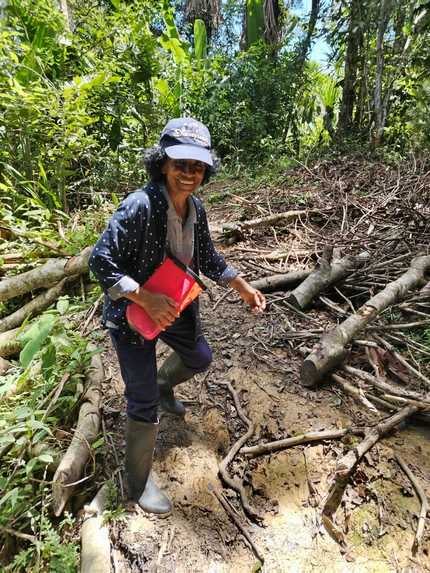
Karina Hinostroza - Co-fundadora y Líder de Proyecto
Inspiration In many rural and off-grid communities in the Amazon region—such as Nauta and Yarinacocha—access to safe drinking water and ecological sanitation remains a critical challenge. Communities face severe health risks due to untreated water sources and lack of basic infrastructure. YARA Water-AI was inspired by direct, on-the-ground observations of these challenges, aiming to leverage Artificial Intelligence to provide low-cost, accessible water diagnostics and sustainable sanitation solutions tailored for off-grid environments.
What it does YARA Water-AI is an AI-powered ecological sanitation and water diagnostics platform. It provides:
Water Diagnostics: AI-driven analysis to evaluate water quality parameters and identify safety risks in real time.
Ecological Sanitation Guidance: Step-by-step actionable recommendations for implementing decentralized, eco-friendly sanitation systems.
Community Empowerment: Easy-to-understand insights designed for local implementation without requiring heavy infrastructure or technical expertise.
How we built it AI & Machine Learning: Integrated intelligence models to process environmental parameters and generate diagnostics.
Community-Centered Design: Developed with real Amazonian field conditions in mind, ensuring light-footprint deployment.
Field Research: Supported by direct on-site visits and boundary assessments to ground truth the technical requirements.
Challenges we ran into Off-Grid Constraints: Designing an AI solution capable of functioning effectively in areas with limited internet connectivity and power infrastructure.
Data Contextualization: Tailoring diagnostic models to specific Amazonian water conditions and local environmental variables.
User Accessibility: Simplifying complex technical diagnostics into clear, actionable guidance for community members.
Accomplishments that we're proud of Field Validation: Successfully conducting direct on-site evaluations in the Amazon region to ground the AI model in real community conditions.
Eco-Tech Integration: Creating a cohesive bridge between advanced AI diagnostics and low-cost, ecological sanitation methods suitable for off-grid deployment.
Social Impact Focus: Designing a tool driven by environmental justice and public health impact for underserved rural communities.
What we learned Local Realities Matter: Effective technology must adapt to the physical and social geography of rural communities rather than expecting communities to adapt to rigid tools.
Interdisciplinary Approach: Bridging ecological engineering, social impact, and artificial intelligence is essential for sustainable development.
What's next for YARA Water-AI Expanding training data for local water parameters to improve diagnostic accuracy.
Partnering with local organizations and conservation areas to deploy pilot field testing.
Developing robust offline-first capabilities for remote deployment without internet dependence.

Log in or sign up for Devpost to join the conversation.