SecuriVax
Making vaccine cold-chain integrity visible, measurable, and actionable.
Inspiration
Vaccines are extremely sensitive to their storage and transportation conditions. A shipment can travel through multiple locations before reaching a patient, while the people handling it may have limited visibility into what happened to it along the way.
We wanted to explore a simple question:
How might we help healthcare workers know whether a temperature-sensitive medical product is still safe to use?
Our goal was to build a physical, connected prototype that brings cold-chain monitoring closer to the people who actually handle vaccines.
What We Built
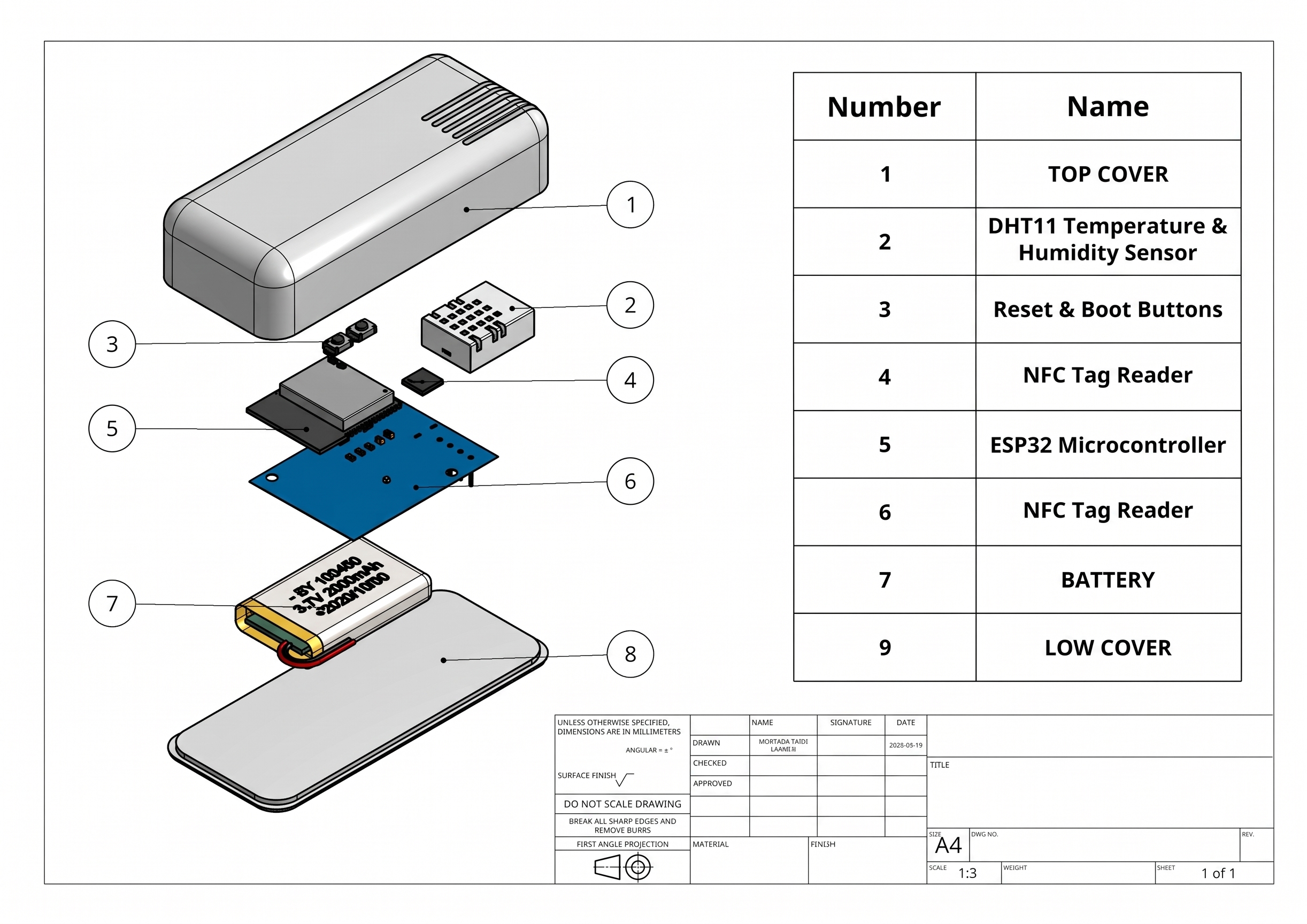
SecuriVax is a hardware and software prototype for monitoring the integrity of temperature-sensitive medical products throughout the cold chain.
The system combines an embedded device, environmental sensing, product identification, and a digital monitoring interface.
Instead of treating temperature as a single number, SecuriVax is designed around the idea of thermal history: understanding how a product has been exposed over time and turning that information into a status that a healthcare worker can actually act on.
Core workflow
Temperature-Sensitive Product
            ↓
       Identification
            ↓
   Environmental Sensors
            ↓
      ESP32 Processing
            ↓
   Thermal History / Data
            ↓
      Digital Analysis
            ↓
       Status / Alert
Why This Matters
Cold-chain failures can happen during transportation, storage, or handling.
A thermometer can tell you the temperature right now. It does not necessarily tell you the complete history of the product.
SecuriVax focuses on capturing that history so that the user can make a more informed decision about the condition of a tracked product.
This can be particularly useful in environments where medical supplies move through multiple storage and transportation stages.
How It Works
1. Identify the product
The system can associate a monitored product with a unique identifier using NFC.
This creates a connection between the physical product and its digital record.
2. Monitor the environment
An ESP32-based embedded system collects environmental measurements from the connected sensors.
The measurements provide the data required to track the conditions experienced by the product.
3. Process the measurements
The device processes the incoming sensor data and communicates the relevant information to the rest of the system.
Rather than displaying raw sensor readings alone, the system is designed to transform environmental data into information that is easier for a user to interpret.
4. Visualize the status
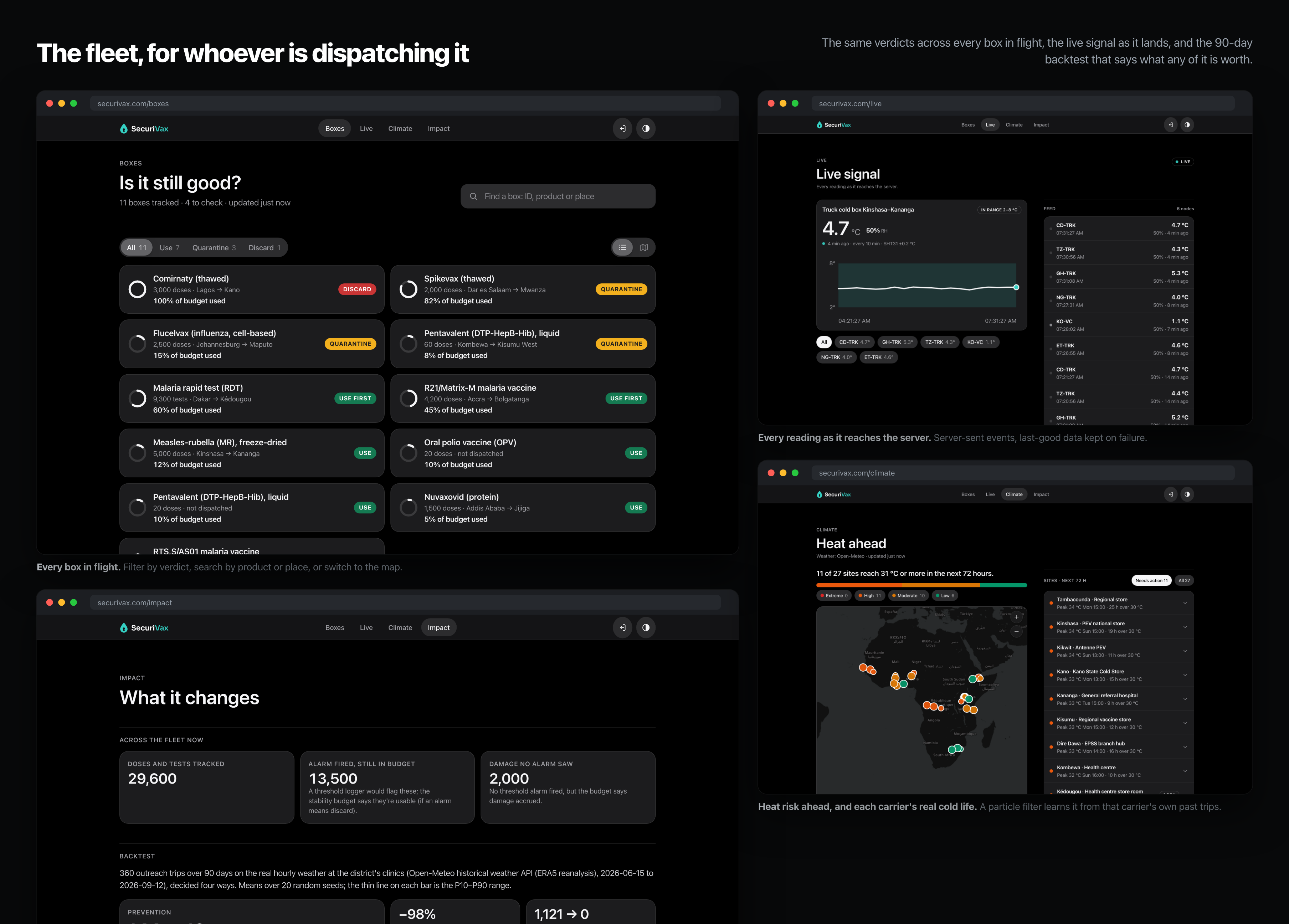
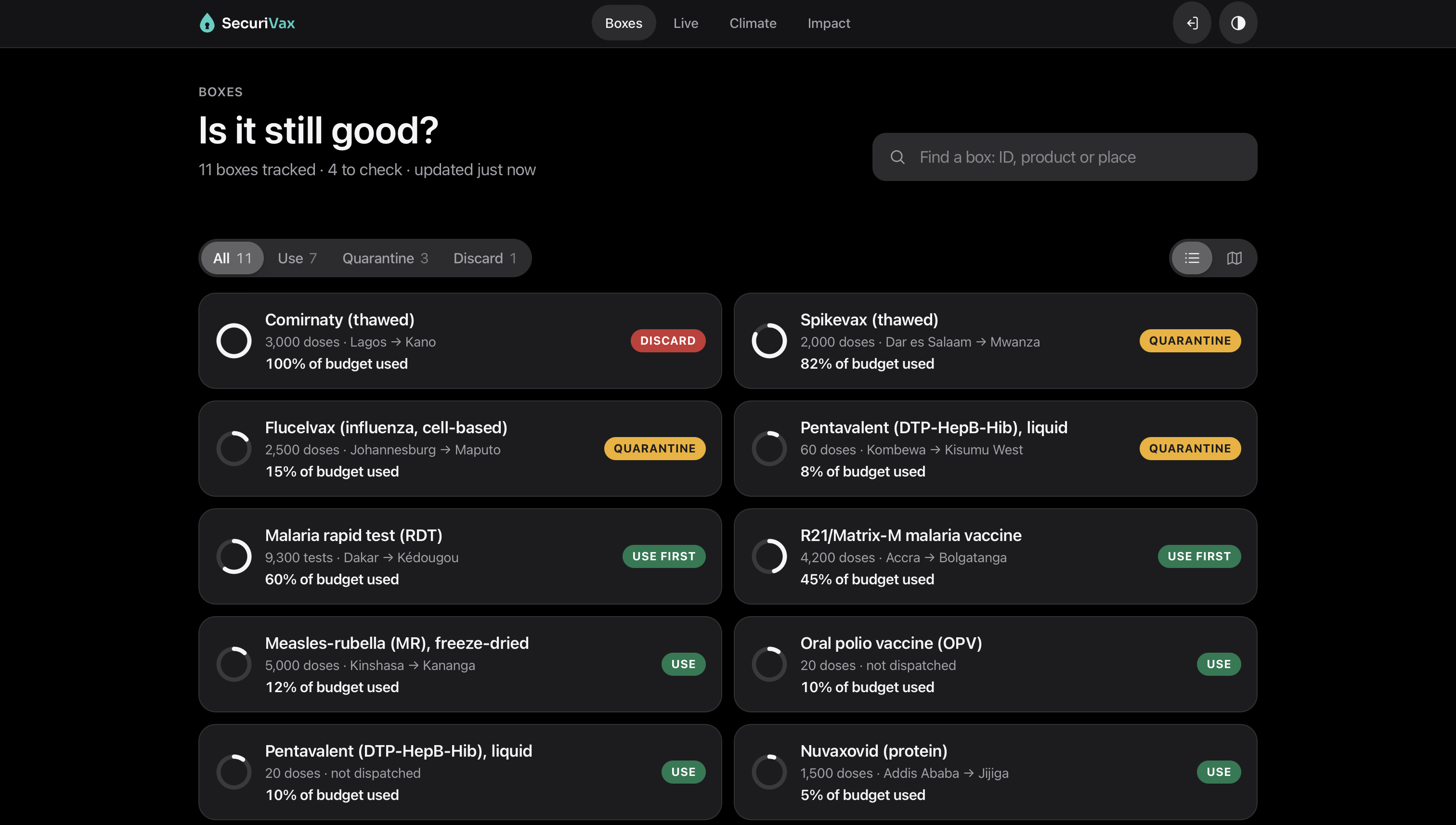
The collected information can be presented through the software interface as a product-level status and historical record.
This gives the user a way to understand not only the current environment, but also what happened to the monitored product over time.
Testing & Demonstration
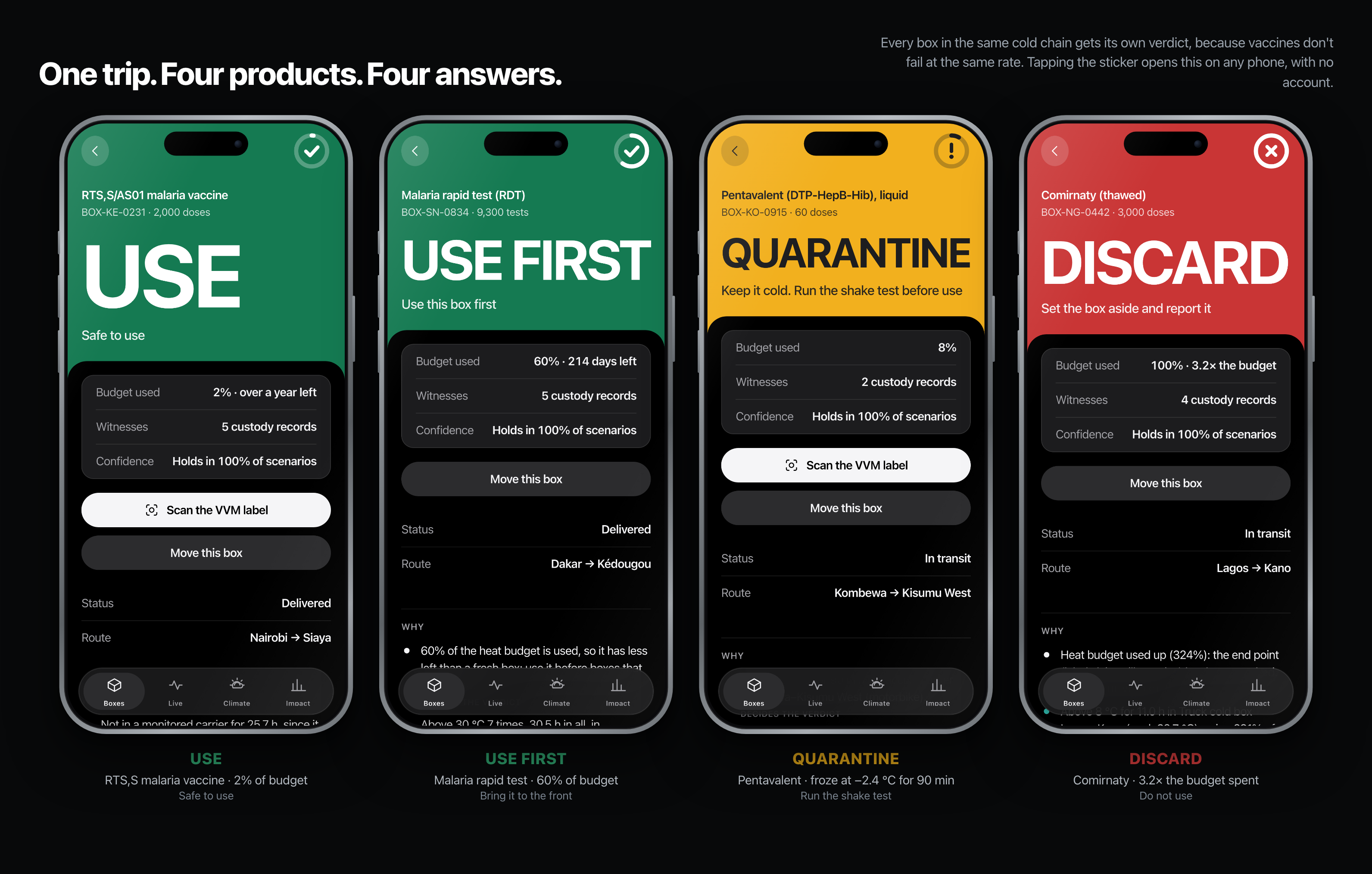
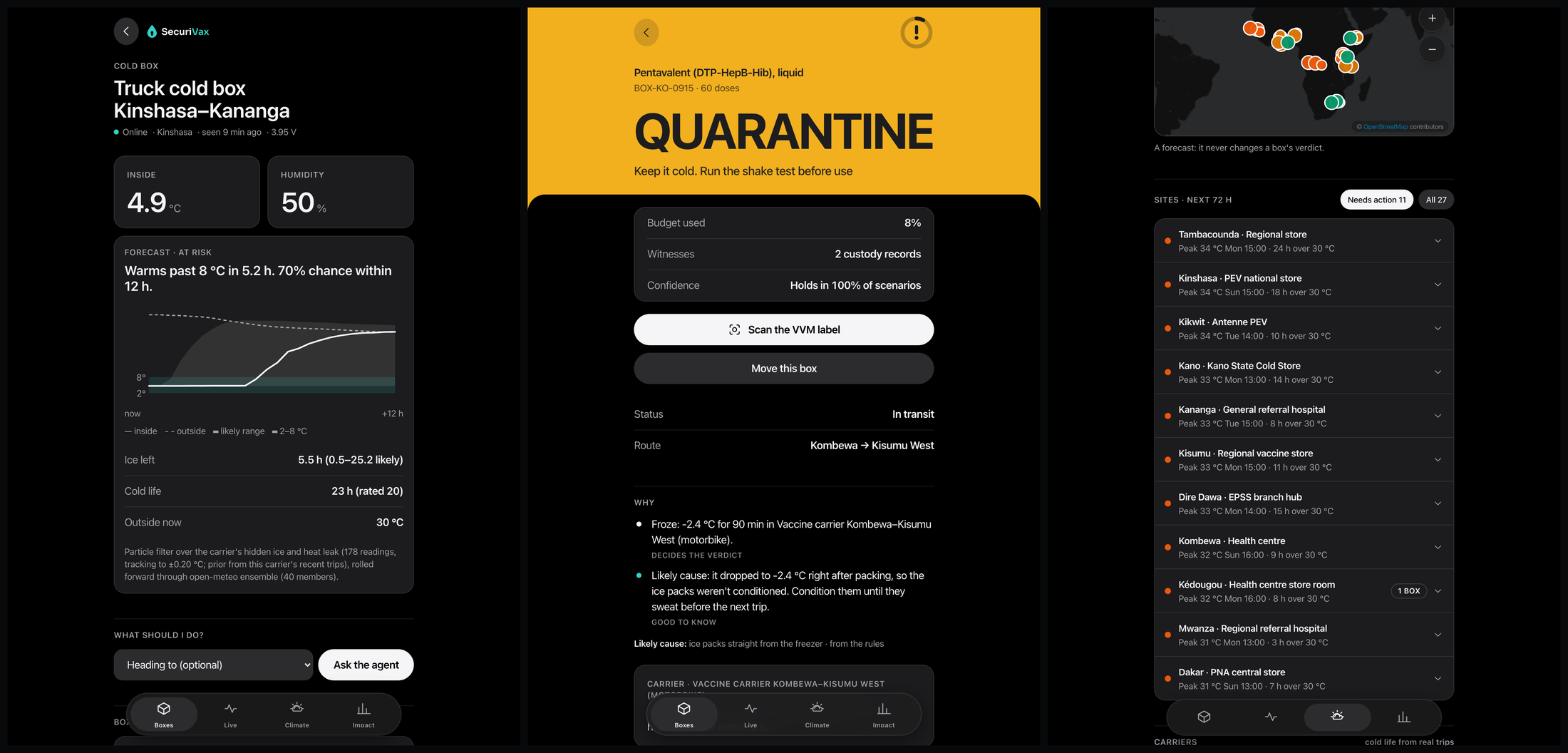
One Trip. Four Products. Four Answers.
A single cold-chain journey does not necessarily mean every product experiences the same conditions.
SecuriVax evaluates each tracked product individually and turns its thermal history into an actionable status.
View the four product cases image

The system can distinguish between different outcomes:
| Product | Status | Action |
|---|---|---|
| RTS,S/AS01 malaria vaccine | USE | Safe to use |
| Malaria rapid test (RDT) | USE FIRST | Bring this box to the front |
| Pentavalent vaccine | QUARANTINE | Keep cold and perform the required check |
| Comirnaty (thawed) | DISCARD | Set the box aside and report it |
This is the core idea behind SecuriVax: products do not receive one blanket decision simply because they traveled together. Each product gets its own status based on its recorded history.
Physical Demonstration: Two Different Outcomes
We also tested the physical workflow using two different cases.
Case 1 — Discard
In the first test, the product experiences conditions that push its thermal exposure beyond the acceptable limit.
SecuriVax identifies the problem and produces a clear action:
| Case 1 — Discard | Case 2 — Safe to Use |
|---|---|
 |
 |
| DISCARD — The recorded thermal history indicates that the product should not be used. | USE — The recorded thermal history remains within the acceptable range. |
| Action: Do not use. Set the product aside and report it. | Action: Safe to use. |
Why the Two Cases Matter
The two demonstrations show that SecuriVax is not simply displaying a temperature reading.
The same monitoring workflow can lead to different actions depending on what the individual product experienced:
                    Product
                       ↓
                NFC Identification
                       ↓
               Environmental Data
                       ↓
                Thermal History
                       ↓
                  Analysis
                       ↓
             ┌─────────┴─────────┐
             ↓                   ↓
       Within limits        Beyond limits
             ↓                   ↓
            USE                DISCARD
This allows the system to move from:
"What is the temperature?"
to:
"What happened to this product, and what should I do now?"
The four-case demonstration extends this idea further by showing that different products can receive different decisions — USE, USE FIRST, QUARANTINE, or DISCARD — even when they are part of the same overall cold-chain journey.
Hardware
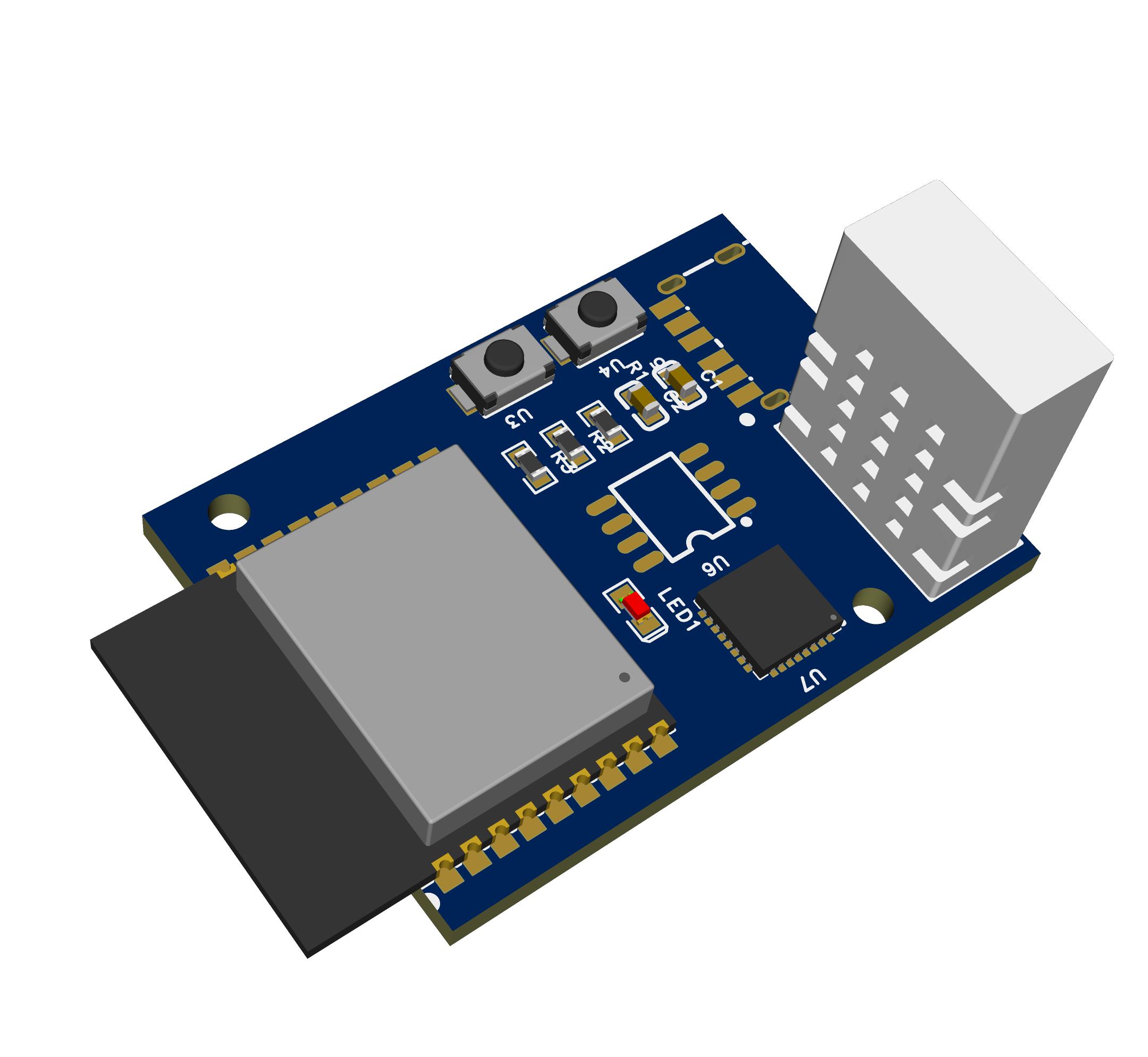
The prototype is built around an ESP32 microcontroller.
Main components
| Component | Purpose |
|---|---|
| ESP32 | Main embedded controller |
| Temperature / humidity sensor | Environmental monitoring |
| NFC reader | Product identification |
| Push buttons | Physical user interaction |
| Voltage regulator | Power management |
| Custom PCB | Hardware integration |
| USB Type-C | Programming / connectivity |
The custom PCB revision, SecuriVax 102, integrates the main electronic components into a compact system rather than relying on a collection of loose development-board connections.
Custom PCB
One of the main engineering goals was to move from a prototype assembled from individual modules toward a dedicated PCB.
The PCB provides:
- ESP32 integration
- Sensor connections
- NFC interface
- User input
- Power regulation
- Organized signal routing
- A more compact hardware architecture
This makes the prototype closer to a deployable embedded product and gives us a foundation for future iterations.
Software
The software stack connects the embedded device to the monitoring and visualization layer.
The system is designed around several stages:
Sensor Data
    ↓
ESP32
    ↓
Data Processing
    ↓
Product Record
    ↓
Thermal History
    ↓
Status / Visualization
The architecture allows the sensing hardware and software interface to work together as one system rather than as independent components.
Design Decisions
Why ESP32?
The ESP32 gives us a compact embedded platform with sufficient processing capability and wireless connectivity for a connected monitoring device.
Why NFC?
A cold-chain monitoring system needs to know which product its measurements belong to.
NFC gives us a simple way to associate a physical product with its digital record.
Why a custom PCB?
A breadboard is useful for proving that individual components work.
A custom PCB is necessary when the goal is to build a compact, repeatable hardware prototype.
Moving to our own PCB also forced us to think about:
- pin assignments
- power distribution
- communication interfaces
- physical layout
- connector placement
- component integration
- manufacturability
What Makes SecuriVax Different?
Traditional monitoring can leave users with isolated temperature readings.
Our approach focuses on the history of the product.
The key idea is:
Don't just ask "What is the temperature now?" — ask "What has this product experienced?"
By connecting product identification, environmental sensing, embedded processing, and a digital record, we can build toward a system where the condition of a shipment can be understood across its journey.
Challenges We Faced
Building a hardware/software system during a hackathon introduced several challenges.
Hardware integration
Connecting the ESP32, environmental sensors, NFC hardware, buttons, and power system required careful consideration of GPIO assignments, communication protocols, and power requirements.
Moving beyond a breadboard
Designing a custom PCB introduced another layer of complexity. Every connection had to be explicitly considered before moving from individual modules to an integrated board.
Turning sensor data into useful information
Raw measurements are not necessarily useful to a healthcare worker.
The challenge was to build a pipeline that converts measurements into information that can support a decision.
Building under time constraints
The project required hardware design, embedded development, software development, testing, documentation, and presentation within the hackathon timeframe.
What We Learned
One of our biggest lessons was that building a healthcare technology prototype is not only about collecting more data.
The difficult part is determining:
Which data matters, how it should be interpreted, and how the result should be communicated to the person making the decision.
We also learned how quickly hardware decisions affect the entire software architecture. A sensor choice changes the firmware, which changes the data model, which changes the dashboard and ultimately the user experience.
Future Work
SecuriVax is a prototype and there are several directions we would like to explore next.
More accurate thermal modeling
Instead of treating every temperature measurement equally, future versions could model cumulative thermal exposure and estimate consumed shelf life based on the specific medical product.
Improved product identification
We could expand the NFC system to automatically maintain a complete digital record for each vial, batch, or shipment.
Shipment-level monitoring
Multiple devices could communicate their data to a centralized platform, allowing organizations to identify where cold-chain failures occur.
Offline operation
Healthcare workers may operate in locations with limited connectivity. Future versions could store measurements locally and synchronize them when a connection becomes available.
AI-assisted analysis
Machine learning could eventually identify abnormal temperature patterns and prioritize shipments requiring human attention.
Production-ready hardware
The next hardware iteration would focus on:
- smaller PCB footprint
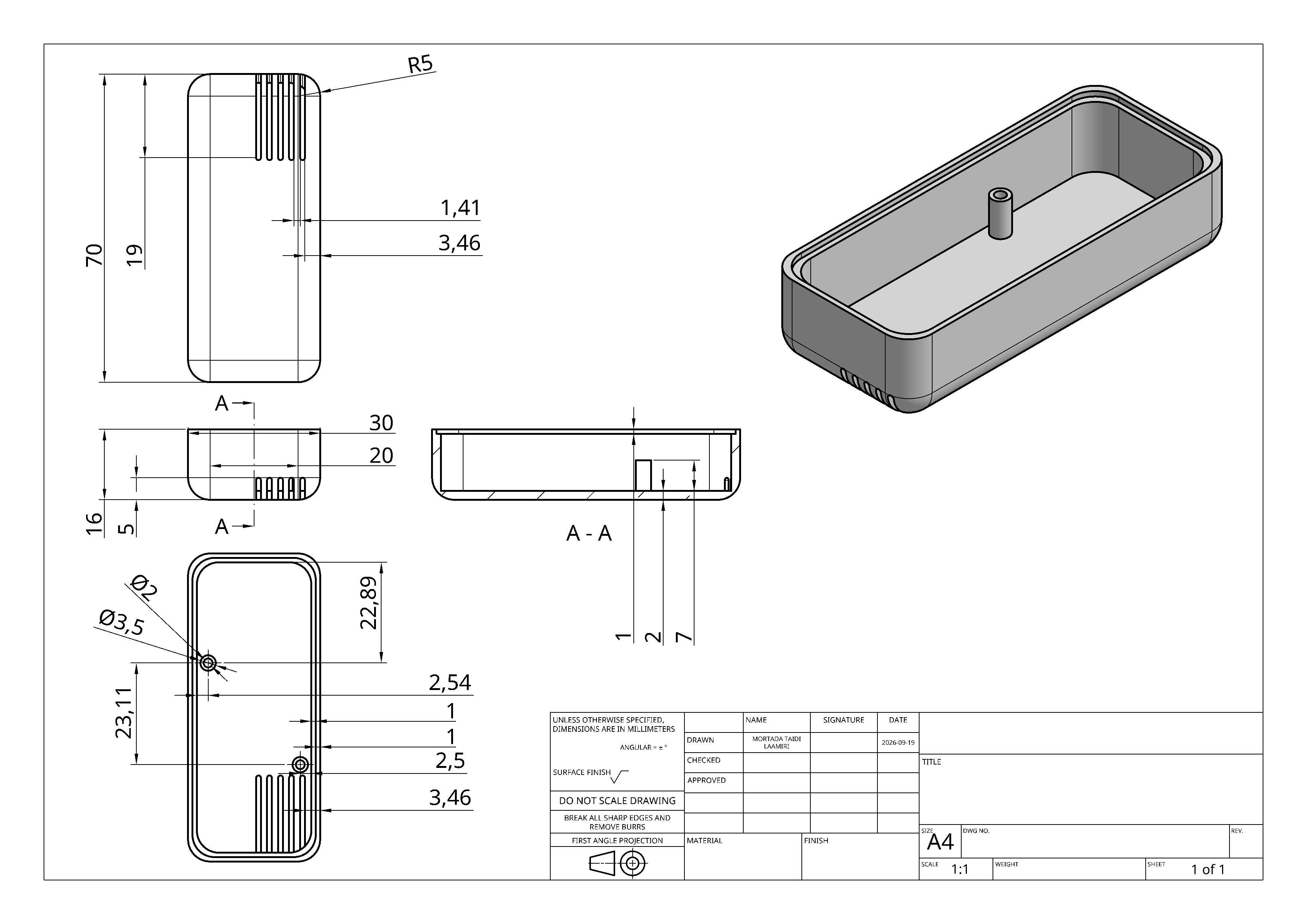
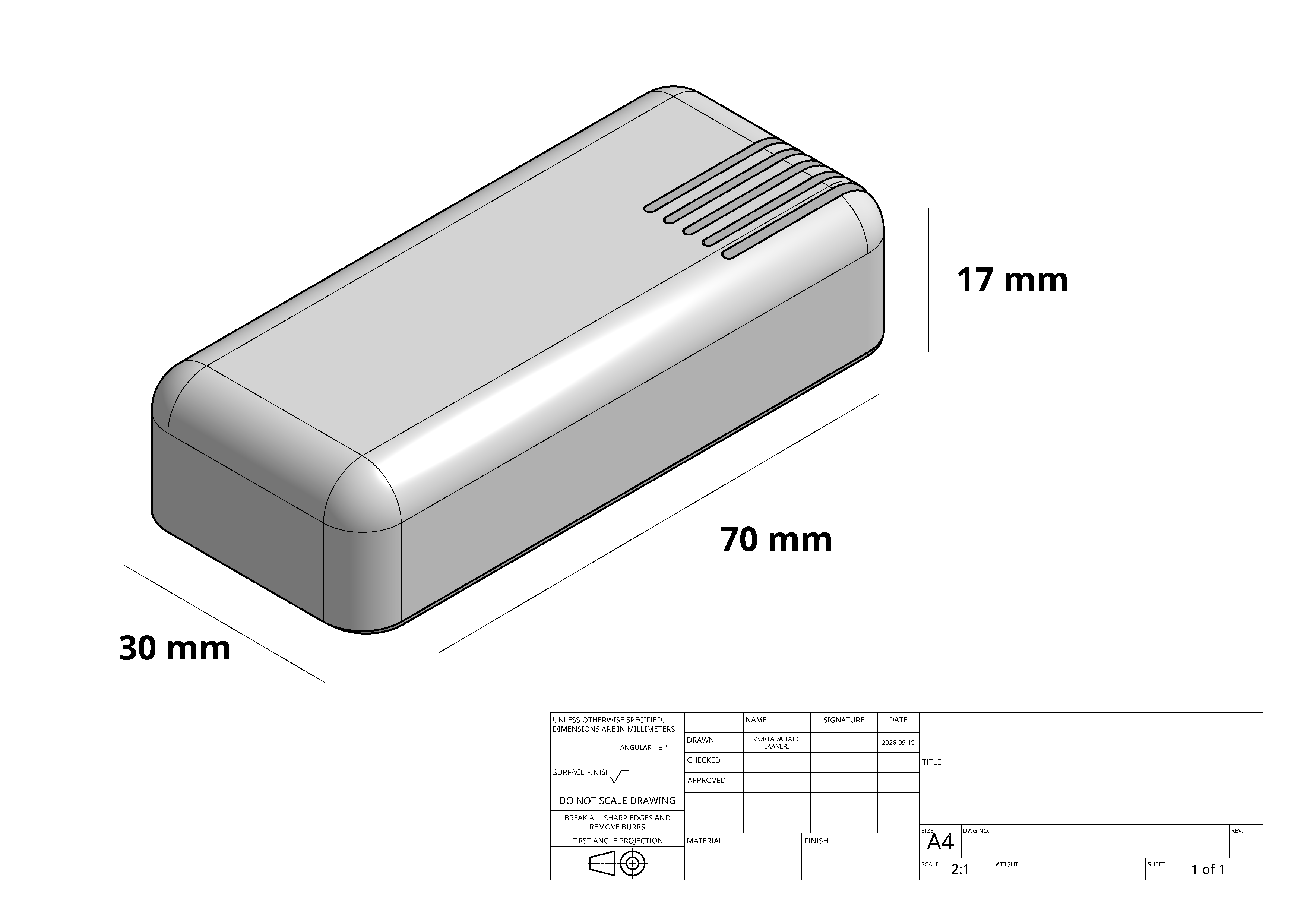
- improved enclosure
- battery optimization
- environmental protection
- calibration
- long-term sensor stability
- field testing
Technical Stack
| Category | Technology |
|---|---|
| Microcontroller | ESP32 |
| Environmental sensing | Temperature / Humidity Sensor |
| Identification | NFC |
| PCB | Custom SecuriVax PCB |
| Firmware | Embedded C/C++ |
| Hardware Design | PCB CAD |
| Data Processing | Software data pipeline |
| Interface | Web / Digital Dashboard |
Project Architecture
                    ┌─────────────────────┐
                    │ Temperature-Sensitive│
                    │      Product        │
                    └──────────┬──────────┘
                               │
                              NFC
                               │
                               ▼
                    ┌─────────────────────┐
                    │       ESP32         │
                    │                     │
                    │  Sensor Acquisition │
                    │  Data Processing    │
                    │  Device Control     │
                    └──────────┬──────────┘
                               │
                       Environmental Data
                               │
                               ▼
                    ┌─────────────────────┐
                    │   Data Processing   │
                    │                     │
                    │ Thermal History     │
                    │ Product Record      │
                    │ Status Calculation  │
                    └──────────┬──────────┘
                               │
                               ▼
                    ┌─────────────────────┐
                    │     Dashboard       │
                    │                     │
                    │ Product Status      │
                    │ History              │
                    │ Alerts               │
                    └─────────────────────┘
OPEF Environmental Intelligence
Environmental Problem
Temperature-sensitive medical products such as vaccines depend on controlled environmental conditions throughout transportation and storage. Breaks in the cold chain can expose products to damaging temperatures while remaining difficult to detect from a single temperature reading. SecuriVax addresses this problem by making the environmental history of a product visible and actionable.
Environmental Intelligence
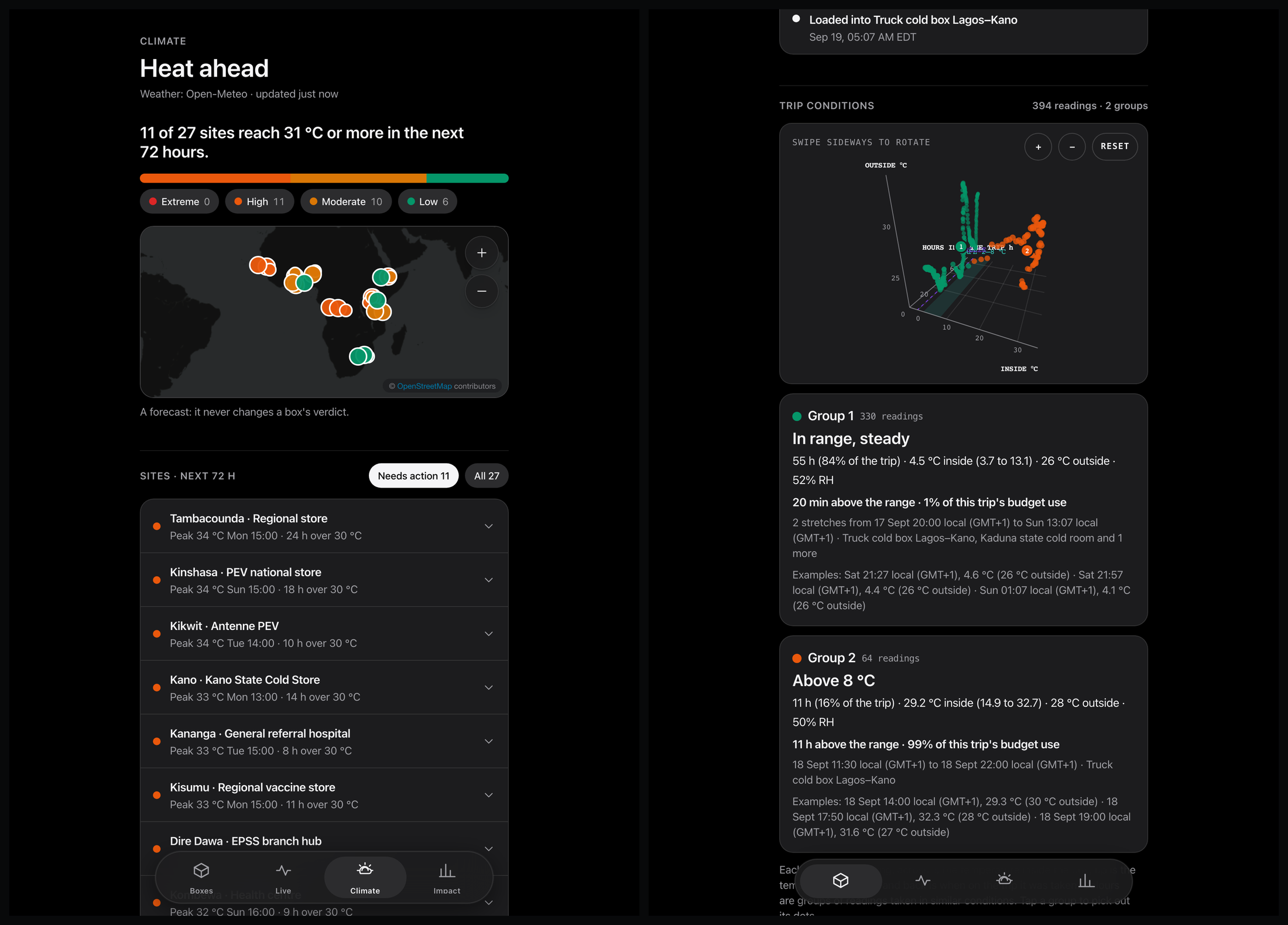
SecuriVax continuously monitors environmental conditions experienced by a tracked product, with a focus on temperature and humidity. Instead of looking only at the current temperature, the system uses the collected environmental data to build a thermal history for each product and determine whether its conditions remain within the required range.
Technology
Our prototype combines an ESP32-based embedded system, temperature/humidity sensing, NFC product identification, a custom PCB, data processing, and a digital dashboard. Sensor data is associated with an individual product through NFC and processed into a product-level status. This creates a connection between the physical environment, the monitored product, and the digital record.
What We Built
During HopHacks 2026, we built and demonstrated a functional hardware/software prototype, including the SecuriVax 102 custom PCB, embedded sensing system, NFC identification workflow, product-status logic, and digital visualization. We demonstrated multiple simulated cold-chain outcomes, showing how different thermal histories can produce different actions such as USE, USE FIRST, QUARANTINE, or DISCARD.
Impact
SecuriVax enables healthcare workers and supply-chain operators to move beyond asking "What is the temperature right now?" toward "What environmental conditions has this product experienced, and what should I do?" This can help make cold-chain failures more visible and support faster, product-specific decisions.
Data & Sources
The current prototype primarily uses real-time environmental sensor data collected directly from the device, rather than relying on a pre-existing external dataset. Product identification is handled through NFC, while the embedded system processes the environmental measurements into the monitoring pipeline.
How We'd Expand
With additional time and resources, we would expand SecuriVax to support larger-scale shipment monitoring, offline data storage and synchronization, more detailed thermal-exposure models, batch- and vial-level tracking, and additional environmental signals. We would also explore AI/ML models capable of detecting abnormal environmental patterns and predicting potential cold-chain failures across different transportation routes and geographic regions.
Demo
During our demonstration, we show the complete flow from the physical device to the digital interface.
The goal is to demonstrate that SecuriVax is not simply a collection of sensors, but an integrated system connecting:
Physical product → identification → sensing → processing → digital information.
Built at HopHacks 2026
SecuriVax was developed during HopHacks Fall 2026 at Johns Hopkins University.
We built the prototype under the constraints of a hackathon, combining hardware engineering, embedded systems, software, and healthcare-focused problem solving.
Team
Taha Taidi Laamiri ENSI Tangier, Morocco, Hardware / Embedded Systems / Robotics / Product Development
Soumil Bhandari Purdue University, Hardware / Software / System Development
Ye Yint Phone Pyae Johns Hopkins University, Healthcare / AI / Product Concept
Avery Wu University of California, San Diego_Hardware / Sensing / Product Development
Repository
The complete project source code, hardware documentation, PCB design, and supporting materials are available in our GitHub repository.
GitHub: https://github.com/SoumilBhandari/hophacks
Final Thought
Cold-chain failures are often invisible until it is too late.
SecuriVax aims to make the history of a temperature-sensitive product visible before that becomes a problem.
Built With
- ai
- claude-code
- cursor
- grok


Log in or sign up for Devpost to join the conversation.