-
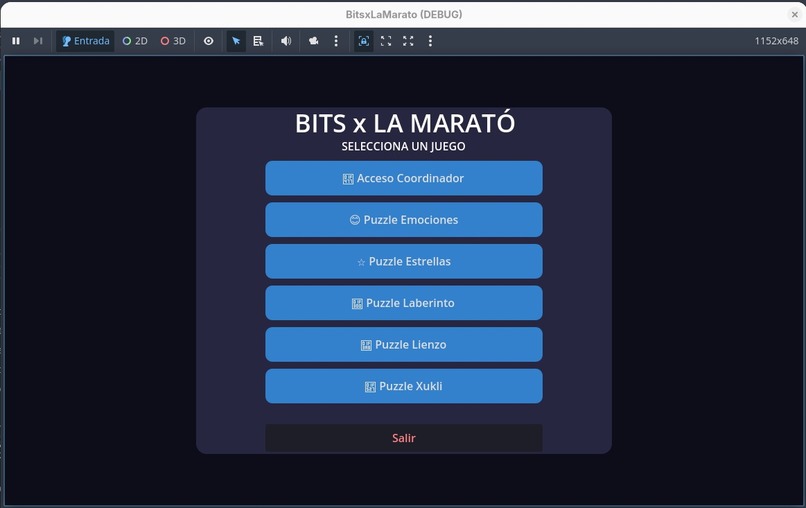
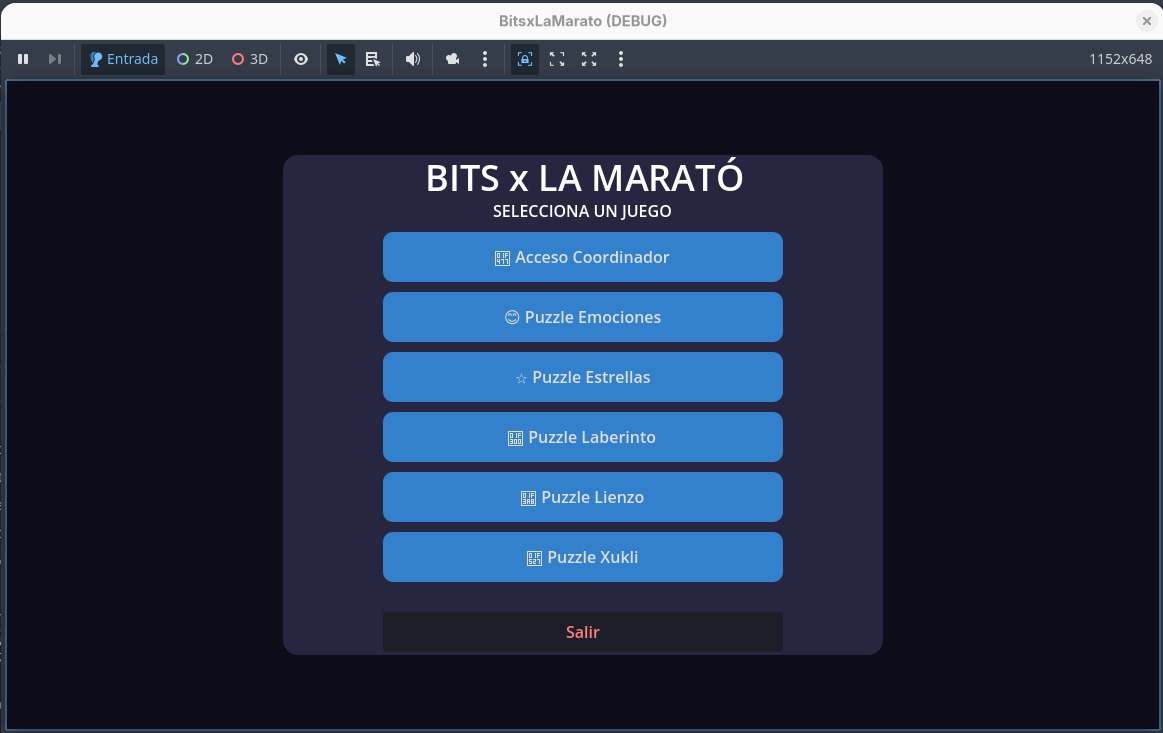
Main Menu
-
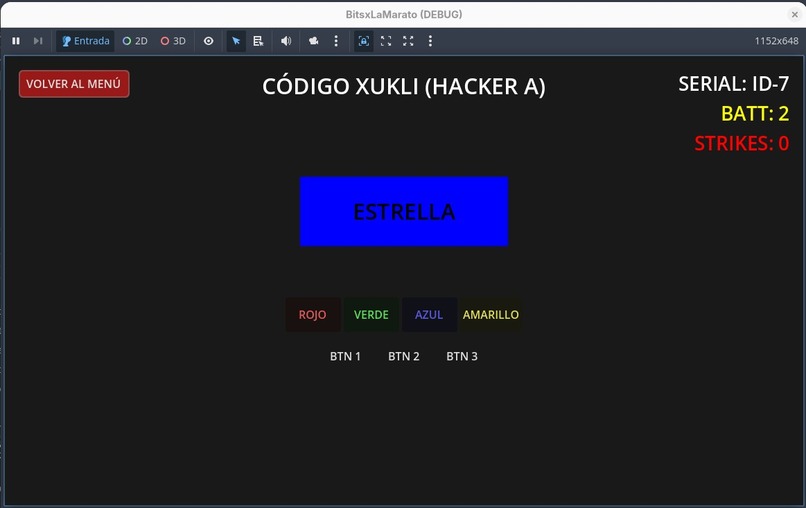
Puzzle Bomb
-
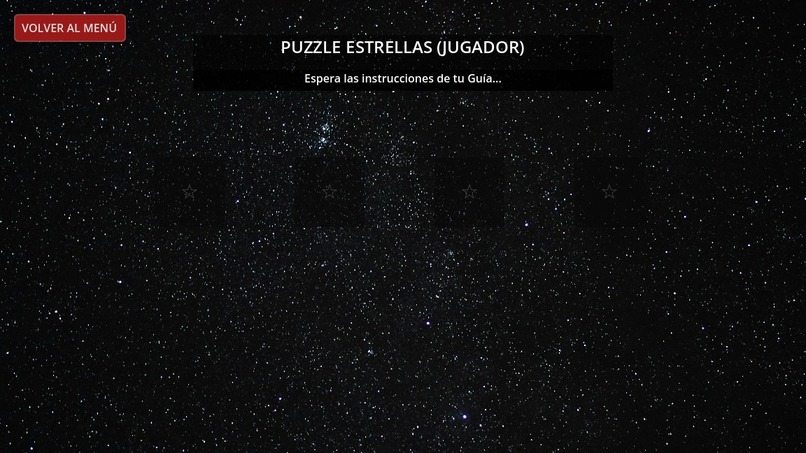
Puzzle Stars

Inspiration
Xuklis Quest was inspired by the emotional and social challenges faced by teenage patients undergoing long or demanding medical treatments. During these periods, feelings of isolation, lack of motivation, and disconnection from peers are common.
We wanted to explore how cooperative play could become a tool to encourage communication, trust, and emotional engagement in a safe and inclusive way. Taking inspiration from highly collaborative games like Keep Talking and Nobody Explodes, we focused on mechanics where success is only possible through teamwork, not individual performance.
What it does
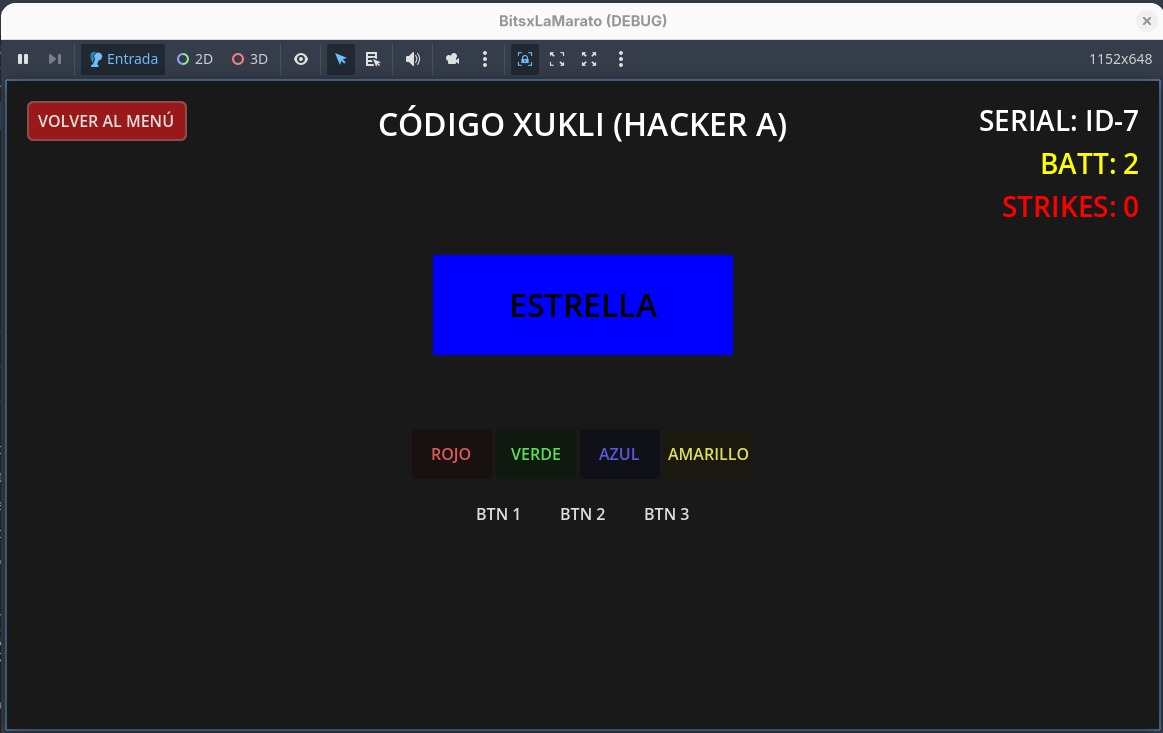
Xuklis Quest is a cooperative puzzle-based game designed for teenage patients. The game consists of multiple mini-games that require players to communicate, share information, and collaborate in real time.
A key feature of the platform is the coordinator role, who can dynamically select and adapt the challenges based on the group’s needs, abilities, or therapeutic goals. This allows the experience to be flexible, replayable, and suitable for different group dynamics.
Unlike competitive games, Xuklis Quest emphasizes shared progress, creating a supportive environment where players succeed together.
How we built it
The project was designed with simplicity, accessibility, and adaptability in mind. We structured the game as a modular system of cooperative puzzles, allowing new mini-games to be added or customized easily.
Special attention was given to:
- Clear and intuitive mechanics
- Low cognitive overload
- Cooperative interactions over reflex-based gameplay
This approach ensures the game can be used in care environments without requiring prior gaming experience.
Challenges we ran into
One of the main challenges was balancing engagement and accessibility. Designing puzzles that are stimulating without being frustrating required careful iteration.
Another challenge was ensuring that cooperation felt meaningful, not forced. We had to rethink traditional puzzle design so that each player’s role mattered and communication was essential rather than optional.
Finally, adapting the experience to be flexible for different groups while keeping the gameplay coherent was a key design challenge.
Accomplishments that we're proud of
One of our main accomplishments is designing a game that places cooperation at its core, where communication and teamwork are essential rather than optional. We successfully created a system of puzzles that encourage shared problem-solving in a way that feels natural and engaging for teenage players.
We are also proud of building a flexible coordinator-driven structure, which allows the experience to adapt to different group sizes, abilities, and goals. This makes Xuklis Quest suitable for diverse care and educational environments.
Finally, completing a meaningful, playable concept within a hackathon timeframe while keeping accessibility and emotional safety in mind was a significant achievement for our team.
What we learned
Through this project, we learned how powerful collaborative game design can be when applied to emotional and social wellbeing. We gained insight into designing for inclusivity, adaptability, and real-world contexts beyond entertainment.
Most importantly, we learned that games can be more than fun — they can be a bridge for connection, communication, and shared experiences.
What's next for Xuklis Quest
In the future, we would like to expand Xuklis Quest with a wider variety of cooperative mini-games, offering different types of challenges such as logic, communication, and emotional awareness.
We also plan to explore personalization options, allowing coordinators to tailor difficulty, themes, and session length to each group. Integrating feedback from healthcare professionals and educators will be a key next step to ensure the game aligns with real therapeutic needs.
Ultimately, our goal is to evolve Xuklis Quest into a scalable platform that can be used across hospitals, schools, and support centers, helping more teenagers connect, collaborate, and grow together through play.

Log in or sign up for Devpost to join the conversation.