-
-
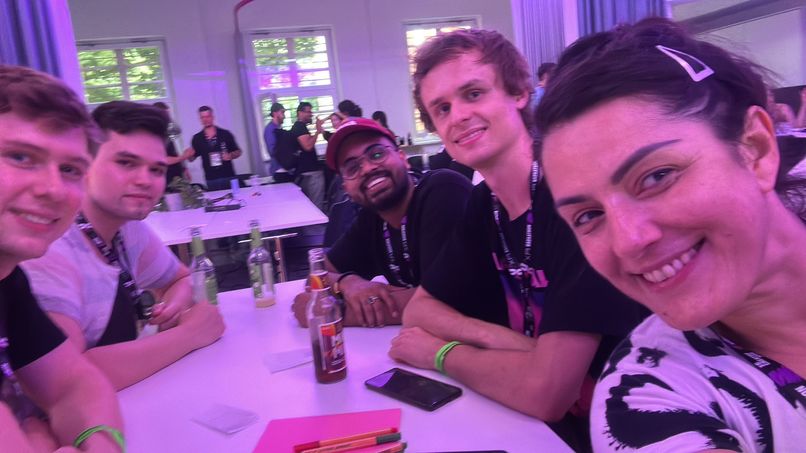
Team - Brainstorming
-
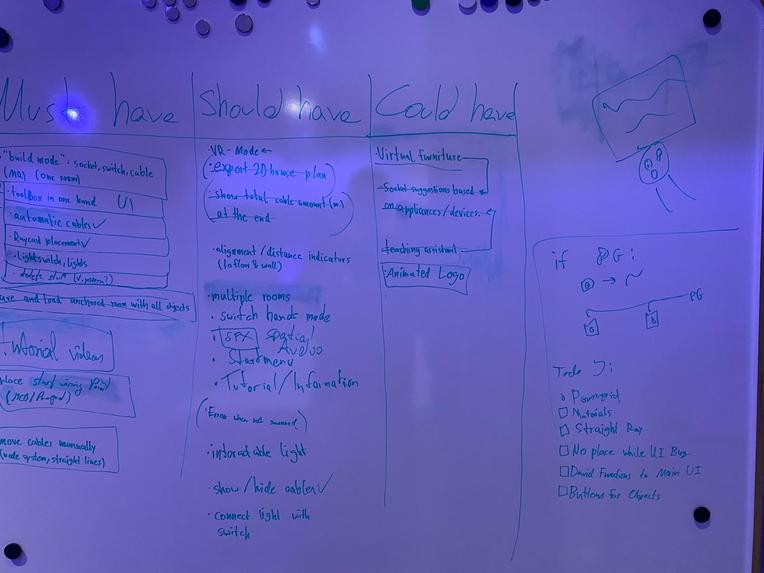
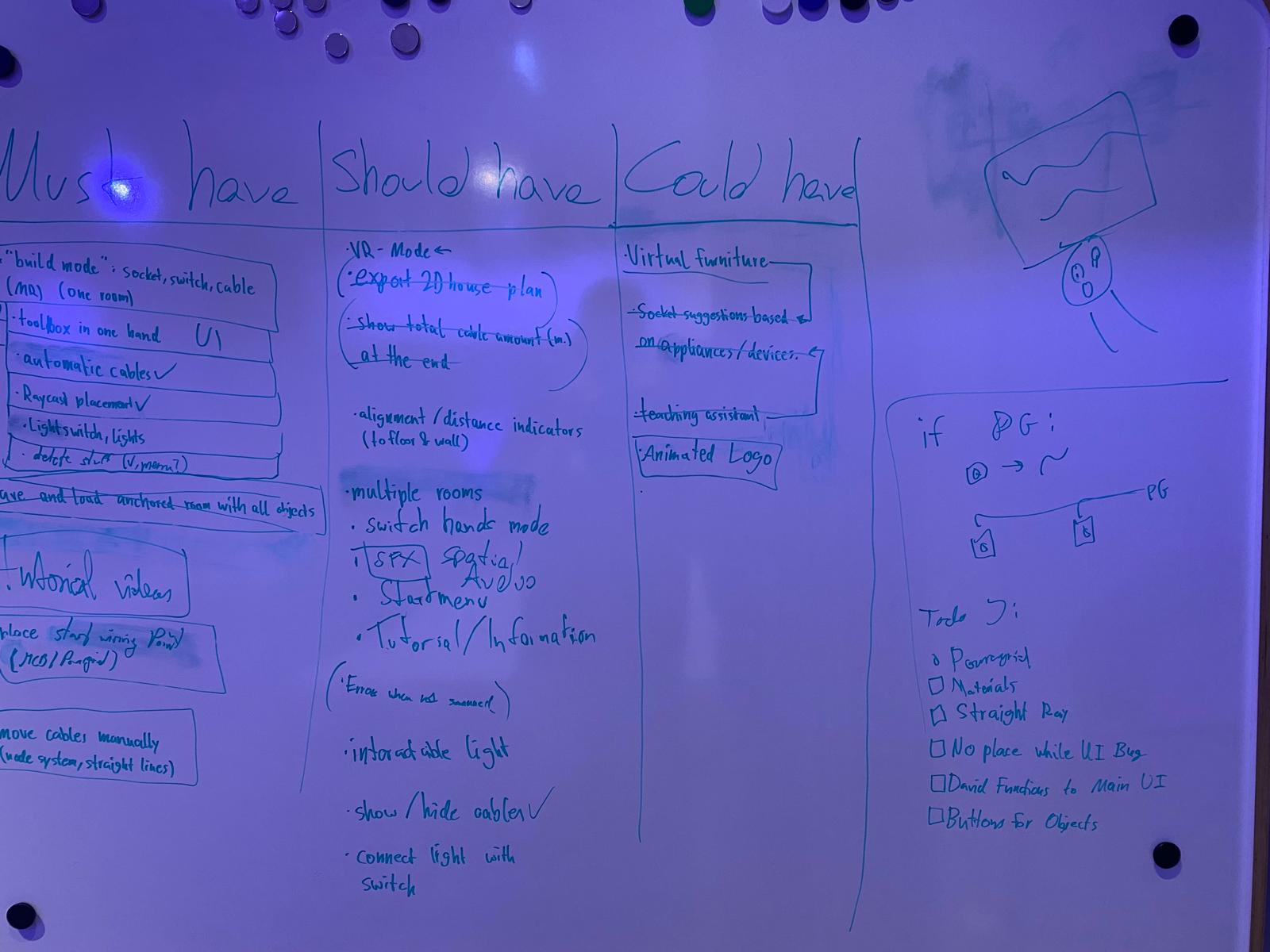
MoSCoW Analysis
-
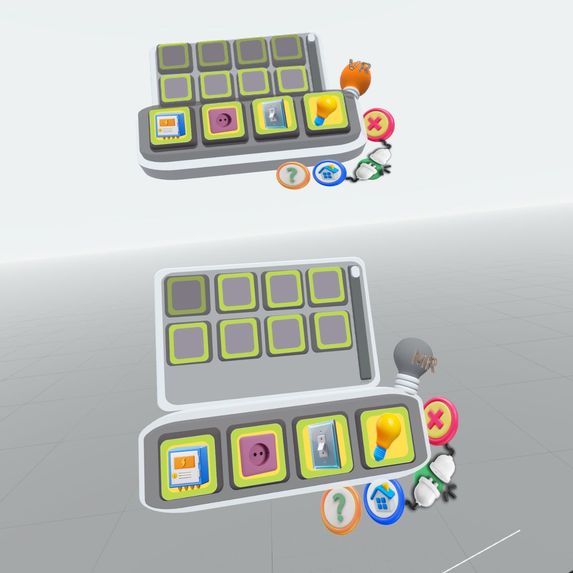
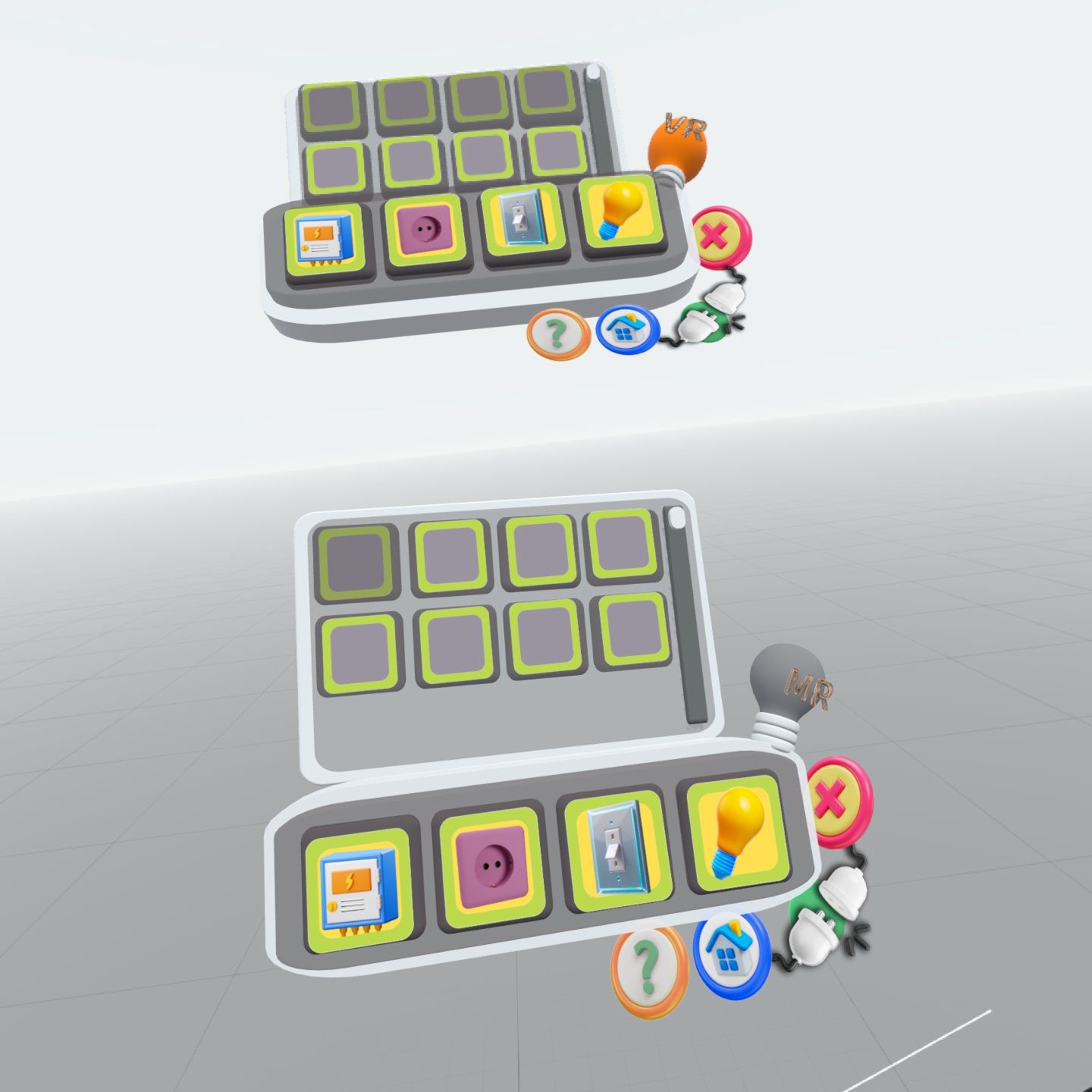
Sketch in ShapesXR
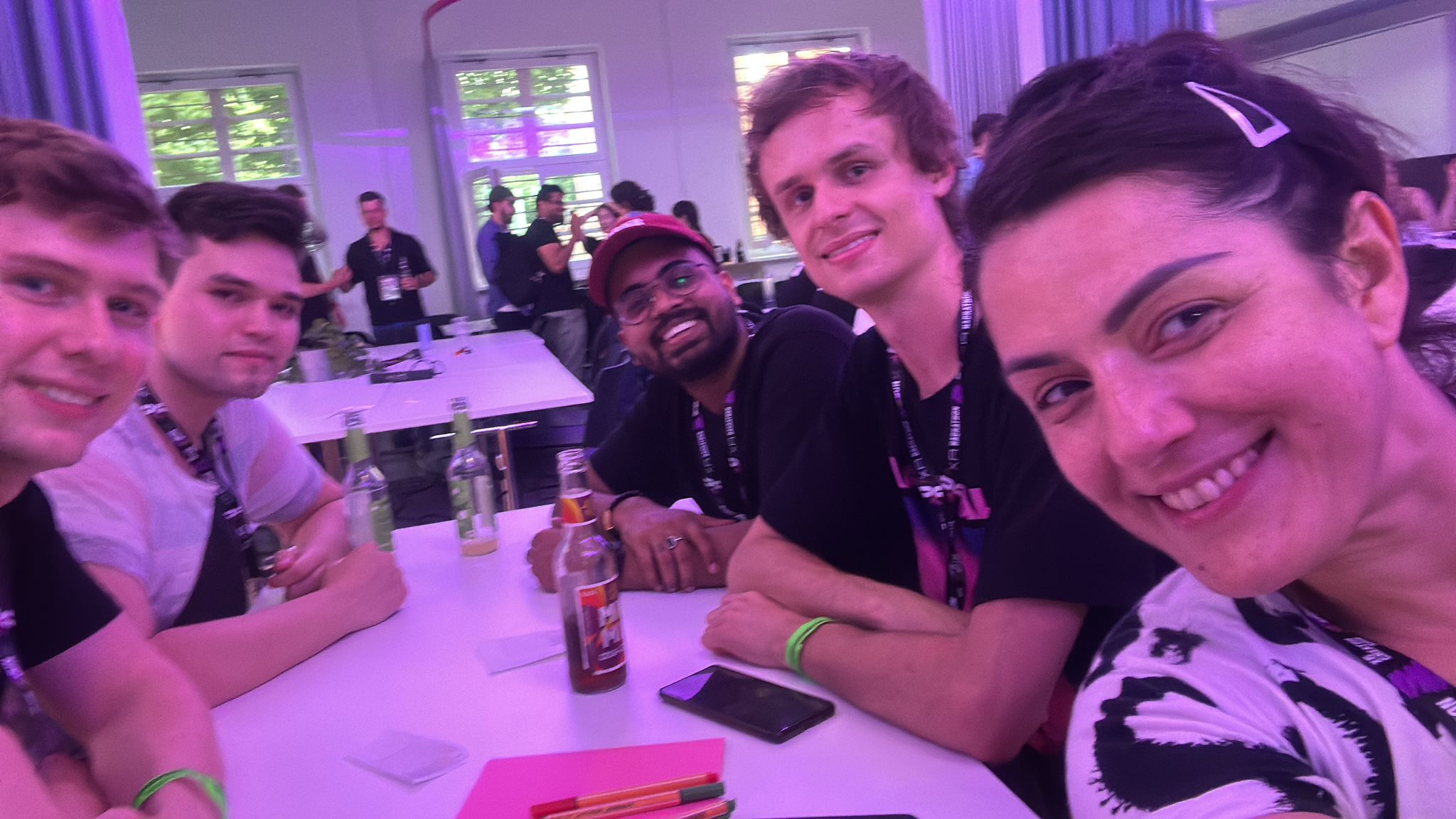
Inspiration
We were inspired by the possibilities of the Meta MRUK Toolkit combined with a specific need of one of our team members. He wanted to renovate a house and thought of a solution to preview changes to the substance of his real estate before he even touched a pen or a sledgehammer. That's how we envisioned the following scenario:
What it does
The User Experience
Imagine you want to renovate your home's electrical system. With a Meta Quest 3 headset, you can use XRchitects - Spark Up to:
- Scan your room and create a virtual replica.
- Place sockets, switches, and light sources directly in your real or virtual room, either in MR or VR.
- Visualize how different light sources will illuminate your space.
- Design your ideal electrical layout while the app automatically handles wiring.
Streamlined Communication
When you're ready to implement your design:
- Call an electrician and show them your concept using the app.
- The electrician can see exactly what you want, eliminating miscommunication.
- Receive immediate feedback on feasibility without the need for 2D floor plans.
XRchitects - Spark Up revolutionizes the renovation process by providing a clear, visual way to design and communicate your electrical layout ideas, saving time and reducing errors in the planning phase.
How we built it
Planning and Conceptualization
- We began with a brainstorming session to identify specific problems that could be addressed using the Meta MRUK Toolkit.
- Our team decided to focus on the challenge of visualizing electrical layouts in home renovation projects.
Design Phase
- While our developers initiated work on basic functionality, our design team utilized ShapesXR for prototyping.
- In a multiplayer ShapesXR session, we blocked out a basic user interface, focusing on intuitive tool handling for users.
- We conducted collaborative review sessions, made necessary adjustments, and finalized the best design.
Development Process
- We leveraged Unity as our primary development platform, integrating it with the Meta MRUK Toolkit.
- The 3D objects created in ShapesXR were successfully imported into our Unity application, ensuring design continuity.
- Our development workflow utilized GitHub for version control:
- We worked across three separate branches to allow parallel development.
- Changes were merged into a main branch, enabling all team members to build and test the application.
Finally, we ensured proper functionality through regular testing sessions to identify and address any issues with the object placement, user interface, or any other problems we encountered.
Our collaborative approach, using each team member's strengths to the best of their abilities and using a combination of cutting-edge tools, allowed us to efficiently develop XRchitects - Spark Up within the constraints of the hackathon.
Challenges we ran into
The Meta MRUK EffectMesh in Version 65 was a hurdle to overcome. The generated RoomMesh wasn't easily accessible so we had to come up with a solution to activate and deactivate by ourselves. We also asked Valem for advice. The saving process was too big of a challenge for the short amount of time we had for the event so we cancelled it out. The WIFI at the venue caused issues when installing Unity Versions, effectively making some of our developers lose more than half a day trying to get Unity to work.
Accomplishments that we're proud of
We managed to work as a team effectively even though most of us didn't have much experience working together on a project like this. Each of us brought unique skill sets to the table, which ended up complimenting each other very well. We are also quite proud of the application we managed to implement, as even in its current state it can do some of the things we would have wished for when renovating our own houses.
What we learned
We learned how to use ShapesXR effectively for prototyping and reviewing concepts at an early stage of development. We learned how to use building blocks from the MRUK Toolkit and some of us learned how to use GitHub to collaborate on the same source code. We got a better grasp of the full pipeline for creating an XR app; from conceptualizing in ShapesXR, creating assets in Blender, and putting everything together in Unity, each of us learned more about the work of the others and what it takes to create a full final product.
What's next for XRchitects - Spark up
Short-term highest priority:
Save and load electricity layouts, estimation of necessary resources (wires, socket boxes, switches, light sources, energy sources)
Short-term lower priority:
local multiplayer to view the layout together with the service provider, automated 2D plan pdf, or the room layout.
Longterm priority:
develop further versions of XRchitects expanding the universe of possibilities beyond electricity - speaking of gaspipes, waterpipes, and automated suggestions for out- and inlets depending on placed furniture.


Log in or sign up for Devpost to join the conversation.