



Inspiration
I've always been fascinated by the intersection of technology and interior design. The idea of being able to virtually visualize furniture in a real-world space seemed like a natural progression in enhancing the shopping experience for consumers. Plus, with the rise of augmented reality (AR) and virtual reality (VR) technologies, creating a mixed reality app for furnishing homes felt like an exciting and innovative project to undertake.
What it does
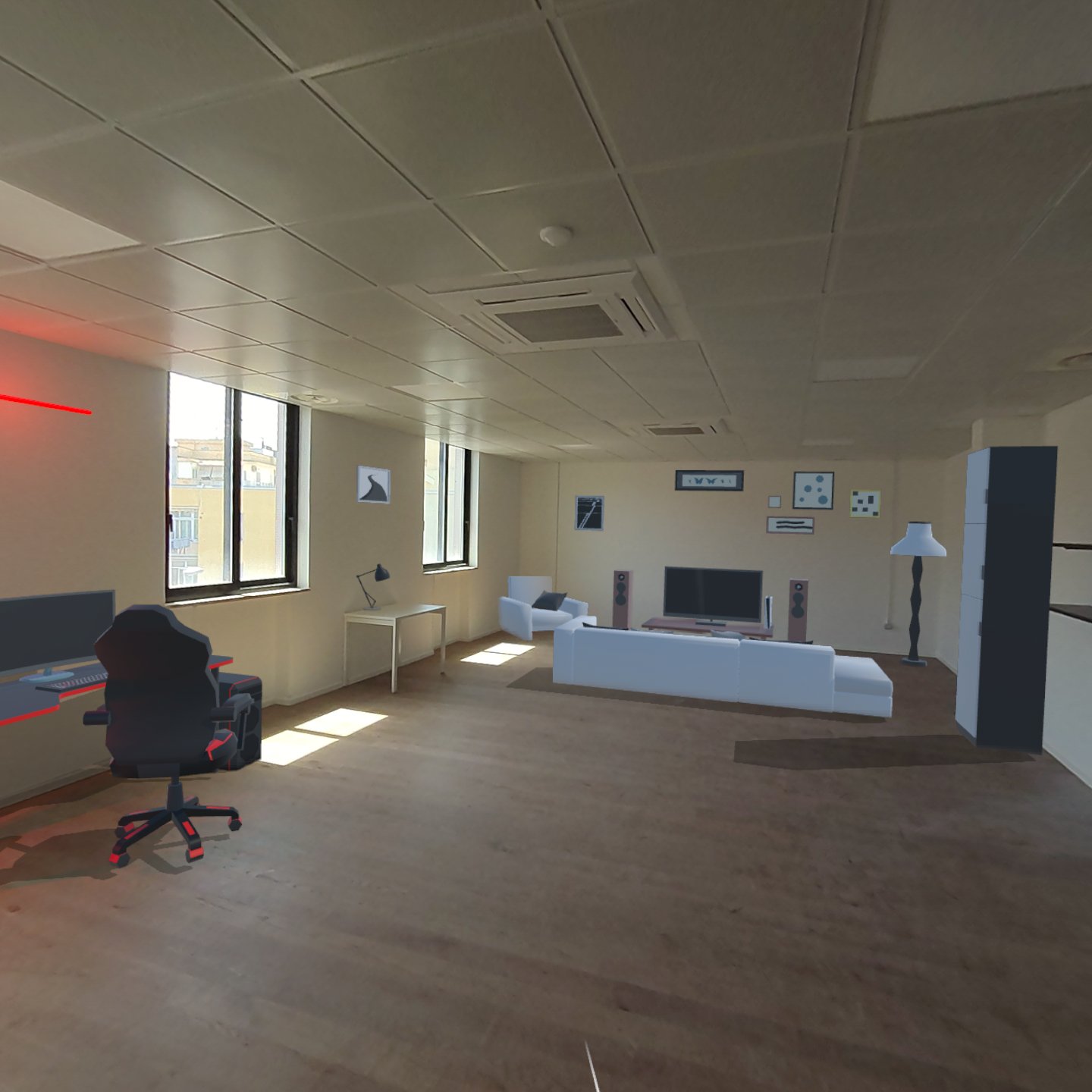
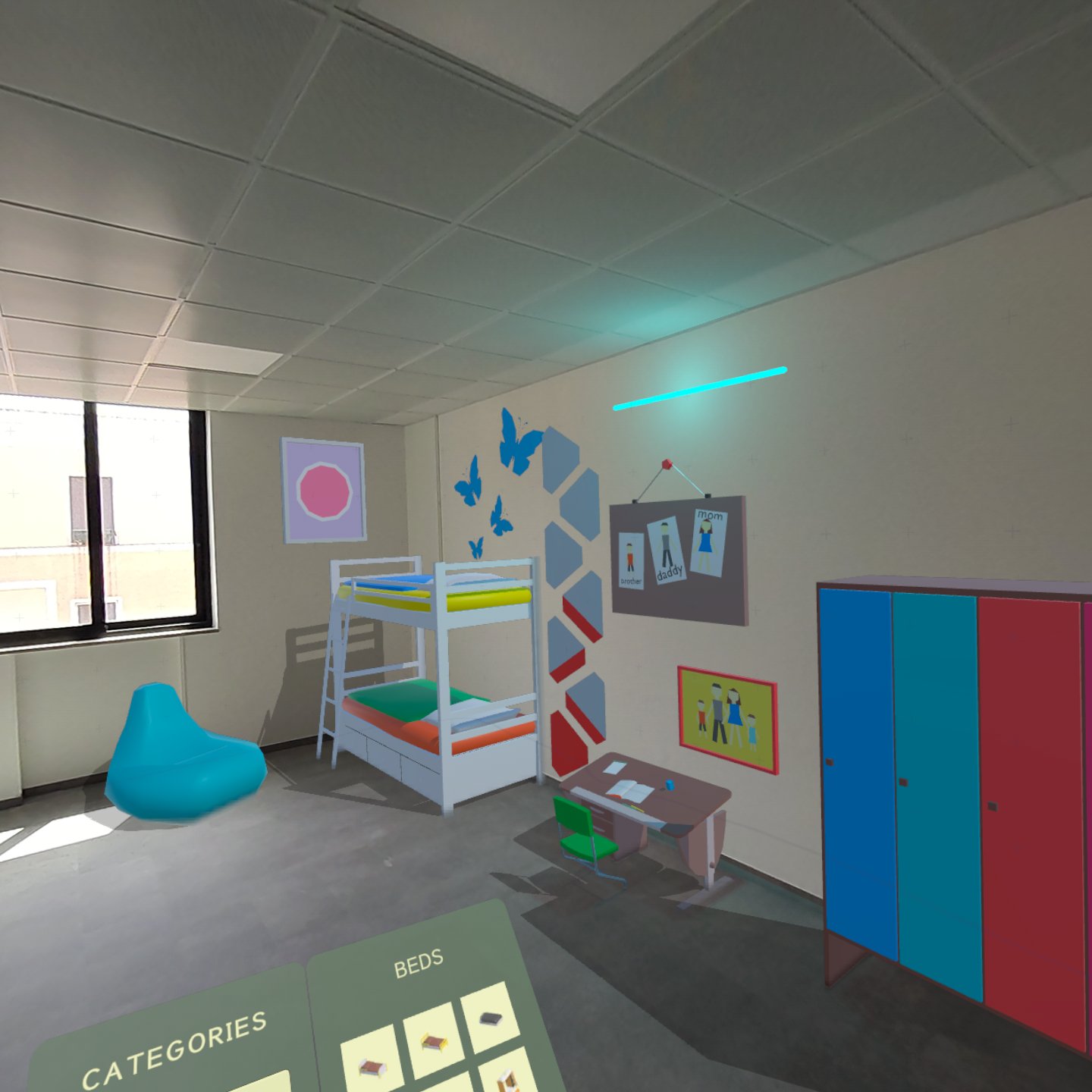
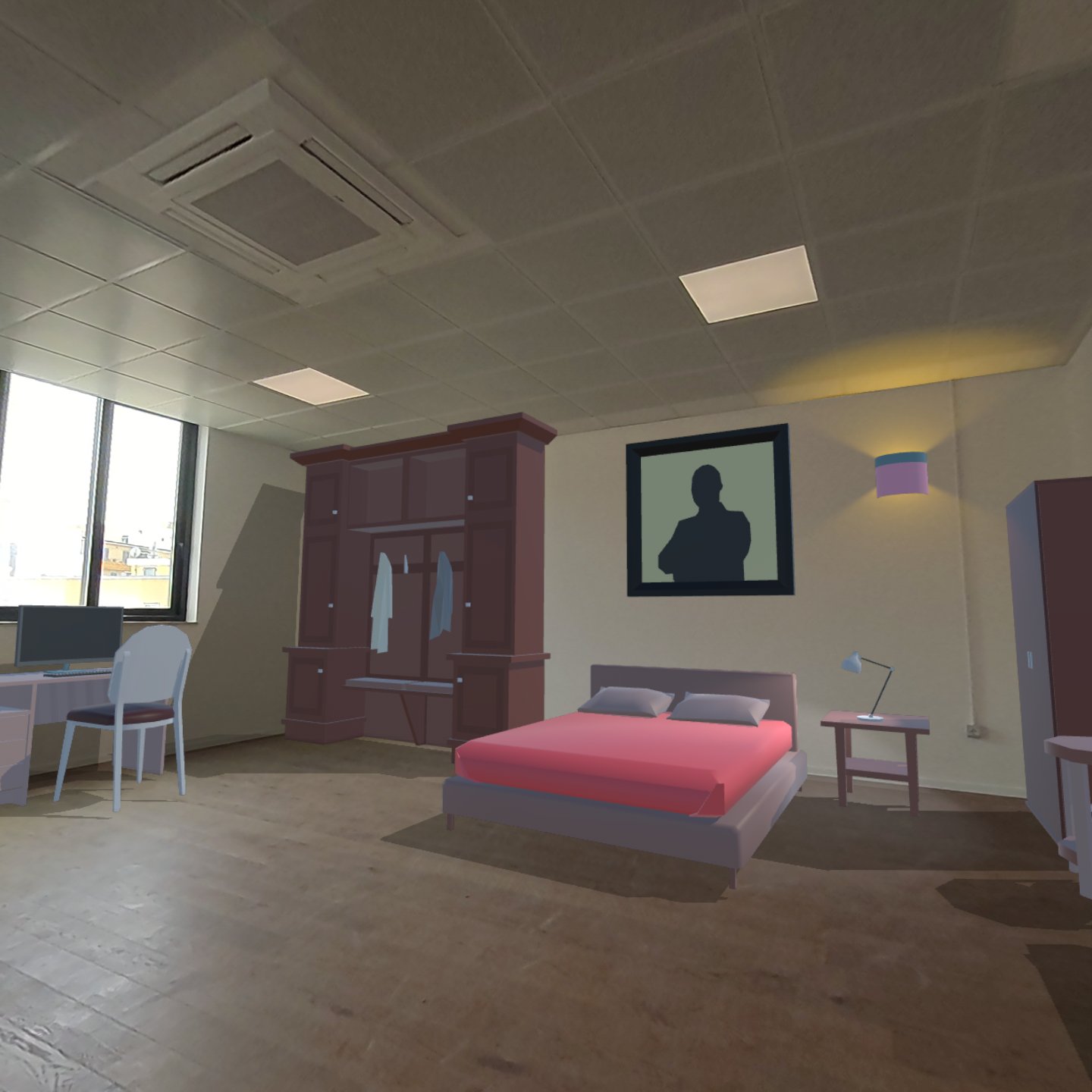
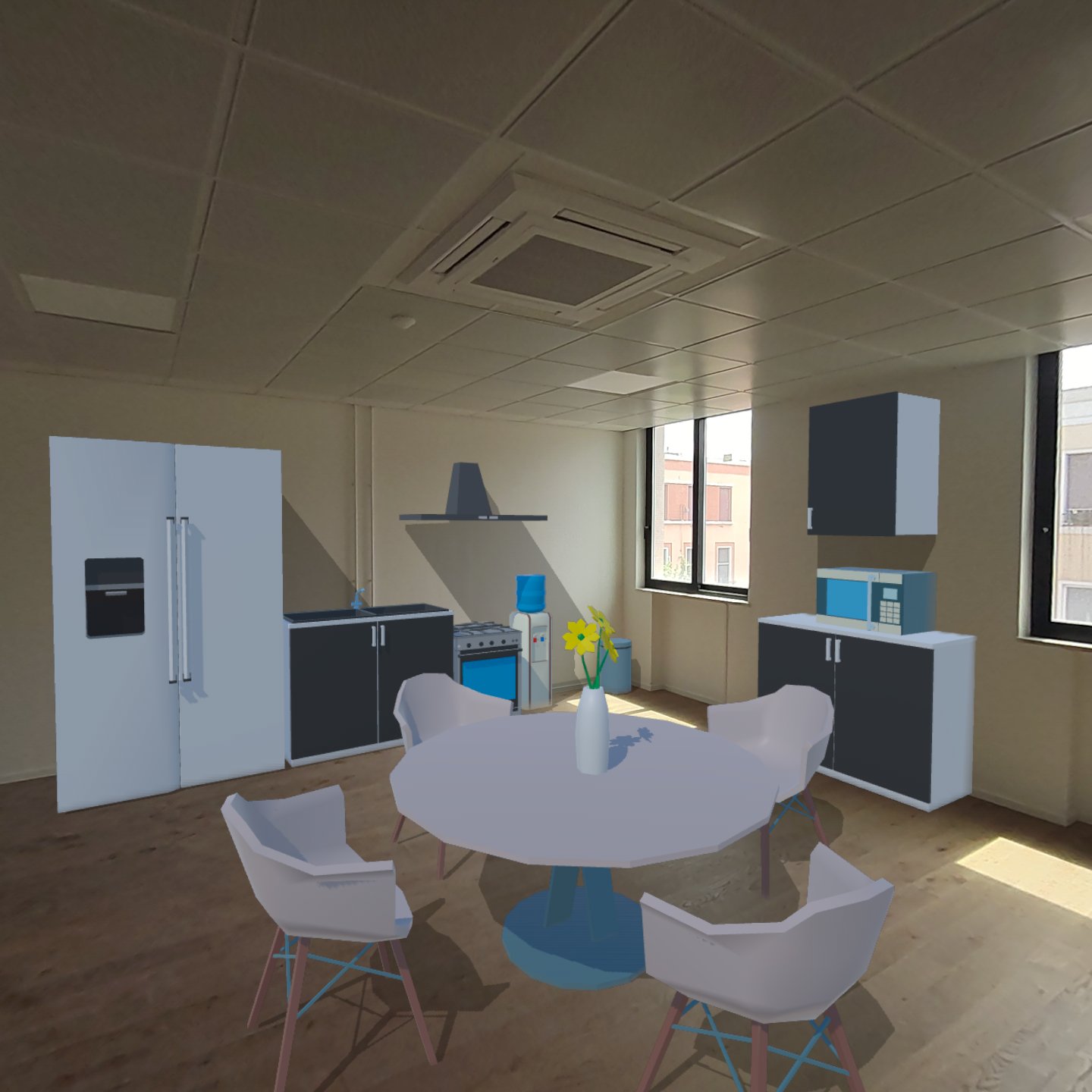
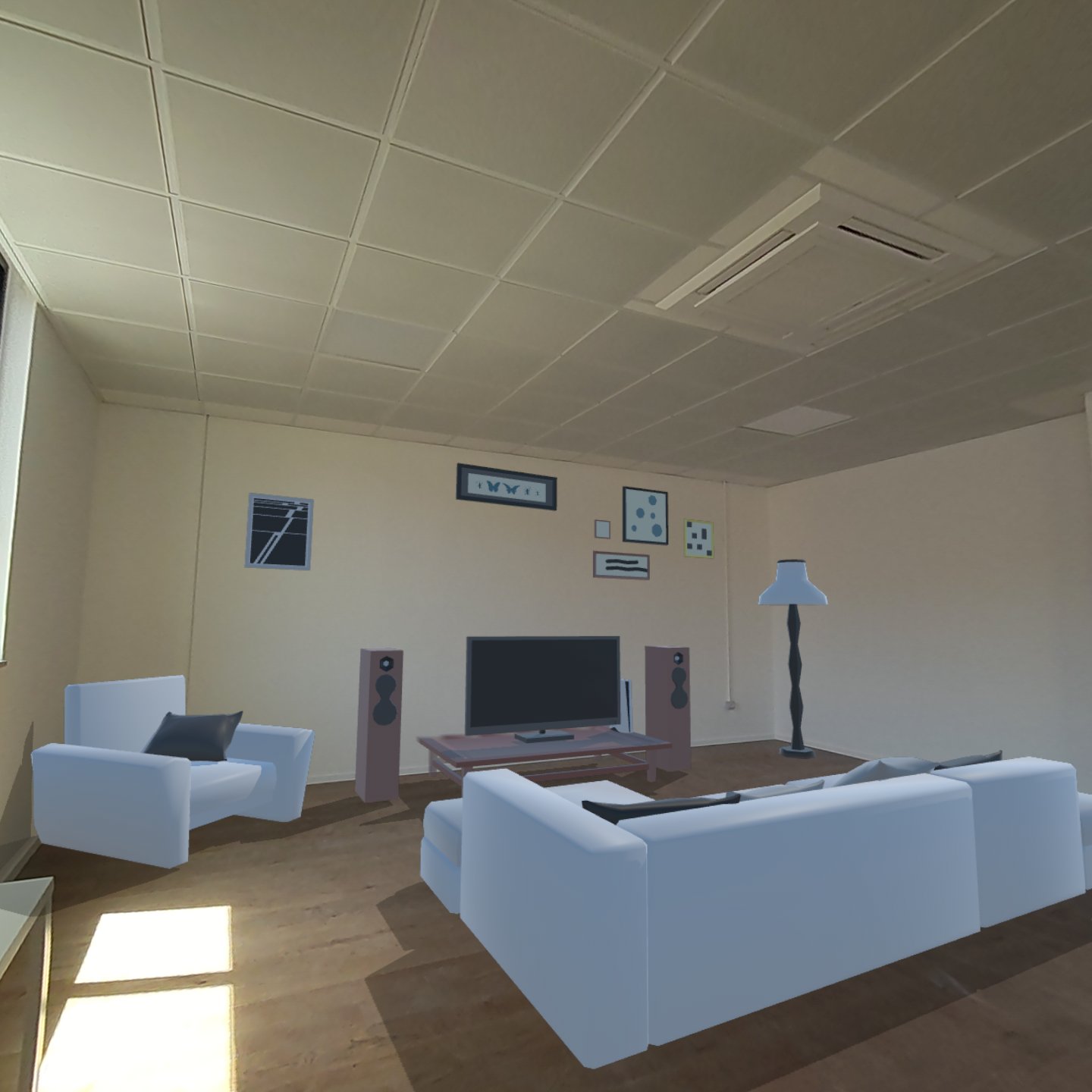
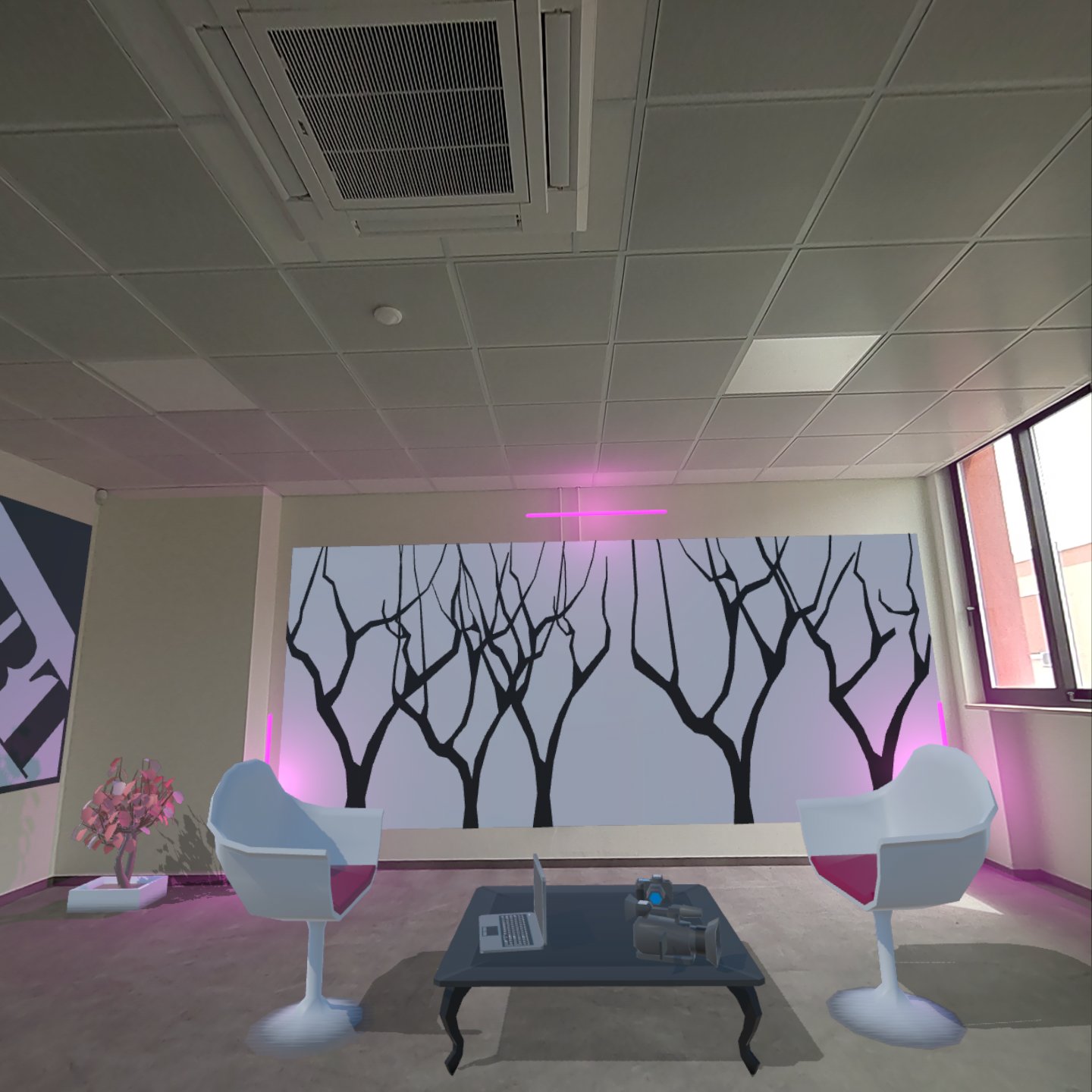
This mixed reality app allows users to seamlessly integrate virtual furniture into their physical environment using the Meta Quest 3 headsets. Users can browse through a vast catalog of furniture items, ranging from sofas and tables to lamps and artwork, and preview how these items would look in their own homes in real-time. This immersive experience empowers users to make more informed purchasing decisions and visualize their ideal living spaces.
How I built it
I built XR-Furniture using the Unity game engine, leveraging its robust features for developing AR and VR applications. The process involved several key steps:
Conceptualization: I began by outlining the app's features and user interface design, ensuring a seamless and intuitive user experience.
Integration of AR/VR Technology: I integrated Meta Interaction SDK and MRUK for mixed reality functionality, as well as Depth API for the real time Depth Occlusion.
User Interface Development: I designed an intuitive user interface that enables users to easily navigate through the app, browse furniture categories, and place items within their physical space.
Challenges I ran into
Building XR-Furniture presented several challenges along the way:
Optimization: Balancing visual quality with performance was a significant challenge, especially on mobile devices. I had to optimize 3D models, textures, and rendering techniques to ensure smooth and immersive experiences across different devices.
Real-world Integration: Ensuring accurate placement of virtual furniture in real-world environments posed challenges, particularly in environments with complex geometry. Calibrating the app to accurately detect surfaces was crucial for a seamless MR experience.
User Interaction: Designing intuitive controls and interactions for placing and rotating, furniture items within the app required careful consideration.
Accomplishments that I'm proud of
Despite the challenges, we're proud of several accomplishments:
Seamless AR Experience: Iachieved a seamless AR experience that accurately places virtual furniture in real-world environments, enhancing an hypotetical shopping experience for users.
Performance Optimization: I maintained smooth performance, ensuring a consistent experience for all users.
Positive User Feedback: Early feedback from users has been positive, validating my efforts in creating a valuable and immersive app.
What I learned
Building XR-Furniture taught us valuable lessons in augmented and virtual reality development, including:
Optimization Techniques: We gained insights into optimization techniques for improving performance in AR and VR applications without compromising too much visual quality.
User Experience Design: Designing intuitive user interfaces and interactions for immersive experiences requires a deep understanding of user behavior and preferences.
Real-world Integration Challenges: Integrating virtual content into real-world environments presents unique challenges, such as surface detection and lighting calibration, that require careful consideration and testing.
What's next for XR-Furniture
Looking ahead, I'm excited to explore additional features and enhancements for XR-Furniture, including:
Expanded Catalog: Continuously updating and expanding the catalog of furniture items to offer users an even wider selection of options.
Customization Options: Introducing customization features that allow users to personalize furniture items with different colors, materials, and configurations.
Social Sharing: Implementing social sharing features that enable users to share their virtual room designs with friends and family, fostering collaboration and inspiration.
Integration with E-commerce Platforms: Streamlining the purchasing process by integrating with e-commerce platforms, allowing users to seamlessly purchase furniture items directly from the app.


Log in or sign up for Devpost to join the conversation.