Inspiration
One of the pain points for the covid-19 patients, ambulance crews and hospital staff is when a new case arrives at the hospital.
Dispatch: For example, in the US, there were many hours of queue at the arrival at the hospital, with a lot of ambulances waiting. Depending on the patient’s health condition, it might be possible to dispatch the ambulances on several hospitals.

Handover:The handover between the vehicle and the hospital can probably be improved a lot, if data have been exchanged between EMS’s Crew in the Ambulance and the hospital’s ED Team before the Handover.
EMS: Emergency Medical Services
ED: Emergency Department
The Problem: Loss of Information, loss of lives!
Due to a Lack of information flow between ambulance and hospital(s), aggravated by the Covid-19 crisis
- During the handover phase of patients from an ambulance to a hospital less than 57% of the information given by the ambulance crews is accurately retained by the hospital staff.
- Covid-19 adds another dimension to this information challenge as suspected Covid-19 patients need to be treated very differently due to the high risk of infection.
- Patients are often transferred to a 2nd hospital as the necessary specialists / right hospital can only be defined once the ambulance has arrived. During the Covid-19 crisis many hospitals have set up specific emergency areas that the crews do not know.
The Solution: FluidEMS
Improved Information Flow Solves Existing Handover Inefficiencies (length, complexity & information gaps) & Reduces COVID Pressure on Health Systems
FluidEMS is an onboard monitoring & communication system and cloud data exchange service which
- Pushes triage, assessment & diagnostics upstream by providing continuous real time data (image, biometrics etc) to Dispatcher & ED
- Synchronizes knowledge between teams on both sides of the handover
- Saves precious time & complex communication at the point of handover
FluidEMS’ Impact on the Crisis
- Overall impact of Improved Information Flows:
- MORE PATIENT LIVES SAVED
- BETTER CARERS' MENTAL HEALTH
- BETTER SURGE CAPACITY & PREPAREDNESS FOR ALL CRISES
- BETTER MONITORING & EVALUATION - Better and earlier identification of COVID cases => more accurate triage and dispatch => more appropriate matching of vehicle type & hospital to patient
=> MORE AMBULANCES AVAILABLE QUICKER, MORE APPROPRIATE PATIENT CARE - Continuous remote monitoring by all teams => less need for communication at handover => faster handover + less lost information at handover
=> INCREASED QUALITY OF PATIENT CARE DURING & AFTER HANDOVER, STRESS RELIEF FOR HEALTHCARE WORKERS - Continuous remote monitoring = IMPROVED SAFETY FOR EMS STAFF (fewer required in patient compartment)
- Improved handover = greater availability of staff & ambulances
=> OPTIMAL USE OF RESOURCES, MINIMIZATION OF TIME PER TASK
=>FluidEMS INFORMATION EXCHANGER UNIFIES THE WHOLE WORKFLOW, MAKING A TEAM OF TEAMS AND CREATING FUTURE SYSTEMIC ROBUSTNESS, RESILIENCE, LEARNING CAPACITY
How we built it
Pre-Hospital Workflow & FluidEMS integration
We defined a new pre-Hospital Workflow integrating FluidEMS solution.

FluidEMS: the solution for real-time Information Flow between EMS crew & ED teams

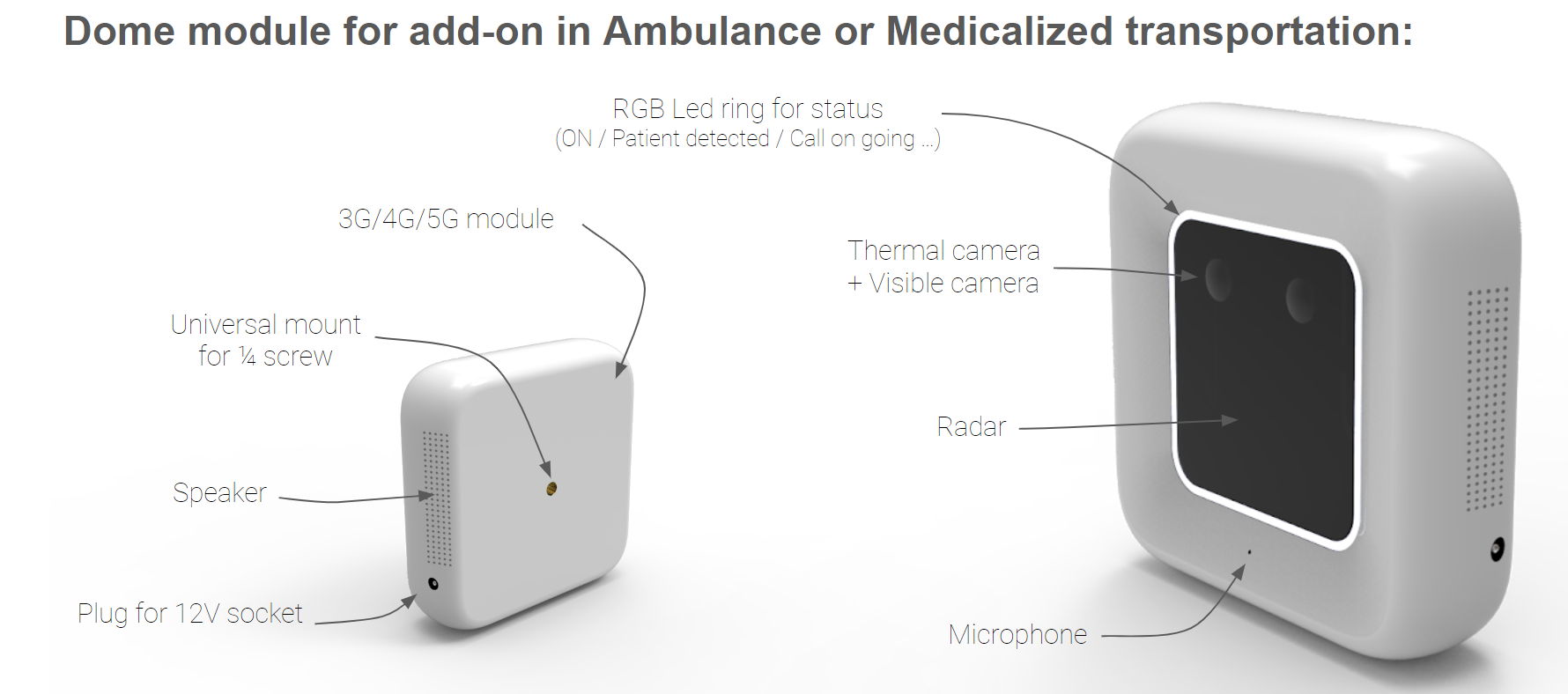
FluidEMS Device
The module is equipped with automotive grade sensors.
- Viewing camera
- Thermal camera
- Ultra wide band radar

FluidEMS Device: Human-Machine Interface
The device has some LEDs to indicate his status.

FluidEMS Device: Installation in Ambulance or in Taxi
Here some examples of the integration of the sensor inside an ambulance or a taxi.

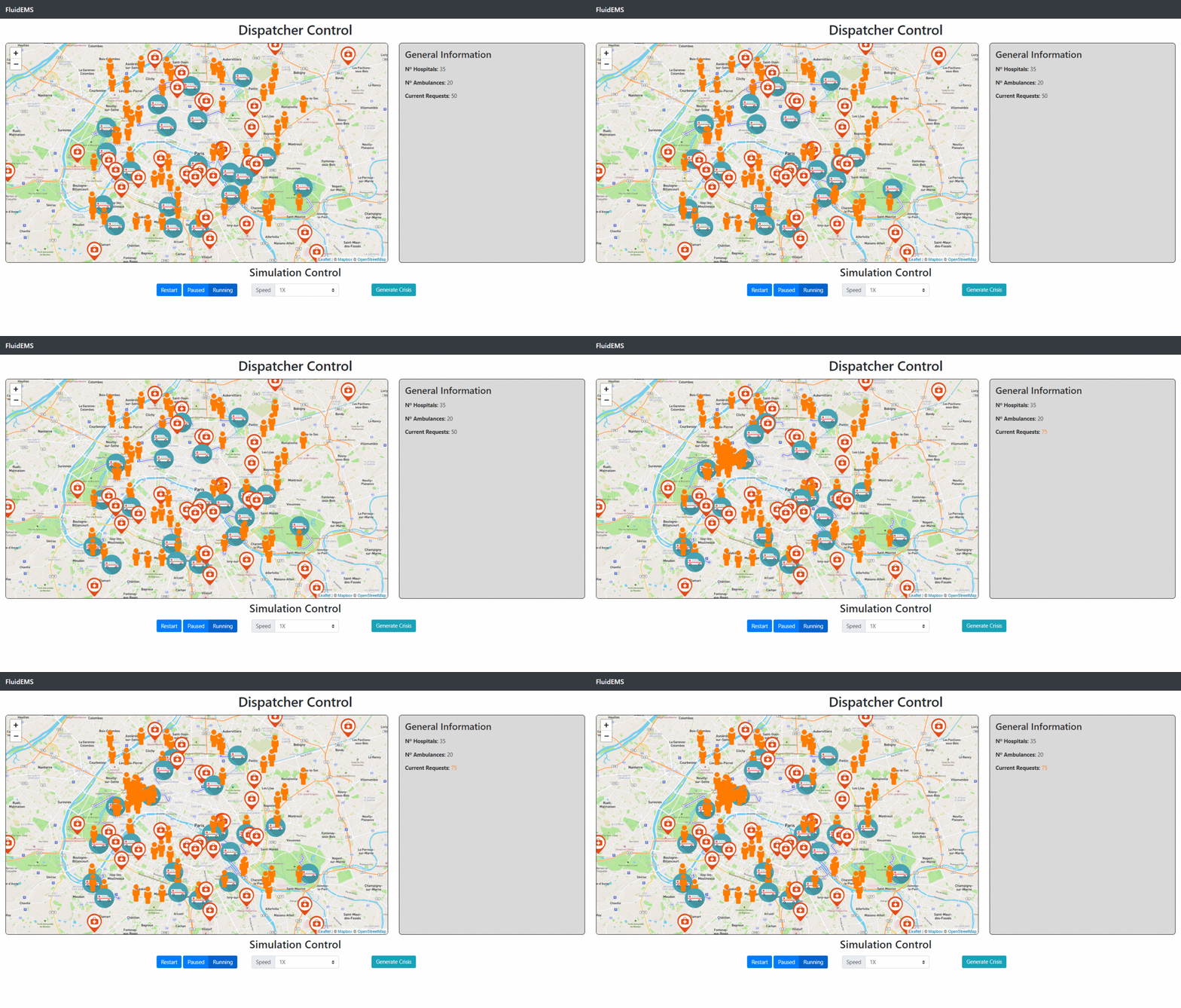
FluidEMS Device: Dispatcher Application
On the one hand, the dispatcher application is in charge to survey the hospital availability in terms of
global charge and conditions of each hospital (empty bed, medical tool, available personal per
patient). On the other hand, the application receives the patient status tracked carefully by the
FluidEMS device. As a result, the driver of the emergency vehicle is directed to the best hospital to go
and that hospital is informed about the gathered data on that patient in real time.

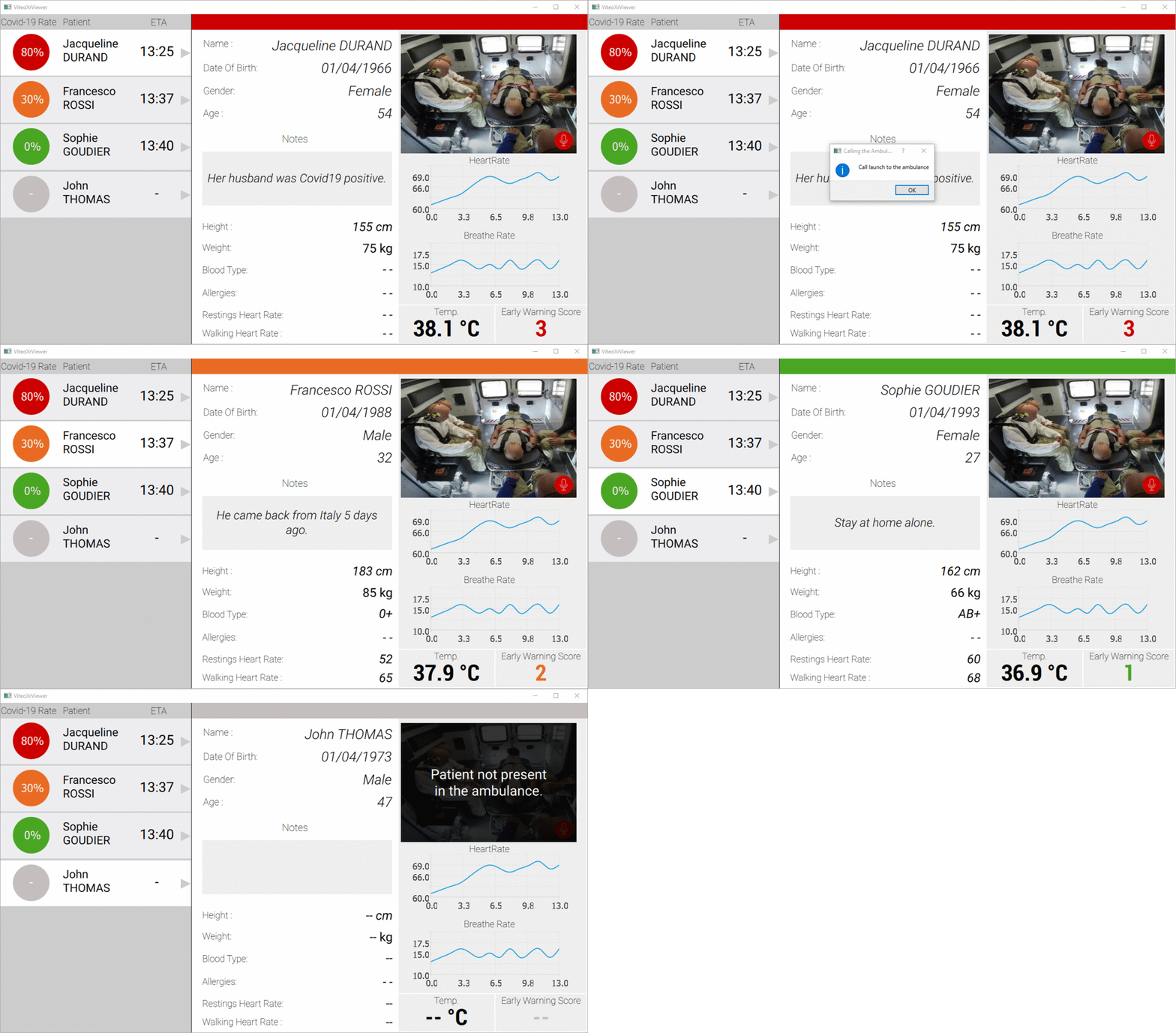
FluidEMS Device: Hospital Application
This application permits to view all patients coming to the hospital. Once, the patient is inside the ambulance or the vehicle, the doctor has access to the medical data read by FluidEMS kit. The doctor has also access to the live stream of the inside of the vehicle to exchange with the patient and improve his diagnostic.

What's next for FluidEMS
- The necessities in order to continue the project
- Review FluidEMS Product & Service ideas with a range of potential customers like EMS, ambulance fleets & hospitals
- Work on a detailed bill of material with industrial teams & review impact of local medical specs on the product & services
- Build & test a commercial offer with potential customers
- Plan a first POC with a customer (estimated lead-time for a first solution used between an ambulance & a hospital in France - 4 weeks)
- The value of your solution(s) after the crisis
- The impact of our solution is very strong during major crisis like Covid-19, both for dispatch & handover operations
- The solution is also very valuable for everyday life for all ambulances/ hospitals all over the world by producing a smooth, efficient & safer handover all the time by sharing information about the patient. Thereby reducing stress of all parties involved, saving a lot of money and increasing chance of survival & recovery for the patients.

Team’s Technological Background


Log in or sign up for Devpost to join the conversation.