-
Our logo!
-

The Android App
-
-
Inspiration
Probably billions of people around the globe are facing the same nuisance: long periods of sitting and and little physical motion. Due to this fact, back pain and other related complaints are common troubles in our society. In a large part of the cases, bad posture contributes to the complaints or even makes them arise in the first place. We indend to develop a new digital solution to this problem using motion sensors. This should be a helping reminder and an incentive at the same time - for a health benefit of large numbers of people.
What it does
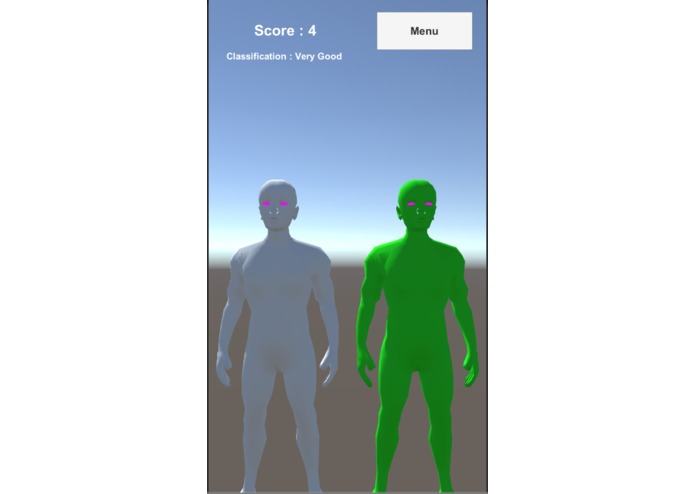
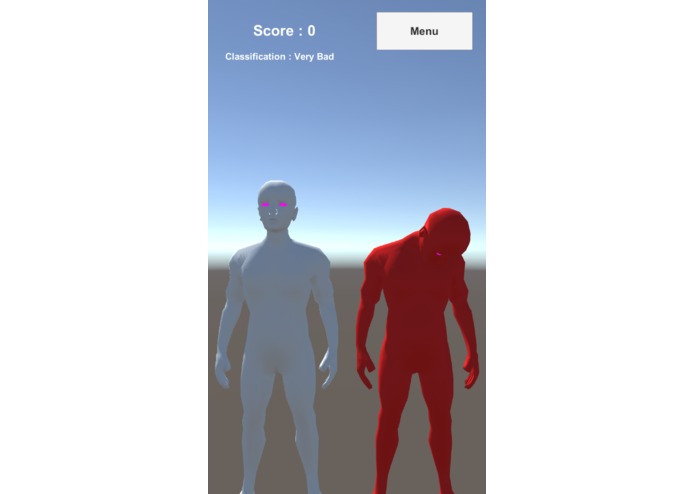
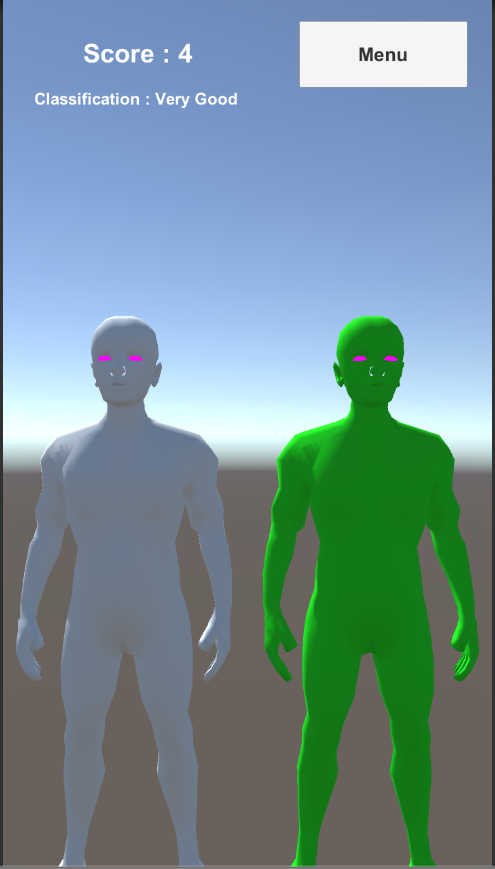
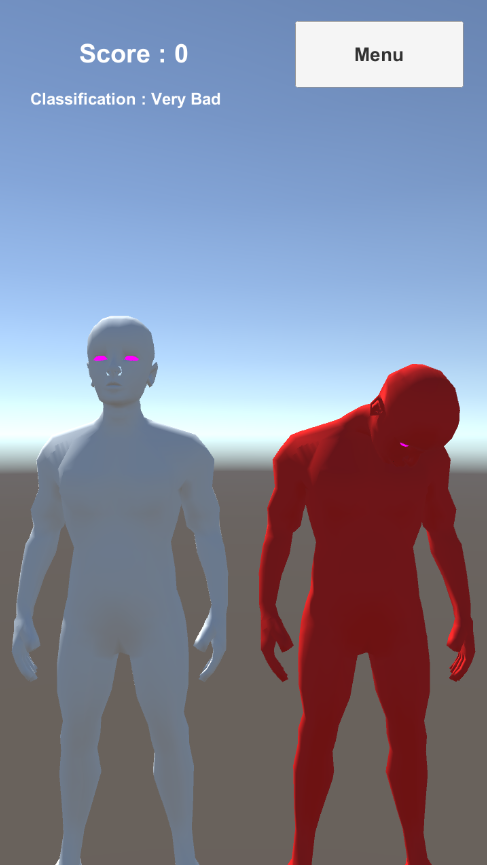
Our system analyzes the neck position and motion with a microcontroller based motion sensor directly attached to the neck. With the associated smartphone app, users can compare their own sitting posture with the ideal one in a precise three-dimensional figure. In particular situations, users are reminded to keep a healthy position or warned to return to one.
How we built it
We assembled a small circut board with an Arduino microcontroller, a combined acceleration/gyroscope sensor and a bluetooth sensor. After retrieving data from this, we apply some filters to make it smoother and more usable. Using some person-dependent coordinate mappings, we can translate the recorded movements to a live app with a 3D model displaying the neck posture captured by the sensor board.
Challenges we ran into
The sensor data typically contains noise which requires the application of a smoothing filter to make it more applicable. Also, gravity and effective accelerations are only observed together by the accelerometer. Proper usage of gyroscope measurements are required to separate them. Mapping the sensor measurements into a 3D model for motion analysis and display required some coordinate transforms which need to be adjusted to individual users.
Accomplishments that we're proud of
We managed to implement a detailed three-dimensional display of the actual neck position and movement which can then easily compared to the ideal position. This is complemented with a simple scoring system such that users can evaluate their current posture.
What we learned
We made new experieces in methods to adjust sensor data and make it more usable for practical purposes. This project could also give us some insights into retrieving and processing sensor data in all levels including the hardware.
What's next for xPosture
xPosture has a potential for further development and extensions in several different aspects. By adding more sensors, also more parts of the body could be considered in the analysis to produce more detailed results and recommendations. Making this product available to a broader audience, e.g. elderly or physically disabled people, would most likely require some adaptions to anatomic differences as well as individual needs. With the functions to analyze and evaluate postures, this product might also be used in medical studies to further investigate optimal postures and their consequences.

Log in or sign up for Devpost to join the conversation.