-
-
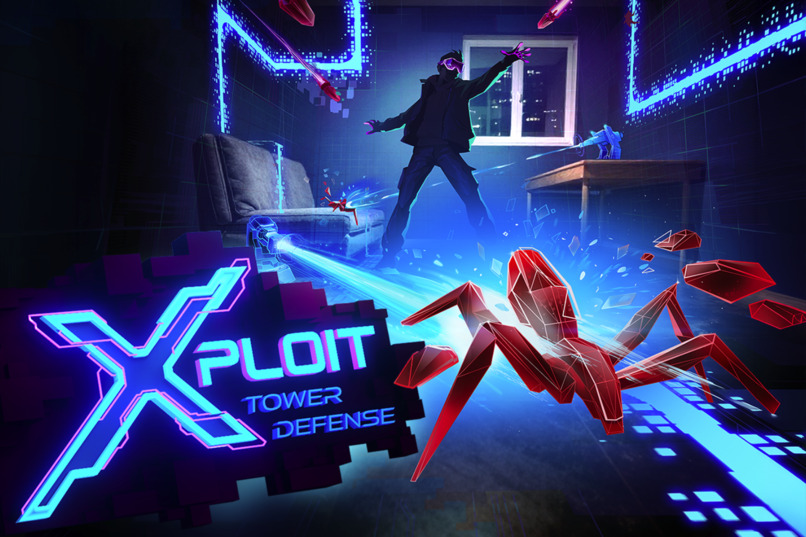
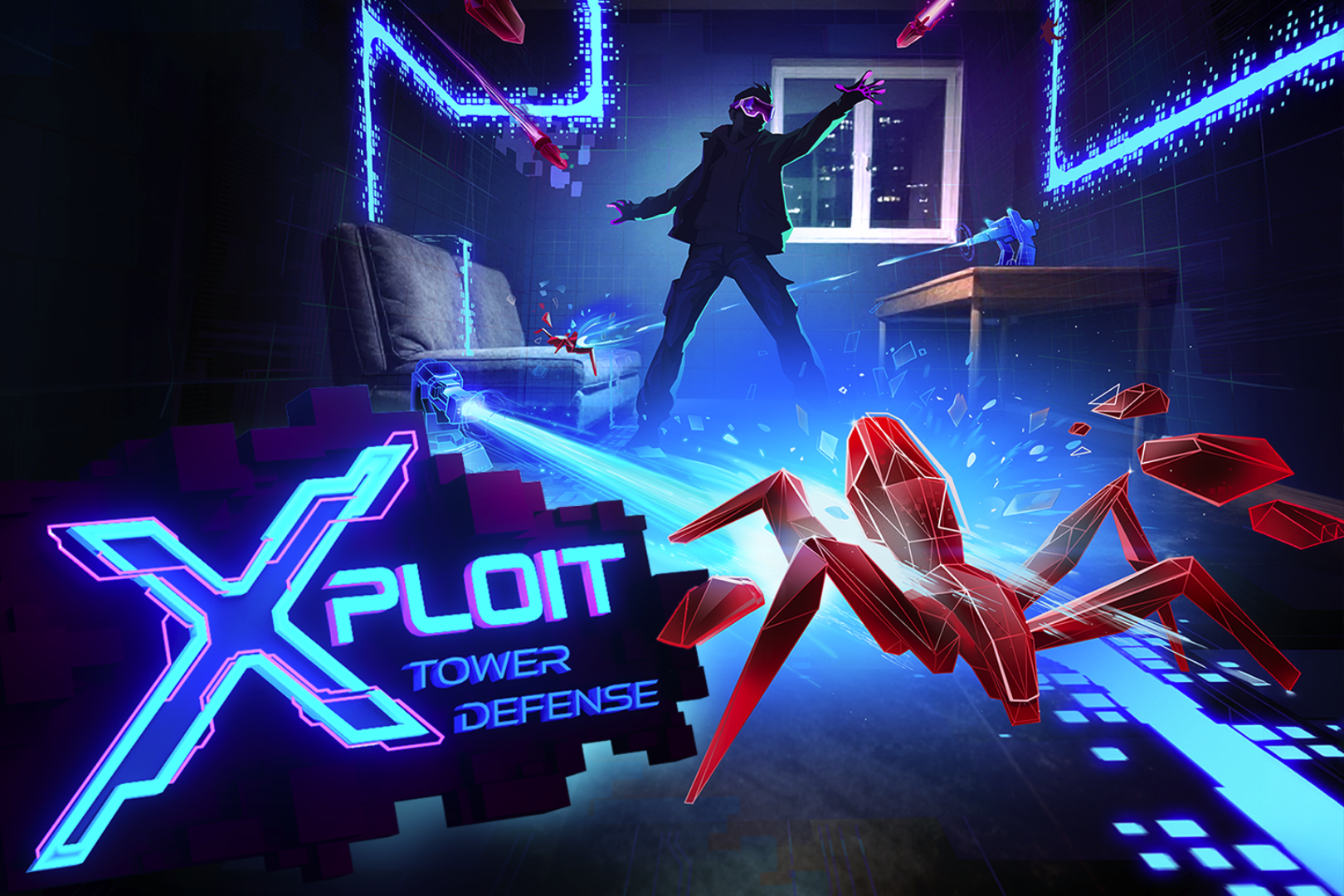
Key Art
-
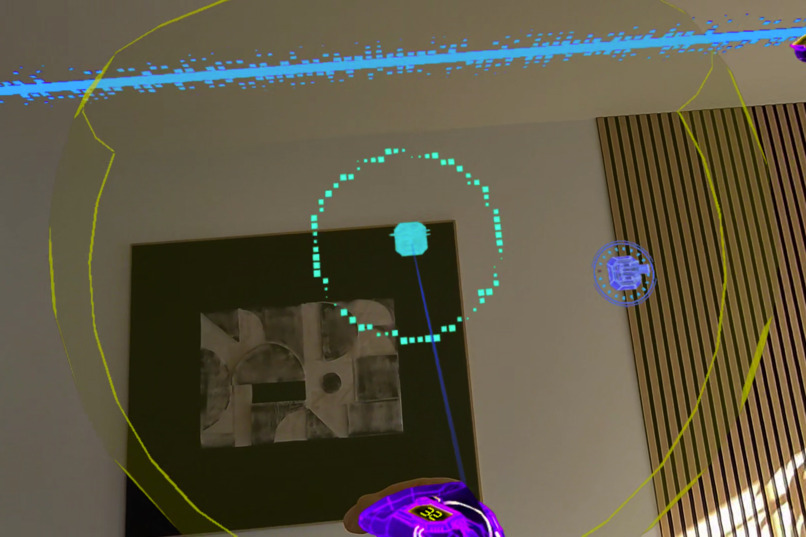
Activating gizmo to position the turret
-
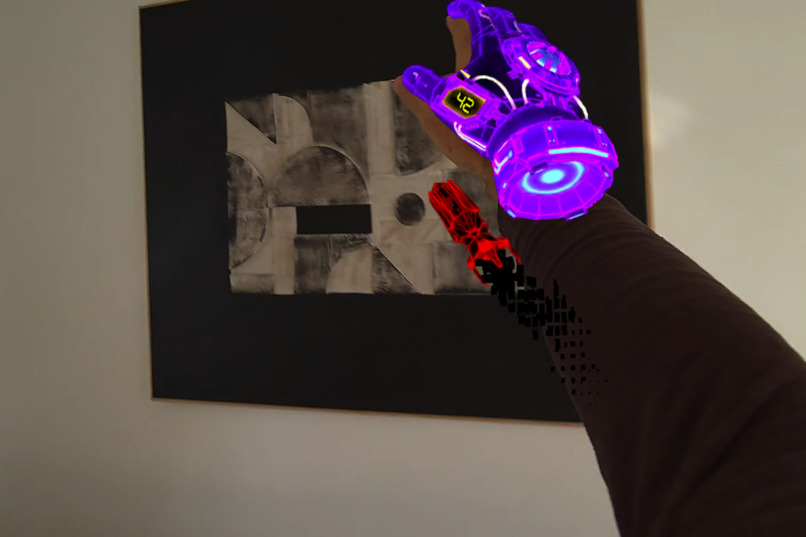
Hitting a projectile
-
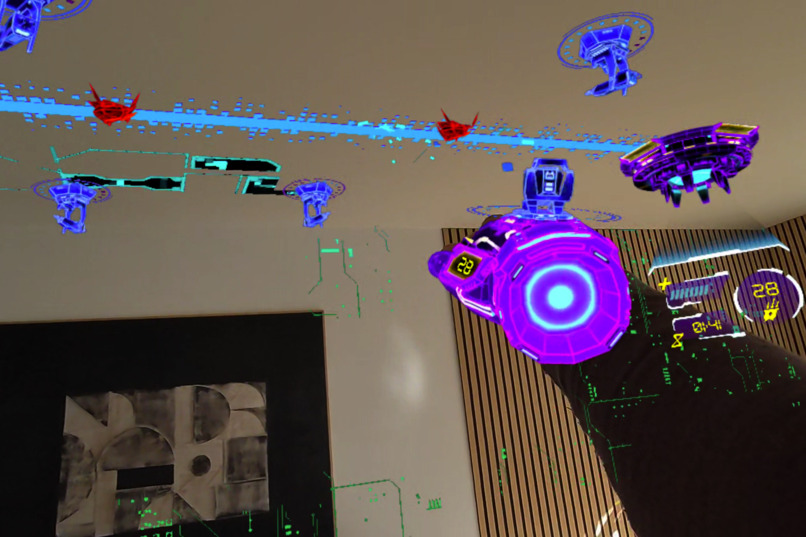
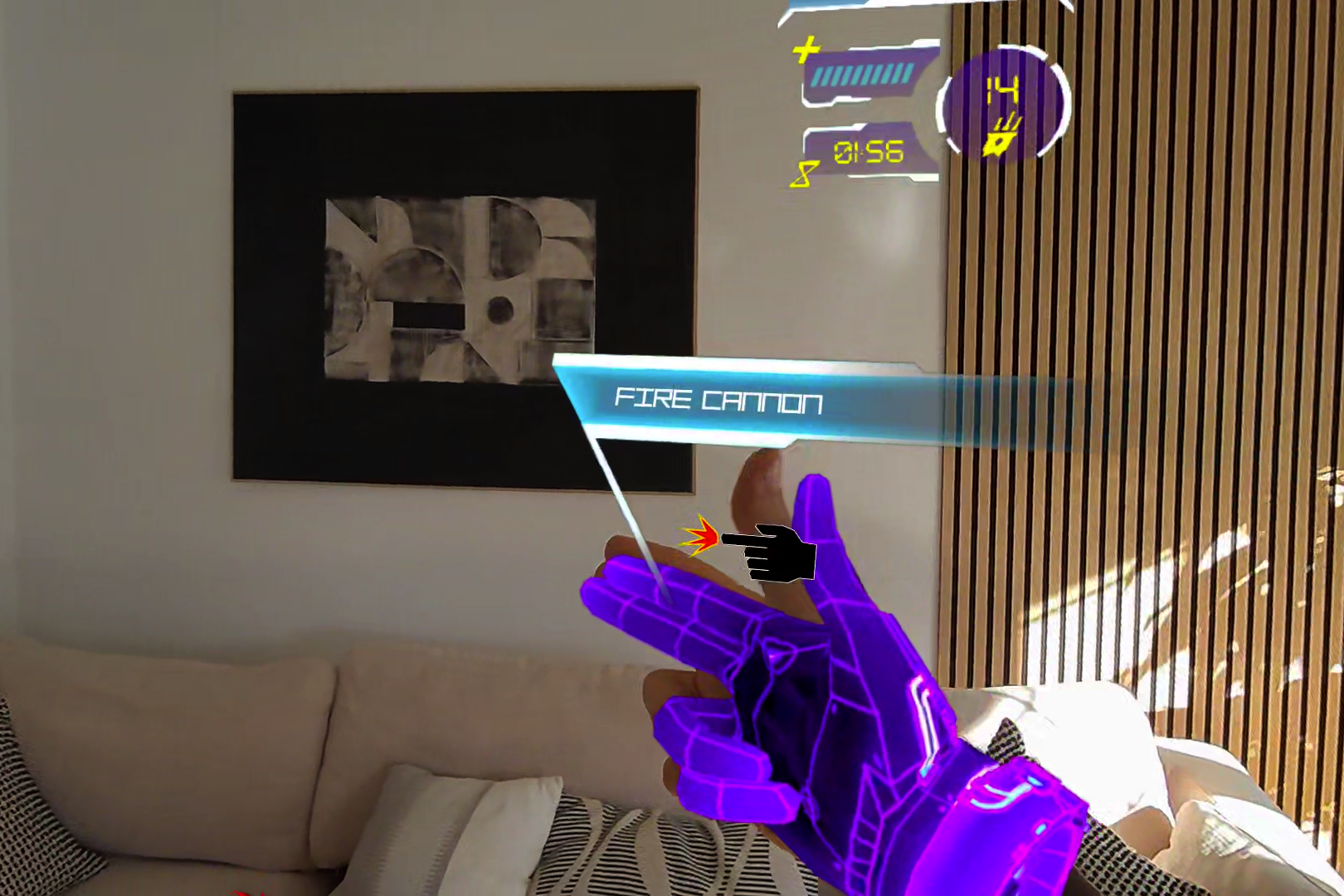
firing the cannon with one's thumb
-
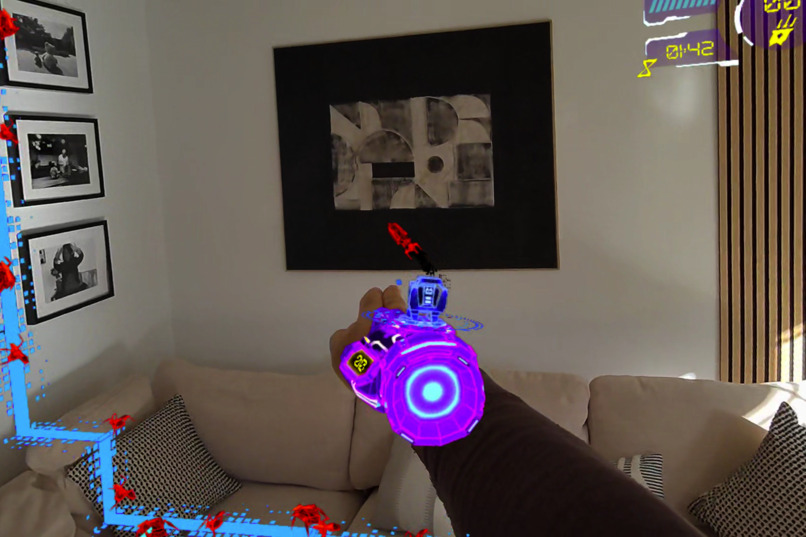
firing the cannon with one's thumb
-
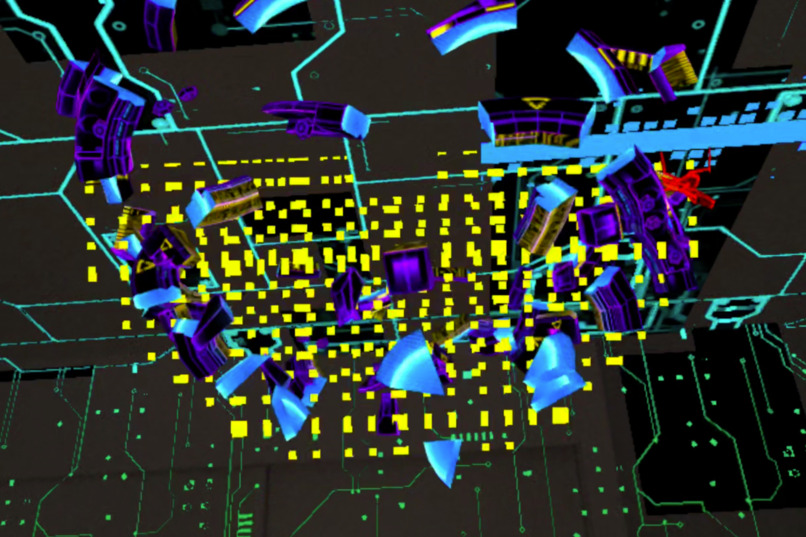
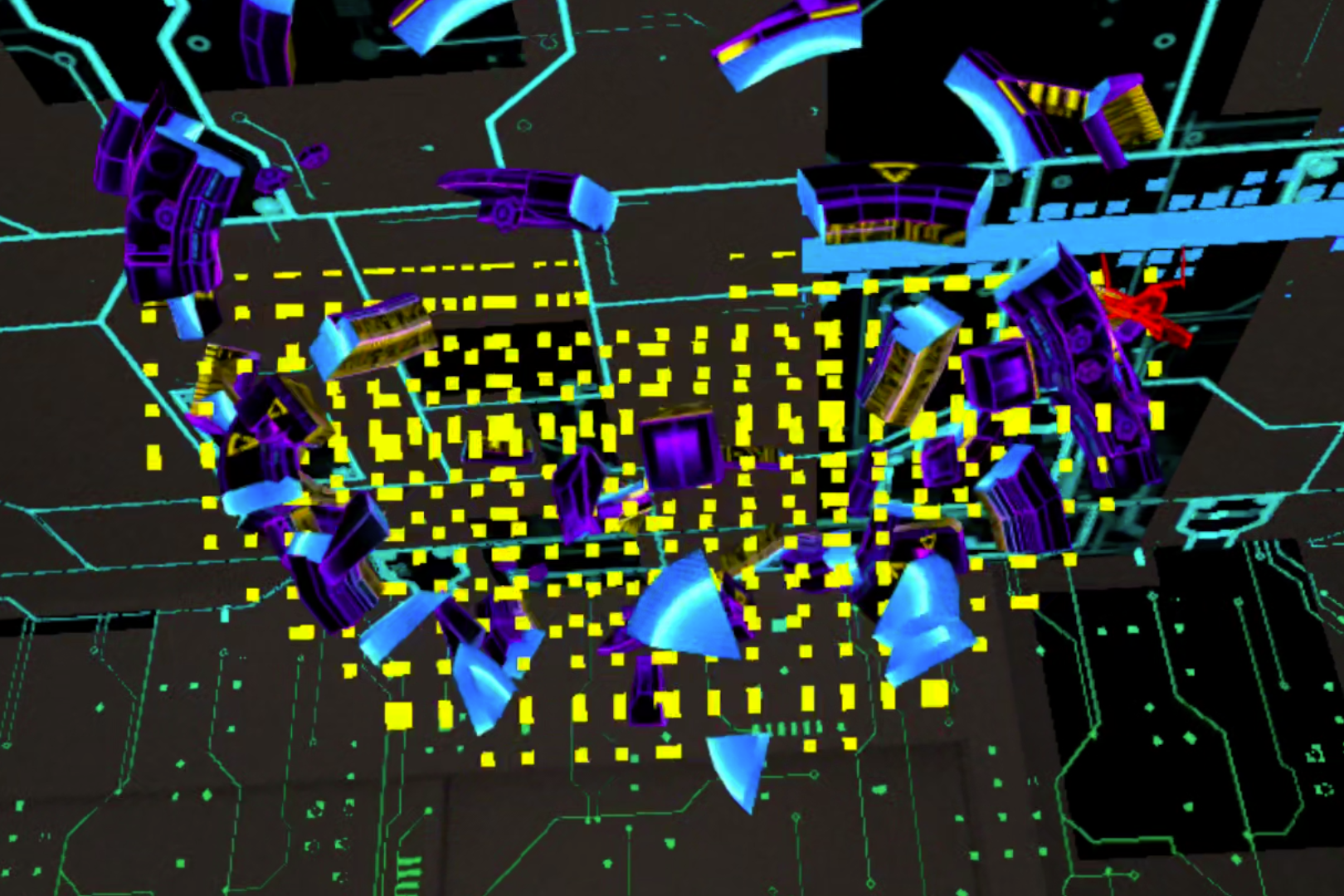
The Neurogate explodes. Game Over.
-
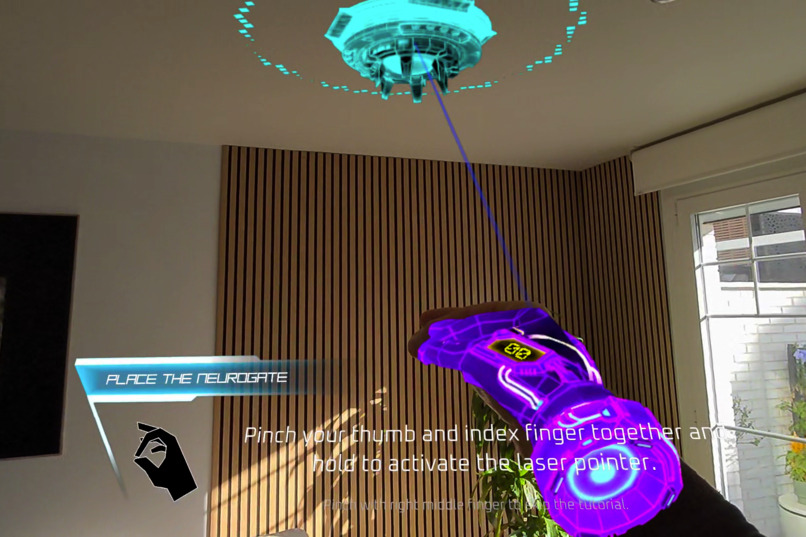
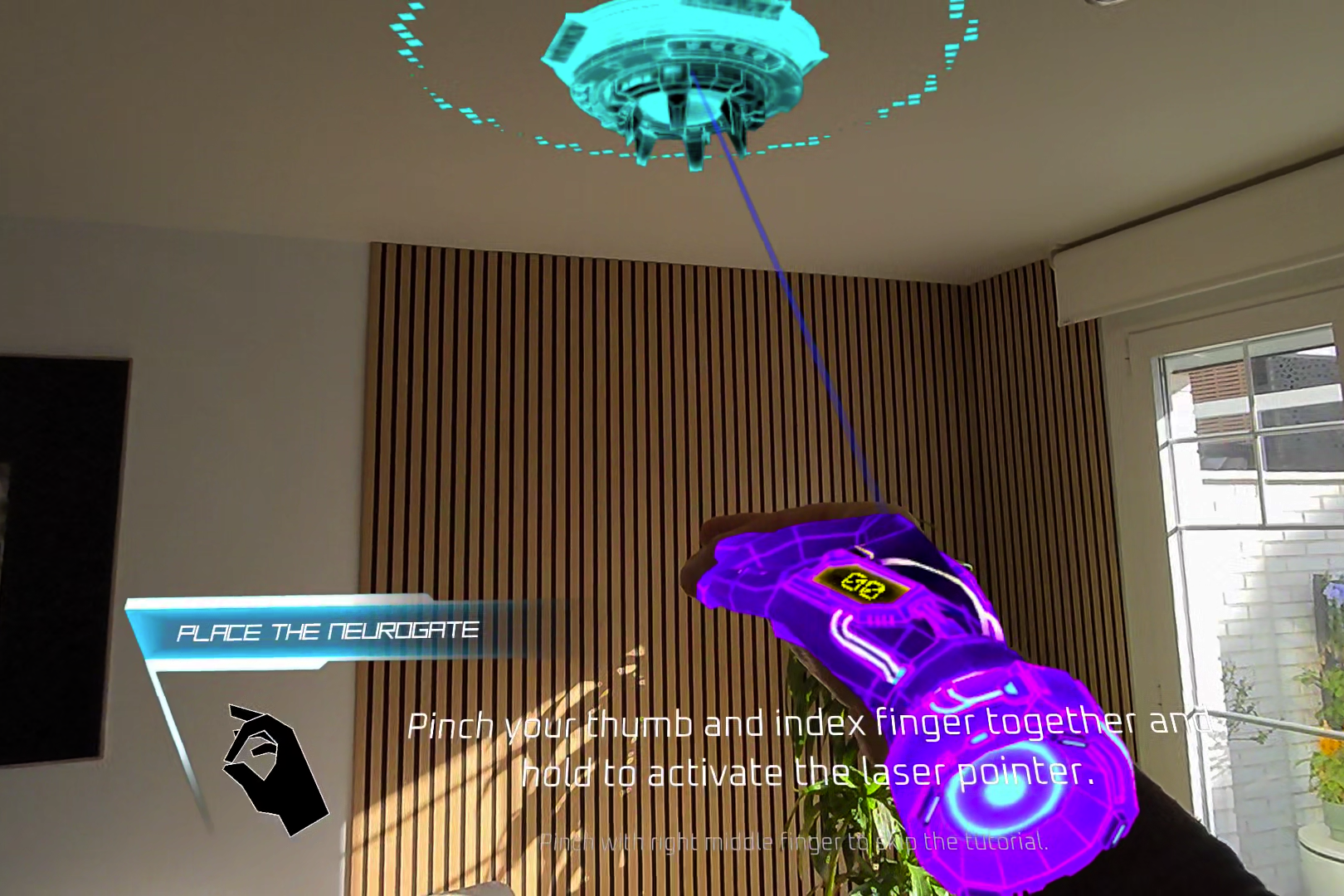
Positioning the Neurogate
-
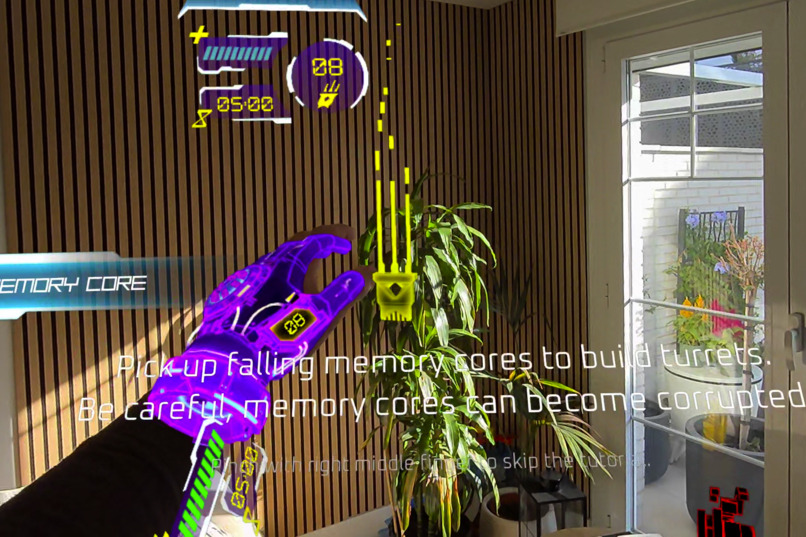
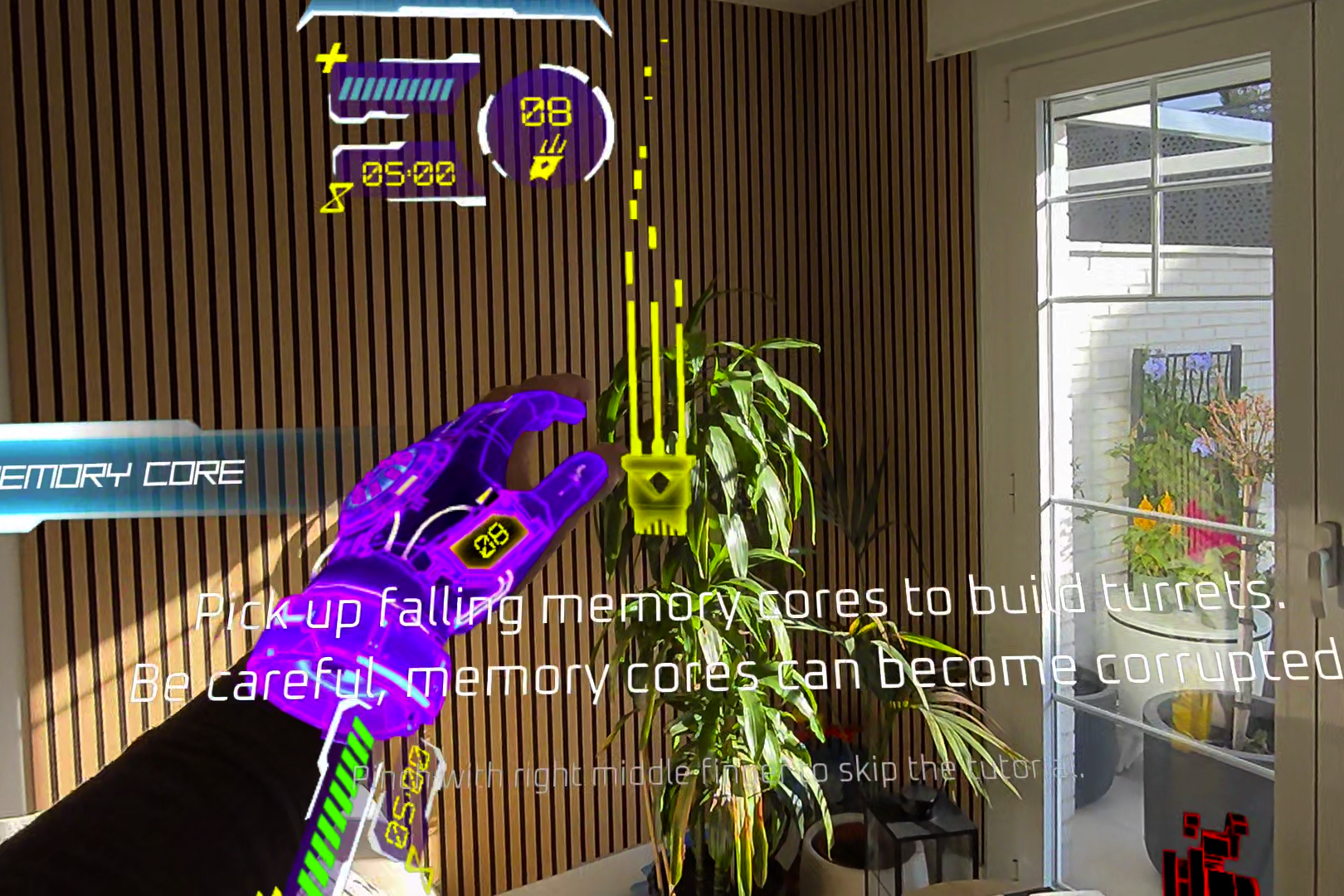
Gathering memories
-
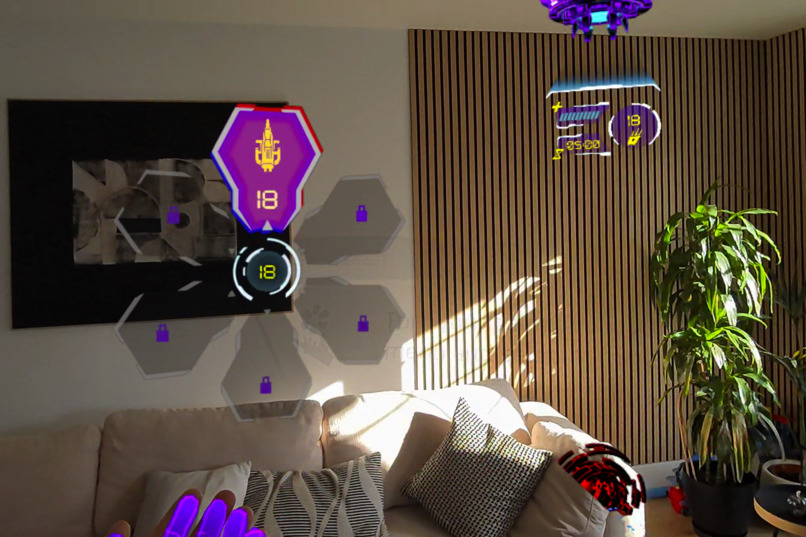
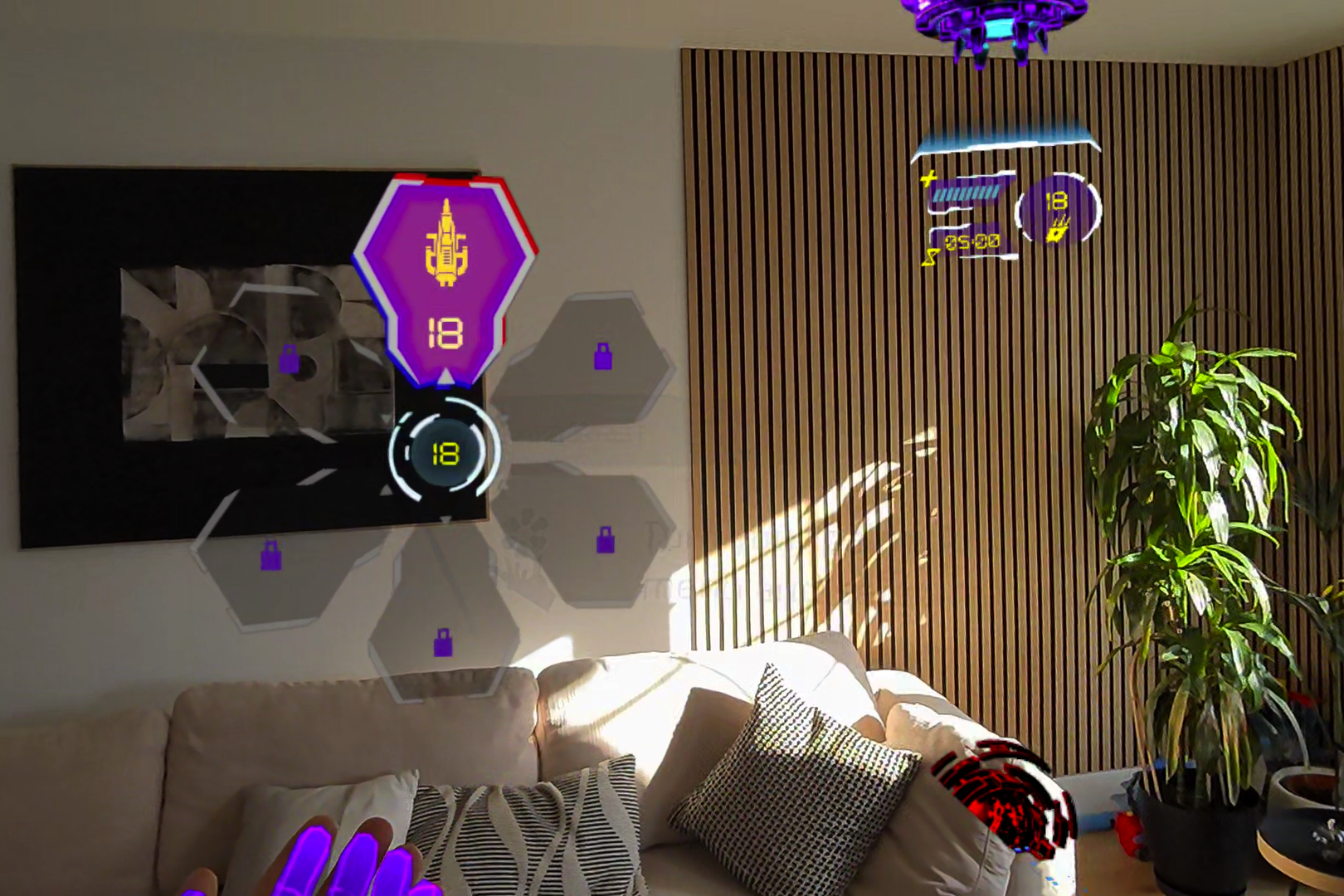
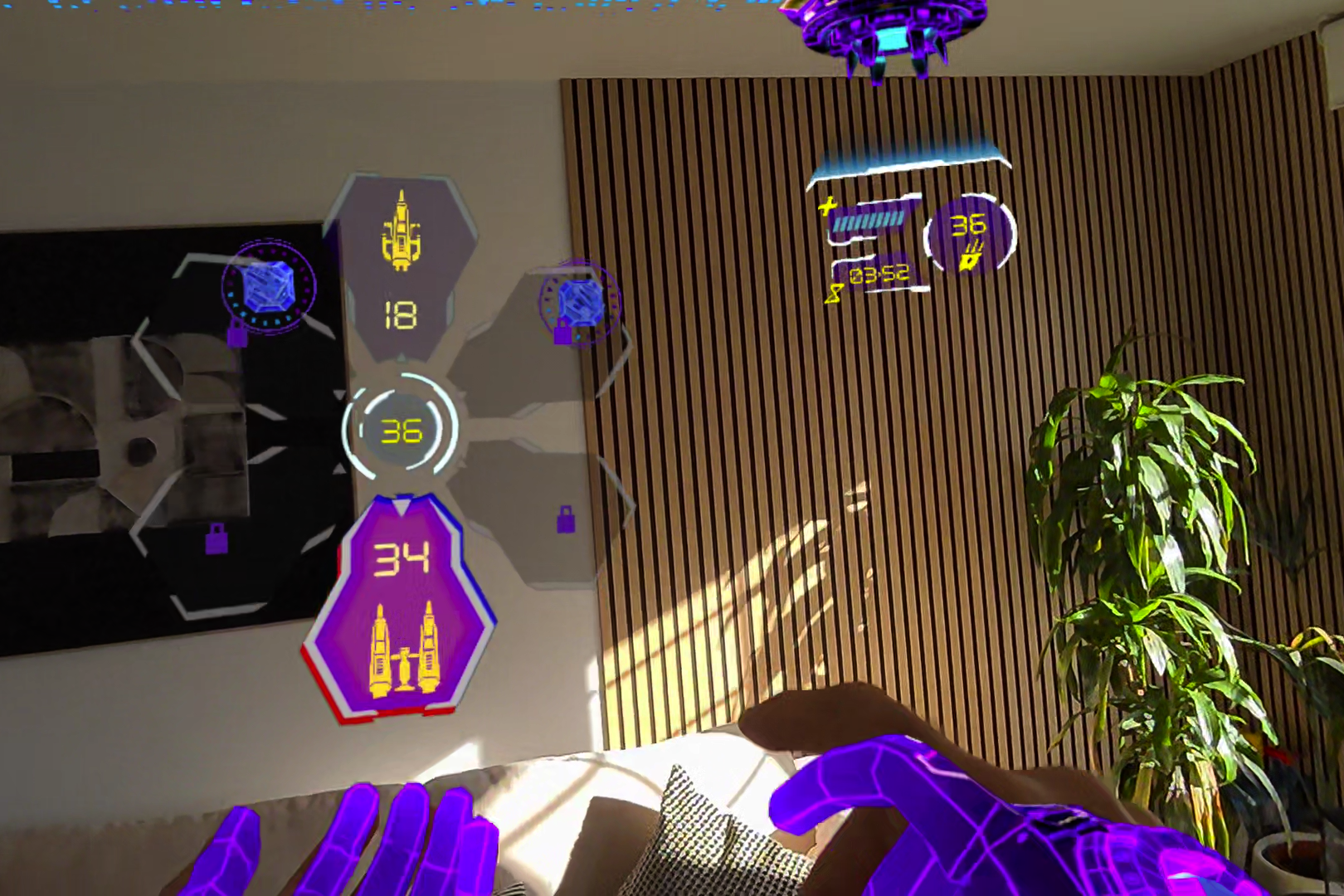
Activating turret selection menu
-
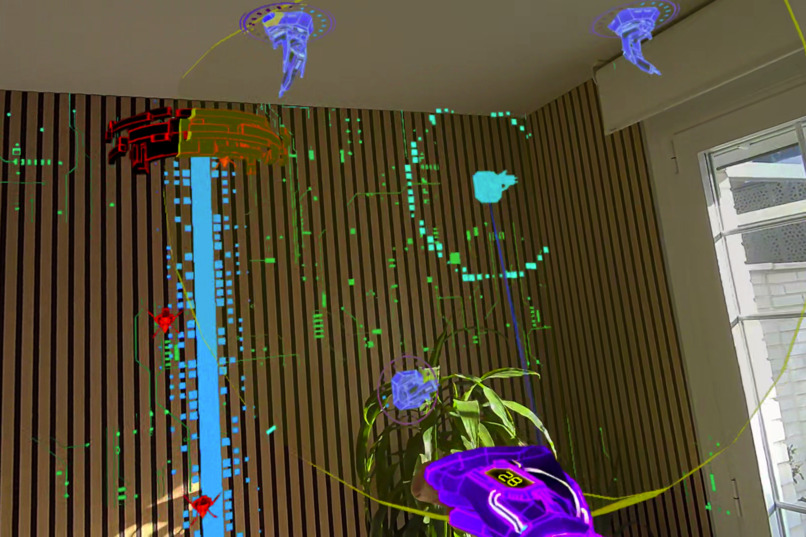
Activating gizmo to position the turret
-
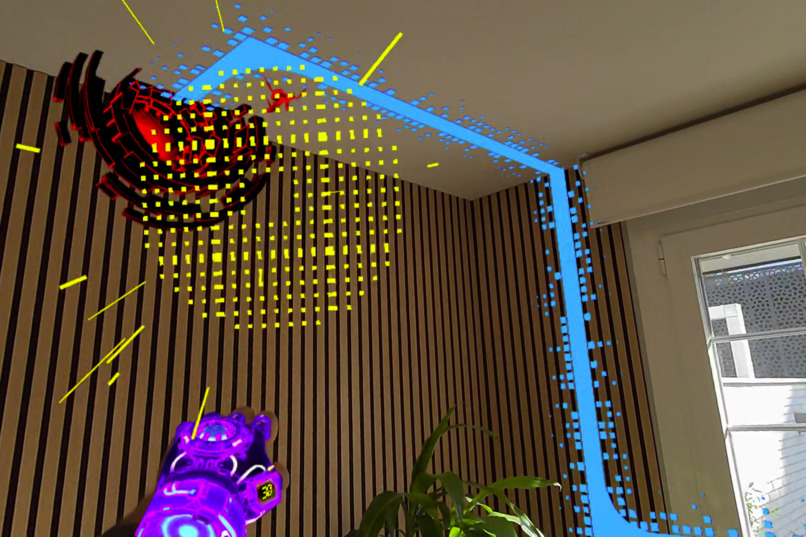
Seized memory
-
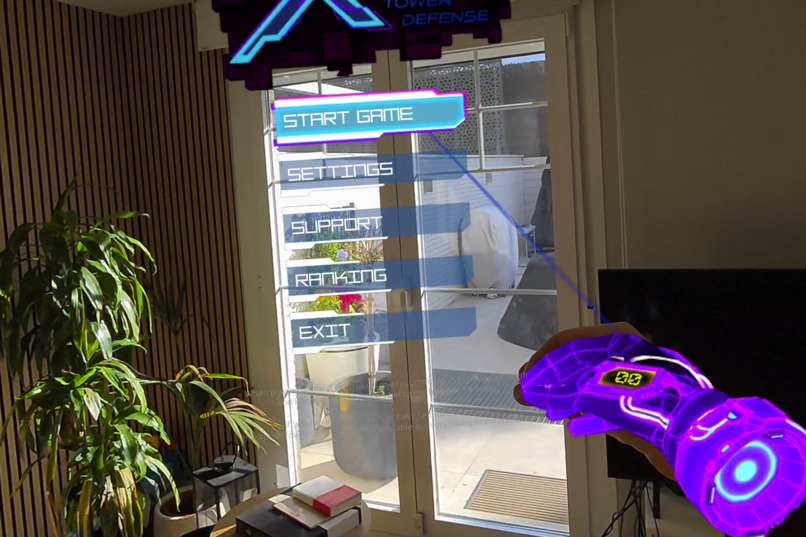
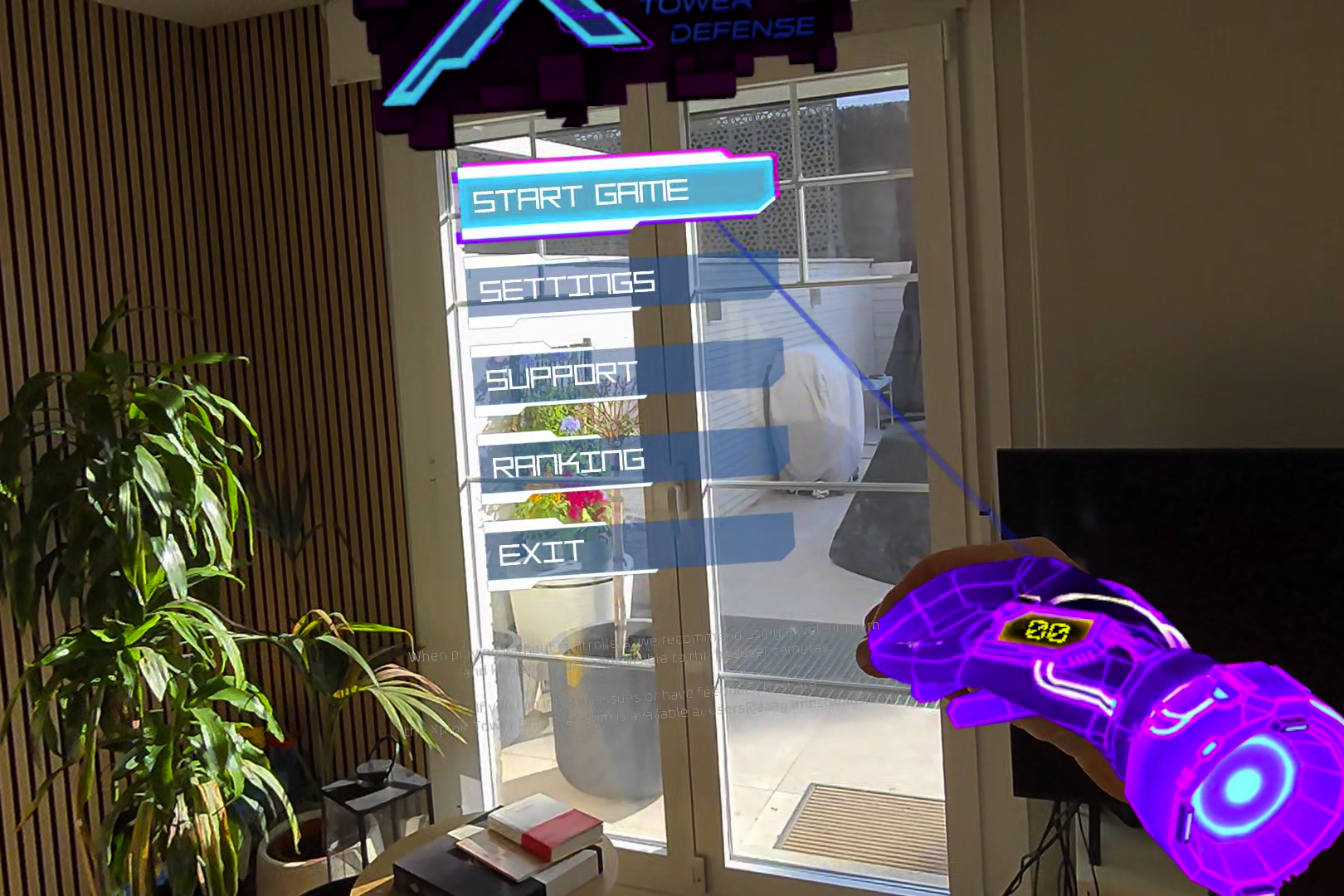
Menu selection
-
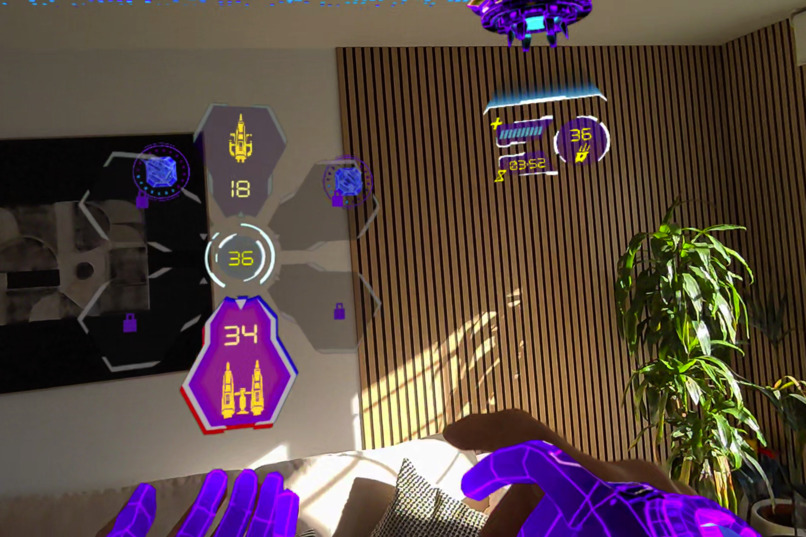
Selecting the turret from the turret menu
-
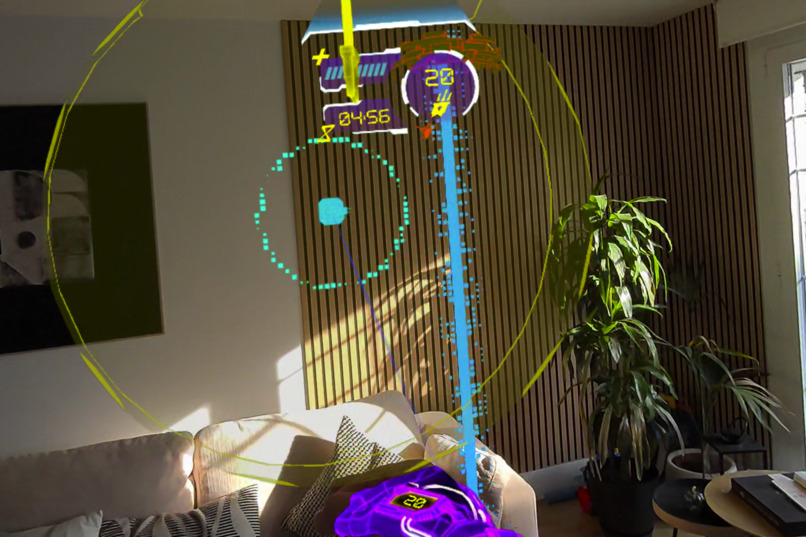
Activating gizmo to position the turret
-
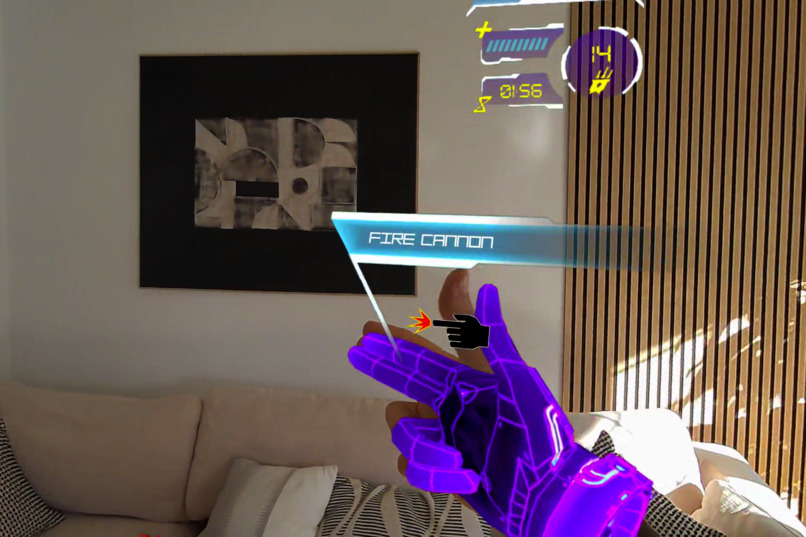
The power-up cannon is activated.
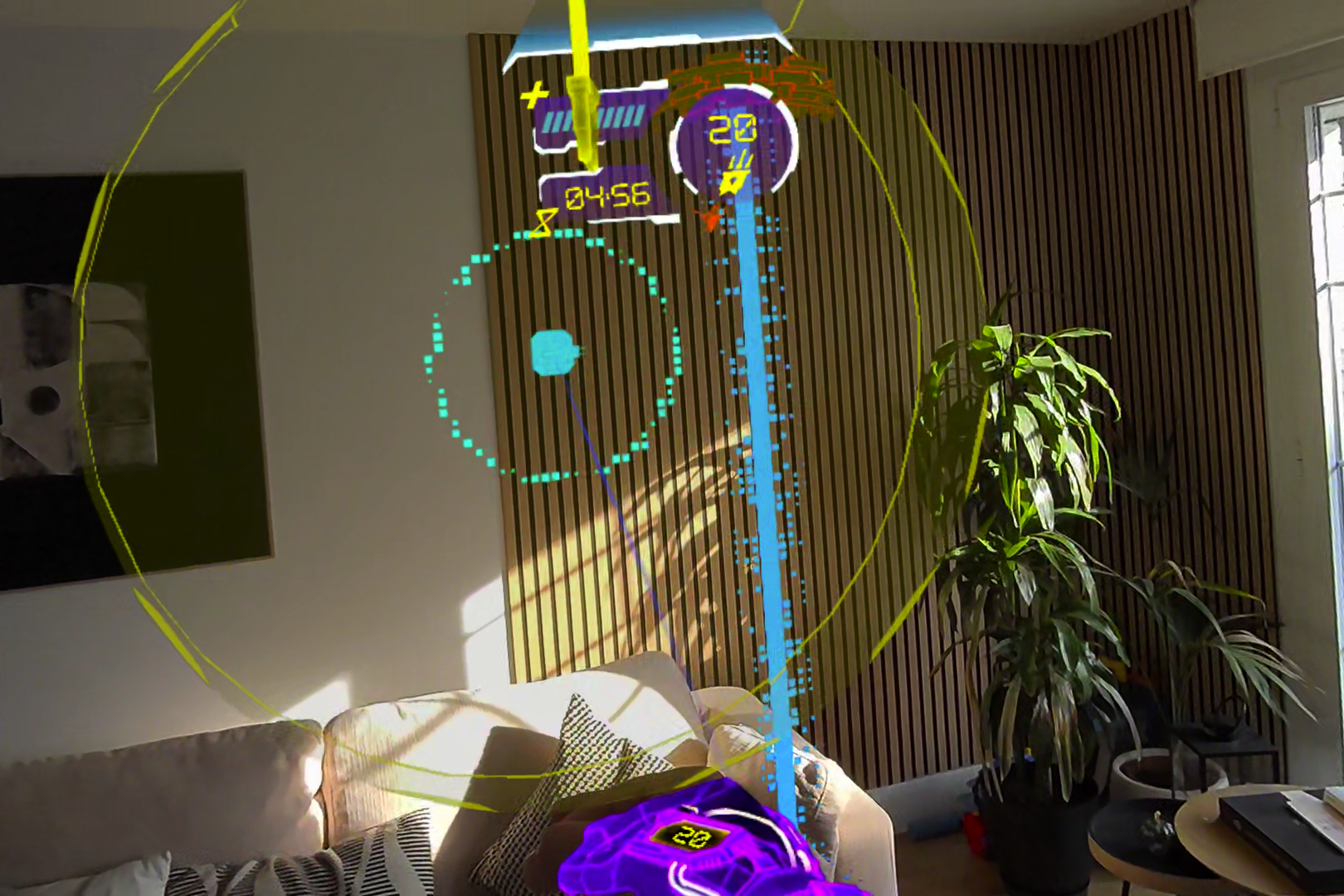
What it does
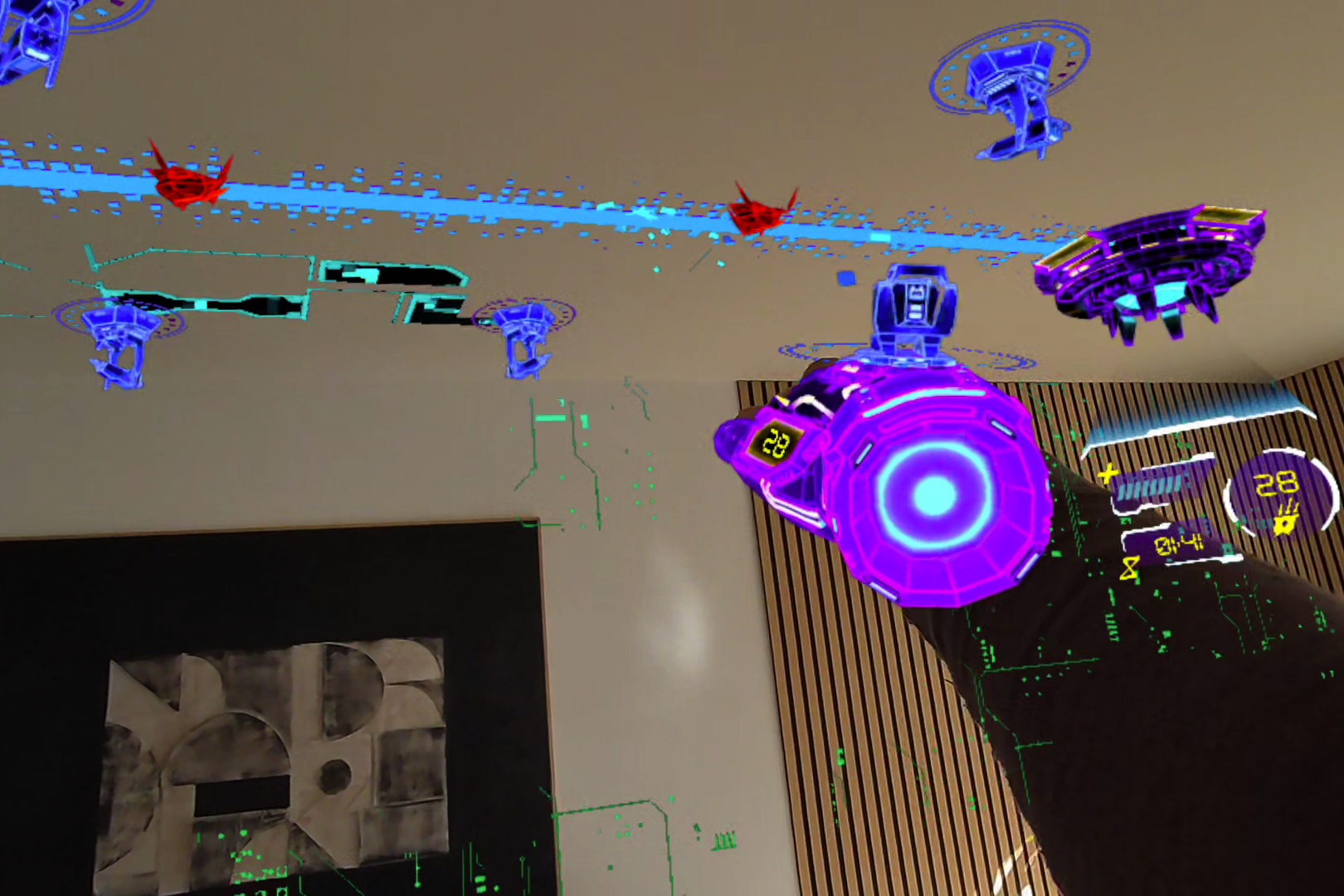
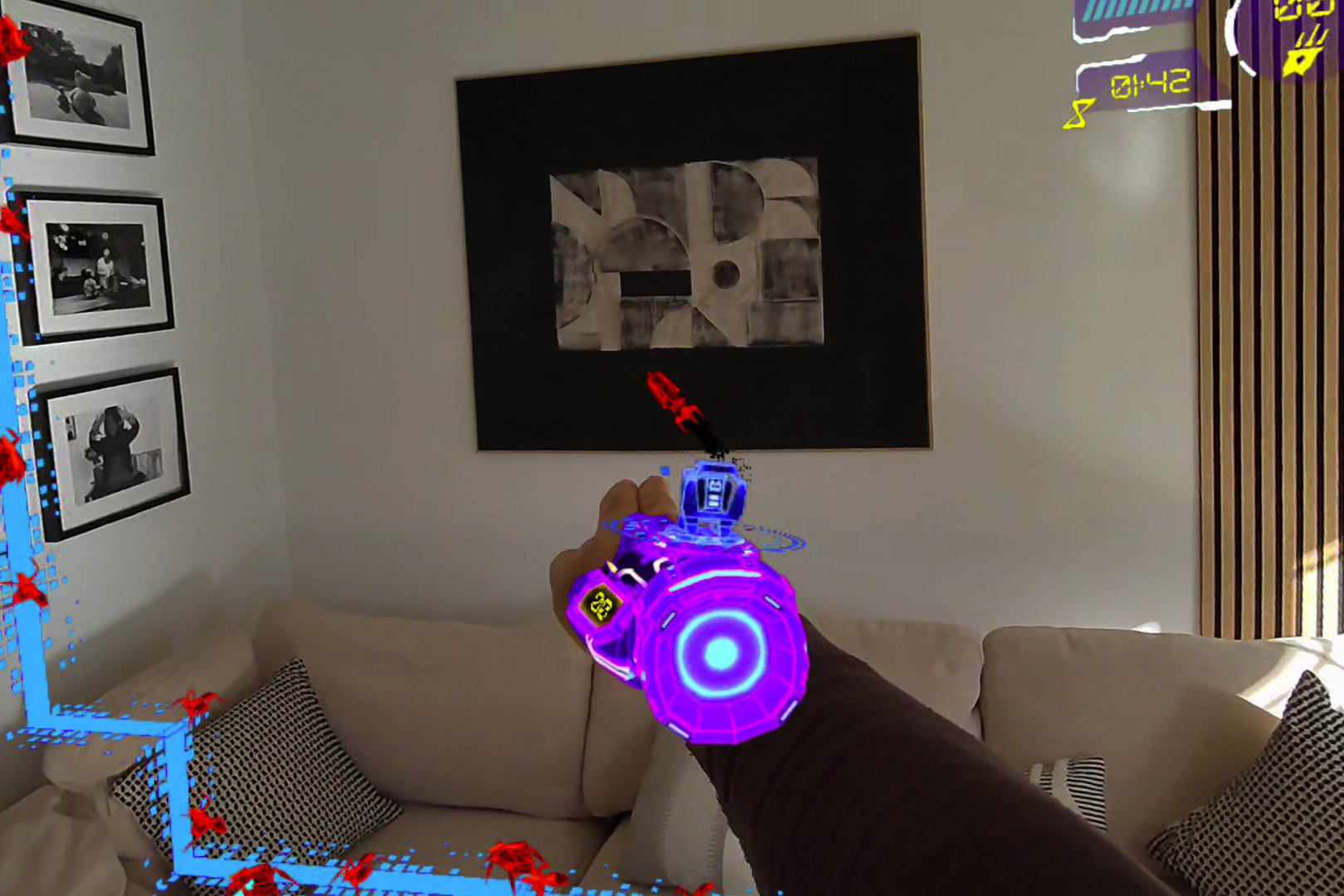
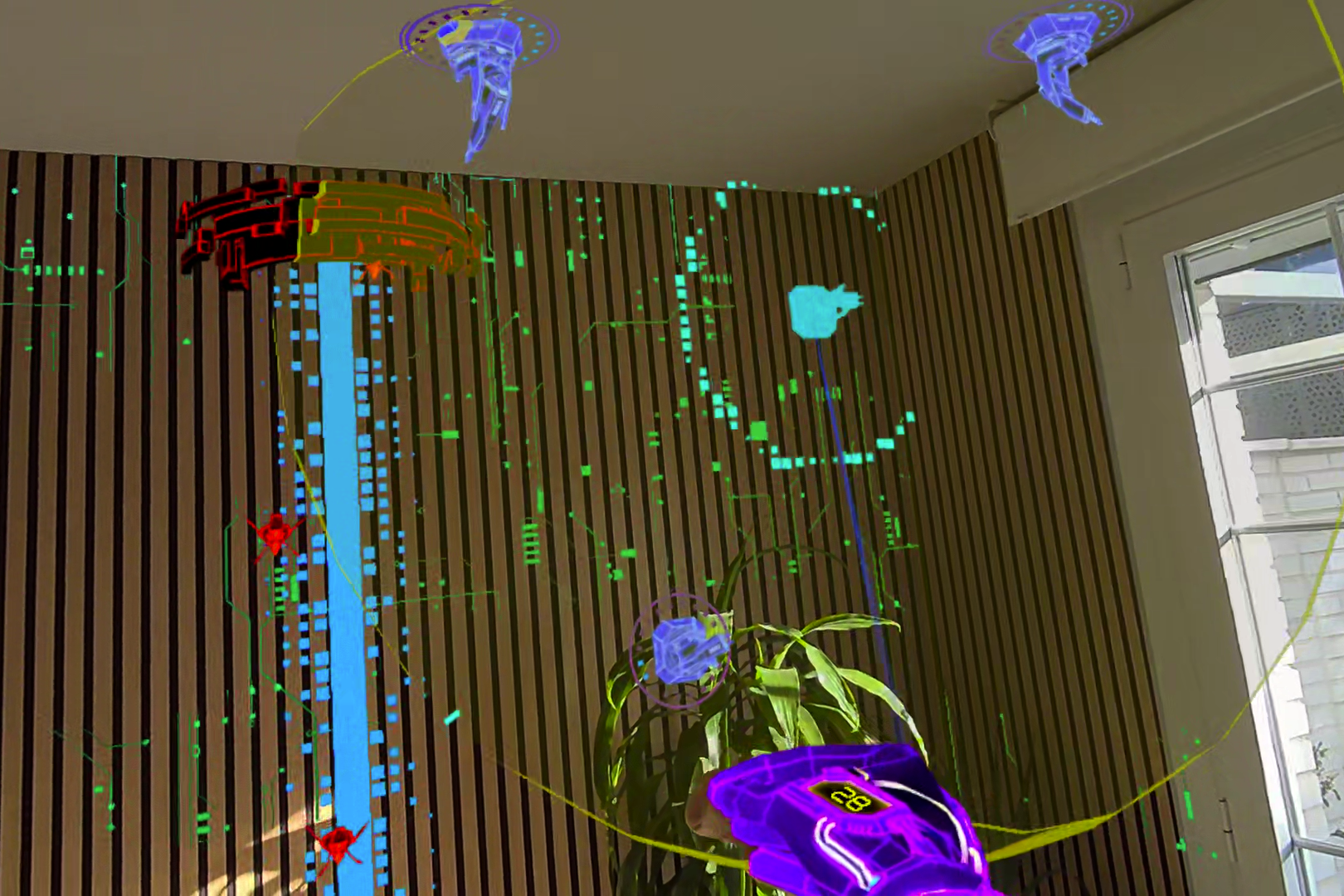
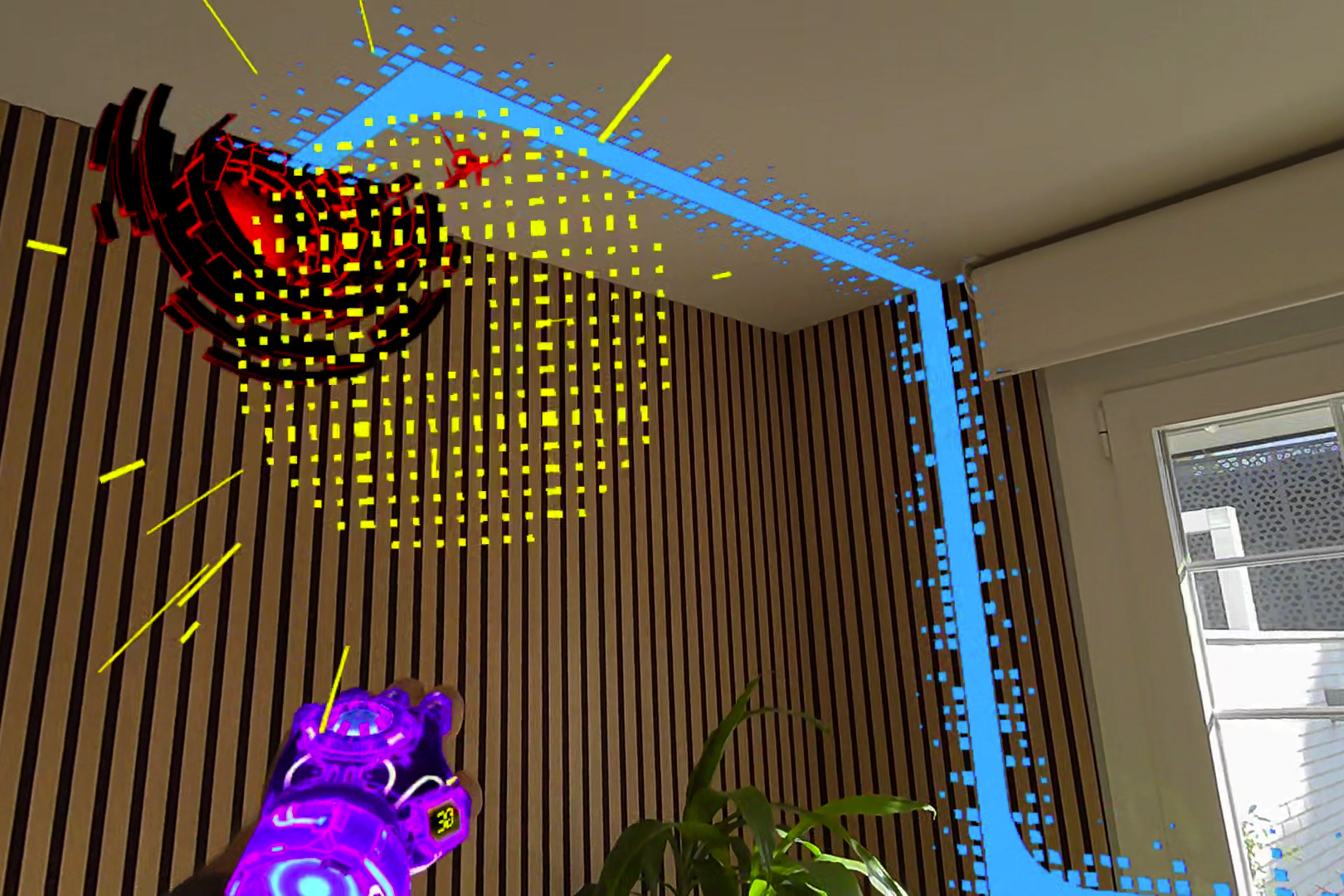
Xploit Tower Defense combines strategic tower defense gameplay with immersive first-person combat in virtual reality.
Players deploy a Neurogate, strategically position defensive turrets, and actively participate in combat to protect their objectives. Since turrets have a limited lifespan, players must continuously adapt their defensive strategy while fighting against incoming threats.
For the Meta VR Start Developer Competition 2026, we introduced a new hands-only gameplay system that allows players to experience the game without physical controllers.
The new interactions include:
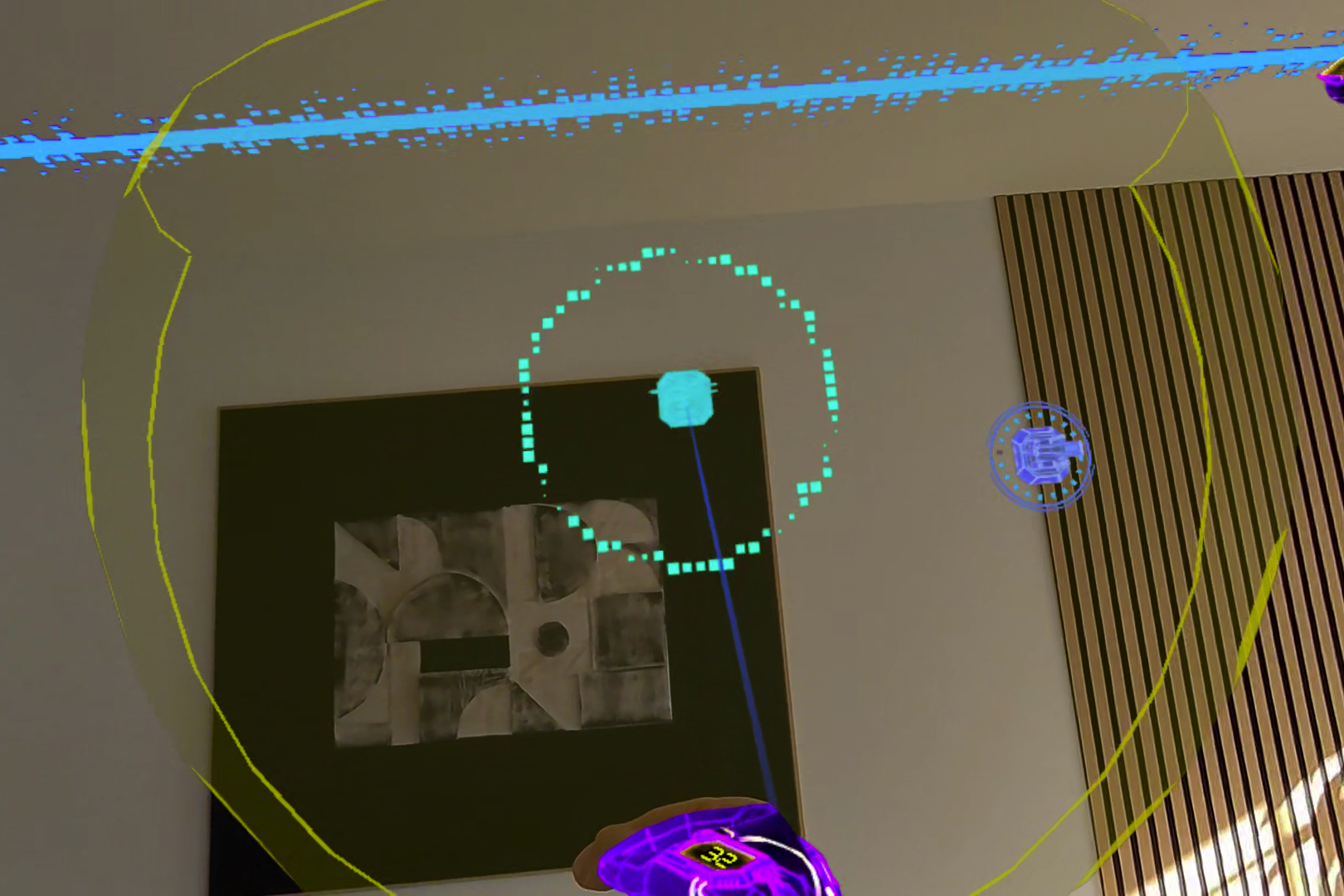
- Palm-up turret menu: Turn your palm upward to open the turret selection menu.
- Finger-based selection: Point with your right index finger to select a turret.
- Pinch-to-place: Pinch your thumb and index finger on either hand to activate the placement system. Release the pinch to deploy a turret or Neurogate.
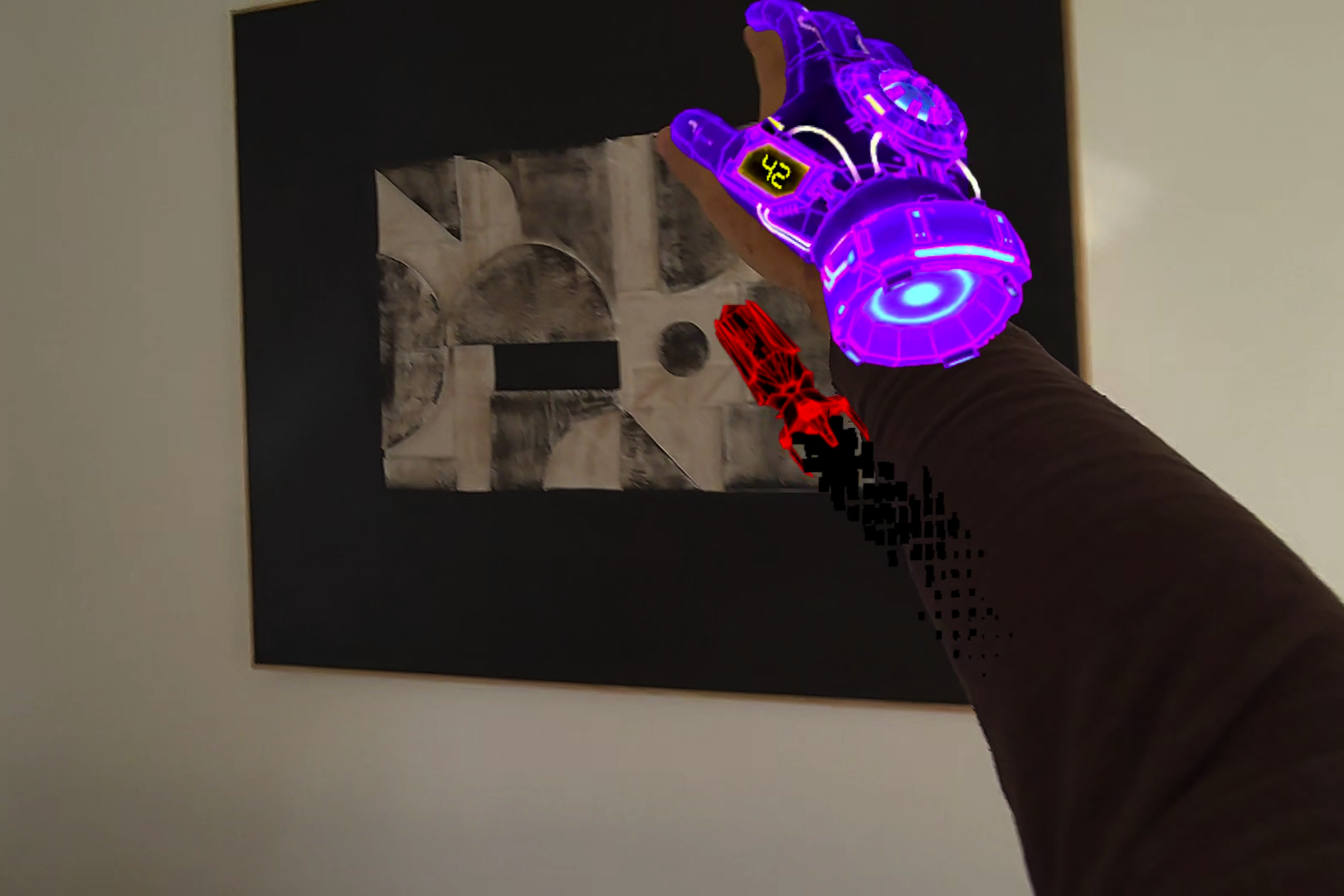
- Gesture-based shooting: Move your thumb away from your hand to fire and bring it back to stop shooting.
These interactions transform traditional controller-based gameplay into a more natural and immersive VR experience.
How we built it
Xploit Tower Defense was developed using Unreal Engine 5.5 for Meta Quest.
We integrated Meta XR Hand Tracking into the existing VR gameplay architecture, replacing traditional controller inputs with gesture-based interactions.
The implementation involved developing custom hand-pose recognition, gesture detection, spatial targeting, and interaction systems to support turret selection, object placement, and combat.
We also redesigned the in-game tutorials to guide players through the new hand gestures using clear instructions and visual references.
A key objective was to preserve the original gameplay mechanics while introducing an entirely new way to interact with the game.
Challenges we ran into
One of our biggest challenges was adapting traditional VR interactions to the limitations of optical hand tracking.
Unlike physical controllers, hand tracking relies on the headset cameras maintaining visibility of the player's hands. Certain natural gameplay positions can partially obscure fingers, making some gestures difficult to detect reliably.
This was particularly challenging when implementing shooting mechanics. While aiming, the player's hand orientation can prevent the headset cameras from clearly detecting a pinch gesture.
To address this, we developed a thumb-based firing mechanic that allows players to shoot by moving their thumb away from the hand and stop shooting by bringing it back.
Another important challenge was ensuring precise turret placement without physical triggers.
We solved this by implementing a two-stage interaction: players hold a pinch gesture to activate and position the placement gizmo, then release the pinch to confirm placement.
Balancing gesture sensitivity, tracking reliability, and player comfort was essential throughout development.
Accomplishments that we're proud of
Our biggest accomplishment is transforming Xploit Tower Defense from a controller-based VR experience into one that supports gameplay using natural hand gestures.
We are particularly proud of:
- Controller-free interactions: Enabling turret selection, structure placement, and combat through hand tracking.
- Intuitive placement mechanics: Creating a consistent pinch-and-release system for both turrets and the Neurogate.
- Natural turret selection: Using a palm-up gesture to access the turret menu and direct finger interaction to select defensive units.
- Practical shooting controls: Designing a thumb-based firing system that takes the headset cameras' visibility limitations into account.
- Preserving gameplay depth: Introducing hand tracking without sacrificing the strategic and action-oriented elements of the original experience.
These improvements represent an important step toward making Xploit Tower Defense more immersive and intuitive.
What we learned
Developing hands-only VR gameplay taught us that designing natural interactions requires more than replacing controller buttons with gestures.
We learned that gestures must be comfortable, easy to understand, and reliable under real gameplay conditions.
One of our most valuable lessons was understanding how hand visibility affects tracking accuracy. Gestures that work perfectly when the hands are directly in front of the headset may become unreliable during combat or rapid movements.
This led us to prioritize practical interaction design over simply reproducing traditional controller mechanics.
We also learned the importance of clear visual feedback, consistent gesture behavior, and straightforward tutorials to help players adapt quickly to controller-free gameplay.
What's next for Xploit Tower Defense
Our next steps focus on refining the hand-tracking experience and continuing to improve the overall gameplay.
We plan to:
- Improve gesture recognition and tracking reliability.
- Refine the responsiveness and precision of turret placement.
- Continue optimizing the hand-tracking experience for Meta Quest.
- Expand visual feedback to make interactions more intuitive.
- Improve tutorials and onboarding for players unfamiliar with hand tracking.
- Continue balancing gameplay mechanics for both hand-tracking and controller-based play.
Our long-term goal is to make hand tracking a fully integrated and natural way to experience Xploit Tower Defense, allowing players to interact directly with the battlefield while maintaining the strategic depth and excitement of VR combat.


Log in or sign up for Devpost to join the conversation.