-
-
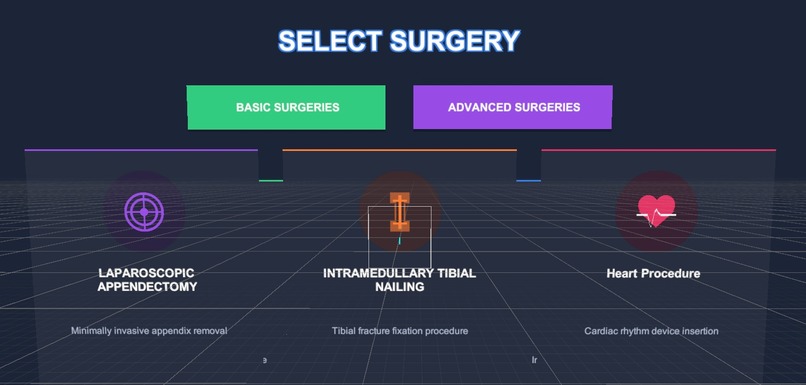
Screen to select Procedure
-
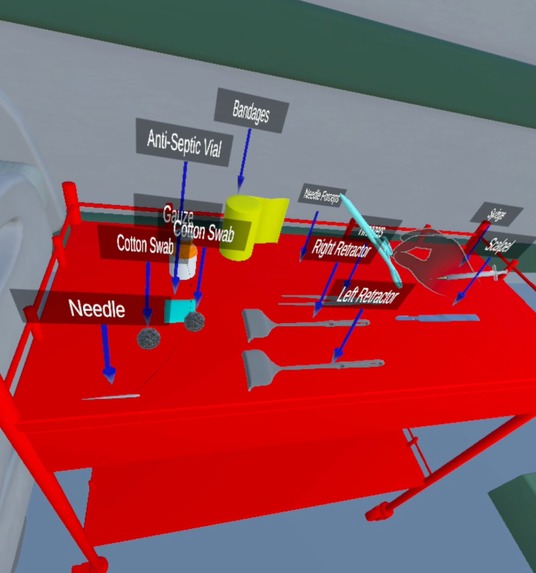
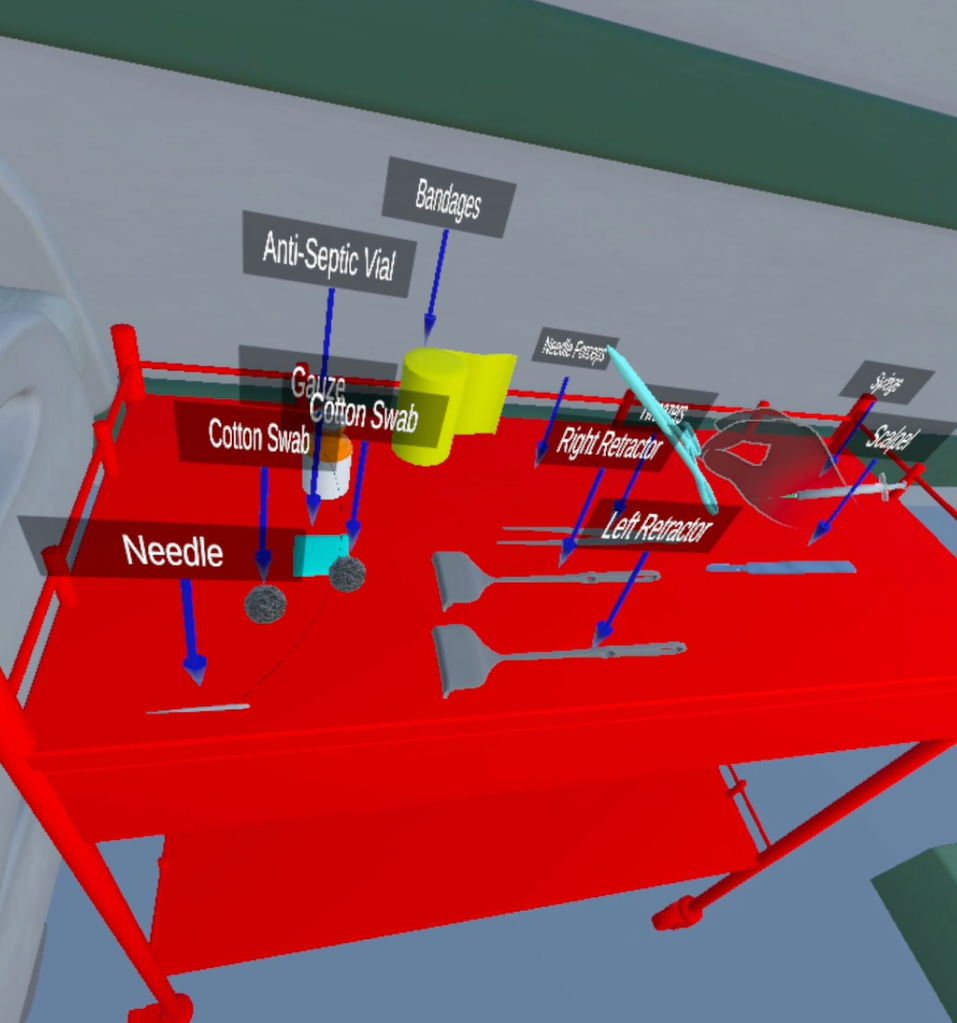
Medical tool Try
-
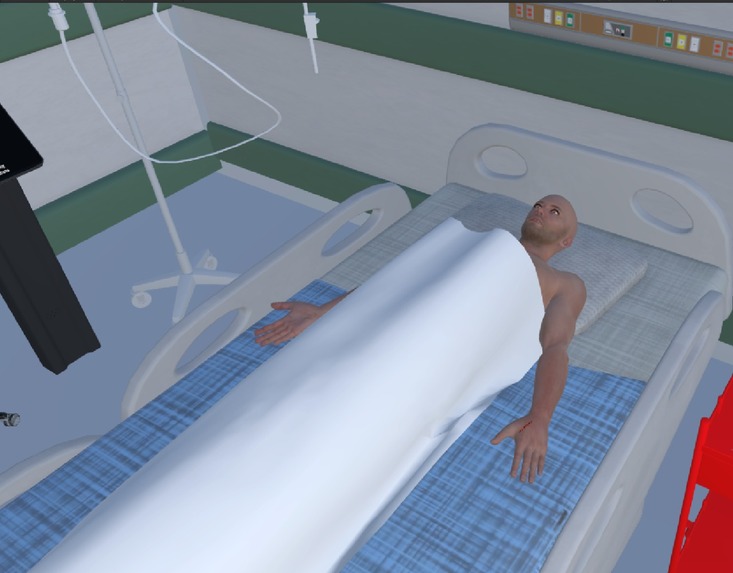
Patient in the operation room
-
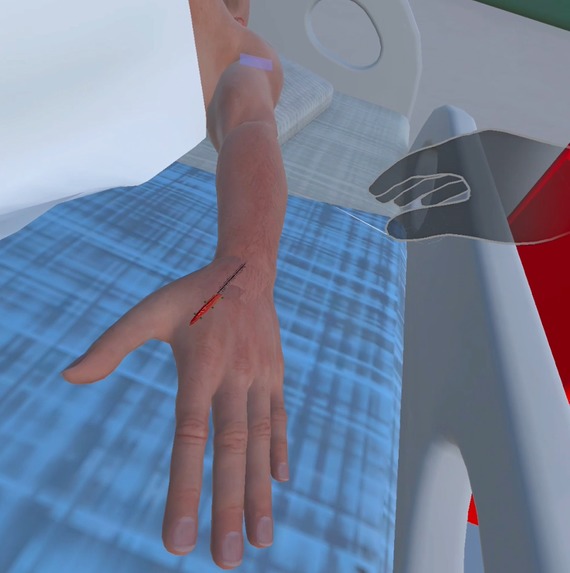
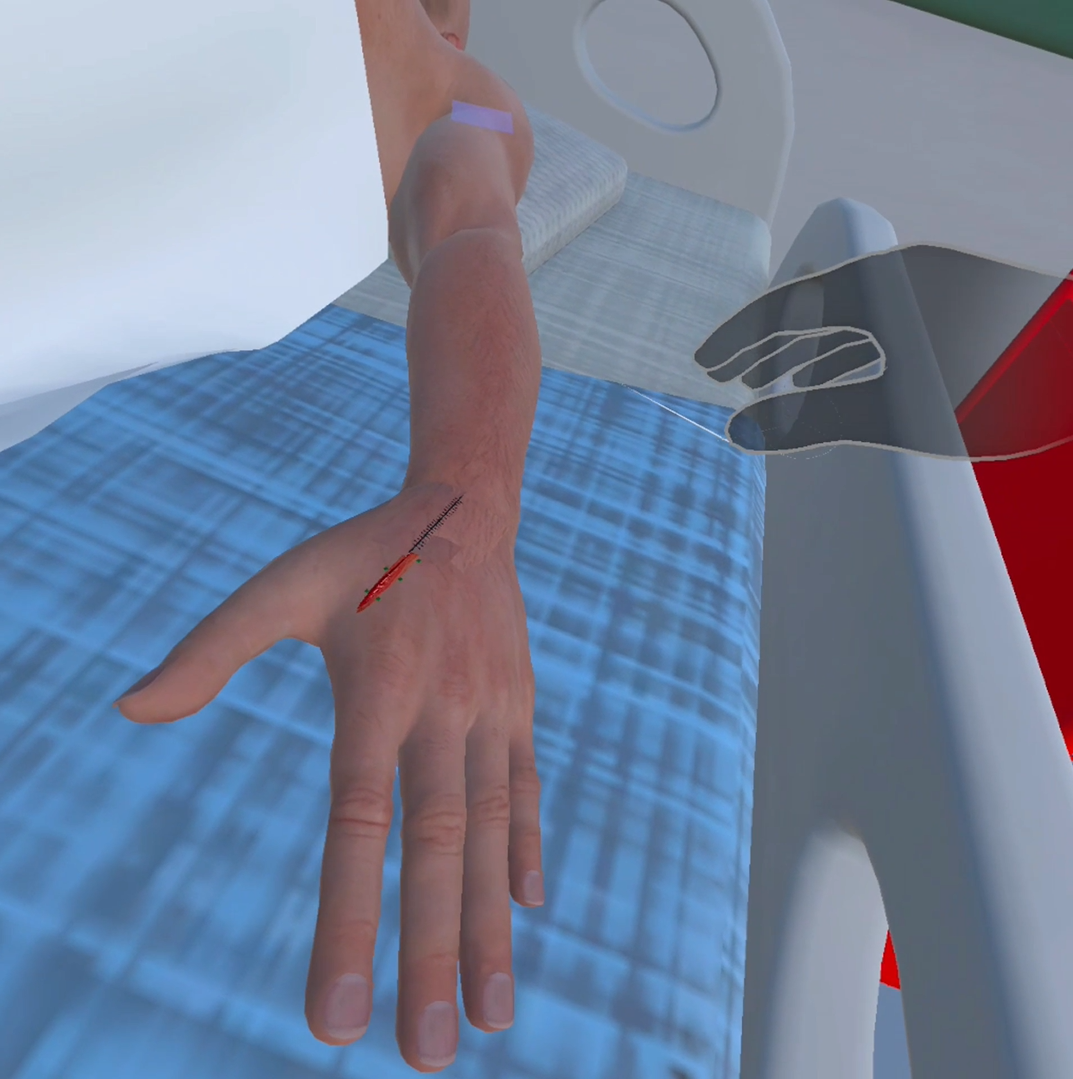
Patient Hand with wound
-
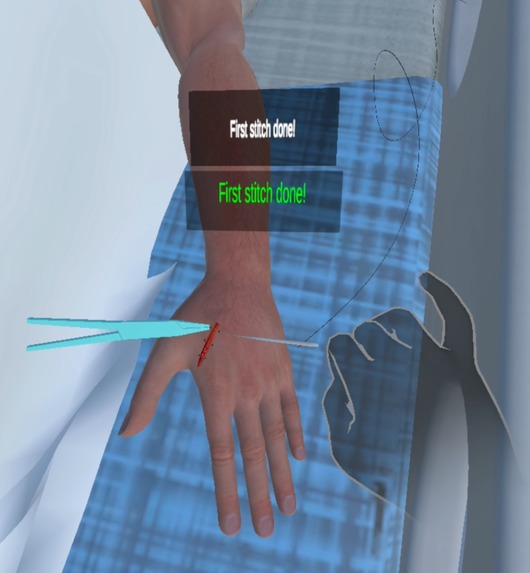
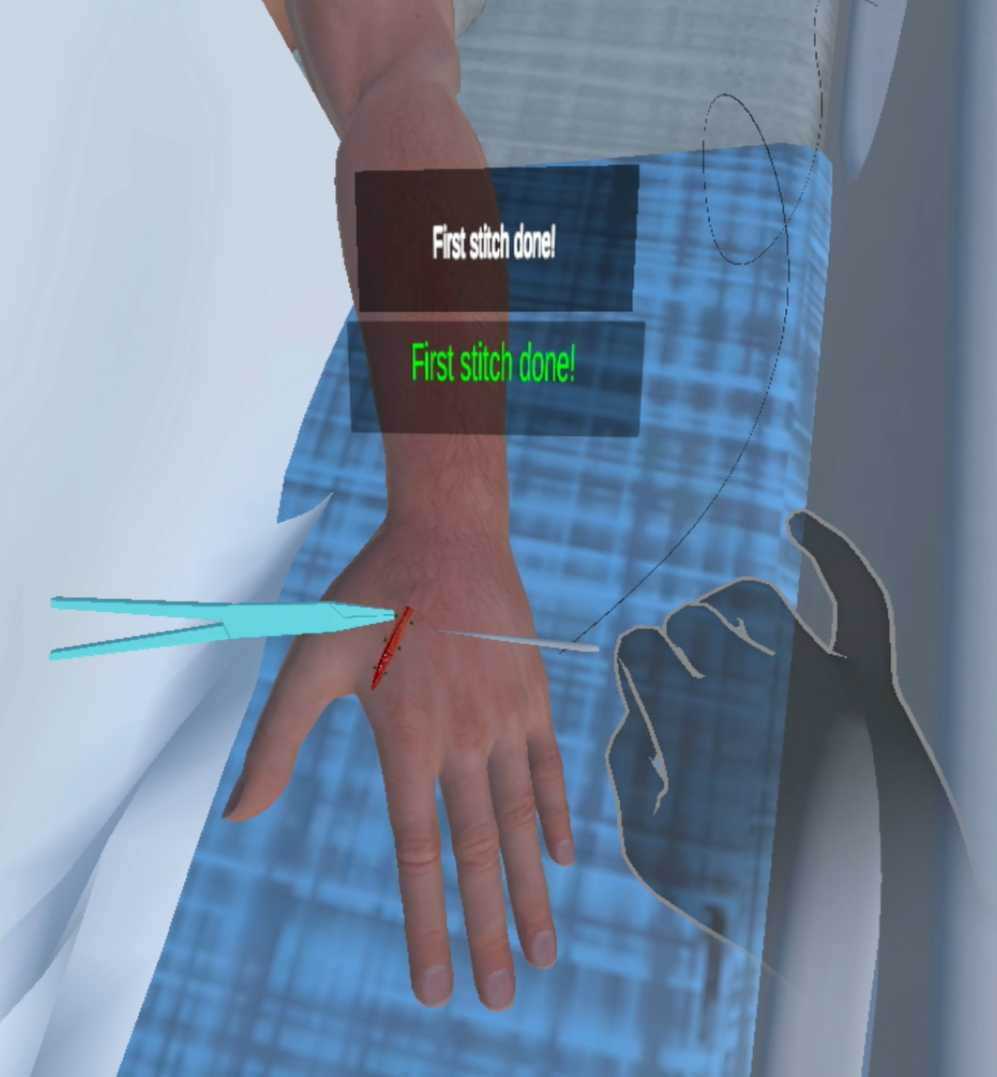
Trainee holding needle for twizer


Inspiration
XI-Surg was inspired by the urgent need to modernize surgical education, particularly in regions where access to simulation labs, expert instructors, and standardized training resources is limited. Medical students often enter clinical rotations without hands-on practice, leading to anxiety, inconsistent skill development, and reduced confidence. Our team set out to create an immersive, accessible, and intelligent VR platform that empowers learners to safely practice surgical procedures anytime, anywhere. The vision was to bridge the gap between theoretical learning and real-world surgical competency through experiential, interactive training.
What it does
XI-Surg is a next-generation VR surgical training simulator designed for Meta Quest headsets. It provides step-by-step guided procedures, realistic surgical environments, interactive instruments, and performance feedback powered by AI. Learners can practice tasks such as incision handling, instrument usage, suturing, and procedure sequencing. The platform evaluates accuracy, timing, errors, and adherence to guidelines, offering dynamic corrections and personalized training paths. XI-Surg transforms surgical learning into a safe, scalable, repeatable, and data-driven process.
How we built it
The platform was built using Unity and Meta XR SDK, with a modular architecture that allows quick expansion of procedures, tools, and training modes. Our development process included designing optimized 3D models, realistic animations, physics-based interactions, and haptic-inspired feedback cues. An AI-driven instructor layer was integrated to support real-time guidance and corrective suggestions. We also developed an analytics engine that logs performance metrics and generates skill assessments. Optimization for standalone VR devices required extensive refinement of lighting, textures, and memory usage to ensure smooth, high-frame-rate performance on Meta Quest.
Challenges we ran into
The primary challenge was achieving medical realism while maintaining high performance on a standalone headset. Creating interactions that feel intuitive for medical learners with little VR experience required multiple iterations of UX/UI design. Ensuring procedural accuracy without direct access to surgical laboratories demanded collaboration with medical references, validated procedure videos, and iterative verification. Another challenge was designing a system that remains flexible enough to support future procedures, instruments, and AI-assisted features without architectural rework.
Accomplishments that we're proud of
Our team successfully created a high-fidelity, modular, and performance-optimized VR surgical simulator that is ready for real educational use. We implemented intelligent guidance, a detailed analytics dashboard, and multiple surgical scenarios—features typically limited to high-cost simulators. We are also proud of the platform’s accessibility, enabling quality surgical training even in resource-constrained environments.
What we learned
Developing XI-Surg taught us how to balance realism, performance, and usability in a VR medical application. We gained insights into designing applied learning systems, optimizing VR content for standalone hardware, and integrating AI-supported feedback loops. We also deepened our understanding of how trainees interact with virtual tools, enabling us to refine user experience and learning flow.
What's next for XI-Surg
Future updates include multi-user collaborative surgeries, voice-enabled AI mentors, advanced anatomy modules, certification pathways, remote supervision tools, and integration with institutional learning management systems. Our long-term vision is to evolve XI-Surg into a comprehensive VR medical academy, enabling global accessibility to safe, standardized, and high-quality surgical education.


Log in or sign up for Devpost to join the conversation.