-
-
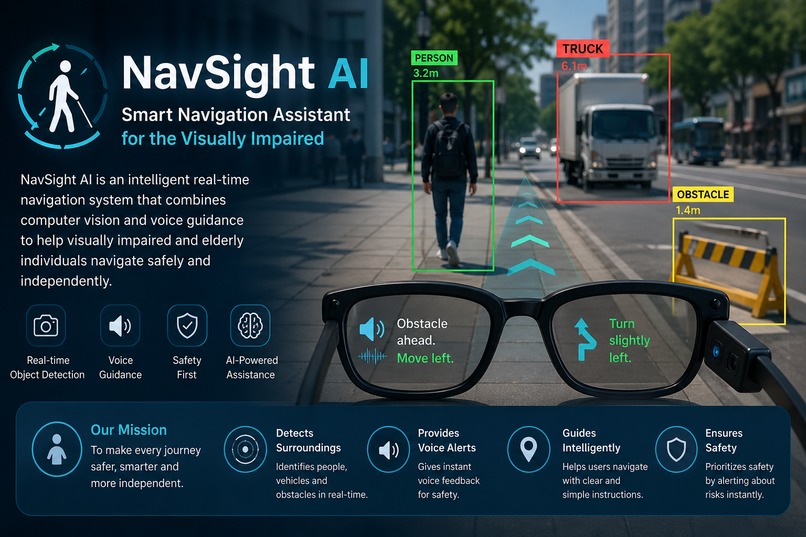
Prototype Description
-
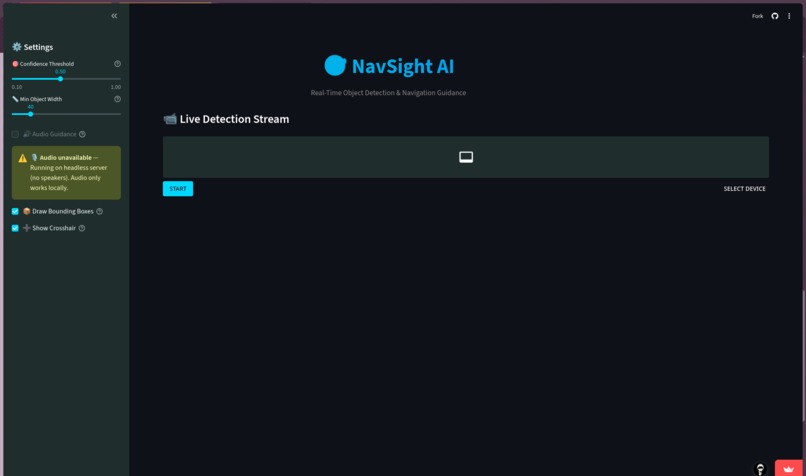
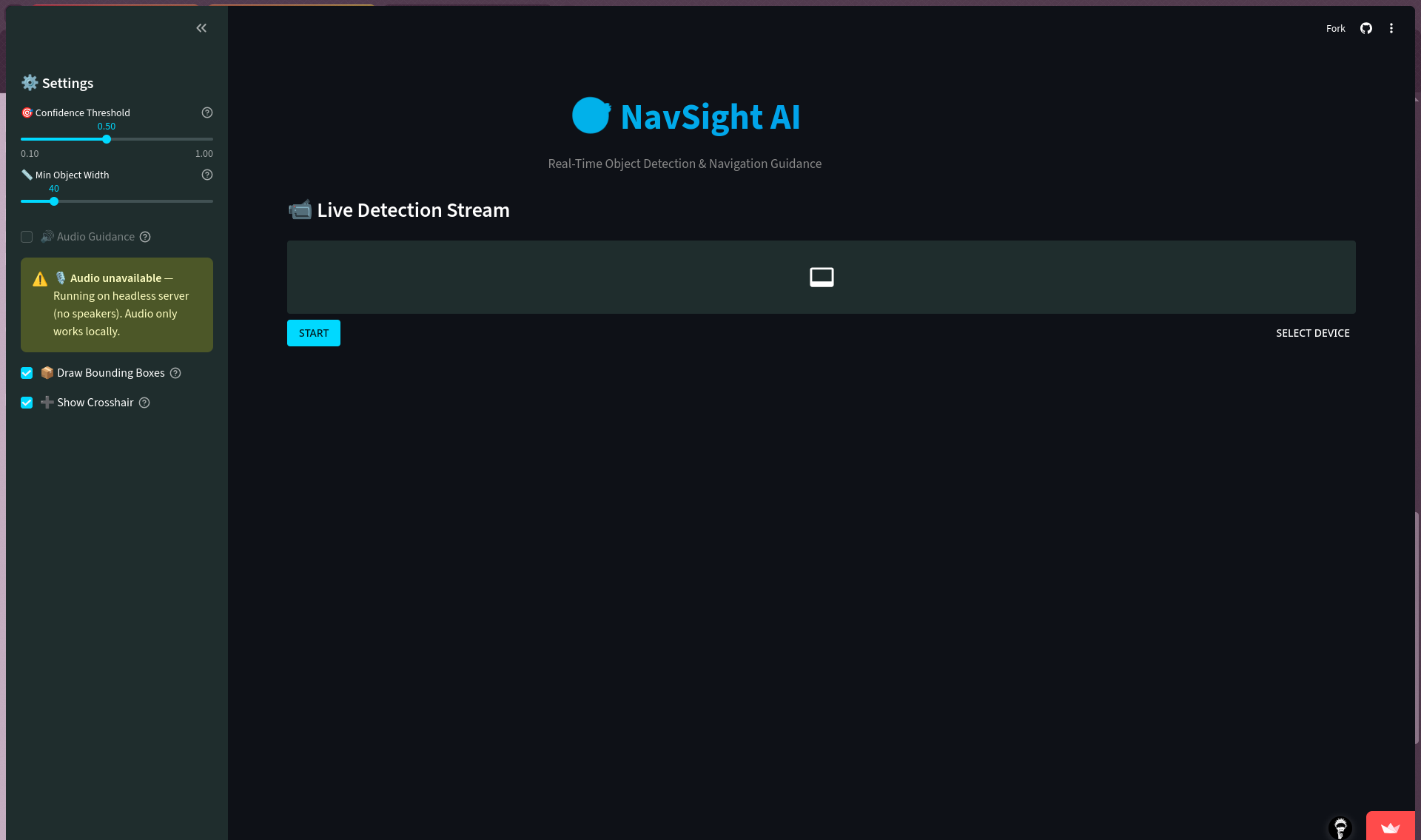
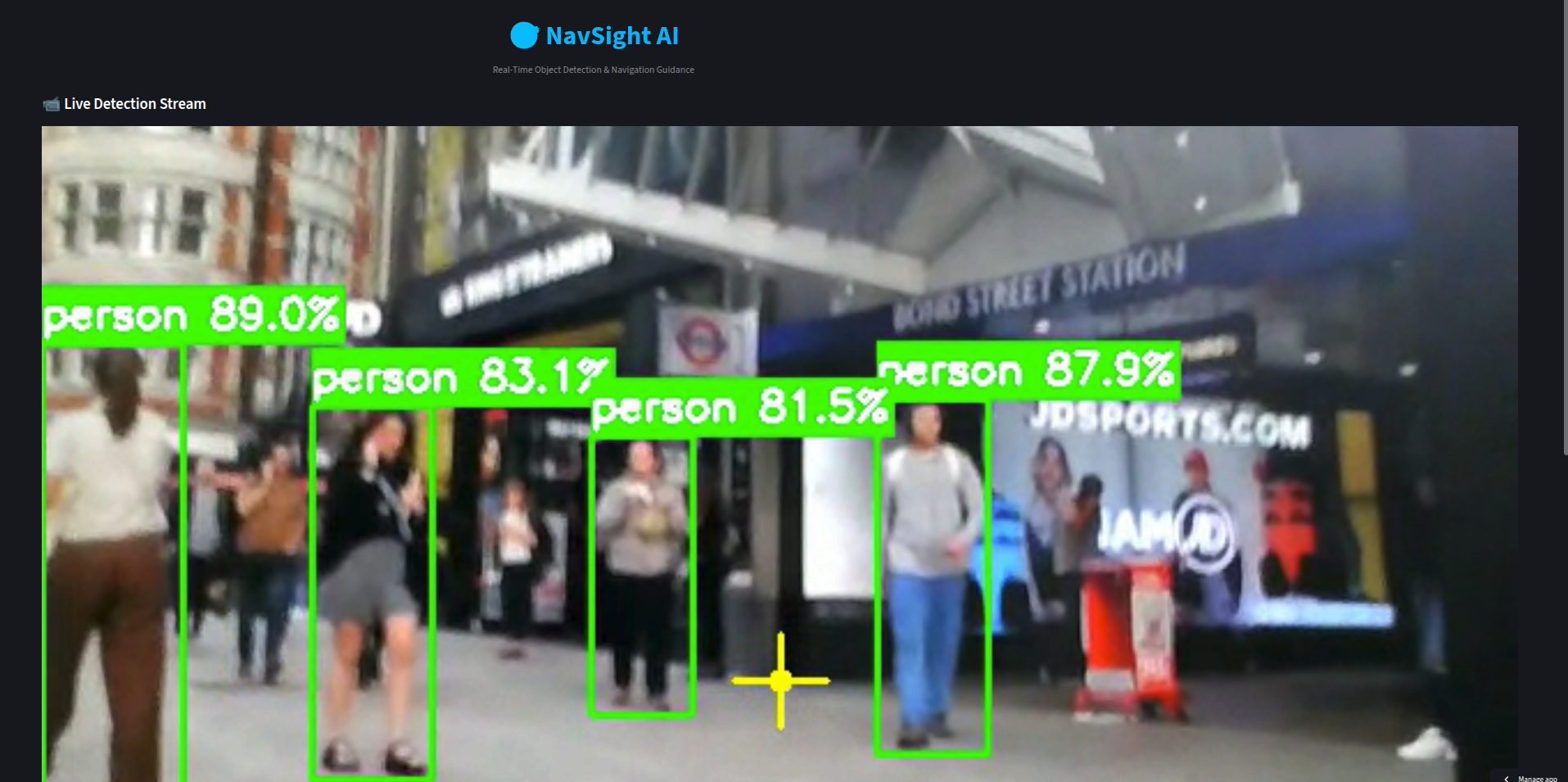
Cloud hosted frontend app page and Clean UI foor elderly people
-
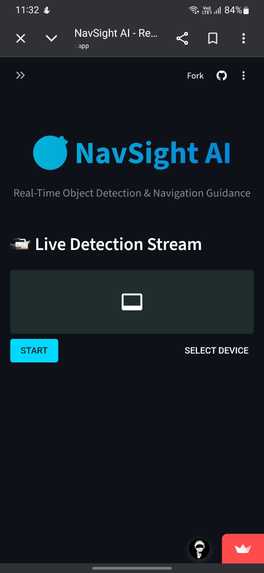
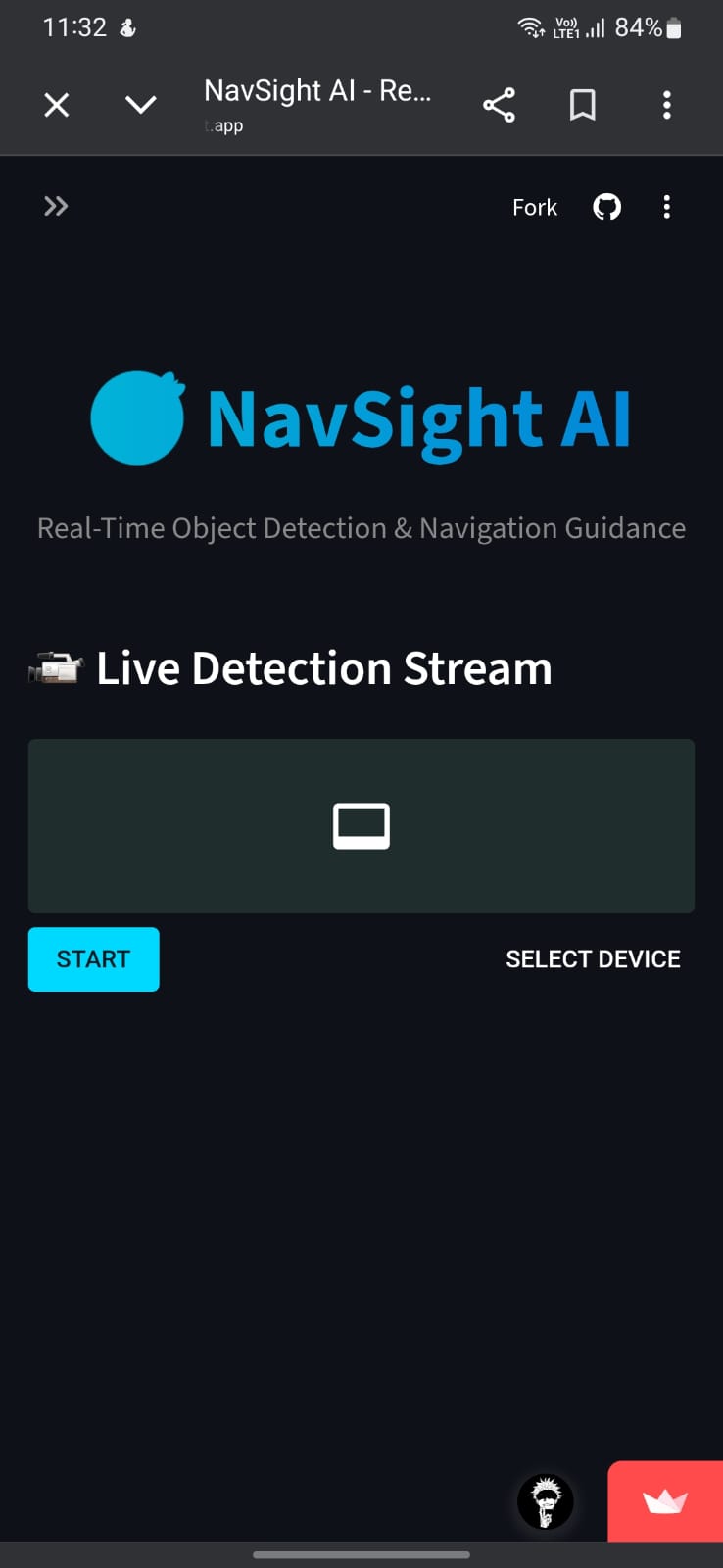
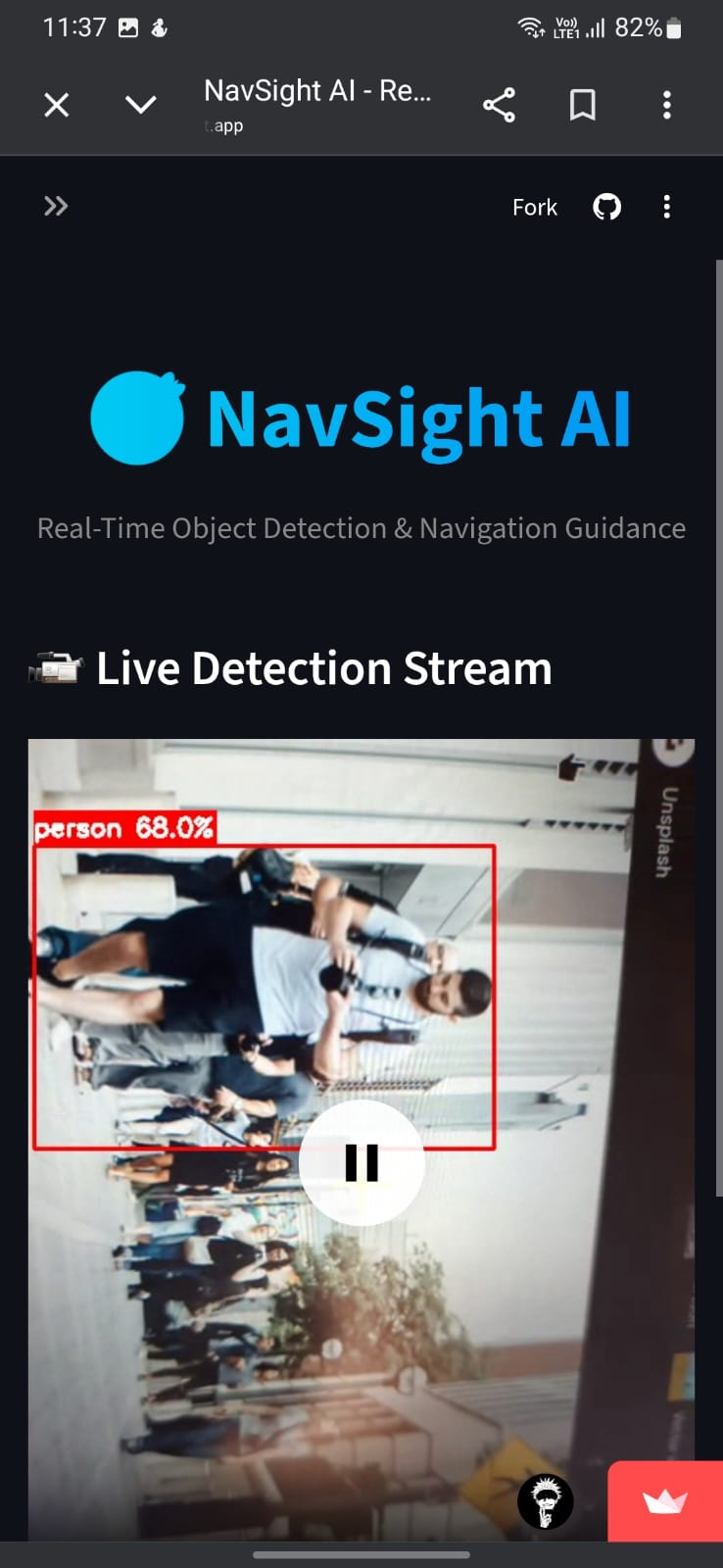
NavSightAI is also accesible on Mobile and other devices
-
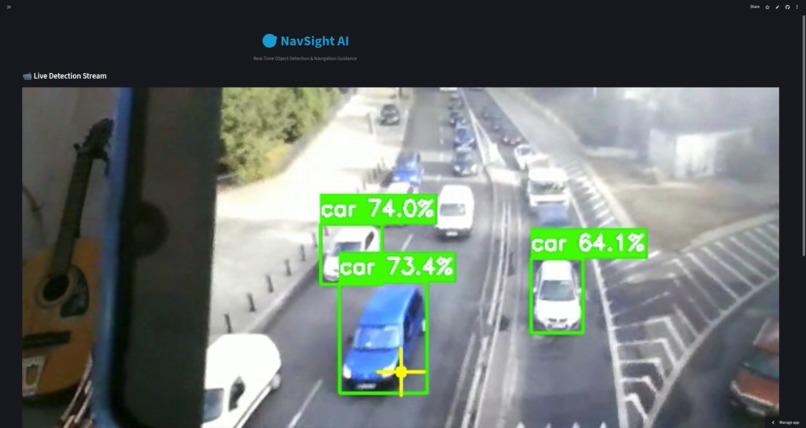
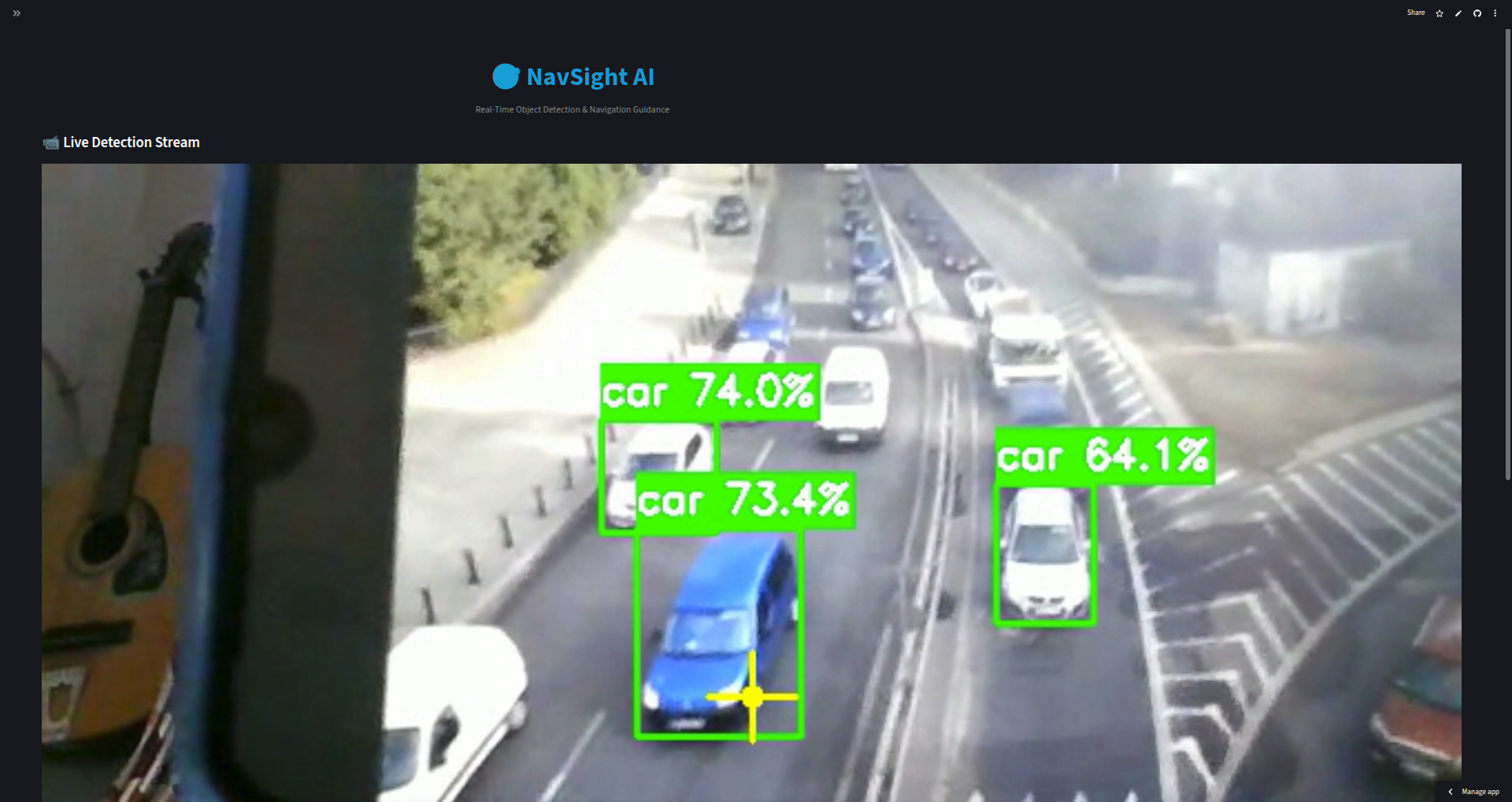
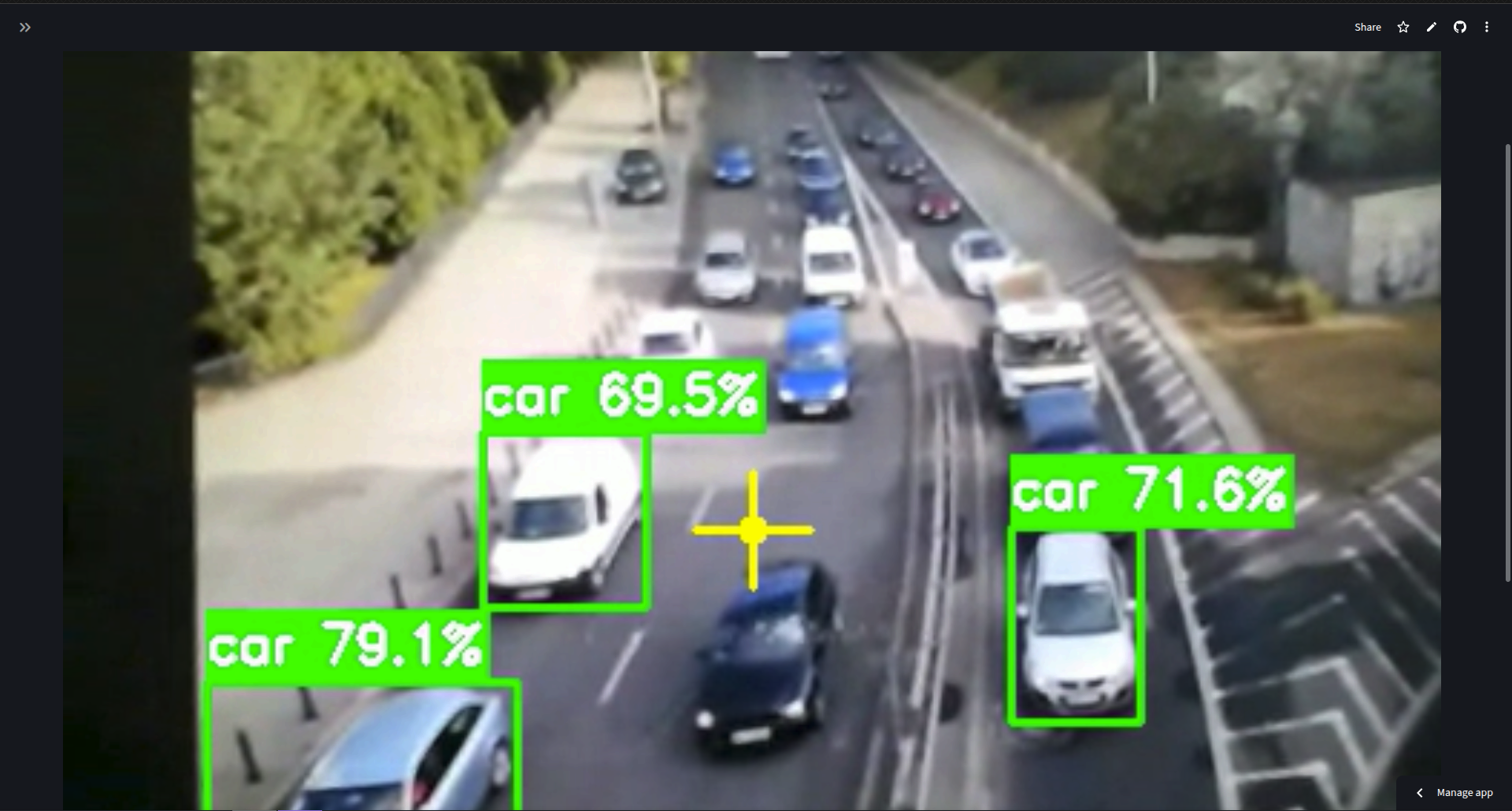
Precise prediction with high accuracy and confidence
-
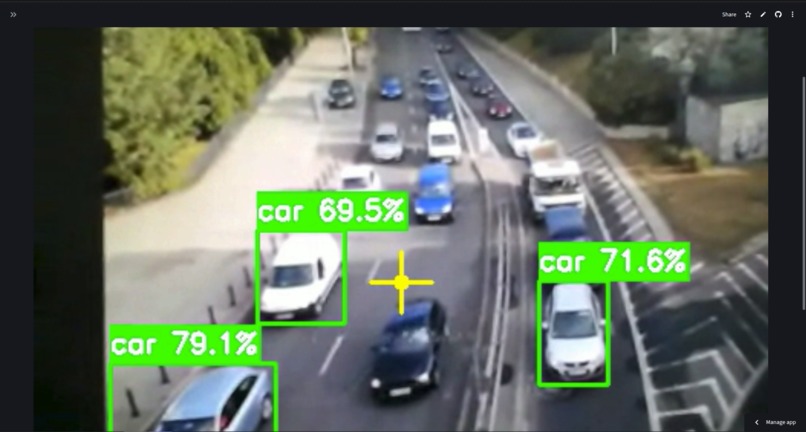
Real-time detection of vehicles
-
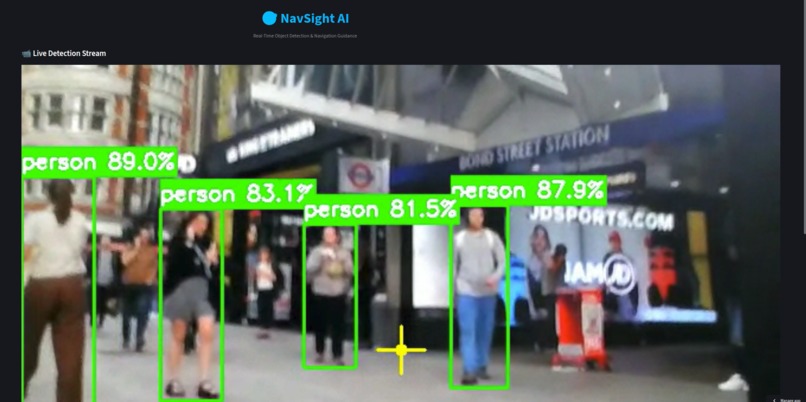
Accurate human and people detection
-
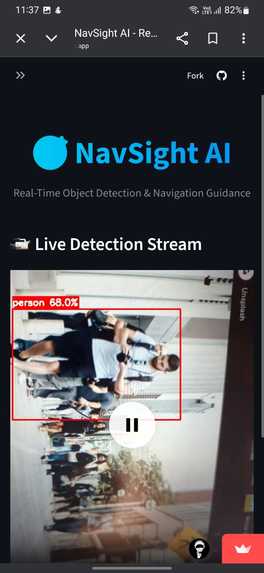
Detection on Mobile with guidance
Inspiration
Navigation is something most people rely on daily without difficulty, but for visually impaired and elderly individuals, it can be challenging and unsafe. Existing navigation systems provide directions but often lack real-time awareness of the user's surroundings.
NavSight AI was built to bridge this gap by combining artificial intelligence with assistive technology. The goal is to create a system that not only guides users to their destination, but also helps them understand what is around them in real time, improving safety, confidence, and independence.
What it does
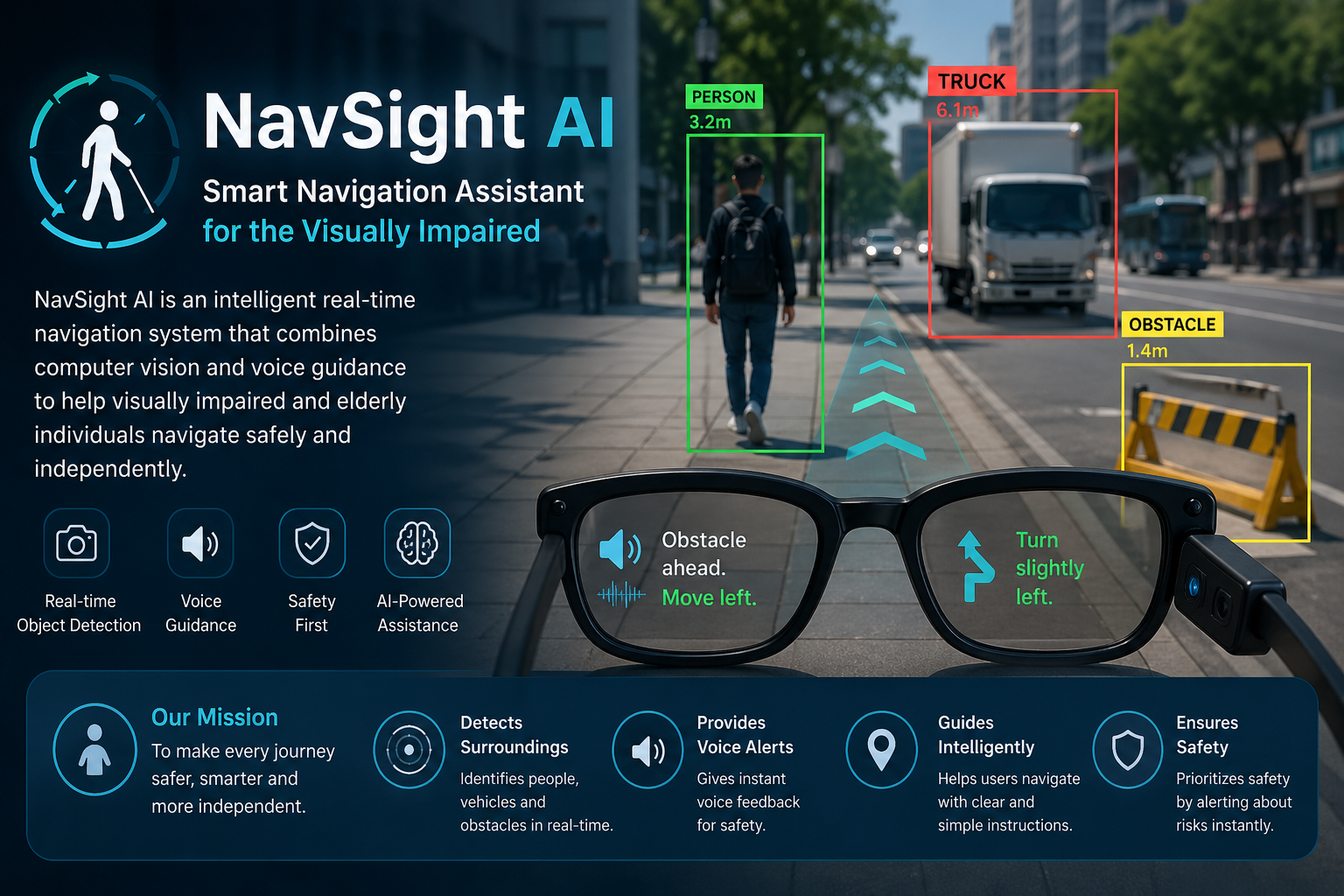
NavSight AI is an intelligent vision-based navigation assistant designed to help visually impaired and elderly individuals navigate safely and independently.
- Allows users to input a destination and generates route guidance
- Provides step-by-step navigation instructions through voice output
- Uses a camera to detect obstacles such as people, vehicles, and objects in real time
- Alerts users with safety messages such as "Obstacle ahead" or "Move left"
- Combines navigation and computer vision to provide context-aware guidance
- Prioritizes safety alerts over navigation instructions to prevent accidents
- Continuously monitors surroundings for safer navigation
The project also includes a cloud-hosted frontend interface for improved accessibility and usability.
- Built an interactive frontend using Streamlit
- Cloud-hosted for easy remote access
- Supports cross-platform usage on mobile devices, tablets including iPad, and PCs
- Allows users to access the system directly through a browser without complex installation
How we built it
- Developed a real-time system combining navigation and object detection simultaneously
- Integrated camera input, AI models, APIs, and voice systems
- Designed a decision-making system to prioritize obstacle alerts over navigation instructions
- Optimized detection performance for low latency and accuracy
- Built and deployed a frontend interface using Streamlit for browser-based interaction
Challenges we ran into
- Running object detection and navigation together in real time without delay
- Integrating multiple components including AI models, APIs, frontend, and voice systems
- Designing a smart alert system that is useful without overwhelming the user
- Balancing detection accuracy with performance constraints
- Ensuring cloud deployment and cross-platform compatibility across devices
Tech used
- Python
- Ultralytics YOLO
- OpenCV
- Streamlit
- pyttsx3 / gTTS
- Cloud hosting platform
What we learned
- Integrating AI, APIs, cloud deployment, and frontend systems into one project
- Building real-time object detection systems with practical latency constraints
- Designing safety-first decision-making systems
- Creating accessible interfaces for assistive technology
- Deploying applications for browser-based cross-platform support
- The importance of real-world testing and iterative improvements
What's next for NavSight AI – Intelligent Vision-Based Navigation Assistant
- Implement more accurate distance estimation using depth sensing or stereo vision
- Add indoor navigation support where GPS is unavailable
- Develop a wearable version such as smart glasses or a compact device
- Build a dedicated mobile application
- Improve AI models for better recognition in complex environments
- Add real-time rerouting based on dynamic obstacles and conditions
- Integrate cloud features for route optimization and analytics


Log in or sign up for Devpost to join the conversation.