-
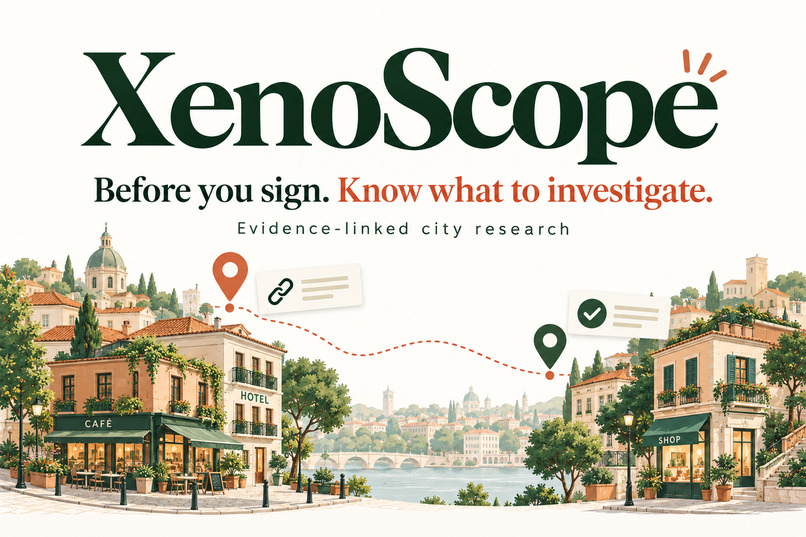
Image 2
-
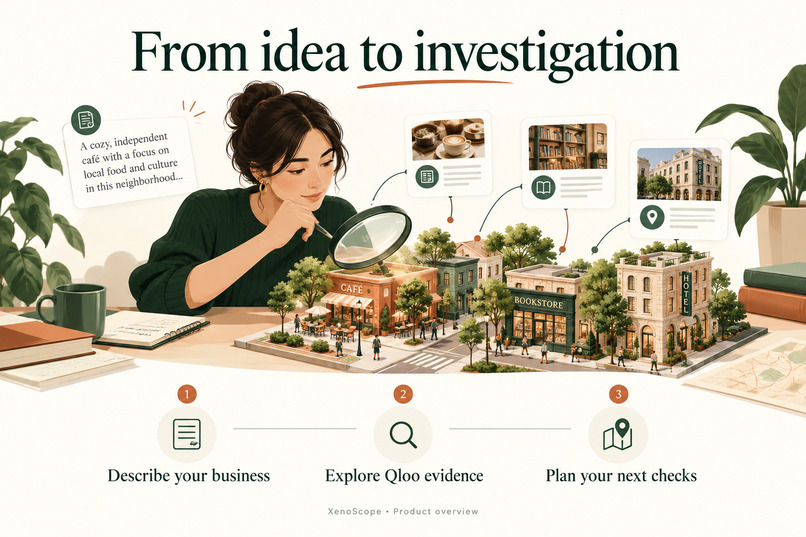
Image 1
-
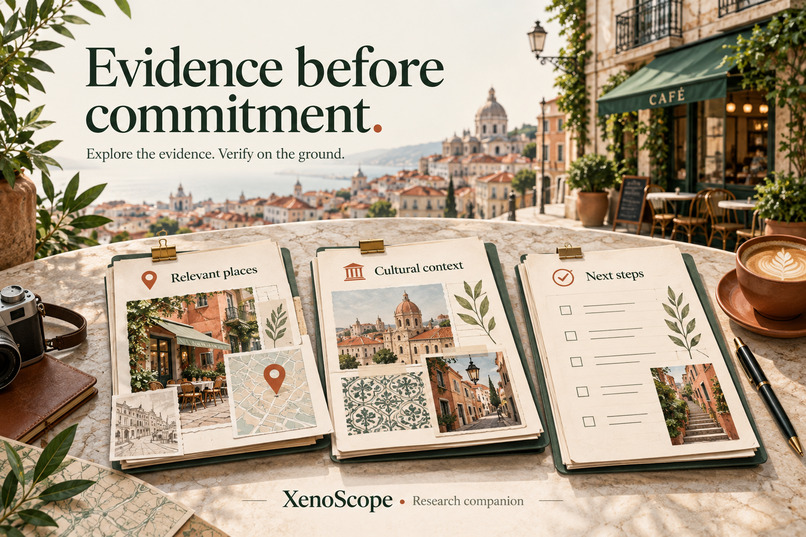
Image 3
Inspiration
Opening a business often starts with an expensive question: “Where should I open?”
Independent owners rarely have a research team. They move between maps, search results, spreadsheets, and personal recommendations, trying to understand whether a city deserves further investigation.
We built XenoScope to make that first research stage more accessible. Our goal is to help someone opening a café, restaurant, hotel, or retail shop move from a vague idea to a focused, evidence-linked investigation.
What It Does
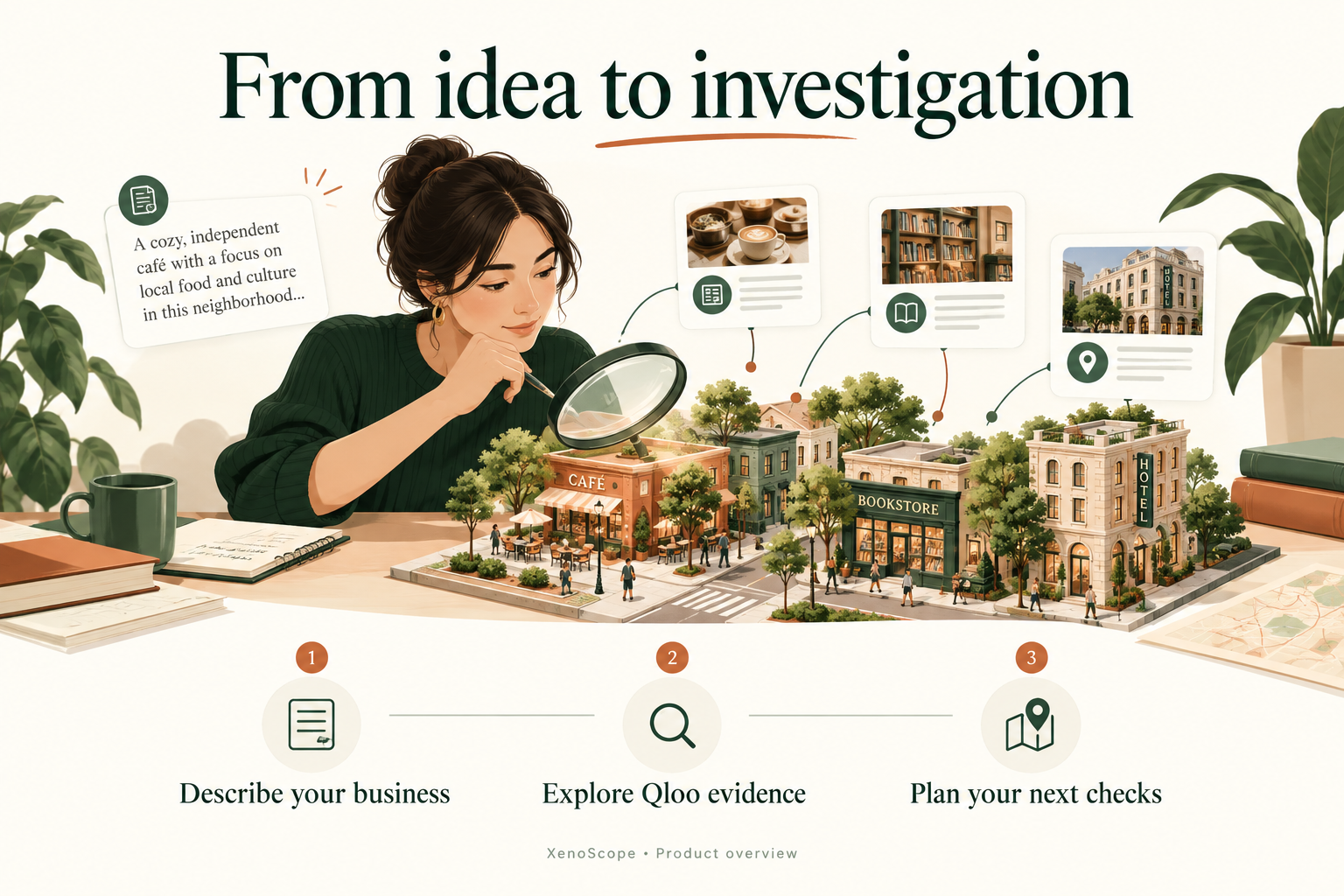
XenoScope turns a business idea into a structured research brief. Users describe their concept, intended customers, required features, and constraints, then select cities, cultural interests, and optional reference businesses.
The main City vs City workflow retrieves relevant places through Qloo and presents a comparison that users can inspect:
- Explore returned places, available features, addresses, websites, and other supplied details.
- Filter and paginate results to find useful examples.
- Trace feature counts back to the places supporting them.
- Read an optional AI-assisted brief with references to supplied evidence.
- Open individual findings for additional details and suggested investigation questions.
- Save explorations locally and export reports.
The application also supports Venue vs Venue and Concept vs Concept exploration.
XenoScope helps users decide what to investigate next. Cultural relevance alone does not establish customer demand, profitability, or the best property to rent.
How We Built It
We built the interface with React and Vite, using a light visual design, guided scenarios, worldwide city suggestions, and section navigation to make research easier to follow.
A server-side Node.js layer connects to Qloo for interest discovery, place recommendations, and entity details. Provider keys remain on the server.
Our bounded research workflow retrieves evidence for both cities, assesses metadata coverage, and searches for alternative interests when coverage is limited. The interface exposes the actual research steps and their outcomes.
OpenAI adds a compact, structured interpretation of selected evidence. We limit the information sent to the model, validate citation references against supplied places, cache responses, and fetch additional finding briefs when users open them.
Zod validates requests and responses, Recharts visualizes comparisons, and Vitest and Playwright support verification.
Challenges We Ran Into
The hardest challenge was translating cultural metadata into something useful for a business owner.
Raw category identifiers and large tables were difficult to interpret. We introduced readable labels, clearer explanations, evidence links, filters, and practical next steps.
Coverage also varies between locations. We had to distinguish unavailable information from an actual absence of a feature, handle provider failures clearly, and avoid presenting returned samples as complete competitor counts.
Another challenge was controlling AI cost while keeping its output useful. Compact inputs, structured responses, caching, and on-demand finding briefs helped us keep the AI layer focused.
Accomplishments That We're Proud Of
We transformed a basic comparison experience into a research workflow built around the questions an investor actually asks.
We are especially proud of the live Qloo integration, transparent research activity, inspectable evidence, guided business scenarios, and detailed place exploration.
Users can move from a business brief to a shortlist of places to investigate without needing to understand Qloo's technical identifiers. Missing evidence remains visible instead of being replaced with invented results.
What We Learned
We learned that more data does not automatically produce a better decision. People need to understand what the evidence supports, what remains unknown, and what to do next.
We also learned that cultural relevance and commercial feasibility answer different questions. Qloo provides valuable context, while rent, foot traffic, licensing, customer interviews, and financial assumptions require additional sources.
AI is most useful here when it organizes evidence and proposes sensible follow-up questions.
What's Next for XenoScope
Our next priority is neighborhood-level investigation supported by additional, clearly attributed data sources.
We want to add commercial property availability, rental costs, accessibility information, and richer competitor research where reliable APIs and permissions allow.
We also plan to introduce persistent research workspaces, collaborative shortlists, and field-visit notes so users can connect online research with observations from the real world.
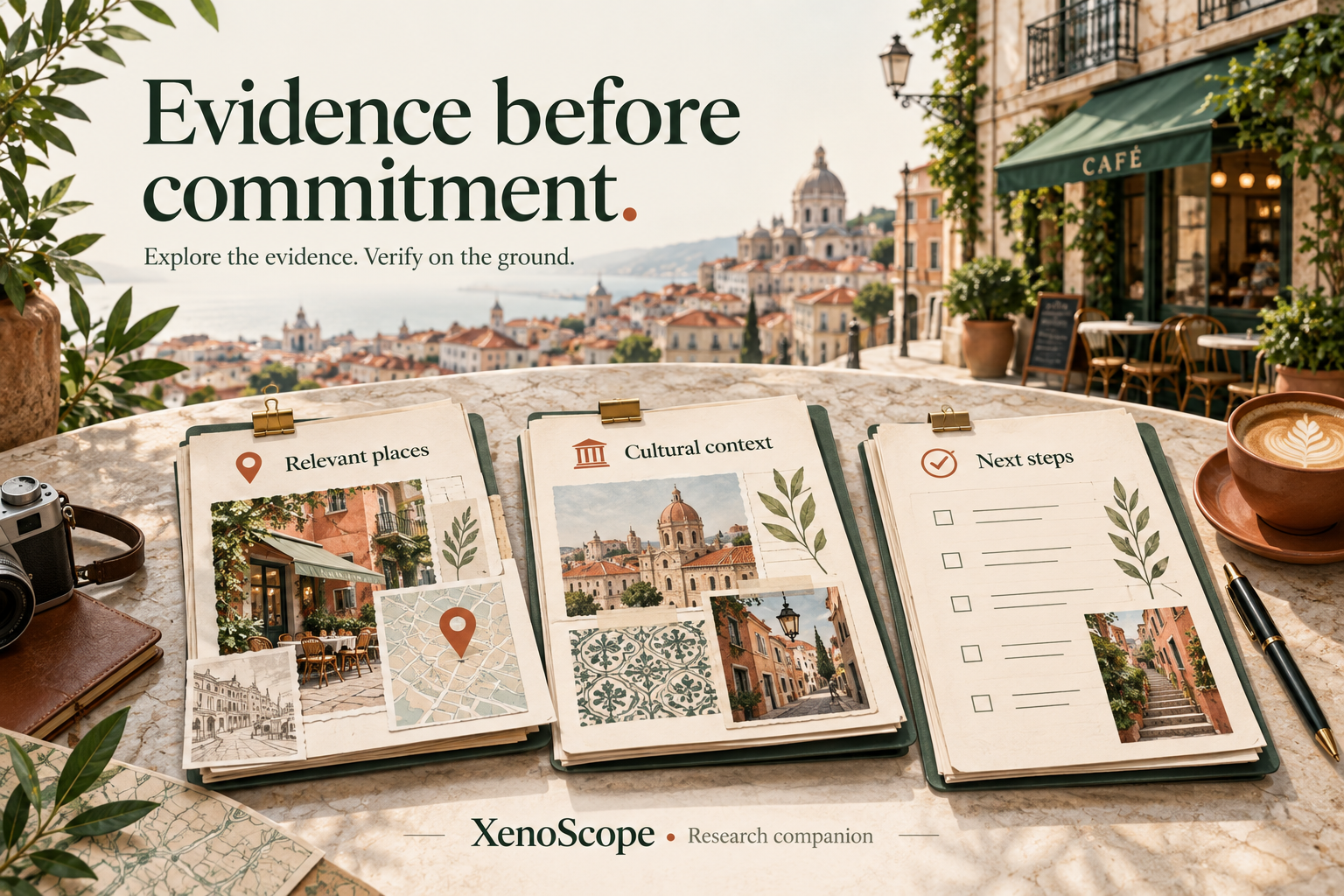
The goal is to help owners arrive at a better-informed decision before making a financial commitment.

Log in or sign up for Devpost to join the conversation.