-
-
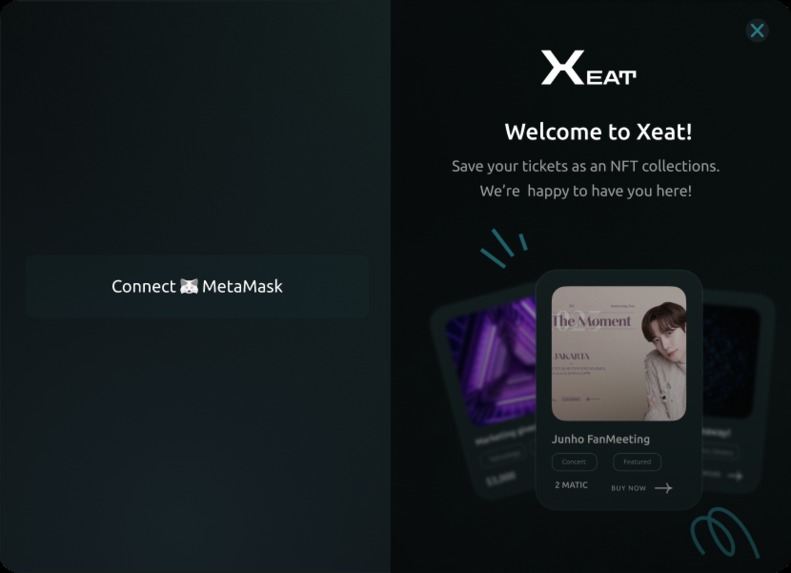
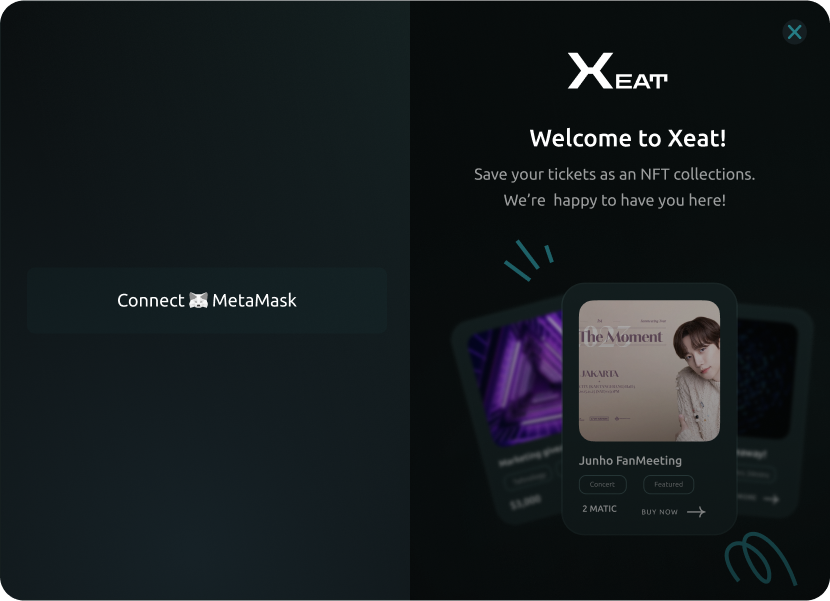
Connect Wallet Page
-
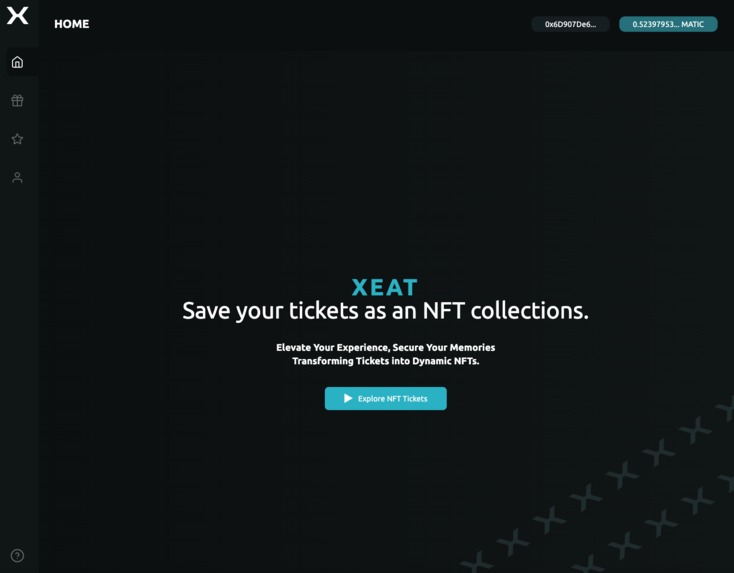
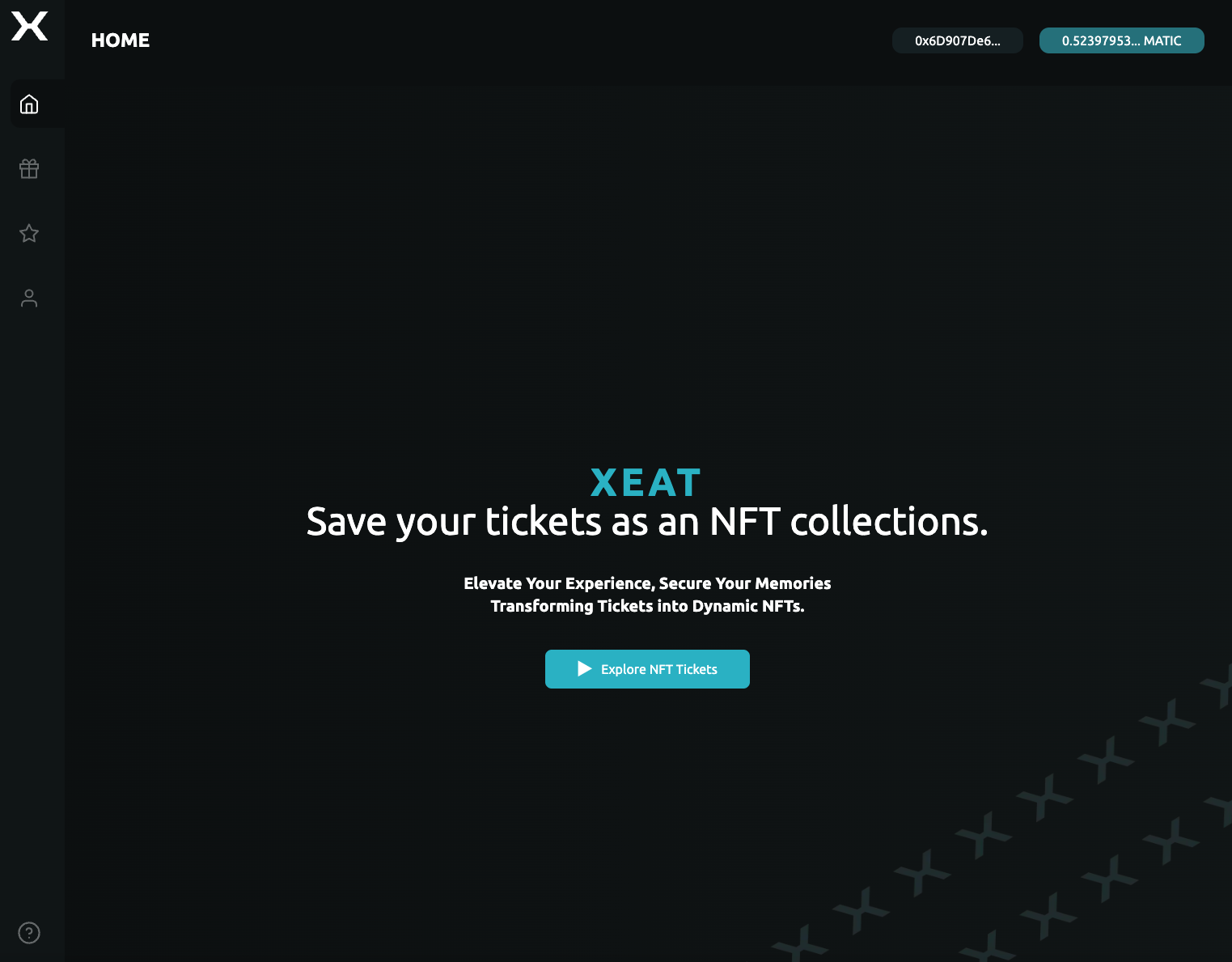
Landing Page
-
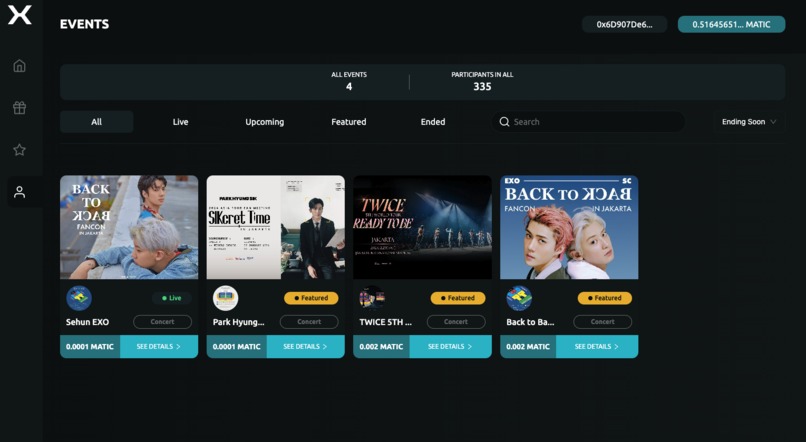
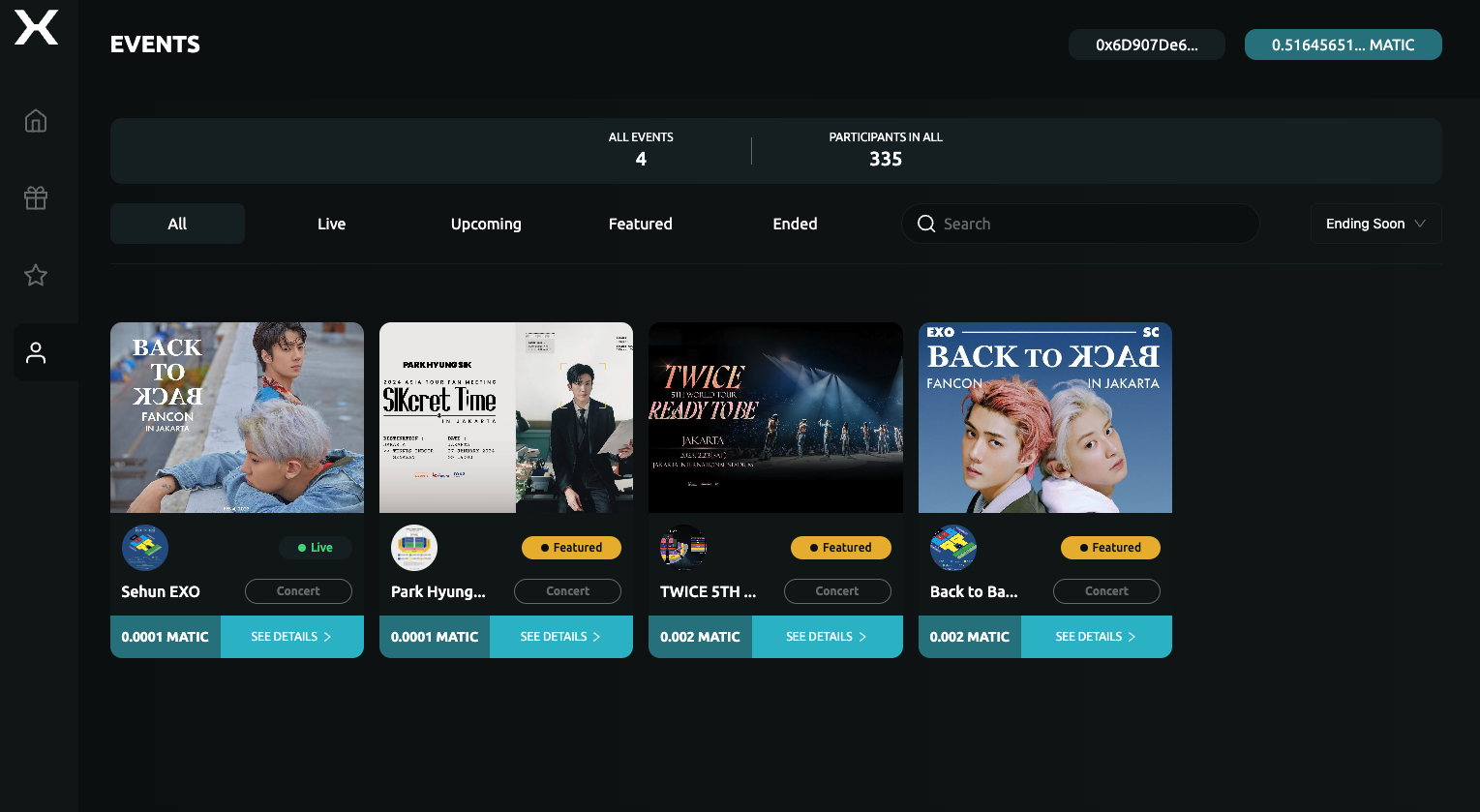
All Events
-
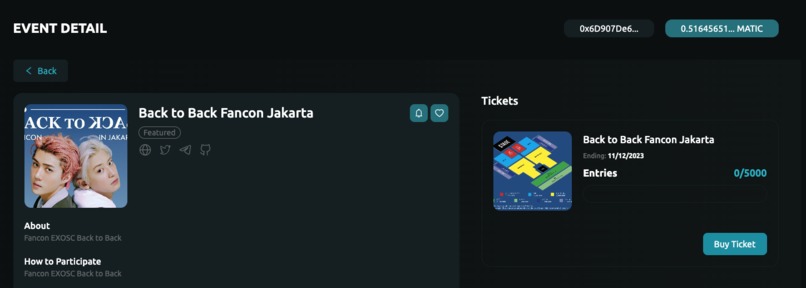
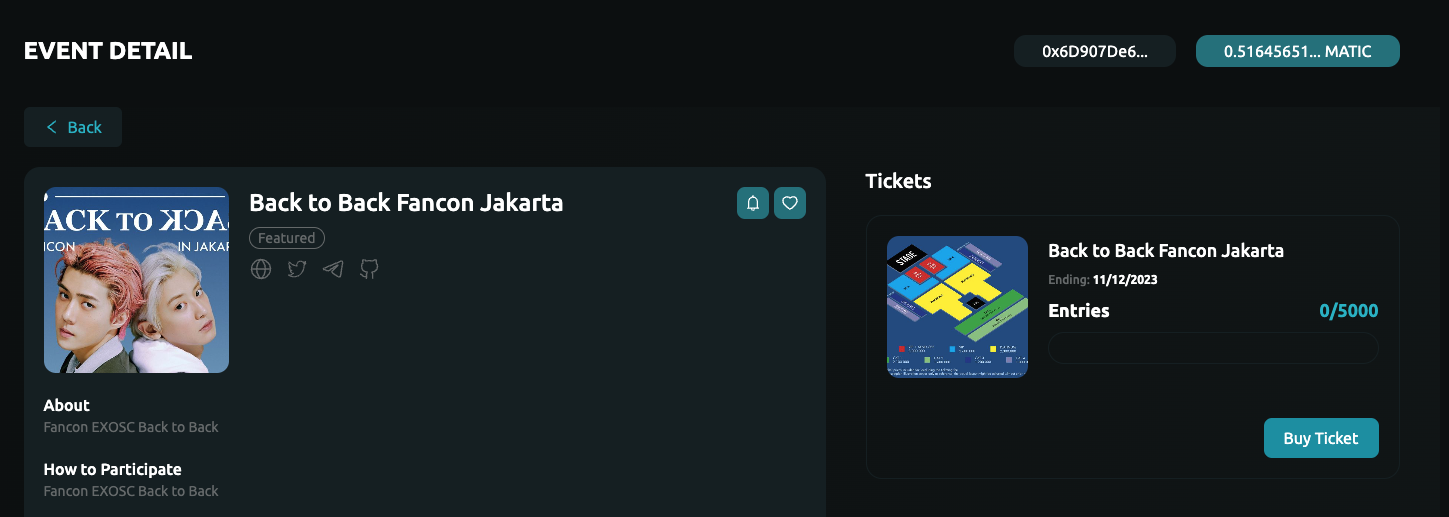
Event Details
-
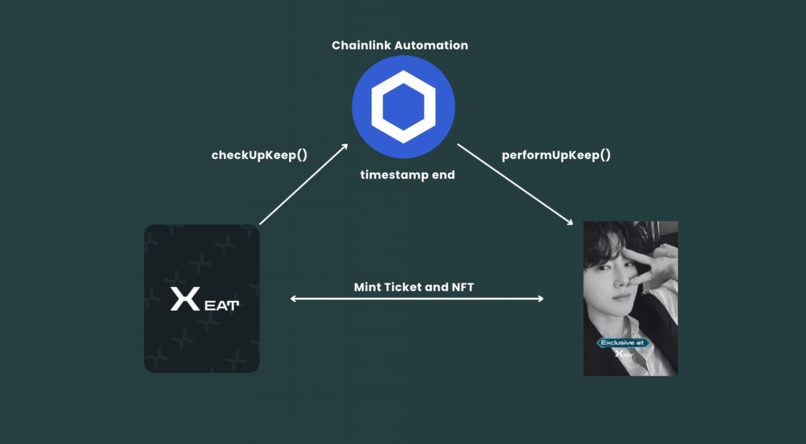
How to works
-
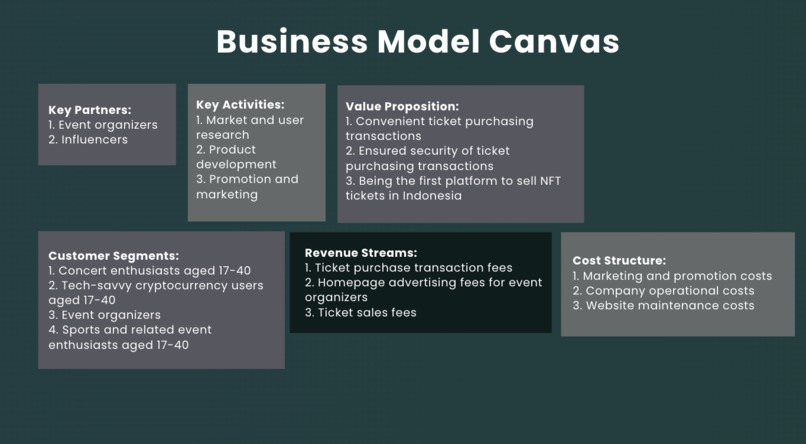
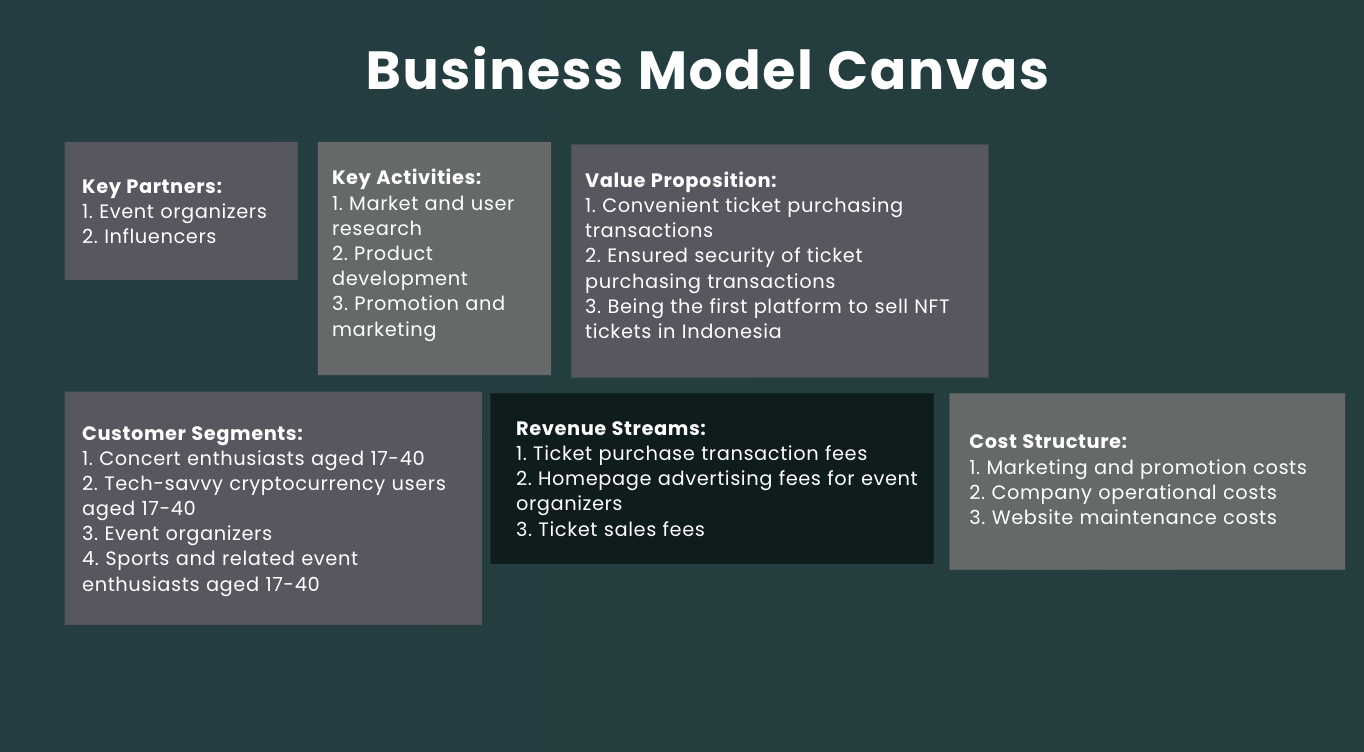
BMC

ABSTRACT
Humans have used ticketing systems as a marker of their rights to enter events since 1732. Each ticket has unique identifiers that distinguish each ticket distributed to buyers. Since then, many ticketing methods have been developed, from the use of paper tickets to the widely used QR codes today. However, even the developed QR code systems have not yet resolved existing security issues. There are still many reports of data theft, identity theft, ticket scalping, and ticket fraud for ticket buyers. According to data from Pusiknas Bareskrim Polri, in just a 12-day period in January 2022, there were at least 95 cases of document forgery and music event ticket fraud. Moreover, as reported by the Polri news page, the losses from the MotoGP Mandalika ticket fraud in March 2022 are estimated to be around 66 million rupiah.
According to Mark Cuban, a business analyst, to address the security issues of current ticketing systems, the use of blockchain technology is the future that can change the ticketing industry today. Blockchain can be likened to a shared ledger where the contents written in it cannot be altered, thus facilitating the process of recording transactions and tracking assets in a business network (IBM). A Non-Fungible Token (NFT) is a cryptographic token with a unique code and metadata on the blockchain that cannot be replicated.
Based on this, we see the opportunity to use NFTs as tickets as a promising solution to address security issues in the current ticketing system. The use of NFTs as tickets has been adopted by some companies such as YellowHeart (a concert ticket sales company from the US), TravelX (a US-based airline ticket sales company). Even in Russia, NFTs are starting to be used as a means of identity for voting to provide transparency in election results and data security.
As a solution to the problem of widespread ticket fraud, we created Xeat using the Agile Scrum development method. Xeat is designed as a web-based application product on software that utilizes blockchain technology for purchasing event tickets based on NFTs, thus providing security and ease of online ticket purchasing. It is hoped that Xeat will enhance the entertainment industry in Indonesia, which was previously halted due to the COVID-19 pandemic. Additionally, Xeat is expected to be a gateway for Web3 and blockchain technology in Indonesia, making it widely known to the public and its benefits.
Keywords: Ticket system, Ticket forgery, Ticket scalping, Blockchain technology, NFT, Web3, Application of NFTs in tickets
INTRODUCTION
Based on the work by James T. Reese, Jr. and Derek Thomas titled "Ticketing Operations History and Background", humans have used ticketing systems as a marker of their rights to enter an event since 1732. Each ticket has unique identifiers that distinguish it from others distributed to buyers. Not only as a marker of ownership, for some people, a ticket also becomes a memento of memorable events they have experienced, such as the victory of their favorite football team or a music festival filled with romance.
In the early development of ticketing, people used paper-based ticket systems as a marker of ownership. However, there were many issues associated with paper tickets, including the possibilities of loss, damage due to water, and deterioration. Furthermore, organizers could not definitively determine the authenticity of these tickets, as paper tickets are very easy to counterfeit.
As a result, people began to transition to using QR codes as a new system for ticket ownership identification. Using QR code systems makes it easier for event organizers to verify the authenticity of distributed tickets. Additionally, users find it more convenient as they no longer need to worry about their tickets getting damaged or lost.
However, the use of the developed QR code system has not yet fully resolved existing security issues. There are still many reports of data theft, identity theft, and ticket fraud among ticket buyers. The problem arises when a QR code, which serves as proof of ownership, is shared with others; the ticket can still be used even though the person using it is not the legitimate owner.
In addition to data security issues, the current ticketing system is also vulnerable to scalping fraud. Scalpers buy tickets in bulk and then resell them to potential buyers at significantly higher prices compared to their original cost. This forces people who want to buy tickets to spend a considerable amount of money to attend the events they are interested in.
According to data from Pusiknas Bareskrim Polri, in just a 12-day period in January 2022, there were at least 95 cases of document forgery and music event ticket fraud in Indonesia. With such a high rate of fraud, Indonesia ranks second in the world for the highest rate of cybercrime (Kominfo).
Certainly, these cases of ticket forgery are very detrimental to the public. As reported on the Polri news page, the losses from the MotoGP Mandalika ticket fraud case in March 2022 were estimated to reach 66 million rupiah. Besides the MotoGP case, there have also been numerous instances of concert ticket fraud, where the total losses incurred by the victims are not insignificant.
According to Mark Cuban, a business analyst, to address the security issues of the current ticketing system, the use of blockchain technology represents the future that could transform the ticketing industry. Blockchain can be likened to a shared ledger, the contents of which cannot be altered, thus facilitating the process of transaction recording and asset tracking within a business network (IBM). Blockchain technology is crucial today because it provides immediate, shared, and fully transparent information stored on an immutable ledger, accessible only to authorized network members, thereby offering maximum security for the data stored within.
Blockchain technology forms the foundation for the development of current digital crypto assets like Bitcoin, Ethereum, and NFTs (Non-Fungible Tokens). A Non-Fungible Token (NFT) is a cryptographic token with a unique code and metadata on the blockchain and cannot be replicated. NFTs are commonly used to represent the identity of real-world assets such as artworks and real estate. By using tokenization in NFTs as a marker for an asset, the processes of purchasing, selling, and trading become more efficient while simultaneously reducing the likelihood of fraud.
Based on this, we see an opportunity to use NFTs as tickets as a promising solution to address security issues in the current ticketing system. The blockchain code displayed on NFT tickets is almost impossible to replicate, meaning that counterfeit tickets cannot be produced. The use of NFTs as tickets has already been adopted by several companies, such as YellowHeart (a concert ticket sales company from the US), and TravelX (a US-based airline ticket sales company). Even in Russia, NFTs are beginning to be used as a means of identity verification in voting to provide transparency in election results and data security.
As a solution to the issues of ticket fraud and scalping, we have created Xeat. Xeat is developed as a web-based application product on software that leverages blockchain technology for purchasing NFT-based event tickets, thereby providing security and ease in online ticket buying. With Xeat, all event tickets purchased by users will be in the form of NFTs, ensuring the authenticity and validity of the tickets as all data within the blockchain can be viewed, including the ownership history of the NFT. Besides serving as an identity marker, event organizers can also customize the NFTs to be sold, making them unique souvenirs for attendees to remember the event. To prevent corruption in the event ticket sales funds, we also introduce a feature for distributing sales revenue to event stakeholders according to percentages predetermined by the organizers.
It is hoped that with the advent of Xeat, the entertainment industry in Indonesia, which was previously halted due to the COVID-19 pandemic, can be revitalized by providing a sense of safety and comfort to both buyers and organizers in hosting events. Furthermore, Xeat is expected to serve as a gateway for introducing Web3 and blockchain technologies in Indonesia, making them widely known to the public and allowing their benefits to be experienced more broadly.
Objectives
The objectives of developing the Xeat website are as follows:
- To provide a sense of security in the ticket transaction process.
- To develop the Indonesian entertainment industry.
- To support government programs in combating online trading fraud.
- To prevent ticket fraud and scalping.
- To prevent corruption in ticket sales funds.
- To introduce Web3 and blockchain technology to the Indonesian public.
Benefits
The benefits of developing the Xeat website are as follows:
- Event organizers can promote their events through the sold NFTs.
- Distribution of ticket sales profits to the event organizing committee.
- Ticket buyers receive NFTs as event souvenirs.
Scope of the Problem
The scope of the problem for the research conducted is as follows:
- The hardware that will run the Xeat website must have a connection to the internet.
- The website is operated on a browser that is supported by the Google Chrome extension.
APPLICATION DEVELOPMENT METHOD
Development Methodology
The application development process is carried out using Agile Scrum Development Methods. This development method is used to accommodate adaptive changes, making the application development process more efficient. In Agile Scrum methodology, development is done iteratively until it meets conditions such as:
- Achieving the deadline set at the beginning of the project.
- The developed software has features that meet the desired requirements.
Development Analysis
Conducting necessary analyses such as validating the idea with observation systems and in-depth interviews with relevant parties such as event organizers and ticket buyers regarding the requirements for the Xeat website. Idea Validation To validate the idea we are developing, we conduct interviews using the in-depth interview method with event organizers and ticket buyers. The aim is to gain an understanding of the problems experienced and to identify what needs are required to address these issues.
Sprint Planning
During the design and implementation phase, based on the sprint plan, several key activities are undertaken, such as the following:
- Designing the infrastructure of services.
- Developing Back-End API Services.
- Developing ticket purchase services with the implementation of blockchain technology.
Testing
During the testing phase, unit testing will be conducted on the developed Back-End Application Programming Interface (API). Additionally, usability testing will be performed to assess how well potential users can utilize the services we have developed. All feedback and results obtained from this testing phase will serve as input for the next sprint planning.
Sprint Retrospective
After testing the product that is to be developed, the next stage is to release the product and conduct a retrospective to evaluate the previous sprints. This evaluation provides feedback that can be used for improvement in subsequent sprints.
Requirements Analysis and Solution Design
As the initial step in the design of the Xeat website, we will gather requirements from potential users. This is aimed at understanding the real-world problems that occur in the field so that the developed product can provide benefits to potential users. Users of the Xeat website include event organizers and ticket buyers. The needs of each user group are as follows:
- Event Organizers
- Facilitate ticket sales.
- Reduce ticket production costs.
- Distribute ticket sales revenue to stakeholders.
- Receive royalties from secondary market ticket sales.
- Identify ticket holders for the event.
- Understand buyer preferences.
- Ticket buyers
- Simplify the transaction process.
- Provide ticket transaction security.
- Receive a souvenir as a memento of the event.
Analysis of Non-Functional Requirements
- Software Requirements Analysis The hardware required for users to access Xeat are as follows:
| Users | Requirements |
|---|---|
| Ticket buyers and event organizers | Computer or mobile hardware |
- Analysis of Functional Requirements The software required for users to access Xeat are as follows:
| Users | Requirements |
|---|---|
| Ticket buyers and event organizers | - Browser |
| - Internet access permission | |
| - Wallet access permission |
- Analysis of User Role Device Requirements The device requirements involved in the development of the Xeat product are as follows:
| Users | Responsibilities/Rights Access | Criteria |
|---|---|---|
| Event organizers | Registering and providing information related to event details and ticket booking information. | Event organizers who want to sell tickets for their events. |
| Ticket buyers | Purchasing tickets for the event being held. | Enthusiastic buyers who are excited about the upcoming event. |
Functional Requirements Analysis
The services or functions available on Xeat for each user based on their functional requirements can be derived from the Object-Oriented Analysis and Design (OOAD) analysis results.
Solution Design
Image Galery [3]
The architecture developed for the Xeat system is divided into three main parts. The first part is the backend, which contains the logic of the website and is built using the ExpressJS framework and the MySQL database. The second part is for integrating tickets on Xeat into the blockchain technology system using the ERC-721 framework and Chainlink Functions - performUpKeeper.
The third part is the user interface that can be directly accessed by users, which is built using the NextJS Typescript framework. In addition to these three main parts, there is also the utilization of the Metamask wallet as a cryptocurrency wallet to assist in creating tokens for each ticket purchase. By connecting to the Metamask wallet, the smart contract within the system will create a new node in the chain for every transaction.
IMPLEMENTATION
Database Implementation
Xeat system is built on a MySQL database. Data from Xeat services is stored in 4 tables with predefined relationships. MySQL databases offer good security, ensuring the data stored in them is secure.
Software Implementation
User Application Development
In the development of the Xeat system, we use several auxiliary applications for building and development. The applications we use are as follows:
- ExpressJS
ExpressJS is a framework used to develop applications using the JavaScript programming language.
- NextJS Typescript
NextJS is a JavaScript framework used for developing website user interfaces. One of the advantages of NextJS is the availability of components that can simplify the process of creating products.
- Chainlink Automation
Chainlink automation is a set of automated functions used in integrating Web3 functionality into the product being built. It can transform ticket data into Dynamic NFT (Non-Fungible Token) data, allowing for unique and secure digital ownership of tickets.
- Metamask Wallet
Metamask wallet is a browser plugin that serves as a digital wallet for cryptocurrencies. It securely stores all of the user's crypto assets, including NFTs and cryptocurrencies. Having a Metamask wallet also enables users to engage in transactions on NFT marketplaces with other users securely.
Some of the features developed in the Xeat system are as follows:
| Users | Responsibilities/Rights Access | Criteria |
|---|---|---|
| Event Organizer | Ticket Sales Revenue Distribution | With the smart contract system embedded in each NFT ticket created, it allows the smart contract to automatically distribute the proceeds from ticket sales to event organizers' stakeholders such as venue owners, artists, studios, and event organizers based on the predetermined percentage set during the ticket creation. |
| Performing Ticket Check-In | The event organizer can verify ticket ownership by obtaining the hash code of each NFT ticket from attendees. Afterward, the metadata of the NFT will be updated to indicate that the ticket has been used and cannot be used for entry into the concert again. This process helps prevent duplicate or unauthorized use of tickets and ensures a smooth event entry experience. | |
| Ticket buyers | Purchasing NFT Tickets | Buyers can purchase all the tickets available on the Xeat platform. Before making ticket purchases, users are required to connect their Metamask Wallet account. This wallet will serve as the storage for NFT tickets and will facilitate the payment system. We also offer cryptocurrency as a payment option for transactions, allowing buyers to use crypto for their purchases. |
| Viewing Ticket Ownership | Users can view the tickets or NFTs they own by checking the ticket ownership profile available on the website. This feature allows users to see which tickets or NFTs are associated with their wallet within the platform. |
Smart Contract Development
Smart contracts in the Xeat system serve as the foundation for implementing blockchain technology into every ticket sold on our platform. A smart contract is an automated program available within the blockchain system that executes when a transaction occurs. As the cornerstone of blockchain operations, smart contracts play a crucial role in recording code that is stored in every node on the blockchain network. Each newly created node connects to previously established nodes, forming a chain of nodes. Each node generated has a unique code (hash), metadata, and the hash of the previous node in the transaction chain.
By utilizing smart contracts, every transaction made by buyers is automatically distributed to event organizers' stakeholders based on the predetermined percentage set during the initial ticket contract creation. The security of the blockchain system is ensured because if a hacker attempts to alter the metadata of a node, the node's hash will change. Previously established nodes will reject the data change and revert to the metadata content based on the hash stored in the blockchain. This makes blockchain systems highly resistant to manipulation because a hacker would need to modify the entire chain quickly before other nodes correct the tampered node.
Documents stored within nodes are secured thanks to the cryptographic and encryption systems. With every transaction, the blockchain system automatically self-corrects by creating a new node in the chain. Consequently, all transactions are transparently and securely controlled within the system.
Innovation Aspects
The uniqueness of Xeat lies in our introduction of ticket purchases in the form of Dynamic Non-Fungible Tokens (NFTs) that implement blockchain technology. By implementing blockchain technology, we can provide security and transparency for every ticket purchase transaction that occurs. This enables our ticket platform to prevent fraudulent activities and ticket scalping. Moreover, we also introduce a new payment system using cryptocurrencies, considering that Indonesia ranks fourth globally in cryptocurrency usage, with a 22.4% ownership rate among the Indonesian population (Databoks).
Our innovation isn't limited to the buyer's side; for event organizers, we offer customizable Dynamic NFT ticket features that can attract buyers and serve as event souvenirs/ event photocard. Additionally, we introduce a Split-Income feature where we distribute ticket sales revenue directly to all event organizer stakeholders, such as venue providers, artists, and event organizers, according to predetermined percentage allocations during ticket creation.
Xeat's advantages compared to existing competitors in Indonesia can be seen in the following competitor matrix analysis:
| Feature/Function | Xeat | Tiket.com | Loket.com |
|---|---|---|---|
| Providing Exclusive Ticket Sales | ✅ | ✅ | ✅ |
| Offering Tickets in the Form of NFTs | ✅ | ❌ | ❌ |
| Providing a Cryptocurrency Payment System | ✅ | ❌ | ❌ |
| Offering Ticket Customization | ✅ | ❌ | ❌ |
| Providing Revenue Sharing | ✅ | ❌ | ❌ |
Sustainability Potential
Future Development Potential
Xeat represents an innovation in the web-based ticket transaction system aimed at enhancing the ticket sales industry and providing convenience and security in transactions. By boosting the ticket sales industry, it will have a positive impact on industries closely related to ticket sales, such as music and sports, thus creating new job opportunities for the community. Indirectly, Xeat also contributes to Indonesia's economy by introducing a new opportunity through cryptocurrency transactions.
In the initial stages of application development, we will focus on becoming a ticket provider platform for events held in Indonesia. However, in the future, we see opportunities to expand further into the ticket sales industry by selling transportation and accommodation tickets. This will broaden the market that our product can target. To achieve our set goals, we have established annual projections that will serve as targets in the application's development.
1. Year 1 - Early Release During the Early Release phase, we will focus on reaching the Minimum Viable Product (MVP) for our product. To achieve this, we will conduct product functionality testing, collaborate with several major event organizers in Indonesia to provide exclusive ticket sales on our platform, and concentrate on building product awareness among the wider community through social media marketing efforts.
2. Year 2 - Growth Hacking After the successful product release, we will add several features that can be developed based on feedback received from early adopters of our application. Additionally, we will implement a growth hacking strategy to attract new users through social media marketing and collaborate with influencers who will serve as Key Opinion Leaders (KOLs). During this phase, the key metrics we have set are as follows:
- 2,000 in-app transactions per month
- 25,000 active users
3. Year 3 - Market Expansion Next, we will expand the market by selling transportation and accommodation tickets. To introduce the new features we've developed, we will market them to the public through social media, influencers, and provide various attractive offers to pique users' interest in using our products. During this phase, the key metrics we have set are as follows:
- 7,000 in-app transactions per month
- 100,000 active users
Business Model Canvas
Image Galery [BMC]
Built With
- automation
- chainlink
- figma
- nextjs
- remixide
- solidity


Log in or sign up for Devpost to join the conversation.