Inspiration
A lot of people are intimidated to work out because they struggle to find the proper form and technique, and others even get injured through improper exercise. We decided to find a solution to this issue by making a band that can help its user adjust the workout technique. Further, physical therapy patients (for minor injuries) are often put off going to appointments due to the high and rising rates of therapists; often times, these patients are young people so this acts somewhat as an insurance in case a patient does sprain a wrist.
What it does
This armband will train its wearer to find the proper form for various types of exercises. This will help the user get more out of the exercise and make the exercise safer.
How we built it
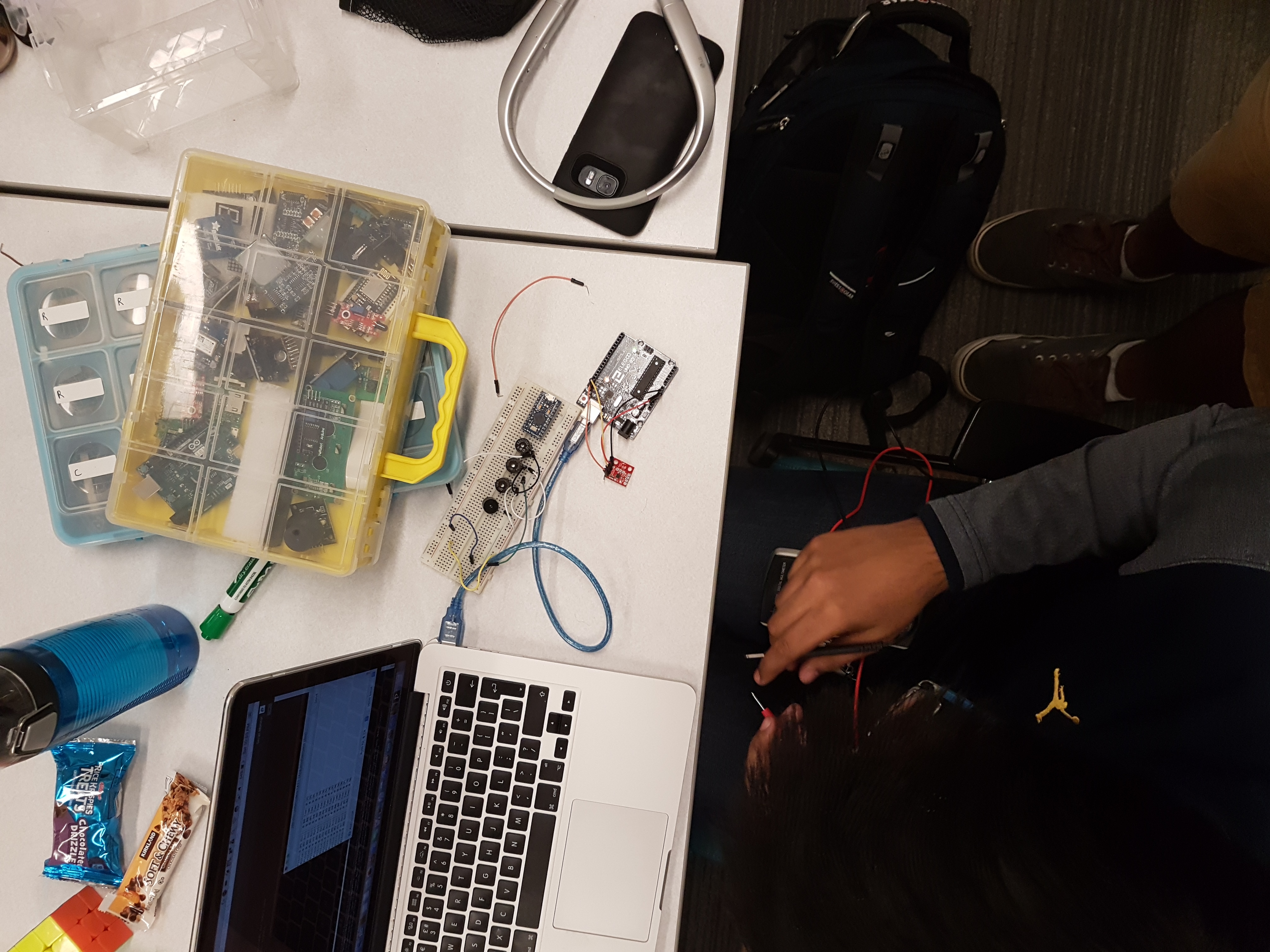
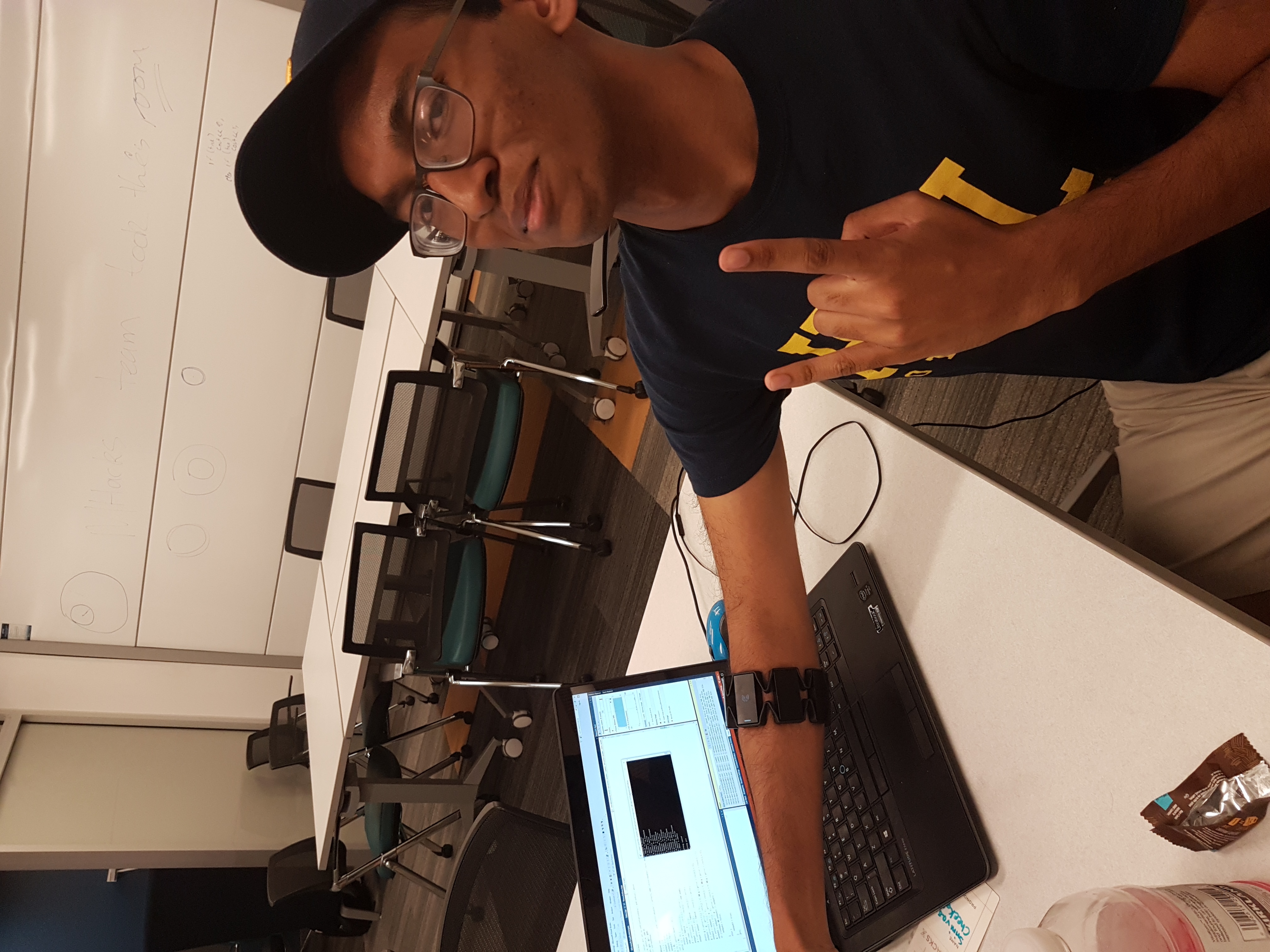
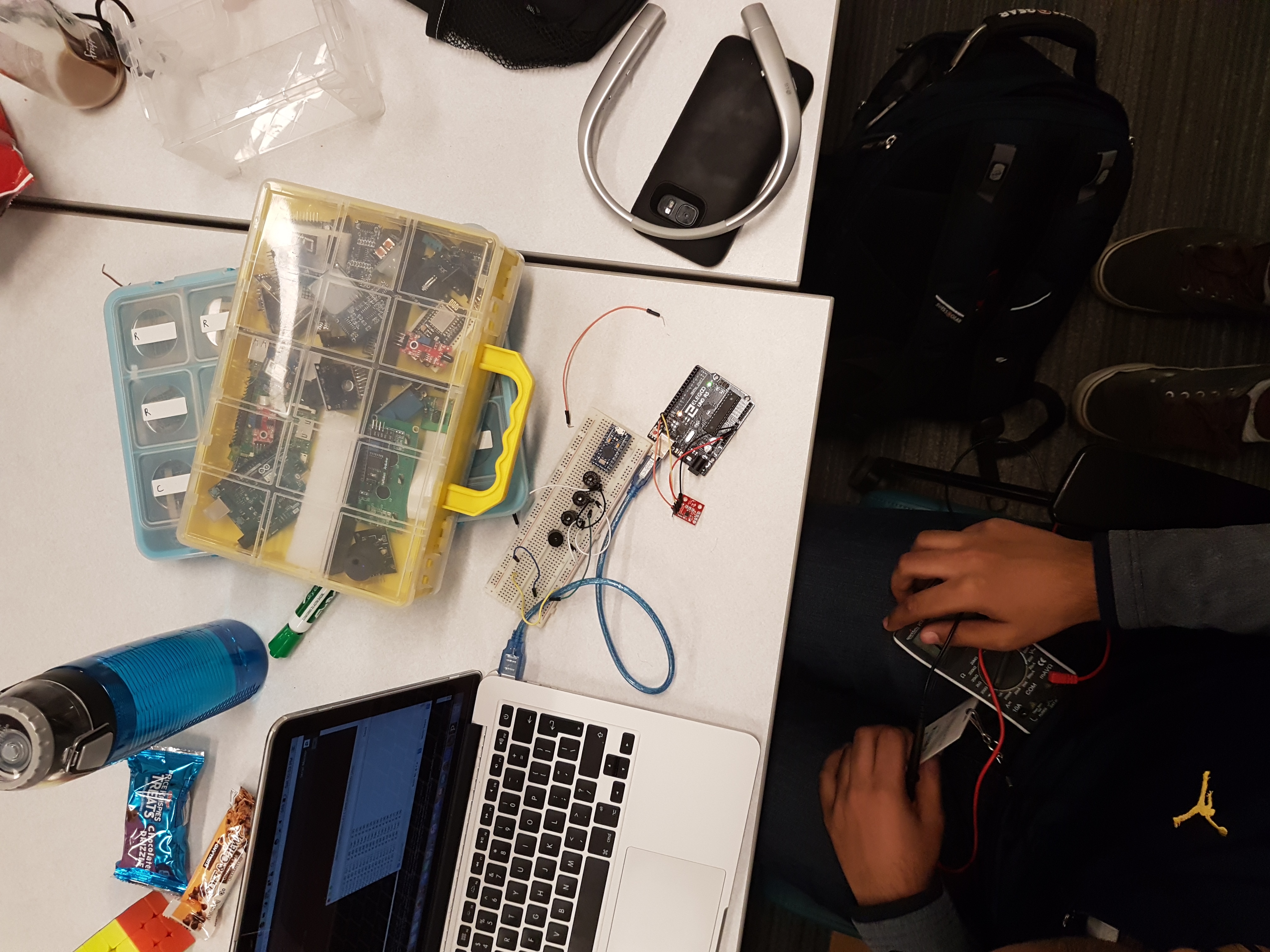
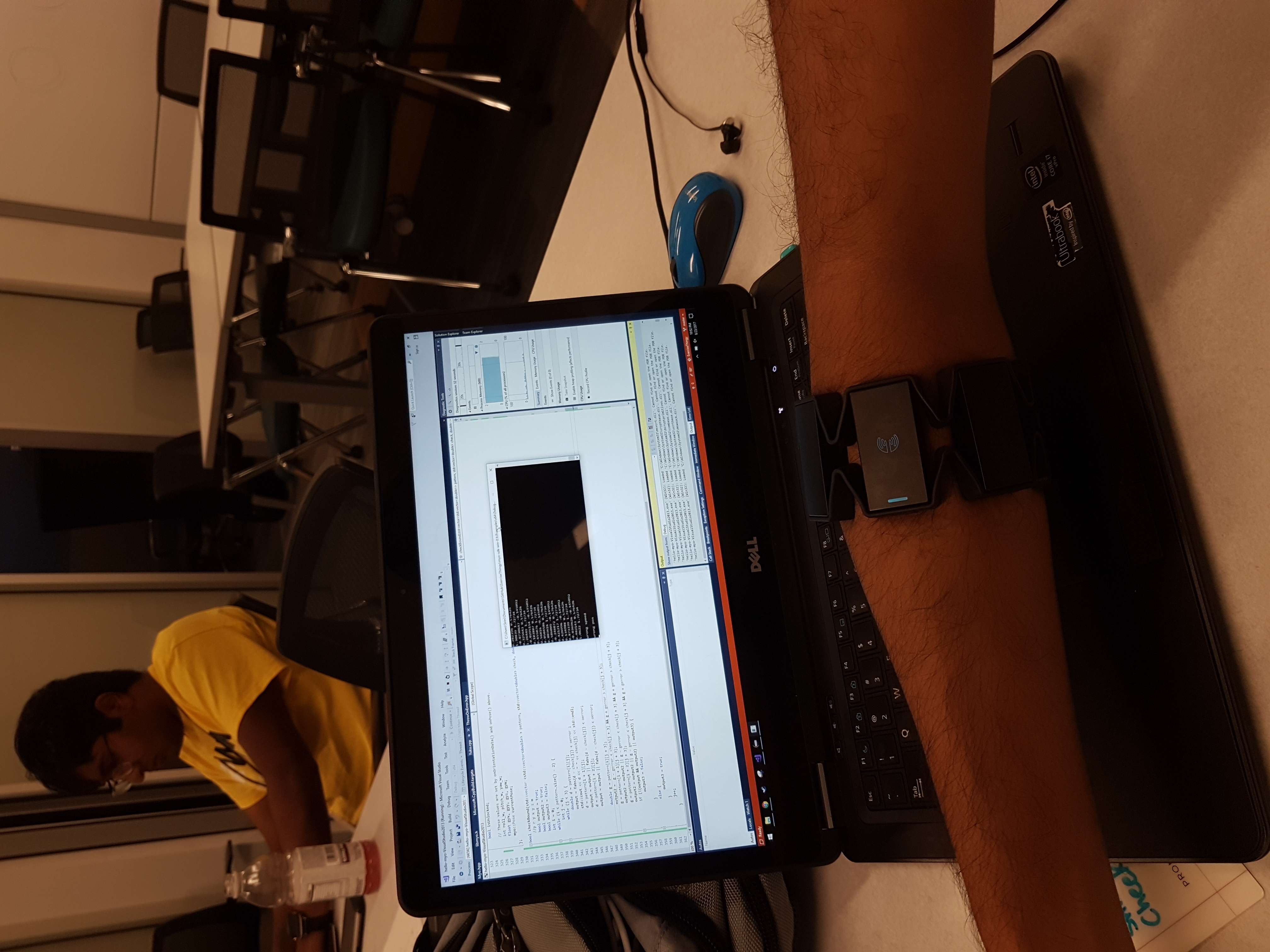
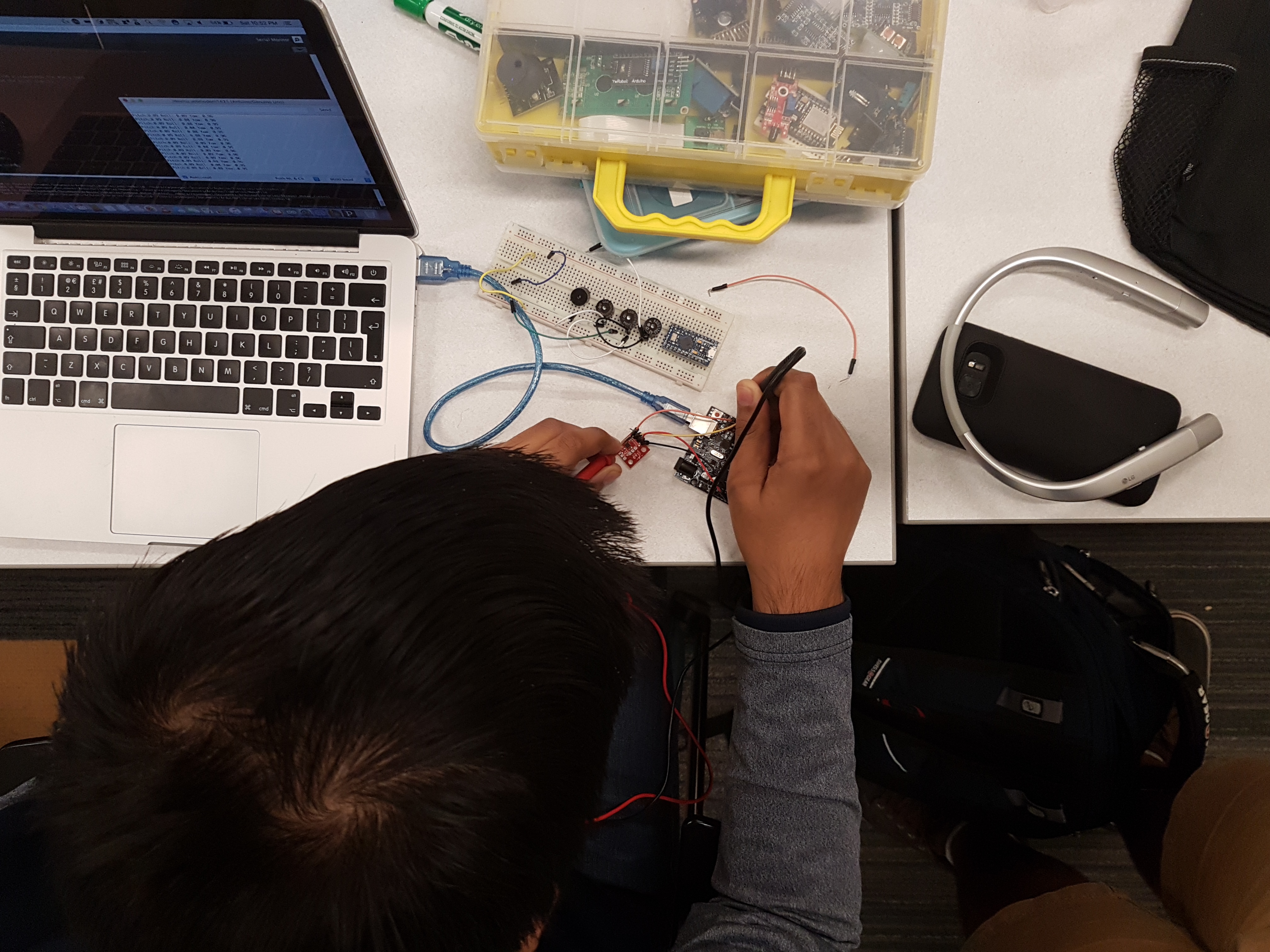
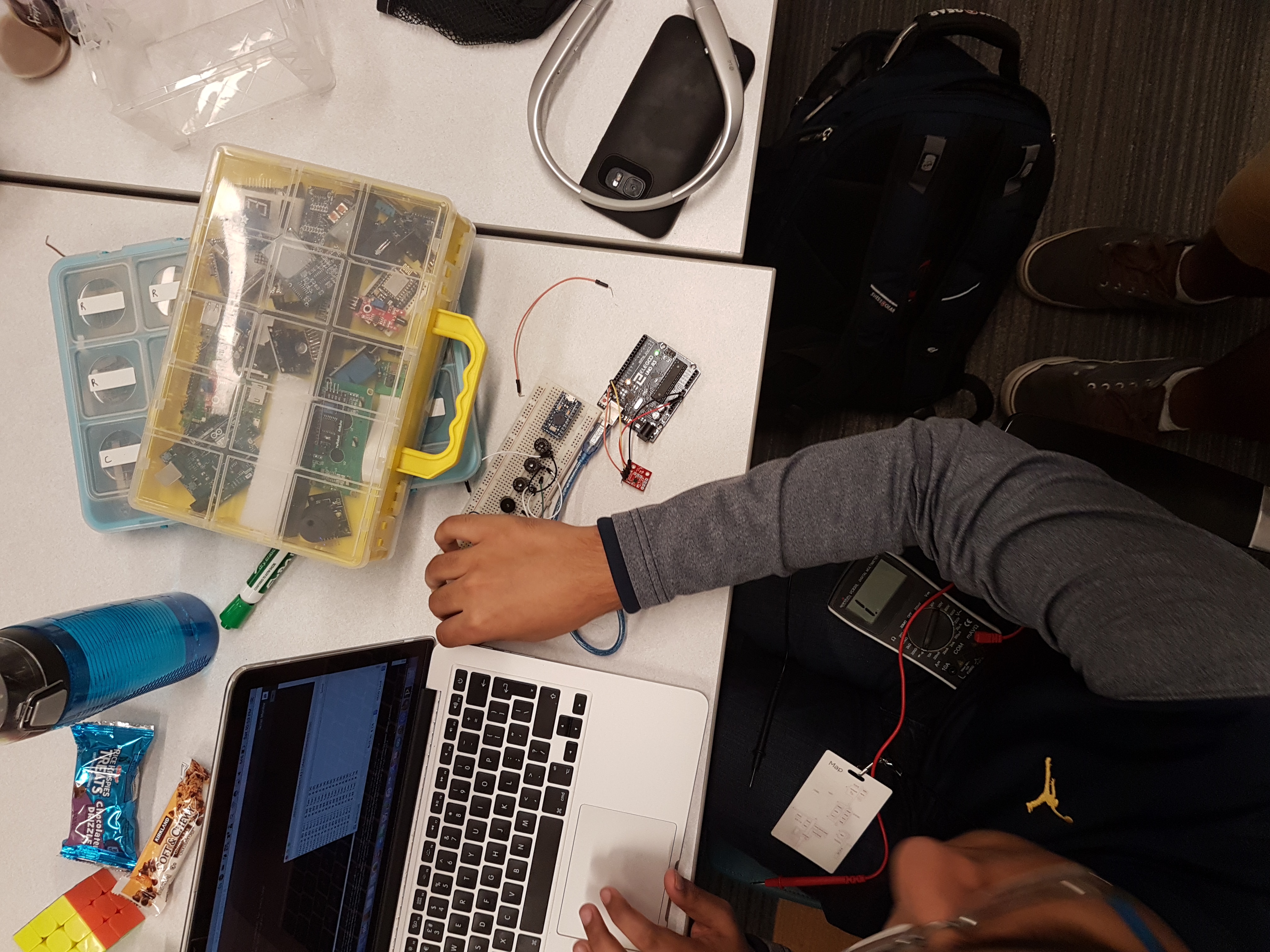
The whole project centers around the Myo armband, which has EMG muscle sensors to acquire and transmit data about arm movements. We have also developed a cheaper alternative to the Myo armband for our project using an IMU with an atmega328p. It achieves a similar amount of accuracy for a fraction of the price.
Challenges we ran into
One of the biggest challenges we had is that we did not have advice from fitness professionals to add optimal workout techniques to our project. Also developing the algorithm required more thought than we anticipated.
Accomplishments that we're proud of
We were able to interface with the IMU without being provided a library. We were also able to create an algorithm to intelligently track an arm's movement during a workout. We are also proud of the concept itself—is wide-reaching in its scope and market, while being accessible in price.
What we learned
Our team consisted of three first-time hackathon-goers and a second-time hackathon-goer, so we got to learn a lot about working as a team in order to bring an idea to life. We also learned more about hardware prototyping.
What's next for XBand
XBand targets a large audience and makes high quality workout feedback accessible to all: those who workout as a hobby, workout as athletes, or are undergoing physical therapy. This comes under the industry that 'FitBit' does, and could potentially compete with it if it ever reaches the market. But before reaching the market, we would have to conduct research on professional trainers' movements and improve the software accordingly. We could also implement machine learning so the XBand can learn exercises faster and can personalize the device for the goals of the user according to data from people who have already achieved the same goals.


Log in or sign up for Devpost to join the conversation.