
Inspiration
The inspiration for Xander Co came from the increasing gap between the accessibility of AI and the needs of small businesses, researchers, and individuals. We noticed that while AI solutions were becoming more advanced, their complexity, cost, and steep learning curves kept them out of reach for most. The vision was simple: democratize AI and empower everyone to harness its power without the need for coding expertise.
What it does
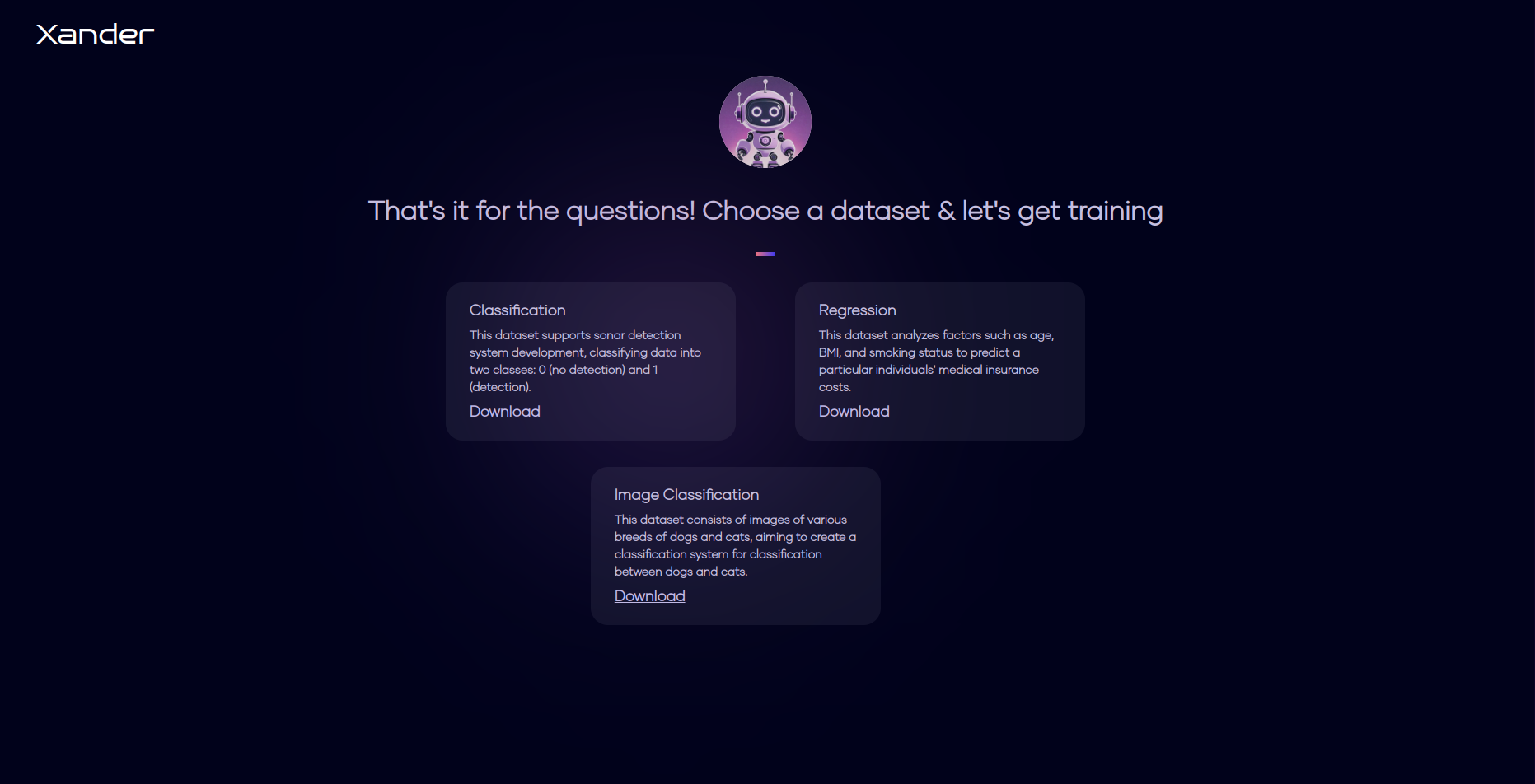
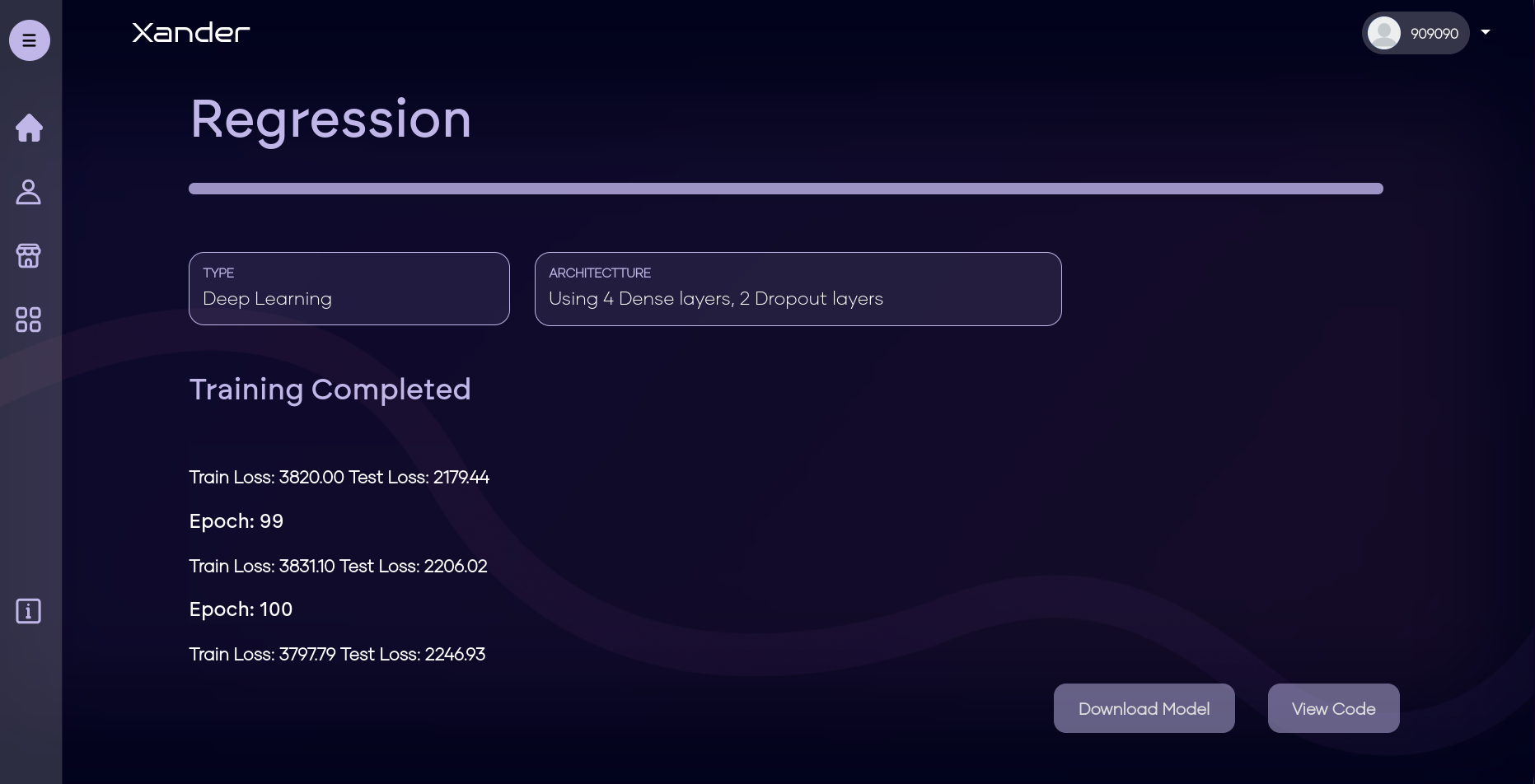
AI Task Automation Automatically detects the task based on the dataset (e.g., image classification, text analysis, chatbot development).
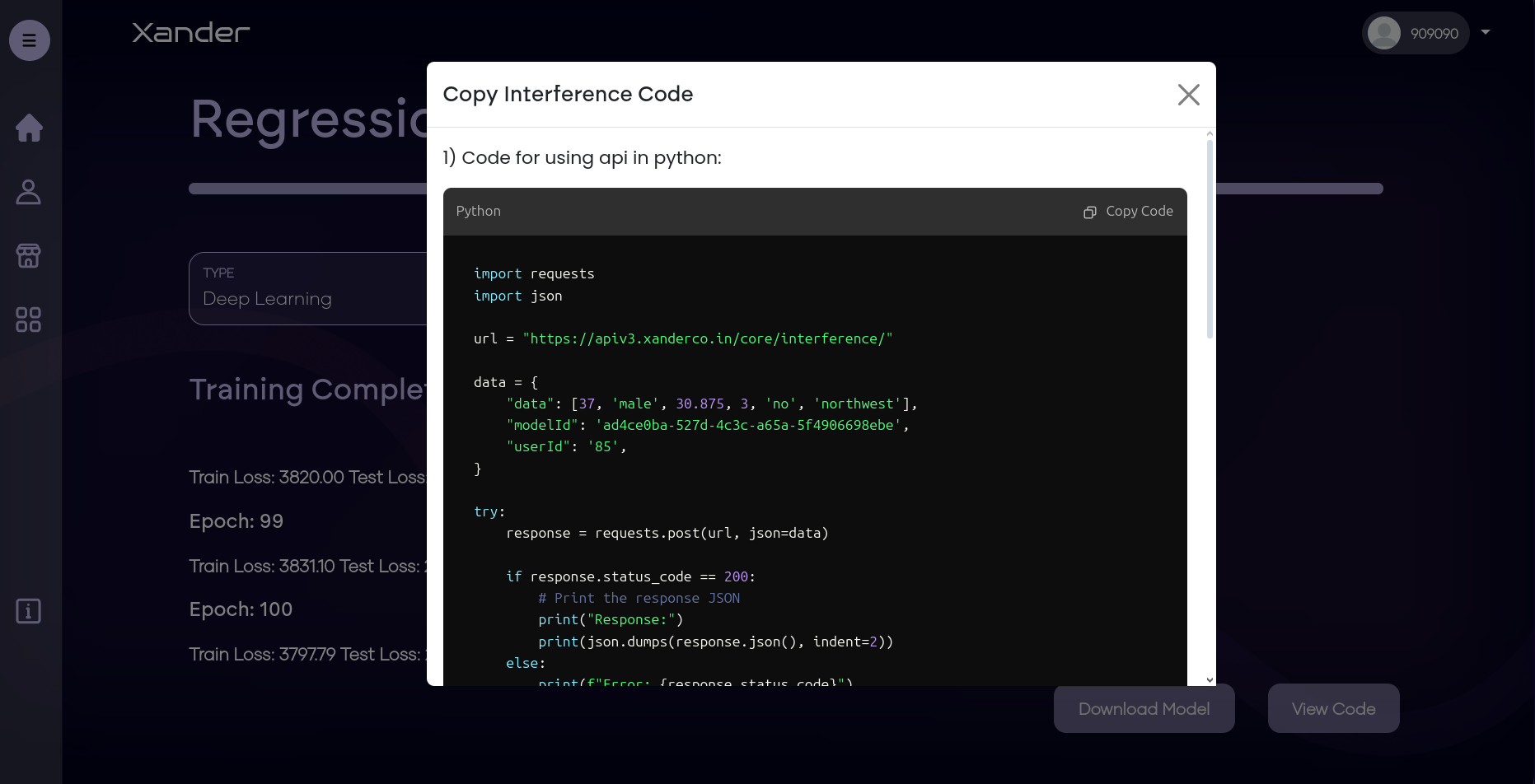
Ready-to-Use APIs Trained models are instantly deployed as APIs for immediate use in your applications.
Supports Multiple Data Types Works with text, images, numerical data, and audio.
Affordable Pricing Tiers Flexible plans for students, researchers, small businesses, and professionals.
Comprehensive AI Tasks Includes classification, regression, natural language processing, anomaly detection, and more.
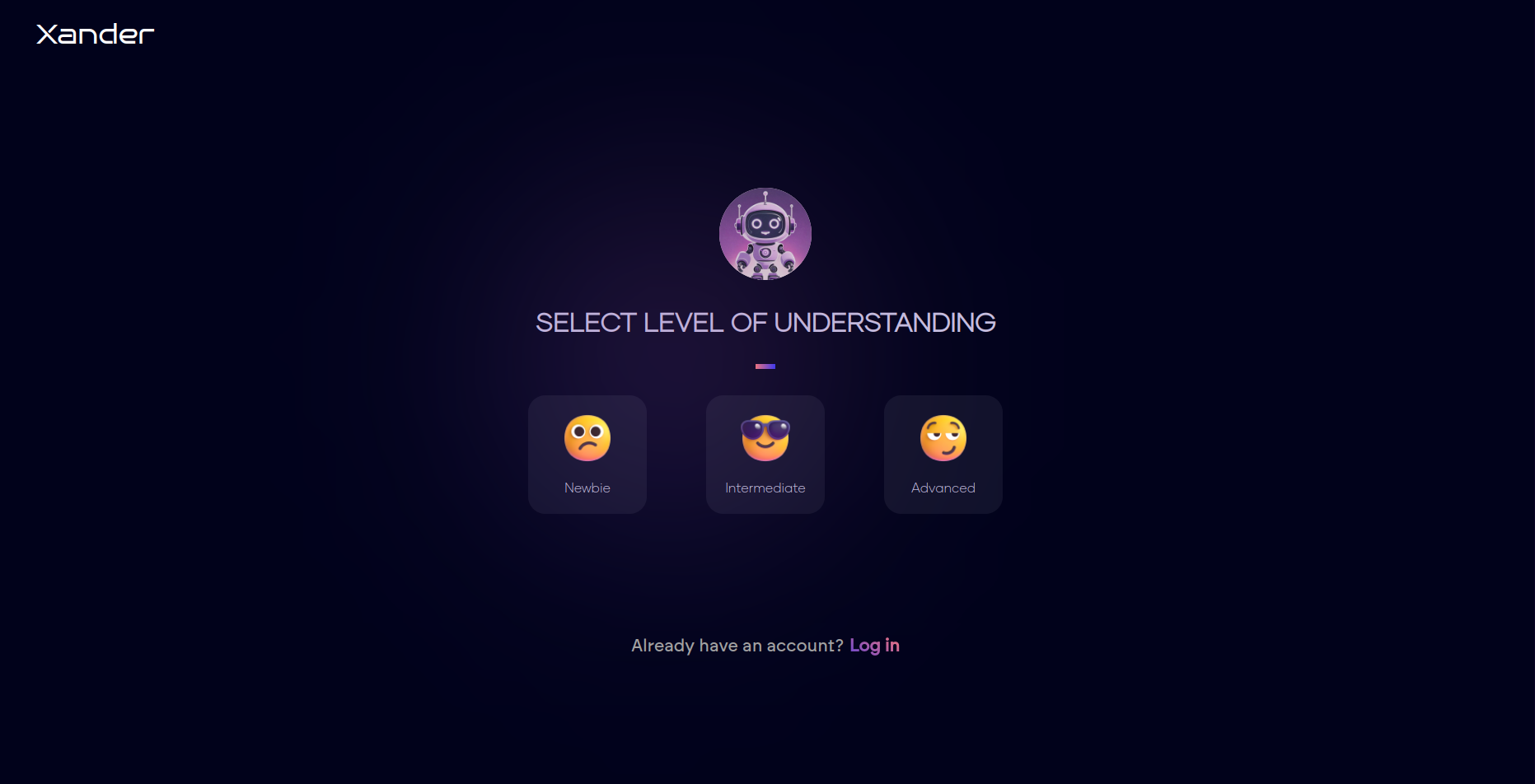
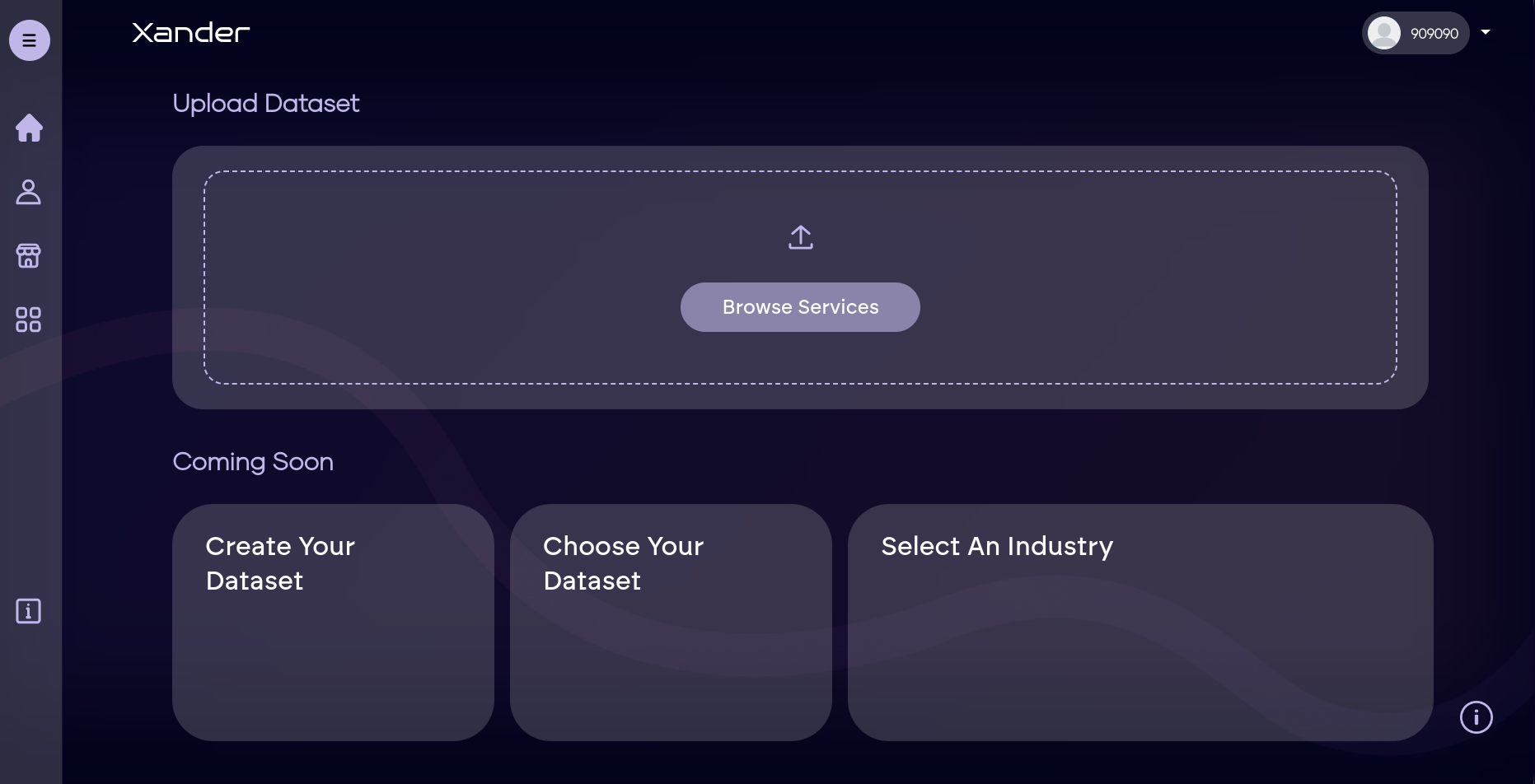
Intuitive Interface Designed to make advanced AI accessible without prior technical knowledge.
How we built it
Conceptualization We began with brainstorming sessions to define: a. The key features (no-code interface, auto-task detection, immediate API deployment). b. The audience (SMBs, researchers, individual users). c. The pricing model (flexible, affordable tiers).
Development Tech Stack: Python, TensorFlow for model training, and React.js for the front-end. Infrastructure: AWS cloud services for scalable storage and compute. Automation: Built a system to automatically identify the dataset type and task, train the appropriate AI model, and deploy APIs.
User Experience We prioritized a clean UI, straightforward workflows, and robust documentation to ensure anyone, regardless of expertise, could use Xander Co effortlessly.
Challenges we ran into
Balancing Simplicity and Functionality Ensuring the platform was powerful enough for experts yet simple for beginners.
Resource Optimization Managing compute costs on AWS while delivering high-quality performance.
Standing Out from Competitors Differentiating ourselves from big players like Google AutoML by emphasizing personalization, affordability, and 24/7 support.
Balancing Simplicity and Power We wanted to offer advanced AI capabilities without overwhelming users. Achieving this balance required extensive UX research and design iterations.
Resource Constraints As a startup, managing compute costs on AWS and ensuring smooth operation for all users was a constant challenge.
Competitor Differentiation Competing with giants like Google AutoML meant we needed to focus on personalization, exceptional support, and affordability to stand out.
Accomplishments that we're proud of
Making AI Accessible to Everyone Built a platform where users with no technical background can create and deploy AI models effortlessly.
Delivering High-Quality AI Solutions Achieved a balance between simplicity and advanced functionality, catering to both beginners and professionals.
Affordability Without Compromising Quality Designed flexible pricing tiers that allow individuals, students, and small businesses to access cutting-edge AI solutions.
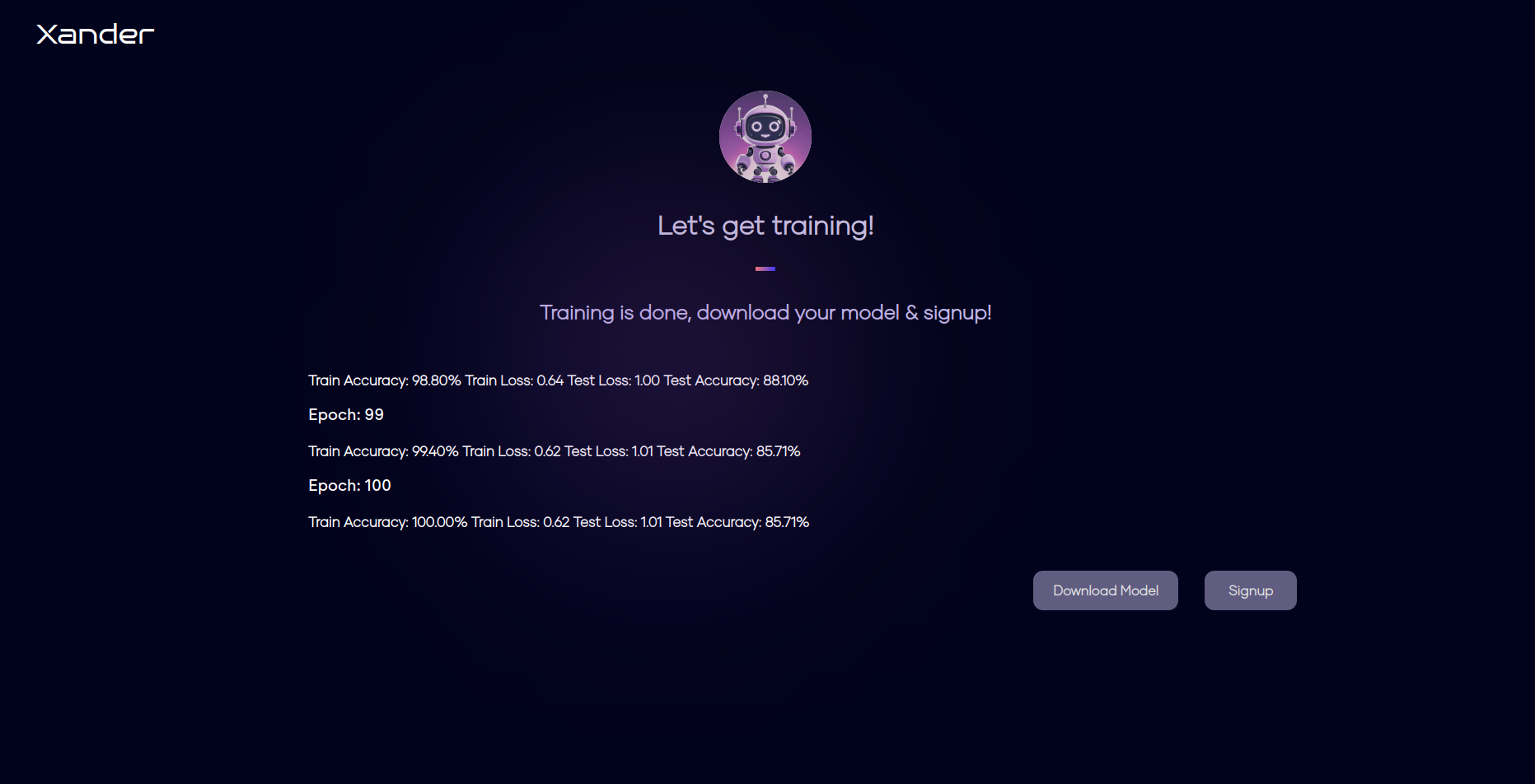
Streamlined Automation Automated the entire AI lifecycle: dataset analysis, task detection, model training, and API deployment, reducing user effort to a minimum.
Empowering Researchers and Entrepreneurs Provided tools that enable groundbreaking research and innovative startup ideas to flourish without budgetary or technical constraints.
What we learned
Empathy for Users Understanding user pain points is key. People want simplicity, affordability, and reliability, and this insight guided our design and features.
The Power of Iteration Continuous feedback and iteration were crucial. Each user suggestion made the platform more intuitive and aligned with real-world needs.
Balancing Quality and Cost Providing high-quality AI solutions at competitive prices was challenging but possible with clever optimizations.
What's next for Xander
Real-Time Collaboration Enable teams to work together on AI projects.
Expand AI Task Library Include advanced capabilities like reinforcement learning and generative AI.
Improve Accessibility Further simplify workflows based on user feedback.

Log in or sign up for Devpost to join the conversation.