Inspiration
Health inequities remain invisible because critical data is trapped in complex, technical formats that require specialised skills to analyse. We watched policymakers struggle to access the evidence they needed to fight for better healthcare in underserved communities. XAM-HEID was born from a simple belief: health data should be a public utility, not a privileged secret. We're building the bridge between complex datasets and the people who can use them to drive change.
What it does
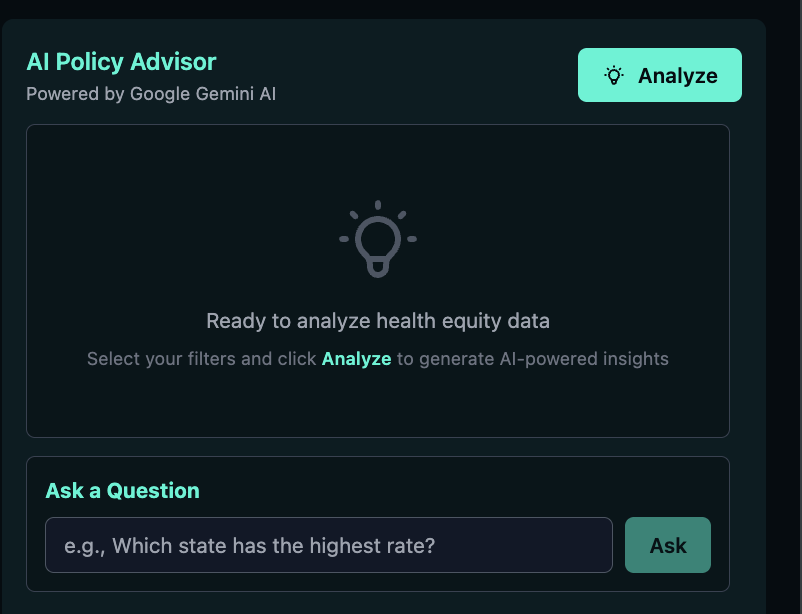
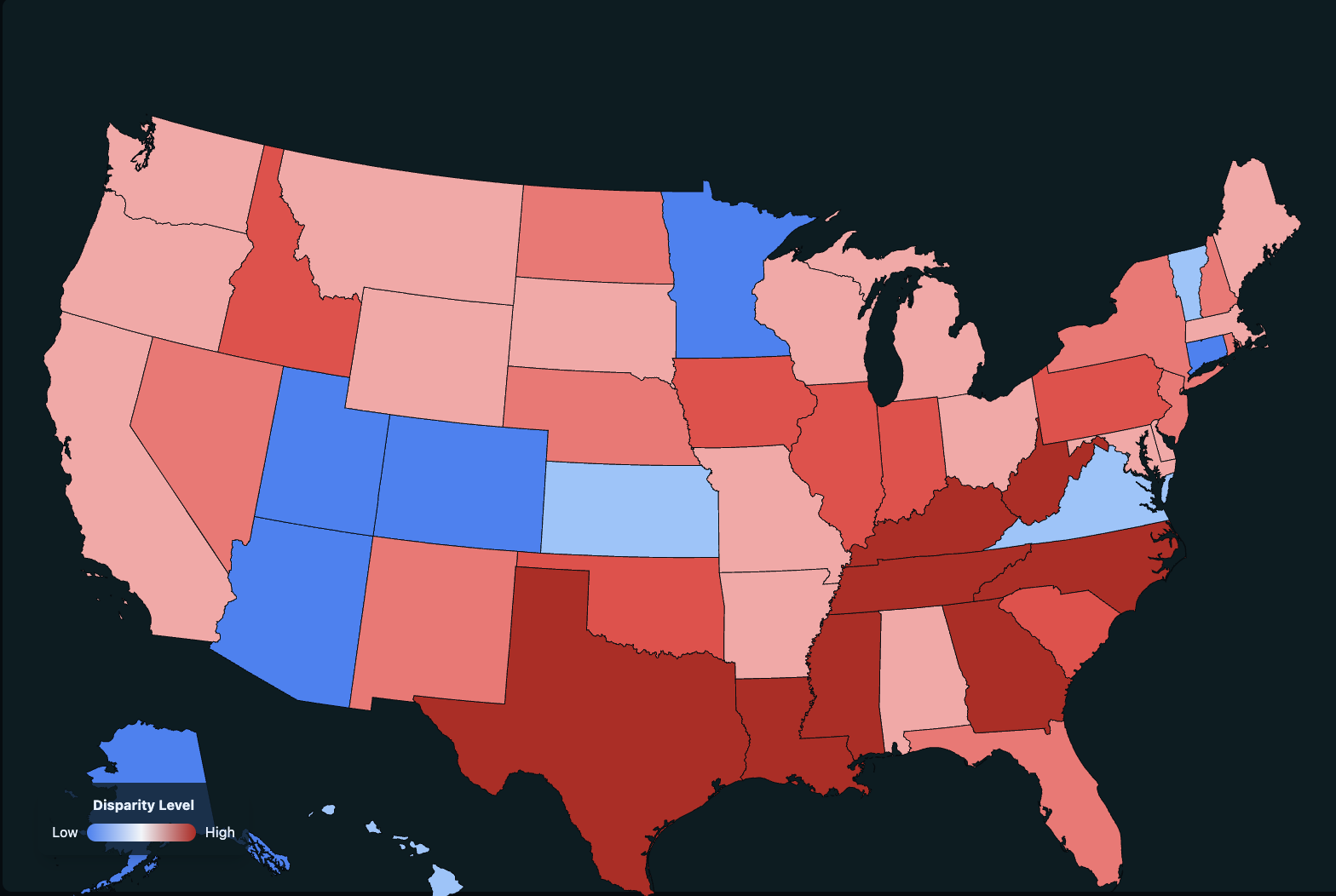
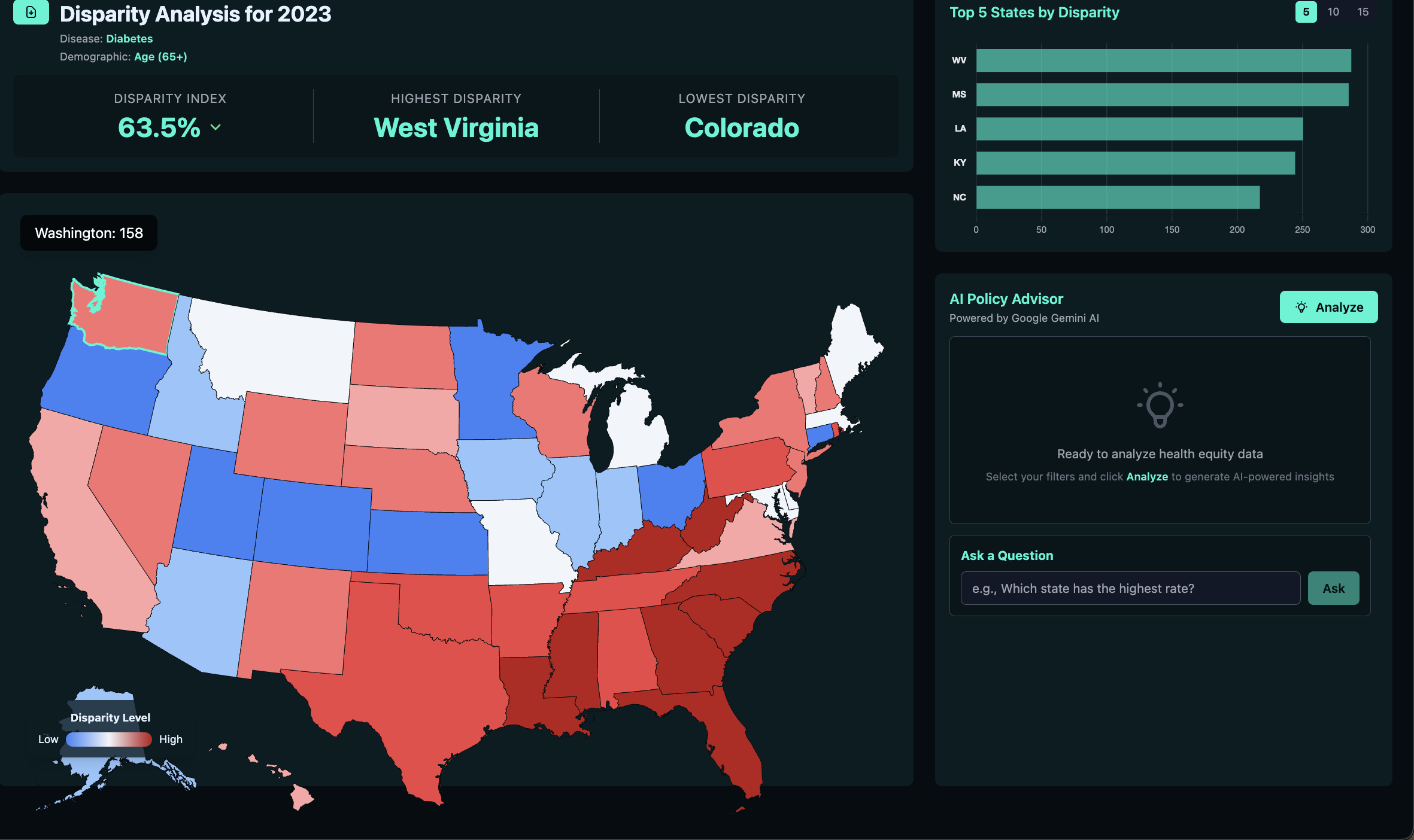
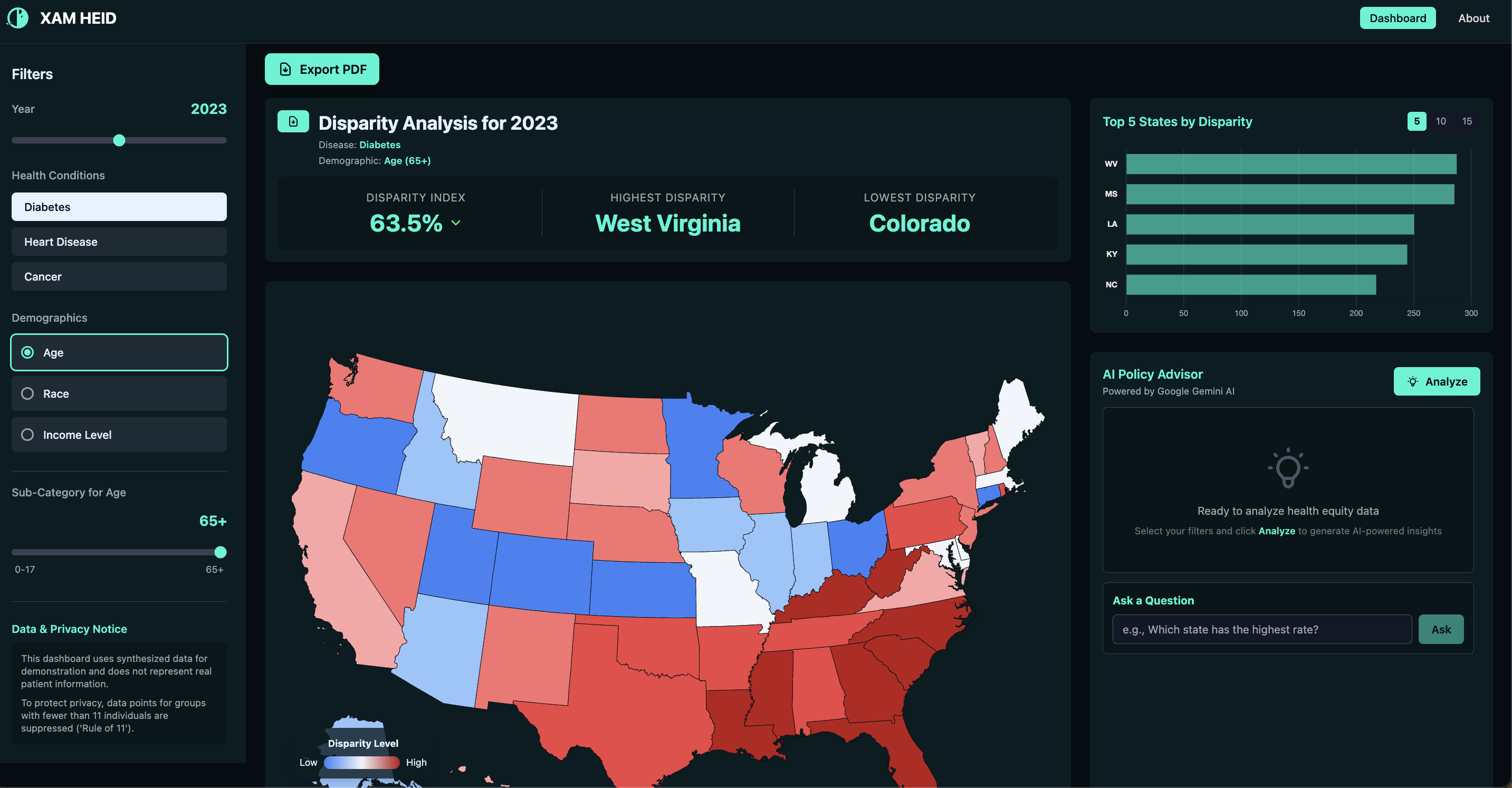
XAM-HEID transforms complex health data into clear, actionable insights through an intuitive dashboard. Users can explore regional health disparities through interactive maps and charts, filter by conditions like diabetes or heart disease, demographics, and insurance types. The system automatically discovers hidden patterns—like rural Medicaid patients experiencing 40% higher readmission rates—and generates policy-ready reports. All of this happens with no coding required, making expert-level analysis accessible to everyone.
How we built it
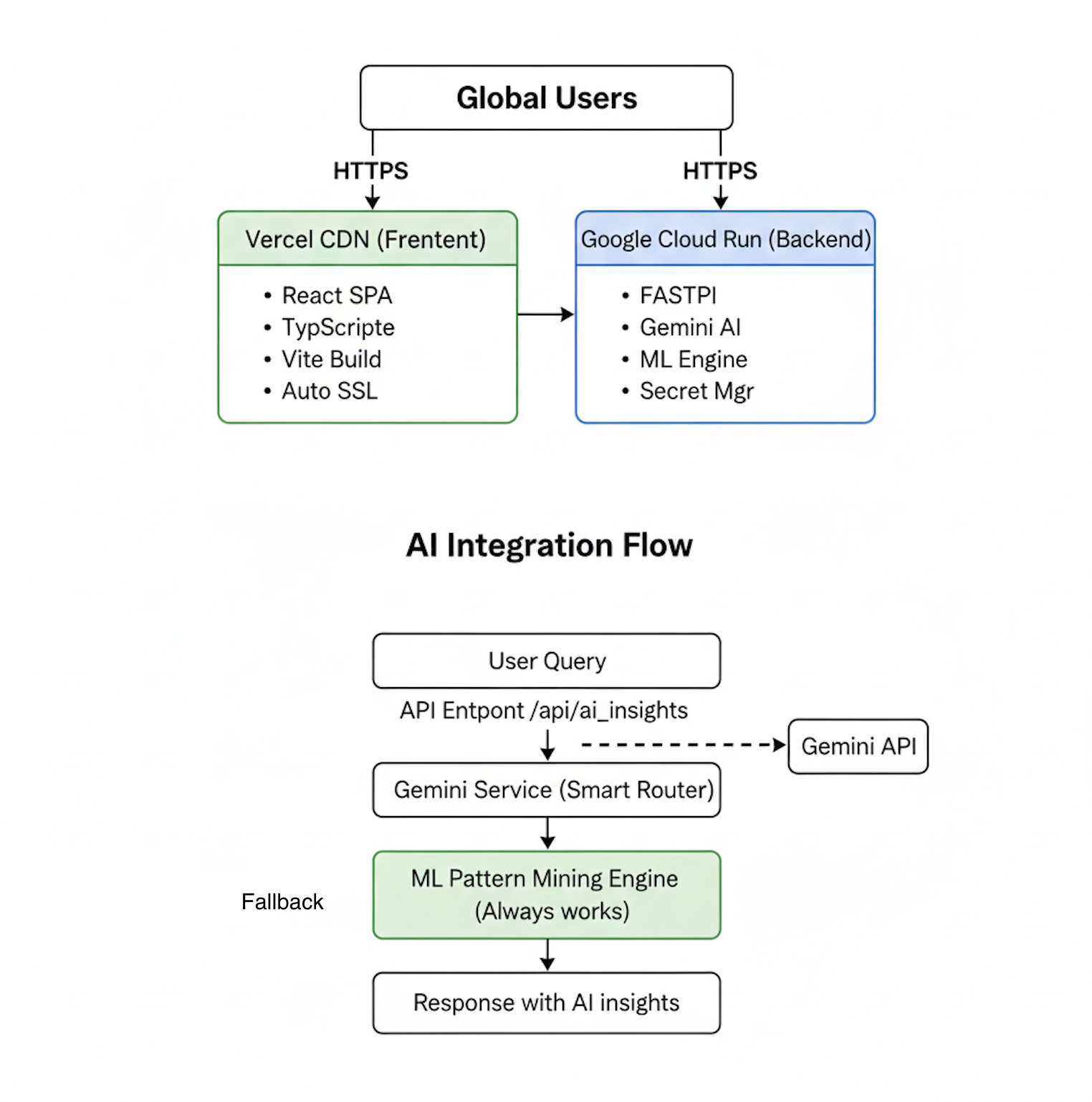
We engineered a full-stack platform using Python with PyHCUP to handle complex government data formats, Scikit-learn for AI-powered pattern discovery using association rule mining, and Plotly with Dash for interactive visualisations. The entire system runs on secure, compliant cloud infrastructure with privacy protections built directly into the architecture. We process data locally to maintain cost efficiency while designing for future scalability with cloud AI services.
Challenges
Navigating healthcare data regulations presented our biggest hurdle. Real US government health data requires lengthy approval processes and compliance with strict privacy rules like the "Rule of 11." We turned these constraints into features by building privacy compliance directly into our platform architecture. Cost barriers for advanced AI services led us to develop efficient local processing while maintaining a clear path to cloud scalability when resources allow.
Accomplishments
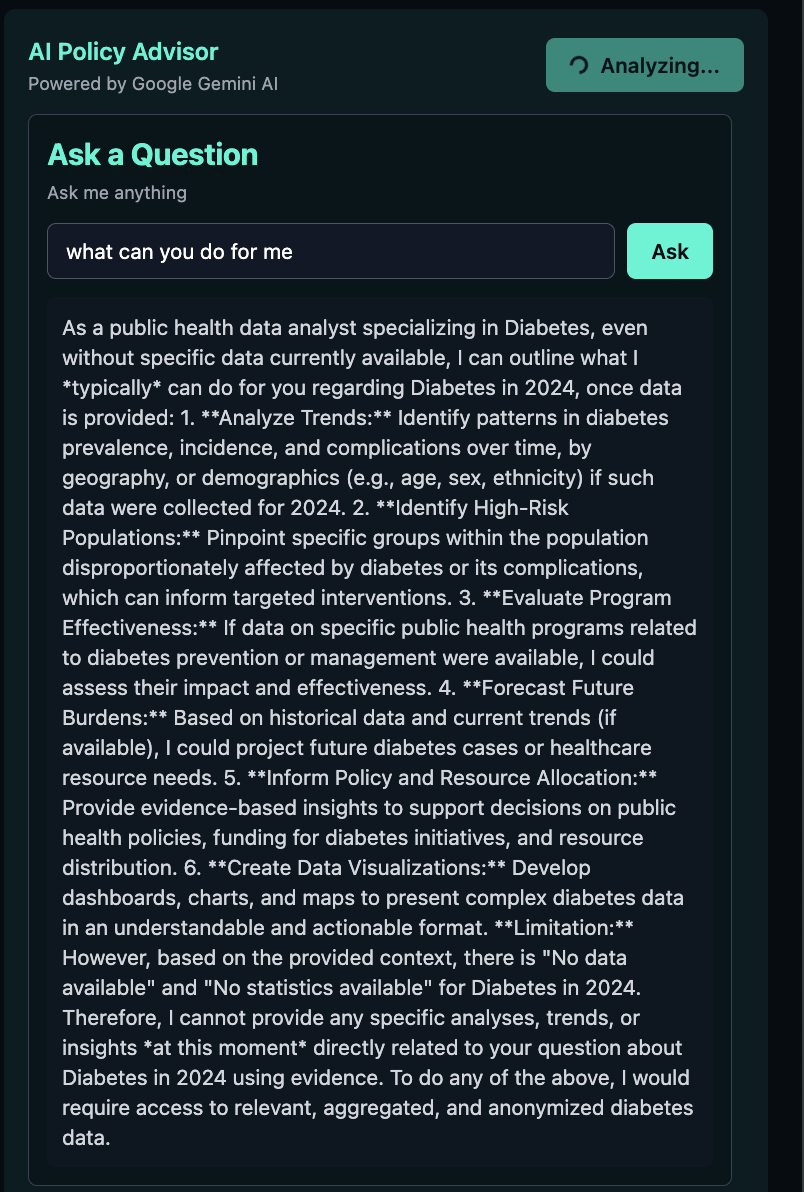
We delivered a production-ready platform that makes health disparity analysis accessible to non-technical users. Our system automatically enforces privacy regulations while delivering meaningful insights. The AI engine successfully identifies complex disparity patterns that would take researchers weeks to discover manually. Most importantly, we've created a tool that empowers real decision-making with exportable, policy-ready reports.
What we learned
Building for healthcare means privacy isn't optional—it's foundational. We discovered that synthetic data can effectively model real-world patterns while navigating regulatory constraints. Most importantly, we learned that technical complexity shouldn't be a barrier to health equity work. By focusing on user experience, we can put powerful analytical tools in the hands of the people who need them most.
What's next for XAM-HEID
We're positioned to transition from prototype to impact. Our immediate focus is securing the data partnerships and funding needed to integrate real HCUP datasets while maintaining our strict privacy standards. We're expanding our condition coverage and developing collaborative features for health departments and research institutions. Ultimately, we're building toward a future where every health official, researcher, and advocate has the data they need to create more equitable health outcomes.

Log in or sign up for Devpost to join the conversation.