-
-
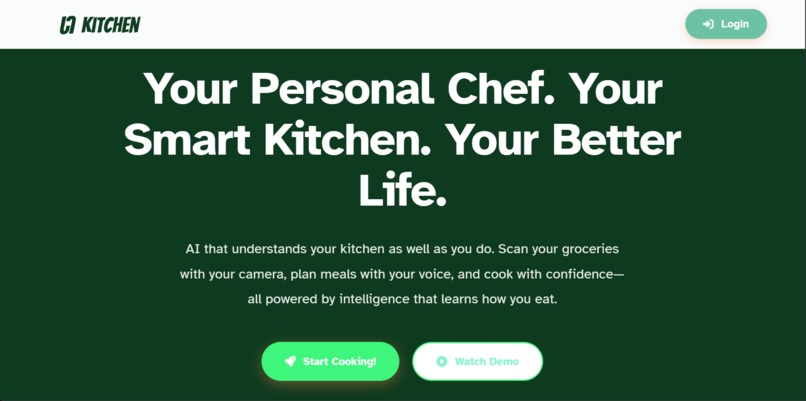
Landing Page
-
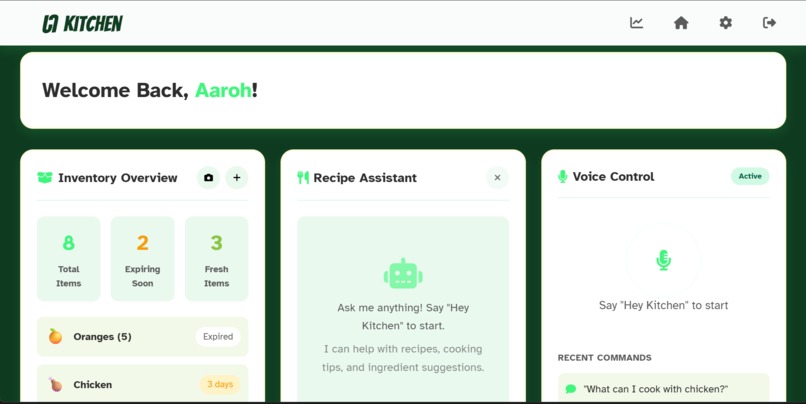
Dashboard
-
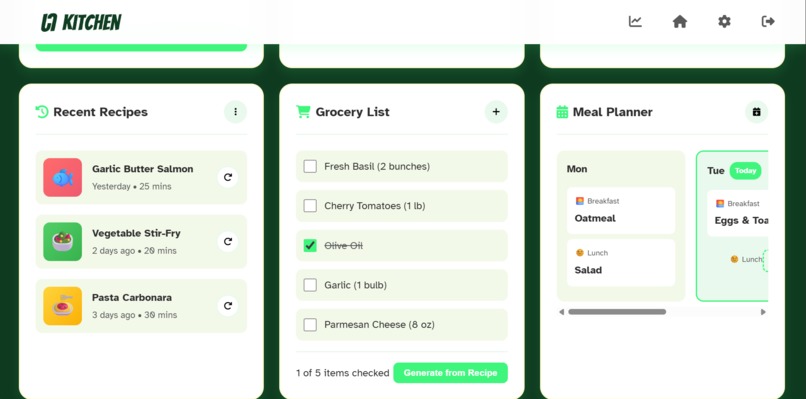
Dashboard
-
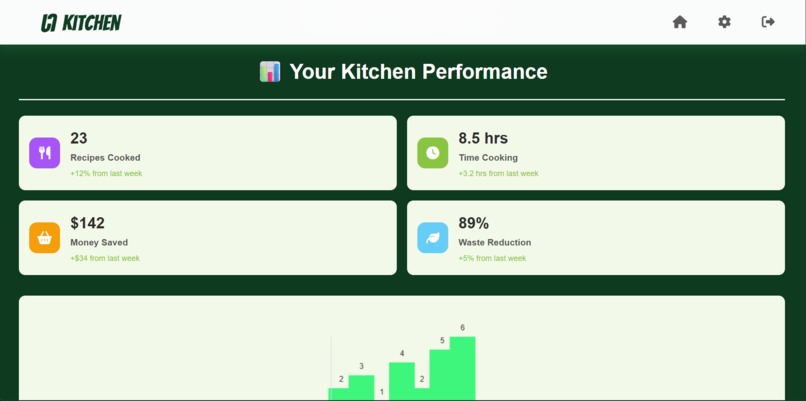
Analytics
-
Analytics
Inspiration
Food waste represents one of the most urgent environmental crises of our time. Americans discard 40% of their food, over $1,500 worth per household annually, contributing to devastating ecological consequences. When food rots in landfills, it releases methane, a greenhouse gas 25 times more potent than carbon dioxide. If food waste were a country, it would be the third-largest emitter of greenhouse gases globally.
Yet simultaneously, meal planning feels overwhelming and healthy eating remains out of reach for most people. I realized these problems are fundamentally interconnected: what if AI could eliminate household food waste while making sustainable, healthy eating effortless?
The breakthrough came when I reimagined the role of kitchen technology. Instead of passively tracking consumption, what if your kitchen could actively prevent waste? What if it could think ahead, optimize resources, and transform every household into a force for environmental good?
Most nutrition apps focus on retrospective tracking—photograph your finished meal, log calories, move on. But that approach misses the critical intervention point. The real environmental impact happens at the beginning: intelligently managing inventory, planning meals around existing ingredients, and preventing perfectly good food from reaching landfills in the first place.
67 Kitchen isn't another calorie tracker. It's an environmental solution disguised as kitchen intelligence AI that understands your inventory, identifies food at risk of waste, and empowers you to make sustainable decisions before ingredients expire. Every meal planned is food waste prevented. Every optimized ingredient is environmental impact reduced.
What it does
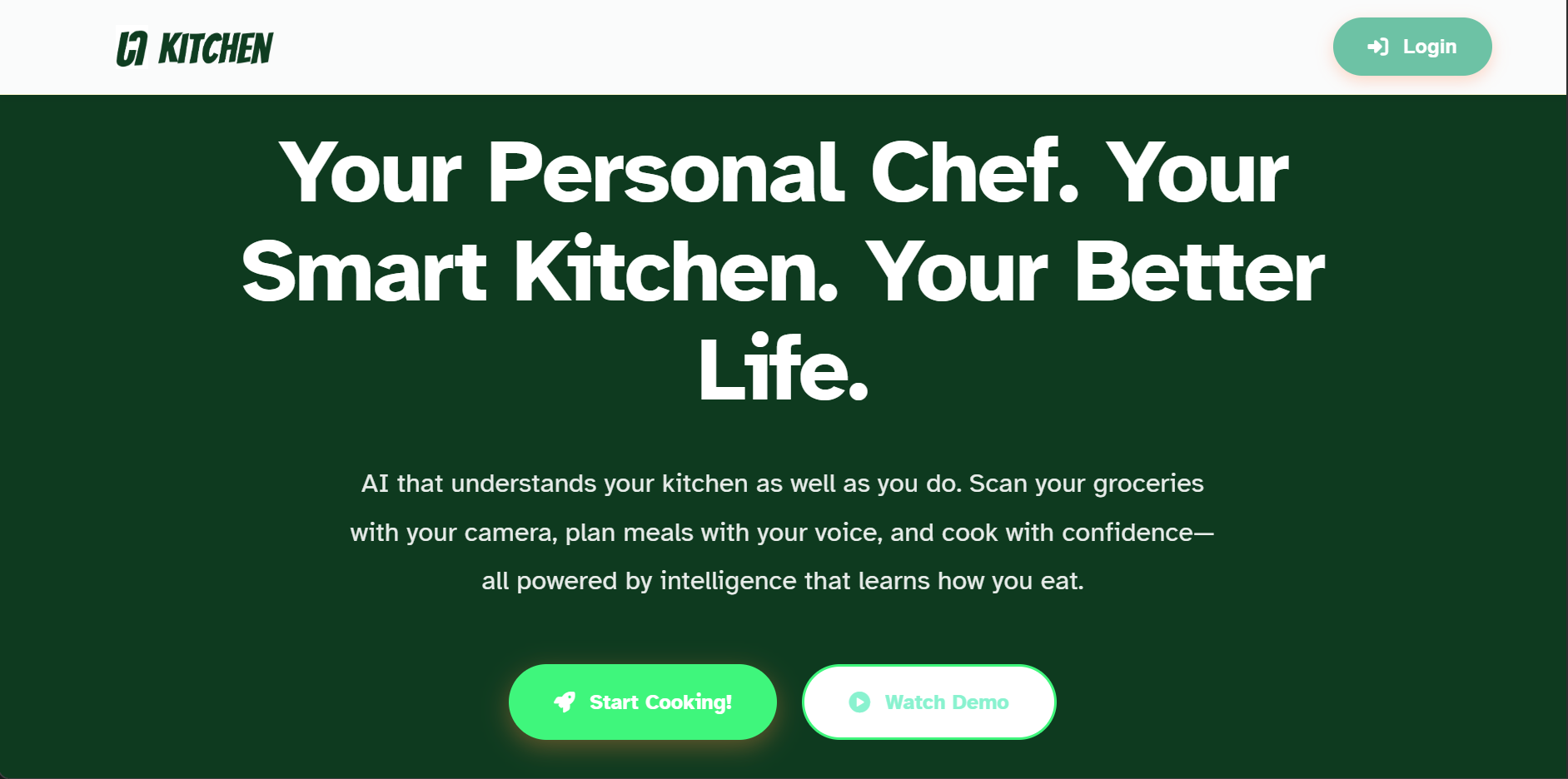
67 Kitchen is an AI-powered nutrition coach that transforms your kitchen into an environmental action center. By managing your complete kitchen ecosystem from ingredients to final dish, it prevents food waste at the household level, where majority of all food waste occurs.
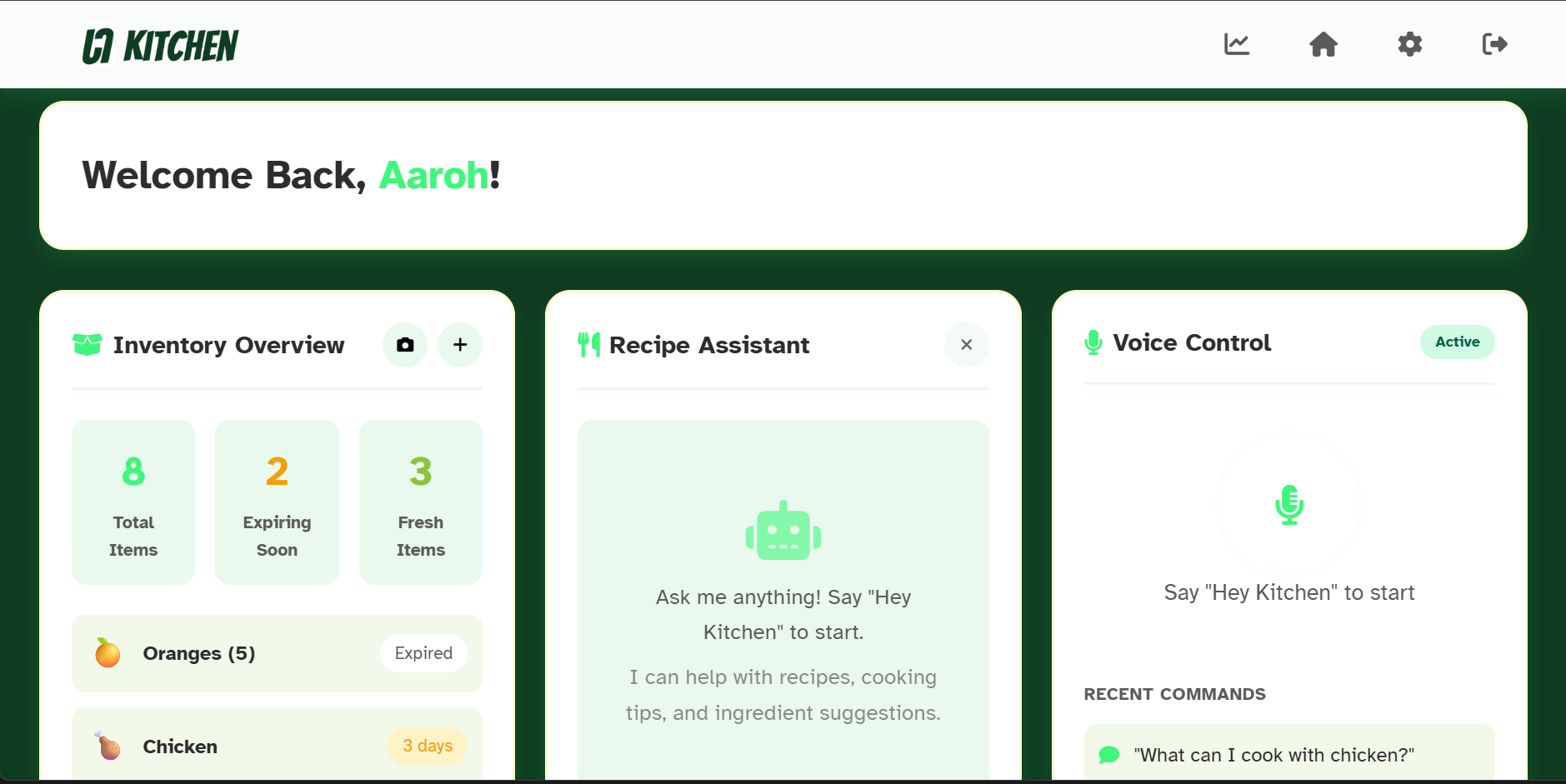
Smart Inventory Management: Add ingredients through voice commands ("Add bread and marinara sauce"), instant camera scanning of any food items, or manual entry. The app tracks expiration dates and sends proactive alerts before food spoils, preventing waste before it generates methane emissions.
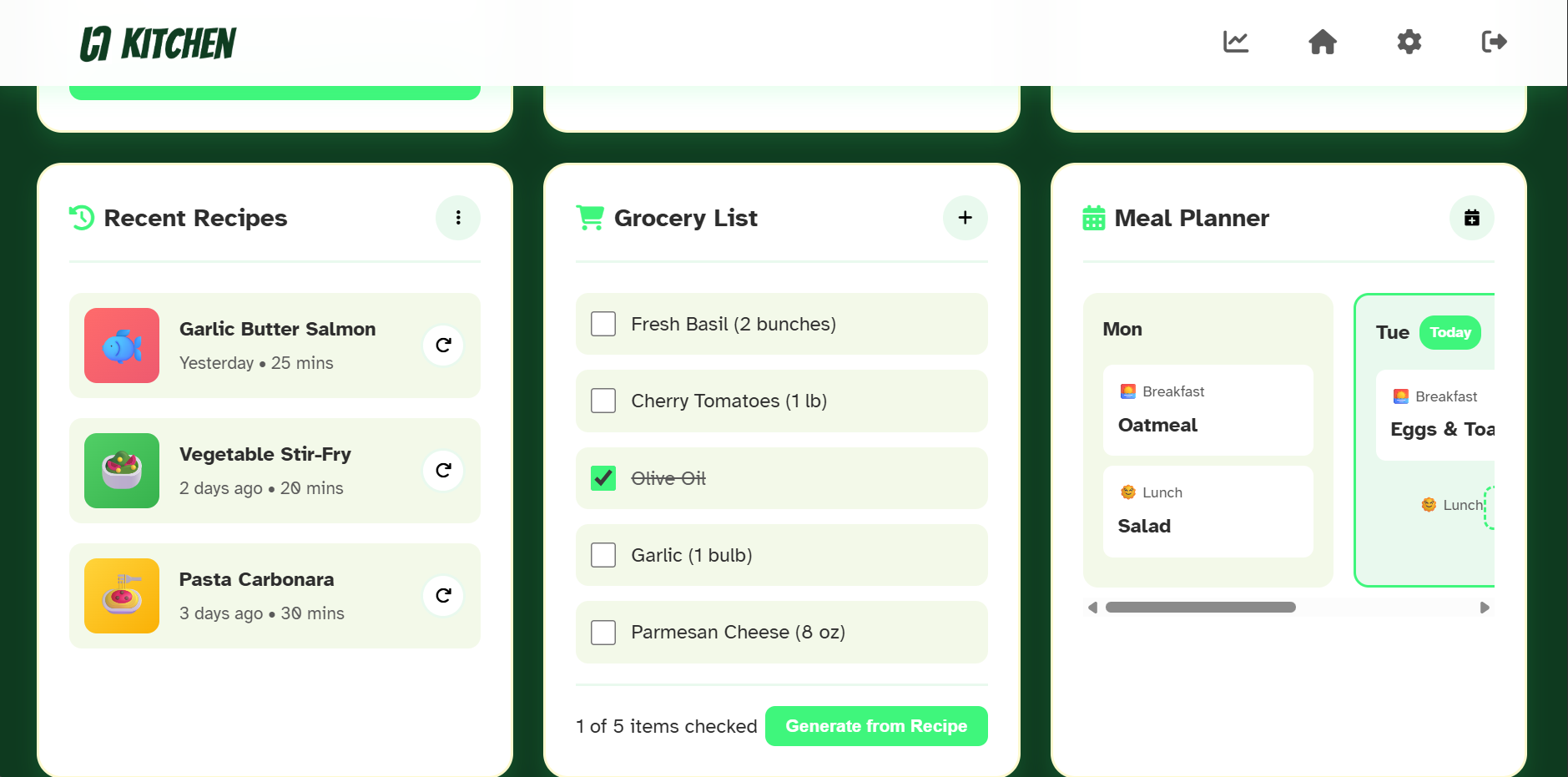
AI Meal Planning with Environmental Priority: Generate personalized meal plans based on your actual inventory, dietary goals, and sustainability impact. Watch your meal plan create in real-time instead of waiting through loading screens. The AI prioritizes ingredients approaching expiration, ensuring nothing goes to waste while meeting your nutritional needs. Each meal plan includes an environmental impact metric showing the food waste you've prevented.
Voice Cooking Assistant: Receive hands-free recipe guidance powered by ElevenLabs. Ask questions, get conversions, all through natural conversation. By making cooking easier and more accessible, 67 Kitchen encourages home cooking over resource-intensive takeout and restaurant meals.
Proactive Sustainability Coaching: Rather than tracking calories after consumption, the AI helps you make environmentally conscious decisions upfront. If your bread expires tomorrow and your eggs in 3 days, It can suggest an omelette sandwich that uses both while reducing your household's carbon footprint.
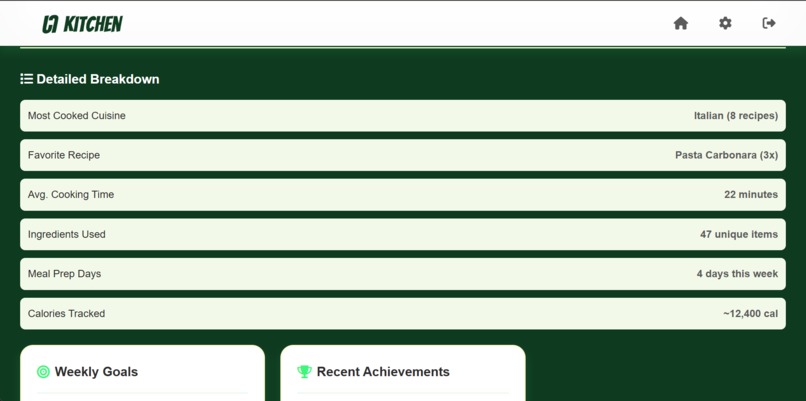
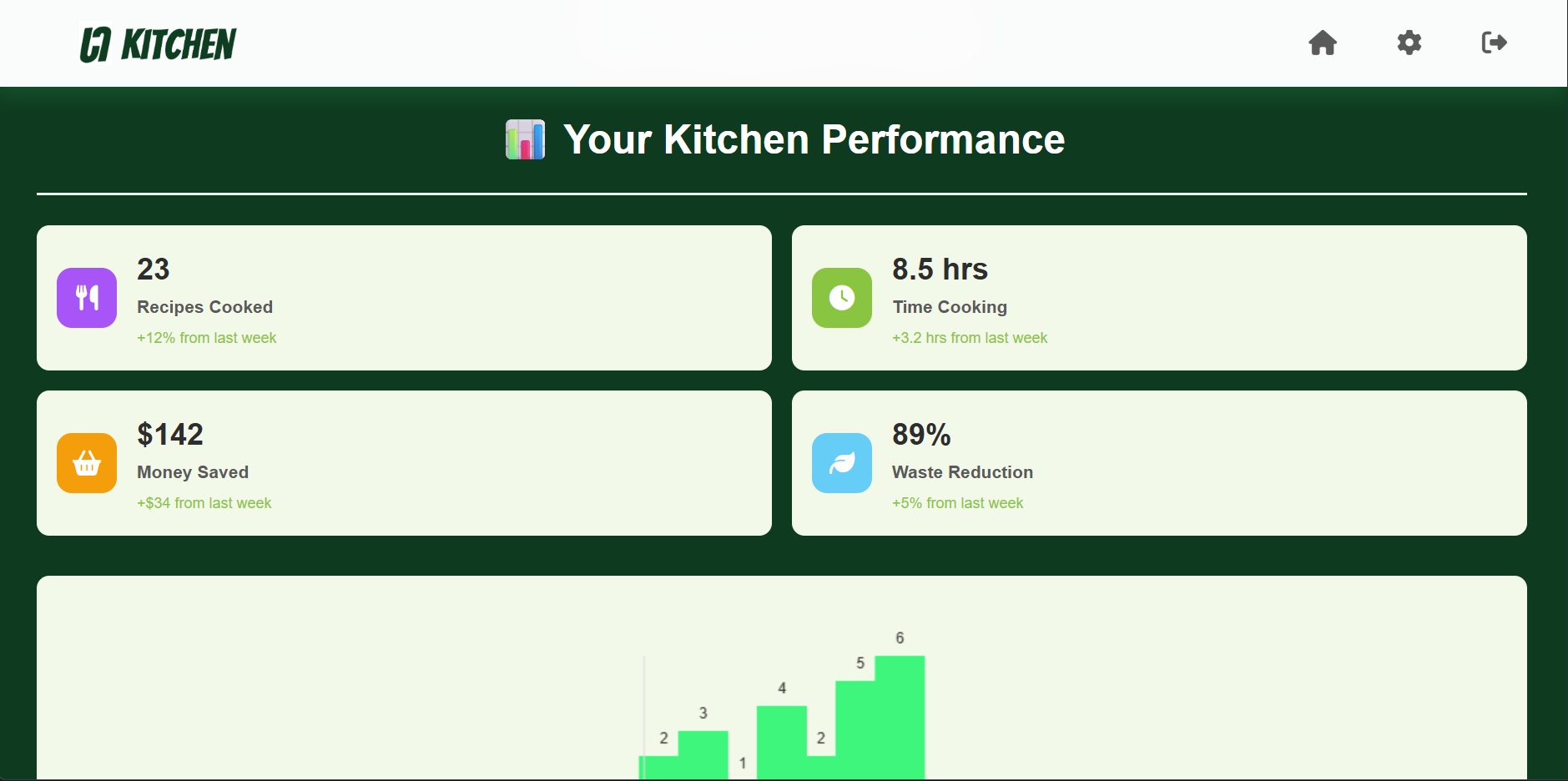
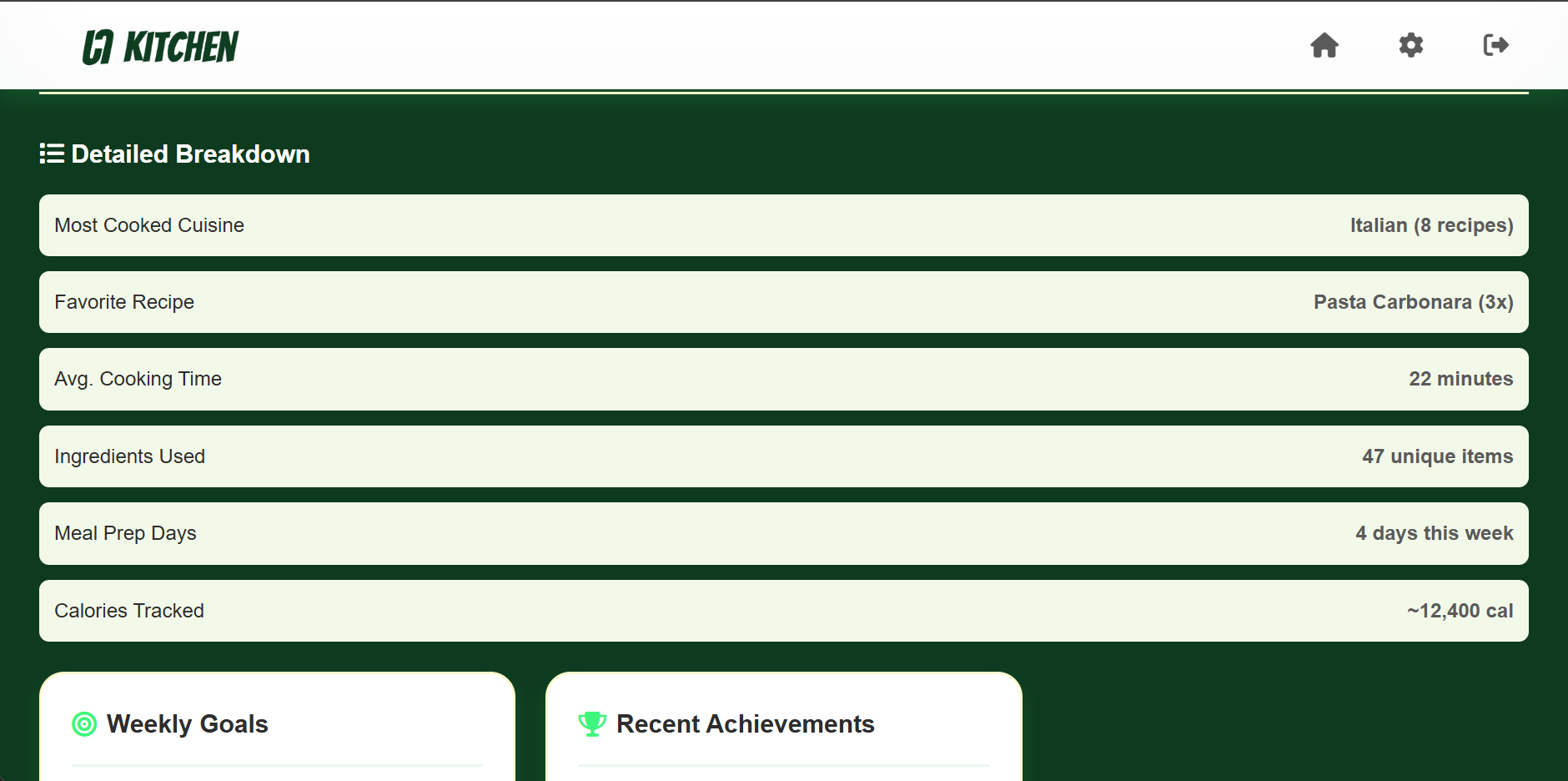
Environmental Impact Dashboard: Track your cumulative food waste prevention over time. See pounds of food saved, estimated methane emissions avoided, and the equivalent carbon offset. Every user becomes an environmental advocate through daily kitchen decisions.
This isn't about logging past consumption, it's about empowering every household to become an active participant in solving the global food waste crisis, one meal at a time.
How I built it
Primary Development: Built the core application in Python with sustainability metrics integrated throughout the architecture. C++ (performance-critical routines), Node.js for frontend tooling and package management.
Backend Architecture: SQLite is used as the main database, enabling lightweight, embedded storage. Real-time synchronization ensures inventory changes (like ingredient usage or additions) are instantly reflected.
AI Integration: Gemini API powers intelligent image scanning and context-aware recipe suggestions that prioritize expiring ingredients. ElevenLabs provides the conversational voice assistant for hands-free, accessible cooking experiences.
Frontend: JavaScript (for dynamic interactivity), HTML & CSS (UI/UX), recent features may involve context-aware dashboards and voice interaction interfaces.
The app syncs everything instantaneously, add ingredients and meal plans update in real-time, nutrition tracking and environmental impact metrics refresh live. Users see their positive environmental contribution grow with every action.
Challenges I ran into
Real-Time AI Generation: Making meal plan generation feel engaging rather than sluggish. I made sure that the user and AI conversation felt natural by the prompt engineering Gemini.
Multi-Modal Input Processing: Combining voice, camera, and text input with AI processing while maintaining accuracy for waste prevention. Users can speak naturally, scan any food items with the camera, or type manually—all modalities needed to work flawlessly together to ensure accurate inventory management.
Environmental Impact Calculations: Using accurate algorithms to quantify food waste prevention in terms of pounds saved, methane emissions avoided, and carbon offset equivalents making the environmental benefit tangible and motivating.
Accomplishments that I'm proud of
Progressive Generation UI: Users watch their meal plans generate in real-time, seeing exactly how the AI prioritizes expiring ingredients for maximum waste prevention.
True Hands-Free Cooking: Complete recipe guidance through voice with intelligent timer management. By removing barriers to home cooking, 67 Kitchen reduces reliance on resource-intensive food delivery and restaurant meals. You never touch your phone while cooking.
Context-Aware Environmental Intelligence: The nutrition coach actively monitors your kitchen and provides timely interventions like "You have tofu expiring soon. Want me to suggest recipes?"
Multi-Modal Intelligence: Voice, camera recognition of any food items, and text input work together seamlessly. Say "5 oranges," scan ingredients with your camera, or type manually, the AI understands it all and maintains accurate waste-prevention tracking.
Proactive Environmental Impact: While other apps reactively track what you've eaten, 67 Kitchen prevents environmental harm before it happens, suggesting recipes for expiring ingredients, optimizing nutrition from existing inventory, and quantifying the ecological benefit of every prevented waste incident.
Tangible Impact Visualization: Users see their environmental contribution grow through clear metrics: pounds of food saved, percentage of emissions prevented, and carbon offset equivalents. This transforms abstract sustainability into concrete personal achievement.
What I learned
Voice Technology Promotes Sustainable Cooking: Hands-free interaction isn't just convenient, it removes accessibility barriers that prevent many people from cooking at home. This promotion has profound environmental implications as home cooking typically has a lower carbon footprint than restaurant or delivery meals.
Context Transforms AI from Novelty to Environmental Tool: Generic AI advice generates minimal impact. AI becomes transformative when it understands your real situation, your inventory, expiration dates, dietary needs, and cooking experience, and uses that context to prevent specific instances of waste.
Prevention Beats Remediation: Most approaches to food waste are reactive, composting, tracking waste, analyzing disposal patterns. The real environmental opportunity is proactive prevention, stopping food from becoming waste in the first place through intelligent planning and timely intervention. Every meal that uses expiring ingredients is exponentially more impactful than any post-waste solution.
What's next for 67 Kitchen
Instacart Integration: Enable users to order precisely the needed groceries without leaving the app or home, with AI-optimized quantities that minimize overbuying and subsequent waste. Users purchase exactly what they'll use, nothing more.
Carbon Footprint Tracking: Expand beyond food waste prevention to track the full environmental impact of dietary choices. Show users the carbon footprint of different protein sources, seasonal produce benefits, and transportation impacts. Suggest lower-impact alternatives while maintaining nutritional goals.
Food Bank Integration: Connect users with surplus non-perishable inventory to local food banks, transforming potential waste into community benefit. If you can't use it before expiration, someone else can, preventing waste while addressing food insecurity.
Restaurant and Institutional Expansion: Adapt 67 Kitchen's waste prevention algorithms for restaurant kitchens, school cafeterias, and corporate dining facilities—where food waste occurs at far greater scale. Professional kitchen optimization could prevent thousands of pounds of waste weekly at single locations.
With 67 Kitchen, sustainable living is effortless, intelligent, and deeply rewarding. The future of food is zero waste, and it starts in your kitchen today!


Log in or sign up for Devpost to join the conversation.