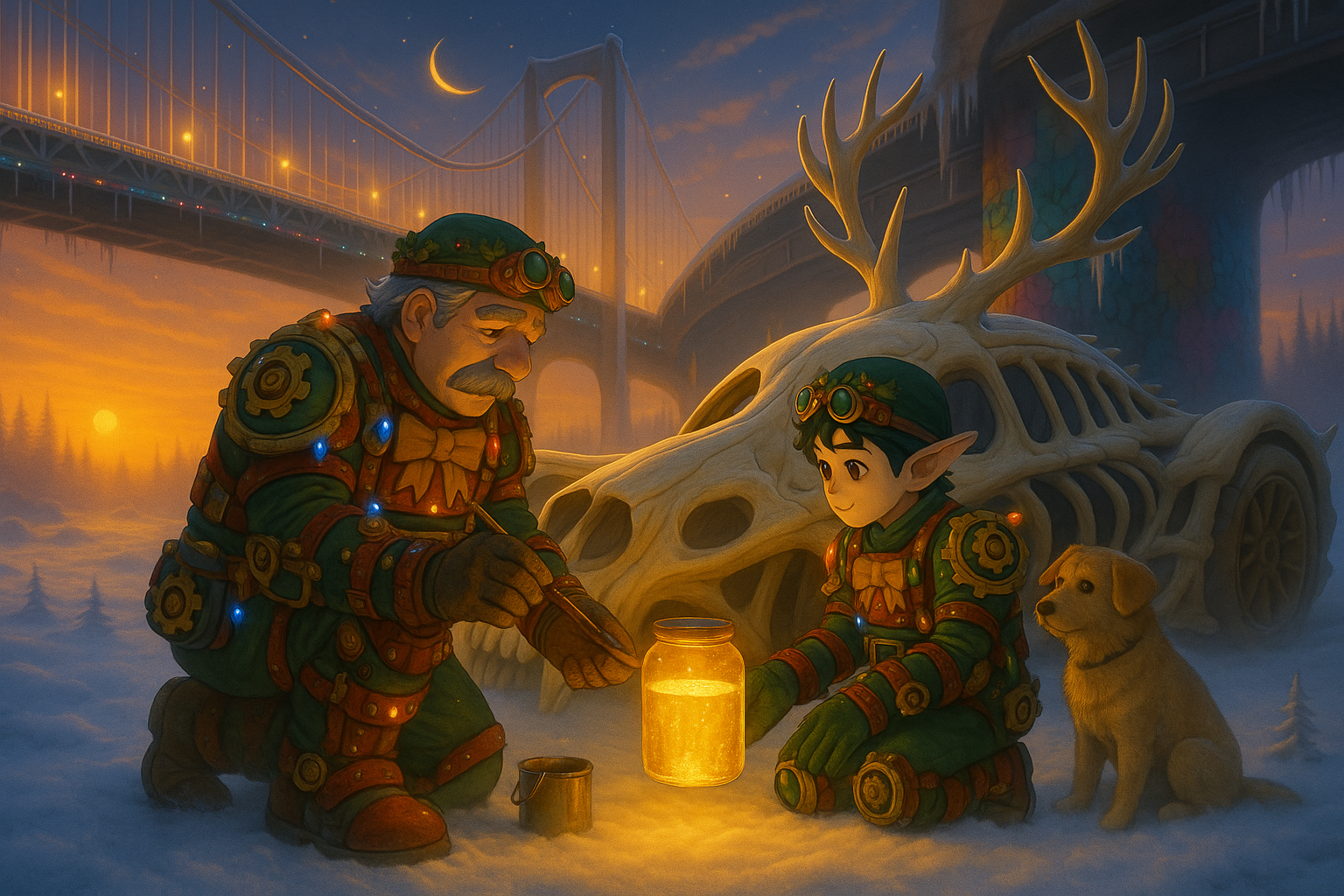
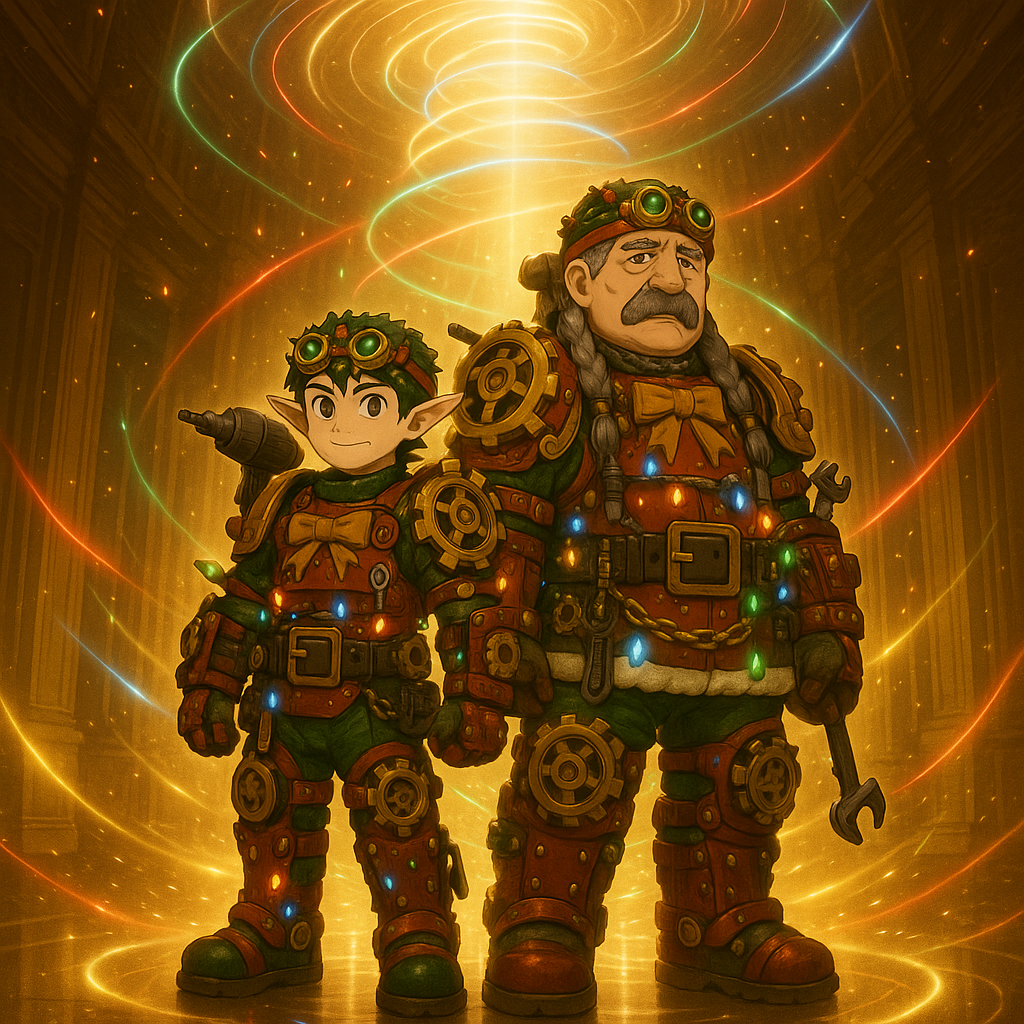
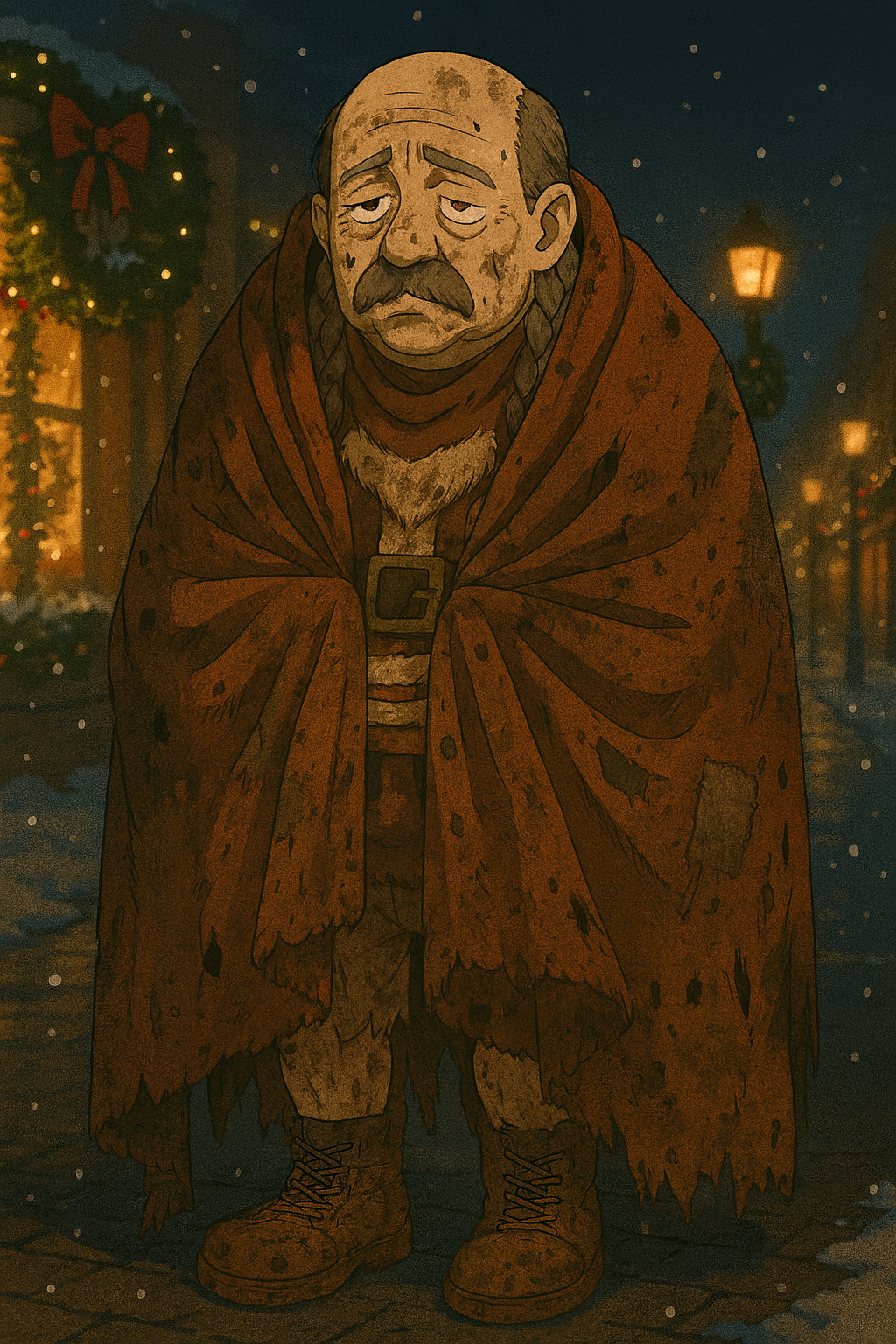
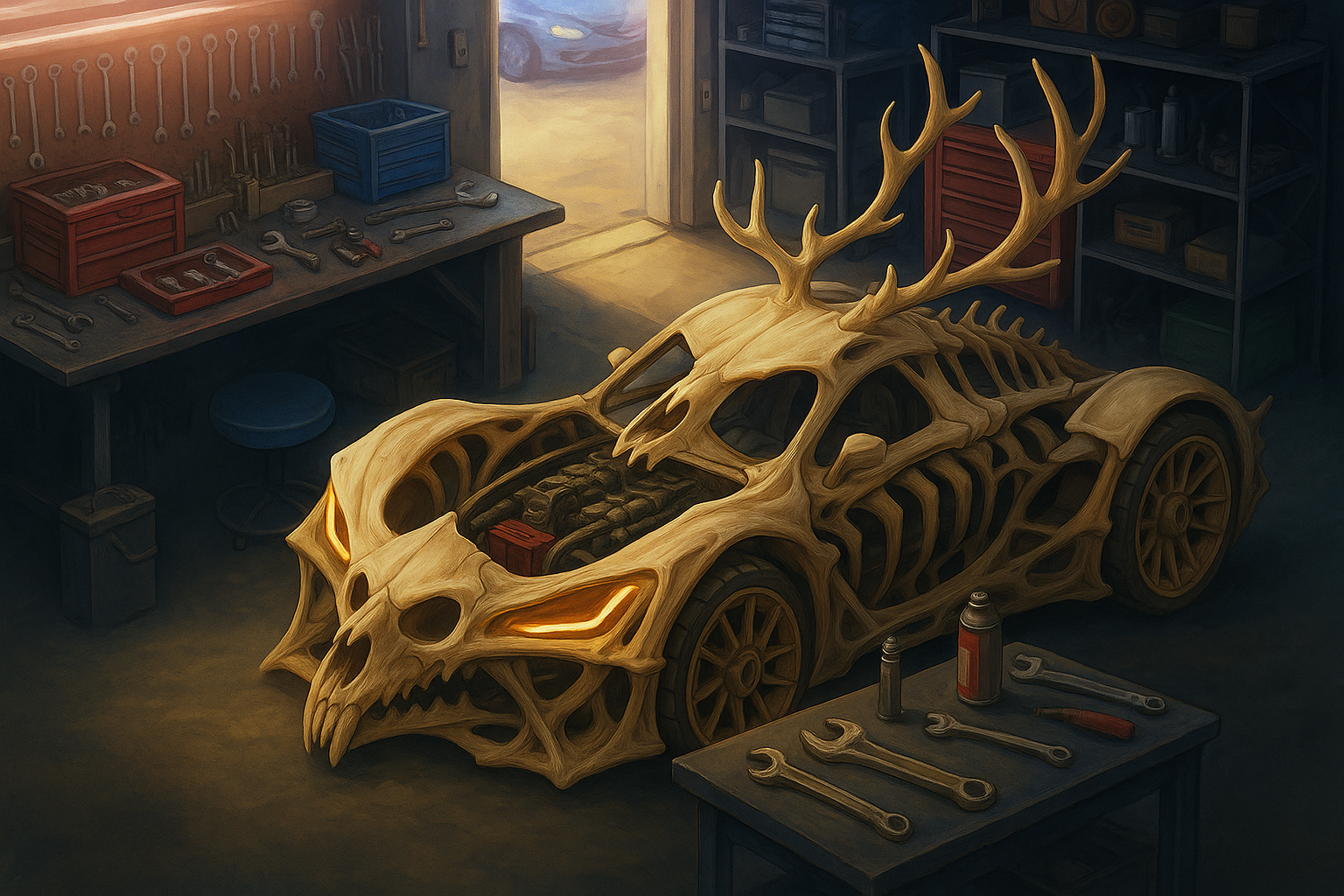
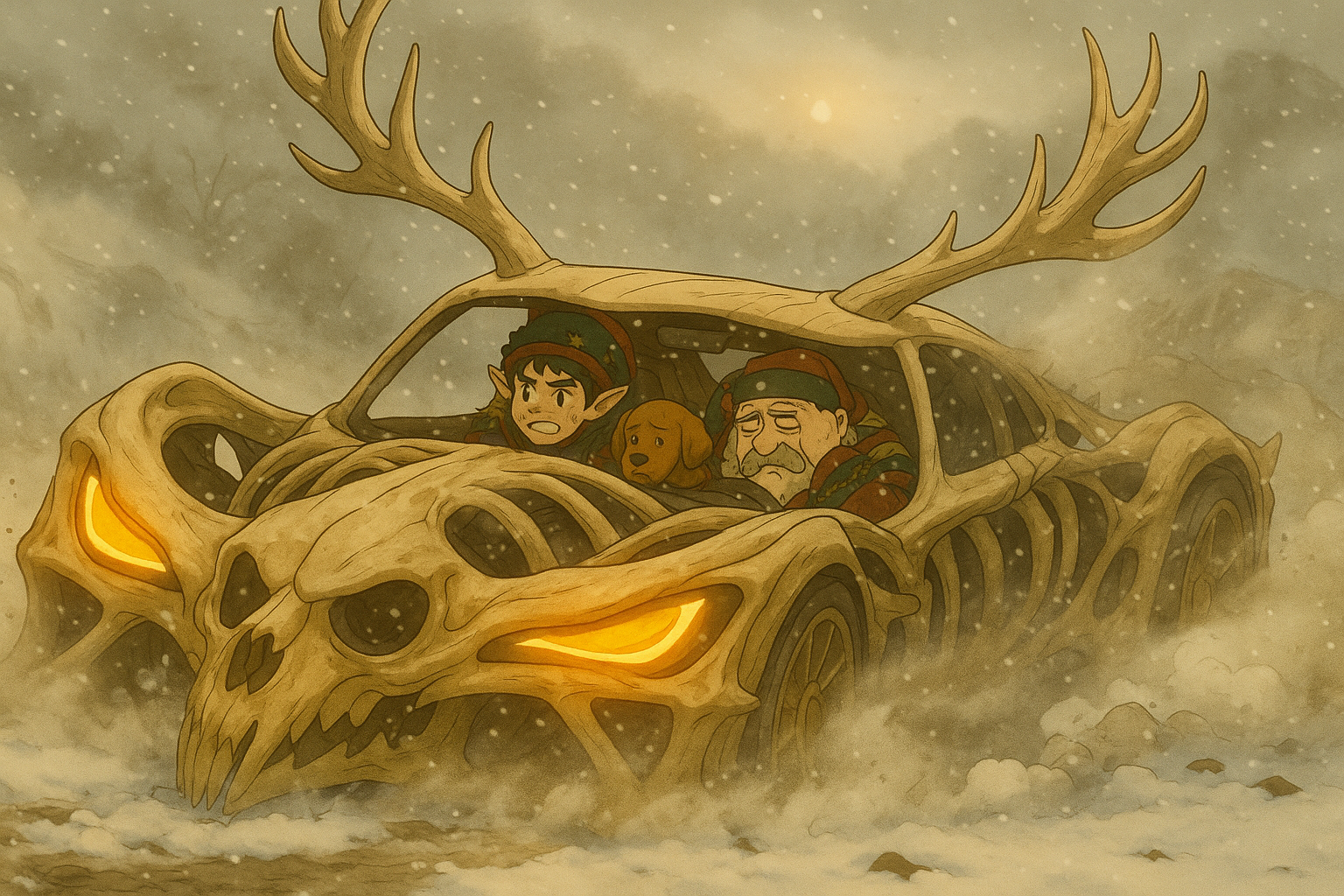
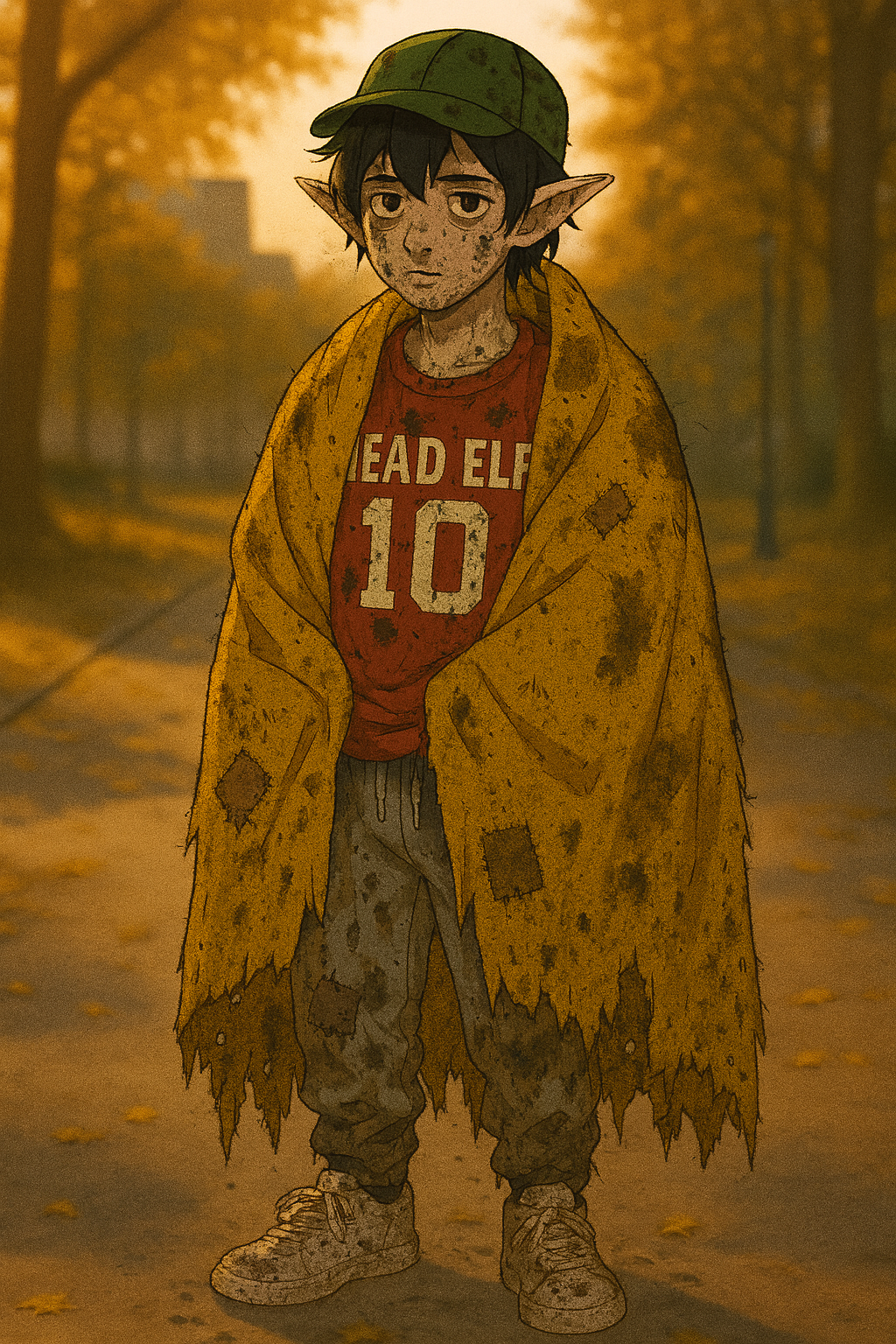
Director’s Statement Inspired by “The Sound of Silence” This project began with a single echo — the haunting stillness inside the song “The Sound of Silence.” Not the lyrics, but the feeling beneath them: the idea that silence isn’t empty, it’s full of everything we refuse to listen to. That idea stayed with me. It crawled into the corners of the world we look at but never really see. From that spark came the question that shaped the entire project: What if a film didn’t need your eyes at all? What if closing them made you see more? What Inspired Me “The Sound of Silence” taught me that sound can be its own language of truth. It can reveal what visuals hide, distort, or sanitize. That tension — between what we see and what we hear — became the heart of this short film. I wanted to build an experience where the audience could shut their eyes and still witness the story in full, maybe even more clearly. What I Learned I learned that sound doesn’t just support a film — it structures it. It carries intention, emotion, danger, humor, fear, memory. When you remove the visual safety net, sound becomes architecture. Every choice matters. Every frequency becomes a sentence. I also learned how much we rely on our eyes to tell us what the world “should” be. Taking that away forced me to trust instinct, rhythm, and negative space in a new way. It changed how I think about storytelling forever. How I Built the Project I stripped everything back. No iconic movie lines. No visual crutches. Just sound — textures, breaths, echoes, rituals, distortions, breaks in reality. I treated each effect like a brushstroke on an invisible canvas. I created sequences where what you hear contradicts what you think you see. Moments where silence lands heavier than noise. Moments where noise becomes the truth you weren’t ready to face. The film became a kind of sensory ghost: a story you don’t watch, you feel. Challenges I Faced The biggest challenge was resisting the instinct to “show” anything. I had to unlearn cinema. I had to trust sound to carry weight on its own. Another challenge was crafting an experience that works both with eyes open and eyes closed. The visuals couldn’t explain anything — they could only deepen the confusion or sharpen the mood. And technically, balancing silence, distortion, ritual tones, and emotional cues was a constant push-and-pull. Too much sound and the world collapses. Too little and it becomes empty. Finding that equilibrium was the hardest — and most rewarding — part.
X’mas for the Blind
What you see might not be what you hear.
Updates

Leave feedback in the comments!
Log in or sign up for Devpost to join the conversation.