-
-
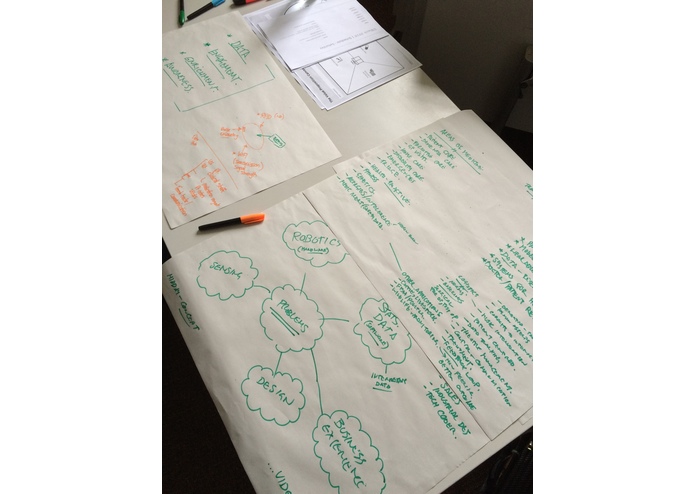
Initial thinking behind the concept
-
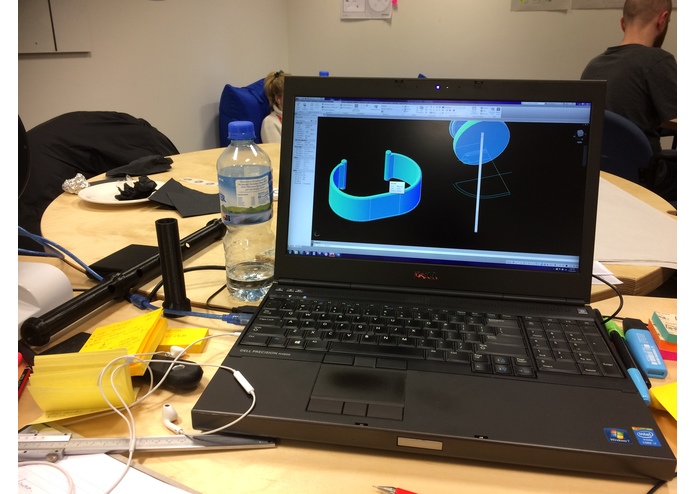
CAD design of wearable
-
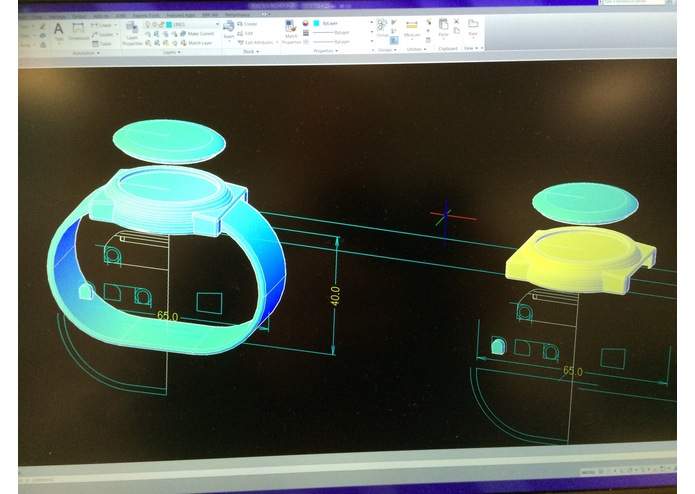
finalising the design
-
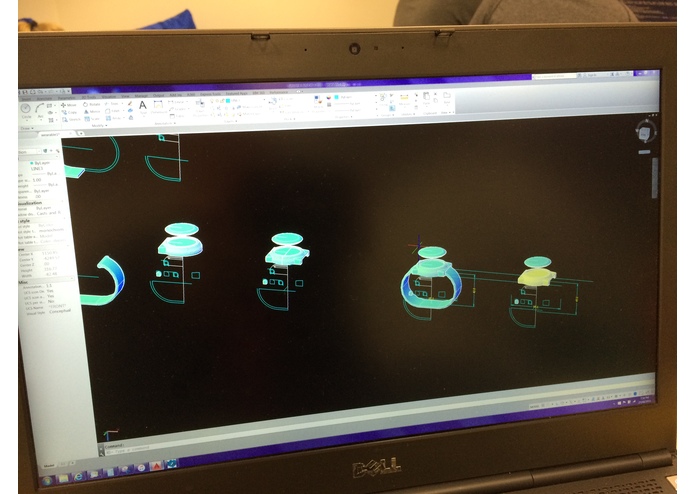
iterations
-
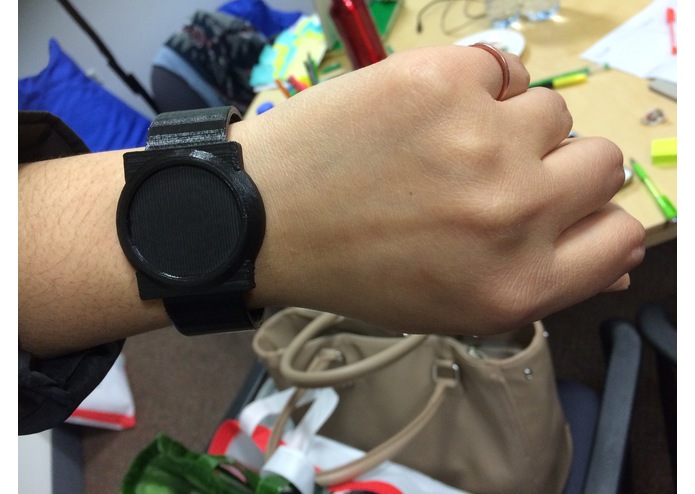
Wearable data transponder
-
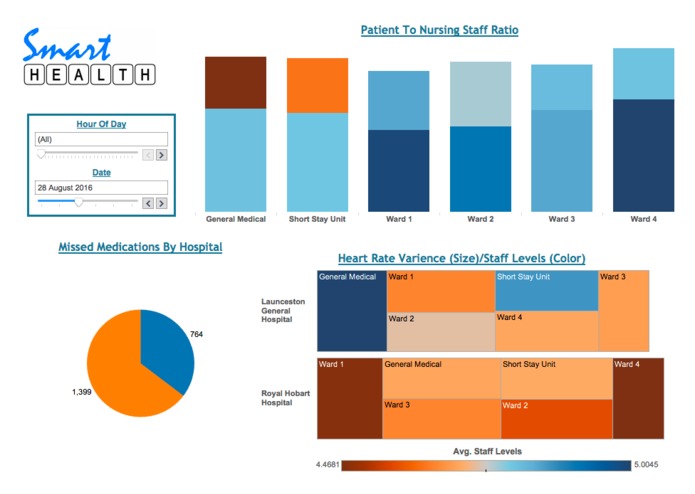
Data GUI
-
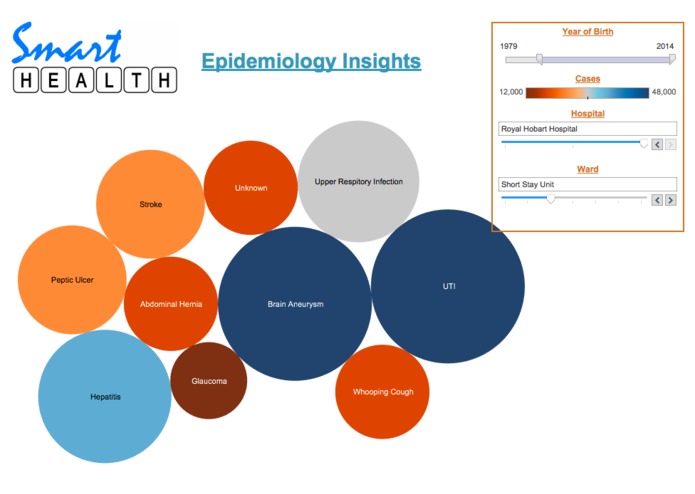
Data GUI
-
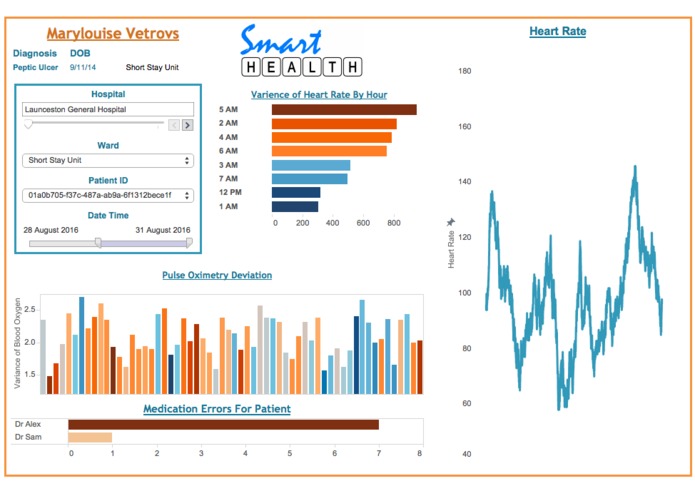
Data GUI
-
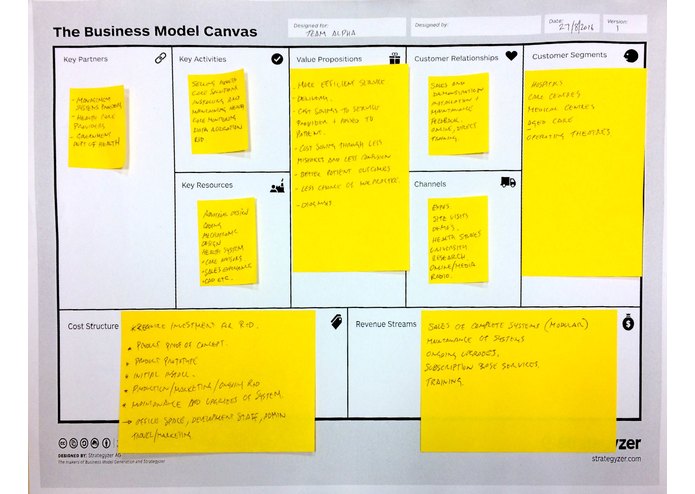
Business Canvas
-
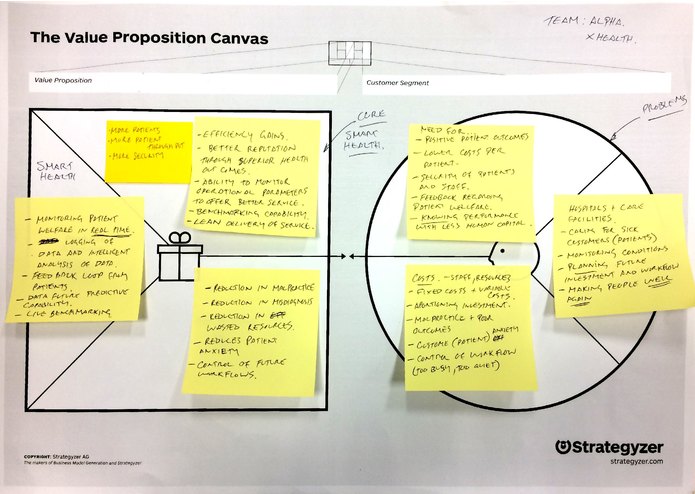
Value Canvas
-
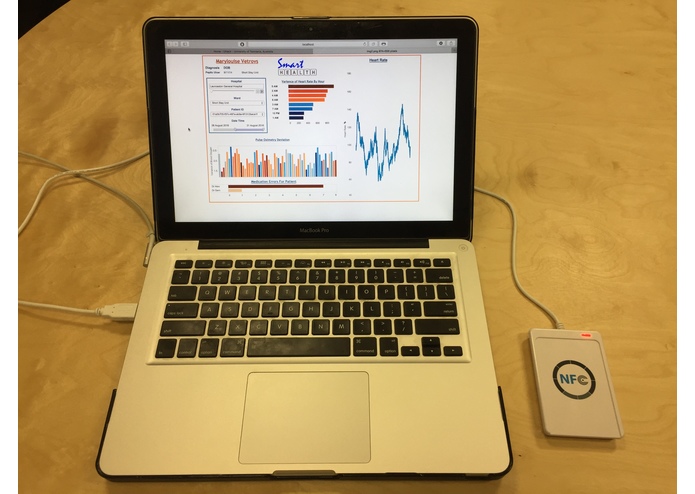
RFID connected to system
Team: Alpha Division: OPEN Project: Smart Health Willesder Jefferies Bsc Miles Mazengarb Beng (Hons) Andrew Dickinson BA Design
Link to Work files
As yet we do not have a link to the actual software - there is a narrated power point presentation here. link and a vimeo with vision here link
Inspiration
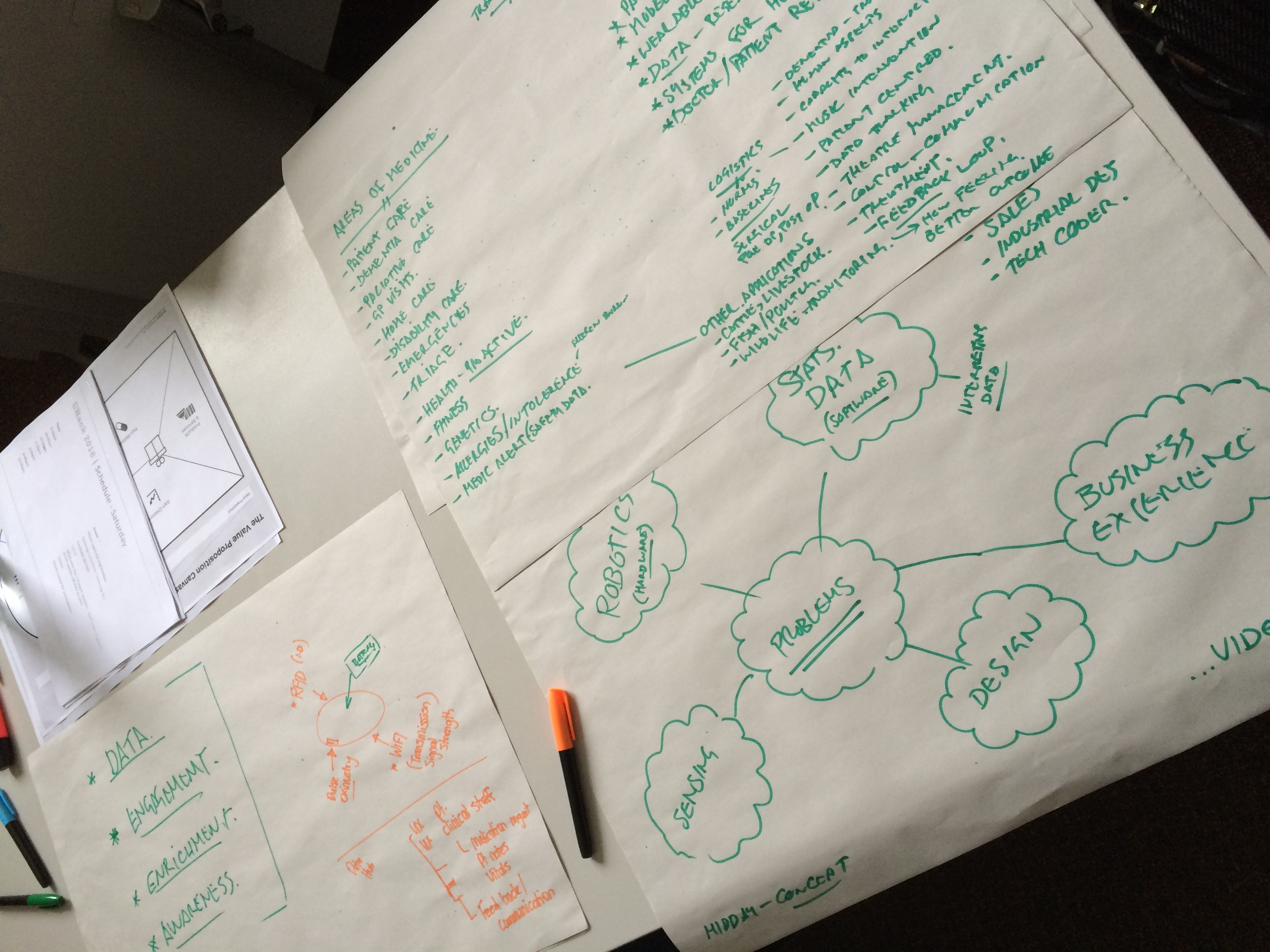
Personal experience of patient/doctor relationships when in hospital problems experienced by medical staff and their understanding of individual patient welfare.
What it does
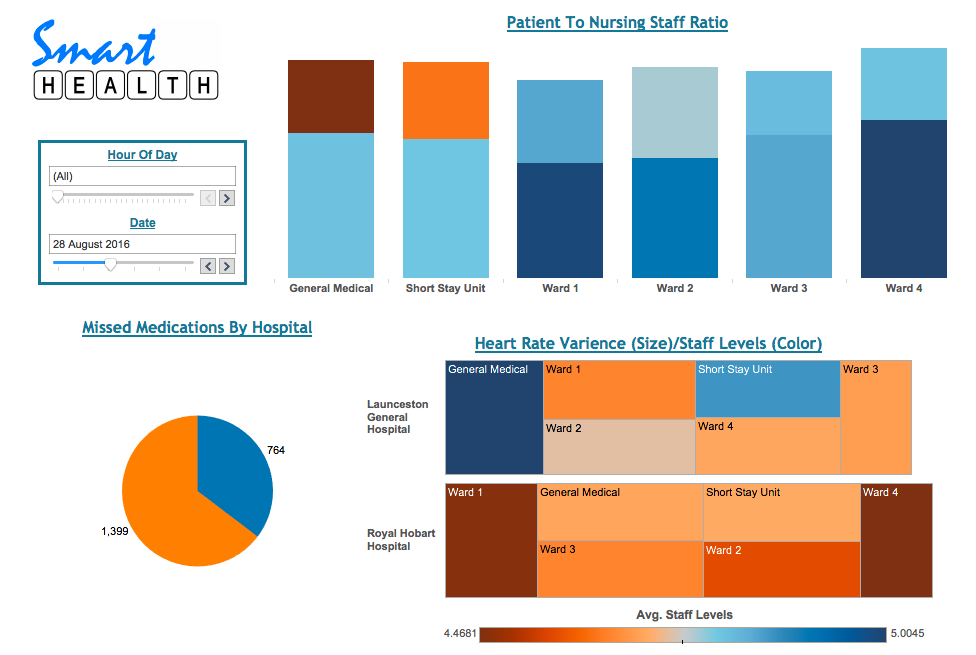
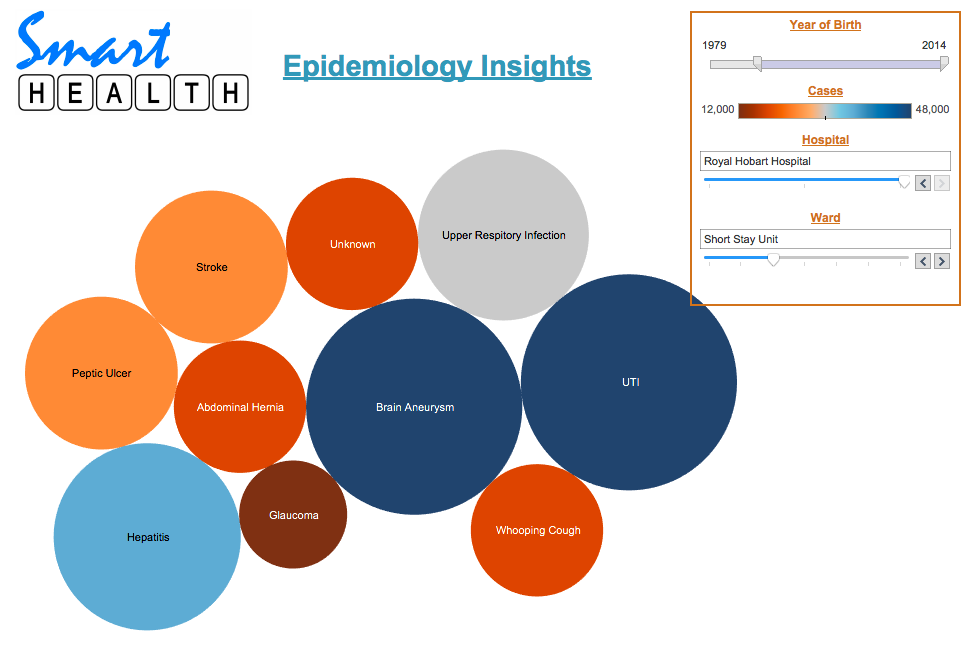
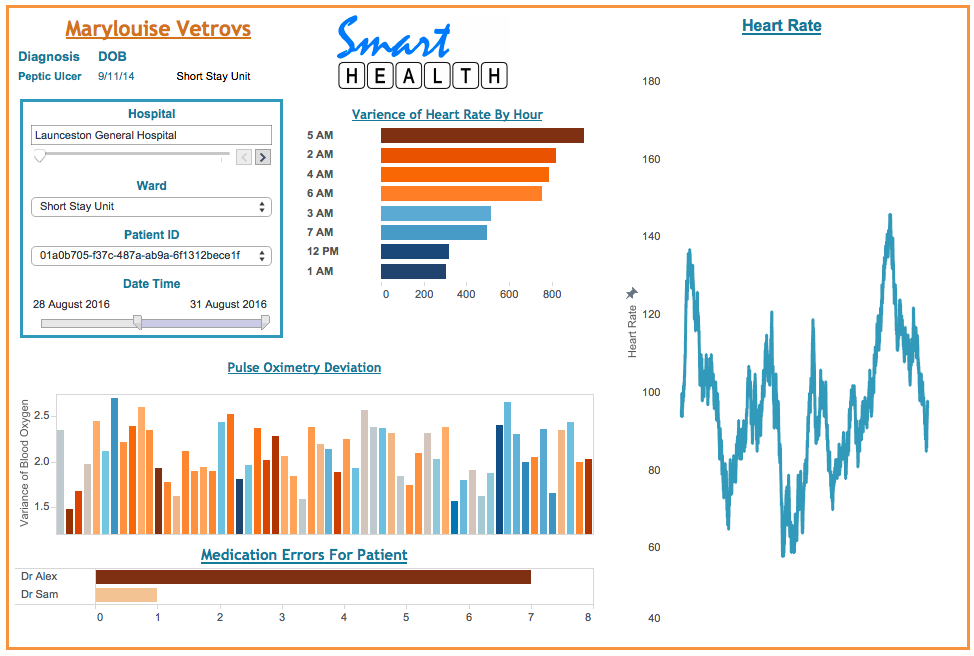
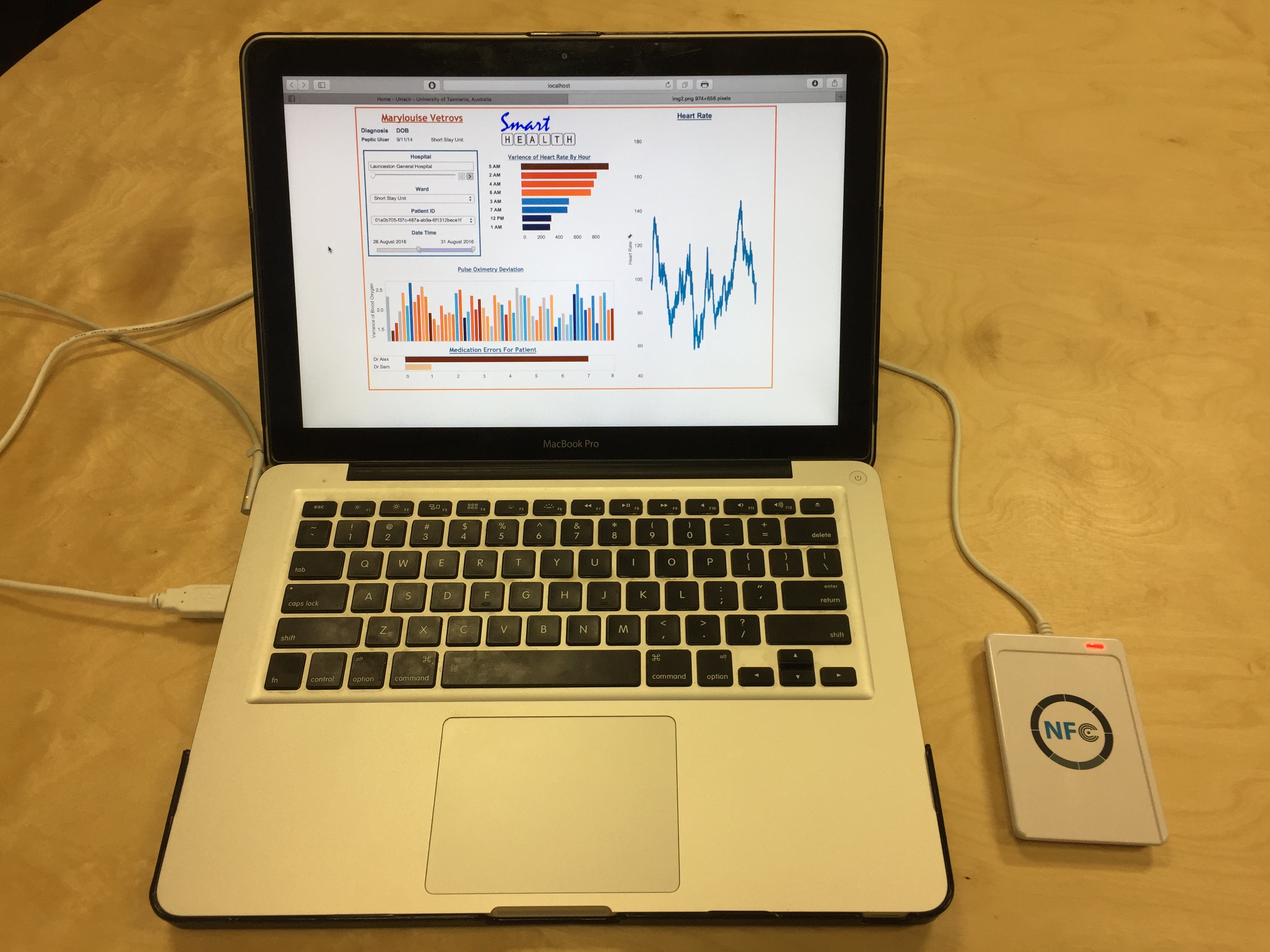
Smart Health is an integrated wearable patient ID system that tracks heart rate, blood oximetry, and patient location. This real time data is collated to provide performance indicators for each doctor, ward, time and patient. This data is analysed by the system to highlight anomalies and track patient progress under different conditions.
Value Proposition
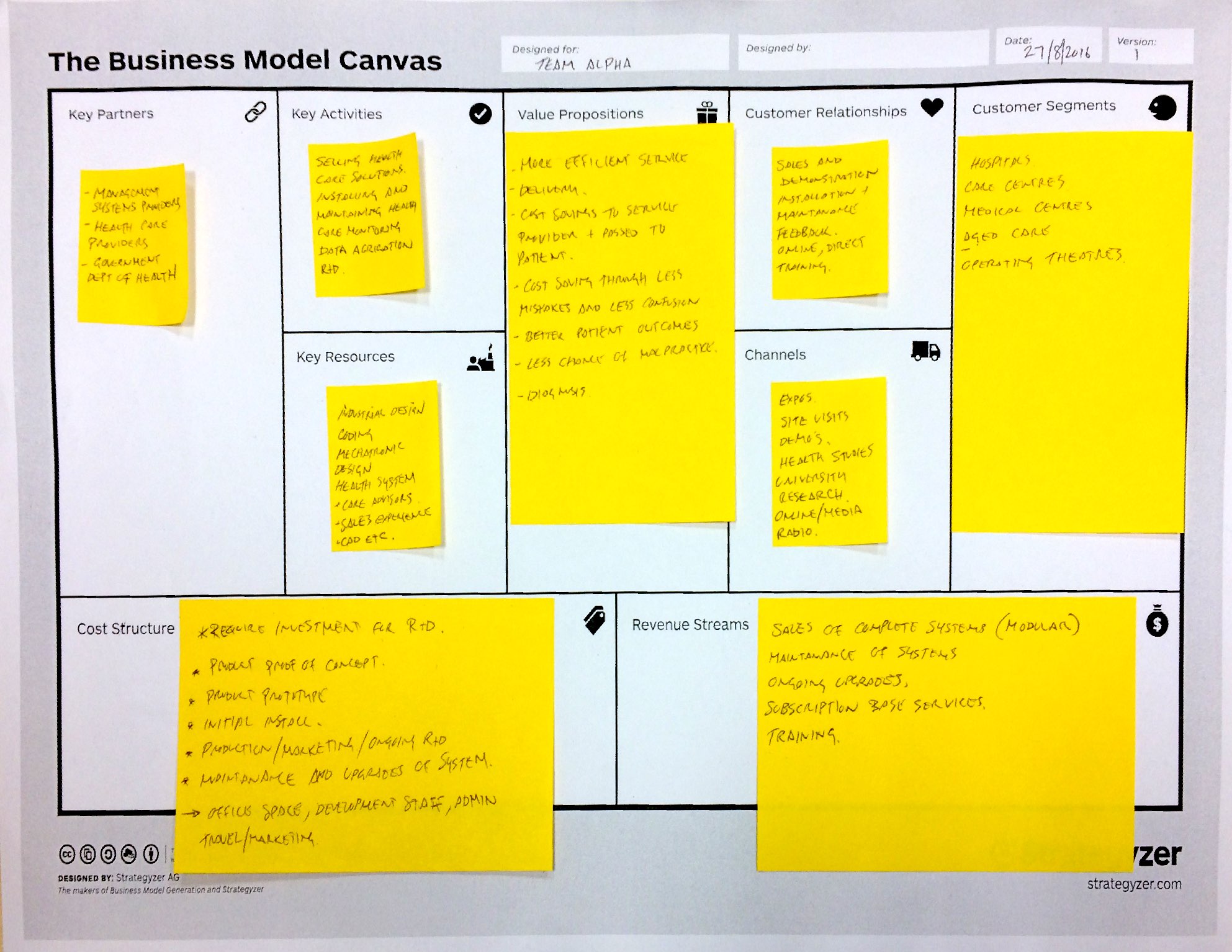
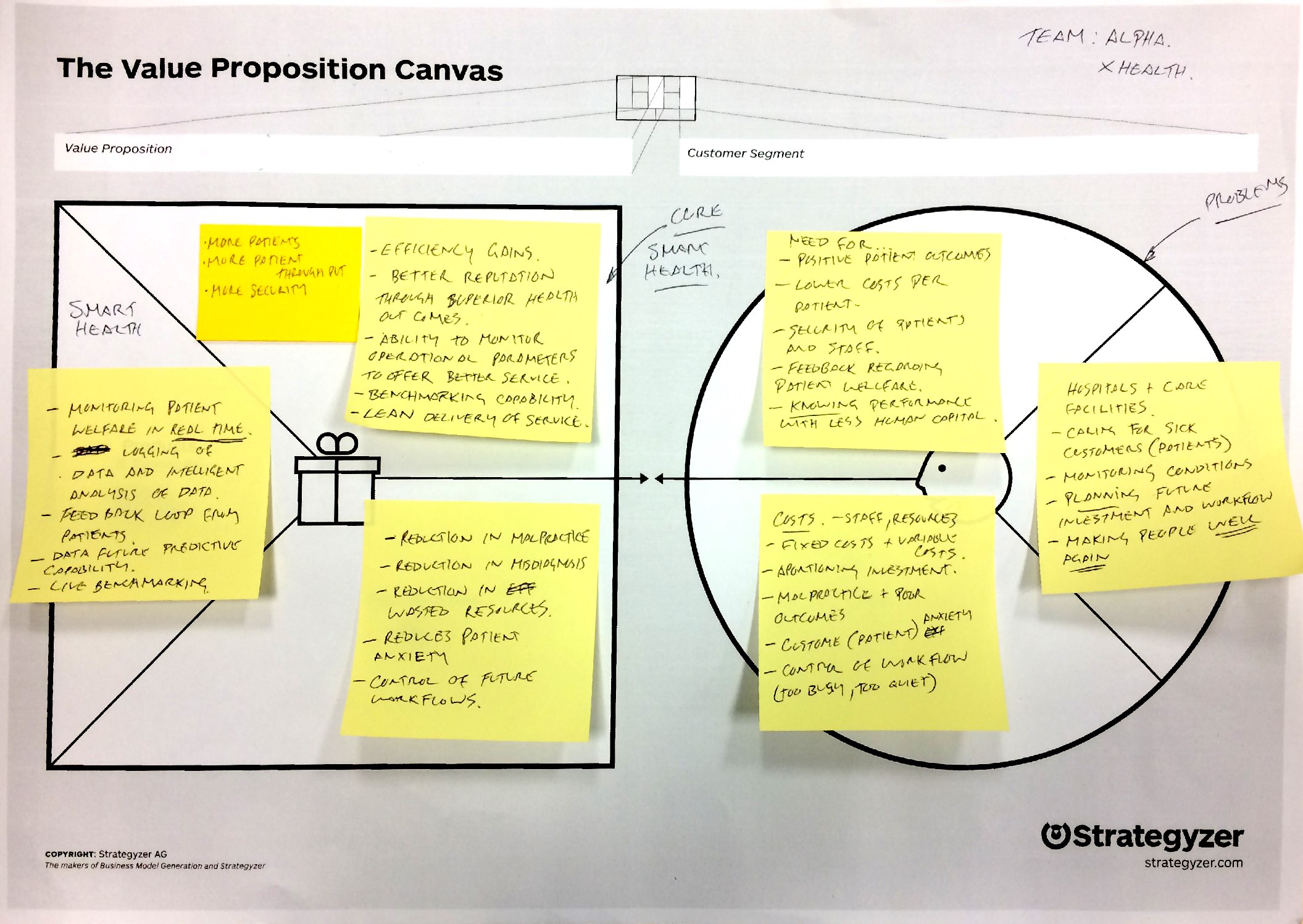
For the Hospital: Smart Health provides automated alerts and highlighting of anomalies in patient conditions. Smart Health saves costs by allowing efficient patient care and the appropriate allocation of hospital resources. Smart Health reduces the incidence of costly malpractice by continually monitoring patient condition and reactions subsequent to medications. Smart Health allows for the data analysis of patient welfare data. Smart Health highlights times of the day when patient anxiety is high. For instance if this occurs at visiting time or meals time. This allows the hospital to refine its operational efficiency. Smart Health data allows the hospital to manage its resources in advance of predicted events. For the Patient: Smart Health provides constant monitoring and reassurance to the patient. Smart Health allows the hospital to better manage its resources to provide better outcomes. Smart Health reduces the costs of health care which are passed on to the patient. Smart Health data can be used to benchmark hospitals to enable choices based on performance.
How we built it
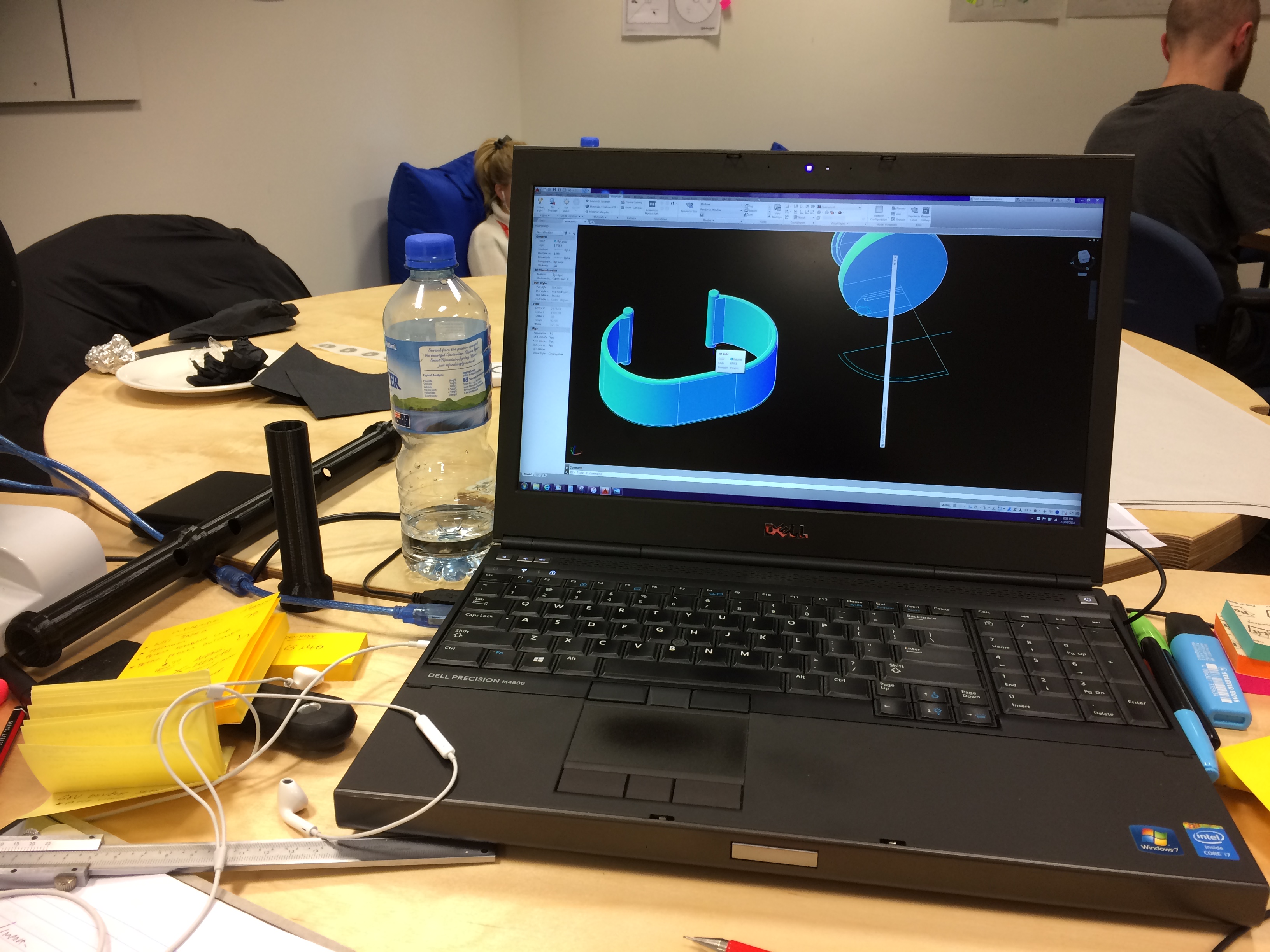
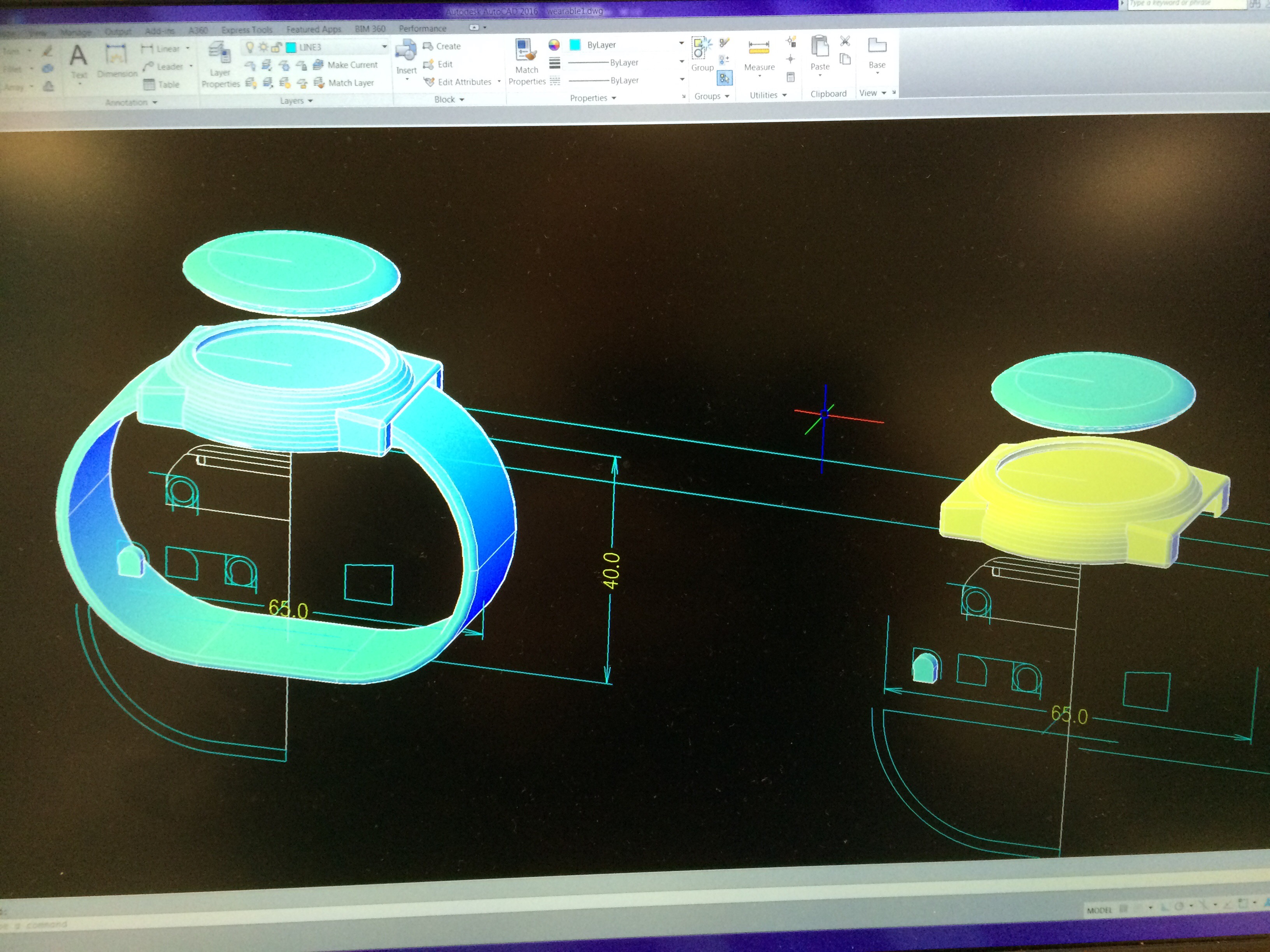
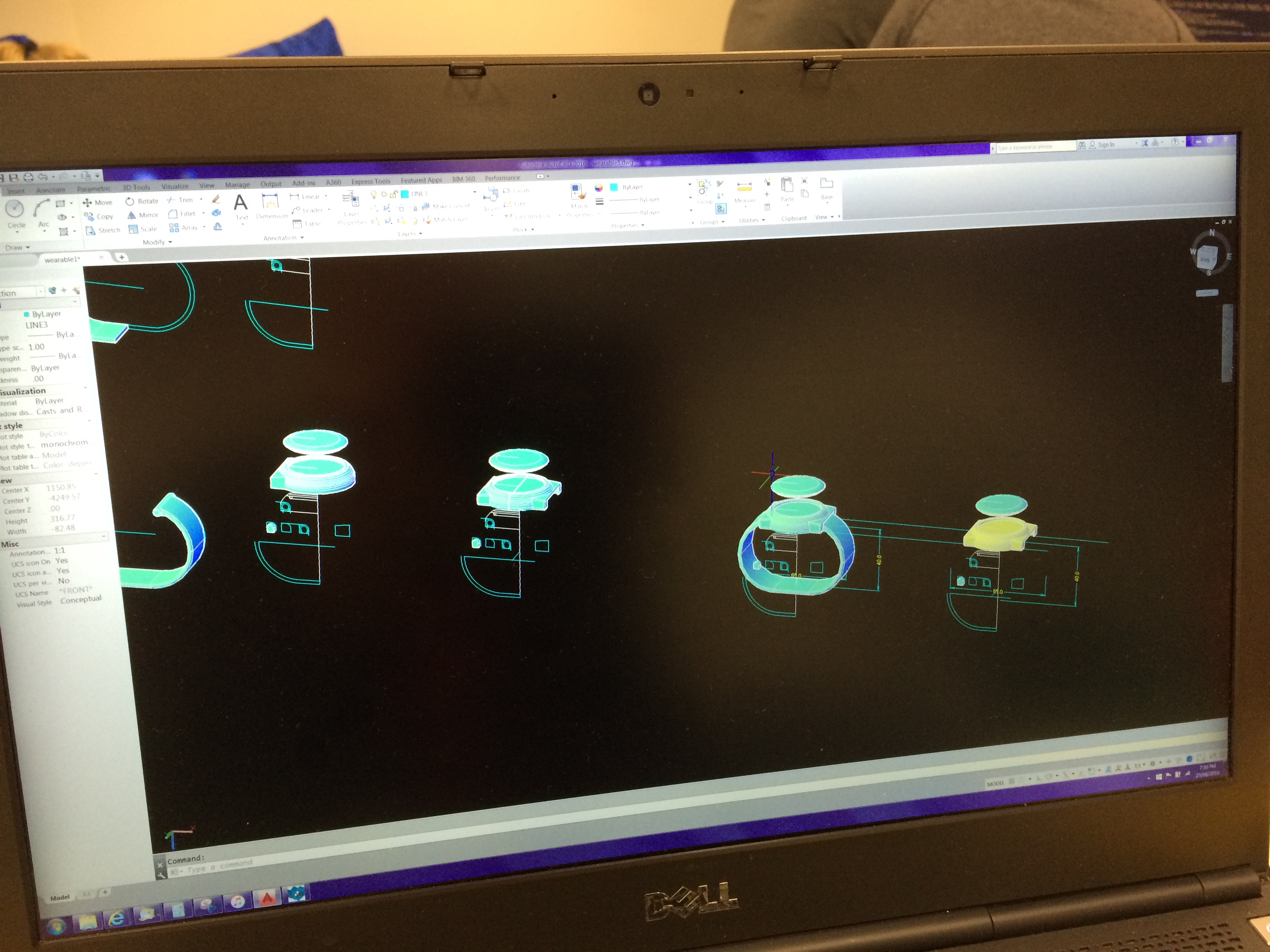
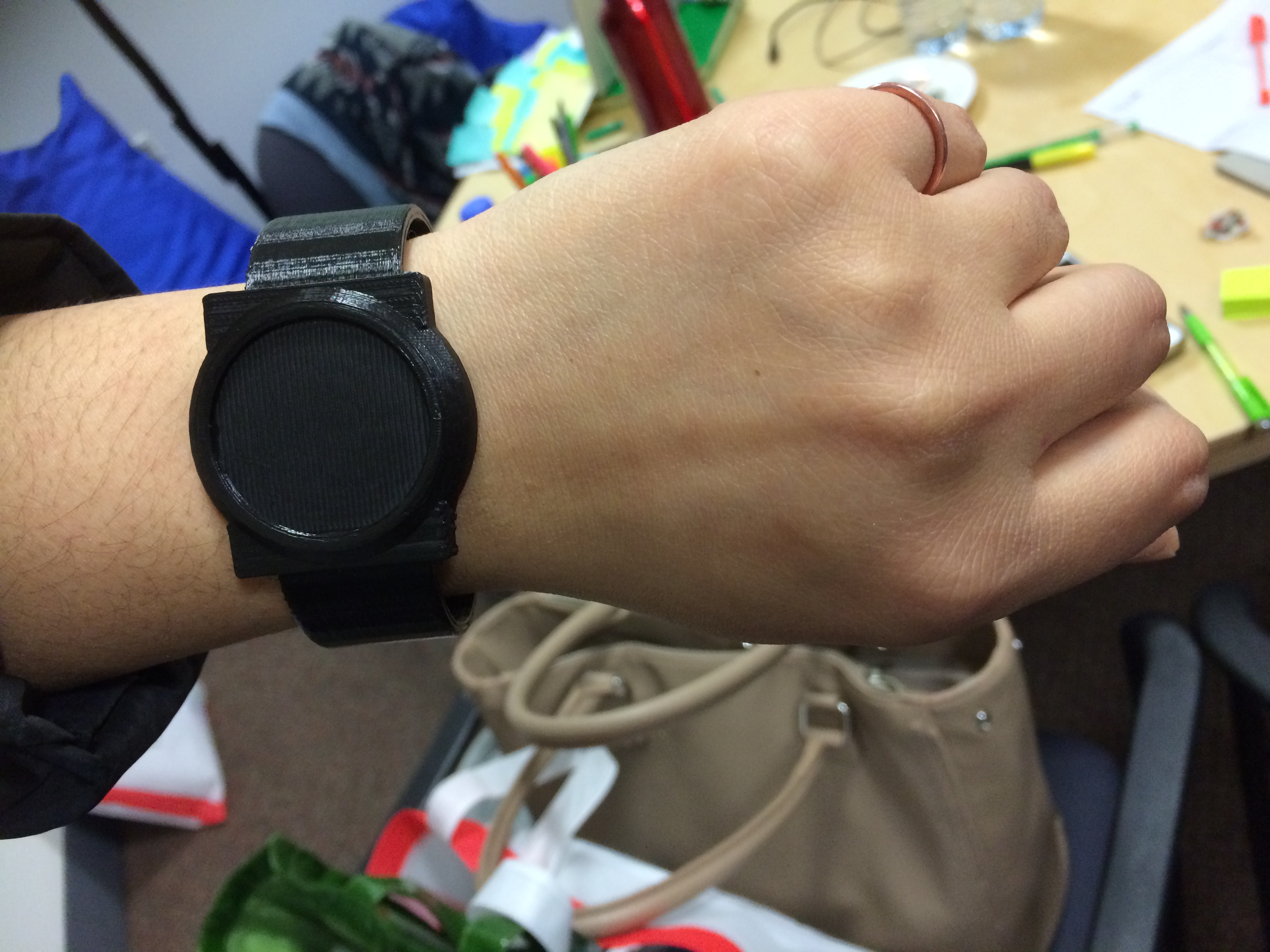
The prototype wearable was built on CAD software (AutoCAD) and printed using a fused deposition modeller 3D printer. The prototype contains an RFID chip to simulate the logging in an decoding of patient data. The interface prototype was created using a python program running on a computer. When a user scans their wearable health device their health profile is automatically loaded onto the screen (refer to video for demonstration). The RFID reader is smart enough to identify the unique ID of each patient's wearable device and only load the relevant personal health information of that user.
Accomplishments that we're proud of
Coming together as a team. Unfortunately one of the people who committed to be on our team did not show up on the weekend, which left us under resourced, however, it was very satisfying to see the way the remaining team, made up of total strangers, pulled together to produce a working prototype - both a hardware model and software.
What we learned
Teamwork depends on the individual. Problem solving attitude with a positive outlook can produce good results. It is important to concentrate on solutions.

Log in or sign up for Devpost to join the conversation.