-
-
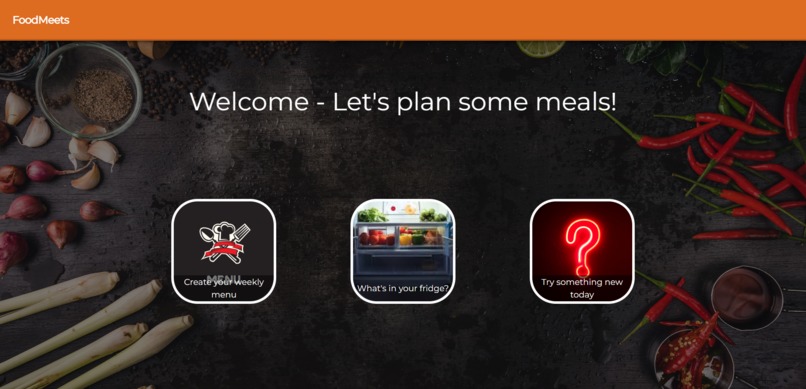
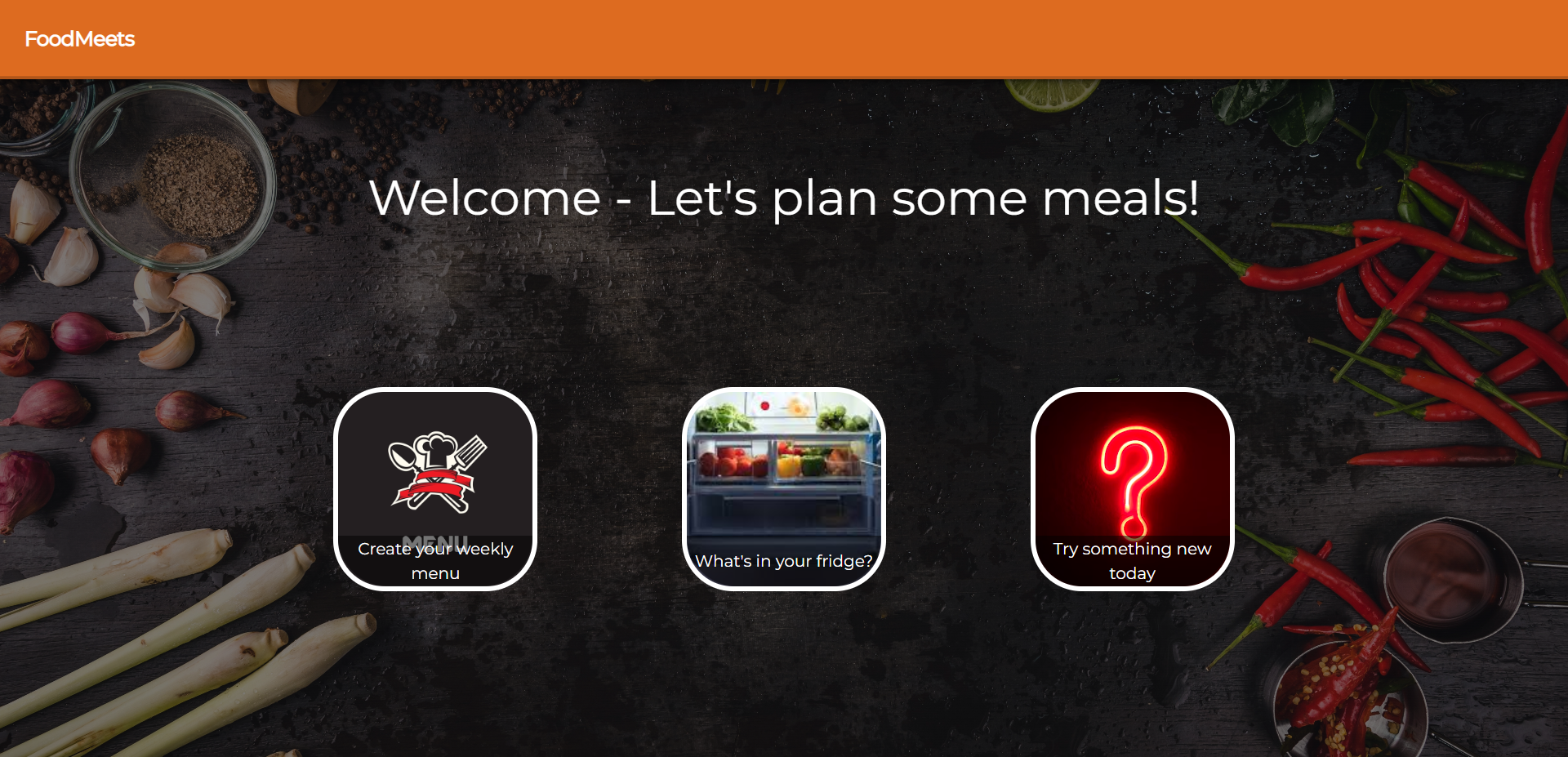
Home Page
-
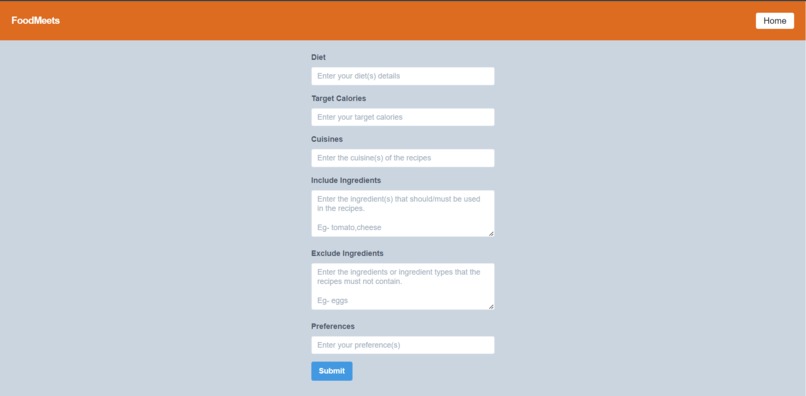
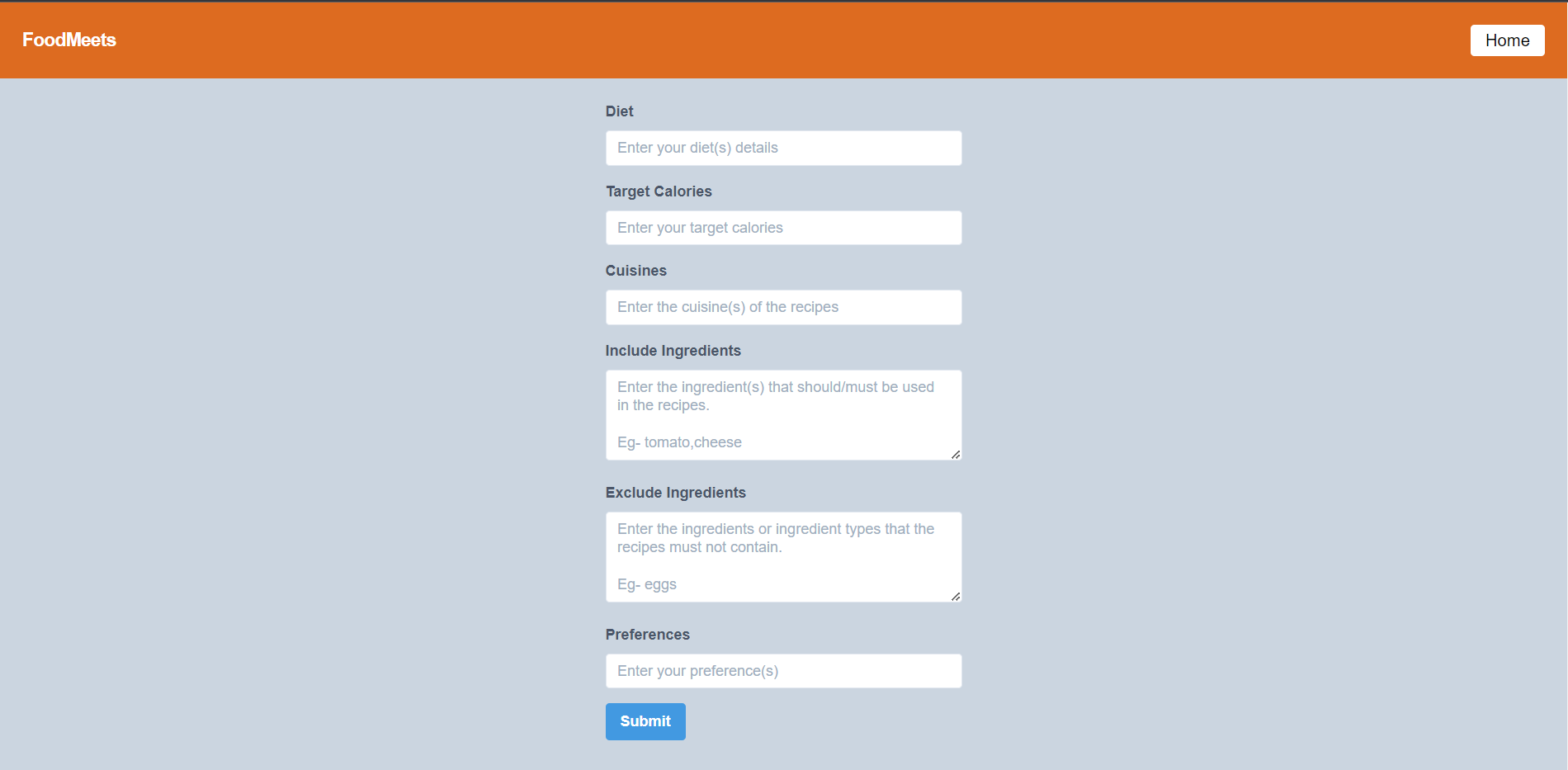
Create your weekly menu
-
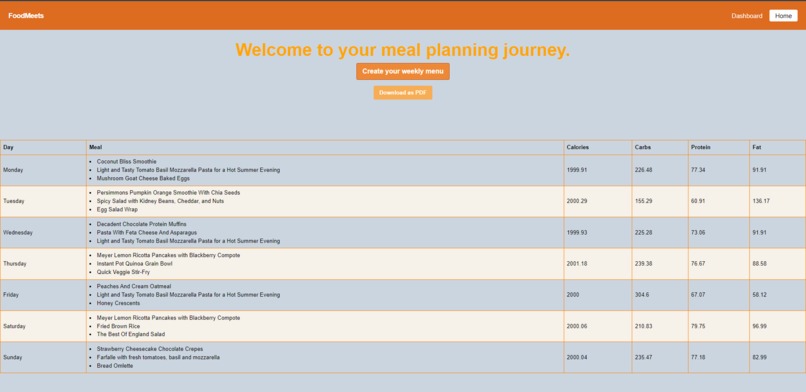
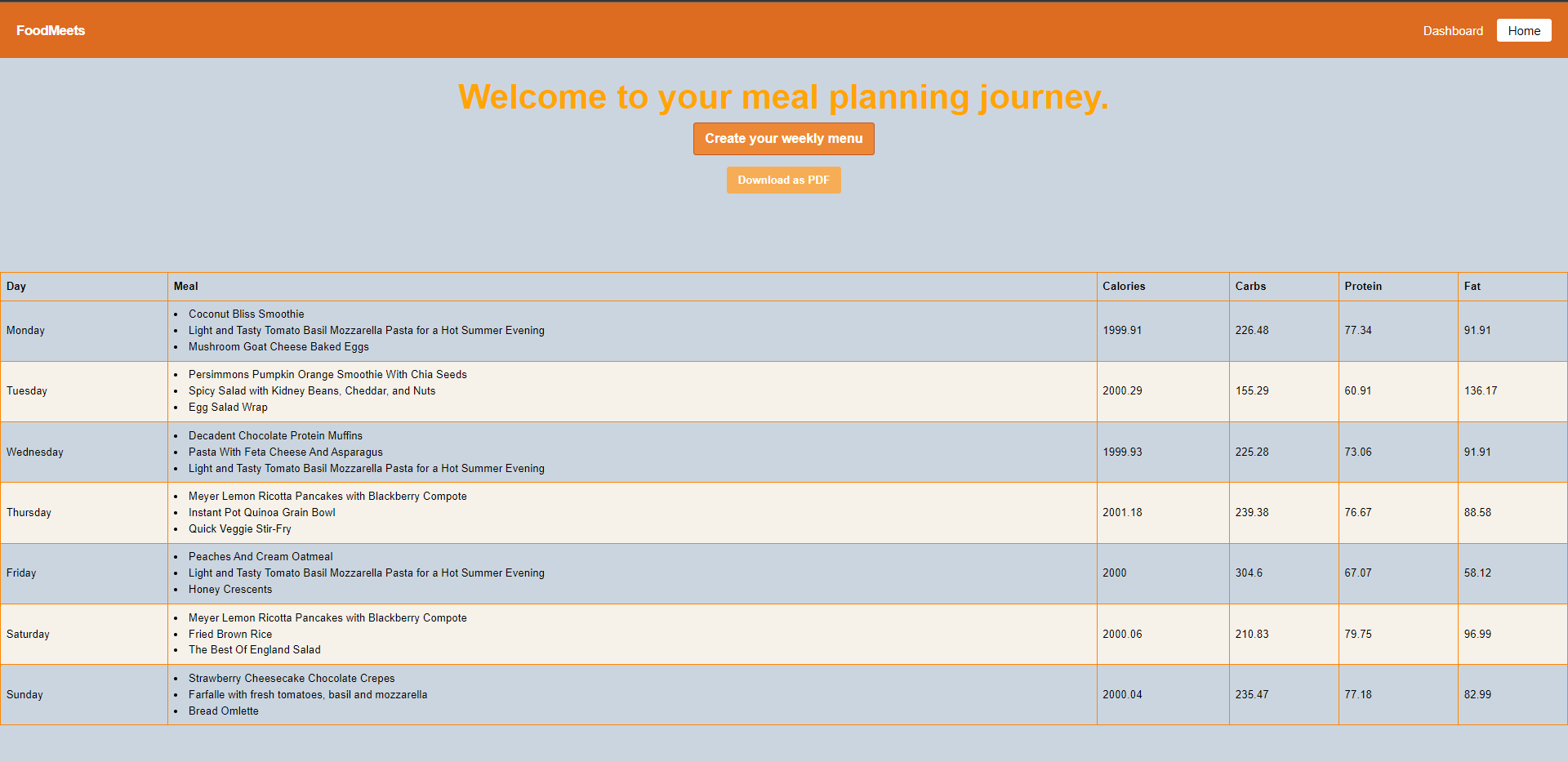
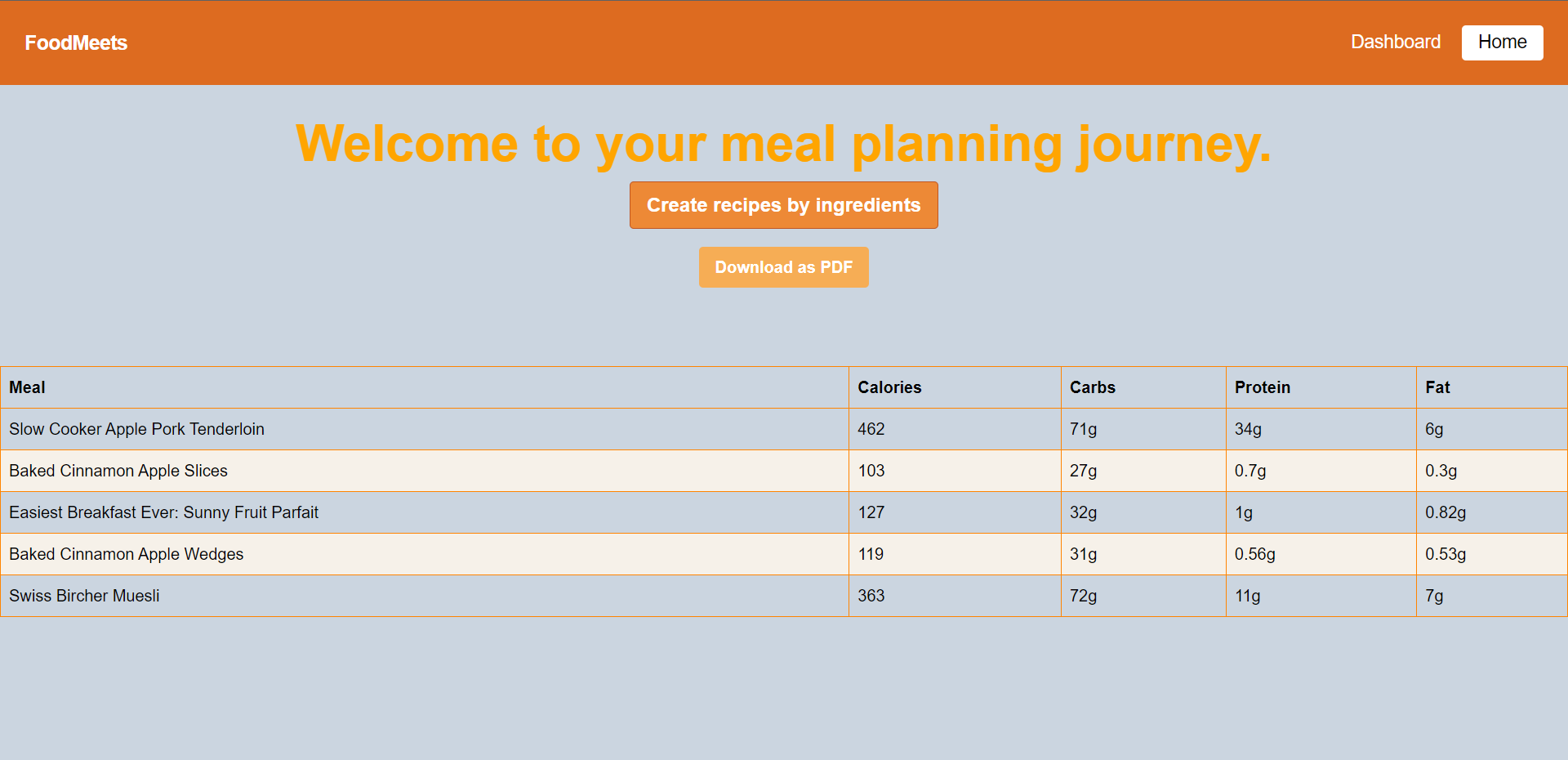
Weekly menu
-
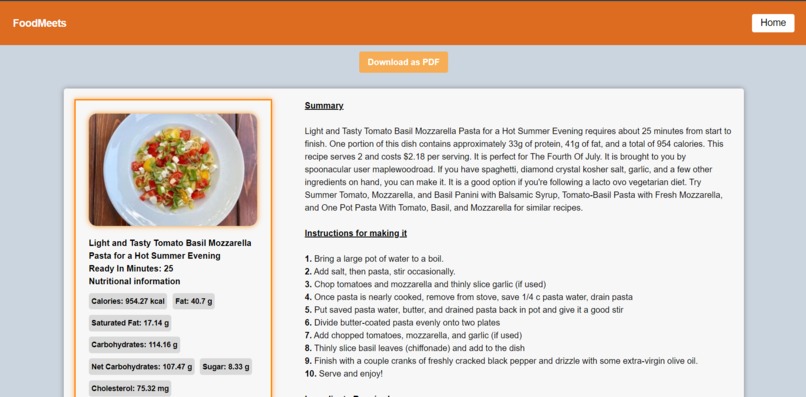
Recipe
-
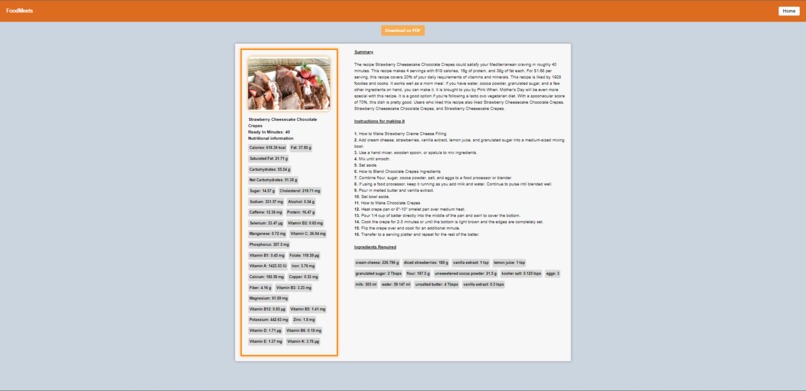
Recipe
-
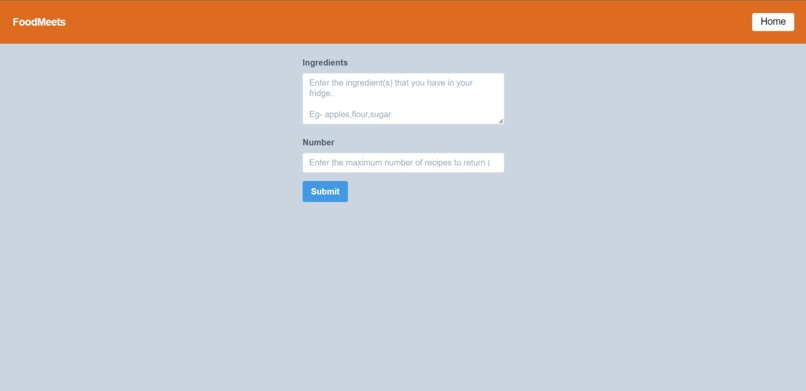
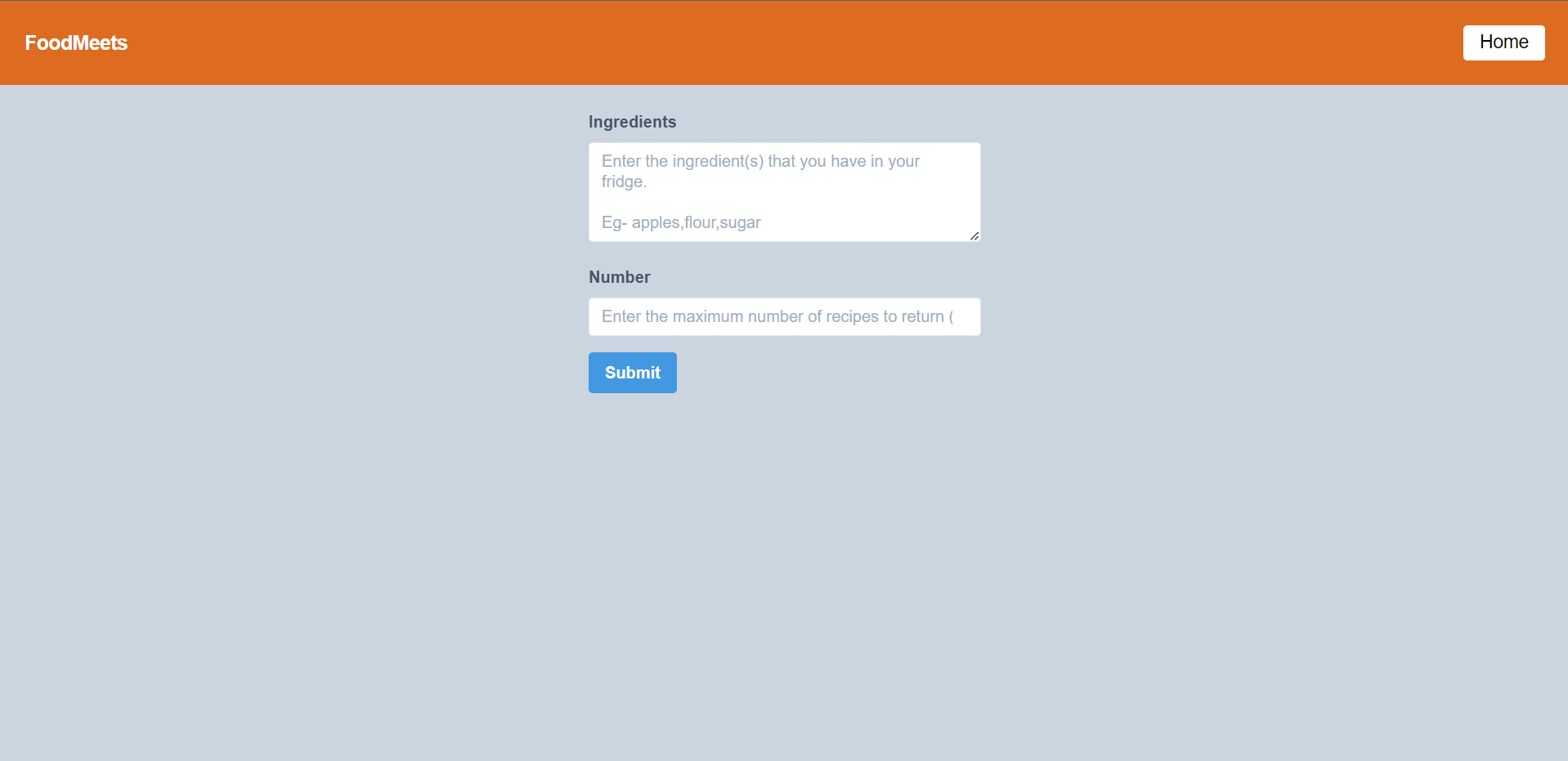
What's in your fridge
-
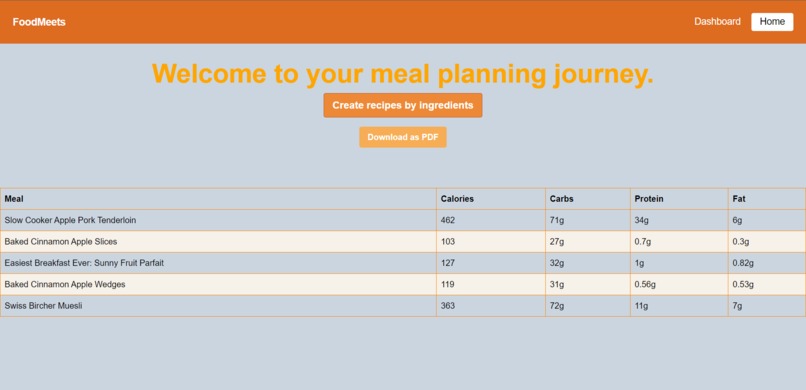
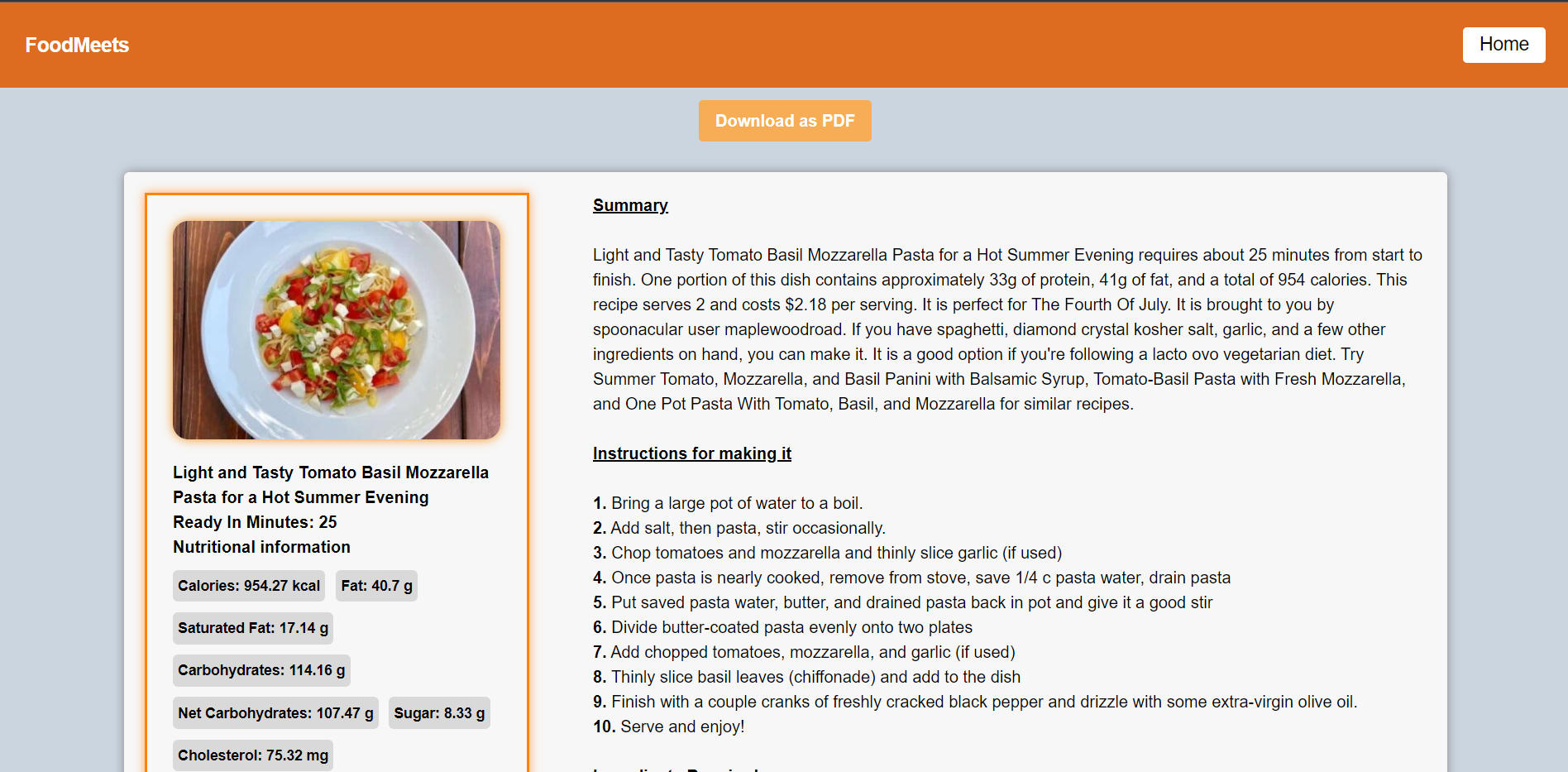
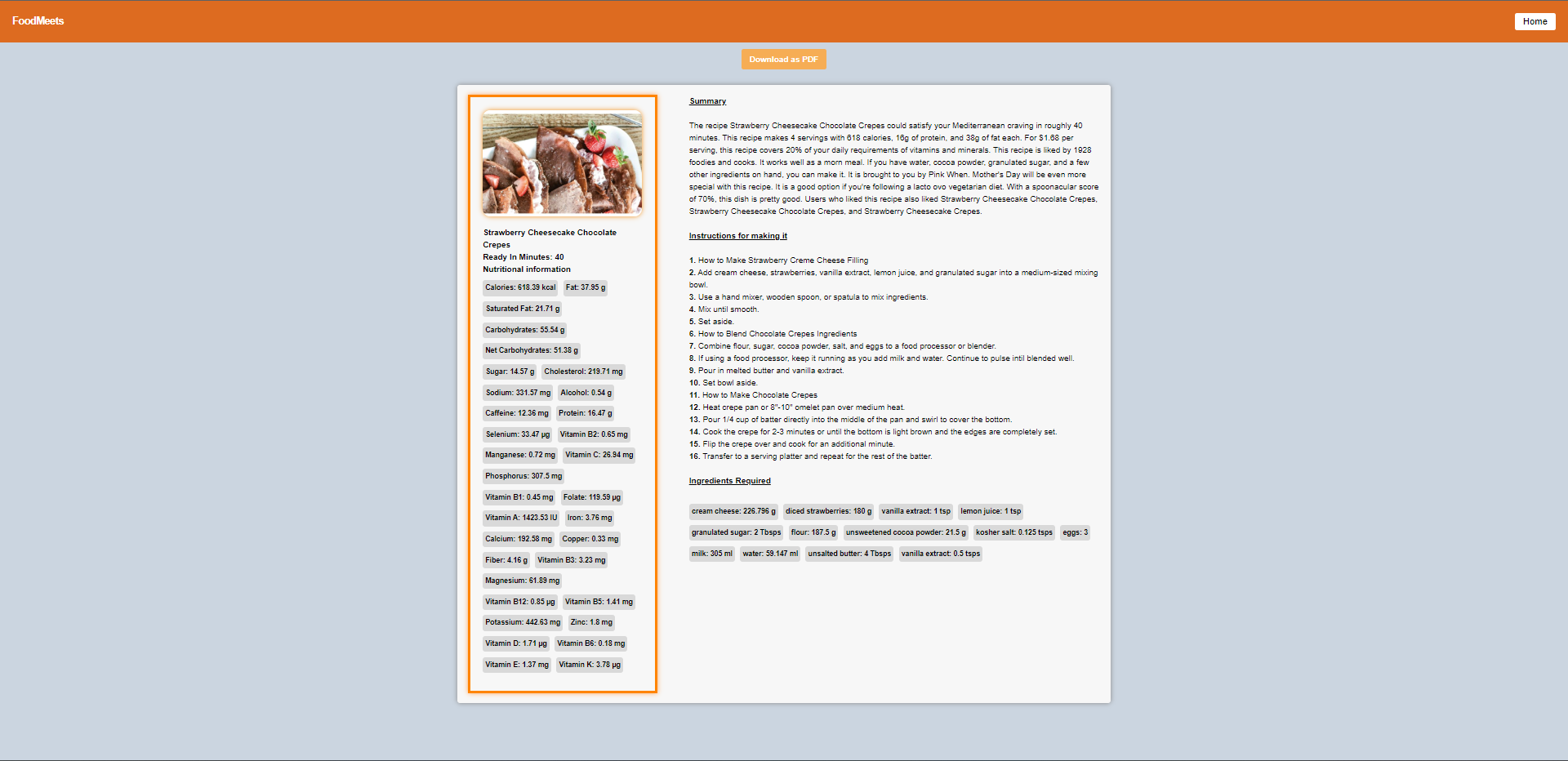
Meals based on ingredients in the user fridge
-
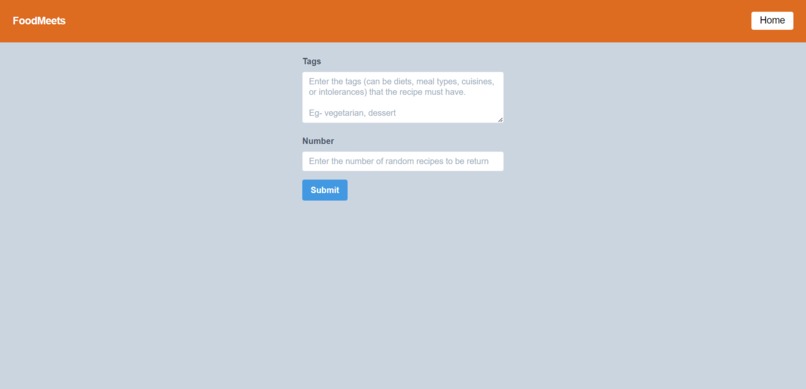
Try something new today
-
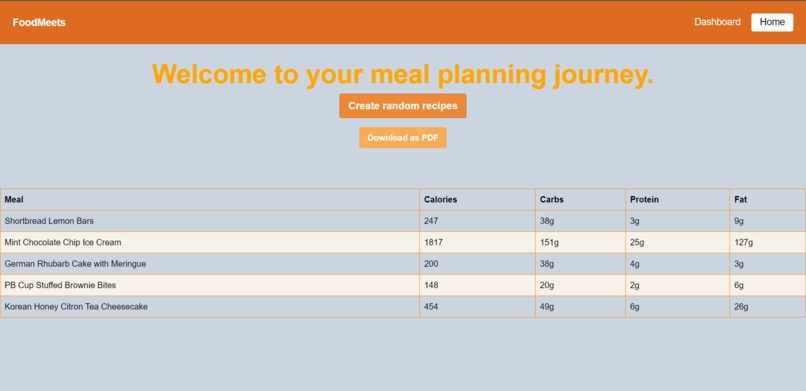
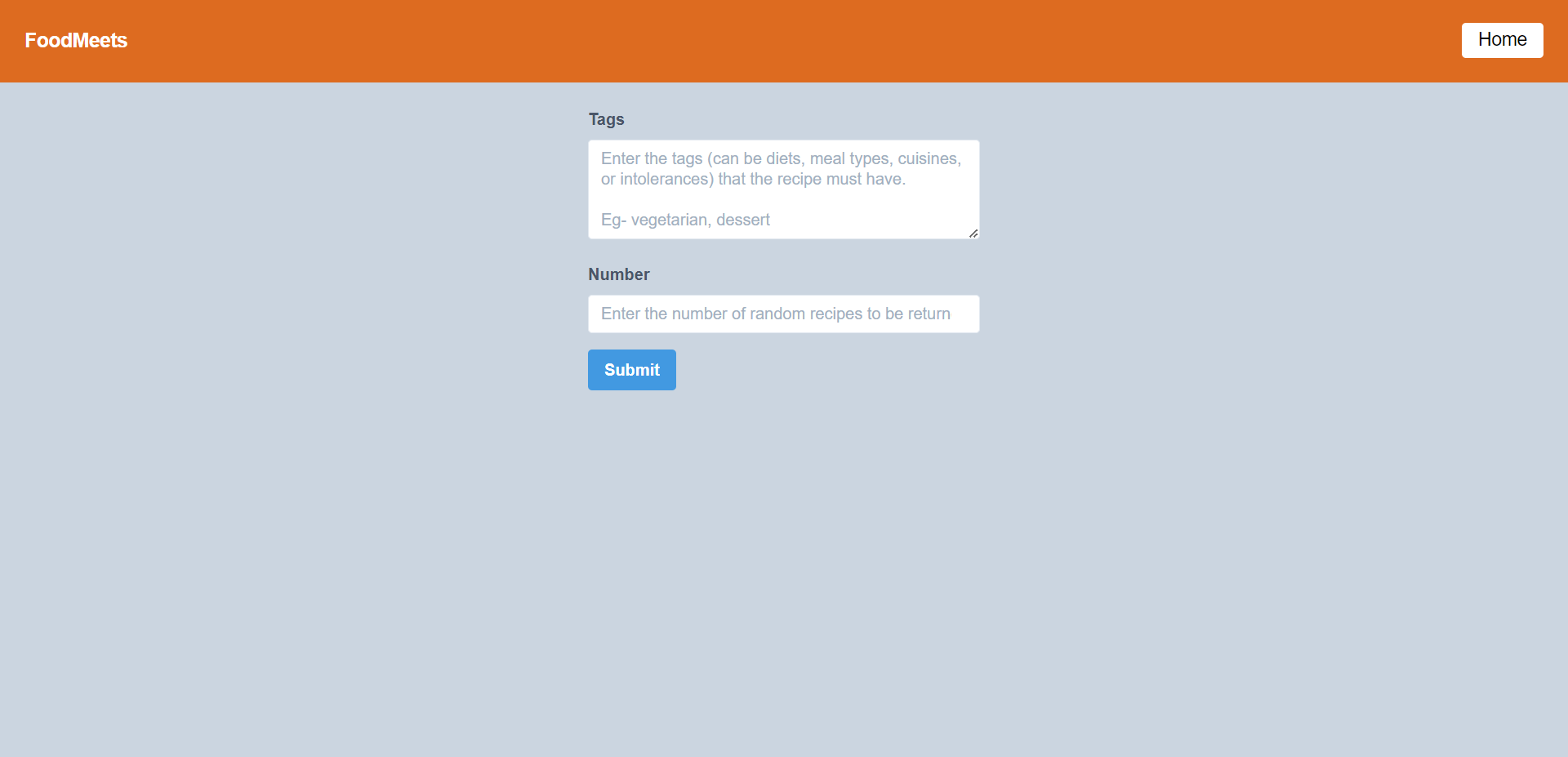
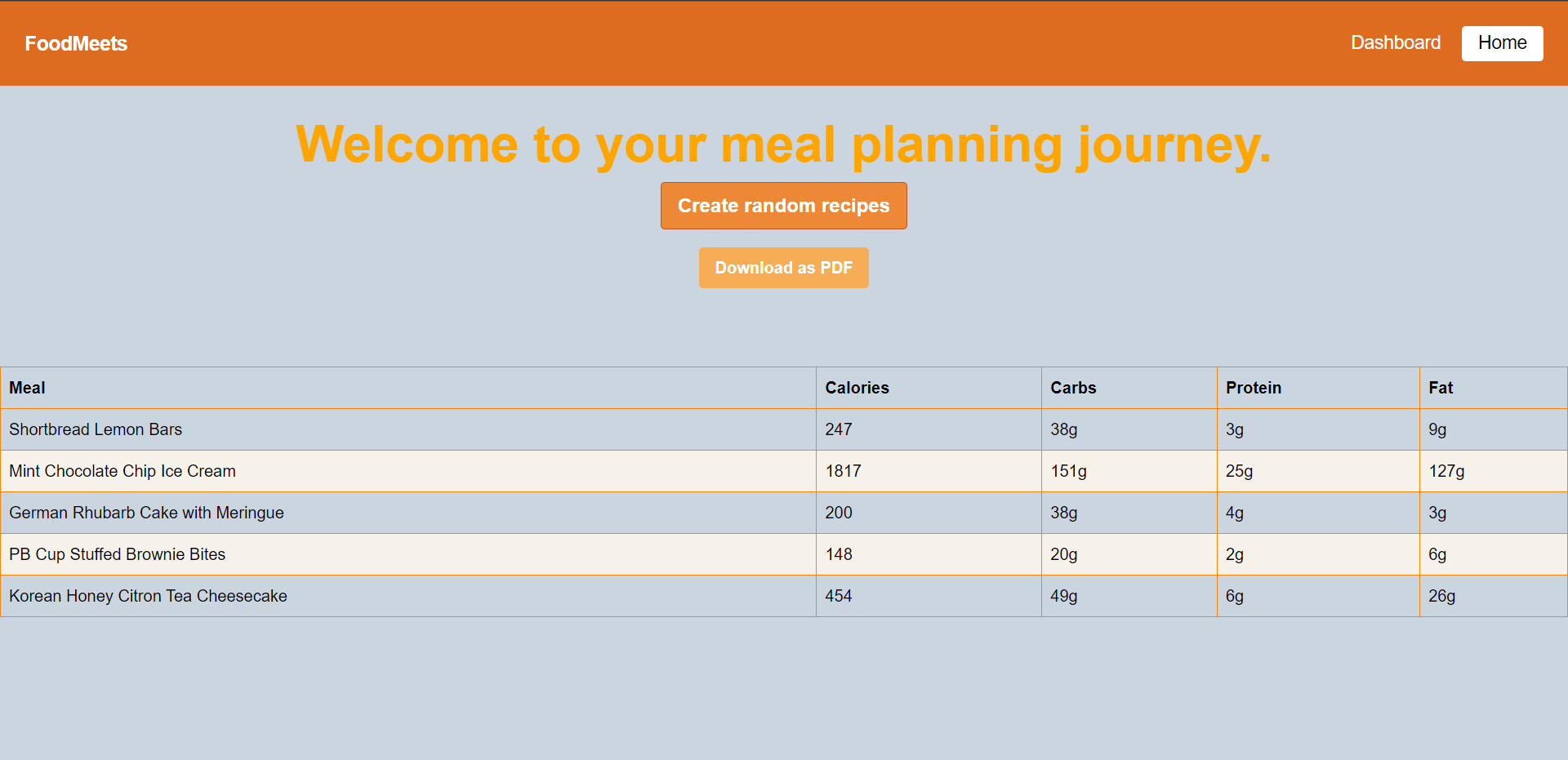
Random meals based on tags provided by user
Inspiration
As a busy college student, I know the struggle of finding time to meal plan and prepare healthy meals. It's a challenge we all face and often leads to eating the same boring meals or resorting to unhealthy options. It can be overwhelming to try and figure out what to make, especially when you're trying to balance a busy schedule. We all want to make nutritious meals that support our health goals, but it can be difficult to know where to start. That's why I was inspired to create a meal-planning app that makes it easy and efficient for busy people to plan and prepare healthy meals. With this app, users can generate new and exciting recipes based on the ingredients they have on hand, plan out their weekly menu, and track their nutrient intake to make sure they're getting the nutrients they need. My goal is to help others overcome the challenges of meal planning and create a more sustainable, healthy lifestyle.
What it does
Our web application is designed to make meal planning more convenient and efficient for busy individuals. With three key features, users can easily create a weekly menu based on their dietary needs and preferences, generate recipes based on the ingredients they have on hand, and try something new with exciting recipe ideas.
The first feature,
- Create your weekly menu: Allows users to customize their meal plan by inputting their diet details, target calories, preferred cuisines, and ingredients they want to include or exclude from recipes. This feature takes the stress out of meal planning by providing users with recipe ideas that meet their nutritional needs and taste preferences.
The second feature,
- What's in your fridge: Allows users to make the most of the ingredients they already have at home. By inputting the ingredients they have on hand and the number of recipes they want to generate, users can easily access a variety of recipe ideas to inspire their meals and reduce food waste.
The third feature,
- Try something new today: It is perfect for users looking to add some variety to their meal rotation. By selecting tags and the number of recipes they want, users can explore new recipes and expand their culinary horizons.
Additionally, we wanted to provide users with a convenient way to access their meal plans and recipes without having to constantly log into our web application. That's why we added a feature that allows users to download their menus and recipe lists in a PDF file. This way, users can easily access their meal plans and recipes offline, and even print them out if needed. We believe that this feature adds a lot of value to our application, making it even more convenient and user-friendly for busy people who are always on the go.
Overall, our web application provides a user-friendly and efficient solution for meal planning, recipe generation, and nutrient tracking to help busy individuals make healthier and more delicious meals every day.
How we built it
Our team has leveraged the power of modern web development tools to create a seamless and user-friendly meal-planning application. The frontend of our app has been built with HTML, CSS, Tailwind CSS, and Javascript to ensure a responsive and visually appealing design. To further enhance the dynamic nature of our app, we have converted our HTML files into EJS templates.
For the backend, we have utilized Node.js and Express, two powerful and reliable technologies that allow us to efficiently manage data and deliver a fast and reliable user experience. To generate recipes for our users, we have integrated the Spoonacular food API, which provides a wealth of recipe data and nutritional information.
Challenges we ran into
One of the most difficult challenges was to selecting a proper food Api for this application and dealing with that API and figuring out what data we want to send to the frontend which can make the meal planning journey of users more efficient.
Accomplishments that we're proud of
One of the biggest hurdles we faced while building this meal-planning application was selecting a suitable food API that could provide us with the necessary data to make the meal-planning journey of our users more efficient. We had to go through several APIs, test them out, and analyze the data they provided to ensure that it met our requirements. Once we selected the Spoonacular food API, we had to figure out how to effectively deal with the API, extract the relevant information, and format it in a way that would be easily consumable by our frontend. This required a lot of experimentation, testing, and debugging to ensure that our users were getting the best experience possible. Despite the challenges, we persevered and were able to successfully build an application that makes meal planning more convenient and efficient for busy individuals.
What we learned
Working on this project gave us the opportunity to enhance our skills in teamwork, collaboration, and communication. It also allowed us to gain practical experience in dealing with APIs and handling data to create an efficient meal-planning app. We were able to learn how to effectively use the Spoonacular food API and integrate it with our frontend and backend to provide users with a seamless experience. Additionally, we learned how to identify the user's needs and requirements and provide them with the necessary features to plan their meals efficiently. Overall, this project was a great learning experience for us and we were able to apply our knowledge and skills in building a useful application for busy individuals who want to plan their meals more conveniently.
What's next for FoodMeets
We plan to enhance the user interface to make it more intuitive and user-friendly, and to optimize the application for mobile devices. Overall, our goal is to make FoodMeets the go-to solution for busy individuals who want to eat healthy and delicious meals without spending too much time on meal planning and preparation.
Built With
- css
- ejs
- express.js
- html5
- javascript
- node.js
- spoonacular-food-api
- tailwind


Log in or sign up for Devpost to join the conversation.